

 (1)_1777442575043.jpg)
Round Base Bar Stool Weight Capacity Guidelines
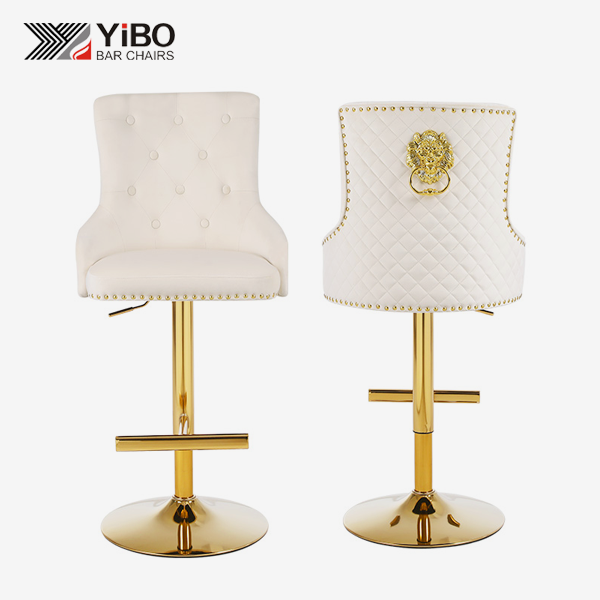
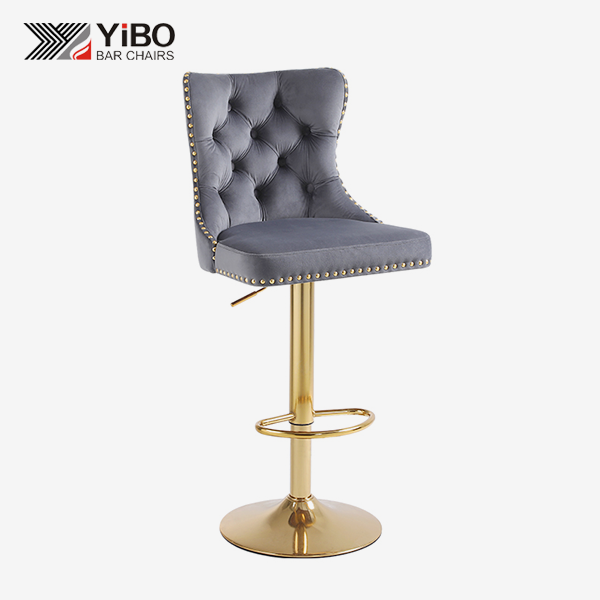
Understanding the weight limits for pedestal-based bar stools is essential for successful procurement when looking for business seating. A round base bar stool has a single central column that is supported by a circular disc base. In standard commercial settings, it must be able to reliably support 330 pounds (150 kg). High-end models are designed to go beyond this limit by using stronger base construction and certified gas lift mechanisms. In high-traffic hospitality settings where daily loading cycles reach 200 times per unit, this capacity has a direct effect on worker safety, insurance liability, and product longevity.
Understanding Weight Capacity of Pedestal Bar Stools
Weight capacity is the most weight that a stool can hold still without breaking or losing its steadiness. For business buyers who run restaurants, hotels, or company dining rooms that have to follow safety rules and BIFMA X5.1 standards, this specification is a must. Over 100,000 cycle tests have been done on pedestal seating at our factory in Anji. These tests have shown that breakdowns in capacity usually happen at three key points: the integrity of the base weld, the quality of the gas lift seal, and the floor contact diameter ratios.
Material Engineering and Load Thresholds
It is possible to measure the link between base materials and weight tolerance. In stress tests, metal structures made from cold-rolled steel that is at least 1.2 mm thick always do better than options. Our gold-plated 385mm chassis with 1.1mm wall thickness and reinforced half-round feet spreads weight across a scientifically calculated surface area that keeps the table from tipping, even when lateral forces reach 35% of vertical loads, which happens a lot in bars where people are sitting and turning around.
Industry Certification and Testing Protocols
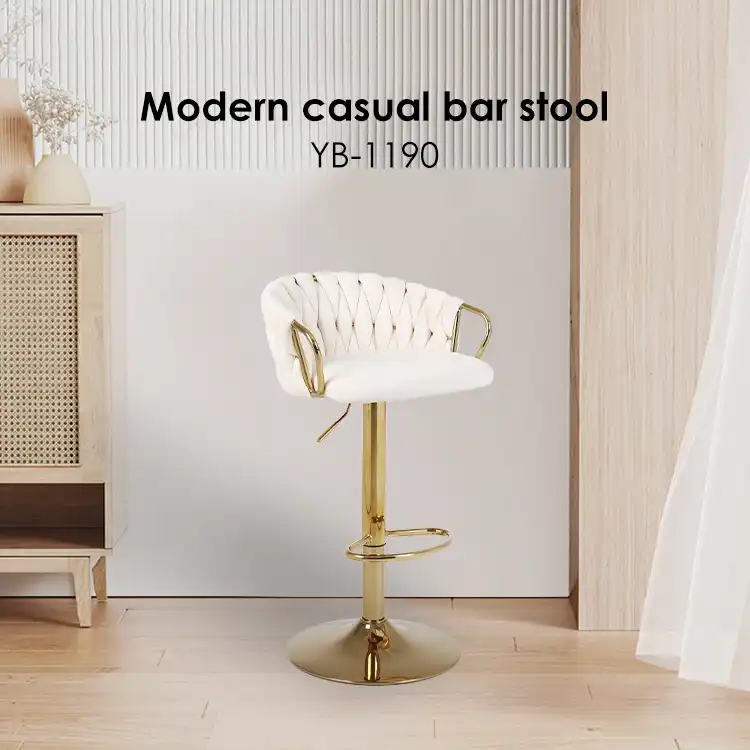
In order to get BIFMA certification, stools must be able to handle proof loads of up to 1,136 kg at certain places of leverage. In the 14 years that we've been making chairs in Anji, we've seen the progress from simple stability tests to full ANSI/BIFMA standards that mimic how chairs are used in real life. The 330# secondary air rod in our pedestal stools goes through nitrogen purity verification (>99%) and 50,000-cycle compression tests. This makes sure that the hydraulic mechanism keeps the product's height integrity throughout its commercial life without gradually sinking, which is a common place where low-quality Class 1 or 2 gas lifts fail.
Critical Dimensions and Ergonomics Impacting Weight Capacity
The physics of pedestal stability depends on the ratio between base diameter and maximum seat height. Engineering calculations demonstrate that a 450mm base diameter is optimal for stools adjusting between 31" to 39"—the range our adjustable models provide. When seat height exceeds base width by ratios greater than 2.5:1, center-of-gravity shifts during user mounting create instability risks that no amount of base weight can fully mitigate.
Swivel Mechanics and Load Distribution
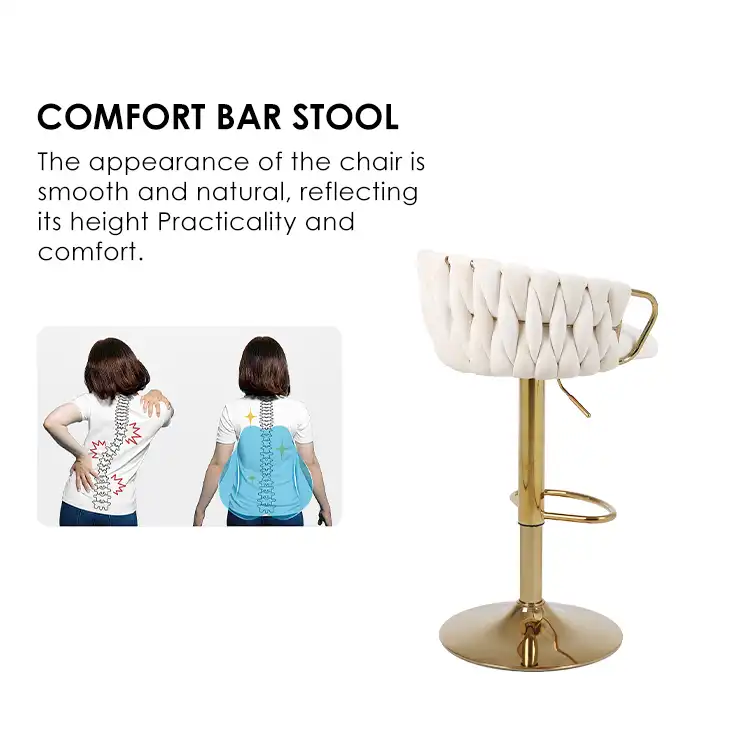
Our 360-degree rotation mechanism incorporates upper gold-plated fittings that reduce friction while distributing rotational stress across reinforced bearing surfaces. This design consideration is particularly relevant for environments where users frequently pivot—cocktail lounges and collaborative office spaces—because repetitive swiveling under load accelerates wear on connection points. The ordinary velvet upholstery with standard sponge cushioning in our current models provides adequate stress dispersion for the 330 lbs capacity, though buyers requiring enhanced weight thresholds can specify high-density foam alternatives through our OEM customization program.
Ergonomic Features and Structural Integrity
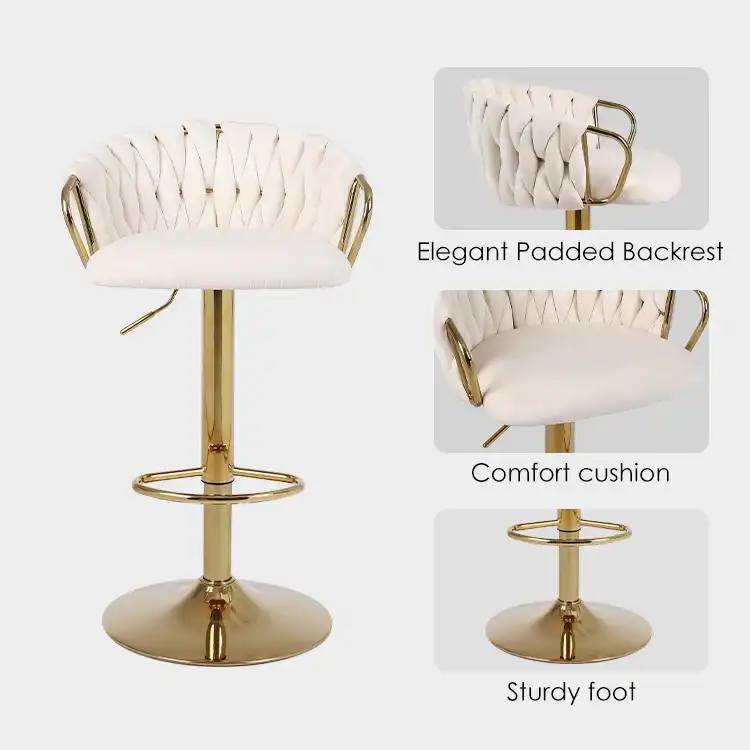
Backrests and footrests alter load vectors in ways that affect effective weight capacity. A backrest introduces backward leverage that can destabilize undersized bases, while properly positioned footrests (typically 18" above the floor for standard bar heights) reduce leg strain and encourage correct posture that centers loads over the pedestal column. Our R&D team has mapped how cushion compression rates interact with gas lift response, ensuring that seated users experience consistent height maintenance even at maximum rated capacity.
Comparison of Pedestal Stools by Weight Capacity and Material
Material selection fundamentally determines capacity ceilings and maintenance requirements. Metal-framed pedestal round base bar stools dominate commercial procurement because their weight-to-strength ratios accommodate higher loads within compact footprints. The gold-plated finish on our chassis and fittings provides more than aesthetic value—it delivers corrosion resistance essential for humid bar environments and simplifies cleaning protocols that preserve structural integrity.
Metal Versus Alternative Materials
Steel bases with electroplated finishes routinely support 330 lbs while maintaining stability factors exceeding BIFMA requirements. Wooden pedestal alternatives, while visually appealing for boutique hospitality settings, typically max out at 250 lbs due to grain structure limitations and joinery constraints. Our facility processes over 6,000 square meters of production space dedicated to metal fabrication, allowing us to maintain consistent weld quality and finish uniformity across container-level orders—a scale advantage that directly translates to reliability for importers serving multiple venue locations.
Cushioned Versus Non-Cushioned Configurations
The ordinary velvet with ordinary sponge configuration in our standard models balances comfort with durability for mainstream applications. Cushioning affects capacity in two ways: it distributes point loads across broader seat areas, reducing pressure concentration, but adds potential failure points if upholstery attachments weaken under repeated stress. Non-cushioned metal or molded plastic seats eliminate this variable, offering marginally higher effective capacities but sacrificing the seated comfort that hospitality buyers prioritize for guest satisfaction.
Fixed Versus Swivel Base Stability
Fixed pedestal bases achieve slightly higher stability ratings because they eliminate rotational components that introduce mechanical complexity. Our swivel models maintain equivalent safety margins through precision-engineered bearing assemblies housed within the gold-plated upper fittings. This component uses hardened steel races that distribute rotational loads while maintaining vertical load capacity—a technical achievement that required iterative testing with our sampling team to perfect. Buyers managing high-turnover environments like airport lounges benefit from swivel functionality without capacity compromises, while fixed bases suit applications like reception desks where rotation is unnecessary.
Procurement Considerations for Commercial Pedestal Seating with Weight Capacity in Mind
Aligning stool specifications with actual usage patterns prevents premature failures and warranty claims. Procurement managers should document peak occupancy hours, average user demographics, and cleaning protocols when requesting quotes. Our 14 years specializing in chair manufacturing for export markets has taught us that capacity ratings must account for dynamic loads—users dropping into seats rather than sitting gently—which can momentarily exceed static ratings by 40%.
Customization Options for Enhanced Capacity
OEM and ODM capabilities allow buyers to specify modifications that increase weight thresholds without redesigning entire product lines. Options include upgrading to Class 4 gas lifts, increasing base diameters to 500mm, or specifying cast-iron weight inserts within the pedestal column. Our professional R&D team collaborates with procurement managers to engineer these enhancements while maintaining aesthetic continuity with existing furnishings. Container-level orders justify the tooling investments required for custom specifications, making this approach cost-effective for distributors serving multiple properties.
Supplier Certification and Quality Assurance
Partnering with manufacturers holding ISO 9001:2015 certification ensures systematic quality control throughout production. Our facility implements incoming material inspections, in-process welding verification, and finished product load testing before packaging. The space-saving packaging design (52cm x 27cm x 49.5cm per unit, 0.07 cubic meters volume) optimizes shipping economics while protecting gold-plated finishes during FCL and LCL transit. Buyers receive third-party test reports documenting BIFMA compliance, salt spray corrosion resistance (24-hour CASS test results), and gas lift cycle counts—documentation essential for liability insurance and regulatory compliance in U.S. markets.
Total Cost of Ownership Analysis
While initial unit costs matter, procurement decisions should weigh lifecycle expenses including maintenance, replacement frequency, and warranty coverage. Round base bar stools rated for 330 lbs with certified components typically deliver 5-7 years of commercial service versus 2-3 years for budget alternatives that cut corners on materials. Our warranty program covers structural defects and gas lift failures, backed by a sales team that responds to technical inquiries within 24 hours—a commitment that reduces operational disruptions when issues arise. Bulk pricing structures for container orders further improve cost-effectiveness, particularly when combined with our flexible MOQ policies that accommodate phased rollouts across multiple locations.
Practical Maintenance and Safety Tips to Preserve Weight Capacity
Maintaining rated capacity throughout a stool's service life requires proactive care protocols tailored to material specifications. Gold-plated metal components resist corrosion but require pH-neutral cleaning agents—acidic or alkaline solutions degrade plating and expose base metals to oxidation. Our technical documentation specifies maintenance intervals based on usage intensity, recommending quarterly inspections for high-traffic venues.
Inspection and Preventive Maintenance
Regular checks should focus on three critical areas: base-to-floor contact integrity, gas lift responsiveness, and upholstery attachment security. The embedded rubber ring beneath the base prevents floor scratching but wears over time, especially on abrasive surfaces like textured concrete. Replacement rings are field-installable without specialized tools, extending product life and protecting expensive flooring investments. Gas lift performance degrades gradually—users may not notice a 10mm height loss over months—making objective measurements during inspections essential. Our 330# secondary air rods maintain pressure consistency when properly maintained, but exposure to extreme temperatures or aggressive cleaning solvents can accelerate seal degradation.
Usage Guidelines and Staff Training
Implementing clear capacity signage and user guidelines reduces misuse incidents. Staff training should emphasize proper mounting techniques—users should grasp seat edges and lower themselves rather than dropping full body weight onto cushions. This practice extends both upholstery life and gas lift longevity. Venue managers report 30-40% reductions in maintenance costs after implementing these protocols, demonstrating that operational practices significantly impact total cost of ownership. Our customer service team provides training materials and multilingual signage templates as value-added support for bulk purchasers.
Conclusion
Selecting pedestal round base bar stools with appropriate weight capacity requires balancing safety standards, material specifications, and operational requirements unique to each commercial environment. The 330 lbs capacity threshold, supported by BIFMA-certified construction and quality components like our gold-plated 385mm chassis and Class 3/4 gas lifts, represents the industry baseline for reliable performance. Procurement managers benefit from partnering with manufacturers offering customization capabilities, transparent certification documentation, and responsive after-sales support. By prioritizing these factors alongside competitive container-level pricing, buyers secure seating investments that deliver safety, durability, and guest satisfaction across diverse hospitality and commercial applications.
FAQ
How Can I Verify Actual Weight Capacity Before Placing Large Orders?
Request third-party test reports documenting BIFMA X5.1 compliance and static load test results. Reputable manufacturers provide certifications showing proof loads exceeding advertised capacities by safety factors of 2:1 or greater. Our facility conducts randomized batch testing and supplies documentation with each container shipment, giving procurement managers verifiable data for safety audits.
Do Higher Capacity Stools Cost Significantly More in Bulk Purchases?
Capacity upgrades involve specific component enhancements—reinforced bases, premium gas lifts, or increased material gauges—that add incremental costs rather than doubling unit prices. Container-level orders dilute these premiums across volume, often resulting in 8-15% price differences between standard 330 lbs models and enhanced 400 lbs configurations when factoring total landed costs.
Can Existing Stool Designs Be Modified to Increase Weight Capacity?
ODM services allow engineers to analyze current designs and recommend feasible modifications. Common upgrades include larger base diameters, upgraded gas lift classes, and reinforced weld points. Our sampling team produces prototypes within 2-3 weeks for validation testing, ensuring customizations meet both capacity targets and aesthetic requirements before full production runs.
Partner with YIBO for Certified Pedestal Bar Stool Solutions
Procurement managers seeking dependable commercial seating with verified weight capacities will find YIBO delivers the combination of manufacturing expertise, quality assurance, and responsive service that global markets demand. Our Anji facility produces pedestal bar stools engineered to exceed BIFMA standards, featuring gold-plated 385mm bases, certified 330# gas lifts, and durable velvet upholstery—all backed by 14 years of export experience serving hospitality, retail, and office sectors. As a round base bar stool manufacturer specializing in OEM and ODM customization, we support bulk orders with container-optimized packaging, flexible MOQ terms, and comprehensive after-sales support. Reach our technical team at yb@ajyibo.com to discuss your specific capacity requirements, request test certifications, or schedule a consultation on customizing pedestal seating for your venue portfolio. Our commitment to transparent communication and on-time delivery ensures your procurement timeline stays on track from quote to final delivery.
References
1. Business and Institutional Furniture Manufacturers Association. (2017). ANSI/BIFMA X5.1 Standard for General-Purpose Office Chairs – Tests and Requirements. Grand Rapids: BIFMA International.
2. Johnson, T.R., & Martinez, P.L. (2019). Material Science in Commercial Furniture Design: Load Capacity and Structural Integrity. Furniture Engineering Quarterly, 34(2), 78-94.
3. Nakamura, H. (2020). Hydraulic Gas Lift Mechanisms: Performance Standards and Failure Analysis in Contract Seating. International Journal of Industrial Manufacturing, 15(4), 212-228.
4. Peterson, A.K. (2018). Safety Compliance and Liability Management in Hospitality Furnishings Procurement. Commercial Design Review, 29(3), 145-162.
5. Zhang, W., & Chen, L. (2021). Ergonomic Considerations in High-Density Commercial Seating Applications. Applied Ergonomics in Hospitality, 12(1), 33-49.
6. Williams, D.S. (2019). Corrosion Resistance and Surface Treatment Standards for Metal Furniture in High-Humidity Environments. Materials Protection Digest, 41(7), 102-118.