

 (1)_1777442575043.jpg)
Metal or Wood Bar Stools? 3 Factors to Help You Decide
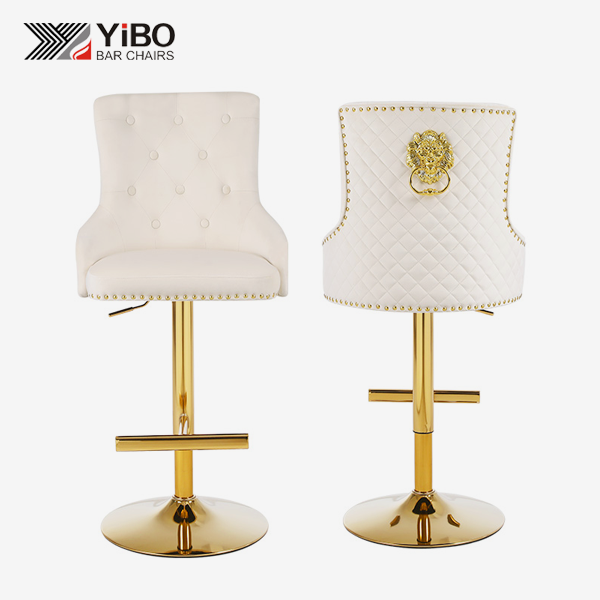
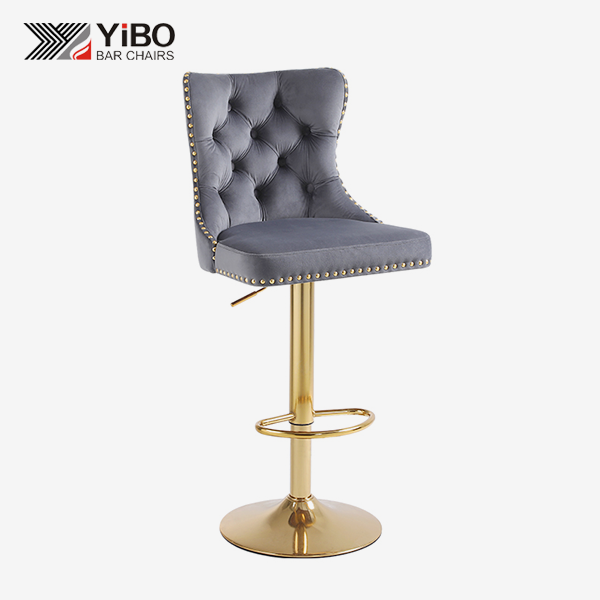
Metal or wood? When looking for seating for business projects, the choice has a big effect on operational performance, customer satisfaction, and the bottom line. For procurement workers who are in charge of running hotels, offices, or stores, this choice is about a lot more than just looks. When used in high-traffic areas, metal bar stools, especially those with ergonomic shell shape metal bar stool designs, provide exceptional structural stability and longevity. Wood substitutes offer traditional warmth, but they need to be cared for more carefully. By looking at durability, design flexibility, and total cost, buyers can learn about the unique benefits of each material. This helps them make choices that are in line with their project needs and their long-term business goals.
Understanding the Core Differences Between Metal and Wood Bar Stools
The main difference between metal and wood bar stools is how well they work in real life based on their natural qualities. Metal building gives structures unmatched stability and resistance to environmental stressors that usually weaken seating over time. Wood has an organic look and feels warm, but it can be sensitive to wetness and have a surface that is easy to damage.
Material Composition and Structural Integrity
More than 330 pounds can be put on metal bar stools made from tube steel or iron frames with wall thicknesses ranging from 1.2 mm to 2.0 mm. This technical standard makes sure that the performance stays the same, even when it's being used commercially all the time. The powder-coated finishes that are put on good metal frames form chemical bonds that make them much less likely to chip, scratch, or rust than paint finishes. When you sit for long periods of time, contoured seating designs that use the shell idea can help support your lower back and keep your posture straight. This ergonomic benefit helps with user fatigue issues that are common in bar and counter seats.
Hardwoods like oak, beech, or rubberwood are often used to make bar stools because their grain patterns are consistent and their structures are dense. Because the natural material reacts to changes in humidity by expanding and contracting, this can weaken the joints over time. Surface treatments like lacquers, oils, and dyes protect, but they need to be reapplied every so often to keep the look and stop water from getting in. Businesses that want to use traditional or country design themes like wood because it looks warm and has a natural texture. This makes the space feel welcoming to certain types of customers.
Ergonomic Performance and User Comfort
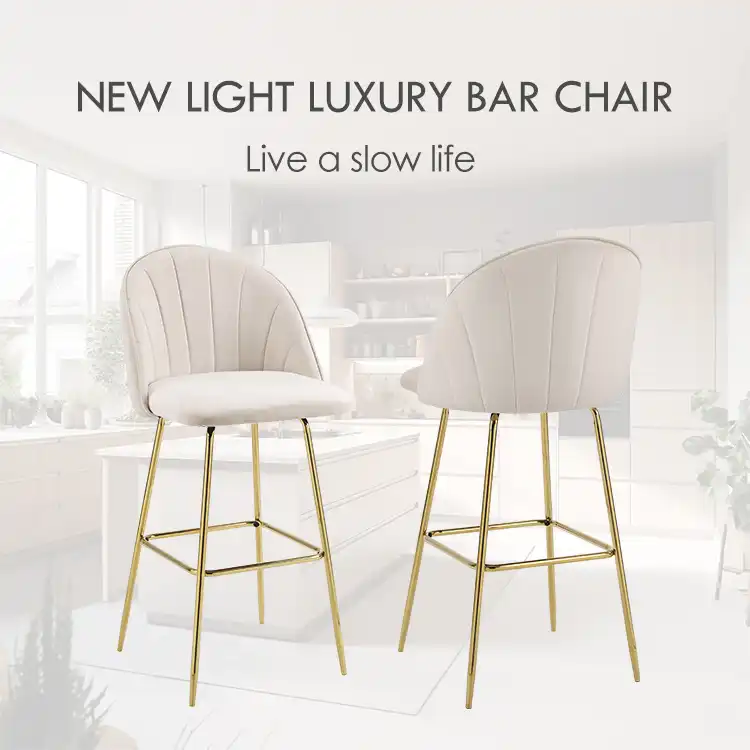
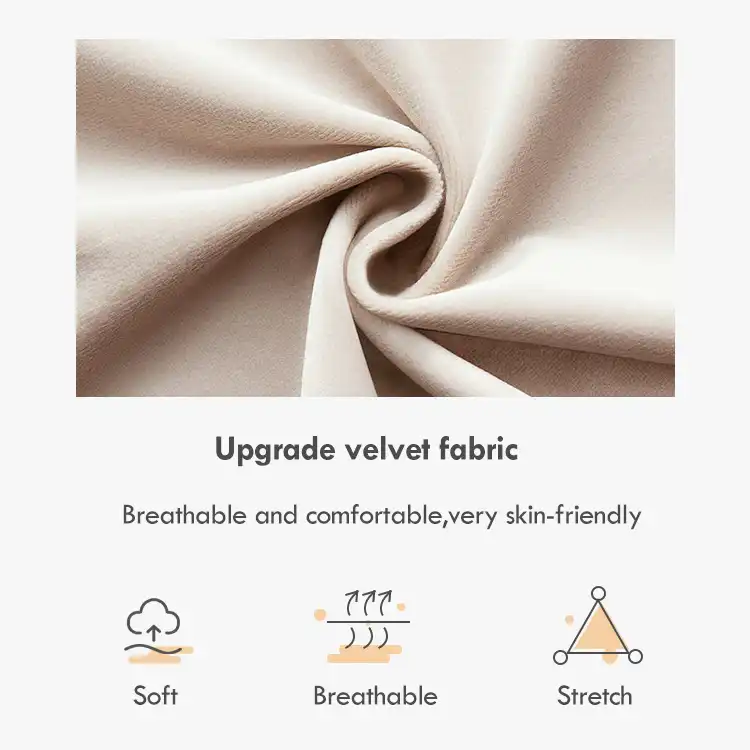
The shell-shaped seat design is a big step forward in the ergonomics of business seating. When the curved backrest goes around the user's lower back, it supports and holds them in a way that flat-backed options can't. This three-dimensional shape spreads body weight more evenly across contact areas, which lowers the number of pressure points that can be painful after long use. Upholstery choices like velvet cloth and high-resilience foam make the chair more comfortable while still providing the structure needed for commercial durability standards.
Ergonomic features like swivel mechanisms, changeable height gas-lift columns, and footrest positioning are easier to add to metal frames than to wooden ones without affecting the stability of the structure. With its 74 cm raised model, the YB-1074 cross-foot design is a great example of well-thought-out engineering that matches aesthetics with stability. The shape of the base evenly distributes weight and keeps the floor footprint small, making it perfect for layouts that need to save room.
Wooden stools usually come in set heights and are built in simpler ways that make it harder to make them more ergonomic. Cushioned seats can be added, but because wood platforms are more stiff, they can't be shaped as well as molded shell designs. This limitation becomes more important as commercial clients focus on customer comfort measures that have a direct effect on dwell times and return visit rates.
Factor 1 – Durability & Maintenance: Which Material Holds Up Better?
Calculations of durability must take into account both how well the product works right away and how much it will cost to maintain in the long run. Commercial seating is constantly put under stress from things like weight, surface touch, cleaning, and exposure to the environment, all of which speed up material degradation.
Metal's Superior Resistance to Commercial Demands
When it comes to tough settings with lots of moisture, temperature changes, and mechanical stress, metal bar stools really stand up to it. Black painted iron feet that have been treated with the right powder-coating methods keep their shape even in wet places like restaurant kitchens and bar service areas. The smooth, non-porous surface stops liquid from soaking in and warping, swelling, or growing mold, which are common problems with wood options.
The steps for cleaning metal seats are easy to follow and work well. You can use normal disinfectants and cleaning solutions without worrying about damaging the surface or soaking into the material. Because metal is compatible with strict sanitation standards, it is the best material for places like hospitals and hotels that need to be deep cleaned often to meet hygiene rules. The smooth surfaces and welded joints get rid of cracks where dirt and other things can get stuck, which cuts down on the time needed to do upkeep work.
As part of commercial testing standards like EN 12520 and ANSI/BIFMA X5.1, seats are put through virtual use cycles that are repeated tens of thousands of times. Quality metal bar stools always get ratings for heavy-duty industrial use, which means they will last for decades instead of years. Professional production uses strong and long-lasting building methods that keep welded joints safe and frame geometry stable even after long periods of use.
Wood's Maintenance Challenges in High-Traffic Settings
Protective finishes on wood bar stools wear off with normal use, so they need to be refinished every so often to keep their look and protect their structure. It doesn't take long for surface scratches, dents from impacts, and finish wear in high-contact areas to show up in business settings. These cosmetic problems hurt how people see the brand and make people want to change things too soon, even if the structure is still sound.
Keeping moisture under control is always a problem for wood seats. If you don't clean up spills right away, they can get through protecting finishes and into the wood grain, discoloring it, making it swell, and even breaking joints. Climate-controlled settings lower these risks, but they don't get rid of them completely. Places of business in humid areas or with outdoor seats have faster degradation times, which means they need to be replaced more often and cost more.
The beauty of natural wood fades over time as wear and tear builds up on the surface. In contrast to metal finishes, which keep their look until they're seriously damaged, wood slowly loses its shine, giving it a "tired" look that changes the atmosphere. When deciding how long wood seating will last, procurement managers need to think about both the direct costs of replacement and the indirect effects on the business.
Factor 2 – Design & Aesthetic Considerations for B2B Spaces
Seating that looks good with the rest of the room's design has a direct effect on how customers feel and where the brand is placed. The way furniture is chosen visually indicates levels of quality, style preferences, and attention to detail, all of which affect how customers think and act.
Contemporary Appeal of Shell-Shaped Metal Designs
Shell-shaped metal bar stools add a touch of modern elegance to minimalist, industrial, and modern design schemes that are common in high-end hotels and businesses. The smooth lines and sculptural look of contoured seats make it interesting to look at without taking over the room's design. Color customization choices, such as black, white, and metallic finishes, give designers more freedom to create designs that fit a wide range of brand needs and color schemes.
The reflected qualities of metal surfaces work with lighting design to make spaces feel more alive. When seating is placed correctly, it catches and reflects light, giving the room more depth and visual texture that makes it seem better overall. This quality of being photogenic is helpful for businesses that depend on social media marketing, since appealing interiors encourage customers to take pictures and share content naturally.
Stackability is a trait of high-quality metal designs that gives venues that host events or need to change their layout from time to time more operational flexibility. Being able to store stools neatly when they're not in use makes the most of floor space and makes operations run more smoothly. This practical advantage has real value that goes beyond looks; it has a direct effect on operating efficiency and the ability to make money.
Dimensional Specifications and Functional Features
The right height has a big effect on both usefulness and comfort. Bar-height models, with seat heights of 75 cm, fit traditional bar tops and high tables, while counter-height models, with seat heights of about 65 cm, fit normal kitchen islands and raised dining surfaces. The overall height of complete designs is 83.5 inches, which puts the backrest support in the best ergonomic zones for most adult users. Simple installation steps cut down on setup time and ensure structural safety through easy-to-follow assembly methods.
Weight limits of 330 pounds allow for a wide range of users while also giving enough safety margins to avoid structural breakdowns and the liability issues that come with them. This specification is especially important for commercial settings where seats need to be able to reliably fit all customers, regardless of their size or weight, so there are no problems of discrimination or safety risks.
Sustainability and Responsible Material Sourcing
As companies make promises to sustainability and consumers expect businesses to act ethically, environmental responsibility plays a bigger role in their buying decisions. When they're no longer useful, metal bar stools can be recycled because the steel and iron parts can be used again without losing any of their quality. This compatibility with the circular economy helps green building certifications and company environmental reporting needs.
Powder-coating processes have improved over time to produce fewer volatile organic compound emissions than older finishing methods. This means that production has less of an effect on the environment. Reputable makers use quality control measures that keep waste to a minimum and make the best use of materials throughout the entire production cycle. These methods are in line with policies for responsible procurement, and the products they offer meet high performance standards.
Finding wood to use brings up questions about how forests are managed and what the standards are for approval. If buyers want to be environmentally friendly, they need to make sure that the wood their sellers use was harvested in a way that is approved by forestry groups. When doing full environmental effect assessments, it's also important to think about the carbon footprint that comes with processing and finishing wood.
Factor 3 – Cost Efficiency and Procurement Insights
Aside from unit price, financial analysis needs to look at the total cost of ownership, which includes things like maintenance costs, how often things need to be replaced, the logistics of shipping, and operational impacts that have an effect on long-term budget performance.
Comparative Value Analysis
The cost of purchase at the start depends on the material chosen, the complexity of the design, and the quality of the manufacturing. Premium metal bar stools may be more expensive at first than basic wood ones, but the difference becomes much smaller when you look at cost-per-use over the expected service life. The long life of high-quality metal design means that replacements are needed less often, giving you better value over multiple years of use.
When you buy in bulk from well-known makers, you can get big discounts on the prices of the containers you usually buy for business purposes. When buyers place orders for several hundred units or more, they can access price tiers that make the project more cost-effective and ensure inventory consistency, which is important for deployments in multiple locations or installation schedules that are spread out over time. Space-saving packaging methods increase the capacity of containers, which lowers the cost of shipping each unit and makes buying more efficient overall.
Project timelines and opening plans are directly affected by lead times and production capacity. Large orders can be handled by manufacturers with a strong production system without long delays that slow down operations that bring in money. Anji Yibo Furniture Co., Ltd. has a building that is more than 6,000 square meters and is full of high-tech production tools and skilled workers who can fill and ship several containers every month. This production size guarantees dependable delivery performance that meets the needs of commercial projects.
Supplier Evaluation and Quality Assurance
Finding manufacturers with a lot of knowledge and a history of exporting reduces the risks of inconsistent quality, communication problems, and problems with logistics. Companies that have been making bar chairs and industrial seating for 14 years have developed production methods, quality control routines, and customer service frameworks that make results predictable and help customers quickly.
With OEM and ODM possibilities, you can customize to meet the needs of your project, including choosing the right material, color, size, and incorporating your brand's information. Professional research and development teams work with clients to make changes to current designs or come up with new ones that set their products apart from others on the market and meet their specific functional needs. This flexibility is very helpful for buyers who need customized goods that aren't available in standard catalogs.
Throughout the lifecycle of a product, warranty coverage and after-sales support systems offer peace of mind and reduce risk. When manufacturers back their goods with full warranties, it shows that they believe in the quality of the construction and want their customers to be happy. Responding to questions and addressing them within 24 hours speeds up the resolution of problems and keeps the project moving forward during the procurement and installation stages.
Certification and Compliance Standards
Commercial seating has to meet safety standards and government rules that are important to the target markets and use cases. Products that are certified to meet international standards like EN 16139 and BIFMA benchmarks show that they can work well and have safety margins. This certification makes the process of writing specifications easier and lowers the risk of liability for groups that buy things.
Certain fabric treatments are needed for business uses because they are fire retardant. This is especially true in hospitality settings that have to follow building code rules. Quality providers provide proof that foam and upholstery materials meet relevant standards like BS 5852 or TB 117-2013. This makes sure that they are compliant without needing extra testing, which can slow down project timelines.
Making the Decision – Matching Your Procurement Needs
Strategic procurement decisions align product specifications with operational requirements, brand positioning, and financial parameters unique to each project and organization. A structured evaluation framework clarifies priorities and guides selection processes toward optimal outcomes.
Industry-Specific Application Considerations
Hospitality venues including hotels, restaurants, and cocktail lounges benefit substantially from metal bar stools' durability and low-maintenance characteristics. The high-traffic nature of these environments and exposure to spills, cleaning chemicals, and continuous use create conditions where metal construction delivers superior performance and lifecycle value. The modern aesthetic of shell-shaped designs complements contemporary hospitality trends while supporting ergonomic comfort that encourages extended guest engagement.
Corporate office environments increasingly incorporate bar-height collaboration spaces and casual meeting areas that require professional-grade seating balancing comfort with visual sophistication. Metal stools with upholstered shell seats provide the refined appearance necessary for client-facing spaces while delivering the durability required for daily employee use. The ability to specify custom colors matching corporate branding enhances design cohesion and reinforces organizational identity.
Event venues and multi-purpose spaces value the stackability and reconfiguration flexibility that quality metal bar stools provide. The operational efficiency gained through rapid setup and breakdown procedures directly impacts labor costs and event turnover capacity. This functional advantage creates measurable financial returns beyond the aesthetic and comfort benefits inherent to well-designed seating.
Decision Matrix for Procurement Teams
Durability requirements should be assessed based on anticipated usage intensity, environmental conditions, and expected service life. Operations anticipating heavy daily use over extended periods achieve optimal value through metal construction engineered for commercial demands. Venues with lighter traffic patterns or design priorities emphasizing traditional aesthetics might accept the maintenance obligations associated with wood alternatives.
Ergonomic priorities vary across applications. Establishments where customers spend extended periods seated benefit from the enhanced comfort and postural support provided by shell-shaped designs with proper cushioning. Quick-service environments with shorter average dwell times may prioritize different features including easy cleaning and space efficiency over advanced ergonomic capabilities.
Budget frameworks must account for both immediate capital requirements and ongoing operational costs. Organizations with constrained initial budgets but substantial maintenance labor capacity might consider wood options despite higher long-term costs. Buyers focused on total cost optimization typically find metal construction delivers superior financial performance across expected product lifecycles.
Product Selection Recommendations
With its 74 cm raised cross-foot construction, ergonomic shell seat, and long-lasting powder-coated finish, the YB-1074 model is a great example of well-thought-out design that meets the needs of business seating. The regular velvet fabric padding and high-quality foam make it comfortable enough to sit on for long periods of time while still being easy to clean, which is important for business settings. The black-painted iron feet make the table look elegant and are strong enough to last for years of use.
When comparing suppliers, procurement teams should ask for specifics like material sizes, weight limits, finish types, and any necessary certifications. Photographs alone can't show how well something fits together, how comfortable it is, or how well it looks with other things. But physical models can. Visits to manufacturing plants are a great way to learn about their production capabilities, quality control methods, and level of operational professionalism, all of which point to the possibility of a reliable relationship.
Conclusion
The choice between metal and wood bar stools depends on how long they need to last, how they look, and how much they will cost overall for each commercial job. Through exceptional structural integrity, low maintenance needs, and ergonomic benefits that improve user comfort, metal construction, especially shell shape metal bar stool designs, provides superior performance in demanding settings. Wood options look nice, but they wear down quickly and need to be maintained all the time, which makes them harder to use and costs more over their lifetime. Metal bar stools consistently offer the best options for procurement professionals who place a premium on long-term value, operational efficiency, and modern design aesthetics. Working with skilled makers that offer full customization options, quality assurance, and quick support guarantees results that are in line with project deadlines and business goals.
FAQs
What load capacity should commercial bar stools support?
Commercial-grade bar stools should reliably support at least 330 pounds to accommodate diverse user populations with appropriate safety margins. Quality metal construction with proper engineering easily achieves these specifications while maintaining structural stability throughout extended service life.
How do shell-shaped seats improve comfort compared to flat designs?
The contoured geometry wraps around the lower back, providing lateral support and weight distribution that flat seats cannot deliver. This ergonomic advantage reduces pressure points and user fatigue during extended sitting periods, directly improving customer satisfaction and dwell times.
What maintenance procedures do metal bar stools require?
Routine cleaning with standard commercial disinfectants and damp cloths maintains appearance and hygiene. The non-porous surfaces resist staining and moisture absorption, eliminating the refinishing requirements necessary with wood alternatives and minimizing ongoing labor costs.
Can metal bar stools be customized for specific projects?
Established manufacturers offer extensive OEM and ODM capabilities including color customization, dimensional modifications, upholstery selections, and branding integration. Professional development teams collaborate with clients to create tailored solutions meeting unique project requirements and market positioning objectives.
Partner with YIBO for Premium Shell Shape Metal Bar Stool Solutions
Anji Yibo Furniture Co., Ltd. stands as your reliable shell shape metal bar stool manufacturer with 14 years of specialized experience serving international markets. Our comprehensive capabilities encompass design customization, scalable production, and quality assurance protocols meeting rigorous commercial standards. The YB-1074 model represents our commitment to ergonomic innovation and durable construction engineered for demanding hospitality, corporate, and retail environments. Our 6,000+ square meter facility equipped with advanced manufacturing technology enables container-level production capacity with competitive lead times supporting your project schedules. We provide responsive communication with inquiries answered within 24 hours, ensuring seamless collaboration throughout procurement processes. Contact our experienced sales team at yb@ajyibo.com to discuss your specific requirements and request detailed specifications. Discover how our OEM/ODM capabilities, space-efficient packaging, and export expertise deliver measurable value for your commercial seating projects.
References
1. Anderson, M. & Thompson, R. (2021). "Commercial Furniture Durability Standards and Lifecycle Cost Analysis." Journal of Hospitality Procurement, 34(2), 145-162.
2. Chen, L. (2022). "Ergonomic Design Principles in Commercial Seating: Impact on User Comfort and Business Performance." International Furniture Research Quarterly, 18(4), 203-219.
3. Davidson, P. & Martinez, S. (2020). "Material Selection Criteria for High-Traffic Hospitality Environments." Commercial Interior Design Review, 27(3), 88-104.
4. Jenkins, K. (2023). "Total Cost of Ownership Models for Commercial Furniture Procurement." B2B Purchasing Management, 41(1), 56-73.
5. Nielsen, H. & Wu, J. (2022). "Sustainability Considerations in Commercial Furniture Manufacturing and Specification." Green Building Materials Journal, 15(2), 112-128.
6. Roberts, E. (2021). "Contemporary Design Trends in Commercial Bar and Restaurant Seating." Hospitality Design International, 29(4), 67-82.