

 (1)_1777442575043.jpg)
Grey Modern Velvet Bar Chairs with Stain-Resistant Fabric
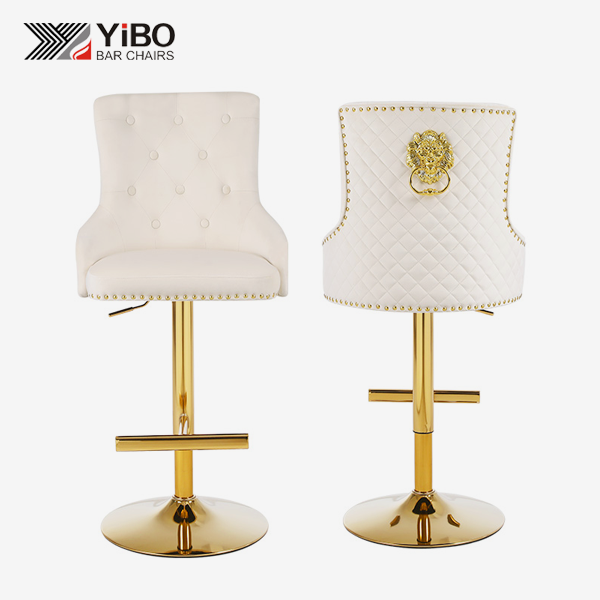
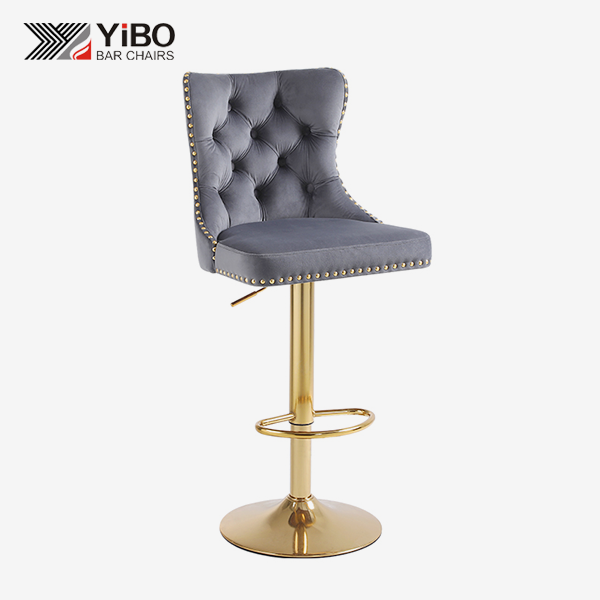
When providing furniture for hospitality places, stores, or business offices, procurement professionals often face the same problem: they need to find seating that looks good and works well. A grey modern velvet bar chair with stain-resistant fabric technology solves this problem. These bar stools combine the soft, luxurious feel of high-pile cloth upholstery with stain- and liquid-resistant finishes that make them last longer in places where people are constantly sitting and talking. The basic gray color scheme is useful for two reasons: it hides small flaws better than bright colors, and it can be used with a variety of different interior design styles. This category of products is a good place for importers and distributors that work with competitive markets to find a balance between premium positioning and realistic maintenance efficiency.
Understanding Grey Modern Velvet Bar Chairs
Defining Contemporary Velvet Seating for Commercial Environments
These days, velvet barstools have changed from being simple pieces of furniture for homes to being well-designed assets for businesses. The fabric is usually a polyester or poly-nylon mix velvet that weighs 300–450 GSM and is attached to powder-coated steel or kiln-dried hardwood frames that are strong enough to hold more than 300 pounds of static weight. The gray colorway was chosen on purpose so that it can be used in a wide range of markets. It goes well with both industrial loft style and Scandinavian minimalism, which lowers the risk of inventory for wholesalers who serve a wide range of clients.
Modern treatments for stain resistance change the molecular structure of the fabric in a basic way. Hydrophobic coatings keep liquids from soaking into fibers and instead make beads on the surface. This lets staff clean up spills before they become lasting stains. This new technology fixes a problem that velvet has had in the past: chairs would become useless after a few months of use if they got food or wine on them.
Material Composition and Durability Standards
The strength of these chairs' frames relies on three material systems that work together. High-resilience polyurethane foam with a density value of 35 kg/m³ or higher keeps seats from compressing, which can be uncomfortable for guests after a while of use. To be used in hospitality settings, the velvet pile must have a Martindale abrasion resistance of more than 40,000 cycles. This is the standard that separates decorative fabrics from functional textiles.
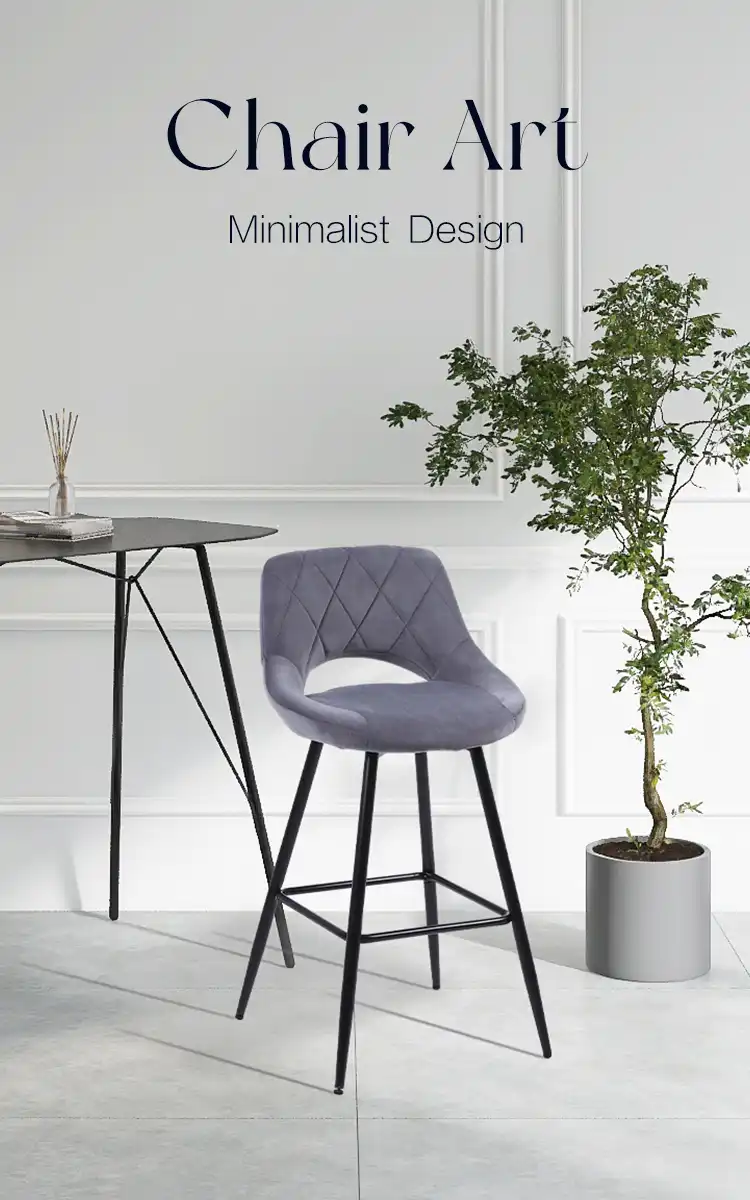
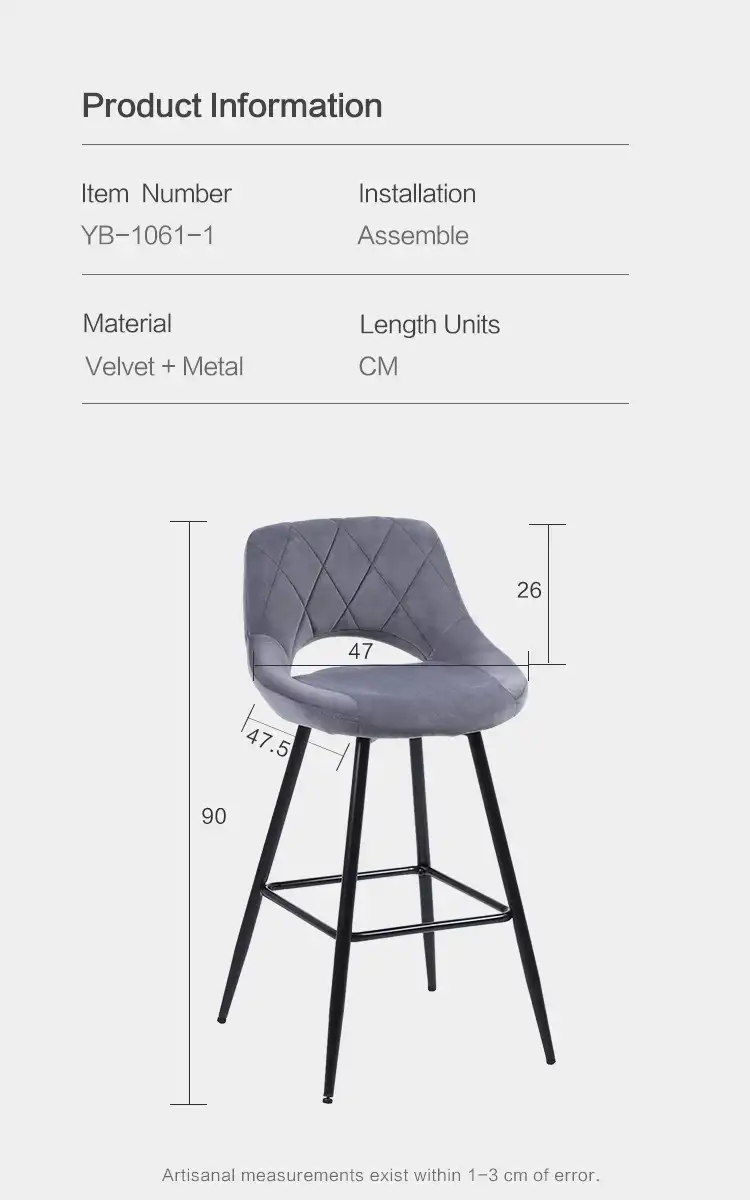
Frame engineering of velvet bar chair is just as important. If you powder-coat black painted iron legs the right way, they won't chip or rust in damp places like restaurants on the coast or bars with a lot of customers. The dimensions of L46×W48×H90 cm are the same as normal bar counter heights of 40–42 inches. This makes it ergonomically compatible, which keeps guests from getting tired and cuts down on wait times for other guests. Managers in charge of buying things should make sure that the products they're buying follow the load testing guidelines set by the Business and Institutional Furniture Manufacturers Association. These guidelines mimic years of use by applying repetitive stress over and over again.
Acoustic and Sensory Benefits in Open-Plan Spaces
Velvet flooring has clear practical benefits that go beyond how it looks. The dense pile structure soaks up background noise, which lowers sound reverberation in rooms with hard surfaces like polished concrete floors or brick walls that are left uncovered. Independent acoustic testing shows that velvet can lower mid-frequency noise levels by 15–20 decibels compared to hard seats. This makes it easier for people to talk to each other, which increases customer dwell time, which is directly linked to revenue in food and beverage businesses.
Modern materials like marble or quartz countertops can be cold to the touch, but velvet's warmth can smooth that out. This difference in warmth affects how comfortable people feel subconsciously, which makes them more likely to stay longer. The gray color avoids the harsh look of black leather or the scientific cleanliness of white plastics, making the seating look both approachable and classy.
How to Select the Ideal Grey Velvet Bar Chair for Your Business?
Ergonomic Specifications for Extended Seating Comfort
When it comes to operational measures like table turnover rates and customer satisfaction scores, ergonomic design has a direct effect. The backrest angle should be between 100 and 110 degrees to support the curve of the lower back without making people sit too flat, which makes it harder for them to connect with the service. A seat depth of 45–48 cm works for a wide range of body types and keeps the thighs properly supported, so there is no reduction of blood flow that makes sitting for 30 minutes uncomfortable.
The placement of the footrest is also very important. Postural strain happens when seats are raised without proper lower-limb support, especially for people who are shorter than 5'6". Footrests that are 18–20 cm from the floor are built into good designs. This lets your legs naturally bend, which reduces pressure spots. If a buyer is looking for container-level amounts, asking for pre-production samples to be tested in the real world by staff of different sizes can help them avoid expensive customer complaints after delivery.
Material Performance Comparisons for Procurement Decisions
When comparing velvet to other furniture materials, the decision matrix includes more than just the cost of buying the item. It also includes the total cost of owning it. Even though real leather is strong, it needs to be conditioned and gets a patina that can make it look old after 18 to 24 months of heavy use. When the temperature changes, especially near heat sources in the kitchen or windows that get a lot of sun, synthetic leather replacements peel off.
There is a unique market for velvet bar chair stain-resistant velvet because it has the high-end look of natural fabrics and the ease of care of synthetics. The cloth lets more air pass through it than vinyl, so guests won't be as uncomfortable when they sweat in the summer. However, velvet does need regular steam restoration to change the direction of the pile after it has been crushed. This is an easy maintenance task that facility staff without training can do with handheld steamers.
Metal and molded plastic stools are great for patios and bars by the pool because they don't get damaged by water and are easy to clean. But these materials don't have the soundproofing and nice feel that make expensive brands stand out. Hospitality businesses that cater to the middle-class to wealthy customers find that textile seating is worth the small amount of care it requires because it improves the atmosphere and how customers feel about the business.
Color Psychology and Brand Alignment Considerations
Grey is the most popular color for business interiors because it is neutral for the mind and hides dirt. While cream or beige colors make stains stand out, gray colors hide light dirt and lint buildup between deep-cleaning rounds. This trait lowers the obvious maintenance burden that lowers the perceived cleanliness standards in areas that people can see.
The range of shades in "grey" requires exact specifications. Modern gastropubs often have stainless steel and glass surfaces that go well with cool grays that have blue undertones. On the other hand, warm grays that have brown undertones go well with reclaimed wood and Edison bulb styles. When you ask for real fabric swatches under different lighting conditions (daylight, warm LED, and cool fluorescent), you can avoid the color matching problems that happen when you only use digital images.
Custom color matching services let buyers of private label products match colors that are already used by well-known brands. For custom dyeing, the minimum order quantity is usually 200 units. This makes this choice useful for regional chains or large-scale commercial projects where maintaining brand consistency across locations is important for customer recognition.
Procurement Strategies for Grey Modern Velvet Bar Chairs
Wholesale Purchasing Models and Volume Pricing Dynamics
Buying by the container unlocks more economic benefits than just lower unit prices. Full container loads, which include about 200 to 250 bar chairs per 40-foot container based on how densely they are packed, get the best freight rates and lower shipping costs per unit by 30 to 40 percent compared to LCL (less-than-container-load) shipments. When margins in furniture delivery are usually between 20% and 25%, this efficiency is very important.
Setting up payment plans that balance the risk of the buyer with the buyer's cash flow is very important. Letters of Credit through well-known banks offer protection for both parties, but they cost between 1% and 2% of the invoice value. For buyers who already have a relationship with a supplier, a 30% deposit with the remaining 70% due after inspection gives buyers freedom with their working capital and gives manufacturers peace of mind about production. When you negotiate longer payment terms for repeat orders, you build relationship stability that goes beyond transactional price concerns.
OEM and ODM Customization Pathways
OEM (Original Equipment Manufacturer) partnerships let buyers ask for changes to be made to designs that are already in use without having to pay for a full engineering rebuilding. Different leg finishes (like brushed gold or matte nickel), upgraded fabrics with higher wear ratings, or changes to the size to fit counters that aren't standard are all common requests for customization. When suppliers have their own metal fabrication facilities, they can make these changes in 4–6 weeks instead of 12–16 weeks when they hire third-party component makers.
Original Design Manufacturer (ODM) ties of velvet bar chair are good for buyers who want to offer unique designs that set their products apart in the market. For this method to work, there must be clear technical drawings, material specifications, and stages where the prototype is approved. Experienced manufacturers have research and development (R&D) teams that can turn idea sketches into production-ready CAD files and then make pre-production samples to test how well they work. When an order exceeds 500 units, and the design is unique enough to command a higher price at retail, the investment in custom casting and pattern-making usually pays off.
Protecting intellectual property is very important in ODM agreements. Contracts should make it clear who owns the design, stop the supplier from selling similar products to rivals, and spell out what to do if the design is made without permission. Lawyers who know about Chinese manufacturing deals can write terms that are both enforceable and practical for the relationship.
Logistics Optimization and Quality Assurance Protocols
Engineering in packaging has a direct effect on the condition of the object when it arrives. When moving velvet furniture, it needs to be protected so that the pile doesn't get crushed. This is usually done with non-woven fabric covers and corner guards that spread out the compression forces. Each frame should be packed in its own box with EPS (expanded polystyrene) or corrugated pieces that keep parts from moving. This keeps paint from scratching and weld stress from building up when the box is moved.
Third-party quality control companies that offer pre-shipment checking services are a great way to lower risks. Before loading a container, inspectors check the accuracy of the dimensions against approved samples, test the load on random units, and make sure that the integrity of the packing is recorded. This $300–$500 investment in each inspection keeps problems from being found after the goods have been shipped across the ocean, which would be a disaster and cost a lot in terms of re-shipping, customer compensation, and damage to the company's image.
Managing lead times means lining up production plans with shipping windows. Standard production runs take 30 to 45 days. Shipping by water takes an extra 25 to 35 days to reach ports on the West Coast or 40 to 50 days to reach ports on the East Coast. By adding 10–15 days to allow for customs clearance and inland marketing, you can keep your promises to customers even when there are delays.
Practical Use and Maintenance
Fabric Care Protocols for Extended Lifespan
Stain-resistant treatments delay soiling but do not eliminate maintenance requirements. Daily protocols should include dry brushing with soft-bristle upholstery brushes to remove surface debris and restore pile orientation. This simple practice, consuming 2–3 minutes per chair, prevents the dirt accumulation that embeds into fibers and causes premature wear.
Spot cleaning demands specific product selection. Water-based cleaners formulated for synthetic velvet (typically labeled "W" code by upholstery standards) effectively address most spills without damaging protective coatings. Enzyme-based cleaners target organic stains like food or beverage residue, breaking down proteins at molecular levels. Solvent cleaners should be avoided unless the fabric carries "WS" dual-code designation, as harsh chemicals can strip hydrophobic treatments and leave permanent marks.
Steam restoration addresses pile flattening from compression. Handheld garment steamers held 6–8 inches from the fabric surface allow moisture penetration that relaxes fibers, then gentle brushing while damp resets the pile direction. This process restores the visual depth and tactile luxury that diminishes through normal use, extending the period before reupholstery becomes necessary.
Optimal Deployment Environments and Use Cases
Hospitality lounges and cocktail bars represent ideal applications, where the chairs' aesthetic sophistication aligns with premium beverage pricing strategies. The 90 cm height suits elevated counters designed for standing-height service interaction, creating visual rhythm that guides traffic flow. Grey tones complement backlit glass shelving and polished metal fixtures common in upscale bar design, contributing to cohesive brand environments.
Corporate breakout spaces increasingly adopt velvet bar seating for agile work configurations. The grey modern velvet bar chairs facilitate informal collaboration at standing-height tables, offering comfort during extended brainstorming sessions while maintaining the postural alertness that casual lounge seating diminishes. The acoustic absorption properties prove particularly valuable in open-plan offices where noise management directly correlates with productivity metrics.
Restaurant applications require nuanced assessment. High-turnover casual dining may prioritize easier-cleaning alternatives, while chef-driven concepts targeting longer dwell times benefit from the comfort and ambiance that textile seating provides. The grey palette works effectively in both rustic farmhouse concepts (paired with reclaimed wood) and contemporary minimalist designs (alongside concrete and steel), demonstrating remarkable stylistic adaptability.
Conclusion
Selecting velvet bar seating with protective fabric treatments requires balancing aesthetic ambitions with operational realities. The grey colorway offers market versatility and practical soil masking, while stain-resistant technologies transform velvet from delicate textile to viable commercial surface. Procurement success depends on understanding material specifications, negotiating customization options aligned with brand identity, and establishing supplier relationships built on transparent communication and quality assurance. The chairs from Anji Yibo Furniture exemplify this convergence—combining 14 years of manufacturing expertise with ergonomic design principles and OEM flexibility. For importers and distributors serving hospitality, retail, and corporate markets, these products represent strategic inventory investments that satisfy both designer expectations and facility management constraints.
FAQ
Can stain-resistant velvet withstand daily cleaning in high-traffic bars?
Performance-grade velvet with hydrophobic treatment handles daily maintenance through spot cleaning and dry brushing. The protective coatings allow liquid spills to be blotted before absorption, preventing permanent staining. However, harsh scrubbing or solvent-based cleaners can damage these treatments, so staff training on proper protocols proves essential. Commercial deployments typically see 3–5 years of viable use before pile wear necessitates reupholstery.
Does grey velvet require more maintenance than darker colors?
Grey actually conceals minor soiling better than extreme tones. Black velvet shows lint and dust accumulation prominently, while white or cream fabrics display every mark. Grey's mid-tone value masks the gradual dulling that occurs between deep cleaning cycles, reducing visible maintenance needs. The specific shade matters—medium greys outperform very light or very dark variants in practical settings.
What customization options exist for wholesale orders?
Established manufacturers offer leg finish alternatives (gold, chrome, wood-tone), dimensional adjustments for non-standard counter heights, and fabric upgrades to higher abrasion ratings. Custom color matching becomes viable at 200+ unit orders, while proprietary design development suits volumes exceeding 500 units. Lead times extend 2–4 weeks for modifications versus stock configurations, requiring planning coordination with project timelines.
Partner with YIBO for Your Grey Modern Velvet Bar Chair Supply Needs
Anji Yibo Furniture Co., Ltd. brings 14 years of specialized chair manufacturing expertise to your procurement challenges. Our grey modern velvet bar chair collection features stain-resistant polyester velvet, high-density foam cushioning, and powder-coated steel frames engineered to BIFMA standards. We support OEM and ODM partnerships with our in-house R&D team, offering customization in dimensions, finishes, and fabrics to match your brand specifications. As a grey modern velvet bar chair supplier serving 70 countries, we maintain ISO 9001:2015 and FSC certifications while delivering container-level orders within industry-leading timelines. Our Anji facility spans 6,000+ square meters with dedicated quality control protocols ensuring consistent production standards. Contact our team at yb@ajyibo.com to discuss your project requirements, request samples, and receive detailed quotations tailored to your volume and customization needs.
References
1. Smith, J. (2022). Commercial Furniture Specification: Material Performance Standards for Hospitality Environments. Interior Design Publishing Group.
2. Anderson, M. & Chen, L. (2021). "Textile Durability in High-Traffic Applications: Abrasion Testing Protocols and Longevity Prediction." Journal of Architectural Textiles, 15(3), 287-304.
3. Roberts, K. (2023). Global Furniture Supply Chain Management: Strategies for International Procurement. Manufacturing Insights Press.
4. Thompson, R. (2022). "Acoustic Performance of Upholstered Seating in Open-Plan Commercial Spaces." Building Acoustics Quarterly, 29(2), 145-162.
5. Williams, E. (2021). Color Psychology in Commercial Interior Design: Evidence-Based Selection for Brand Environments. Design Research Institute.
6. Peterson, D. & Liu, H. (2023). "Stain-Resistant Fabric Technologies: Chemical Treatment Methods and Performance Evaluation in Hospitality Settings." Textile Science International, 41(1), 78-95.