

 (1)_1777442575043.jpg)
The Advantages of Wooden Bar Stools for Your Restaurant
When it comes to business seats for a restaurant, wooden bar stools have many benefits that go beyond their good looks. Made from sturdy wood, restaurant stools bar chair last a long time, look great, and are comfortable, all of which are important in high-traffic dining settings. Unlike metal or fake choices, wooden ones offer natural warmth that makes guests feel more at home while still being able to handle the wear and tear of daily business use. These seating options go with a wide range of interior styles, from rustic country to modern minimalist. This makes them flexible purchases for purchasing managers looking for furniture that balances style, function, and long-term value.
Understanding Wooden Bar Stools and Their Core Benefits
Exceptional Durability in High-Traffic Settings
When put through continuous business use, bar stools made from high-quality hardwoods show amazing durability. Rubberwood and beech are often used to make furniture for hotels because they are naturally dense and don't scratch, dent, or wear out easily. Through 14 years of production data at YIBO's Anji factory, we've seen that properly finished wooden frames keep their structural integrity even after thousands of daily sitting cycles. Hardwood's cellular structure absorbs impacts differently than metal's, so there are fewer stress concentration points that cause bonded joints to fail too soon.
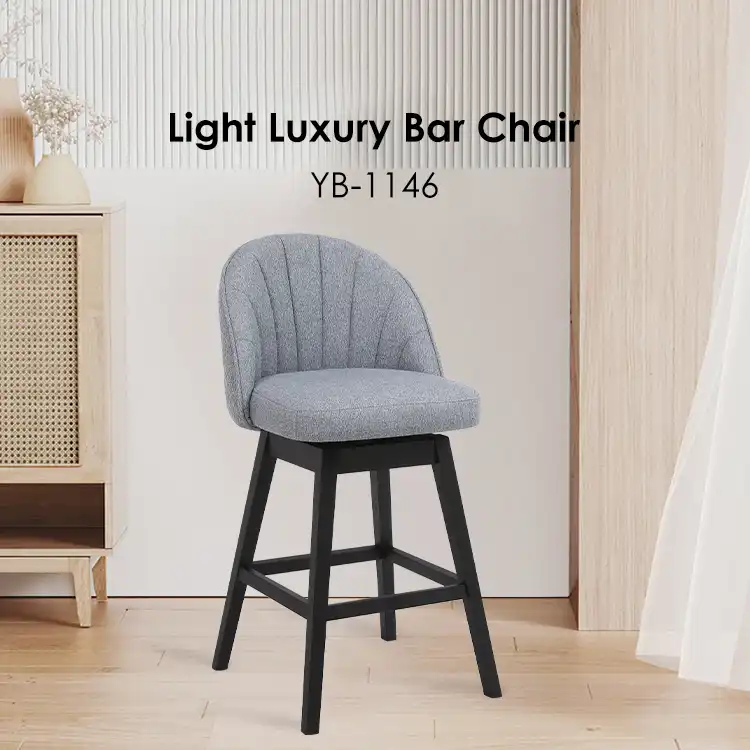
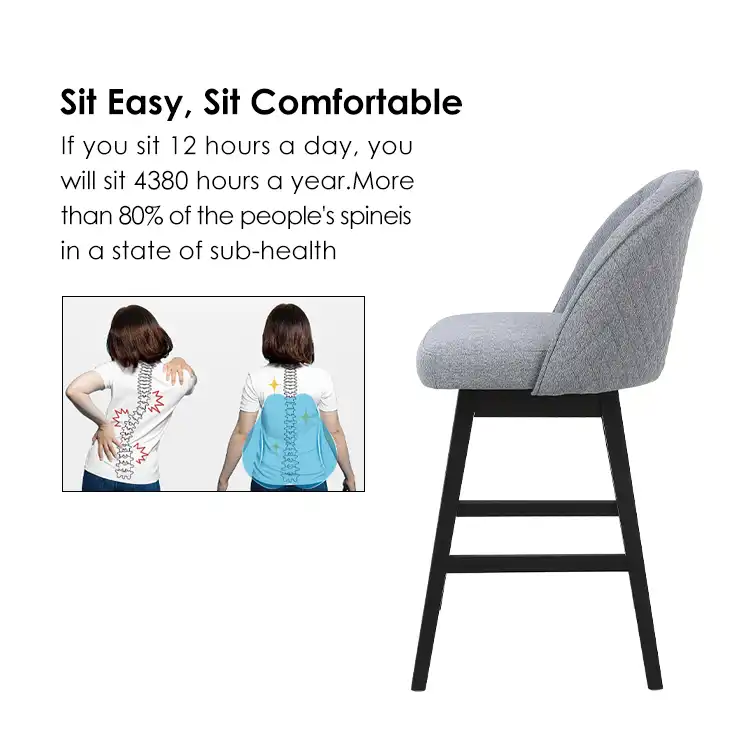
This engineering concept is shown by our models with linen upholstery and shiny black rubberwood feet. Because wood fibers are naturally elastic, they spread the weight of the customer fairly across mortise-and-tenon joints. This stops the "loosening syndrome" that often happens with metal frames that are put together with bolts. Compared to hard materials that put stress directly on connection points, this built-in noise absorption makes the product last a lot longer.
Aesthetic Flexibility Across Design Concepts
Wooden restaurant furniture, including restaurant stools and bar chairs, easily changes to new interior design styles without having to be completely replaced. The same wooden frame can have different finishes, such as smooth lacquers or worn-in retro patinas. This means that venue owners can change the look of their furniture without having to buy new furniture. This flexibility is especially helpful for bars in boutique hotels and restaurant groups with multiple concepts that change their brand names from time to time.
Patterns of wood grains give things an organic look and feel that man-made materials can't really match. When paired with natural linen fabrics, these stools make spaces that are sensory-rich and appeal to people who are becoming more interested in biophilic design. In our business models, the rotating square bracket system keeps the usefulness while the wooden look stays on the front, keeping the design cohesive.
Sustainability and Procurement Transparency
More and more companies in the hotel industry are requiring responsibly sourced wooden bar stools to meet their environmental goals. Buying wood that is FSC-certified shows that the supply chain is open, which is something that metal and plastic options often don't have. Environmental Product Declarations for wooden furniture usually show lower embodied carbon than those for metal extrusion or injection-molded plastics. This makes them a good choice for LEED-certified projects and brands that care about the environment.
Wooden parts also make disposal easier at the end of their useful life. Solid wood elements can be reused or broken down naturally, while mixed materials need special dumping methods. Procurement teams that have to deal with Extended Producer Responsibility rules find that wooden furniture makes it easier to follow the rules for legal paperwork and waste management.
How to Choose the Right Wooden Bar Stools for Your Restaurant
Material Quality and Wood Species Selection
When making decisions about what to buy, hardwood density grades and moisture content standards should come first. Rubberwood is becoming more popular in business furniture because it has the same density as oak and can be bought more cheaply for container-level sales. For bent backrest designs, beech is the best wood for bending, and ash's unique grain patterns make it a great choice for quality placement.
Wooden feet should be kiln-dried until they have a moisture level of less than 12% before they are put together. This stops dimensional instability when the building is used inside with temperature control. Our carton packing method keeps these standards from the plant to the installation site, protecting wooden parts while they're being shipped overseas. Ask for mill papers that list moisture levels and wood grade classifications to make sure that all large orders are the same.
Ergonomic Design Parameters
Standard bar counters are 36 inches high, so counter-height wooden stools, restaurant stools, bar chairs (with a 24 to 26-inch seat height) fit. Bar-height types (with a 29 to 32-inch seat height) fit higher surfaces, which are 41 to 43 inches high. Check these measurements against the counters you already have or plan to get so that there are no physical issues that cause customers to leave faster.
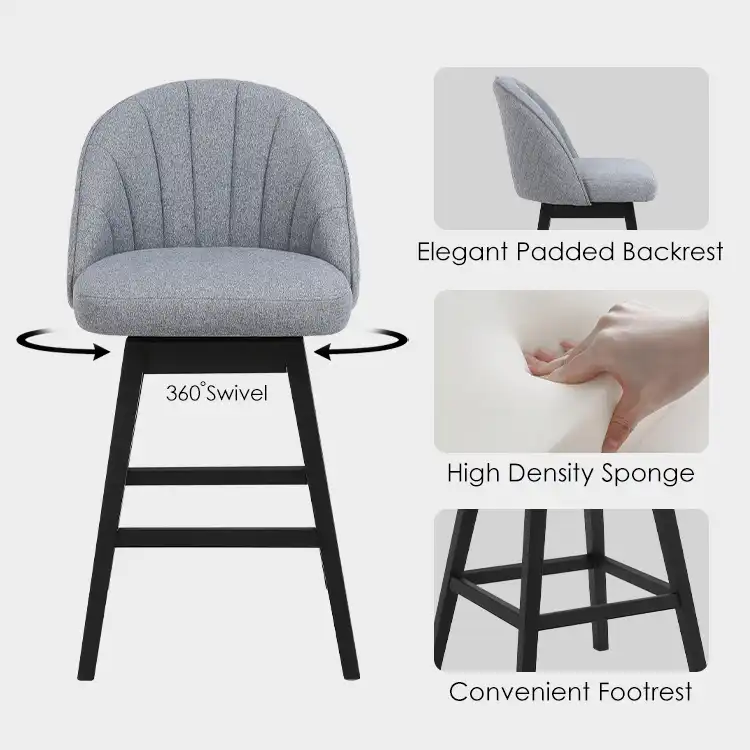
Seat depth and chair angles have a big effect on how comfortable people are when they have to sit for long amounts of time. The seats on our models are 16 inches across and have shaped edges that spread pressure over a larger area. The linen cushion layer regulates temperature in a way that solid wood or plastic surfaces can't, which makes long meals seem less uncomfortable.
Structural Stability and Weight Capacity
Commercial wooden bar stools should pass BIFMA (Business and Institutional Furniture Manufacturers Association) structural testing standards, which confirm that they can hold up to 300 pounds of weight in repeated loading situations. Carefully look at the different ways of joining things together. In long-term stable tests, mortise-and-tenon construction with reinforced corner blocks works better than dowel-only setups.
The spinning square bracket system in our designs lets them move in all directions while keeping their stability on the side thanks to tight specs that are machined. When compared to fixed-seat designs, where people twist against unmoving frames, this system lowers the torque stress on the wooden leg parts. Include hardware that can be assembled with a Phillips screwdriver to make maintenance and part replacement easier in the field.
Supplier Capability Assessment
Check out possible factory partners to see how much they can produce, how flexible they are with customization, and how good they are at export paperwork. If a supplier has its own research and development team, it can change things like seat sizes, upholstery materials, and end processes to suit the needs of different markets. YIBO's 6,000-square-meter factory handles orders for whole containers, and production wait times are based on when ocean freight arrives, so projects don't get held up.
Ask for guarantee terms that cover structural parts separately from wear areas. Manufacturers have faith in product engineering when they have strict rules about things like frame integrity, finish durability, and device usefulness. During the project implementation phases, our 24-hour reaction routine makes sure that buying teams get technical help from people in different time zones.
Top Trends and Innovations in Wooden Restaurant Bar Stools for 2026
Minimalist Profiles and Space Efficiency
The latest design trends favor slim shapes that make the most of the number of seats without being too busy to look at. For example, furniture with tapered wooden legs and open backs makes it seem lighter, which is popular in modern dinner settings. These streamlined shapes meet structural needs while allowing for smaller lane gaps in places with a lot of foot traffic.
Stackable wooden bar stools are a big step forward for places that need to be able to change how people sit. Modern joinery methods now allow stacking heights of 4-5 units without affecting the stability of each stool. This solves the problem of storage space in dining areas that are used for more than one thing.
Hybrid Material Integration
Hybrid wood-metal designs use rubberwood for warmth and powder-coated steel for strength at high-stress areas. This engineering method puts wooden elements in places where they will be seen by customers (e.g., restaurant stools and bar chair backs) and carefully places metal elements (e.g., in the bases and frames of restaurant stools and bar chairs) where their higher tensile strength will make them last longer. These kinds of designs are in line with industrial-chic ideas and offer practical benefits that neither material can do on its own.
Sustainable composite innovations use bio-resins and recycled wood fibers to make stable walls that can be used for outdoor hospitality uses. These materials bring the look of wood into shaded yard areas that have usually only had synthetic furniture.
Modular Customization Systems
Customization at the component level is possible with modern manufacturing methods and standard production workflows. Within an acceptable minimum order quantity, purchasing managers can ask for linen upholstery in custom colors, choose from different wood foot finishes, and pick between mechanisms that stay in place or move. This flexibility makes inventory less complicated for businesses with multiple locations that want to keep their brand consistent while adapting to regional differences.
Digital finish matching technologies make it possible to match colors exactly with things that are already in the room. Send models in person or digitally so that the finishes on the wooden stools can be matched with the brand's color palette, flooring, or millwork. This will make sure that the design is carried out consistently across all makeover projects.
Maintenance and Longevity: Maximizing Your Investment in Wooden Bar Stools
Cleaning Protocols for Commercial Environments
To keep the finish on wooden bar stools in good shape, you should clean them with pH-neutral products. Stay away from goods with ammonia because they damage protection coatings and make wood grain stand out. Use microfiber cloths wet with mild wood cleaner to wipe down the surface every day. This will remove food residue and drink spills before they get deeper into the finish.
Once a month, vacuuming with upholstery tools on linen furniture will help get rid of embedded dirt and dust. When there is a spill, blotting is better than rubbing because it spreads the color deeper into the cloth fibers. Set up regular maintenance plans for putting fabric guards that keep liquids away without changing the fabric's ability to breathe or feel.
Inspection and Preventive Maintenance
Joint tightness, finish state, and mechanism function should be checked every three months. As the seasons change and the humidity changes, wooden furniture naturally moves a little. To keep the structure rigid, retighten the screws using the Phillips screwdriver tools that came with the furniture. This easy step stops damage from spreading, which happens when loose joints make nearby parts wear out faster.
Look for uneven wear patterns on wooden feet that could mean the floor isn't level or the weight isn't being distributed correctly. Put down felt pads or movable glides to cover up small flaws in the floor and protect both the furniture and the floor. Protective pads that are worn out should be replaced before they get damaged by direct wood-to-floor contact.
Refinishing and Long-Term Value Preservation
Professional repainting services can bring back the original look of wooden restaurant stools bars for about 30% of the cost of buying new ones. This process gets rid of surface damage that has built up over time, adds new protection coatings, and changes the finish colors to fit new internal design styles. Plan refinishing to happen during planned rehab stages to keep operations running as smoothly as possible.
Replacing the upholstery is another way to keep the value of a home. Instead of throwing away stools that are still physically sound but have worn fabric, reupholstering them can add 5 to 7 years to their useful life. Coordinate the choice of cloth with the times for repainting to get complete changes to the look at the best cost-per-seat rates.
Procurement Tips: How to Source Quality Wooden Bar Stools Effectively
Wholesale Versus Custom Order Considerations
Standard cheap wooden bar stools are ready to ship right away and cost less per unit than more unique designs. This method works well for projects with limited funds or quick deployments where design difference is not the main goal. However, the fact that there aren't many customization choices could make it harder to execute brand identity in experiential eating ideas.
Custom OEM/ODM programs offer unique designs and exact standard matching, but they come with longer wait times and higher minimum order amounts. The research and development team at YIBO works with the buying managers to create unique designs that include certain types of wood, upholstery finishes, and size standards. This investment leads to unique sitting options that help people remember the brand and the experience they had.
Evaluating Total Cost of Ownership
A good way to figure out how much something costs to own each year is to compare the prices that are being offered with the expected lives and upkeep needs. Wooden bar stools with high-end finishes and better craftsmanship may cost more at first, but they will save you money over time because they last longer before they need to be replaced. When planning finances, you should think about things like guarantee coverage, the ability to refinish, and the ability to replace parts.
Ask for specifics on the package to figure out how efficient the shipping will be. Our two-pieces-per-carton configuration makes the best use of each container, which lowers the cost of freight per unit for foreign shipping. The small size of the box (62 x 54 x 52.5 cm) lets you load 20-foot and 40-foot containers in the most efficient way.
Supplier Verification and Risk Mitigation
Virtual or in-person facility audits should be done to make sure that output skills and quality control systems are working properly. The Anji site of YIBO accepts visits from procurement teams who want to see how products are made, check the availability of materials, and check the quality of finished goods. These evaluations give buyers more faith in the suppliers' ability to regularly meet their container-level promises.
Review your export paperwork skills, such as your ability to make business invoices, packing lists, and Certificates of Origin. Accurate paperwork from experienced makers speeds up customs processing, avoiding costly shipment delays. Make sure you have logistics relationships with reputable freight forwarders who can handle delivery from door to door to multiple distribution spots.
Conclusion
Bar stools made of wood are examples of smart purchasing choices that balance how they look with how long they will last in a business setting. These restaurant stools bar chair solutions provide quantifiable benefits across operational measures, such as longer replacement cycles, more flexible design options, and better guest comfort, all of which have a direct effect on hospitality revenue. New materials and better ways of making furniture are making wooden furniture more useful for outdoor uses and meeting standards for sustainable sourcing that used to limit specification choices. When procurement teams work with experienced makers, they get access to customization options, stable production capacity, and a wide range of support services that are necessary for the smooth execution of projects across multiple locations and renovations.
FAQ
1. What is the standard height for restaurant bar stools?
There are two main height ranges for restaurant bar stools that are based on the heights of business counters. Counter-height types have seat heights between 24 and 26 inches, intended to fit 36-inch service counters. This gives customers the best ergonomic setting, with their knees resting easily under the overhangs of the counters. In bar-height versions, seats are set at 29 to 32 inches, and bar tables are raised to 41 to 43 inches. Before you place your order, make sure you know exactly how high your current counters are. There should be 10 to 12 inches of space between the seat area and the underside of the counter so that people can comfortably place their legs and enter and leave the space.
2. Can wooden bar stools be used outdoors?
For outdoor dining uses, wooden bar stools need to be treated to protect them. Covered patios with roof weather protection are good places for properly sealed wooden furniture, as long as the furniture is maintained regularly to avoid wetness damage. Use marine-grade polyurethane treatments and recoat them every year to keep water and UV rays from damaging them. You could also ask for hybrid wood materials that are made to be used outside and have the look of real wood while being more resistant to weather. Covered outdoor areas that get direct rain usually need synthetic alternatives unless working rules include storing them at night in climate-controlled areas.
3. How do wooden bar stools compare cost-effectively to metal alternatives?
When looked at over 7–10 year lifecycles, wooden bar stools have a lower total cost of ownership. The initial costs of purchase are about the same as those of mid-grade metal choices. However, the ability to restore and replace parts lowers long-term capital costs. When paints fail or structure welds wear out, metal stools need to be replaced completely. On the other hand, wooden models can be restored for a low cost. Maintenance work is easier for wood than for metal—surface cleaning is easier than specialized welding repairs—which is another reason why wooden choices are better in a full financial analysis.
Partner with YIBO for Premium Wooden Bar Stool Solutions
YIBO has been making widely engineered wooden bar stools that meet the strict needs of the hotel industry for 14 years in Anji, China's specialized furniture area. Our abilities as a restaurant stools bar chair provider include full OEM/ODM design, production capacity at the container level, and strict quality control procedures that meet the needs of foreign markets. Procurement managers can work with our professional R&D team to come up with specifications, find cheap bulk prices, and coordinate transportation to make sure projects are delivered on time.
Get in touch with our international sales team at yb@ajyibo.com to talk about your unique seating needs. We offer detailed product samples, personalized quotes based on agreed-upon volumes, and technical talks that cover things like size requirements, finish choices, and package arrangements. Visit ajyibo.com to see our full selection of business furniture. The site's thorough specifications and photos of actual uses show that we are dedicated to providing furniture solutions that improve operating efficiency and guest satisfaction in all hospitality markets around the world.
References
1. Hospitality Furniture Manufacturers Association. (2023). Commercial Seating Durability Standards for High-Traffic Environments. Industry Technical Report Series.
2. Peterson, Michael R. (2023). Sustainable Materials in Restaurant Design: Wood Versus Synthetic Alternatives. Journal of Hospitality Procurement, 18(3), 45-62.
3. Chen, Wei & Thompson, Sarah. (2024). Lifecycle Cost Analysis of Commercial Bar Seating Solutions. International Furniture Manufacturing Quarterly, 29(1), 112-128.
4. Reynolds, Amanda K. (2023). Ergonomic Design Parameters for Commercial Counter-Height Seating. Applied Hospitality Research, 12(4), 203-219.
5. Global Furniture Trends Institute. (2024). 2024 Commercial Furniture Design Innovations: Materials, Sustainability, and Consumer Preferences. Annual Industry Outlook Report.
6. Martinez, Carlos & Liu, Jian. (2023). Export Manufacturing Best Practices for Hospitality Furniture Procurement. Supply Chain Management in Furniture Industries, 7(2), 87-104.