

 (1)_1777442575043.jpg)
The Coffee Bar Stool: Your Guide to Choosing the Perfect One
Picking the right coffee bar stools isn't just about how they look; it's also about making places that make customers happy, run smoothly, and make money in the long run. Whether you're buying furniture for a busy specialty café, a co-working space, or a hospitality project, it's important to know the technical and business aspects of bar seats so that your money is well spent. Coffee bar stools are designed to be comfortable, last a long time, and make the best use of room. They are made with ergonomics in mind and come in a variety of styles. This book explains everything that people who work in buying need to know to make smart, well-informed choices.
What Are Coffee Bar Stools and Why Are They Essential?
Coffee bar stools are a special kind of raised seats that are made to be used in places where drinks are served and people talk to each other. Unlike typical bar seating designed for places that serve alcohol, these stools are made to support the unique ways that coffee drinkers use them—leaning forward over computers, having relaxed conversations, or enjoying quick drinks. Their precise heights, which are usually between 24 and 30 inches, make them fit ideally on counters in coffee shops, espresso bars, office cupboards, and home kitchen islands.
Defining Features of Coffee Bar Stools
The way these stools are made solves three important practical problems. In high-rent urban cafés, where every square foot affects profits, space efficiency is still very important. Smaller areas let more people in without losing comfort. Postural ergonomics make coffee seats different from regular bar stools. Because people tend to lean forward while drinking and using devices, coffee seats need to have certain seat positions and back support. The ability of a material to resist acidic liquids, dairy leftovers, and heat transfer makes it last a long time in tough settings where spills and cleaning agents are used every day.
Strategic Value in Commercial Settings
There are measured ways that coffee bar stools affect both the customer experience and the way things get done. In specialty coffee shops, backless or low-back forms make it easier for people to move quickly while keeping the room visually open. Swivel devices in corporate co-working zones make it easier for people to work together and set up their workspaces in different ways. Design-forward seating is used in hospitality projects to support brand identity and make spaces that look good on Instagram, which boosts organic marketing. By knowing about these strategic uses, B2B buyers can make sure that their purchases are in line with their company's goals, instead of just seeing seats as a useful item.
How to Choose Coffee Bar Stools: A Comprehensive Buying Guide
To choose the best chair options, you have to weigh a lot of technical and business factors. The people who work in procurement have to make tough choices that have an effect on a lot of things, from how satisfied customers are to upkeep funds and the efficiency of the supply chain. Finding the right coffee bar stools requires balancing immediate aesthetics with long-term durability.
Height and Dimensional Specifications
How comfortable users are and how smoothly things run depend on how the seat height and desk surface relate to each other. According to industry standards, there should be 10 to 12 inches of space between the seat pan and the table top. This lets you place your knees and elbows correctly for drinking and using a device. Bar-height stools (28 to 30 inches) are best for window seats and standing-height tables, while counter-height stools (24 to 26 inches) are best for brew bars and service stations. By measuring your exact counter measurements before you buy, you can avoid costly mistakes that make the counter less useful.
Material Selection and Durability Requirements
Frame building has a direct effect on how long a product lasts and how much it costs to own. Kiln-dried hardwoods, like ash and walnut, don't bend in high-humidity cafés because the moisture level is kept between 8 and 12%. In areas with a lot of foot traffic, powder-coated frames made of tubular steel that is 60 to 80 microns thick offer better chip protection. To withstand heavy industrial use, upholstery must meet contract-grade standards, which mean it must be able to weather more than 50,000 double rubs (Wyzenbeek) or 30,000 cycles (Martindale). Hydrophobic solutions keep hot liquid spills from happening without using PFAS chemicals, which are bad for the environment.
Ergonomic Design and User Comfort
How the seat pan is made affects both how comfortable it is right away and how happy the user is in the long run. High-density polyurethane foam with an ILD value of 35 to 50 and a density of at least 2.5 lbs/ft³ stops people from "bottoming out" when they sit for long amounts of time, which is common in co-working spaces. The placement of the footrest supports natural leg angles, which makes sitting for 30 to 60 minutes at a time, which is common in coffee shops, less tiring. Memory return turning systems set seats back to facing forward when they are not in use. This saves staff time and keeps your floor plan looking consistent.
Volume Purchasing and Customization Considerations
Through economies of scale, ordering by the container gives you big cost savings. Buyers should look at makers that offer OEM and ODM services so they can change the materials, colors, sizes, and packing to fit the needs of local markets or for private label strategies. Verification of production ability makes sure that providers can handle repeat large orders without delaying deliveries. Export knowledge and clear communication rules make it easier to deal with the practical issues that come up when buying furniture from other countries.
Types and Materials of Coffee Bar Stools: Matching Quality to Function
In different business settings, the chairs need to be a certain way. Procurement teams can make better standards if they know how different types of coffee bar stools, their materials, and how they will be used are related.
Style Variations and Application Suitability
Modern minimalist designs with straight lines and metal frames look good in modern cafés and offices where visual brightness makes space seem bigger. In specialty coffee shops that value craft and authenticity, wooden stools with worn-out finishes that look old add a warm, welcoming vibe. Adjustable-height devices are useful in mixed-use areas where people of different heights need to be able to sit down. Whether or not a backrest is included relies on how long the person plans to stay. Backless models encourage shorter visits and faster turnover, while backed stools allow for longer work sessions in co-working spaces.
Comparative Material Analysis
Wood naturally adds warmth and a nice feel, especially to names that focus on handmade looks. Polishing every three months and controlling the humidity keep the wood's look, but properly treated hardwoods don't need much more than regular cleaning. Metal frames are strong and have a modern, industrial look, but they need to be wiped down every day to keep them from rusting from sweeping waste. Checking the wear on the foot glides on a regular basis keeps the steadiness and stops scratches on the floor. Upholstered chairs are much more comfortable, but they need to be made of solution-dyed acrylics or high-quality vinyl that can be cleaned with bleach without losing its color. Reclaimed wood and recycled metals are examples of sustainable options that are in line with the growing environmental promises of B2B buyers who serve eco-conscious markets.
Ergonomic Features and Commercial Performance
Testing the footrest's welds and joints with 200 pounds of force applied cyclically over 50,000 cycles or more makes sure they can handle repeated stepping, which is a frequent place where cheap goods fail. Strict center-of-gravity guidelines for the bases keep them from tipping over when users move from one position to another. This is especially important for models with higher bar heights. Self-leveling glides can handle uneven floors that are common in remodeled cafés and keep the floor stable without needing to be adjusted all the time. These technical details set commercial-grade goods apart from domestic options that don't have the internal reinforcement needed for heavy public use.
Trends and Innovations in Coffee Bar Stools for 2026 and Beyond
Because of changes in the workplace, environmental concerns, and technology, the coffee bar stools business keeps growing and changing. Keeping up with new technologies helps buying teams choose options that are ready for the future.
Limitations of Traditional Models
It's common for legacy designs to put looks over comfort or to put cost-cutting over longevity. When people sit for long amounts of time, not having enough back support can make them uncomfortable. When you choose materials based on their starting cost instead of their term value, they will need to be replaced sooner and cost you more overall. When businesses grow and change, their space needs change, and static designs can't adapt to those needs.
Recent Technical Advancements
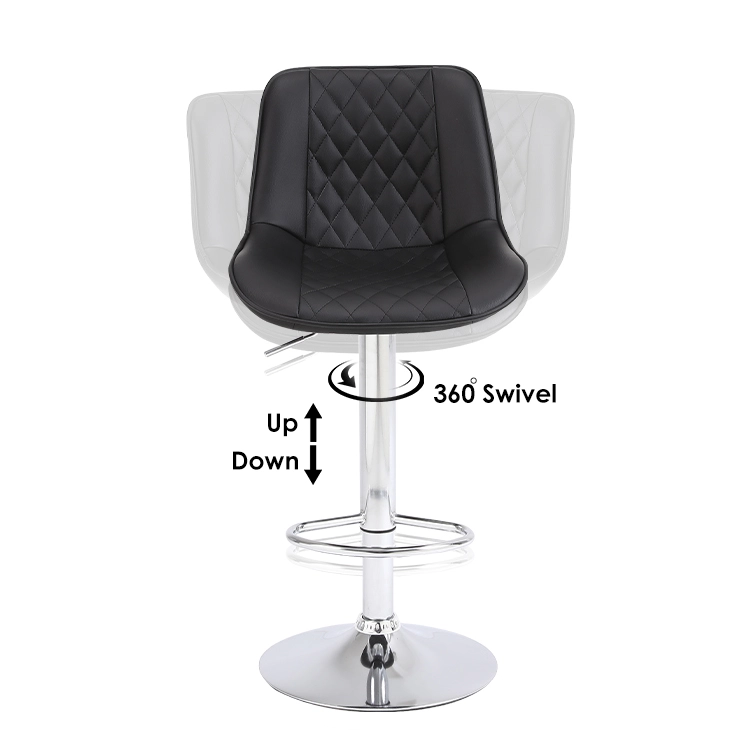
Newer turning mechanisms have dampening systems that lower noise in noise-sensitive areas while still allowing for smooth spinning in all 360 degrees. Using aerospace-grade metal and engineered materials to build structures that are strong but not heavy lowers shipping weights without affecting the structure's stability. This has a direct effect on how well containers work and how much freight costs. Field-replaceable components are made possible by modular design elements. This means that parts can be fixed individually instead of replacing the whole unit, which extends the product's life. As people's hopes for cleanliness rise after the pandemic, antimicrobial powder coatings and cloth treatments offer measured defense against bacterial colonization.
Sustainability as a Procurement Driver
Materials and production methods that are better for the environment are becoming more and more important to B2B buyers. FSC-certified trees that were gathered in a way that doesn't harm the environment show that they are environmentally responsible without sacrificing quality. Recycled metal frames keep their structural integrity while lowering their carbon footprint. Water-based sealants and low-VOC finishes make the air quality better inside of offices and cafés that are closed off. Buyers whose companies have to be environmentally friendly will be interested in manufacturers that give full lifecycle reviews and recycling programs at the end of their products' useful lives.
Future Outlook and Smart Integration
New technologies have the potential to turn chairs from useless pieces of furniture into useful tools. IoT-enabled sensors can keep track of how things are used, which can help with planning room and planning preventative repair. Adding wireless charging to seat bases makes them more useful for people who use a lot of devices. Tracking who is using a place in real time helps with dynamic room sharing in open-plan offices. These new ideas offer strategic chances for forward-thinking buying teams that want to stand out from the competition.
Where and How to Procure Coffee Bar Stools: Smart Purchasing Recommendations
To get the most value throughout the buying lifecycle, good sourcing methods for coffee bar stools combine cost control, supplier dependability, and product quality.
Supplier Evaluation Criteria
A manufacturer's export experience shows how well they can handle foreign operations, customs paperwork, and meeting quality standards. Production sites that are bigger than 6,000 square meters and have high-tech tools show that they can handle orders at the container level without having to wait longer for supplies. Shipping to more than 70 countries for a long time shows that you can control quality and respond to different cultures to meet the needs of different markets. With in-house R&D teams that can make samples from technical models, customizations can be made to fit the needs of each project.
Quality Assurance and Testing Standards
ANSI/BIFMA X5.1 compliance makes sure that goods can handle static functional loads of at least 300 pounds. To serve a wide range of users, structural failure tests often go up to 800 pounds. In stability testing, horizontal forces are applied to the backrests to make sure they don't tip over, which is very important for high-up sitting. Testing for textile bonding and colorfastness (AATCC 8) shows that finishes don't let coffee spills and denim dye transfer happen. Drop tests from 6 to 8 inches heights checks the strength of the leg joints when they hit something. Instead of depending on claims that haven't been proven, asking for proof documents proves compliance.
Optimizing Procurement Economics
Through economies of scale, shopping by the container unlocks big price cuts per unit. To make true total-cost comparisons, buyers should get full quotes that include the price of the product, details about how it will be packaged, the terms of shipping, and the length of the guarantee. OEM and ODM services add value by making goods fit the tastes of different regions, which could help them get better prices in final markets. When you build long-term ties with suppliers, you can often get better pricing, faster production schedules, and better technical help than when you just buy something once.
Logistical and Operational Considerations
Lead time verification makes sure that the plans for production and shipping are in line with the project timelines. This is especially important for hospitality openings that have set start dates. Designs for packaging that take up less space cut down on the cost and damage to the environment of containers while making getting and keeping easier. Warranty terms that cover the strength of the structure and the longevity of the finish lower the risk of failure before its time. When dealing with technical questions or customization details during the buying process, responsive communication methods that promise to answer inquiries within 24 hours cut down on wait times.
Conclusion
Coffee bar stools are more than just useful seats; they're also strategic assets that can affect how happy customers are, how efficiently operations run, and how people feel about a brand in retail, workplace, and leisure settings. To make a good purchase, you need to pay attention to technical details like height calibration, material longevity, ergonomic design, and quality approvals. Knowing the differences between commercial-grade goods and options for homes can help you avoid making mistakes that cost a lot of money. New trends in smart integration, flexibility, and ecology present chances to stand out. Working with seasoned manufacturers who have a lot of production capacity, know how to ship, and can make things to order guarantees dependable supply lines that help your business grow over the long run. With this much information, B2B procurement workers can safely choose seating options that will give measurable value to their companies.
FAQ
What distinguishes coffee bar stools from regular bar stools?
Coffee bar stools are designed with beverage-focused areas in mind. They have forward-leaning angles for using laptops, materials that don't react badly with acidic drinks and heat, and sizes that make them easy to move around. Regular bar stools are usually made to accommodate people who serve alcohol, which has its own set of posture standards and design goals.
Can residential coffee bar stools withstand commercial usage?
Most residential units don't have the BIFMA tests, structural reinforcement, or high-density foam that business spaces need. In public places, where people are constantly pulling, changing their weight, and cleaning hard, residential-grade goods usually break down quickly.
What materials best resist coffee staining?
Solution-dyed plastics and high-grade vinyl (PU/PVC) are the best at resisting stains. These materials can be cleaned with bleach without losing the color, and they also make walls that hot organic liquids that are popular in coffee shops can't get through.
How do memory return swivels benefit commercial operations?
Memory return devices set seats back to facing forward when they are not being used. This saves staff time that would otherwise be spent keeping floor plans organized and making sure that the overall look is consistent, which is important for how professionals see your brand.
Partner with YIBO: Your Trusted Coffee Bar Stools Manufacturer
Anji Yibo Furniture Co., Ltd. brings 14 years of specialized expertise in bar stool manufacturing, serving international furniture importers, wholesalers, and commercial contractors across 70 countries. Located in Anji—China's furniture manufacturing hub—we operate production facilities exceeding 6,000 square meters equipped with advanced machinery and dedicated R&D teams. Our coffee bar stools meet BIFMA standards and can be fully customized in terms of materials, sizes, and finishes for OEM and ODM orders. They are also very durable and come in a variety of styles. We keep dedicated iron frame factories and warehouses to make sure we can meet the production needs of container-level orders and send them on time, which is the fastest in the business. Our expert sales teams answer questions 24 hours a day, offer full warranty coverage, and come up with space-saving packing solutions that show how committed we are to our customers' success. Email us at yb@ajyibo.com to talk about your project needs and find out how our services as a coffee bar stool provider can help your business grow.
References
American National Standards Institute. (2017). ANSI/BIFMA X5.1-2017: General-Purpose Office Chairs - Tests. Business and Institutional Furniture Manufacturers Association.
Hedge, A. (2016). Ergonomic Workplace Design for Health, Wellness, and Productivity. CRC Press, Taylor & Francis Group.
International Furniture and Design Association. (2023). Commercial Seating Standards and Specifications Guide. IFDA Publications.
Miller, H. & Thompson, R. (2022). Material Science in Contemporary Furniture Manufacturing. Journal of Applied Furniture Engineering, 18(3), 142-167.
Sustainable Furnishings Council. (2024). Environmental Product Declarations for Commercial Furniture: 2024 Industry Report. SFC Research Division.
Watson, D. (2021). Hospitality Design: Creating Profitable Customer Experiences Through Strategic Furniture Selection. Wiley Architecture Press.