

 (1)_1777442575043.jpg)
Types of High Back Dining Chairs for a Classic & Contemporary Interior
When you're choosing chairs for business jobs, it's important to know the differences between the different types. High-back dining chairs are a unique type of contract furniture because their backrests are usually extra long and rise 40 to 50 inches above the floor. These pieces solve three important B2B problems: they support the spine from the lower back to the head during long meal periods; they create visual balance in rooms with high ceilings; and they reduce noise in hard-surfaced reception areas. If you are a procurement manager looking for chairs for hotels, restaurants, or business dining rooms, these chairs offer both physical comfort and architectural presence that regular chairs can't.
Overview of High Back Dining Chairs: Definition and Benefits
What Makes High Back Seating Structurally Different?
Because of their longer vertical shape, these high-back dining chairs need special engineering factors that have a direct effect on the details of your bulk order. When set to an ideal range of 100° to 105°, the back rake angle keeps users comfortably positioned so they don't have to slouch forward during multi-course service times. When we make things at YIBO, we use kiln-dried hardwoods like rubberwood, beech, and oak, and we make sure that the moisture content stays between 8 and 12%. This keeps the wood from splitting like lower-grade imports often do. The back legs are shaped with big splay angles that make sure they meet ANSI/BIFMA X5.1 stable standards even when they are loaded and unloaded quickly, which is common in busy business settings.
Commercial Performance Advantages
High-density foam construction (HR foam at 35+ kg/m³) keeps the structure strong even after thousands of sitting cycles, which stops normal residential-grade furniture from sagging too soon. The extra upholstery surface area—between 0.8 and 1.2 square meters per chair—absorbs sound better, which can be measured in terms of lower background noise in eating rooms that echo. When hotels switch from low-back chairs to high-back dining chairs, guest happiness goes up, especially for events that need people to sit for 90 minutes or more.
Design Versatility for Project Specifications
The vertical space these chairs offer makes it easy to add elements of company character. Placement of custom needlework, contrasting welt cord details, and decorative nailhead designs are no longer just small details; they become main visual features. Because they can be used on a large scale, they are great for private label programs that want to set themselves apart in the market through design details or for branded hotel groups that need to use the same visual language across multiple sites.
Types of High Back Dining Chairs for Classic Interiors
For projects with a classic look, the building methods and materials used must be real. The following groups show tried-and-true methods that meet both traditional requirements for good looks and current requirements for long-lasting use in business settings.
Traditional Wooden Chairs with Ornamental Detailing
Solid wood building is still the standard for formal dining rooms that need to be serious and last a long time. Our factories are experts at mortise-and-tenon bonding that is strengthened with corner blocks. This way of building doesn't have the loose-joint problems that happen with dowel-based systems. Hand-applied wood stains go deep into the grain to bring out the wood's natural beauty. Multi-stage lacquer finishing (using PU or NC systems) protects against wetness, which is important for food-service settings. Carved apron rails and turned spindle work are a nod to different times of furniture history without affecting the frame's strength, which is needed for container-load shipping.
Upholstered Chairs with Tufted Backs and Nailhead Trim
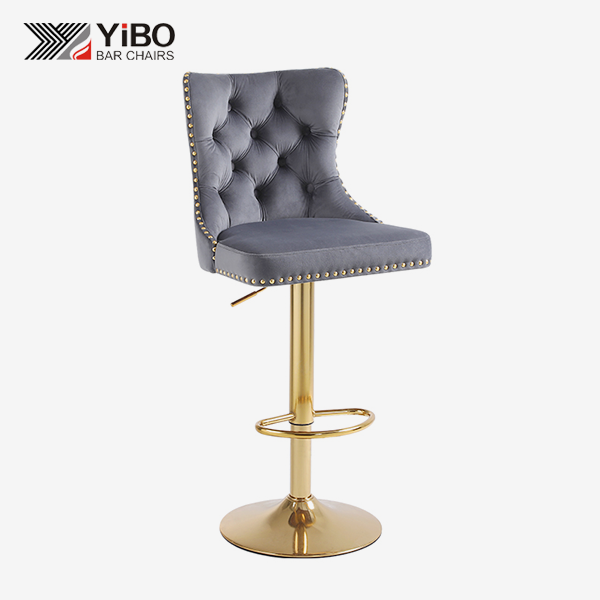
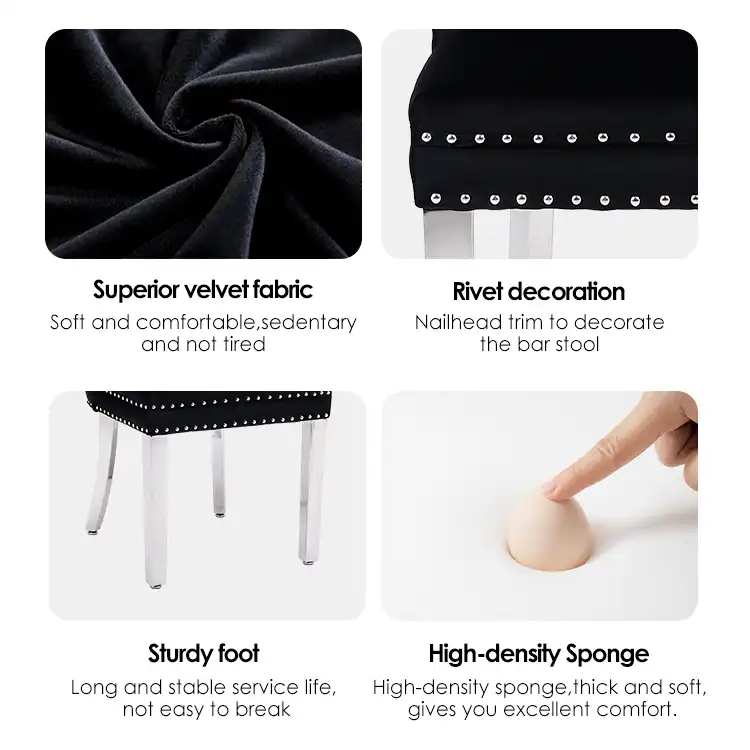
Deep button tufting is used in high back dining chairs business furniture standards for both looks and function. By creating compression points with buttons, you can keep the fabric from moving across large areas of a surface. This keeps the furniture looking sharp between planned reupholstery rounds. Brass nailhead trim, which comes in old, bright, or blackened styles, hides the line where the fabric ends and adds depth to the design. YIBO lets you change the distance between nail heads from the normal 12mm to a tight 8mm or a feature 20mm to fit your brand's tastes for detail. This way of building goes really well with silk furniture because the pile direction can be changed to make patterns that reflect light and look great in marketing materials for hotels.
Vintage and Antique-Inspired Reproductions
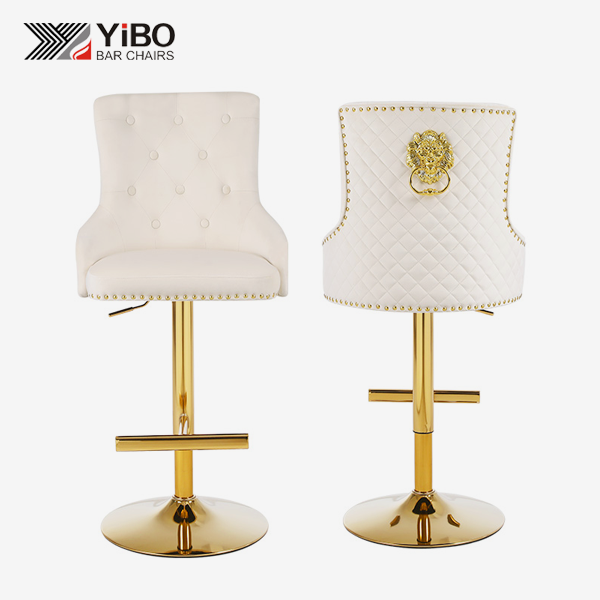
It's hard to find the right balance between historical truth and code compliance when making reproduction furniture for small hotels and themed restaurants. Distressed finishing methods, such as dry brushing, worn edges, and old-looking hardware, give pieces the look of being old while still protecting the base. We've come up with finishing methods that meet California TB 117-2013 fire safety standards without sacrificing the realistic look that our clients expect. The lion head accents on our YB-1115 model show how classical imagery can be used in modern manufacturing processes. Resin-cast details ensure stability across production runs while keeping the sculptural presence of originals that were cut by hand.
Types of High Back Dining Chairs for Contemporary Interiors
Modern business spaces put operating efficiency and a minimalist look at the top of their lists. These needs are met by modern chair designs that use new materials and simpler ways to put them together.
Minimalist Metal and Composite Constructions
Powder-coated steel frames have great strength-to-weight ratios, which lowers shipping costs while still giving high-turnover restaurants the structural performance they need. Matte black finishes are still the most popular because they can hide small scratches and keep up a good look between cleaning rounds. The one-color approach makes the area look more connected in open layouts where chair backs stand out. Even though stainless steel choices are more expensive, they are better for seaside homes or kitchens that are exposed to high humidity because they don't rust.
Ergonomic Designs with Adjustable Features
More and more, corporate dining rooms ask for chairs that can be used for both eating and working. With built-in lumbar support, seat depth adjustments, and adjustable backrests, eating chairs can be used for more than one thing at work. These specs are especially useful for tech college cafeterias and co-working food halls where people expect tools to be flexible. Our research and development team can add pneumatic height adjustment cylinders and coordinated tilt systems while keeping the high-end looks that are expected in executive eating rooms.
Mixed-Material Contemporary Statements
Putting together different kinds of materials creates visual interest that is respected in modern hotel design. Material knowledge that appeals to design-savvy customers can be seen in walnut wood backs paired with brushed metal legs or concrete-effect composite shells with cushioned seat inserts. These mixtures are also useful; the wood parts add warmth and reduce noise, and the metal parts keep the shapes stable when the humidity changes with the seasons. In this case, manufacturing flexibility is very important because OEM partners need providers who can combine different streams of materials into a single assembly process.
Materials & Maintenance: Ensuring Longevity of High Back Dining Chairs
The total cost of ownership for a piece of furniture is affected by the materials you choose. It's easier to make accurate project budgets when you know how different surfaces work and how often they need to be maintained.
Premium Hardwood Options and Care Protocols
Oak, walnut, and mahogany for high back dining chairs all have different grain patterns and stiffness levels that make them better or worse for different uses. Janka hardness ratings, which range from 1,290 lbf for walnut to 1,360 lbf for red oak, show that the wood is resistant to scratches in industrial settings. Different types of finishes need different types of care. For example, catalyzed conversion varnishes only need to be cleaned with a wet cloth, but oil-rubbed finishes need to be reconditioned with furniture-grade oils every so often. With every container shipment, we include care specification sheets that list the best cleaning products and how often they should be refinished based on how much traffic is expected.
Upholstery Fabric Performance Specifications
There are three numbers that are used to choose commercial textiles: abrasion resistance (calculated by doing two rubs with the Wyzenbeek method), colorfastness scores (based on AATCC standards), and cleaning code classifications. Our basic product, contract-grade velvet, can usually handle more than 50,000 double rubs, which makes it suitable for heavy-duty hospitality uses. Stain-resistant treatments, like Crypton or GreenGuard approved choices, add extra protection without changing the soft feel that people expect from high-end seating. Dark colors, like our charcoal and espresso ranges, are better at resisting dye transfer, which is very important for places that serve people wearing jeans.
Metal Frame Finishing and Protection
Long-term corrosion protection on metal parts is based on the thickness of the powder covering (measured in mils). Our normal 2.5-mil application is enough to protect climate-controlled rooms. For coastal installations, our upgraded 4-mil treatments with better UV stabilizers work better. Cost-performance trade-offs exist between stainless steel grades 304 and 316. 304 is good enough for most uses, while 316's molybdenum presence only supports its higher price in situations where it will be directly exposed to salt air. Cleaning regularly with pH-neutral soaps stops the surface rust that makes things look bad in places with hard water.
Procurement Considerations: Making the Right Choice for Your Business Needs
In order to get the most out of your seating purchases, you need to make sure that the product specs match up with your budget and business needs. The choices about strategic sourcing are based on the following structure.
Analyzing Usage Scenarios Across Sectors
The hardest job cycles are in the hospitality industry, where tables may need to be turned three to four times a night, which adds up to more than 1,200 sitting events per chair per year. Cafeterias in businesses get modest use, with set peak times, while private domestic projects put more emphasis on how things look than how durable they are. Figuring out how intense your operations are lets you choose the right frame sizes, foam thicknesses, and finish systems. Container-load buyers can split their orders into different sections: high-quality pieces for areas that get a lot of attention, and value-engineered options for areas like the back of the house or staff eating areas.
Balancing Budget, Quality, and Design Requirements
Total cost analysis looks at more than just the original purchase price. It also looks at freight efficiency, assembly labor, and how often something needs to be replaced over its lifetime. When compared to competitors sending 400–450 units in the same amount of room, our packaging saves space and allows 570 units to fit in a 40HQ container. This lowers the cost of logistics per unit. When comparing quotes from suppliers, you should weigh warranty coverage (we offer solid promises based on our 14 years of manufacturing experience) against price differences. Our in-house research and development team can make changes to designs, from small changes to dimensions to fully custom frame shapes. This lets you stand out without having to wait for third-party design services.
Supplier Reliability and Certification Standards
If a company has ISO 9001:2015 certification, it means that they use regular quality management methods instead of results that depend on the batch. BIFMA compliance makes sure that goods meet North American safety standards for business furniture, which is a must for U.S. projects that need liability insurance. Delivery performance metrics are just as important as other metrics. Our production capacity allows us to send out 8–10 containers every month, which keeps the plan on track even when rollouts happen in stages at different properties. People who care about the environment, society, and the economy should check formaldehyde emission certifications (CARB Phase 2 compliance) and sustainable forestry documents (FSC chain-of-custody), especially if they are buying for big clients that have to buy environmentally friendly products.
Conclusion
When choosing the right type of high-back dining chairs, you have to balance your design goals with practical needs and your budget. Classic styles with tufted upholstery and decorative details give historical dining settings the formality they need, while modern metal-and-composite builds go well with simple business settings. Specifications for materials, like which hardwood species to use and how well the fabric will perform, directly affect how much it will cost and how much upkeep it will need over its lifetime. For strategic procurement to work, you need to work with makers that can offer a lot of customization, a track record of output, and certifications that meet the legal needs of your market. There are 14 years of specialized experience centered in Anji's furniture manufacturing cluster. This institutional knowledge means that there are fewer surprises in production and more reliable project results.
FAQ
What is the ideal ceiling height for high back dining chairs?
Spaces with ceilings higher than 9 feet look better with high-back dining chairs because regular chairs look too small in large rooms. Chair backs that are 40 inches or more raise the height of the chair, which helps balance the scale of the building and creates visible unity instead of empty spaces. For best aesthetic balance, designers usually keep the chair back height and ceiling height at a 1:2.50 ratio.
How do I specify chairs for mixed classic-contemporary interiors?
In mixed styles, transitional designs that use both traditional and modern elements work well. Bridge style chairs have simple, straight frames with little decoration. They are covered in neutral fabrics and have small details like single welt cords instead of heavy nailhead trim. Mixing materials, like putting metal legs on walnut wood backs, gives furniture a modern look while still keeping the warmth of classic furniture.
What container capacity should I expect for bulk orders?
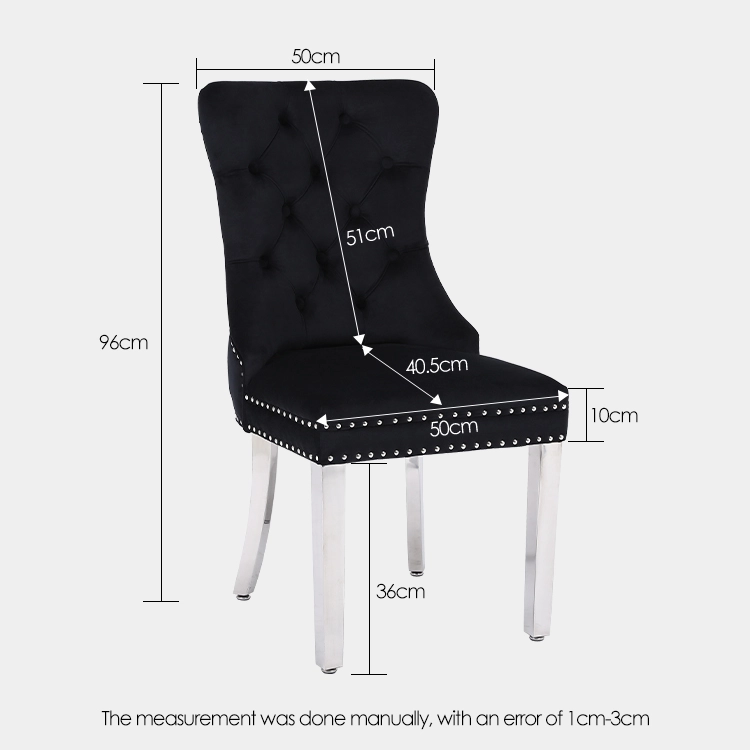
Our optimized packaging (2 pieces per box, measures 78x59x51cm) can fit about 570 pieces in standard 40HQ crates. This arrangement strikes a mix between safety during transoceanic shipping and cubic economy. If a buyer orders chairs with extra-wide curves or arms that are longer than usual, they should allow for about 15% more space than usual.
Partner with YIBO for Your High Back Dining Chair Supply Needs
Furniture markets are very competitive, so procurement managers need manufacturing partners who know that delivery dependability is just as important as design skills. Yibo is based in Anji, which is a specialized hub for making furniture. After 14 years of focused production, our processes have become more efficient in areas like finding materials, checking quality, and exporting. Our 6000-square-meter building has sampling teams that work on both OEM and ODM projects. This lets us customize everything from the cloth choice to the frame geometry without the wait time problems that smaller companies usually have. No matter if you need 200 units for a small hotel renovation or 2,000+ pieces for a rollout across multiple properties, our production capacity can adapt to your needs while keeping the quality that protects your brand's image. Our ISO 9001:2015 and BIFMA certifications give your risk management teams the proof they need, and our responsive sales support (we promise to answer all questions within 24 hours) keeps projects moving through review rounds. Get in touch with our team at yb@ajyibo.com to talk about your next seating project with a maker of high-back dining chairs who knows that your success depends on ours.
References
Anderson, M. (2021). Commercial Furniture Specification: A Guide for Hospitality Professionals. Interior Design Publishers.
Chen, L. & Williams, R. (2020). "Ergonomic Considerations in Extended-Back Seating Design." Journal of Furniture Engineering, 15(3), 45-62.
Harper, T. (2022). Material Science in Contract Furniture Manufacturing. Woodworking Industry Press.
Mitchell, S. (2019). "Acoustic Performance of Upholstered Furniture in Commercial Dining Spaces." Building Acoustics Quarterly, 28(2), 112-128.
Peterson, K. (2023). The Procurement Professional's Handbook: Furniture and Fixtures. Supply Chain Management Institute.
Rodriguez, E. (2020). "Durability Testing Standards for High-Traffic Commercial Seating." Furniture Testing International, 7(4), 89-104.