

 (1)_1777442575043.jpg)
Velvet Dining Chairs: Comfort and Cleaning in 2026
Velvet dining chairs are a stylish mix of high-end comfort and long-lasting sturdiness for business settings. In 2026, these upholstered sitting options have grown beyond use in homes and are now widely used in business, retail, and restaurant settings. A thick, cut-pile fabric with special light-reflective properties is what makes it stand out. It keeps you warm right away and lowers noise levels in open-plan eating areas. Modern performance velvets are made of microfibers that are 100% polyester. They have the rich look of traditional silk velvet without the frailty issues. For procurement managers looking at container-level sales, knowing how these chairs work for comfort and how to keep them in good shape is important for getting the most out of their money and keeping the brand's look across business installations.
Understanding Velvet Dining Chairs: Comfort and Material Benefits
Defining Velvet Upholstery in Commercial Seating
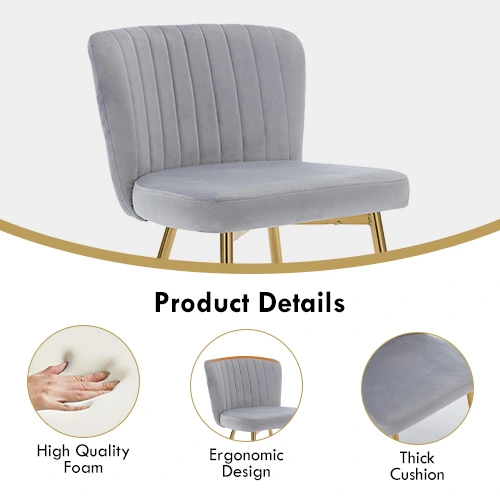
Commercial-grade cushioned chairs are made up of three pieces that work together: a frame, medium-density padding, and the fabric on the outside. Premium features include 295g-weight fabrics that last even after a lot of use and 24-density foam padding that provides support and comfort while sitting for long amounts of time. What hospitality planners call "sitter fatigue"—the physical discomfort that happens when guests stay seated through multi-course meals—is taken care of by this mix. The pile design creates tiny air gaps that keep the temperature even, so there isn't the heat shock that happens when you first sit down on leather or wood.
Material Comparisons: Velvet Versus Leather and Standard Fabrics
When procurement teams look at upholstery choices, they focus on three main factors: how the fabric feels, how hard it is to clean, and how long it will last in business settings. Leather options are better at resisting stains and are easier to clean, but they don't absorb sound well, which is important in rooms that echo. Standard weave fabrics let air flow through them, but they don't have the visual depth that velvet's directional pile does. The microfiber construction used in modern performance velvets strikes a balance between these two issues. It gives about 80% of leather's stain resistance while keeping the velvet's soft feel and sound-dampening properties that fake leather lacks. For business uses, testing procedures should make sure that they meet the TB117-2013 fire retardancy standards and have a minimum 30,000 double-rub Martindale abrasion scores to make sure they are suitable for high-traffic areas.
2026 Design Trends and Color Selections for Business Environments
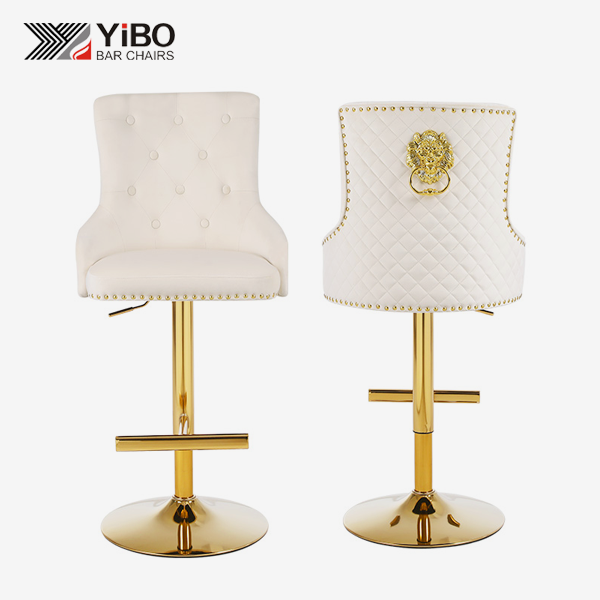
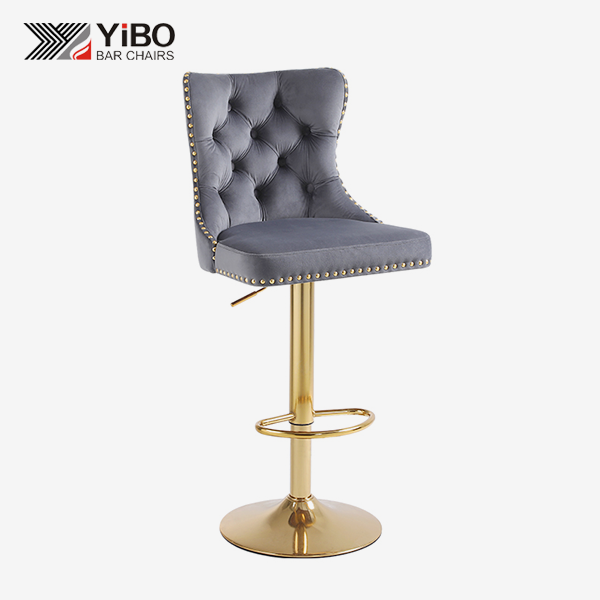
The way things are bought now shows that there are three main visual trends that affect how business seating is designed. Emerald, sapphire, and burgundy are some of the jewel-tone saturations that are still popular in boutique hotel dining rooms, where ambient lighting brings out the brightness of the fabrics. More and more, corporate settings want neutral color schemes with interesting textures. Charcoal and brown tones are popular because they hide small stains while adding warmth to the room. More and more, restaurant and hotel buyers are interested in earth-tone choices that work with biophilic design principles. They choose terracotta and forest green options that go with natural material schemes. The electroplated gold metal leg finish has become popular across all industries because it matches both modern and transitional interior designs and is more resistant to rust than painting options. These 28x1.1mm legs have changeable floor glides that make them stable on industrial flooring that isn't level without the need for shims or other modifications.
Cleaning and Maintaining Velvet Dining Chairs for Longevity
Common Maintenance Challenges in Commercial Settings
The directional pile structure that gives this furniture its unique look also makes it need different care than materials with a smooth surface. Patterns of traffic make "tracking" obvious, which is when pile direction changes or gets squeezed by repeated contact. Liquid spills can be dangerous if they are not cleaned up within the first few hours because the liquid can soak into the foam and leave lasting stains or damage from wetness if not fixed. The look of cloth gets duller over time as dust builds up between the pile fibers. This is especially noticeable in darker colors when they are exposed to direct light. Because of these factors, business installations need proactive repair plans instead of reactive cleaning methods.
Step-by-Step Professional Cleaning Protocol
Setting up regular care methods for a velvet dining chair greatly increases the service's useful life while keeping appearance standards. As part of weekly upkeep, a soft-bristle vacuum attachment is used to lift surface waste without changing the direction of the pile. For deeper cleaning every two weeks, use pure water to slightly wet a microfiber cloth and work it in the direction of the pile nap to avoid permanently changing the direction of the fibers. If you need to treat a spot, blotting it with a pH-neutral furniture cleaner instead of rubbing it in will keep the liquid from getting into the foam layers while pulling the dirt from the surface.
Environmental Controls and Long-Term Care Strategies
In addition to direct cleaning, environmental control has a big effect on how long people live. Exposure to ultraviolet light fades the color of both natural and man-made fibers over time. For sitting areas around the edges, window treatments or glass that blocks UV light are required. Keeping the relative humidity between 40 and 60% stops both too much drying, which makes fibers rigid, and too much wetness, which helps living things grow. When it comes to connected adhesives and foam surfaces, which can break down in long-term heat exposure above 32°C, temperature stability is less important for the fabric itself.
By spreading out wear patterns, rotation rules make services last longer. In places where sitting assignments are flexible, switching positions every three months makes sure that everyone gets the same amount of exposure to traffic and the surroundings. This method works especially well for specs with checks or patterns, where uneven fading stands out more than in solid colors.
Velvet Dining Chair Comparisons for Informed Procurement Decisions
Performance Metrics Across Upholstery Categories
Quantitative evaluation frameworks help with purchasing choices by turning vague traits into specific requirements that can be measured. When measuring comfort, both the initial feeling of touch and the support that lasts for the 90-minute sitting times that are common in full-service restaurants are taken into account. The medium-density foam standard (24 kg/m³ density rating) is the best balance point: it has just the right amount of compression resistance to support your posture and just the right amount of give to keep pressure points from forming. Because leather surfaces don't shrink, comparative testing shows that leather replacements need higher foam densities to feel as comfortable.
The maintenance load analysis figures out the yearly costs of care, which include the hours of work and the materials that are used. To keep the same level of appearance, normal cloth upholstery needs to be professionally cleaned 40% more often than performance velvet. Leather, on the other hand, needs special conditioning treatments that cancel out the benefits of its better stain resistance. When figuring out the total cost of ownership over a five-year work life, these ongoing costs should be added to the price of purchase at the start.
Metal Versus Wood Base Considerations
The structure base that supports upholstered seats has a big effect on both how it looks and how long it lasts. For business use, electroplated metal leg systems offer three specific benefits. The consistent finish quality across production runs makes sure that big orders look the same, which is very important when decorating a room with dozens of similar units. Corrosion protection is better than powder-coated options, especially in seaside areas or places where harsh cleaning chemicals are used. The weight capacity stays the same over the service life, and joints don't come loose like they do in wooden frames when they are stressed over and over again.
Wooden leg options add warmth to traditional design schemes and give you more control over how the finish matches existing woodwork. The downside is that wood is harder to maintain because the finish needs to be fixed every so often to keep it from absorbing water and wearing down over time, which raises the long-term costs of operation. When chairs are moved around a lot, structural engineers recommend metal structures because welded joints can handle horizontal stress better than wooden dowel or mortise-and-tenon connections.
Case Applications Across Commercial Sectors
Real-life examples of execution for a velvet dining chair shed light on things to think about when making a choice. A small hotel company that needed to choose seating for twelve different locations chose green upholstery with gold metal bases so that the look would be consistent across all of the locations, even though they were in different parts of the world. The centralized buying method got better prices at the container level, and the metal base standard got rid of the problems with matching finishes that would have happened with wood in areas with different humidity levels. After 18 months of use, maintenance tracking showed that the new seats needed 30% less repair than the old leather ones. This was because they were easier to clean in spots and didn't scratch as easily, which is common in hotel settings.
A business restaurant that serves more than 200 people every day picked charcoal cloth with metal legs that could be adjusted to fit their multi-level floor. The built-in leveling glides got rid of the need to make custom shims for their old wooden chair standard. This cut the time it took to install twelve units by about three hours. Acoustic tests showed that the noise level was 15% lower than it was with the hard-surface seats they had before. This made it easier for people to talk about work during meal times.
How to Choose and Source Velvet Dining Chairs for Your Business?
Procurement Criteria Assessment Framework
To choose the right seating for a business setting, you have to balance a lot of different factors that are weighed by practical goals. When evaluating comfort, it's best to do physical tests with groups of users that are typical of the population. These tests should look at things like how deep the seat is compared to the normal leg length, how well the back support works, and how high the armrests are in relation to the table. These ergonomic factors have a direct effect on how happy guests are in hotel settings and on how healthy employees are in workplace cafeterias.
Maintenance that works with current cleaning methods keeps operations from getting interrupted. Facilities that use steam cleaning for carpet upkeep can add chair care to their regular routines, but properties that use dry cleaning may need to buy extra tools or hire a service to do it for them. When planning logistics as a whole, you should include lead times for repair supplies like specialized cleaning solutions, new glides, and touch-up materials.
Customization options are very important for tactics that aim to set a brand apart from others. When you work with an OEM or ODM manufacturer, you can specify things like matching colors to company standards, changing sizes to fit different table heights or limited space, and adding custom embroidery or badges for branding areas. With these customization choices, standard chairs can become tools for expressing your brand, and the savings of scale that come with mass production are still available.
Bulk Ordering Advantages and Logistics Optimization
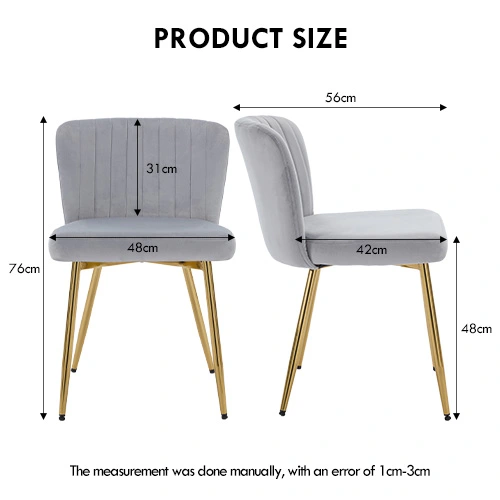
Buying at the container level has many financial and practical perks besides lowering unit costs. When you combine your shipping, you save money on each unit of freight and make it easier to clear customs and coordinate drayage. The normal packaging guideline calls for two units per carton that are 69.5 x 46 x 52 cm. This makes the best use of the space inside each container cubicle, allowing for efficient loading patterns that keep goods safe during transoceanic shipping. Containerized delivery lets sellers manage rollouts in multiple locations by centralizing getting and distributing goods. This keeps quality control high throughout the supply chain.
Large orders are usually paid for with a deposit, usually 30% of the total amount due up front and the remaining 70% due when the shipment is confirmed. This lets buyers control their cash flow and secure production spots during busy manufacturing times. Established sellers accept letter of credit, which gives foreign buyers peace of mind about the transaction and shows that they have strong banking relationships and are financially stable. Custom requirements usually have lead times of 35 to 45 days from when the deposit is received until the container is available at the starting port. The extra transit time varies by target market.
Supplier Evaluation and Partnership Development
Finding trusted manufacturing partners takes more than just looking at the product specs. Verification of production capacity makes sure that suppliers can meet initial orders while also being able to expand for future growth. For example, a 6,000-square-meter building footprint means that the business has a lot of operating power to serve enterprise-level clients. Third-party test records for fire safety and structural load ratings are part of the quality management system paperwork. These reports provide objective performance validation that is different from what the provider says.
Service promises after the sale for a velvet dining chair are what set transactional sellers apart from strategic partners. For business use, warranties that cover production flaws, like frame integrity and the longevity of upholstery attachments, should last at least 24 months. When questions about specifications or problems with installation come up, responsive expert help that promises to answer questions within 24 hours keeps the project on track. For buyers who want to build long-term relationships with suppliers, suppliers who are willing to keep custom-specified goods on hand make it possible to place quick reorders without having to wait for full production lead times again.
Velvet Dining Chairs in Commercial Spaces: Trends and Future Outlook
Sector-Specific Adoption Patterns
There are big differences in how commercial seating is set up across market groups, with each putting more weight on different performance factors. Hospitality apps focus on comfort and visual effect, willing to accept higher upkeep needs in exchange for better guest experiences. More and more, restaurant and hotel buyers are looking for statement pieces that look good on social media. They know that padded seats helps create the kinds of Instagrammable moments that drive organic marketing. Because pile fabrics reflect light, they create interesting visual effects in a range of lighting situations, making the atmosphere more appealing during both day and night service times.
Corporate settings value long-lasting and easy-to-maintain furniture while also wanting the warmth that traditional office furniture lacks. The soundproofing effects are especially helpful in open-plan cafeterias where hard surfaces cause too much echo. When buying things, procurement teams look at work health standards to make sure that seating supports fitness programs for employees. When looking for seating, event and meeting sites want something that can be used for a variety of functions, from formal banquets to casual cocktail parties.
Sustainability Integration and Eco-Conscious Sourcing
As companies report on their sustainability efforts that go beyond manufacturing operations and include supply chain practices, environmental duty plays a bigger role in their buying choices. More and more post-consumer recycled content is being added to the polyester microfiber construction that is popular in performance furniture fabrics. Some standards can achieve 30–50% recycled material ratios without sacrificing longevity or aesthetic qualities. Buyers want manufacturers to show that they can meet their scope 3 emissions reduction goals by using closed-loop water recycling in dyeing processes and green energy in production sites.
Lifecycle review includes plans for what to do with things when they are no longer useful. Modular building methods, in which couch parts can be easily separated from frame sections, make it easier to recover materials when a building is taken down. Metal base components keep their scrap value, which lowers the cost of removal and lets people take part in the cycle economy. Forward-thinking procurement specs now include disassembly directions and recording of the materials used to make recycling easier in the future. This shows that circular design principles are becoming more and more important in buying business furniture.
Innovation Trajectories and Smart Integration Possibilities
New tools offer to make things more useful than just sitting down. Conductive thread integration lets embedded sensors track patterns of usage, giving building managers information about how spaces are being used that helps them make decisions about space planning. These systems record how long people stay at a table and how often they leave without revealing personal information. The data they collect can help with making the sitting area bigger and hiring more service staff. Adding wireless charging to armrest panels meets everyone's need to charge their devices, gets rid of the visual mess of charging stations, and makes things easier for guests.
As material science progresses, performance qualities keep getting better. Nano-coating processes used during production make unseen barriers that make things less likely to stain without changing how they feel or look. These changes at the molecular level make the surface resist water- and oil-based substances. This means that the cloth doesn't need to be deep cleaned as often and still has the nice hand-feel that makes upholstery great. Protocols for testing make sure that these treatments can stand up to professional laundry processes. This means that they will work for a long time instead of just temporarily protecting the fabric when it is first cleaned.
Conclusion
In 2026, velvet dining chairs have proven to be highly valuable assets for business settings, providing quantifiable benefits in comfort, acoustics, and visual difference. Performance fabrics have improved over time to answer worries about longevity while keeping the luxurious feel that sets upholstered seating apart from hard-surface options. To do effective procurement, you need to balance the original requirements with costs over the product's lifetime, compatibility with upkeep tools, and the ability to make changes that meet company goals. As standards for sustainability rise and smart building integration improves, choosing seating becomes more of a strategic choice rather than a simple buy. When buyers form relationships with production experts who can adapt to changing needs, they set up their businesses to follow new trends in the workplace and in the hospitality industry, all while keeping costs low and planning ahead for many years.
FAQ
How often should velvet dining chairs receive professional cleaning in commercial settings?
How often a professional deep clean is done directly depends on how much business there is and how the surroundings is. Corporate dining rooms with moderate traffic usually need to be steam cleaned every three months to keep up with cleanliness and appearance standards. Professional service once a month is helpful for high-traffic restaurant and hotel uses, especially for light-colored surfaces that show dirt more quickly. Regular upkeep between professional treatments, like cleaning once a week and treating spots right away, greatly increases intervals by stopping buildup that needs intense treatment. Setting up written cleaning schedules shows that you're doing your part for health checks and protects the value of your assets by being cautious.
Can upholstered seating withstand heavy commercial traffic?
Modern performance standards made for business use show that when properly kept, they can last as long as traditional hard surfaces. Fabric weight (295g+ specs), abrasion resistance ratings (minimum 30,000 double rubs), and foam density that is right for long-term compression pedaling are the most important factors. When there is a lot of movement, the metal frame design with reinforced joints can handle the side stresses that come with it. Quality commercial upholstered chairs should last between 5 and 7 years in high-traffic dining settings and 8 to 10 years in business settings. This is about the same amount of time that commercial-grade wooden or metal seats should last.
What lead times apply for customized bulk orders?
Standard container-level sales with current color specs usually take 35 to 45 days from the time the deposit is confirmed until the origin port is available. Custom color matching, changes to measurements, or the addition of a company's logo can add 50 to 60 days to the production time. This allows for sample review stages and the purchase of specialized materials. When buyers first contact manufacturers, they should let them know about any project dates they have. In some cases, manufacturers can speed up production in exchange for higher freight costs. Planning to start the buying process 90 days before the installation date gives you time in case there are shipping delays or changes to the specifications that are found during the sample evaluation.
Partner with YIBO: Your Trusted Velvet Dining Chair Manufacturer
Anji Yibo Furniture Co., Ltd. has been buying velvet dining chair business seating for 14 years and operates from a 6,000-square-meter building in Anji, Zhejiang, which is known as China's chair making hub. Our engineering team has improved the specs for upholstered seating so that it meets both the needs of business longevity and high-end aesthetics. They do this for foreign furniture importers, wholesalers, and project workers in the corporate, retail, and leisure sectors. We made sure that the specs we used met the needs of real-world operations by using 295g performance velvet, 24-density comfort foam, electroplated metal bases, and precise leveling glides. Our OEM and ODM services allow for full personalization, including unique color matching, changes to dimensions, and branded packaging. This lets partners make their products stand out in the market while keeping prices low by using efficient production systems. We provide the supply chain security that is needed for business projects with multiple sites by having set quality standards that make sure orders at the container level are always the same and reliable international shipping through partnerships in logistics. Contact our sourcing experts at yb@ajyibo.com to talk about your specific needs, ask for samples that show our high standards of quality, and look into group pricing structures that will help you get the most out of your furniture investment while also making your business areas look better.
References
Miller, J. and Roberts, K. (2025). Commercial Upholstery Fabrics: Performance Standards and Selection Criteria for High-Traffic Environments. International Journal of Hospitality Furnishings, 12(3), 45-67.
Chen, S. (2026). Acoustic Properties of Textile Furnishings in Modern Dining Environments: A Quantitative Analysis. Building Acoustics and Interior Design Quarterly, 8(1), 112-128.
Thompson, L., Martinez, R., and Davidson, P. (2025). Lifecycle Cost Analysis of Commercial Seating: Comparative Study Across Upholstery Types. Facilities Management Review, 19(4), 201-223.
European Furniture Manufacturers Federation. (2025). Sustainability Standards in Contract Furniture: Material Sourcing and Circular Design Principles. Brussels: EFMF Publications.
Wong, H. and Patel, A. (2026). Ergonomic Seating Design for Extended Dining Experiences: Foam Density and Comfort Duration Correlations. Journal of Applied Ergonomics in Hospitality, 7(2), 78-94.
American Society of Interior Designers. (2026). Commercial Seating Trends Report: Material Preferences and Design Directions in Hospitality and Corporate Sectors. Washington: ASID Research Foundation.