

 (1)_1777442575043.jpg)
Optimal Coffee Bar Layout: Design Tips for Efficiency
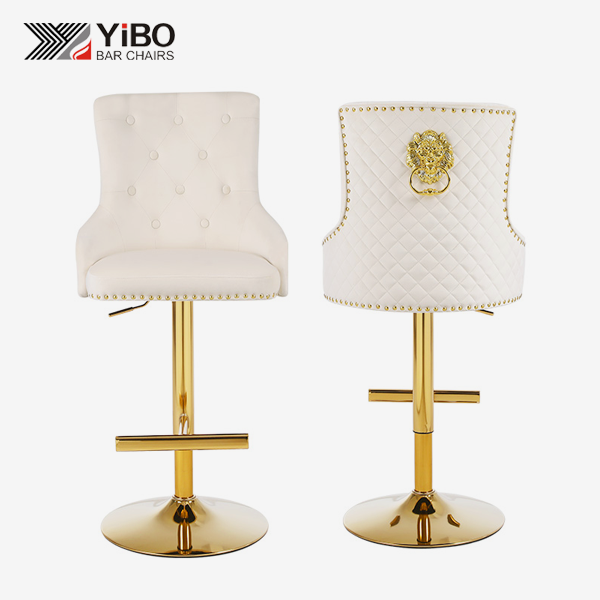
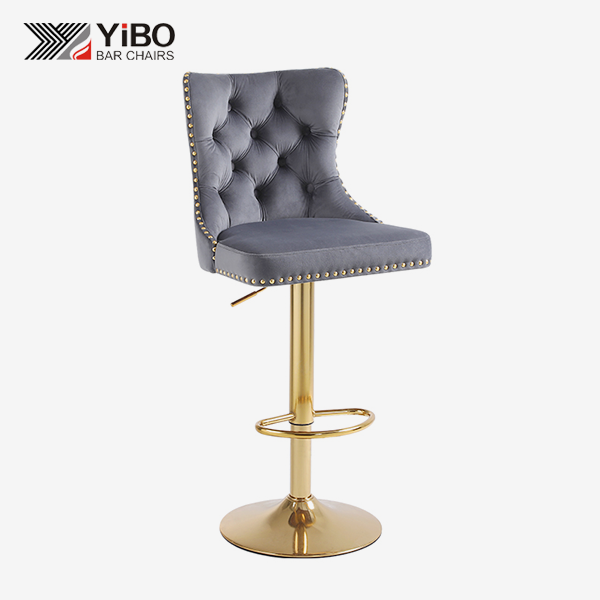
To make the best coffee bar plan, you need to do more than just choose furniture that looks good. You also need to be smart about how you use space. Customers' stay time, staff productivity, and income per square foot are all directly affected by how well a coffee shop is designed. Coffee bar stools, which are the link between customer comfort and space efficiency, must be carefully specified in order to achieve operating success. When properly installed, these raised sitting options meet the specific posture needs of drinking while also increasing the number of seats available in crowded cities. To survive the tough conditions of business dining settings, the right plan strikes a balance between counter height alignment, traffic flow efficiency, and material longevity.
Understanding Coffee Bar Layout Challenges and Solutions
Common Space and Seating Obstacles
Most coffee shop owners have three problems that keep coming up and making it hard to make money. Because of limited space, it's hard to choose between the number of seats and the number of paths for people to move around. A lot of places make traffic jams near the ordering lines by accident because they don't plan their seats for how people will move during peak hours. The problem gets worse when the sizes of the furniture don't match the heights of the counters, making customers unhappy and less likely to stay longer.
Treating all coffee bar stools as identical goods leads to bad sitting arrangements. People lean forward while using computers or talking on the phone in coffee shops, which is very different from the reclining position that most people take in cocktail clubs. If you choose general bar seating without taking these postural needs into account, customers will get tired and tables will not be turned over as often, which hurts income.
Root Causes of Layout Inefficiency
These obvious signs come from not planning well enough during the design part. Many times, purchasing teams forget to check important details like the 10 to 12 inches of space that needs to be left between the seat surface and the bar top for proper knee positioning, the dimensions of the footprint that affect the width of the aisle, and how well the material works when it comes to acidic liquids and heat. If business owners use furniture made for homes in a business setting, the structure will break down within months instead of years.
Layout mistakes are also caused by the gap between how something looks and how it works. People who are drawn to designs that look good sometimes give up functional needs or reliability standards. When the humidity in a café changes, wood frames that haven't been kiln-dried will warp, and furniture that hasn't been treated with hydrophobic chemicals will get lasting stains from coffee spills.
Key Design Principles for Optimal Flow
Layouts for coffee shops that work well follow three rules that have been proven to work. To make the best use of space, you must first accurately measure not only the total square footage but also the specific traffic zones that employees need to move around behind the counters and customers need to get from one sitting area to another. If you want to talk to people at the brew bar, counter-height stools (with 24 to 26-inch seat height) are best. For window sitting along the walls, bar-height stools (with 28 to 30 inch seat height) are better.
To prioritize ergonomics, choose stools with high-density polyurethane foam (at least 2.5 lbs/ft³ density) and good back support for long periods of sitting. The standards for material sturdiness should meet industrial contract grade requirements, such as textiles that can withstand more than 50,000 Double Rubs on Wyzenbeek tests and frames that can handle 300-pound static loads according to ANSI/BIFMA X5.1 standards. These technical standards immediately lead to lower replacement costs and long-term customer happiness over operating cycles that last several years.
Selecting the Right Coffee Bar Stools for Your Coffee Bar
Height Matching and Adjustability Options
The comfort of customers and the speed of operations for coffee bar stools depend on how well the heights of seats and counters match up. The standard in the industry keeps a 10 to 12 inch vertical gap between the seat pan and the bar surface. This lets your elbows naturally bend when you drink while keeping your knees from bumping into each other. For counter-height installations (36 inches), the seats need to be 24 to 26 inches high. For bar-height installations (40 to 42 inches), the seats need to be 28 to 30 inches high.
Adjustable systems make operations possible in a variety of settings. Pneumatic lift cylinders let you change the height to fit different body types. This is especially helpful in co-working places where coffee bars are also shared workspaces. Memory return swivel systems automatically move seats to face forward when they are not in use. This keeps the look consistent without any help from staff. This is a small detail that has a big effect on how customers see your brand when they first walk in.
Material Performance and Durability Analysis
Furniture in a coffee shop is subjected to hard conditions that furniture in a home cannot handle. We've learned over many years of making that the choice of materials has a big impact on the total cost of ownership. Metal frames made of tube steel with powder coatings that are 60–80 microns thick don't chip when they get hit every day, and kiln-dried hardwoods like ash or walnut (controlled to 8–12% moisture content) don't bend in places with a lot of humidity, like cafés.
When it comes to long-term performance, all upholstery decisions are the same. Solution-dyed acrylics and commercial-grade vinyl make walls that hot liquids can't get through. This means that bleach-based cleaning can be done without changing the color. Fabrics made with C0 DWR (Durable Water Repellent) technologies don't let coffee spills happen without using PFAS chemicals, which are bad for the environment. These material standards may seem complicated, but they have a direct relationship with how often replacements need to be bought, which is a major worry for procurement managers who are in charge of portfolios with multiple locations.
Ergonomic Features That Reduce Fatigue
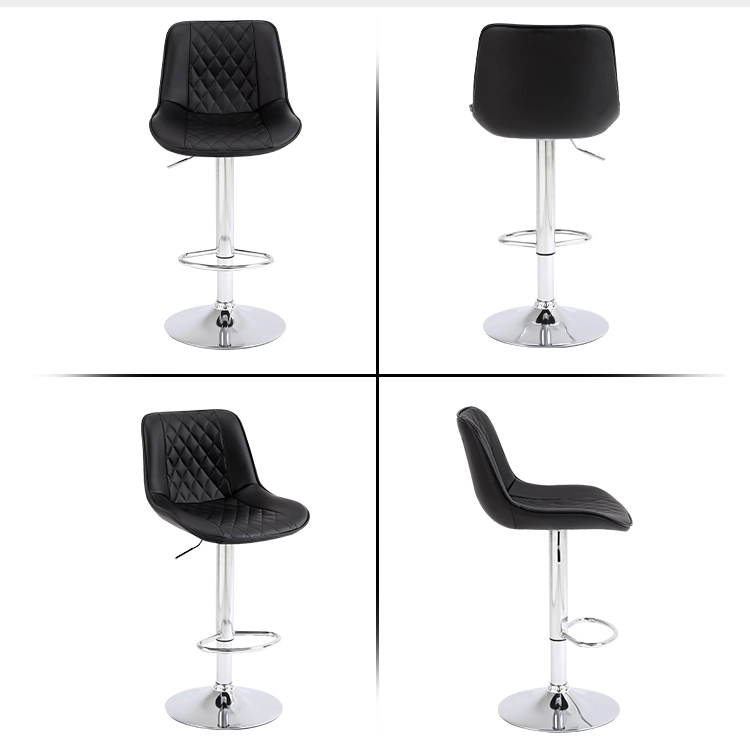
In addition to basic height requirements, advanced design features make the customer experience ratings a lot better. For long laptop sessions, contoured seat pans that spread weight across the best pressure points keep blood flow from getting slowed down. Footrests that are 6 to 8 inches below the seat height support natural leg positioning and reduce lower back pain. This is especially important in urban markets where people now spend more than 45 minutes on coffee bar stools.
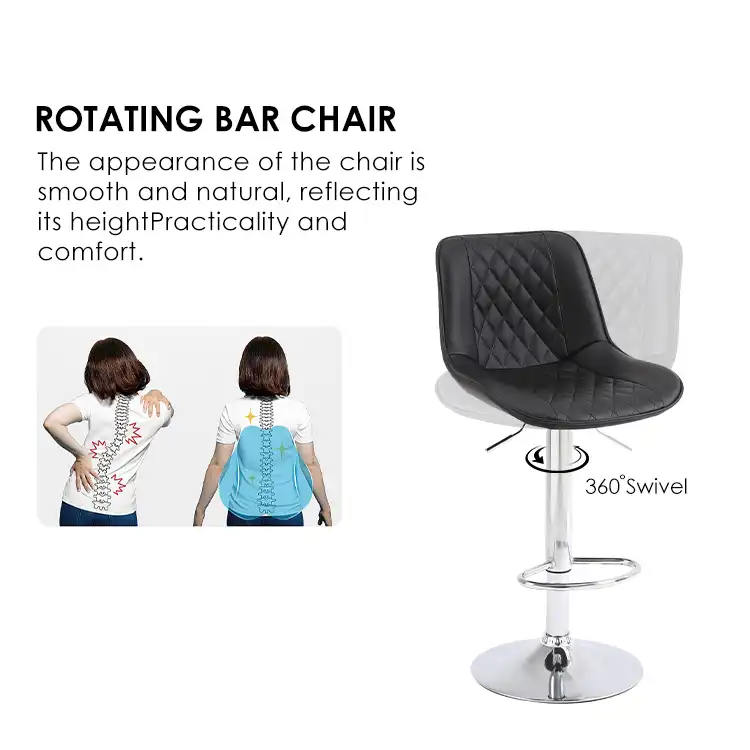
When designing a backrest, shift tactics need to be carefully thought through. Backless or low-back profiles help high-volume specialty roasteries because they encourage shorter stays while keeping clear views across the room. On the other hand, destination cafés that want people to stay longer should ask for mid-back or full-back support with lumbar curvature, along with 360-degree swivel feature that lets people talk to each other and work together.
Enhancing Coffee Bar Efficiency Through Layout and Furniture Integration
Strategic Placement for Traffic Optimization
To fit seats into the larger plan, you need to know how people normally act at different times of the day. During rush hours in the morning, people want to sit close to power outlets and away from the buying lines. In the afternoon, people want to sit by windows so they can get natural light. Putting coffee bar stools at the right distances between seats stops local disputes. According to study, 24 to 30 inches between seat centers gives people enough personal space while still maximizing linear seating density.
Keeping 36-42-inch-wide traffic paths between groups of furniture will allow staff to move around during busy times without bothering customers who are already sitting down. Putting stools in corners makes use of floor space that would otherwise go to waste. This works especially well in rooms with odd shapes. This strategy strikes a balance between two important goals: keeping the business flow that keeps service from getting slowed down during busy times and filling as many places as possible that bring in money.
Aesthetic Alignment and Brand Expression
Customers' first impressions of a business are shaped by the visual language that is used when choosing coffee bar stools. Modern basic styles that use metal frames and one-color fabric are seen as efficient and up-to-date, which attracts businesspeople who need quick service. On the other hand, designs that are inspired by the past and use wood grain finishes and textured fabrics make people feel welcome, which leads to longer visits and return business.
The choices you make about materials affect more than just how long they last. Leather furniture gives off an air of luxury, but it needs to be conditioned regularly in business settings. Fabric choices offer a wider range of colors that can help you show your brand's personality while also feeling warm. The decision matrix should weigh the need for upkeep against the goals of telling a brand's story. This is a formula where experienced suppliers can be very helpful because they can use the performance of materials from thousands of installations to give great advice.
Maintenance Protocols for Extended Lifespan
Setting up structured care plans for furniture saves investments and keeps things looking nice. Wood frames last longer if they are polished every three months with the right products and have temperature tracking systems to keep the joints from breaking down. Metal parts need to be cleaned every day with pH-neutral cleaners, and the foot glides need to be checked every so often to make sure they're not scratching the floor and saving the frame from oxidation caused by wet cleaning.
How to clean and care for upholstery depends on the type of material used. Vinyl surfaces can handle harsh sanitizers that are needed in areas with a lot of foot traffic, but fabric materials need to be professionally extracted cleaned every three months to get rid of trapped particles that speed up fiber degradation. Setting up these routines for maintenance cuts down on lifetime costs by a large amount. For example, commercial-grade stools that are properly kept last 7–10 years, while neglected or residential-grade alternatives only last 2–3 years.
Procurement Strategies for Coffee Bar Stools in B2B Coffee Bar Projects
Evaluating Supplier Capabilities and Reliability
Effective buying includes more than just unit price. It also includes a full evaluation of the coffee bar stools provider. Experienced makers show that they know how to properly fill out export paperwork, load containers in the best way, and keep customers informed about when their products will be ready. When looking at possible partners, procurement professionals should check the facilities' production ability through facility certifications and ask for examples from projects in the target market that were similar in size.
Processes for quality control tell the difference between good providers and great partners. Manufacturers who follow ANSI/BIFMA testing guidelines give us measurable performance data, like the number of static load cycles, stability scores, and leg fatigue cycle counts. These objective data make it possible to compare bids that are similar in every way. The terms of the warranty show how confident the maker is in the product. For example, full covering for both structural integrity and upholstery performance shows a commitment to long-term partnerships rather than business relationships.
Bulk Purchasing Advantages and Customization
Ordering by container opens up big economic benefits beyond savings per unit. Consolidated shipping lowers the cost of freight per piece and makes sure that deliveries are coordinated for rollouts in multiple locations. Established suppliers offer open payment terms and staging options that work with building schedules. This keeps you from having to pay extra for storage or wait longer than planned for installation.
The need to stand out in the competitive hotel market is met by customization options for coffee bar stools. When an OEM and ODM work together, they can change the sizes, materials, color schemes, and even branding elements like names that are stamped on the backrests. With these custom solutions, furniture goes from being a basic buy to a way to show off your brand. Many of our clients have worked with us to create unique patterns that become signature parts of their space and can't be found in mass-market stores.
Comparing Retail Channels and Specialized Manufacturers
Mass-market stores like IKEA, Amazon, and Wayfair make shopping easy and familiar, but they have some problems that make them less useful for business. Their product lines put the looks of homes ahead of business durability standards, so they don't have the structure reinforcement and material requirements that are needed for high-traffic areas. Multi-unit owners' supply chains are weak because they can't customize as much as they'd like and their merchandise isn't always available.
Contract furniture makers that focus on specific needs offer clear benefits that meet the needs of businesses. Direct factory relationships get rid of markups for distributors and give you access to engineering teams that can help you with technical questions as you're making specifications. Transparency in production lets you do quality checks and changes to customizations that you can't do through store middle-men. The relationship changes from a seller deal to a partnership that helps the business reach its long-term goals.
Implementing and Optimizing Your Coffee Bar Layout: Verification and Best Practices
Performance Measurement and KPI Monitoring
Post-implementation analysis uses measurable data to back up design choices. When you measure customer turnover rates every hour, you can see if the sitting arrangements are meeting your income goals. During peak times, the best coffee shops in cities see 3–4 seat changes. Staff productivity tracking through service time data finds bottlenecks that need to be fixed by moving furniture or changing the amount of items being sold.
Monitoring how seats are used can tell the difference between overall capacity and useful capacity. Heat mapping technologies show which places bring in customers and which ones stay empty all the time, which helps with strategies for improvement. Getting structured feedback from short polls given to customers at checkout lets you know how they feel about comfort and space, which is information that operational numbers alone can't give you.
Continuous Improvement and Emerging Trends
Audits that happen every three months make sure that plans change to fit the needs of operations. Condition reviews of furniture find units that need to be fixed up or replaced before their appearance hurts how people think of the brand. By looking at how other businesses have set up their coffee bar stools, you can get ideas for small changes that will work better in your space and with your customers.
New technologies offer chances for integration that owners who want to be ahead of the curve should keep an eye on. The next step in improving the customer experience is smart furniture that has wireless charging, occupancy monitors, and environmental settings. Inventory management systems that are tied to data on how seats are used help managers decide how many employees to hire and what supplies to buy. This turns furniture from a passive piece of infrastructure into a source of practical information.
Conclusion
The best coffee shop plans are the result of careful planning of space, choosing the right furniture, and integrating functions. Choosing the right coffee bar stools has a direct effect on how happy customers are, how well staff work, and how well the business does financially over the course of its time. When projects go well, they combine the need for ergonomics with the desire for aesthetics while putting commercial-grade durability standards first. Buying strategies that focus on partnerships with suppliers instead of just buying things unlock the customization options and supply chain dependability that are needed for scaling across multiple locations. Layouts are kept at their best even as customer needs and business needs change thanks to ongoing performance tracking and adaptive improvement. This gives hotel managers a long-term competitive edge.
FAQ
What is the best seat height for a normal coffee bar counter?
For 36-inch counters, coffee bar stools with 24- to 26-inch seat heights are needed to keep the 10 to 12 inch space between your legs for comfort. Seats that are 28 to 30 inches deep go with 40- to 42-inch-high tables. Mechanisms that can be adjusted give setups with different heights more options.
What kind of upkeep is needed depending on the materials you choose?
Wood frames need to be polished every three months and the humidity needs to be controlled to keep the joints from breaking down. Metal frames need to be cleaned every day and have their glides inspected every so often. Solution-dyed fabrics and industrial vinyl can be cleaned with bleach without losing their color, which means they require a lot less long-term upkeep work than textiles that haven't been treated.
Can residential stools substitute in commercial coffee bars?
For business longevity, furniture meant for homes doesn't have the structural support, high-density foam, or BIFMA testing approval that is needed. While they may be cheaper at first, units made for home use usually break down within months when used in public places, where they are stressed over and over again.
What are the pros of buying stools in bulk?
By consolidating shipping and getting savings for buying in bulk, container-level sales lower the cost per unit. Synchronized delivery makes rollouts possible in multiple locations, and long-term ties with suppliers let you choose materials, sizes, and finishes that you can't get through retail outlets.
Partner with YIBO: Your Trusted Coffee Bar Stool Supplier
To find the best coffee bar plan, you need more than just design skills. You also need a manufacturing partner who knows how to combine business durability, ergonomic precision, and aesthetic freedom. YIBO has been making coffee bar stools for foreign markets for 14 years and has a track record of success in 70 countries for business, retail, and hospitality projects. Our factory in Anji uses cutting-edge production tools and strict quality control that follows ANSI/BIFMA testing guidelines to make sure that every unit meets the exact requirements of your projects. Through our dedicated R&D team, we offer full OEM and ODM customization, letting you change the material, size, and finish to match your brand's personality and place in the market. Our experienced sales experts answer technical questions within 24 hours, and our warranty plans protect your investment. Get in touch with our team at yb@ajyibo.com to talk about how our coffee bar stool options can improve the efficiency and customer experience of your next project.
References
Panero, Julius and Zelnik, Martin. Human Dimension and Interior Space: A Source Book of Design Reference Standards. Watson-Guptill Publications, 1979.
Business and Institutional Furniture Manufacturers Association. ANSI/BIFMA X5.1-2017: General-Purpose Office Chairs – Tests. Grand Rapids: BIFMA, 2017.
Cranz, Galen. The Chair: Rethinking Culture, Body, and Design. W.W. Norton & Company, 2000.
Konnikova, Maria. "The Psychology of Coffee Shop Design." Architectural Digest, March 2015.
Leibrock, Cynthia A. Beautiful Universal Design: A Visual Guide. John Wiley & Sons, 2000.
Rutes, Walter A., Penner, Richard H., and Adams, Lawrence. Hotel Design, Planning, and Development. 2nd ed. Routledge, 2012.