

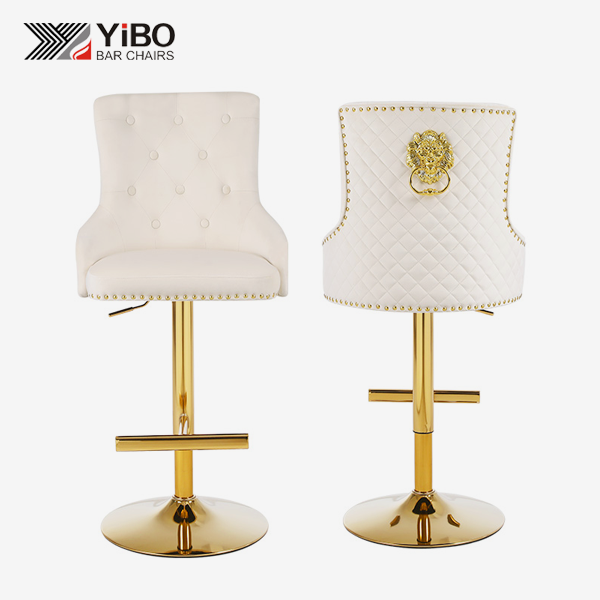
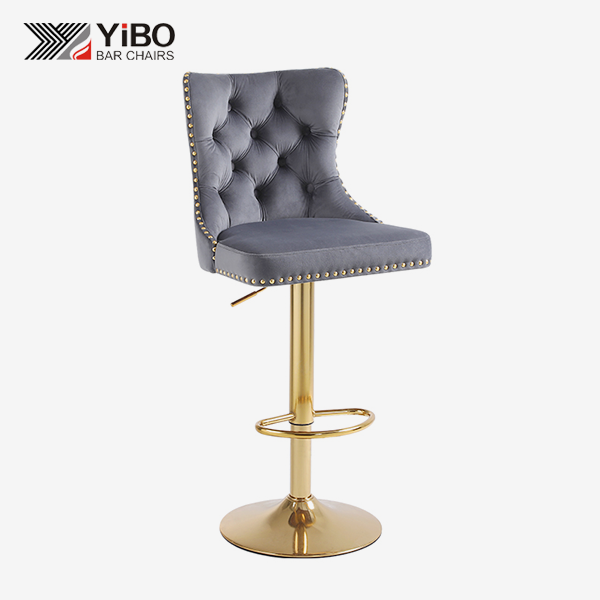
 (1)_1777442575043.jpg)
The Perfect Accent Chair for Your Living Space
To choose the best seating option, you have to find a balance between your style goals and the practical needs of the space. A chair-and-a-half, or oversized accent chair, can help with space and comfort issues that regular chairs can't. With widths that range from 30 to 36 inches and depths that go beyond 24 inches, these statement pieces support big rooms while providing unmatched comfort. They work in places like hotel hallways, business break rooms, and high-end stores where both looks and user experience need to work together smoothly.
Understanding Oversized Accent Chairs: Style, Comfort, and Functionality
Defining the Chair-and-a-Half Concept
In order to provide ample sitting without taking up loveseat-level floor space, an oversized accent chair goes beyond standard armchair dimensions. The design came about because people wanted single-user seats that could support relaxed positions like curled up with paperwork, holding casual meetings with clients, or just taking breaks to relax in busy business settings. Unlike most architectural chairs, which are 22 inches wide, these are 30 to 36 inches wide, so users can move around easily while sitting for long periods of time.
Evolution and Signature Features
This type of furniture grew out of the lounge culture of the 1960s and 1970s, when designers realized that modern open-plan rooms needed furniture that was the right size for them. Modern versions combine comfortable design with building that is strong enough for business use. Strong wooden frames with corner-blocked joinery, heavy-gauge sinuous springs to keep the middle seat from sinking, and high-resiliency foam cores that weigh between 1.8 and 2.5 pounds per cubic foot are some of the most important features. These requirements make sure that the structure stays strong even after a lot of use, which is especially important when it comes to supporting people up to 350 pounds.
Benefits for Professional Environments
For business purposes, performance needs to be higher than for homes. When used in hospitality settings, these chairs break up large lobby areas visually and provide comfy places for guests to wait. They are used in corporate settings in collaboration areas where chairs that can be used for both talking and working on a laptop are needed for casual talks. Retail displays are useful because they can show off living styles while also giving customers real sitting experiences. The increased comfort has a direct effect on dwell time, which is a key measure for sales in retail and client happiness in professional services.
Popular Styles and Material Considerations
The choice of material affects both the final look and the cost over time. When it comes to jewel tones like navy, green, and charcoal, premium velvet furniture feels luxurious and looks deep. When velvet is backed by tight-weave foundation fabrics, its thick pile can handle some light industrial use. Performance fabrics with solution-dyed acrylics or Crypton technology are better at resisting stains and have wear scores above 30,000 double rubs on the Wyzenbeek scale, which is important for areas that get a lot of use. When compared to padded bases, metal leg construction, especially cross- or angular-shaped designs, makes the base more stable while reducing its visible bulk.
Dimensions and Color Strategy
For spatial planning, accurate measurements are needed. 30-inch-wide chairs work well in small lounge areas or paired sets, while 36-inch-wide chairs stand out in large halls or as single focal points. Depths between 24 and 28 inches allow people of different heights to use the chair without needing too much space behind it. When choosing colors, you should look at the finishes that are already on the building. For example, charcoal and blush colors go well with neutral colors, while green and blue colors make a big difference in one-color schemes. Color rules are often set by brand identity guidelines, so being able to customize is an important thing to look for in a seller.
Comparing Oversized Accent Chairs with Regular Chairs: Making the Right Choice
Comfort and Utility Assessment
Standard rockers have seats that are about 20 inches deep and 22 to 26 inches wide, which are good sizes for sitting straight and focused on a job. Oversized accent chair variants increase these sizes by 30 to 50 percent, which completely changes how users interact with them. Because of the larger size, you can't side-sit, cross your legs, or lie back and relax like you can with regular seats. This adaptability is useful in business settings where seating needs to suit a range of user preferences and lengths of time, from short five-minute meetings to hour-long contract talks.
Fabric Versus Leather Performance
Fabric furniture lets air flow and comes in different textures. Performance-grade fabrics even wick away sweat, which isn't possible with leather. Regular cleaning and spot treatment with pH-neutral cleaners are part of maintenance. Abrasion scores are directly related to durability; commercial-grade fabrics should meet or beat 30,000 Wyzenbeek cycles. Leather furniture, especially top-grain and corrected-grain types, is easier to keep clean because you only need to wipe it down with a wet cloth and condition it every so often. Over time, leather gets a sheen, which some brands see as character growth and others as wear. Cost differences usually favor cloth when buying for the first time, but leather's longer lifespan can even out total ownership costs over five to seven years of replacements.
Modern Versus Traditional Styling
Modern designs focus on simple color schemes, straight lines, and metal frames that are left open. You can easily combine these styles with modern building made of glass, concrete, and few decorative elements. Traditional furniture has legs made of bent wood, tufting with buttons, and warmer color schemes that go well with established business spaces or historic hotel sites. The choice should support the positioning of the brand. Tech startups and creative companies tend to like more modern looks, while law firms and banks tend to choose more traditional shapes to show security and continuity.
Top-Rated Solutions for 2024
The market leaders right now use modular building to make transportation easier and customization tools to give customers control over every detail. Units with legs that can be taken off make it easier to get through doors during installation, which is useful because most internal doors are 30 to 32 inches wide, but fully built chairs are often more than 35 inches deep. Chairs with USB plugs and wireless charging meet the needs of modern office workers for easy access to power. Compact-space versions cut the depth down to 22 inches while keeping the width the same, which makes it easier to arrange things in smaller meeting rooms or executive offices.
Procurement Insights: Where and How to Buy Oversized Accent Chairs
Navigating the Supplier Landscape
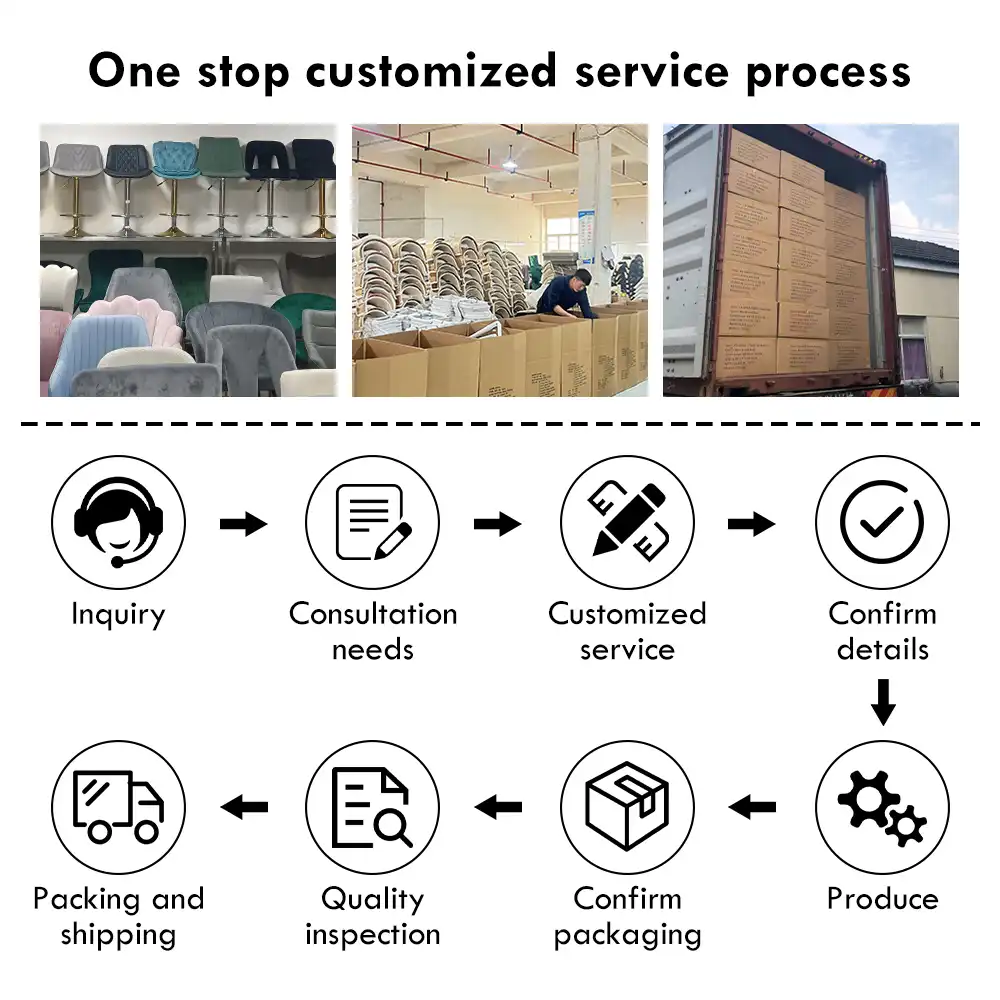
When it comes to size, customization needs, and service standards, business-to-business (B2B) buying is very different from consumer purchasing. When you buy in bulk through wholesale outlets, the price per unit goes down a lot as you buy more—usually 100 to 200 units, based on the model. Direct ties with manufacturers cut out the middlemen and give you more control over customization. Online business-to-business (B2B) platforms bring together many sellers, but they need to carefully check each one's production skills, experience with exporting, and quality control standards for the oversized accent chair.
Customization and OEM Capabilities
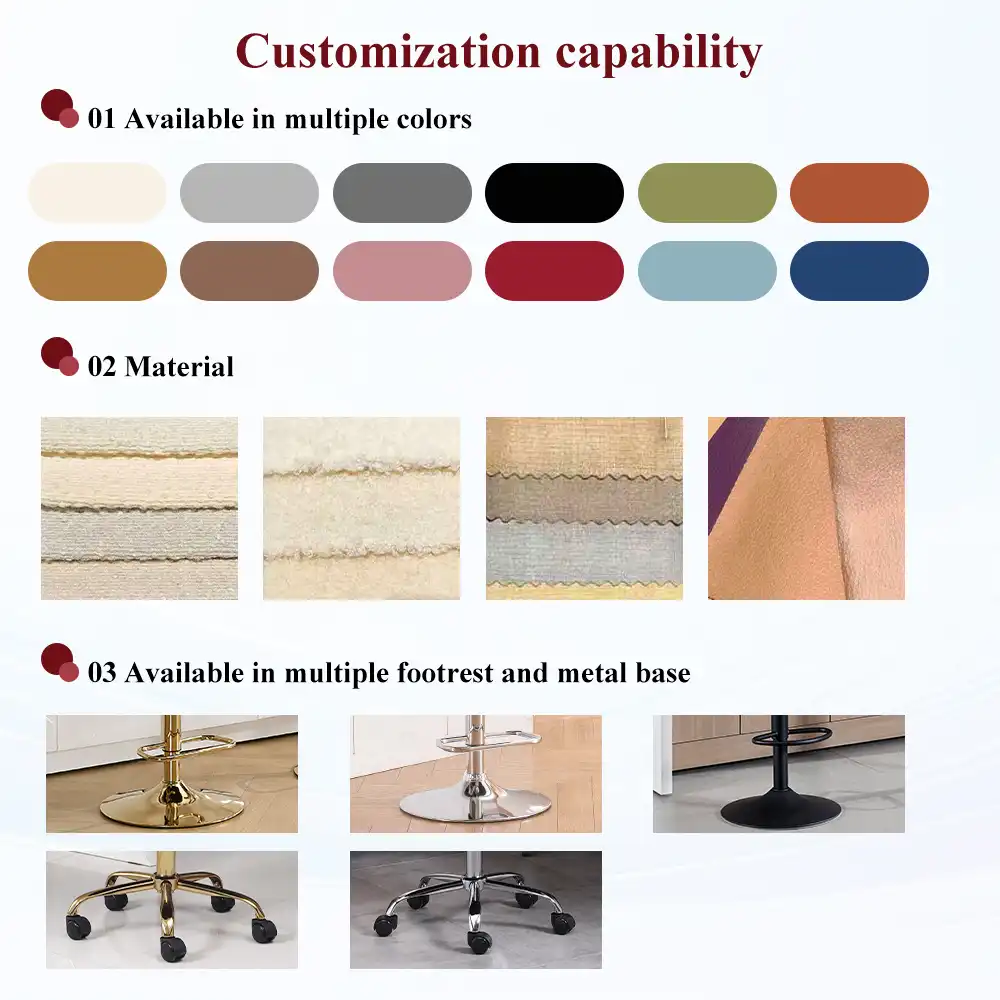
To make a brand stand out, specifications often need to be changed beyond what is available in catalogs. Material substitution lets you match current furniture standards by using the same grade of leather, the same finish on the metal, or your own cloth collections. Dimensional changes can be made to fit specific space limitations or personal tastes for comfort. Customized packaging includes printing a brand on the box, making the building instructions unique, and protecting the goods in a way that meets the needs of the final market. Suppliers with specialized sample teams can make prototype units that can be approved before committing to production. This lowers the risk of not meeting the specifications.
Logistical and Warranty Considerations
International shipping adds factors that aren't present in domestic buying. When goods leave the port, the buyer takes on the risk of the price (FOB), while CIF terms include protection and freight to the location. For special orders, the lead time is usually between 45 and 60 days, which includes production, quality control, and shipping by ocean. The warranty should say that the frame is covered for life, the cushions for two to three years, and the covering for one to two years. A clear meaning of "normal use" is needed for commercial warranties. For example, daily multi-shift use in the hospitality industry needs stronger covering than rare use in a meeting room.
Maximizing Procurement Value
When a buyer makes a volume promise, tiered pricing becomes available, but the buyer has to weigh the saves on each unit against the costs of keeping inventory and deploying capital. Seasonal production cycles affect supply. For example, Chinese factories usually run at a lower capacity during the Lunar New Year, and they produce the most during the summer. Payment terms affect working capital. Letters of credit give buyers and sellers peace of mind, while longer payment terms improve cash flow but may cost more. Setting up long-term supply deals with yearly volume promises protects prices and gives production priority during times of high demand.
Evaluating Leading Brands and Supplier Offerings
Established Market Players
Big furniture stores have built transportation networks that allow them to offer a wide range of options. Their strengths include easy-to-use buying systems, reliable delivery schedules, and a well-known name that makes the approval process easier inside the company. Some of the problems are limited customization options, higher unit costs due to marketing costs, and minimum order amounts that don't always match the needs of the project. Quality changes a lot between product lines, so samples must be taken before a promise is made regarding the oversized accent chair.
Specialized Contract Manufacturers
Companies that focus on the business and hotel markets make products that are built to last in places with a lot of foot traffic. One of the things they offer is usually BIFMA approval, which proves that the structure works according to standard testing procedures. These sellers keep sample rooms with up-to-date sets and ranges of what they can do. Design teams help with specifications and integrate CAD to make projects more visible. The relationship model puts more value on partnerships than transactions. Account management helps with planning for multi-year rollouts and the duration of a product.
Direct Factory Relationships
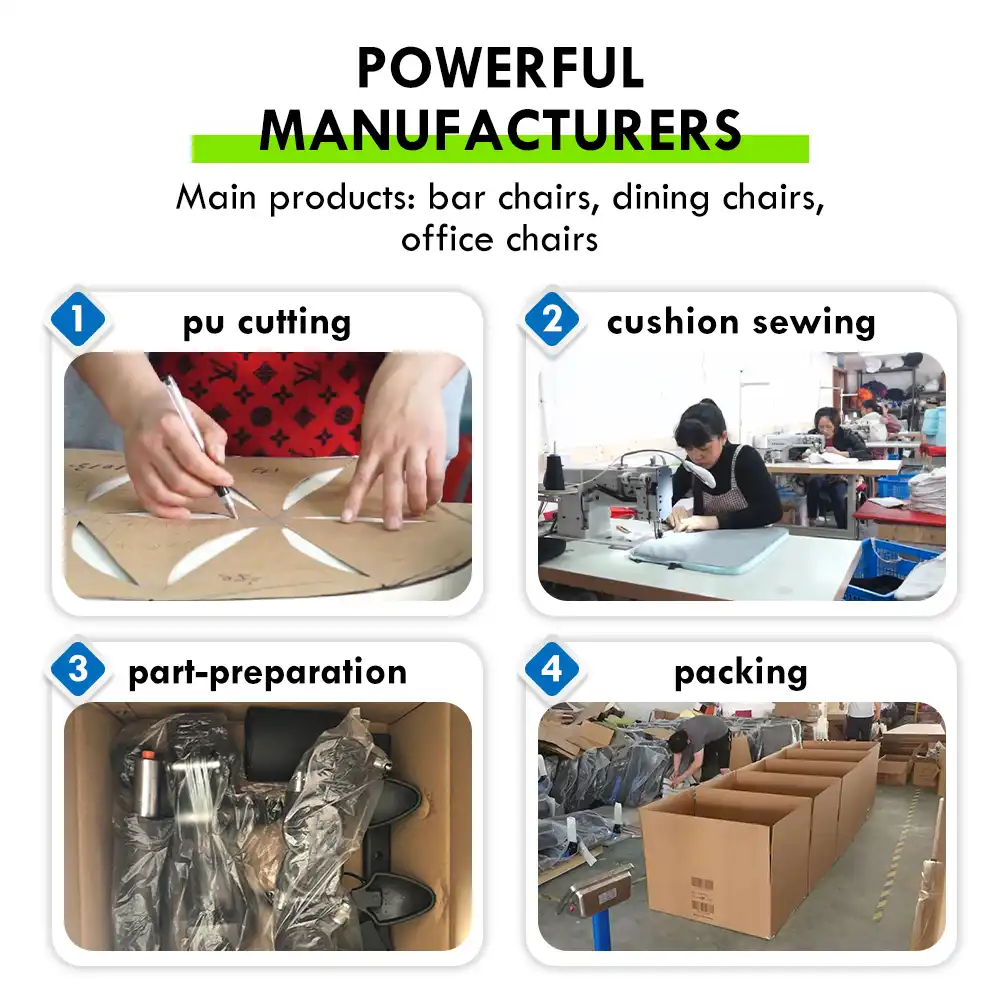
When you work directly with makers, you have the most control over design and the lowest cost per unit. Anji Yibo Furniture is a good example of this model. They have been making seats for 14 years from their 6,000-square-meter factory in Zhejiang province. Their unified operations include custom metal manufacturing, which gives them control over the quality of the frames and the time it takes to make them. The R&D team creates designs for specific markets based on feedback from furniture shows like the Guangzhou Furniture Fair and upcoming foreign shows in Cologne and High Point. Direct relationships with factories require more frequent contact and quality control, but the value is great for buyers who already know how to import and are committed to buying in bulk.
Quality Indicators and Due Diligence
When evaluating a supplier, you should check their output capacity through building tours or video recordings, look at their quality certifications, such as ISO 9001 and any safety standards that apply, and ask for client references for projects of a similar size. As part of evaluating a sample, stress testing must be done by putting body weight on the arms and backs to check the structure's strength, looking at the quality of the seams under a microscope, and using compression testing to confirm the density of the foam. Being open about where the materials come from, especially the composition of foam and the specs for metal gauges, shows that the production process is sophisticated and that the company is committed to quality.
Conclusion
The oversized accent chair group meets certain needs in terms of space, comfort, and style that normal seating can't. A good procurement process weighs the original cost against the overall value over time, looking at things like the quality of the building, the ability to customize, and the dependability of the supplier. When choosing materials for business uses, they should be chosen based on both how they look and how well they work. By building relationships with makers who offer open communication, flexible minimum orders, and a history of exporting, you can get affordable prices while still ensuring quality. Regular care keeps things looking good and makes them last longer, which protects your purchases and gives everyone in your building the same experience.
FAQ
What dimensions qualify a chair as oversized?
Chairs with seats that are 30 to 36 inches wide and 24 to 28 inches deep are usually considered to be an oversized accent chair. Oversized seats are about 30 to 50 percent bigger than standard ones, which are 22 to 26 inches wide. Depth rises allow for relaxed poses and leg positions that aren't possible with regular seating.
How do fabric and leather options compare for commercial durability?
In high-traffic areas, performance-grade materials with Wyzenbeek scores above 30,000 double rubs are just as durable as leather, if not more so. Fabric lets more air pass through and comes in more colors, but leather is easier to clean because all you need is a wet cloth. When comparing costs, you should look at the total cost of ownership over five to seven-year replacement rounds instead of just the price of the original purchase.
What customization options support brand-specific requirements?
Manufacturers usually offer material substitution, which can include custom cloth or leather grades, changes to dimensions within the limits of the structure, metal finish coordination, and customizing the packing. Lead times for unique specifications are 45 to 60 days longer than normal production plans. The ability to sample lets you test a prototype before committing to production.
Discover YIBO's Oversized Accent Chair Solutions for Your Project
Anji Yibo Furniture Co., Ltd. has been making specialized chairs for 14 years and can help business-to-business clients who are looking for dependable providers of oversized accent chair solutions. Our combined plant in Zhejiang province mixes modern metal fabrication with high-quality upholstery production. This lets us keep an eye on quality the whole time the products are being made. Our design philosophy is shown by the YB-1240 model, which has quality velvet fabric in navy, green, charcoal, and blush colors on top of engineered metal frames with crossed-leg architecture. Each chair can hold up to 350 pounds thanks to its high-resiliency foam padding and strong construction that meets international quality standards like ISO 9001:2015 and BIFMA certification.
Our focused research and development team helps OEM and ODM customers by making custom samples from technical sketches and changing designs to fit the needs of different markets. The economics of logistics are optimized by container-level pricing and packing that takes up as little room as possible. Our experienced export team handles paperwork and works with dependable shipping partners to ensure on-time delivery around the world. When you ask a technical question, our sales team answers it within 24 hours and helps you with your project's specifications and material choices. YIBO can be reached at yb@ajyibo.com to talk about your needs for an oversized accent chair and to request samples that show our dedication to quality, design, and production excellence.
References
Miller, R. (2023). Commercial Furniture Specification: Materials, Construction, and Performance Standards. Design Institute Press.
Chen, L., & Wang, H. (2023). Ergonomic Considerations in Oversized Seating Design for Corporate Environments. Journal of Furniture Engineering, 18(2), 134-152.
Thompson, K. (2024). The Contract Furnishings Handbook: Procurement Strategies for Hospitality and Corporate Markets. Architectural Publishing Group.
International Furniture Association. (2023). Global Seating Standards: BIFMA Compliance and Testing Protocols. IFA Technical Publications.
Davidson, S. (2024). Sustainable Materials in Commercial Upholstery: Lifecycle Analysis and Certification Requirements. Interior Design Quarterly, 41(1), 78-94.
Zhang, W. (2023). Chinese Furniture Manufacturing: Quality Systems and Export Excellence. Asia Trade Publications.