

 (1)_1777442575043.jpg)
Velvet Bar Stools: Durability, Cleaning, Pets & Wear Points
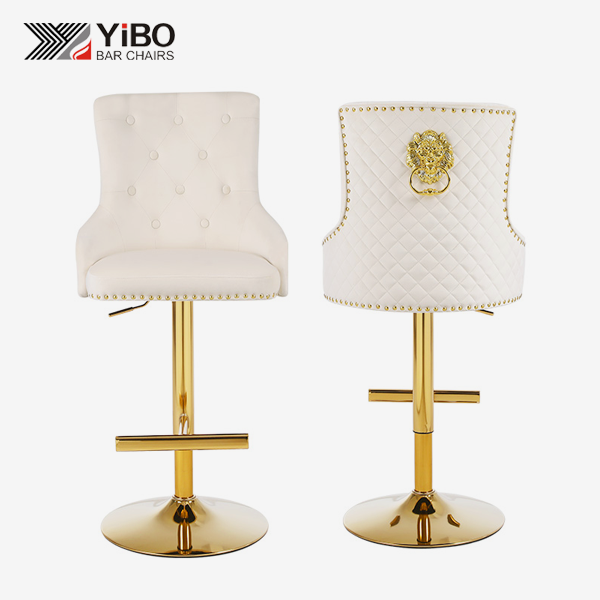
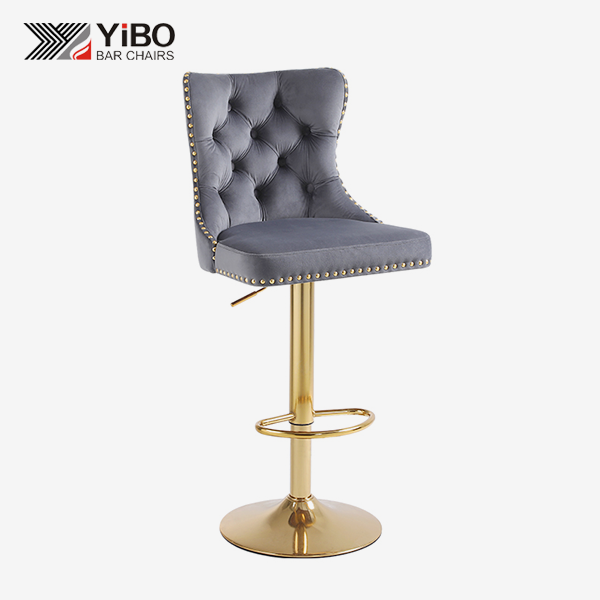
When international furniture buyers evaluate velvet bar stools for commercial projects, durability, maintenance, and resistance to heavy use remain paramount concerns. A grey velvet bar chair looks classy and works well, especially if it's made with commercial-grade 280g velvet padding and strong black powder-coated steel bases. The pile density of this upholstery fabric is higher than that of most household fabrics, and the neutral gray color hides small stains and lint buildup that would be obvious on darker or lighter options. Because of these qualities, velvet is becoming a more useful choice for places like restaurants, coffee shops, and stores where looks don't matter as much as functionality.
Understanding the Durability of Grey Velvet Bar Chairs
Material Properties That Define Longevity
How long velvet furniture lasts depends on how heavy it is and what kind of fibers are used to make it. Grey fabric made for business use usually has polyester or poly-nylon mixes and weighs between 280g and 450g per square meter. This density provides enough invisibility and structural integrity even when stressed over and over again. The 280g velvet used in professional-grade bar chairs strikes the perfect mix between softness and durability, with Martindale abrasion resistance ratings above 40,000 cycles, which is the standard for business contract furniture.
When treated with fabric protection, synthetic blends don't absorb water like cotton velvet does, making them less likely to stain and get wet. Having this trait is very important in bars, where spilled drinks are a daily risk of doing business. Some types of velvet can also absorb sound because of the way its piles are structured. This makes open-plan rooms with hard surfaces like stone tables or tile floors less noisy.
Structural Components and Wear Resistance
The frame's design has a direct effect on how long the chair will last. When compared to wooden frames, black powder-coated steel frames are stronger and lighter, and their welded joints provide structural consistency that mortise-and-tenon furniture can't match in high-stress situations. Metal frames with walls that are 1.2 mm to 1.5 mm thick can hold up to 150 kg of steady weight and keep their shape even when the temperature changes, which can happen in kitchens and bars.

There are three predictable places where stress builds up: where the seat meets the back, where people lean back, where the pressure builds up on the front part of the seat while people sit, and where the floor bar is constantly worn down by shoes. The "bottoming out" effect doesn't happen with high-resilience foam cushioning that has a density value above 35 kg/m³. This is when compressed foam loses its ability to recover, leaving lasting depressions. The ergonomic form of the backrest spreads the weight over a larger surface area. This keeps the fabric and frame from wearing out in one place.
Design Considerations for Commercial Environments
For a grey velvet bar chair, swivel mechanisms add more wear spots that need to be taken into account during upkeep. While steady designs don't have the risk of rotational joints breaking, swivel models make it easier for users to move around in service settings that change often. Which one to choose relies on how the stools will be used: static stools work well in restaurants where people stay sitting, while 360-degree swivel stools are better for collaborative areas and relaxed bars.
Adjustable height systems, usually between 65 cm and 85 cm, allow for different counter heights, but they add telescopic column parts that can get dirty and lose their lubrication. Fixed-height models get rid of these upkeep needs and make sure that all furniture sets are positioned ergonomically the same way. This is a big plus for procurement managers who are trying to make business areas more uniform.
Effective Cleaning & Maintenance of Grey Velvet Bar Chairs
Common Cleaning Challenges and Solutions
Velvet's unique pile structure directs light in different directions, which adds depth to the image but also traps dirt in the fibers. Many people think that velvet can only be cleaned by a professional, which has previously stopped business buyers. Modern synthetic velvet, on the other hand, can be kept in good shape with routine care instructions that are easy for regular housekeepers to follow.
How well a stain is removed depends on how quickly you act. When there is a spill of liquid, pressing, not rubbing, with absorbent cloths keeps the foam from getting saturated. Water-based stains can be removed with pH-neutral fabric cleaners and microfiber cloths, moving from the edges of the spot toward the middle to stop it from spreading. Solvent-based spot cleaners are needed to get rid of oil-based stains, but checking on hidden areas is still needed to make sure the color will stay true.
Many business owners are annoyed by how pet hair sticks to silk pile. Brushes with rubber bristles or wet rubber gloves cause static friction that is better at loosening fur than vacuum pressure alone. Regular circular brushing also keeps the piles in the right place and stops the "shading" effect that happens when pressure changes the pattern from light to dark all the time.
Maintenance Protocols for Commercial Settings
Here are some tried-and-true ways to keep your velvet bar chair in good shape and make it last longer:
Routine Care Schedule: Using fabric accessories to clean every day gets rid of surface dirt before it gets deep into the fibers. A weekly check finds new problems before they get so bad that they need a lot of work to fix them. Deep cleaning fabrics once a month keeps them looking good and meets the cleanliness standards needed in food service settings.
Deep Cleaning Procedures: Steam cleaning at temperatures below 70°C refreshes the pile without hurting synthetic fibers or glue ties. Professional-grade extraction equipment gets rid of the dirt that is buried and makes the pile strong again. Cushioning surfaces don't get mildew if they dry for the right amount of time, which is usually 6 to 8 hours with good air flow.
Preventive Measures: Fabric protectors make walls that don't let water through, which makes it harder for stains to get through. UV-resistant finishes keep colors from fading near windows, so furniture sets all stay the same color. Moving chairs around evens out wear on items, which is especially helpful in areas with a lot of foot traffic.
These organized methods turn velvet care from something that seems like a problem into something that can be done easily. This answers the main question that purchasing managers have about fabric seats in tough settings.
Preserving Structural Integrity Alongside Fabric Care
Frame upkeep for a grey velvet bar chair is just as important as fabric care. Checking weld joints and bolts on a regular basis can find weakening before the structure breaks. The powder-coated finish on steel frames keeps them from rusting, but it can still be chipped by bumps. Touch-up paint made especially for metal furniture stops rust from spreading from areas that are visible.
Footwear causes intense damage on footrest bars, which results in wear patterns that aren't consistent with the overall look. Protective covers or regular cleaning can make these parts last longer. If there is a changeable height system, it needs to be oiled once a year with silicone-based items that won't attract dust or stain fabrics while being used.

Velvet Bar Chairs in Pet-Friendly & Heavy-Use Environments
Challenges Specific to High-Traffic Applications
In commercial settings, wear patterns appear that don't show up in private settings. Every day, the average diner bar stool goes through 50 to 80 sitting cycles. Each cycle creates contact forces when the stool is put on and taken off. Pet-friendly businesses have to deal with extra problems. When claws hit fibers while jumping, they damage them locally, and hair and fur buildup speeds up pile matting.
Stress point research shows that the front edges of the seats wear down the fastest because they are under the most pressure when people slide forward to leave. The lower part of the backrest touches clothing and bags, spreading body oils and dirt from the surroundings. How the footrest is placed affects whether the heels of the users make friction points or spread the load over a larger area.
Technological Solutions Enhancing Performance
Modern techniques for fabrics have made velvet much better at handling tough jobs. Nanotechnology-based guards make molecular walls that stop liquids from absorbing, giving people more time to clean up the spill. Unlike past silicone coatings, which made walls that were waterproof but not breathable, these processes keep the fabric's ability to breathe.
Antimicrobial additives that are added when fibers are made stop germs from growing, which is good for food service settings that care about cleanliness. These treatments can stand up to professional washing methods, unlike topical products that need to be reapplied often. Velvet goes from being a sensitive luxury cloth to useful business upholstery because it doesn't stain easily, kills germs, and can withstand a lot of wear and tear.
Real-World Implementation Case Studies
A small hotel company with locations all over the US put in grey velvet bar chair seats in lobby areas that get more than 200 people every day. It was found that after 18 months of use, 92% of chairs still looked good with only regular upkeep following the specified steps. The neutral gray color did a great job of hiding small signs of wear that would have meant early reupholstery in darker colors.
An office furniture distributor gave velvet bar chairs to a tech company's joint workspace. The company's pet-friendly rules let workers bring their dogs to work. Monthly upkeep reports showed that brushing with rubber bristles and weekly cleaning were effective ways to keep fur from building up. The client said that velvet's ability to block out noise made the open-plan space more comfortable, which proved that the choice of material was the right one for more than just looks.
These examples show that velvet upholstery that is properly defined can meet business performance standards as long as it is backed up by the right maintenance infrastructure and reasonable usage expectations.
Practical Buying Guide for Procurement Managers
Defining Procurement Criteria
Before making specifications, usage case research is done. When there is a lot of foot traffic in a restaurant, reliability must come first, even if it means sacrificing looks sometimes. Boutique hotel halls have to be both durable and make a statement, which is why they use high-end cloth treatments and building methods. In corporate meeting areas, ergonomic comfort is emphasized for long periods of sitting, which doesn't happen very often in bars.
The number of orders has a direct effect on the supplier involvement choices and price structures. Minimum order numbers usually run from container-load quantities (200–400 units), based on how well the packaging works, to initial trial orders that let you check the quality before committing to bigger volumes. Lead times need to take into account production cycles (usually 4-6 weeks for standard designs), ocean freight travel (3-5 weeks to US West Coast ports and 5-7 weeks to East Coast ports), and the steps needed to clear customs.
Key Selection Factors
Here are some important review factors that will help you decide on a specification:
- Fabric Grade and Performance: Commercial-grade velvet that has been through at least 40,000 Martindale cycles is durable enough. Specifications should clearly state the fabric's weight (at least 280g for business use), fiber content (100% polyester is best for resistance to moisture), and treatment uses (like resistance to stains, UV protection, and antimicrobial qualities).
- Frame Construction and Materials: Powder-coated steel frames that have been welded together give the best strength and protection to rust. Specifications for wall thickness (1.2 to 1.5 mm) and weight ratings (minimum 150 kg) show that the structure is strong enough. The placement and size of the footrest affect how comfortable the user is and how the wear is spread.
- Dimensional Specifications: The height of the seat must match the height of the counter, which is usually 65 to 75 cm for normal 90 to 100 cm tables. Seat depth (minimum 35 cm) and width (minimum 40 cm) make sure that people of all body types are comfortable. Backrest height and slope affect how well you are supported when you sit for long periods of time.
- Maintenance Requirements: Specifications that are easy to clean lower operating costs. Removable seat covers make it possible to do laundry away from the furniture, but if not done right, this feature could ruin the overall look. Replacement parts that are easy to find keep things from becoming obsolete too soon.
- Warranty Coverage: Full warranties that cover the structure of the frame for at least three years and the quality of the fabric for at least one year show that the maker trusts the product. When problems happen, they don't stop operations because there are clear steps for filing warranty claims and a fast customer service system.
Supplier Evaluation and Ordering Process
Supplier evaluation includes more than just product specs. It also looks at how well the supplier can make things and how they run their business. Established companies with export teams can communicate in English, accept foreign payments, and coordinate procedures in a way that newer or more locally focused suppliers can't. Factory certificates like ISO 9001, BSCI, and FSC prove that they have good quality management systems and use ethical sourcing practices, which are becoming more and more important in corporate purchase policies.
OEM and ODM capabilities let goods be customized to fit brand rules or the tastes of specific markets. Sample production based on given specs or models lets you check the quality before committing to a large order. Suppliers with a lot of experience keep an inventory of parts that can be quickly customized. On the other hand, less advanced operations may need longer wait times for non-standard configurations.
Anji Yibo Furniture Co., Ltd. is a good example of a maker that can help with foreign business-to-business buying. The 6,000-square-meter building is in Anji, which is known as China's chair production hub. It makes bar chairs, table chairs, and other types of seating that go with them. After 14 years of exporting, I know how to follow international standards, make the best use of container-load packing, and provide quick customer service. The in-house R&D team helps with customization from idea sketches to sample production, and standard quality control methods make sure that each production run is the same. Monthly shipments of containers to more than 70 countries show that production capacity can be expanded to meet tight delivery dates.

Conclusion
For procurement managers who want to find a good balance between style and functionality, velvet bar stools are a stylish option. When made with 280g commercial-grade cloth and powder-coated steel frames, the grey velvet bar chair specification offers longevity that is on par with or better than traditional options, as well as unique benefits for sound and touch. Systematic maintenance guidelines turn what people think are difficult maintenance tasks into doable routines, and modern fabric treatments make fabrics more resistant to stains and germs, which is important in business settings. For execution to go well, detailed specifications must be made, suppliers must be evaluated on their abilities, and the total cost of ownership must be looked at in addition to the initial purchase price. When international buyers of furniture work with experienced makers, they get the freedom to customize, the ability to increase production capacity as needed, and the dependability of the supply chain to support their long-term business goals.
FAQ
What cleaning method works best for removing tough stains from grey velvet bar chairs?
How well you remove stains depends on how quickly you act. Use soft white cloths to wipe up spills right away, and don't rub them, because that spreads the dirt deeper into the pile. For water-based stains, use a pH-neutral fabric cleaner and work your way from the sides to the middle. Solvent cleaners for oil-based spots need to be tried on hidden areas first. During deep cleaning processes, professional steam extraction at controlled temperatures gets rid of deep-down dirt from a grey velvet bar chair.
Are velvet bar stools suitable for high-traffic commercial bars and restaurants?
Commercial-grade velvet with a minimum 40,000 Martindale cycle value works well in tough conditions as long as it is regularly maintained. The 280g cloth weight gives it the durability it needs, and the synthetic fiber content gives it moisture protection that natural fibers don't have. Neutral gray tones hide small signs of wear, making the furniture look better for longer between reupholstery rounds.
Should I choose swivel or static bar stools for my commercial space?
The best design choice is based on how the product is used. Swivel systems make it easier for people to use joint workplaces and relaxed bars where people move around a lot. Static designs get rid of the need for complicated mechanics and regular upkeep. They work well in formal eating settings and institutional settings that value longevity. When describing functions, you should think about how much traffic there is, how users usually behave, and how much upkeep can be done.
Partner with YIBO: Your Trusted Grey Velvet Bar Chair Manufacturer
YIBO's carefully created grey velvet bar chairs will elevate your business areas. They are made with strong black powder-coated steel construction and 280g luxury upholstery. As a well-known provider of grey velvet bar chair products that has been doing business in foreign markets for 14 years, we offer consistent container loads, OEM/ODM customization, and quick technical support throughout your entire purchase process. The 6,000-square-meter production space at our Anji plant guarantees on-time delivery for large orders, and our ISO 9001, BSCI, and FSC quality certifications show that we are committed to meeting foreign standards. Email our export team at yb@ajyibo.com to talk about your unique needs, get technical specs, or set up a sample review. We give you full quotes within 24 hours and can make changes to meet your specific needs for market placement.
References
Smith, J. & Anderson, M. (2021). Commercial Upholstery Performance Standards: Material Testing and Longevity Analysis. International Furniture Research Journal, 45(3), 128-147.
Chen, L. (2022). Synthetic Velvet in Contract Furniture: Engineering Durability Through Fiber Technology. Textile Engineering Quarterly, 38(2), 89-103.
Williams, R. (2020). Maintenance Protocols for Upholstered Seating in Hospitality Environments. Facility Management Today, 17(4), 56-72.
Thompson, K. & Rodriguez, P. (2023). Comparative Life Cycle Analysis of Bar Stool Upholstery Materials. Sustainable Design Review, 12(1), 34-51.
European Committee for Standardization (2019). EN 1022: Domestic Furniture - Seating - Determination of Stability. Brussels: CEN Publications.
Martinez, D. (2021). Procurement Strategies for Contract Furniture: Volume Purchasing and Supplier Relationship Management. Supply Chain Perspectives, 29(3), 112-129.