

 (1)_1777442575043.jpg)
The Ultimate Guide to Buying an Accent Chair: Everything You Need
Picture this: you walk into your living room and something feels incomplete, like a sentence missing its punctuation mark. You have your sofa, your coffee table, maybe even artwork on the walls, but the space lacks personality and that special touch that makes it uniquely yours. This is where an accent chair becomes your design superhero. Whether you're furnishing your first apartment, redesigning a tired space, or simply need that perfect statement piece to tie everything together, understanding how to choose the right accent chair can transform your interior from ordinary to extraordinary. This comprehensive guide will walk you through every essential consideration, from material selection to placement strategies, ensuring you make an informed decision that enhances both the functionality and aesthetic appeal of your space.
Understanding Accent Chairs: More Than Just Extra Seating
An accent chair serves a dual purpose in interior design, functioning as both practical seating and a decorative focal point that can completely transform a room's atmosphere. Unlike your everyday sofa or dining chairs that prioritize utility, an accent chair is deliberately chosen to add visual interest, introduce a pop of color, or reinforce your design theme. These versatile pieces of furniture have evolved from their historical origins when they were primarily used by ladies to sit while putting on their slippers, to become essential elements in modern interior design that can be placed in virtually any room of your home. The beauty of an accent chair lies in its flexibility and ability to express your personal style. Whether you're drawn to the luxurious texture of a velvet accent chair, the sleek lines of contemporary metal frames, or the timeless elegance of traditional upholstered designs, there's an option that perfectly matches your vision. These chairs are designed to stand out while still complementing your existing furniture, creating visual harmony through contrast or cohesion depending on your design goals. When thoughtfully selected, an accent chair becomes more than furniture; it becomes a conversation starter that reflects your taste and attention to detail.
-
Defining Your Purpose and Functional Needs
Before falling in love with a particular design, you must clearly define how the accent chair will be used in your daily life. Will it be positioned in a high-traffic area where family members frequently relax, or will it serve primarily as a decorative element that's occasionally used when guests visit? This fundamental question influences every subsequent decision, from fabric durability to comfort level and structural integrity. If you're creating a cozy reading nook where you'll spend hours with your favorite books, prioritize deep cushioning, proper back support, and materials that feel comfortable against your skin for extended periods. Conversely, if the chair's primary role is to add visual interest to an entryway or bedroom corner, you might prioritize aesthetics over plush comfort, though it should still be comfortable enough for occasional use. Consider also the demographic of who will use the chair most frequently. Families with young children or pets should gravitate toward stain-resistant performance fabrics and sturdy construction that can withstand energetic use. Meanwhile, a velvet accent chair with its sumptuous texture might be perfect for an adult-only formal living room or master bedroom where it will be treated more delicately. The intended function also affects practical considerations like seat height, which becomes particularly important if you're incorporating the accent chair into a dining area or home office where it needs to pair appropriately with table heights. Taking time to honestly assess these functional requirements prevents buyer's remorse and ensures your accent chair serves you well for years to come.
Selecting the Perfect Style and Design
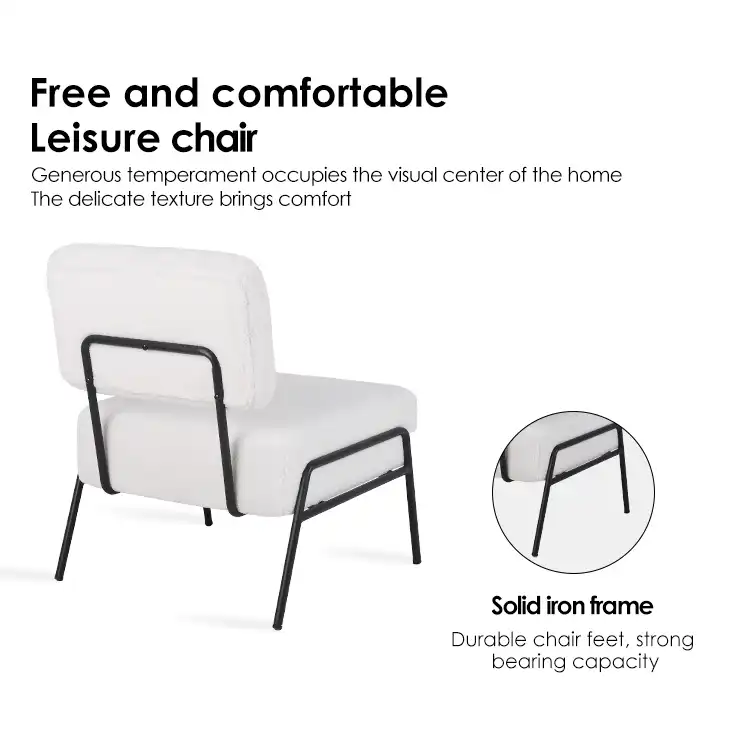
Choosing the right style for your accent chair requires balancing personal preference with the existing design language of your space. The goal is to create either harmonious cohesion or intentional contrast that enhances rather than disrupts the room's overall aesthetic. Traditional accent chairs feature classic silhouettes like wingback designs, rolled arms, and ornate details that work beautifully in formal living rooms or spaces with antique furniture. These timeless pieces often incorporate rich fabrics like leather or damask and wood finishes that evoke elegance and sophistication. On the opposite end of the spectrum, contemporary accent chairs embrace minimalism with clean lines, geometric shapes, and innovative materials like molded plastic or polished metal that complement modern, Scandinavian, or industrial interiors. Don't overlook transitional styles that bridge traditional and modern aesthetics, offering versatility that adapts to various design schemes. Mid-century modern accent chairs with their iconic tapered legs and streamlined profiles remain perpetually popular because they work in both retro-inspired and contemporary settings. For those seeking drama, sculptural accent chairs with bold shapes and artistic silhouettes become functional art pieces that command attention and spark conversation. The contemporary design trends favor chairs with metal frames paired with luxurious upholstery, creating striking juxtapositions between industrial strength and soft comfort, as exemplified by many velvet accent chair designs that combine iron metal frames with plush velvet upholstery.
-
Exploring Material Options and Durability
The material composition of your accent chair profoundly impacts its appearance, tactile experience, maintenance requirements, and longevity. Upholstered accent chairs offer the widest variety of textures and patterns, from smooth leather that develops character over time to plush velvet that adds instant luxury to any space. Velvet accent chairs, in particular, have surged in popularity due to their opulent appearance and soft texture that invites touch, though they require more careful maintenance than synthetic alternatives. When selecting upholstery, investigate the fabric's rub count, a measurement indicating durability based on how many times a machine can rub the material before it shows wear. Higher rub counts translate to longer-lasting upholstery that better withstands daily use. Natural materials like wood bring warmth and organic beauty to accent chair designs, with different wood species and finishes offering diverse aesthetic possibilities from light Scandinavian pine to rich walnut or mahogany. Wood frames provide excellent structural integrity and can be easily refinished if they become scratched or worn over time. Metal accent chairs deliver modern sophistication and exceptional durability, making them ideal for high-traffic areas or commercial settings. Contemporary designs often feature metal frames, typically iron or steel, which provide a sturdy foundation while allowing for sleek, minimalist profiles. Performance fabrics have revolutionized upholstered furniture by offering stain resistance and fade protection without sacrificing aesthetic appeal, making them practical choices for families or anyone who wants beautiful furniture without constant worry about spills and stains.
Size, Scale, and Spatial Considerations
Proper sizing is critical for accent chair success, as a piece that's too large overwhelms the room while one that's too small disappears and fails to make the intended impact. Begin by measuring your available space, considering not just the chair's footprint but also the clearance needed around it for comfortable movement. Interior designers recommend maintaining at least 18 inches between an accent chair and coffee table to allow people to walk through comfortably, while 24 to 30 inches between seating pieces creates intimate conversation areas without feeling cramped. Beyond floor space, consider the chair's height in relation to existing furniture to maintain visual harmony. Take measurements of your sofa's seat height and back height, using these as reference points when evaluating accent chair proportions. The concept of scale extends beyond simple measurements to encompass how the chair's visual weight relates to surrounding elements. A delicate accent chair with thin legs and minimal upholstery might look lost next to a substantial sectional sofa, while an oversized club chair could dominate a small bedroom. Visualizing the chair in your space before purchasing helps tremendously, which is why many designers recommend using painter's tape to outline the chair's dimensions on your floor, or placing a similarly sized object in the intended location to assess the spatial impact. Remember that accent chairs typically look best in curated spaces that need that extra element to feel complete, such as beside a fireplace, in a reading corner with good lighting, or flanking a console table in an entryway where they create a welcoming impression.
-
Color, Pattern, and Visual Impact
Color selection for your accent chair deserves careful consideration as it significantly influences the room's overall mood and cohesiveness. Accent chairs in neutral tones like charcoal, beige, or cream provide versatility and timelessness, easily adapting if you later change your decor while still offering subtle visual interest through texture and form. However, the term "accent" suggests these chairs are opportunities to be bold, introducing vibrant hues that energize a space and reflect your personality. A navy velvet accent chair adds sophisticated depth to neutral rooms, while emerald green brings natural vitality and works beautifully with both warm and cool color palettes. Blush or dusty rose creates soft, romantic atmospheres perfect for bedrooms or feminine spaces, and jewel tones like sapphire or ruby command attention as statement pieces. Patterns offer another dimension of visual interest, allowing you to experiment with designs you might hesitate to use on larger furniture pieces. Geometric patterns suit modern and contemporary interiors, while floral or paisley prints enhance traditional or bohemian aesthetics. Striped accent chairs can elongate spaces visually, and animal prints add exotic flair that works surprisingly well in eclectic or maximalist rooms. When incorporating patterned accent chairs, ensure they relate to the room's existing color scheme by pulling at least one color from your walls, rugs, or other furnishings. This creates cohesion while still allowing the chair to stand out. Alternatively, a velvet accent chair in a solid, rich color provides luxurious texture that creates visual interest without the complexity of patterns, making it easier to coordinate with changing decor.

Comfort Features and Ergonomic Design
While accent chairs emphasize aesthetics, comfort should never be completely sacrificed, especially if the chair will see regular use. Ergonomic design principles ensure that furniture supports the natural curves of your body, promoting healthy posture and preventing discomfort during extended sitting. Evaluate the seat depth, which should allow you to sit with your back against the backrest while your feet rest comfortably on the floor without the seat edge pressing into the backs of your knees. Seat height matters tremendously, particularly for older adults or anyone with mobility limitations who may struggle with chairs that sit too low to the ground. Standard accent chair seat heights range from 16 to 20 inches, with higher seats generally easier to rise from while lower profiles create a more relaxed, lounge-like experience. Back support varies dramatically across accent chair styles, from high wingback designs that support your entire spine and cradle your head, to low-back modern chairs that offer minimal support but create a lighter visual presence. Armrests significantly enhance comfort by giving you somewhere to rest your arms while reading or relaxing, though armless accent chairs prove more versatile in tight spaces and can slide neatly under tables when not in use. Cushion firmness represents a personal preference, with some people preferring plush, sink-in softness while others favor firmer support that maintains its shape. High-quality velvet accent chairs often feature cushioning that balances these needs, providing initial softness that's supported by denser foam underneath to prevent sagging over time. When possible, physically test chairs before purchasing to ensure they meet your specific comfort requirements.
-
Practical Considerations: Assembly, Maintenance, and Longevity
Understanding the practical aspects of owning an accent chair helps set realistic expectations and ensures you're prepared for ongoing care. Many accent chairs require some assembly, typically involving attaching legs or arms to the main body, though complexity varies significantly by design. Before purchasing, review assembly requirements and ensure you have necessary tools and assistance if needed. Manufacturers with 14 years of expertise in chair production, like established furniture companies, typically design products with straightforward assembly processes and provide clear instructions to facilitate setup. Inquire about assembly difficulty when shopping and look for chairs with minimal assembly requirements if you're not handy with tools. Maintenance requirements depend heavily on materials, with leather requiring periodic conditioning to prevent cracking, velvet needing regular vacuuming to maintain its luxurious appearance, and performance fabrics generally offering easy care with simple spot cleaning. Understand the manufacturer's care recommendations before purchasing to ensure you're willing and able to maintain the chair properly. Quality construction indicators include reinforced joints, sturdy frames typically made from kiln-dried hardwood or metal, eight-way hand-tied springs in traditional upholstered chairs, and premium fabrics with high rub counts. Accent chairs backed by warranties demonstrate manufacturer confidence in their durability and provide peace of mind. When investing in furniture, prioritize pieces from reputable manufacturers who stand behind their products, ensuring your accent chair remains beautiful and functional for many years rather than requiring replacement after minimal use.
Placement Strategies for Maximum Impact
Strategic placement transforms an accent chair from mere furniture into a design element that enhances your room's functionality and flow. In living rooms, accent chairs commonly flank sofas to create balanced, symmetrical arrangements or are positioned at angles to facilitate conversation among seated guests. Placing two velvet accent chairs opposite a sofa with a coffee table in the center creates an intimate gathering space perfect for entertaining, while a single accent chair in a corner beside a floor lamp and small side table establishes a cozy reading retreat. Consider traffic patterns when positioning accent chairs, ensuring they don't obstruct natural pathways through the room but instead define distinct zones within larger spaces. Bedrooms benefit tremendously from accent chairs, which provide functional seating for getting dressed, putting on shoes, or creating a quiet spot for morning coffee and contemplation. Position the chair near a window to take advantage of natural light for reading, or place it at the foot of the bed as both a decorative element and a convenient spot to lay out tomorrow's outfit. Home offices welcome accent chairs as alternative seating that offers a change of scenery from your desk chair, perfect for brainstorming sessions or video calls that require a different backdrop. Even entryways and hallways can accommodate accent chairs, particularly armless or compact designs that provide a place for guests to sit while removing shoes without overwhelming limited square footage. The versatility of accent chairs means they adapt to virtually any room, limited only by your creativity and spatial constraints.
-
Budgeting and Value Considerations
Accent chair prices span an enormous range, from budget-friendly options under one hundred dollars to designer pieces costing thousands, making it essential to establish a realistic budget before shopping. Price variations reflect differences in materials, construction quality, brand reputation, and design complexity. While everyone wants the best value, remember that furniture represents a long-term investment and choosing quality over the absolute lowest price often proves more economical over time. Inexpensive accent chairs may initially appeal to your wallet but frequently require replacement within a few years due to sagging cushions, loose joints, or worn upholstery, ultimately costing more than investing in a well-constructed piece from the start. Seek manufacturers who offer excellent quality at competitive prices, particularly those specializing in specific furniture categories and leveraging production efficiencies to pass savings to customers. Direct relationships with China accent chair factories, China accent chair suppliers, and China accent chair manufacturers often eliminate middleman markups, making high quality accent chairs more accessible. When evaluating accent chair prices, consider the total value proposition including warranty coverage, customer service responsiveness, and the manufacturer's reputation for quality. Purchasing from established companies with decades of experience ensures you benefit from refined production processes and quality control standards. Look for accent chairs for sale during seasonal promotions, but don't sacrifice quality for a discount on poorly constructed furniture that won't serve you well.
Conclusion
Selecting the perfect accent chair requires balancing aesthetic preferences with practical considerations including function, materials, size, comfort, and budget. By understanding these elements and how they interact, you can confidently choose a piece that enhances your space both visually and functionally for years to come.
Cooperate with Anji Yibo Furniture Co., Ltd.
Transform your space with premium accent chairs from Anji Yibo Furniture Co., Ltd., a trusted China accent chair manufacturer located in Anji, Zhejiang, known as the hometown of chairs. With 14 years of expertise in chair research, development, and large-scale production, we specialize in ergonomically designed bar stools, dining chairs, living room chairs, and office seating that combine comfort, quality, and beauty. Our 6,000+ square meter facility employs skilled personnel and advanced equipment to produce containers of High Quality accent chairs monthly that meet international standards. As a leading China accent chair supplier offering competitive China accent chair wholesale pricing, we proudly export to 70 countries, specializing in European and American retro and light luxury styles. Our professional R&D team supports OEM and ODM customization with over 10 designers ready to bring your vision to life. We offer comprehensive service with questions answered within 24 hours, space-saving packaging that reduces shipping costs, and product warranties that demonstrate our commitment to quality. Whether you're seeking accent chairs for sale for residential or commercial projects, our velvet accent chairs featuring luxurious upholstery, iron metal frames, and contemporary designs provide the perfect blend of elegance and durability. Browse our extensive collection showcased at prestigious events like the Canton Fair and Guangzhou Furniture Fair. Contact us today at yb@ajyibo.com to discuss your accent chair price requirements and discover how our China accent chair factory can elevate your interior projects with exceptional seating solutions.
References
1. Harris, Jessica. "Understanding Accent Chair Styles and Their Applications in Modern Interior Design." Interior Design Quarterly, 2023.
2. Rohr, Karen. "The Essential Guide to Furniture Selection: Balancing Form and Function." Professional Decorator's Handbook, 2024.
3. Loya, Lucinda. "Color Theory and Pattern Selection in Residential Furnishings." Home Design Institute, 2023.
4. Blaustein, Sharon. "Spatial Planning and Scale in Contemporary Interior Architecture." Design Professionals Association, 2024.