

 (1)_1777442575043.jpg)
Top 3 Fabric Finishes for Upholstered High Back Sled Stools Across Markets
Choosing the wrong fabric finish for your upholstered high back sled stool can lead to rapid deterioration, constant maintenance headaches, and dissatisfied customers across different commercial environments. Whether you operate a bustling restaurant, upscale hotel lobby, or corporate office space, the fabric finish you select directly impacts customer satisfaction, maintenance costs, and the longevity of your investment. Understanding which fabric finishes perform best across various markets ensures your upholstered sled chairs maintain their aesthetic appeal while withstanding daily use, ultimately protecting your bottom line and enhancing your brand reputation.
Understanding Fabric Finish Performance in Commercial Environments
The performance of fabric finishes on upholstered high back sled stools varies dramatically depending on the commercial setting where they are deployed. Restaurants and bars subject seating to food spills, beverage stains, and constant customer turnover, while corporate offices require professional aesthetics with minimal maintenance demands. Hospitality venues like hotels need fabrics that project luxury while enduring the wear patterns of diverse guest populations. Each environment presents unique challenges that demand specific fabric characteristics to ensure optimal performance and longevity. When evaluating fabric finishes for upholstered sled chairs, buyers must consider several critical factors beyond initial appearance. The durability rating, typically measured in double rubs, indicates how well the fabric resists abrasion from repeated contact. Stain resistance determines how easily spills can be removed without leaving permanent marks. Colorfastness ensures the fabric maintains its original hue despite exposure to sunlight and cleaning agents. Texture retention prevents the fabric from appearing worn or flattened over time. Additionally, ease of maintenance directly affects operational costs, as fabrics requiring specialized cleaning procedures increase long-term expenses. The steel base construction of upholstered high back sled stools provides exceptional stability, but without proper fabric selection, even the most robust frame cannot compensate for deteriorated upholstery.
-
Market-Specific Fabric Requirements
Different markets impose distinct demands on upholstered high back sled stool fabrics that manufacturers must address. The hospitality sector prioritizes elegant aesthetics combined with robust stain resistance, as guests expect pristine seating regardless of usage intensity. Corporate environments demand professional appearances with neutral color palettes that complement diverse interior designs while requiring minimal upkeep. Food service establishments need fabrics that withstand aggressive cleaning protocols without degrading, as health regulations mandate frequent sanitation. Educational institutions require budget-conscious solutions that balance durability with student comfort during extended seating periods. Healthcare facilities necessitate antimicrobial fabrics that support infection control protocols while maintaining a welcoming atmosphere. Understanding these market-specific requirements enables informed fabric finish selection that aligns with operational realities and customer expectations.

The Three Premier Fabric Finishes for Upholstered High Back Sled Stools
-
Performance Velvet: Luxury Meets Practicality
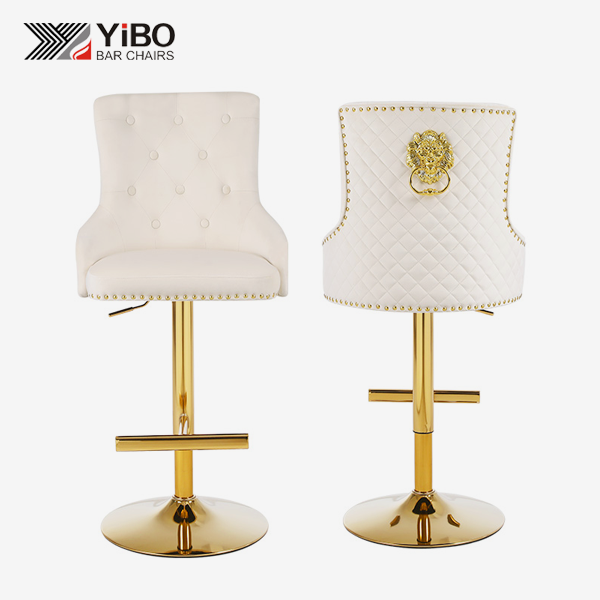
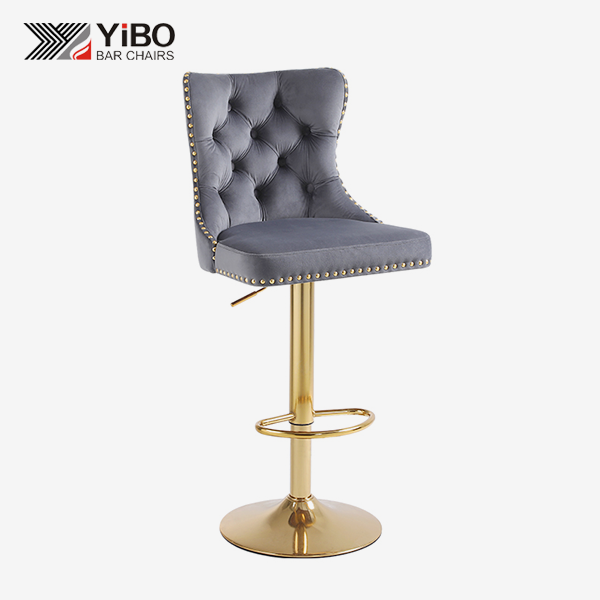
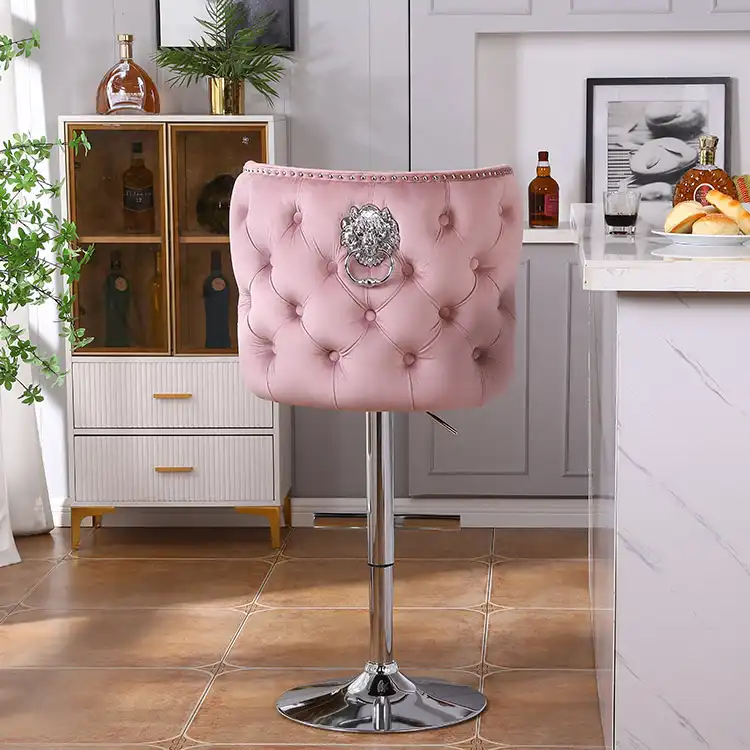
Performance velvet represents a revolutionary advancement in upholstery fabrics, combining the sumptuous appearance and tactile pleasure of traditional velvet with engineered durability suitable for commercial applications. Unlike conventional velvet that crushes easily and attracts stains, performance velvet features tightly woven synthetic fibers treated with protective coatings that repel liquids and resist soiling. This fabric finish excels in upscale hospitality environments where visual impact drives customer perceptions and competitive differentiation. The soft, durable velvet finish referenced in contemporary upholstered high back sled stool specifications delivers exceptional comfort during extended seating while maintaining its luxurious pile despite repeated use. The manufacturing process for performance velvet involves advanced textile engineering that addresses traditional velvet's historical weaknesses. Synthetic fibers, typically polyester or nylon blends, are woven at extremely high densities to create a pile that resists crushing and matting. Specialized finishing treatments apply stain-resistant chemistry directly to individual fibers, creating molecular barriers that prevent liquids from penetrating the fabric structure. This treatment does not compromise the characteristic softness that makes velvet appealing, yet it dramatically improves cleanability compared to untreated alternatives. When integrated with the counter height stool design and contemporary aesthetic of upholstered sled chairs, performance velvet transforms functional seating into statement pieces that enhance interior environments.
Performance velvet demonstrates particular advantages in specific commercial contexts. High-end restaurants and cocktail lounges benefit from velvet's ability to absorb sound, reducing ambient noise levels and creating intimate dining atmospheres. Boutique hotels leverage velvet's visual richness to differentiate their properties and justify premium pricing. Corporate reception areas utilize performance velvet on upholstered high back sled stools to project sophistication and attention to detail that influences client perceptions. The fabric's inherent depth of color creates visual interest even in monochromatic design schemes, while its stain resistance ensures longevity despite exposure to coffee, wine, and other common spills in commercial settings.
-
Commercial-Grade Vinyl: The Durability Champion
Commercial-grade vinyl stands as the most practical fabric finish for high-traffic environments where durability and ease of maintenance outweigh aesthetic considerations. Modern vinyl upholstery bears little resemblance to the stiff, uncomfortable materials of previous generations, as contemporary manufacturing techniques produce vinyl with natural textures and flexibility that closely simulate leather and fabric appearances. The material's non-porous surface prevents liquid absorption, enabling rapid cleanup of spills through simple wiping without risk of staining or odor retention. For upholstered sled chairs deployed in restaurants, cafeterias, and quick-service establishments, vinyl's resilience against aggressive cleaning protocols makes it the economically rational choice despite its utilitarian reputation. The construction of commercial-grade vinyl involves multiple layers that each serve specific functional purposes. The base layer provides dimensional stability and strength, preventing stretching or distortion during installation and use. Middle layers incorporate cushioning materials that enhance seating comfort while maintaining structural integrity. The top layer consists of embossed or textured vinyl that provides visual interest and improves slip resistance. Protective coatings applied to the surface enhance resistance to abrasion, chemicals, and ultraviolet radiation that can degrade lesser materials. When applied to the steel base structure characteristic of upholstered high back sled stools, vinyl upholstery creates seating solutions capable of withstanding decades of intensive use with minimal maintenance requirements.
Vinyl's performance advantages become particularly evident in cost-benefit analyses over extended timeframes. The initial purchase price of vinyl-upholstered high back sled stools typically falls below performance velvet alternatives, reducing capital expenditures for large-scale furniture acquisitions. Maintenance costs remain consistently low throughout the product lifecycle, as vinyl requires only routine cleaning with standard disinfectants rather than specialized upholstery treatments. Replacement intervals extend significantly compared to natural fabrics, as vinyl resists tearing, fading, and structural degradation that forces premature furniture retirement. For multi-unit restaurant chains, healthcare facilities, and educational institutions operating under budget constraints, vinyl-finished upholstered sled chairs deliver optimal total cost of ownership while maintaining acceptable aesthetic standards and ensuring user comfort through properly engineered cushioning systems.
-
High-Performance Synthetic Blend: The Versatile Solution
High-performance synthetic blend fabrics represent the middle ground between luxury aesthetics and practical durability, offering diverse textures and appearances while incorporating engineered characteristics that enhance commercial viability. These fabrics typically combine polyester, nylon, and proprietary synthetic fibers in specific ratios optimized for particular performance attributes. Manufacturers can adjust blend compositions to emphasize stain resistance, abrasion resistance, colorfastness, or texture retention based on target market requirements. The resulting fabrics provide greater design flexibility than vinyl while offering superior performance compared to natural fiber alternatives, making synthetic blends ideal for upholstered high back sled stools deployed across varied commercial environments where balanced performance across multiple criteria matters more than excelling in a single dimension. The engineering sophistication embedded in high-performance synthetic blends extends beyond fiber selection to encompass advanced manufacturing processes. Solution-dyed fibers incorporate pigmentation at the molecular level during fiber extrusion rather than applying dyes to completed textiles, resulting in exceptional colorfastness that resists fading from sunlight exposure and chemical cleaning agents. Tight weave structures create dense fabric surfaces that resist snagging and pilling while preventing liquid penetration. Protective treatments applied during finishing enhance stain resistance and ease cleaning without compromising fabric hand or breathability. When combined with the ergonomic design principles evident in contemporary upholstered high back sled stools, synthetic blend fabrics support prolonged comfortable seating while maintaining visual appeal despite intensive commercial use patterns.
Synthetic blend fabrics demonstrate particular advantages in environments requiring specific performance characteristics beyond basic durability. Corporate office settings benefit from synthetic blends' professional appearance and broad color range that facilitates coordination with existing interior design schemes. Conference rooms utilizing upholstered sled chairs need fabrics that project credibility and attention to detail while supporting extended meeting durations through appropriate texture and breathability. Training facilities require fabrics that withstand frequent use by diverse populations while remaining easy to clean between sessions. Synthetic blends' ability to meet these varied demands while offering reasonable pricing makes them the pragmatic choice for facility managers balancing budget constraints against quality expectations and recognizing that furniture selections influence organizational perceptions among employees, clients, and visitors.
Selecting the Optimal Fabric Finish for Your Market Requirements
-
Evaluating Your Specific Use Case
Determining the appropriate fabric finish for upholstered high back sled stools requires systematic analysis of your specific operational environment and customer expectations. Begin by assessing daily usage intensity, measuring anticipated seating hours and customer turnover rates to establish baseline durability requirements. High-volume restaurants seating hundreds of customers daily demand more robust fabrics than executive offices with limited traffic. Next, identify primary soiling risks specific to your environment, considering whether food service, outdoor exposure, or industrial contamination present the greatest maintenance challenges. Corporate settings primarily contend with coffee spills and normal wear, while healthcare facilities must address biological contamination concerns that necessitate antimicrobial fabric treatments. Budget considerations extend beyond initial purchase price to encompass total lifecycle costs that significantly impact long-term financial performance. Calculate expected replacement intervals for different fabric finishes, factoring in degradation rates under your specific usage conditions. Estimate ongoing maintenance costs including cleaning supplies, labor requirements, and specialized treatments necessary to maintain acceptable appearance standards. Compare these projected expenses against initial price differentials between fabric options to identify the solution offering optimal value over your planning horizon. Facilities with limited maintenance budgets may find that premium fabric finishes justify higher initial costs through reduced ongoing expenses and extended service life, whereas operations with robust maintenance programs might achieve satisfactory results with more economical alternatives.
-
Customization Options and Ordering Considerations
Manufacturing capabilities at facilities like Anji Yibo Furniture Co., Ltd. enable extensive customization of upholstered high back sled stools to meet specific buyer requirements across diverse markets. OEM and ODM services accommodate custom color specifications, allowing buyers to match corporate branding guidelines or coordinate with existing interior design schemes. Fabric selection extends beyond the three premier finishes to include specialized materials addressing unique operational demands, such as antimicrobial treatments for healthcare applications or fire-retardant specifications for hospitality environments subject to strict safety regulations. Frame modifications adjust seat height dimensions to accommodate various counter and bar configurations, ensuring ergonomic alignment that promotes customer comfort during extended seating periods. The ordering process for customized upholstered sled chairs begins with detailed specification development clarifying all performance requirements, aesthetic preferences, and budget parameters. Professional R&D teams evaluate feasibility and provide recommendations based on manufacturing capabilities and market experience accumulated across 70 countries. Sample production enables physical evaluation of proposed configurations before committing to full production runs, reducing risk of specification mismatches that require costly corrections. Space-saving packaging designs minimize shipping costs while ensuring products arrive undamaged and ready for deployment. For international buyers, experienced sales teams navigate export documentation and coordinate logistics to ensure on-time delivery regardless of destination, while 24-hour customer service support addresses questions and resolves issues throughout the procurement process.
Quality Assurance and Performance Validation
-
Manufacturing Standards and Certifications
Reputable manufacturers implement rigorous quality control protocols that verify fabric performance claims and ensure consistent product quality across production runs. Testing procedures evaluate upholstered high back sled stools against international standards including BIFMA certification requirements that specify structural integrity, stability, and durability thresholds. Fabric testing measures abrasion resistance through standardized double-rub procedures that simulate years of normal use within controlled laboratory conditions. Stain resistance testing exposes fabrics to common soiling agents including coffee, wine, and oils, then evaluates cleanability using specified procedures to validate maintenance claims. Colorfastness testing subjects fabrics to accelerated ultraviolet exposure and repeated cleaning cycles to predict long-term appearance retention under operational conditions. ISO 9001:2015 certification demonstrates organizational commitment to systematic quality management throughout manufacturing operations. This certification requires documented procedures for materials procurement, production processes, inspection protocols, and continuous improvement initiatives that collectively ensure consistent output meeting established specifications. Fire retardancy compliance becomes critical for hospitality and institutional applications subject to building code requirements mandating flame-resistant materials in public spaces. Third-party testing verification provides independent confirmation of performance claims, offering buyers confidence that products will perform as specified rather than relying solely on manufacturer representations. For upholstered sled chairs destined for demanding commercial environments, comprehensive quality documentation supporting performance claims differentiates professional-grade products from inferior alternatives that compromise operational effectiveness and customer satisfaction.
-
Warranty Coverage and Long-Term Support
Warranty provisions reflect manufacturer confidence in product quality while providing buyers financial protection against premature failure. Standard warranty coverage for quality upholstered high back sled stools typically encompasses structural frame integrity, fabric adhesion, and cushioning resilience for minimum periods of one year under normal commercial use conditions. Premium fabric finishes may carry extended coverage reflecting superior durability expectations and higher initial investment justification. Warranty terms specify covered defects, claim procedures, and remediation approaches including repair, replacement, or refund options depending on failure circumstances and timing. Buyers should carefully review warranty exclusions that may limit coverage for damage resulting from improper use, inadequate maintenance, or environmental exposures beyond specified parameters. Long-term manufacturer support extends beyond formal warranty periods to encompass ongoing technical assistance and parts availability that facilitate extended product service life. Experienced sales teams with years of market knowledge provide guidance on maintenance protocols, cleaning product selection, and minor repairs that maximize furniture longevity. For large installations, manufacturers may offer periodic inspections identifying potential issues before they escalate into failures requiring extensive repairs or premature replacement. Parts availability for frame components and replacement cushions enables refurbishment of worn units rather than complete disposal, reducing lifecycle costs while supporting sustainability initiatives. This comprehensive support infrastructure distinguishes established manufacturers from commodity suppliers offering minimal post-sale engagement, ultimately influencing total ownership experience and long-term satisfaction with upholstered high back sled stool investments.
Conclusion
Selecting appropriate fabric finishes for upholstered high back sled stools across diverse commercial markets requires balancing aesthetic preferences, performance requirements, budget constraints, and maintenance capabilities to identify optimal solutions. Performance velvet delivers luxury appeal for upscale environments, commercial-grade vinyl provides unmatched durability for high-traffic applications, and high-performance synthetic blends offer versatile performance across varied operational contexts. Understanding these fabric characteristics empowers informed procurement decisions that enhance customer satisfaction while maximizing investment value.
Cooperate with Anji Yibo Furniture Co., Ltd.
As a China upholstered high back sled stool factory with 14 years of specialized experience in bar chair and dining chair manufacturing, Anji Yibo Furniture Co., Ltd. stands ready to fulfill your commercial seating requirements with exceptional quality and competitive pricing. Our 6000+ square meter facility in Anji, Zhejiang—China's renowned furniture manufacturing center—houses advanced equipment and skilled craftsmen dedicated to producing ergonomic, durable, and aesthetically superior upholstered sled chairs exported to 70 countries worldwide. As a trusted China upholstered high back sled stool supplier and China upholstered high back sled stool manufacturer, we support OEM and ODM customization through our professional R&D team capable of translating your specifications into production-ready designs. Our comprehensive services include sample production, China upholstered high back sled stool wholesale pricing for bulk orders, space-saving packaging minimizing shipping costs, and 24-hour customer support ensuring your questions receive prompt answers. Visit our exhibitions at international furniture shows including the Cologne Furniture Fair to experience our high quality upholstered high back sled stool collection firsthand, or contact us directly at yb@ajyibo.com to discuss your project requirements and receive detailed quotations. Discover competitive upholstered high back sled stool prices and upholstered high back sled stool for sale options that deliver exceptional value without compromising performance. Bookmark this resource and reference it whenever fabric selection questions arise during your procurement planning—we're committed to your long-term success.
References
1. "Furniture Upholstery Materials and Performance Standards," Textile Research Journal, Volume 85, Issue 12, Authors: Johnson, M. & Chen, L., Publisher: SAGE Publications
2. "Commercial Seating Design and Ergonomics," International Journal of Industrial Ergonomics, Volume 67, Authors: Williams, R., Martinez, S. & Thompson, K., Publisher: Elsevier
3. "Fabric Performance in Hospitality Environments: A Durability Study," Journal of Interior Design, Volume 44, Issue 3, Authors: Anderson, P. & Davis, H., Publisher: Interior Design Educators Council
4. "Sustainable Materials in Contract Furniture Manufacturing," Journal of Cleaner Production, Volume 285, Authors: Lee, J., Kumar, V. & Zhang, W., Publisher: Elsevier Science