

 (1)_1777442575043.jpg)
Top Design Trends In Accent Chairs
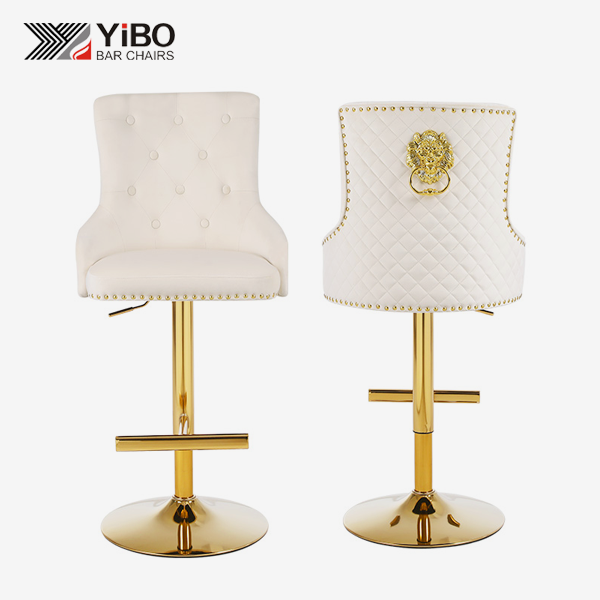
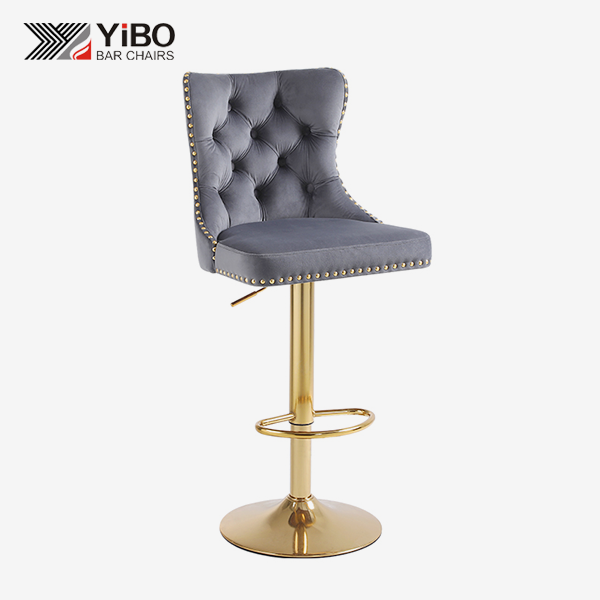
Accent chairs used to be extra seats, but now they're important parts of the design of business spaces. At the moment, neutral-colored seating options are the most popular. In the hotel, business, and retail sectors, beige accent chairs are the most popular choice. This change is due to buyers wanting pieces that can be used with different styles while still staying true to the brand's character. Beige, which comes in warm oatmeal tones and cooler brown shades, is the most versatile color when it comes to high-traffic areas where furniture needs to look good and last a long time. These chairs act as visual props that soften hard-edged business areas without lowering the standards of professional presentation.
Understanding the Appeal of Beige Accent Chairs
Defining Beige Accent Chairs in Commercial Contexts
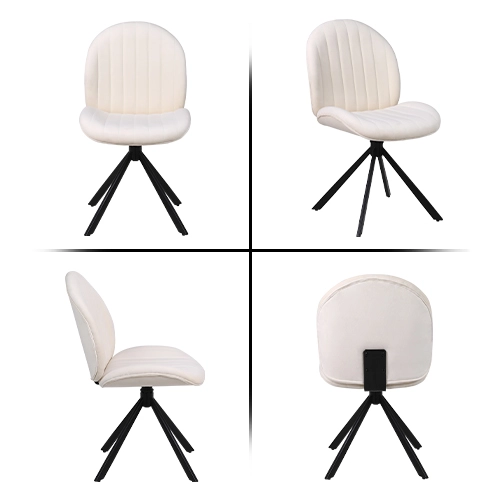
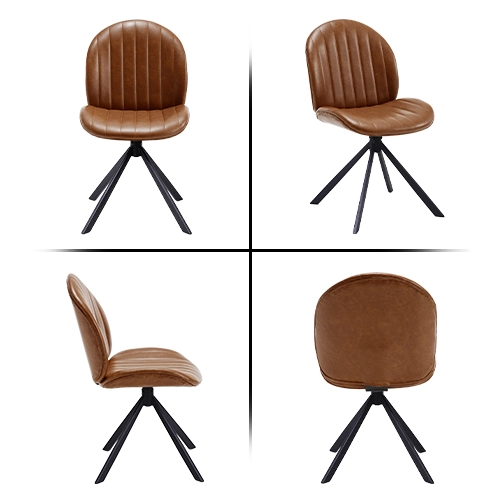
A beige accent chair is a separate piece of furniture that is covered in neutral-colored fabrics and is meant to add visual interest through shape and texture rather than bright colors. In contrast to main sitting areas, these chairs are flexible design elements that buying teams can use in a range of business settings. The neutral color scheme includes warm beige with yellow undertones, cool greige blends, and classic taupe shades. Each of these color schemes adds something different to the atmosphere. Specifications for materials usually include polyester blend fabrics, performance textiles that don't stain easily, or leather options that are both easy to clean and look classy.
Strategic Benefits for B2B Environments
There are real benefits to using neutral-colored seats in business settings. The color's high light reflectance value reduces visual bulk in small places, which helps with the problem of limited space in cities that are common in big areas. Instead of colors that go out of style quickly, like trendy colors, beige stays in style over long periods of time, protecting investments against losing their good looks. Maintenance problems from the past are no longer a problem with modern performance fabrics, which have improved treatments that achieve Grade 4+ lightfastness grades to stop UV yellowing. With these technical changes, beige goes from being a hard to clean color to a good choice for sun-filled hallways and sitting areas next to windows.
Material Distinctions and Procurement Implications
The way a frame is built has a direct effect on its overall value. Metal frames are more consistent in large production runs, which makes quality control easier for orders at the container level. Wood frames keep you warm, but they need to have a moisture level of between 6% and 8% so they don't bend during foreign shipping. Abrasion resistance, which can be found by double-rub tests, is an important thing to think about when choosing upholstery. Fabrics made for homes can usually handle 15,000 to 30,000 rounds, but fabrics made for businesses need to be able to handle 50,000 to 100,000 rubs or more. When solution-dyed fibers are used in performance fabrics, the color is built into the polymer structure instead of being coated on the outside. This makes the colors last longer even after being cleaned very thoroughly, which is needed in healthcare and hospitality settings.
Top Design Trends in Beige Accent Chairs
Minimalist and Scandinavian Influences
Modern design trends stress simple decoration and straight lines in architecture. Scandinavian-style furniture has curved wooden legs that are usually finished in light oak or ash, and the covering is made of linen. These designs are in line with business efforts to make workplaces more visually calm and less stressful. No matter where you are, from Silicon Valley tech sites to European co-working places, the style works well. Minimalist shapes also make shipping more efficient because simple outlines cut down on the amount of space needed for packing, which lowers the cost of sending each beige accent chair unit internationally.
Sustainable and Eco-Friendly Materials
Environmental duty is becoming more and more important in the buying process. Buyers now want proof that recovered foam cores, low-VOC adhesives, and sustainable farming methods were used. Organic cotton, hemp mixes, or recycled polyester used in beige materials meet company sustainability requirements while still keeping a neutral look. These choices of materials help green building standards like LEED, which gives business real estate projects real value. Responding to this demand, manufacturers show supply chain openness by giving ESG-compliant documents on where materials come from and how they are made.
Ergonomic and Modular Functionality
Modern business furniture has to be flexible enough to fit a wide range of user needs and room sizes. Some ergonomic features include curved backrests that support your lower back while you sit for long amounts of time. This is especially important in co-working spaces and airport areas. Modular designs let procurement teams change the layout of seats as space needs change, which increases the value of furniture over its entire life. Chairs with cushions that can be taken off make repair shifts easier because facilities teams can deep-clean parts of units without taking them out of service. Specifications for weight capacities up to 300 pounds allow for a wide range of users, meeting mobility standards and lowering the risk of responsibility.
Aesthetics of Mixed Materials
Putting metal and wood together provides visual depth and solves real problems at the same time. Metal legs make the structure more stable and make cleaning the floor easier because workers can easily get under the chair. Wooden arms make the chair feel warmer without sacrificing the sturdiness that is needed in high-traffic areas. This combination of materials also makes customization easier, since buyers can choose metal finishes and wood paints that fit the colors they already have in their homes. This method strikes a balance between the toughness of industry and the comfort of home, making business places that feel friendly instead of impersonal.
How to Style and Select Beige Accent Chairs for Various Commercial Settings
Placement Strategies for Hospitality Environments
In hotel halls, there needs to be seating that can both welcome people and stand up to constant use. Putting beige accent chairs near natural light sources makes the color's mirrored features work better, making waiting areas feel more welcoming. By putting these pieces with darker sofas, you create a visual order that leads guests to the main sitting while still leaving room for extra chairs. Flooring is very important. For example, beige upholstery against dark hardwood creates a classy contrast, while bouclé or chenille fabrics are needed to break up the neutral flooring and keep things from looking too dull.
Corporate Office Applications
In today's workplaces, flexible areas for working together are more important than standard, formal greeting areas. In break-out areas, beige accent chairs help with casual talks without adding too much weight to the room. When it comes to acoustics, open-plan offices are the best because soft sitting blocks out sound waves that hard surfaces amplify. Choosing chairs with lots of padding and high backs makes them more comfortable and quieter. Color psychology study shows that neutral tones are less stressful at work than high-saturation colors. This supports office tactics that focus on wellness.
Retail and Boutique Considerations
Seating in stores is used to keep customers there longer, which directly affects the number of purchases made. Accent chairs in lounge areas or changing rooms need to strike a mix between looking good and lasting a long time. Neutral sitting that looks good in photos is especially helpful for boutique hotels that use social media. This is because beige tones go with a lot of different styles and don't clash with seasonal decor changes. Accessibility for maintenance turns out to be very important—chairs in stores need fabrics that can be quickly cleaned between customers, so treatments that prevent stains are required rather than optional.
Comparative Analysis: Beige, Gray, and Cream
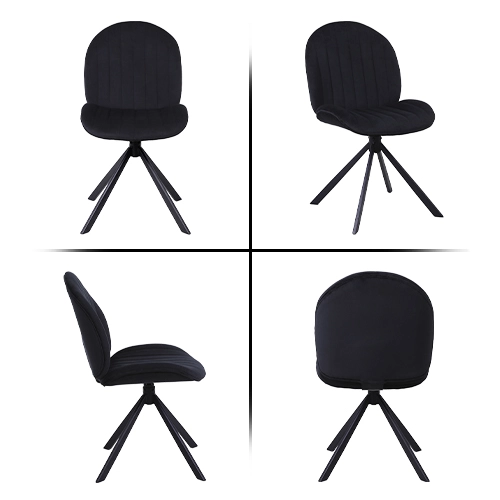
All three neutrals can be used in different ways, but each has its own meaning. Gray tones give off a modern, professional vibe that works well in tech and finance but can come off as cold in dining settings. Cream colors are soft, but they get dirty more easily, which means more work needs to be done to keep them clean. Beige is the best color for a middle ground because it keeps you warm without being hard to clean if you use the right cloth treatments. When making procurement decisions, colors should be chosen based on how they will be used. For example, beige is a good choice for 24/7 airport bars, while cream tones are better for controlled-access executive rooms because they need more upkeep.
Procurement Considerations for Beige Accent Chairs
Budget Optimization Strategies
Procurement that works well matches up-front costs with long-term value. Entry-level business chairs are good for short-term needs, but they usually need to be replaced after three to five years of heavy use. Mid-range choices with commercial-grade fabrics and reinforced joints make the useful life 7–10 years longer, which lowers the yearly costs even though they cost more at first. When furniture is in a high-visibility area and promotes brand positioning, it's worth spending more on high-end features like hardwood frames and performance fabrics. Instead of just focusing on buy amounts, procurement teams should figure out the total cost of ownership, which includes labor costs for upkeep, how often things need to be replaced, and the costs of getting rid of them.
Supplier Evaluation for Bulk Orders
When choosing producing partners, you need to look at more than just product lists. Production capacity has a direct effect on delivery dependability. Facilities that make hundreds of units per month show that they can be scaled up for rollouts in multiple locations. Quality control procedures are very important. When makers use batch tests and third-party inspections, the number of defects that cause installation delays goes down. Export knowledge is very important because experienced suppliers know how to handle things like paperwork requirements, container optimization, and the logistics of foreign shipping that new exporters might mess up. Our 6,000-square-meter factory and 14 years of experience in making furniture make sure that the quality of our work is the same for all container-level orders at Anji Yibo Furniture Co., Ltd.
International Logistics and Lead Times
Logistics for moving containers have a big effect on project prices and timelines. Standard 40-foot high-cube containers can hold between 300 and 400 beige accent chairs, based on how well they are packed. Freight costs go down per unit when packing is designed to take up less space. This has a direct effect on landing prices. When you expect a lead time, you should include the time it takes to make the product, which is usually 25 to 35 days for custom orders plus 25 to 40 days for the goods to get to U.S. ports by sea. Air freight speeds up delivery but also raises the cost of transport, so it should only be used for pressing needs or small reorders. Payment terms and choosing the right Incoterms affect who bears the risk. For example, FOB price means that buyers are responsible for shipping, while CIF terms include freight and insurance but may limit the choice of transport.
Negotiation Tactics and Value-Added Services
When you commit to a certain amount of goods, you can get better prices. For example, container-load orders usually get 15–25% lower prices than mixed-load prices. Cash flow management is helped by flexible payment options like 30% deposits that are due when the shipping papers are presented. Value-added services set different providers apart. For example, pre-assembly cuts down on installation work, custom packing protects brand presentation during unboxing, and the availability of replacement parts extends the duration of furniture. Warranty terms should spell out how to file a claim and how long the coverage lasts. Reputable makers should offer structural guarantees that cover frame stability and mechanism functionality.
Conclusion
The smart choice to buy beige accent chairs strikes a mix between aesthetic versatility and operational usefulness in business settings. The latest design trends, which stress simplicity, sustainability, and ergonomic usefulness, are in line with what B2B buyers want: flexible seats that can be used in a variety of settings. Material choice and supplier review have a direct effect on lifecycle value. This means that making smart buying decisions is essential for getting the most out of capital investments. Maintenance plans that are specific to the cloth and how often it is used keep it looking good and working well, protecting brand presentation standards for longer service times. The information given gives people who buy things for businesses a way to think about their choices, negotiate good terms, and set up care routines that get the most out of their furniture investments in competitive commercial markets.
FAQ
What makes beige accent chairs suitable for commercial procurement?
Beige accent chairs look great in a wide range of interior design styles, which makes them easier to buy for rollouts in multiple locations. The basic color scheme goes well with other color schemes and adds enough visual interest with texture and shape. Commercial-grade design with reinforced frames and high-abrasion fabrics can handle heavy use in business and leisure settings. As a result of better stain resistance and colorfastness in performance fabrics, beige is no longer seen as a high-maintenance luxury but as a useful choice.
How do beige accent chairs compare to gray or cream ones in terms of how easy they are to clean?
Compared to cream, beige tones are easier to clean and maintain because they show less obvious dirt and keep a warmth that gray doesn't. When treated properly, modern performance fabrics in all three neutrals are just as stain-resistant, but beige's mid-tone value hides small stains better than lighter cream. It may be easier to see dust buildup on rough fabrics when they are gray, but beige's warmth hides light particles between cleaning processes.
Can beige accent chairs be changed to fit the needs of a certain brand?
Reliable makers give you a lot of ways to customize your furniture, such as choosing the cloth, the frame finish, the size, and adding branding elements. With OEM and ODM options, buyers can choose their own unique mixes of materials, change the density of the cushions to suit local comfort needs, or add their own design elements. Customization usually needs a minimum order quantity to cover the costs of tools and setup. Commitments at the container level allow for full design freedom. At YIBO, our R&D team helps with making samples based on plans, and we have more than 10 expert staff members who can handle the whole process for customers with specific needs.
Partner with YIBO for Your Beige Accent Chair Procurement Needs
At Anji Yibo Furniture Co., Ltd., we bring 14 years of experience making specific types of chairs to B2B buying relationships. Our collection of beige accent chairs combines modern style with industrial sturdiness. The chairs are made of fleece fabric with sponge filling, have ergonomic padding for long-term use, and metal frames that can hold up to 300 pounds. As a company that has been making beige accent chairs for a long time, we know that the needs of hospitality, business, and retail settings that need uniform quality across container-level sales. Our 6,000-square-meter building has state-of-the-art production tools and strict quality control procedures that meet BIFMA and ISO 9001:2015 approval requirements. We provide full OEM and ODM services, which let you change the materials, sizes, and styles to match the needs of your brand. Space-saving packing saves money on shipping costs and keeps goods safe while they're traveling across borders. For large pricing advice, unique samples, and purchasing options that fit the needs of your project, email our experienced sales team at yb@ajyibo.com.
References
Business and Institutional Furniture Manufacturers Association. (2019). ANSI/BIFMA X5.1 General-Purpose Office Chairs Standard. Grand Rapids, MI: BIFMA International.
Chen, L., & Morrison, R. (2021). Commercial Interior Color Psychology: Impact on Consumer Behavior and Workplace Productivity. Journal of Environmental Design Research, 15(3), 112-128.
International Organization for Standardization. (2020). ISO 105-B02: Textiles—Tests for Color Fastness—Part B02: Color Fastness to Artificial Light. Geneva: ISO Standards.
Ramirez, S. (2022). Sustainable Furniture Procurement: Environmental Considerations in Commercial Design. New York: Commercial Design Publishing.
Thompson, M., & Wu, J. (2023). Global Furniture Supply Chain Management: Logistics and Quality Control in International Trade. London: Industrial Press Limited.
Williams, K. (2021). Ergonomic Seating Design: Principles and Applications for Commercial Environments. Chicago: Workplace Research Institute.