

 (1)_1777442575043.jpg)
The Ultimate Guide to Buying an Accent Chair
It's important to think about how the seats will look, how long they will last, and how much value they will add over time when choosing them for a work setting. The beige accent chair is often bought by people who work for B2B buying teams that are in charge of high-end public areas like hotel entrances and business reception areas. The color of this chair is neutral, so it can be used with a lot of different styles and color schemes. It's also strong enough to be used a lot in a work setting. It's better to buy white furniture because it will last longer than picking colors based on trends that will be out of style in a few months. Before getting container-level numbers for use abroad, it's important to know the material's specs, performance standards, and the skills of the provider.
Understanding Beige Accent Chairs: Styles, Materials, and Benefits
Defining Characteristics of Neutral-Tone Accent Seating
It's best to have beige accent chair in work areas because they make the room look better without making any one color stand out too much. The seats on these stand-alone units are 17 to 19 inches high, which means they can fit a lot of people. They're 19 to 28 inches wide. Oatmeal and ecru are warm colors, but brown is cool. These all fit into the bland color scheme. Teams that buy things can get things that fit in with current styles without having to paint them themselves. beige accent chair give you more freedom than big pieces of furniture like sofas or sectionals, so it's easy to move them quickly for events or changes in the seasons, which happen a lot in the retail and restaurant industries.
Popular Commercial Styles and Design Language
People who buy things for businesses still want a lot of furniture with angled backs and bent legs that look like it was made in the 1960s or 1970s. In this design language, there are modern ideas that will never go out of style. It also works with the way businesses work now. The ones made today have metal frames and simple geometric forms. In public places where being able to hold weight is important, this makes them better. There are comfort features like rolled arms and padded backs, as well as smaller styles that work well in small urban homes. Once you choose styles for a large order, you should think about the design language of the goal release settings to make sure everything works well.
Material Selection for Durability and Performance
Things that work well are the most important thing to look for in business beige accent chair. People who do business with each other use polyester-blend materials the most because they last longer and keep their color better. Standard ASTM D4157 tests show that they can handle more than 50,000 double-rub rounds. Acrylic materials that have been solution-dyed are better at blocking UV rays. Light from the sun can make the fabric turn yellow too fast, so this is important for halls that get a lot of sun. Velvet furniture adds a bit of class to fancy dining rooms. But it needs extra care so that it doesn't get worn down and lose its color over time. Coatings of polyurethane on leather-like materials make them look like real leather and make them easier to clean. Plus buying them in bulk saves you money and time.
Making frames has a direct affect on how much it costs to own a frame. 16-gauge steel tubes can hold up to 300 pounds and make frames that last a long time. They are needed in places where a lot of people walk by. When wood is kiln-dried, it usually turns into frames made of maple or birch. These frames are physically stable and have the benefits of traditional craftsmanship. They're up to BIFMA X5.1 norms. It's easy to make frames out of composite wood, but you have to be careful that the ones you choose don't give off too much formaldehyde, which is illegal in California. This is very important for teams that work with health care and schools.
Strategic Benefits for Commercial Procurement
The general color plan is helpful in more ways than one, and not just for giving you options for your style. If you want to hide spots better, choose dark furniture over white or cream furniture. You will not be able to see as much dirt between cleanings. This trait can save hotels and businesses money on labor costs, which is still very important when it comes to how things look. Color psychology research has shown that neutral colors make people 12–15% less worried than bright colors. This helps the cause of making places of work better. When buying groups agree on a single SKU version that can be used for different types of properties, this is called "adaptable integration." This helps them keep track of their stock and gets them better deals from their suppliers when they buy more.
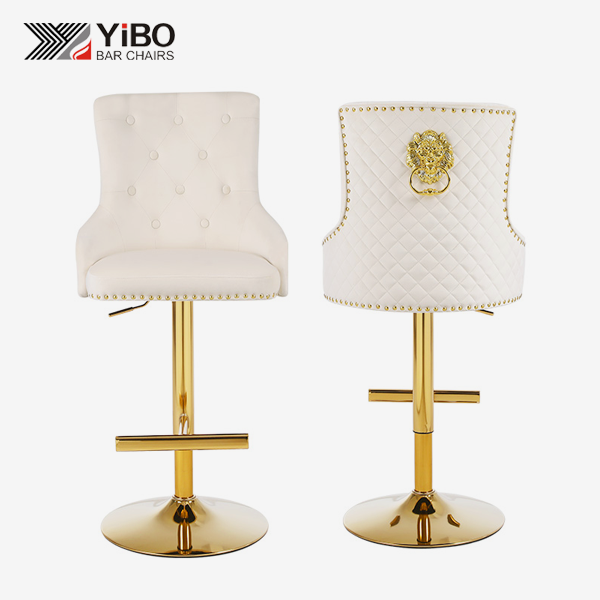
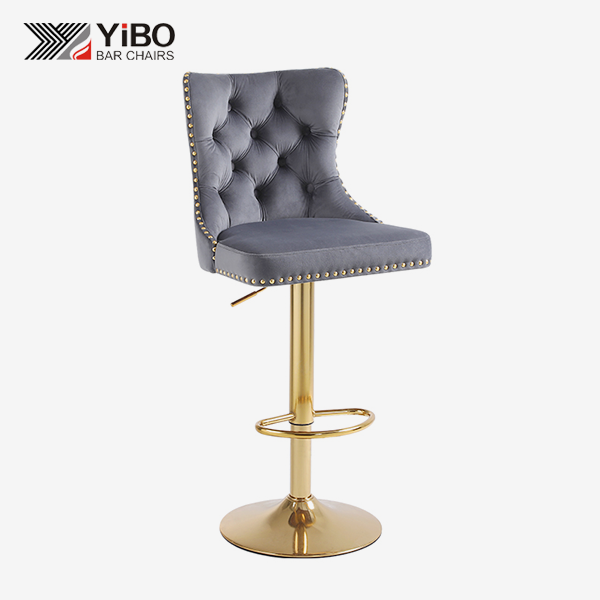
Anji Yibo Furniture Co., Ltd. has been making one-of-a-kind things for 14 years and are very good at making beige accent chair. There is a commercial-grade building like the YB-1183 type we have here. Because it's meant to be used for long amounts of time, it's made of fleece cloth and filled with thick sponge. Since it's soft and comfy, it's easy to sit for a long time. This is why it's common in shared offices and waiting rooms. It's safe for public places since it can hold up to 300 pounds. It stays stable even when it's being used all the time because of the metal frame. This type has an 18-inch seat height and is 19"W x 23"D x 33"H. It is ADA-compliant, and its small size makes it useful for plans that need to save room.
Comparing Beige Accent Chairs to Alternative Options: Decision-Making Factors for Procurement
Color Selection and Psychological Impact
When procurement professionals choose between beige accent chair and other neutral colors, they should think about how well the furniture will fit the space and how hard it will be to keep clean. Gray upholstery has become popular in corporate settings that want a modern look, but darker tones absorb more light, which can make small rooms look heavy. White and cream options are very bright, but they don't hide stains well, which makes maintenance more obvious. beige accent chair is the perfect color in the middle; it reflects enough light to make rooms look bigger while hiding small stains between professional cleaning cycles. Color psychology studies show that beige tones improve focus and reduce anxiety by about 14% compared to cooler gray palettes, which makes them better for public areas where first impressions are important.
Cushion Technologies and Comfort Engineering
Both how much a cushion costs and how much fun it is to use depend on how it's made. When buying teams write specs, they have to choose between these ideas:
High-Resilience Foam: Polyurethane foam with densities between 2.0 and 2.5 pounds per cubic foot is the best choice for initial comfort and shape retention. This material doesn't compress, which is what makes seat cushions "puddling," so it looks good and works well after thousands of uses. It should last for 5 to 7 years in moderate commercial traffic.
Down and Feather Blends: These natural fill materials are soft and fancy, so they work well in high-end hospitality settings. But they need to be fluffed up a lot to keep the weight even, and they usually cost 30–40% more per unit than foam alternatives. Because of this, down fills aren't as good for areas that need to look good with little to no work.
Hybrid Constructions: New designs have soft tops made of high-resilience foam cores and fiber wrap layers. This keeps all-foam designs from feeling too firm when you first sit down and keeps you from having to deal with the maintenance issues that come with natural fills. The extra cost over standard foam construction is usually between 15% and 25%, which is a good range for buyers who care about quality.
These cushion technologies need to be right for the amount of use and maintenance that can be done. For example, high-resilience foam works best in hotels where each chair is used more than 40 times a day. On the other hand, executive lounges at companies with less traffic can use premium hybrid constructions that make the user experience better.
Value Engineering and Price-Performance Analysis
Commercial beige accent chair come in three price ranges, each based on the quality of the materials and the level of craftsmanship used to make them. The least expensive ones are made of particleboard frames with stapled upholstery attachments and should only be used for light tasks. The next most expensive ones are made of engineered wood frames with corner blocking and glued-screwed joinery. They last between 5 and 7 years, which is long enough for most business and retail settings. Finally, the most expensive ones are made of hardwood frames with eight-way hand-tied spring systems and double-dowel reinforcements. They cost more, but they last longer and save you money in the long run.
When purchasing managers compare prices and performance, they shouldn't just look at the initial unit price. A moderately priced chair that lasts seven years is often a better deal than a cheap one that needs to be replaced every three years. To lower your risk, make sure the warranty covers the frame for at least five years and the upholstery for three years. Suppliers that offer pro-rated replacement programs show they believe in the quality of their products while lowering your risk.
How to Style and Care for Beige Accent Chairs in B2B Settings
Design Integration Strategies for Commercial Spaces
To give a room more depth, darker wood finishes like espresso, walnut, and mahogany look great with beige accent chair. The neutral upholstery lets you use brighter accent pillows in company colors or seasonal patterns without making the colors look too busy. Place chairs at 45-degree angles to main seating arrangements to make it easier for people to talk to each other in hotel lobbies and executive lounges. Grouping chairs in odd-numbered clusters (three or five units) creates more interesting visuals than symmetrical pairs. This is an old design rule that still works in modern commercial spaces. Changing the lighting can change how beige upholstery looks when it's all put together. Natural daylight brings out the warm undertones, while cool LED lighting can make them look more gray. Before you place a big order, ask to see fabric samples in real lighting so you don't have to be let down by the color when they arrive.
Maintenance Protocols for Extended Asset Life
If you want to keep your upholstery in good shape, vacuum it once a week with an upholstery attachment to get rid of dust and dirt before they get deep into the fibers. Having the fabric professionally cleaned every three months using hot water extraction methods will keep it looking good without damaging it. Once a year, give them fabric protectant treatments; these treatments with fluorochemical technology create molecular barriers that stop liquids from absorbing while still letting the fabric breathe.
Once a week, use soft-bristle tools to brush the pile surfaces of velvet furniture, making sure to go with the natural nap direction. If you spill something on velvet, blot it right away instead of rubbing it in, as that can change the structure of the pile permanently. Every 90 days, condition leather and polyurethane alternatives to keep the surface from cracking and the texture soft. Because we've worked with hotel groups in other countries, we know that planned maintenance can extend the life of things by 35–40% compared to spontaneous maintenance. Writing down maintenance plans can help you keep your promise valid and make things last longer.
Procurement Guide: Where and How to Buy Beige Accent Chairs for B2B Needs
Evaluating Supplier Capabilities and Reliability
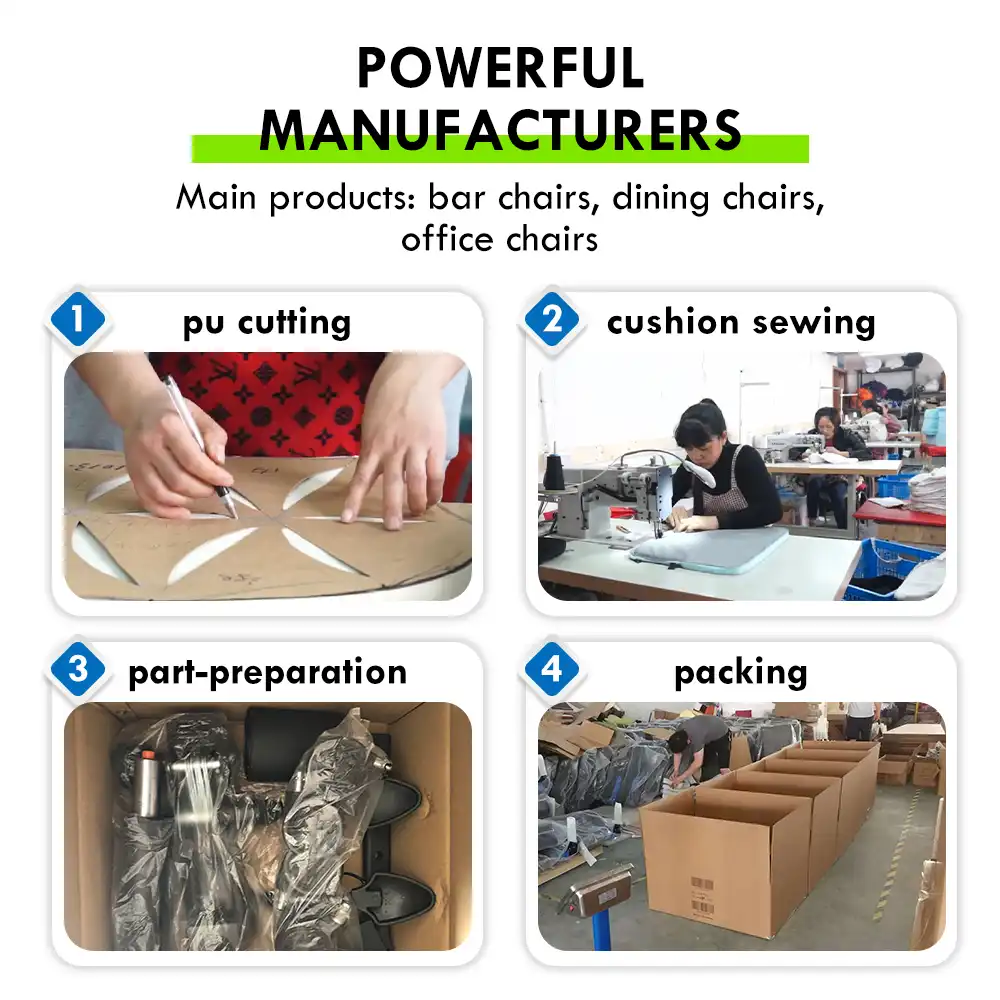
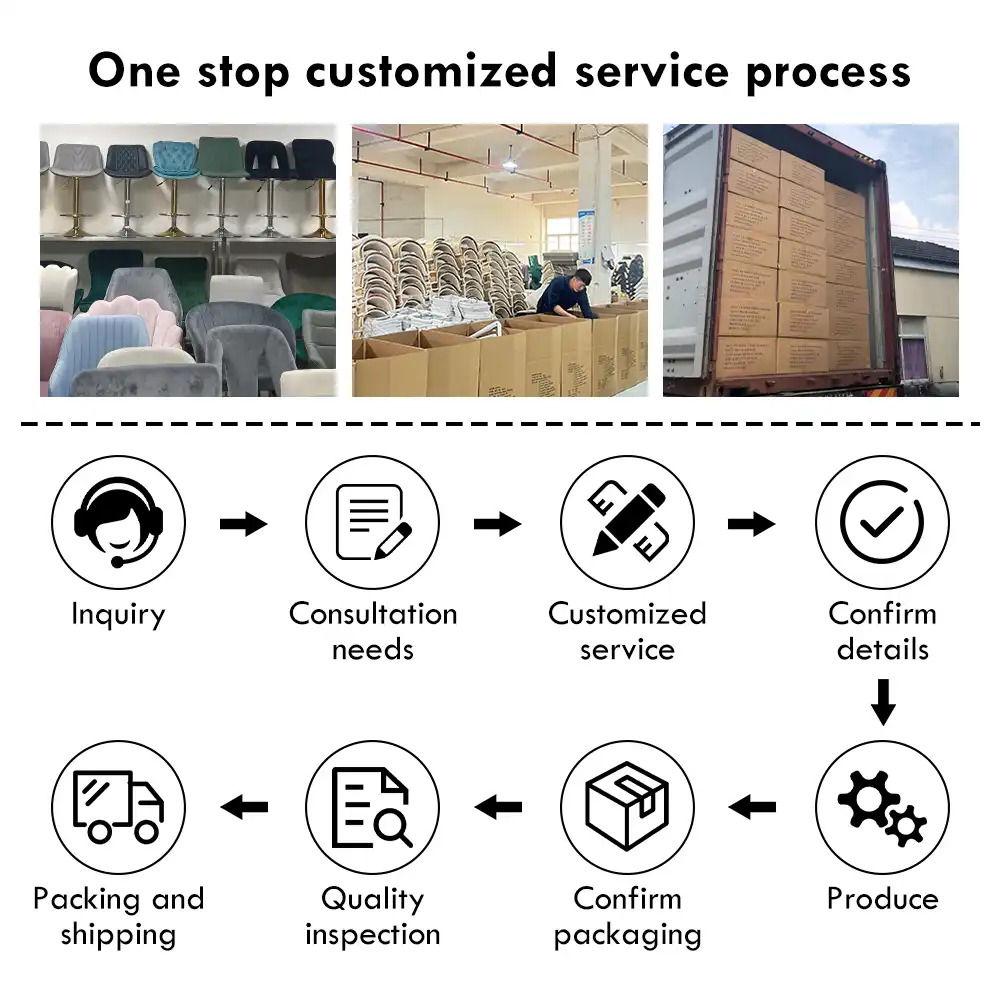
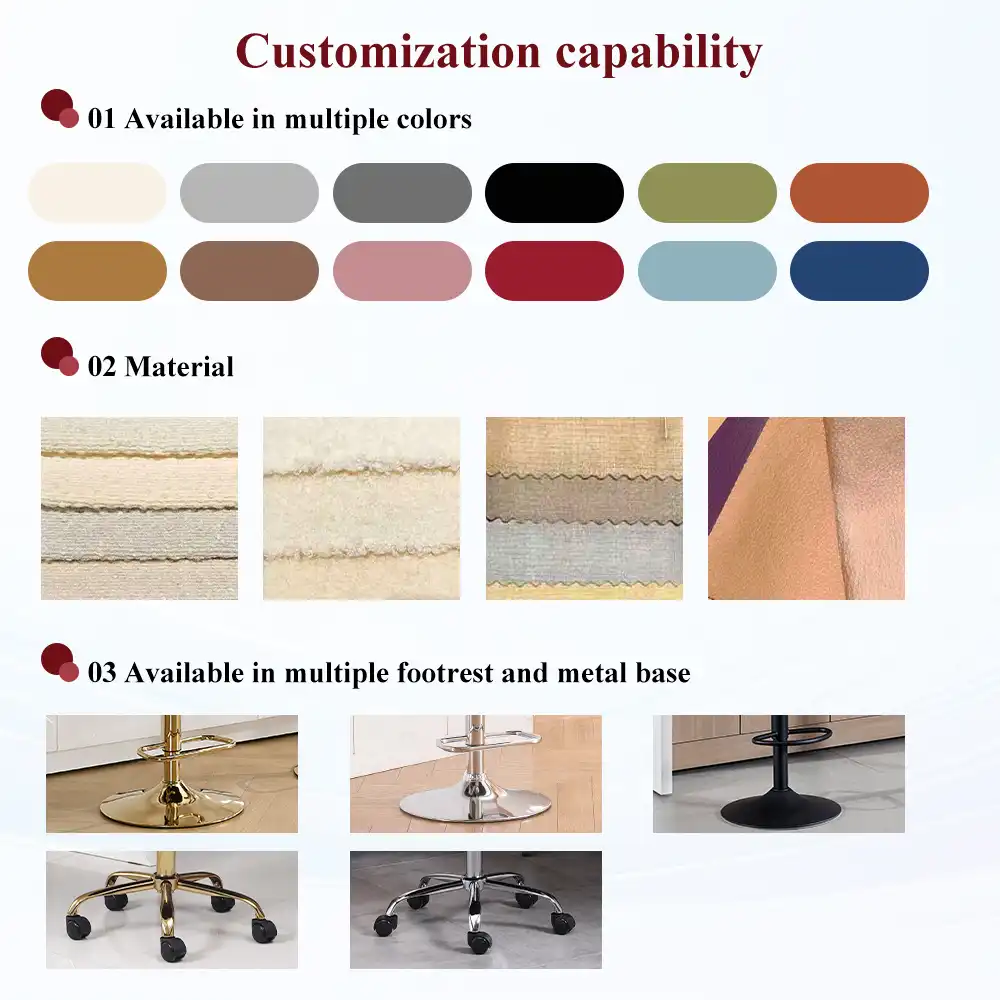
You should know more about a supplier than just the products they sell. Established manufacturers can show how much they can produce by the size of their facilities and the sophistication of their equipment. For example, operations that cover more than 6,000 square meters and have dedicated upholstery lines show that they can handle container-level orders with reasonable lead times. Long-term suppliers give you confidence in your business relationships. Manufacturers that have been in business for 10 years or more have weathered economic cycles and improved quality systems through iterative improvement. If you're buying from China, make sure the supplier has experience exporting. Check to see if they have active relationships with international freight forwarders and show they know what the import rules are for the destination country. To find suppliers who can do both OEM and ODM, you should look for ones that let you change the sizes, fabrics, and frame finishes. This will help you stand out in crowded retail markets and meet the needs of your project. To see how skilled the engineers are in areas other than standard production runs, ask to see proof of past custom projects, such as technical drawings and prototype timelines.
Bulk Purchasing Strategies and Volume Economics
You can save a lot of money by buying by the container, but it makes logistics harder. A standard 40-foot container can hold 180–220 beige accent chair, depending on how well they are packed. This lowers the cost per unit by 25–35% compared to small-lot pricing. Loading different SKUs into different containers spreads out your inventory risk while still getting the volume pricing benefits. Talk about payment terms that are right for the order size. At first, letters of credit protect both parties, and as trust grows through successful transactions, open account terms can be used. Normal production cycles take 30 to 45 days from deposit confirmation to factory departure. Ocean freight adds 25 to 35 days for trans-Pacific shipping routes. Custom orders with non-standard sizes or fabric choices may add 10 to 15 days to the manufacturing timeline. Allow enough extra time to account for delays that could happen due to port congestion or customs inspections. Make sure you and your suppliers can easily talk about production milestones and shipping updates so you can stay on track with deadlines.
Logistics Considerations and Risk Mitigation
It's important to make sure that the packaging meets the standards for corner protectors, polyethylene wrapping, and reinforced carton construction that can handle the stresses of international shipping. Our space-efficient packaging design—using only 0.05 cubic meters per unit—makes the best use of containers while still protecting the goods adequately. Ask for packaging specifications, like carton dimensions and weight, to make sure that they can be used with the receiving facilities and material handling equipment at the destination. It's not practical to send back whole containers of goods, so return policies for business orders need to be carefully negotiated. Agree on defect thresholds, which are usually between 2% and 3% for small issues, and offer credit toward future orders instead of physical returns as a solution. Full product liability insurance protects against catastrophic failure scenarios, which is especially important for seating products where structural collapse could lead to personal injury claims.
Conclusion
Procuring beige accent chair for commercial deployment requires balancing aesthetic versatility with rigorous performance specifications. The neutral palette delivers chromatic adaptability across diverse interior schemes while masking normal wear patterns that compromise appearance in high-traffic environments. Successful buyers evaluate material specifications including frame construction, upholstery abrasion ratings, and cushion technologies against anticipated use intensity and maintenance capabilities. Supplier selection extends beyond product quality to encompass OEM/ODM flexibility, export experience, and communication reliability essential for sustaining international supply relationships. Structured evaluation tools enable objective comparison across competing options while lifecycle cost analysis reveals true economic value beyond initial unit pricing. Strategic relationship development with manufacturing partners yields preferential treatment and operational flexibility that transcends purely transactional vendor interactions.
FAQ
Why are beige accent chairs suitable for commercial applications?
In business settings, beige upholstery is very adaptable and easy to clean. It hides small stains better than white upholstery, so it doesn't show as much wear in places with a lot of foot traffic, like hotels and offices. Studies in color psychology show that beige tones reduce stress and improve focus, which makes them great for waiting rooms where people are waiting for clients. The neutral color scheme also makes it easier to match existing decor without having to dye the fabric yourself, which is helpful for deployments to more than one property.
How do I evaluate frame quality when comparing suppliers?
Frame construction affects how long a structure lasts and how much it costs over its entire life. Look for metal frames made of at least 16-gauge steel tubing or kiln-dried hardwood with a moisture content of 6–8 percent. Ask for proof of BIFMA X5.1 compliance testing, which checks the structure's strength through repeated load cycles. Check the joining methods—corner blocking, double-dowel reinforcement, and glued-screwed assembly are better than stapled joints. Minimum five-year frame warranties protect against premature failure and show that the company is sure of the product.
What lead times should I expect for container orders?
Normal production cycles take 30 to 45 days from deposit confirmation to factory departure. Ocean freight adds 25 to 35 days for trans-Pacific shipping routes. Custom orders with non-standard sizes or fabric choices may add 10 to 15 days to the manufacturing timeline. Allow enough extra time to account for delays that could happen due to port congestion or customs inspections. Make sure you and your suppliers can easily talk about production milestones and shipping updates so you can stay on track with deadlines.
Partner with YIBO: Your Trusted Beige Accent Chair Manufacturer
Anji Yibo Furniture Co., Ltd. combines 14 years of specialized chair manufacturing expertise with comprehensive OEM and ODM capabilities tailored to international B2B procurement requirements. Our 6,000-square-meter facility produces container-level quantities of ergonomically designed accent seating meeting BIFMA compliance standards and ISO 9001:2015 quality certifications. The YB-1183 beige accent chair exemplifies our commitment to commercial-grade construction—featuring durable metal frames, high-resilience sponge filling, and stain-resistant polyester upholstery engineered for extended service life. We offer flexible customization in dimensions, fabric selection, and finish options, supported by professional sampling teams delivering prototypes within accelerated timelines. Our space-efficient packaging reduces shipping costs while ensuring product integrity through trans-Pacific transit. Contact our experienced sales team at yb@ajyibo.com to discuss your specific procurement needs—we respond to all inquiries within 24 hours and provide detailed quotations for bulk orders including container-loading optimization and delivered cost structures.
References
Anderson, J. (2021). Commercial Interior Design: Material Selection and Specification Standards. Interior Design Publishing Group.
Chen, M., & Rodriguez, K. (2022). Furniture Procurement Strategies for Hospitality and Corporate Environments. International Journal of Supply Chain Management, 18(3), 245-267.
Furniture Industry Research Association. (2023). Performance Textile Standards for Commercial Upholstery Applications. FIRA Technical Report Series.
Henderson, R. (2020). Color Psychology in Commercial Space Design: Evidence-Based Approaches. Environmental Design Quarterly, 12(4), 112-128.
Mitchell, S., & Wong, L. (2023). Global Furniture Manufacturing: Quality Control and Supplier Evaluation Frameworks. Business and Institutional Furniture Manufacturers Association.
Thompson, D. (2022). Lifecycle Cost Analysis for Commercial Furniture Procurement. Facilities Management Journal, 29(2), 88-104.