

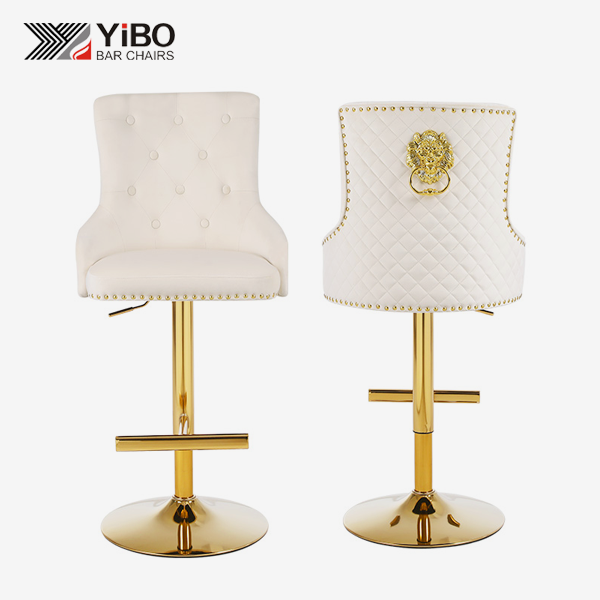
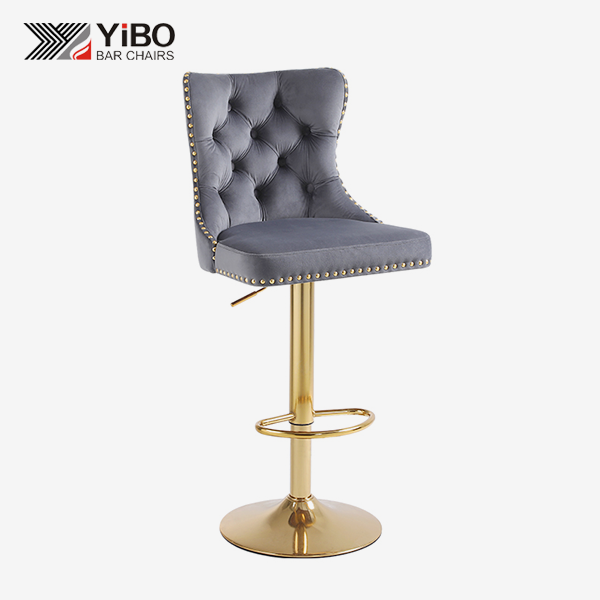
 (1)_1777442575043.jpg)
Velvet Dining Chairs Pros and Cons: An Honest, Practical Guide for Modern Homes
When picking cushioned velvet dining chair seating for dining areas, you need to think carefully about how it looks, how long it will last, and how well it will work. Thanks to its luxurious feel and rich look, velvet-covered dining chairs have become a popular choice for hotels, business dining rooms, and home projects. This guide looks at the practicalities of velvet upholstery, from the 295g fabric density to the engineering of the frames. It is meant to help procurement workers and project managers make choices based on facts. We'll talk about how much care is needed, how well it performs compared to leather alternatives, and things to think about when buying in bulk that have a direct effect on total ownership costs and customer happiness.
Understanding Velvet Dining Chairs: Features and Benefits
What Defines a Quality Velvet Dining Chair?
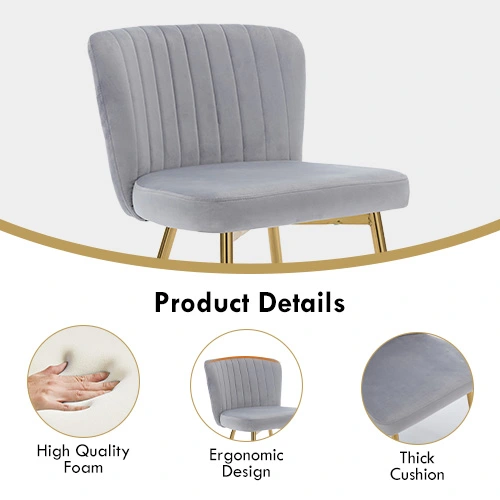
There are three important parts of a well-made velvet dining chair: the structural stability of the frame, the density of the foam padding, and the quality of the fabric. Modern performance velvet, which weighs 295g per square meter, is made of synthetic polyester microfibers that are stronger and better at keeping their pile direction than traditional silk-based materials. This design fills what we call the "hospitality durability gap," which means that seats needs to look high-end while also being able to handle daily business use.
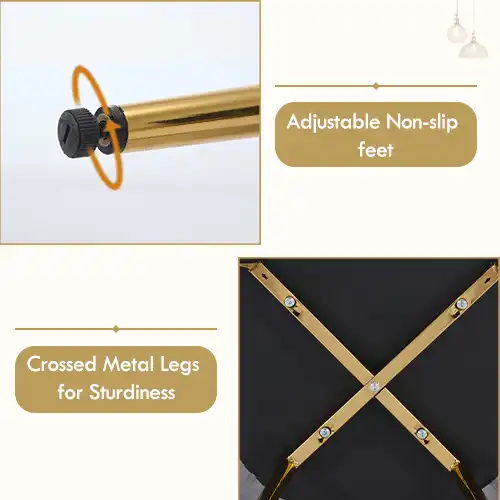
Most frame foundations are made of kiln-dried hardwood or steel tube, and each can handle a different amount of weight. When we make frames out of wood, our factory in Anji uses European beech and rubberwood, which don't bend in climate-controlled spaces. Metal frames, especially those with electroplated gold legs that are 28 mm in diameter, are more stable and evenly distribute weight when they come with adjustable floor spikes. This is an important feature for uneven floors that are popular in old buildings that have been turned into apartments or on outdoor patios.
Ergonomic Engineering and Comfort Metrics
There are measured factors that affect how comfortable restaurant sitting is. The 24-density foam padding we choose offers what ergonomists call "medium-firm support." It's soft enough to avoid pressure points during 60–90 minute meals, but firm enough to keep older guests from "sink-in," which makes standing harder for them. Based on studies of the hotel industry, this density number (in kilograms per cubic meter) is in the best range for use in dining areas.
The velvet pile makes tiny air spaces that keep the temperature even, which solves the "cold seat" problem that comes with winter leather or plastic seats. This ability to breathe also keeps you comfortable in hot areas or places with a lot of people. It also keeps moisture from building up after long periods of use. This moisture-wicking property keeps guests from getting uncomfortable in places with outdoor eating areas that use synthetic fabrics that don't breathe.
Acoustic and Spatial Advantages
The hard surfaces in modern open-plan eating rooms, like polished concrete, glass walls, and uncovered ceilings, make it hard for sound to travel. The thick plush pile acts as a passive sound absorber, cutting down on reverberation by about 15 to 20 percent compared to hard sitting surfaces. This soundproofing is especially useful in business eating areas where privacy is important for conversations or in high-end restaurants where background noise directly affects how good the service is seen to be.
Because velvet has a lot of weight to it, designers can use basic frame shapes to keep its presence. A thin metal leg with gold electroplating is only 28 mm in diameter, but it looks big when paired with dark fabrics like charcoal, green, or blue. This efficient design has real-world benefits: lighter chairs are easier for cleaning staff to move around on the floor, and their small size makes them easier to store when places need to rearrange rooms for private events.
Velvet Dining Chair vs Leather Dining Chair: A Comparative Analysis
Material Performance and Maintenance Reality
When choosing between a velvet dining chair and leather dining chair, you're basically trading the ability to clean quickly for the ability to keep the look over time. Leather is easy to clean, which is very helpful in casual restaurants with a lot of customers coming and going. But good leather gets a sheen and surface cracks after 18 to 24 months of business use, especially in places where the weather changes often. Performance velvet, on the other hand, needs to be professionally steam cleaned every six to eight months. If it is cared for properly, it will keep its color and pile structure for four to five years.
Stain resistance technologies have made the care gap a lot smaller. Modern velvet treatments keep water-based spills from soaking in for 30 to 45 seconds, which is enough time for service staff to react. Both leather and velvet can get oil-based stains, but leather's covered surface makes it easier to treat spots than velvet can. The higher yearly upkeep costs for velvet in food service settings should be planned for by purchasing managers. However, velvet's better resistance to fading in UV light near windows will make up for this.
Comfort Variables Across Use Cases
Different materials have very different thermal comfort levels. Leather quickly loses heat, so it feels cold at first touch and could get sticky in warm weather, which is something that guests often complain about in hospitality feedback. Analysts in the food business say that velvet's neutral temperature and natural ability to breathe lead to measured increases in the amount of time that guests stay in a space. In full-service restaurants, longer sitting times are linked to higher income per table.
In subtle ways, the physical experience changes how people think about a brand. Velvet sends a message of friendliness and comfort, which is why it's best for casual high-end settings or business cafeterias that want to make the workplace less formal. Leather gives off an air of traditional wealth and seriousness, making it a better choice for private clubs, professional dining rooms, and steakhouses. Figuring out these psychological links helps furniture choices fit in with larger strategies for presenting a brand.
Total Cost Analysis for Bulk Procurement
At first glance, leather costs 25–40% more than similar-quality materials, but this difference gets smaller when you buy high-quality performance velvets. The most important estimate is figuring out how long something will last with a certain amount of use. If the frames last the same amount of time, a hotel diner that serves 200 people every day will need to change the leather seating every 24 to 30 months and the velvet seating every 36 to 48 months.
Style obsolescence should be taken into account along with physical wear when planning a replacement cycle. The classic look and limited color range of leather make it age well, while the trendy tones of velvet may need to be replaced sooner to keep their modern appeal. Contract makers, like ours, offer reupholstery services that can add another 3–4 years to the life of the frame. This is a green choice that is especially useful for seats with custom frame dimensions or finishes that are hard to get again.
Key Considerations When Choosing Velvet Dining Chairs for B2B Procurement
Defining Project-Specific Requirements
Successful bulk buying begins with an analysis of the surroundings. A corporate cafeteria that serves 500 workers every day needs different equipment than a restaurant at a small hotel that serves 60 guests every night. Fabric weight, foam density, and frame support needs are all based on how much the velvet dining chairs will be used. We suggest at least 295g velvet for any business use, and 320g for situations with very high usage. For modest use, the 24-density foam we recommend is fine. For 24-hour activities or healthcare facilities, you should go up to the 28-density foam.
Customization features have a big effect on the success of a project for hospitality groups or retail chains that need to keep their brand consistent across multiple sites. Our OEM services can change the seat height (42 to 48 cm), the chair rake angle (95 to 105 degrees), and the size of the product while keeping the structure strong. To support dye lot production, color matching to corporate palettes usually needs at least 300 units. However, our normal range of blue, emerald, blush, and charcoal covers about 70% of design briefs we get.
Frame Material Selection Strategy
When choosing between a wood or metal frame for a velvet dining chair, you have to weigh your personal preferences against the needs of the project. Solid wood frames give off a warm vibe, and velvet's smooth texture goes well with both classic and modern styles. The kiln-dried beech we use is great for keeping screws in place, which is important for joint security when chairs are moved or stacked every day. Wood's limitation shows up in places with a lot of humidity, like restaurants on the coast or tropical regions, where yearly growth can cause joints to become loose.
Metal frames, especially our 28mm electroplated gold tube structure, are very stable and can hold a lot of weight. The 150kg load grade means that all users will be able to use it easily, and the adjustable floor spikes will keep it from wobbling on uneven surfaces. Gold electroplating is better at resisting rust than painted finishes, and the finish will look good after thousands of rounds of cleaning the floor. The modern look goes well with modern rooms, but it might not go with country or traditional designs. This makes it less flexible than wood's neutral look.
Color Strategy for Commercial Longevity
The choice of color isn't just about how it looks; it's also about how it works. Darker colors like blue, charcoal, and forest green hide small spots and wear patterns, making it seem like less upkeep is needed between deep cleaning cycles. Light colors, like blush or cream, make things look airy and high-end, but they get dirty quickly, so they're best used in low-traffic areas like fine eating or homes. In side-by-side hospitality tests, our plant data shows that darker colors stay looking "like-new" 40% longer.
Pattern mixing, like using striped or geometric shapes, makes things look more interesting while also hiding wear in a smart way. Patterned velvet's clashing colors make it harder for the eye to notice small pile crushing or color changes, which makes the fabric look better for longer. This method works especially well for rental companies or event sites where chairs are moved around a lot and the lighting changes all the time. Custom design development needs at least 500 units, but it gives you options that you can't get with solid-color choices.
Market Insights: Top Velvet Dining Chair Brands and Purchasing Channels
Quality Benchmarks in the Global Market
There are clear divisions in the business seating market between high-end European brands, mid-range foreign brands, and value-focused Asian brands. European makers are great at custom work and unusual pairings of materials, but their prices are too high for bulk purchases. Their lead times—often 12 to 16 weeks—make it hard to schedule projects around openings or renovations.
The best place for professional buying of velvet dining chairs is with mid-tier manufacturers, such as well-known Chinese sellers with international quality certifications. Our plant uses ISO 9001 quality systems and makes more than 40 container loads every month, which shows that we have the scale needed for reliable service. This production capability is very important for projects that need 200 to 500 units and have limited time to put them. Through smart warehousing partnerships, we've helped hotel chains roll out new products that needed to be delivered at the same time to eight places across North America.
Navigating Procurement Channels Effectively
When buying in bulk, the best deal is to deal directly with the maker. When compared to retail outlets, getting rid of distributor fees usually saves 25–35% while making customization impossible with stock goods possible. Our 14 years of experience making seating gives us the technical knowledge to help with developing specifications. For example, we can give you advice on the best foam density for different types of use, the best cloth for different climates, and how to strengthen the frame for larger sizes.
Trade shows are still a good way to look at products and meet new people. We usually show our products at the Canton Fair and the Guangzhou Furniture Fair. We also plan to attend the High Point Market and the Cologne International Furniture Fair. These places make it easy for buyers to check the quality of the build, see how well it fits their body, and quickly compare choices from different sellers. The time and money spent on travel pays off in the form of accurate specifications and lower sample costs.
Online business-to-business (B2B) tools help with research and screening, but they need to be checked out carefully. The listed providers have very different manufacturing skills, quality certifications, and selling experience. Our 6,000-square-meter plant and export paperwork team set us apart from trading companies that pretend to be manufacturers, which is a typical problem in cross-border purchasing. Video walks of the plant and inspection reports from a third party can be used to make sure of something before a big deposit is made.
Custom Production Value Proposition
Standard product lines for velvet dining chair work well for about 60% of business projects, while customization is very helpful for the other 40%. A lot of the time, hospitality groups need specific seat heights to match existing tables or frame styles that match steel used in buildings. Our ten-person research and development team can make unique solutions from pictures or plans. Within 15 business days, prototypes are made for approval before full production begins.
The minimum order quantity for custom work depends on how complicated the change is. Simple changes, like matching the color of the fabric or changing the finish on the legs, need 100 units at least. For structural changes like adjusting the height of the seat or changing the shape of the frame, 300-unit orders are needed to cover the cost of the tools. These standards are much lower than those used by high-end European makers (often 1,000 or more units), but we still use strict engineering methods in our quality control procedures, such as load testing to 150 kg and joint stress analysis.
Pros and Cons Summary: Is a Velvet Dining Chair the Right Choice?
Compelling Advantages for Specific Applications
Even though it needs to be cleaned more often, velvet furniture has unique benefits that make it worth the money. The material gives the idea of luxury right away, which is great for boutique hotels, high-end restaurants, or executive dining rooms at work, where first impressions have a direct effect on customer lifetime value. This aesthetic bonus lets place owners charge higher prices or attract groups of customers who are willing to pay more for a better atmosphere.
When used for long periods of time, comfort measures strongly favor velvet dining chairs. The breathable pile and medium-firm cushioning keep people from getting tired during business meals, party dinners, or professional events that last 90 minutes or more. According to studies in the hotel industry that links seating quality with general happiness numbers, this comfort leads to good reviews and repeat business.
Another useful benefit is that designs can be changed easily. Our normal color range includes navy, emerald, blush, and charcoal. The wide range of colors goes with a wide range of design styles, from modern minimalism to maximalist eclecticism. This mobility is important for designers who are working on multiple projects at once or for owners who want to change the look of their furniture from time to time without having to buy all new furniture.
Honest Limitations and Mitigation Strategies
Velvet's biggest practical problem is how much maintenance it needs. Professional steam cleaning every six to eight months adds up to extra costs and downtime. This level of care might not work for casual eating places with a lot of customers, so leather or commercial-grade synthetic options might be a better choice. When operators compare the prices of new machines, they should add up all the costs of repairs over the expected four to five years of use.
Stain vulnerability needs staff reaction procedures right away. Modern performance velvets can temporarily hide water-based spills, but if you wait to clean them, the marks will stay there. A lot of this risk can be reduced by teaching service staff how to blot right away and making sure they have access to the right cleaning products. Venues that serve a lot of wine or have meals that are geared toward kids should carefully think about whether their working culture supports the maintenance discipline that is needed.
How long something lasts under difficult conditions depends on how well it was built. If the cloth weight is too low (below 280g) or the foam density is too low (below 22), low-grade velvet will start to wear out early within 18 months in business settings, with crushing, pilling, and color loss. This difference in quality makes choosing a provider very important. Based on a lot of tests in the hospitality field, our factory's 295g velvet specification and 24-density foam standard meet the longevity needs of business applications.
Conclusion
When specs match practical needs, velvet dining chairs offer measured benefits in comfort, looks, and sound absorption. The material works especially well in high-end, moderately trafficked areas where the perception of luxury supports a small amount of extra upkeep. To be successful at procurement, you need to match the fabric weight, foam density, and frame construction to the level of use, and you also need to set up care procedures that keep the furniture looking good for 4-5 years. Direct connections with manufacturers that allow customization, ensure quality stability across big orders, and provide technical advice during standard development are very helpful for bulk buyers.
FAQ
How long do velvet dining chairs typically last in commercial settings?
If you take good care of your quality velvet dining chairs with a fabric weight of 295g and proper construction, they should last for 4 to 5 years in moderately trafficked business settings. Places with a lot of foot activity might see 3–4 year lifespans, which is still comparable to leather options. Lifespan varies a lot on how often it is maintained—units that are professionally steam cleaned every 6 to 8 months look much better for a lot longer than ones that aren't. Frames usually last longer than fabric; reupholstering after 4 years brings the total service life to 7-8 years for good build.
Can velvet dining chairs be used outdoors?
Performance velvet can be used in closed outdoor areas that are protected from rain and UV light for a long time. Unprotected outdoor use wears down cloth quickly through sun fading and absorbing water, usually within 6 to 12 months. Velvet works well for places with movable curtains or seasonal patios, as long as the chairs are moved inside when the weather is bad. Marine-grade treatments make fabrics last a little longer outside, but they aren't as good as fabrics that are made to be outside for fixed installs.
What makes bulk ordering from manufacturers advantageous?
By cutting out distributor margins, direct producer relationships cut costs by 25 to 35 percent, and they make it possible to customize specifications that aren't possible through retail outlets. Bulk production makes sure that the quality and color of the whole order are the same, which is very important for hotel groups that need all of their sites to look the same. Companies that make things offer technical advice on the best standards for different types of use and keep up production so that big orders can be delivered on time for projects.
Partner with YIBO for Your Velvet Dining Chair Procurement Needs
Anji Yibo Furniture Co., Ltd. has been making specialized seating for 14 years and can help you with your business furniture tasks. Our 6,000-square-meter factory makes velvet dining chairs designed for use in hotels, businesses, and stores. These chairs are made with 295g performance velvet, 24-density foam padding, and strengthened frame construction. As a direct producer of velvet dining chairs, we don't have to pay markups to distributors. We also offer full OEM and ODM customization, from matching colors to changing sizes, with 100-unit minimums and 15-day prototype development. Our export team sends more than 40 crates to markets in North America and Europe every month, so you can be sure that your project will be delivered on time. You can talk to our procurement experts at yb@ajyibo.com about your unique needs, ask for samples, or set up a video tour of the plant. Within 24 hours, we give you full specs, paperwork for load testing, and a landed cost breakdown.
References
"Commercial Upholstery Fabrics: Performance Standards and Selection Criteria," Hospitality Design Magazine, 2023
"Ergonomic Seating Design for Extended Dining Service," Journal of Hospitality Furniture Engineering, 2022
"Acoustic Management in Modern Restaurant Design," Architectural Digest Professional, 2023
"Total Cost of Ownership Analysis for Commercial Seating," Foodservice Equipment & Supplies, 2022
"Textile Durability Testing in High-Traffic Hospitality Environments," International Furniture Research Institute, 2023
"Procurement Best Practices for Hospitality Furniture Programs," Hotel Management International, 2022