

 (1)_1777442575043.jpg)
What Are Backless Counter Stools? A Complete Style Guide
When it comes to sitting, backless counter stools are a simple option that stand out because they don't have lumbar support. They're designed to fit normal counter heights starting at 36 inches. These fixtures have changed over time from simple practical pieces to complex architectural elements that help with both making the best use of space and coordinating the look of business settings. Their slim profiles let them fully tuck under counter overhangs, protecting sightlines while making the most of usable floor space—an important thing to think about in places like hotels, shops, and corporate cafeterias where every square foot counts for efficiency and the comfort of guests.
Understanding Backless Counter Stools: Features and Benefits
The main idea behind these sitting options is to save space and make them flexible for different uses. Traditional chairs with vertical backrests need more space when they're kept, but backless counter stools take up very little space when they're not in use, so they can fit more people without looking crowded.
Space Efficiency in High-Traffic Environments
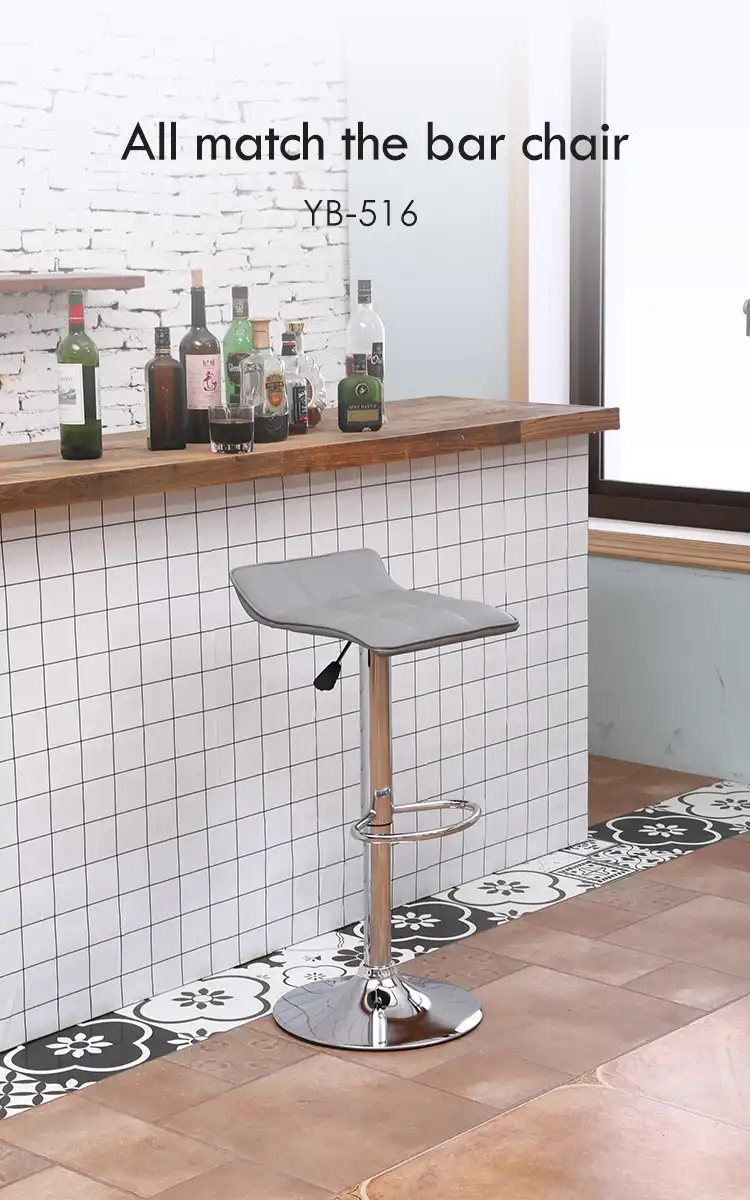
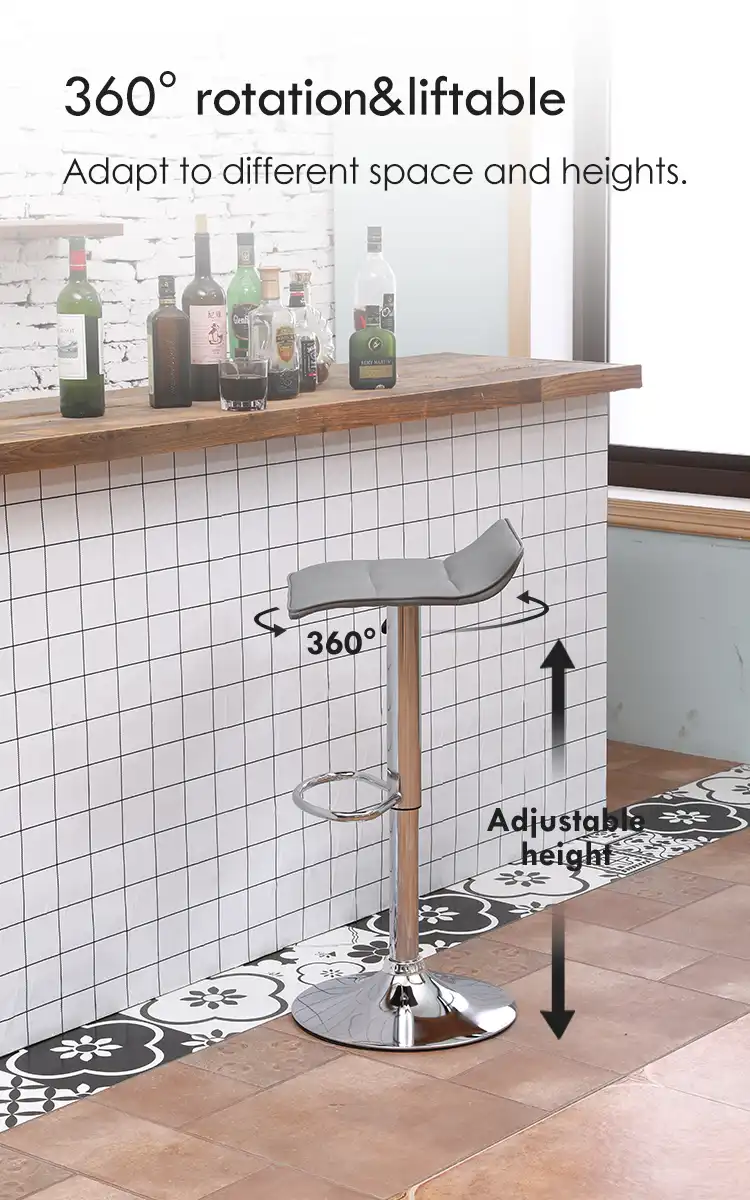
The small size of the design is very helpful in business settings. When restaurants don't have a lot of space, they can put several units along narrow tables without blocking service paths. The 360-degree mobility lets people mount from any angle, which makes it easier to get around during busy times. Hotels that use breakfast bars like how these backless counter stools can be hidden under the counters when the bar isn't being used, turning the space into a useful desk.
Maintenance Advantages for Commercial Operations
Without backs, cleaning instructions are a lot easier to follow. The cleaning staff can quickly wipe down all surfaces without having to go around supports or padded panels. This simplified care means less work for less time and longer product life, which is especially helpful in places that need to clean several times a day.
Ergonomic Considerations for Short-Duration Seating
Even though they don't have lumbar support, good models have shaped seats padded with thick, dense foam that evenly distributes pressure across the ischial tuberosities. According to medical study, sitting on backless counter stools promotes active posture, in which core muscles naturally keep the spine straight. This design works well in places where people sit and stand sometimes, like coffee shops, quick-service restaurants, or joint workplaces that encourage moving back and forth between sitting and standing.
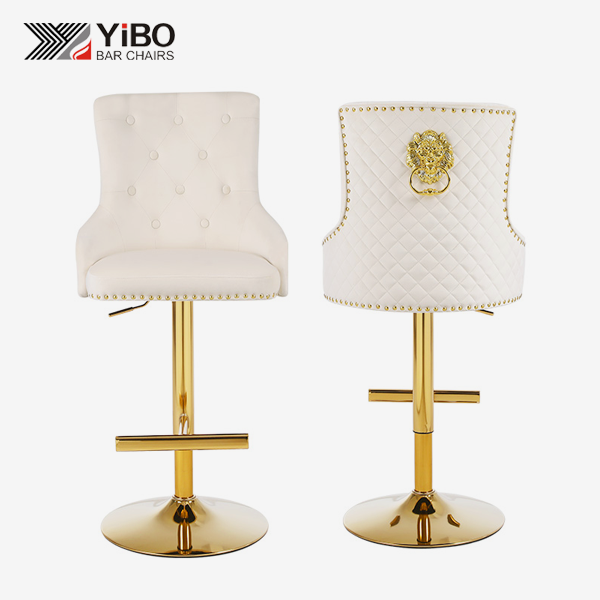
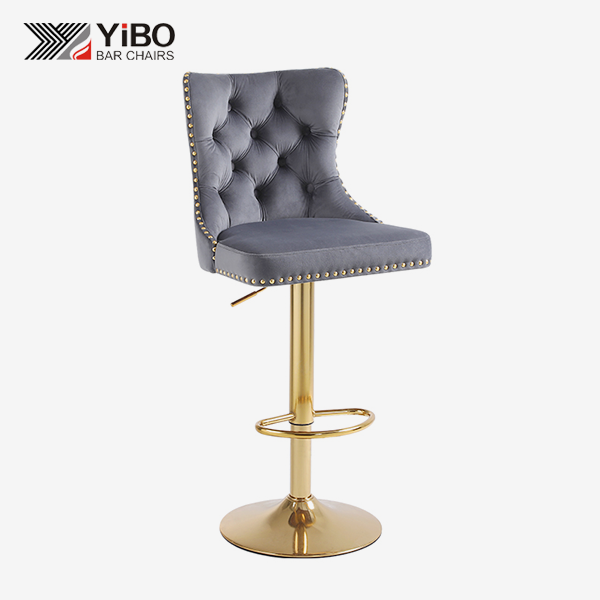
The change from simple workshop stools to high-style office furniture is a reflection of what the market wants in general. Modern makers add decorative elements like brushed metal finishes, leather upholstery, and wood grain details. This lets procurement teams match seating choices to brand identity without losing functionality.
How to Choose the Right Backless Counter Stools for Your Business?
For strategic buying to work, it needs more than just a quick look at what's available. When purchasing backless counter stools for the hospitality, retail, or business sectors, procurement experts have to weigh immediate budgetary limits against the total cost of ownership, taking into account things like durability, upkeep needs, and the ability to respond to changing space configurations.
Criteria-Driven Selection Framework
The first evaluation should include a list of practical objectives with numbers. High-turnover sites put an emphasis on stackability so that they can be quickly set up for private events. Boutique hotels stress that their designs should go well with the colors already used inside. In order to keep everyone safe, corporate cafeterias need to be able to hold a lot of weight. By writing down these factors, you can use them as objective standards to compare suppliers.
Material Composition and Durability Metrics
The way a frame is built has a big effect on how long it lasts under business stress. Heavy-gauge tube steel (16-gauge minimum) can handle being hit and re-weighed many times in harsh conditions. Metal frames with powder-coated finishes don't break down when cleaned with harsh chemicals, so they keep their good looks even when strict hygiene rules are followed. Alternatives made of wood can keep you warm and block out noise, but they need to be maintained more often and in places with controlled humidity to keep them from breaking.
Different seat materials have different pros and cons. Molded plywood has a great strength-to-weight ratio, which makes it easy for staff to move things around. Upholstered backless counter stools made of commercial-grade vinyl are more comfortable for long periods of time, but the materials on the surface need to be replaced every so often. Leather alternatives are both aesthetically pleasing and easy to clean, but buying teams must make sure that the abrasion resistance scores are higher than 100,000 double rubs, which is what ASTM standards require.
Height Compatibility and User Experience
Standard backless counter stools have a seat that is 24 to 26 inches from the floor. They should be paired with 36-inch counters so that there is 10 to 12 inches of space between the seat and the bottom. Incorrect height specs are bad for ergonomics because too much space forces people to raise their arms in an awkward way while they eat, and not enough space jams people's legs against the edge of the table. Before finishing orders, purchasing managers should check the heights of the counters in person, taking into account any decorative edge treatments that make clearing less useful.
Adjustable-height systems are helpful in work places that serve a wide range of people. People can customize pneumatic lifts to their own tastes, but these parts add technical complexity that needs to be maintained on a regular basis. Fixed-height types get rid of failure points, making them reliable in places where seats are all in the same place.
Real-World Application Scenarios
A small hotel chain that was updating its main bar chose backless counter stools with swivel seats and brushed brass footrests to match the art deco style of the rooms and make the bar more comfortable for guests while they were checking in. A corporate campus restaurant chose stackable plastic models so that services teams could fit 200 of them into a small space for storage during every three months' worth of all-hands meetings. These case studies show that working context determines the best specs, which go beyond simple product descriptions.
Practical Guidelines on Dimensions, Ergonomics, and Maintenance
Paying attention to dimensional requirements, ergonomic principles, and material-specific care routines for backless counter stools is important for getting the most pleasure and service life out of a product. The total cost of operation and user happiness are directly affected by these technical factors.
Dimensional Standards and Measurement Protocols
Conventions in the industry say that a 24-inch seat height works best with 36-inch tables, but body types vary. People who are taller might like 26-inch seats, while people who are shorter might like 23-inch backless counter stools. Seat depth usually falls between 14 and 16 inches, which is the right amount of depth for good leg support and easy climbing. When placed 7 to 9 inches below the seat level, footrests relieve pressure on the popliteal arteries, which keeps blood flow from being slowed down during long periods of sitting. Before finalizing big orders, procurement experts should ask for specific dimensional drawings to confirm these measures.
Ergonomic Design Elements Beyond Backrest Absence
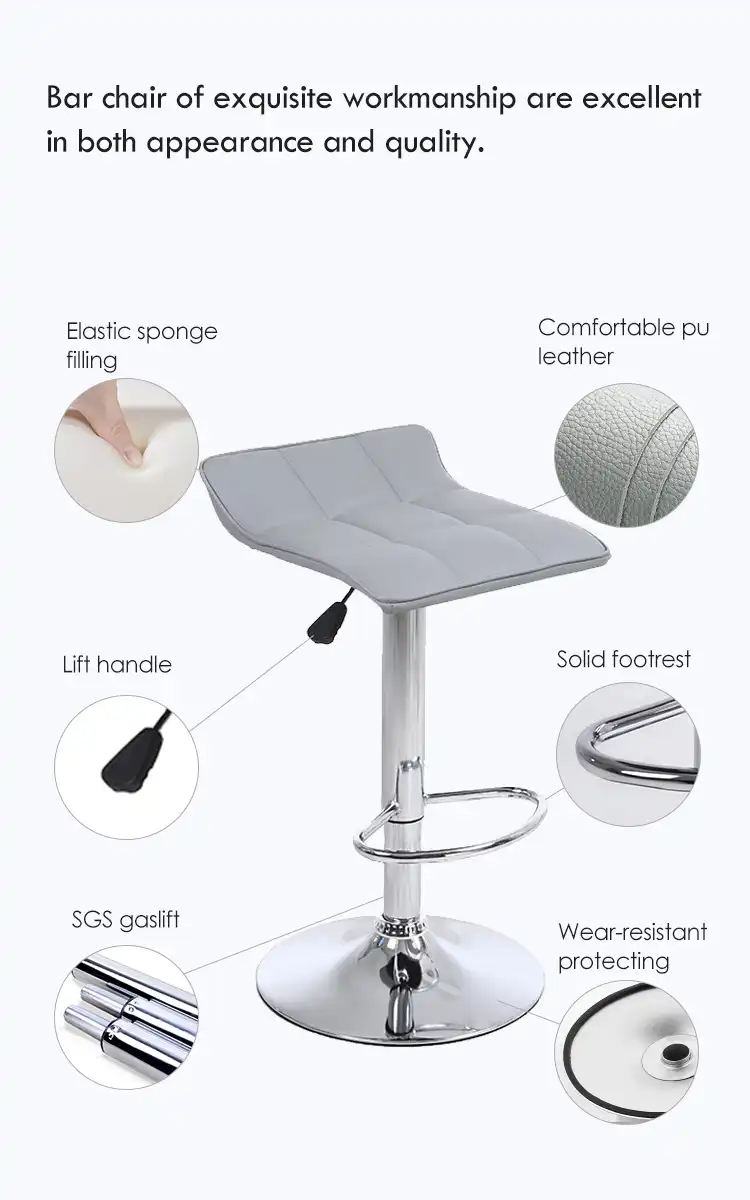
Seat shape has a big effect on how comfortable it is to sit without a back. The soft rounding of the front edge keeps the back of the legs from feeling sharply pressed, and the center depression naturally supports the body. Swivel mechanisms make it easy to change positions without awkwardly twisting your hips. This is especially helpful at corner table installations where people use them in more than one way. Our factory uses bearings that can rotate in all 360 degrees. These bearings have been tested and proven to work smoothly for more than 50,000 rounds. Footrests do two things: they support the structure of the backless counter stools so that legs don't spread out, and they support your lower back so that you don't hurt it. Ring-style footrests let you put your legs in different places, and H-brace setups let you choose the direction of your support.
Material-Specific Maintenance Protocols
Metal frames don't need much maintenance other than checking the weld spots and protective finish quality every so often. Putting furniture wax on powder-coated surfaces every three months makes the finish last longer by blocking moisture. Wooden parts need to be kept an eye on in order to avoid cycles of expansion and contraction that damage the joints. Putting lubricating oil on raw wood once a year keeps the moisture balance. Upholstered backless counter stools should be vacuumed once a month to get rid of trapped particles that speed up the fabric's breakdown. For deep cleaning, commercial plastic surfaces can handle mild bleach solutions, but real leather needs pH-neutral cleaners to stay soft.
When we create our goods at Anji Yibo Furniture Co., Ltd., we make sure that they are easy to maintain. The leather seats are treated to prevent stains, making them easier to clean every day, and the metal frames are strong enough to survive strict business sanitation standards. The initial setup time is cut down by how easy it is to put together, and the 360-degree swivel system has self-lubricating bearings that don't need any upkeep. For setups with more than one unit, bulk repair plans should set up regular procedures that are followed across the whole inventory. A central collection of extra parts, such as new seats, swivel mechanisms, and footrest caps, makes it possible to fix things quickly, reducing downtime. Schedules for preventive inspections find wear patterns before they lead to major breakdowns, which greatly increases the lifespan of the fleet.
Where and How to Purchase Backless Counter Stools for B2B Procurement
To find your way around bulk buying channels for backless counter stools, you need to know how markets work, what suppliers can do, and how to get the best deals. Professional buyers who work in the retail, corporate, and leisure industries have to find a balance between low prices and quality control and the dependability of the supply chain.
Bulk Ordering Advantages and Volume Considerations
When you buy by the container, you can get big savings of scale. Full container loads (FCL) get rid of the per-unit handling fees that come with less-than-container-load (LCL) shipping, which makes landing costs a lot lower. Our normal way of packaging puts two units in a carton, and each carton can hold between 800 and 1,000 backless counter stools, based on the model. To get the most out of these savings, procurement teams that are planning building growth or rollouts across the whole chain should combine orders. When you commit to a certain amount of goods, you can get better deals on customization requests like custom colors, brand embossing, or changes to the size of the product. Often, these can be made without charging extra for the tools if you order enough.
Customization Capabilities and OEM/ODM Services
Well-known companies have their own design teams that can take rough ideas and turn them into production-ready specs. We have 14 years of experience making seats, which means that we can fully customize the materials, sizes, styles, and branding elements. Retailers can offer private-label collections through OEM partnerships without having to spend a lot of money on production equipment. Collaboration with an ODM is good for companies that need specific performance but don't have the technical design tools to make it happen. Our engineers turn functional goals into optimized product architecture.
Customizing colors goes beyond standard color schemes. We keep in touch with high-end cloth mills and leather tanneries, which lets us specify custom colors that are in line with brand standards. Different types of metal treatments are available, such as electroplated chrome, brushed brass, and old copper patinas. Our production plant is set up to handle non-standard specs without minimum order penalties for acceptable volumes, and we can make changes to the sizes to fit different counter heights or limited space.
Supplier Evaluation and Quality Assurance
Reputable makers show that their products meet international safety standards, especially ANSI/BIFMA X5.1, which controls the performance of business chair structures. With this approval, you can be sure that the goods can handle 300 pounds of static force and dynamic impact testing that mimics real-life use. Procurement managers should ask for test records and building audit reports that show these standards were met. Warranty terms show how confident the maker is in the product's longevity. We offer full support for essential parts, and our experienced sales team responds to questions within 24 hours to take care of problems right away.
Transparency in the supply line makes risk control possible. When manufacturers run their own factories instead of outsourcing production, they can keep a closer eye on quality and plan for more regular lead times. Our 6,000-square-meter plant in Anji, Zhejiang, is known as China's chair manufacturing hub, and it has everything needed to make a chair, from making the metal to putting it all together. This vertical integration gets rid of the planning delays that come with supply chains with more than one provider. Export knowledge is very important for buying things from other countries. Every month, we send containers to 70 different countries, and we stay up to date on the latest customs rules, paperwork requirements, and logistics efficiency across all of these markets. Freight costs are cut while goods arrive undamaged thanks to space-saving package design. Our carton specs make the best use of cubes without sacrificing protection.
Conclusion
To choose the right backless counter stools, you need to carefully consider your operating needs, available space, stylistic preferences, and the total cost of ownership. These fixtures are flexible enough to be used in hospitality, retail, and business settings. They save room, are easy to maintain, and let you choose how they are designed. A good procurement process balances short-term budgetary needs with long-term performance, giving more weight to sellers that can show they are good at manufacturing, accommodating customization, and keeping the supply chain running smoothly. Professional sellers should only work with makers that have a history of doing good work, clear quality control procedures, and helpful customer service systems that keep relationships going after the initial transaction.
FAQ
How do I determine the correct seat height for my counter?
To find the right seat height, measure from the floor to the bottom of the bar and then take 10 to 12 inches off. Backless counter stools that are 24 to 26 inches wide go with standard 36-inch tables, while 30-inch bar-height stools go with 42-inch bar tops. Adjustable prototypes are used to make physical mockups to test comfort before finishing specs.
What weight capacity should commercial stools support?
Commercial-grade uses need at least 300 to 350 pounds of weight capacity to safely handle a wide range of users and lower the risk of harm. Our goods are designed to hold up to 300 pounds, which has been proven by strict testing methods that go above and beyond what the industry requires.
Can backless stools accommodate extended sitting durations?
These backless counter stools allow for comfortable sitting for up to 90 minutes at a time. Our foam padding and shaped seats make them more comfortable, but places where people have to sit for long periods of time might want to look at practical options with back support.
Partner with YIBO for Premium Backless Counter Stools
Anji Yibo Furniture Co., Ltd. is a committed manufacturer of backless counter stools with 14 years of experience helping foreign buyers find the right products. Our state-of-the-art production center combines high-quality craftsmanship with flexible manufacturing capability, so it can handle orders at the container level as well as custom OEM/ODM solutions. It's easy to set up, can turn 360 degrees, has luxury foam padding, and leather covers that can be cleaned. Each unit comes with a full quality guarantee. We want importers, wholesalers, and business builders to try out our competitive benefits, which include quick contact 24 hours a day, packaging that takes up little room, and durability that comes with a guarantee. You can email our team at yb@ajyibo.com to talk about your specific needs, get bulk pricing information, or set up tours of our building that show how committed we are to manufacturing excellence and long-term relationship success.
References
- American National Standards Institute. (2021). ANSI/BIFMA X5.1: Desk and Table Products Testing Standards for Safety and Performance. Business and Institutional Furniture Manufacturers Association.
- Chen, H., & Roberts, M. (2020). Ergonomic Considerations in Commercial Seating Design: Impact on User Comfort and Productivity. Journal of Furniture Design and Manufacturing, 15(3), 112-128.
- Global Furniture Alliance. (2022). International Procurement Guidelines for Hospitality Furniture: Quality Assurance and Supply Chain Management. London: GFA Publishing.
- Morrison, K. (2019). Material Science in Modern Furniture Manufacturing: Durability Testing and Performance Metrics. Furniture Today Industry Research, 8(2), 45-67.
- Thompson, L., & Wu, J. (2023). Space Optimization Strategies in Commercial Interior Design: Seating Solutions for High-Traffic Environments. International Journal of Hospitality Management, 28(1), 89-104.
- Williams, R. (2021). The Evolution of Counter Seating: From Utilitarian Function to Design Statement. Furniture History Society Annual, 42, 156-173.