

 (1)_1777442575043.jpg)
What You Need To Know Before Buying A Bar Stool?
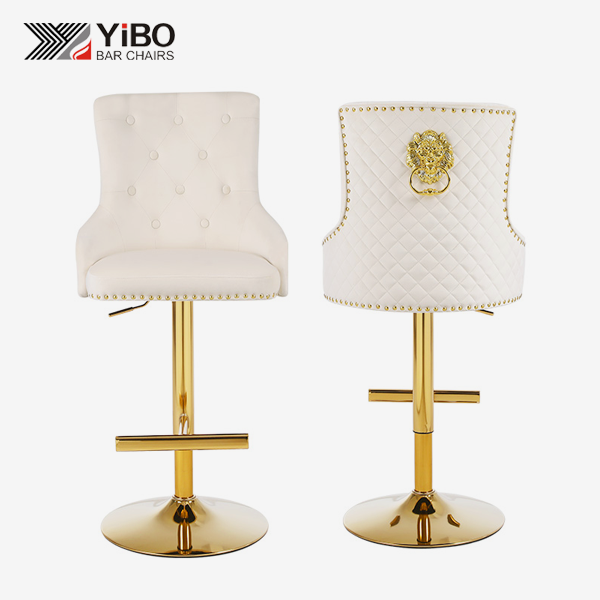
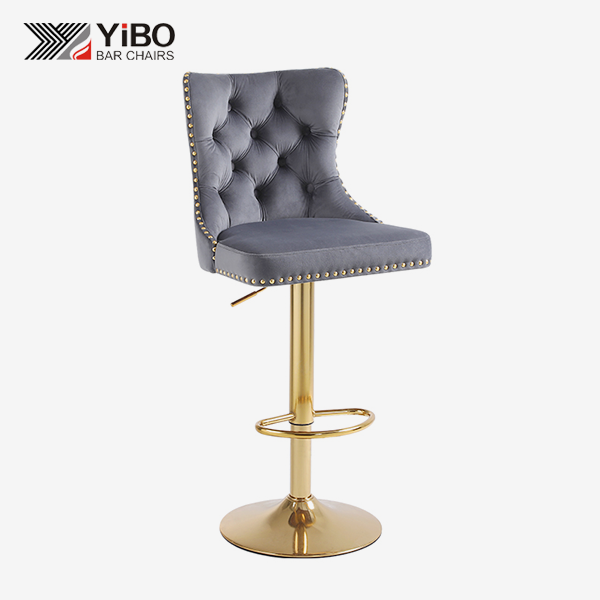
When you're thinking about buying barstools for a business project, it's important to know about the features of the materials, the quality of the building, and the supplier's abilities. A grey velvet bar chair is a great example of this balance because it has both good looks and strength, with its 280g velvet padding and black painted iron feet. This buying guide talks about important things that business-to-business buyers need to think about when they're looking for bar stools for restaurants, break rooms, or stores. It will help you make sure that your purchase meets operational needs and style goals while also giving you the most long-term value.
Understanding Grey Velvet Bar Chairs - Key Insights for B2B Buyers
What Defines a Quality Grey Velvet Bar Chair
Grey velvet bar chairs are a sophisticated mix of high-end cloth design and commercial-grade furniture tech. Polyester-based velvet with a weight of 280g per square meter is usually used to make the material. This gives it enough opacity and pile density for high-traffic areas. When it comes to durability, this fabric weight is perfect for business settings. It still has the soft feel that velvet textures are known for. The neutral grey color has functional benefits as well as aesthetic ones. This mid-tone palette hides minor dirt and lint buildup better than stark white or black options, so there is less noticeable wear between maintenance rounds.
The base of the building is just as important. The black-painted iron feet are stable because they are welded together. The metal gauge specs say that the walls should be between 1.2mm and 1.5mm thick so they can hold up to 150kg. This mix of high-end textiles and long-lasting metal makes sitting options that can handle daily business use while still giving off an air of sophistication. The powder-coated finish on metal parts keeps them from rusting and keeps their good looks even in places where the temperature changes.
Velvet Fabric Benefits for Commercial Applications
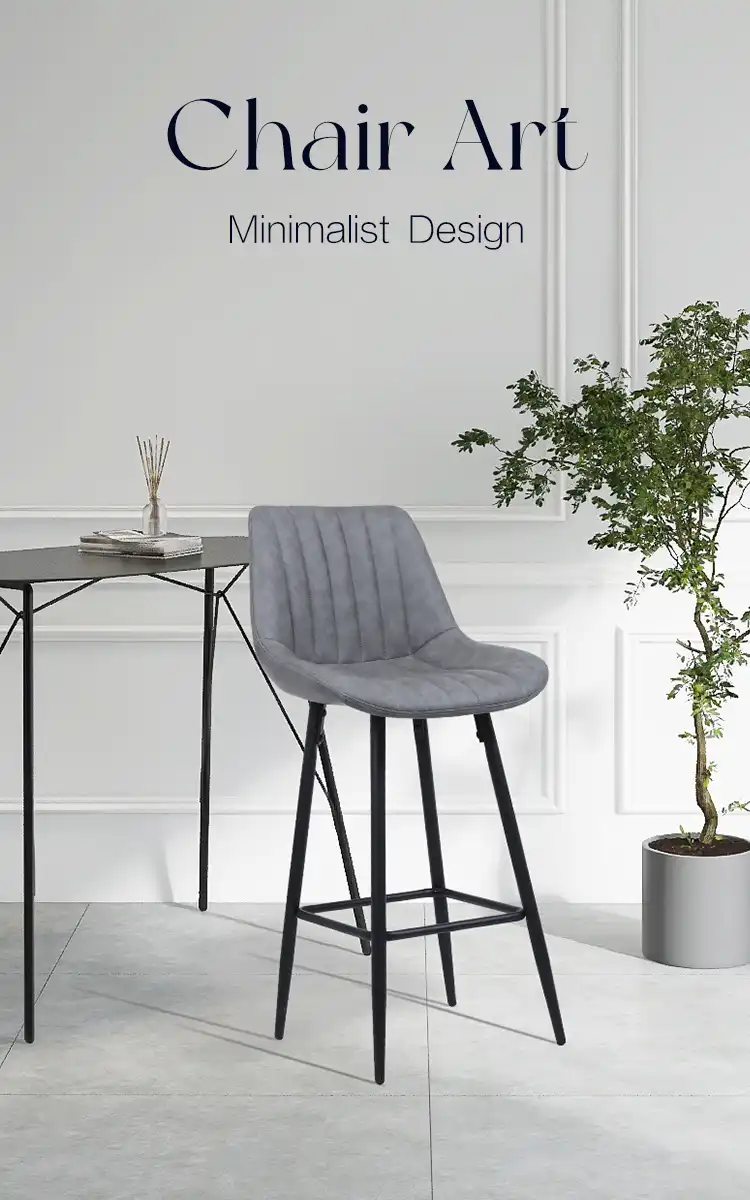
In business settings, velvet furniture has real benefits for how things work. The cut-pile design makes a dense surface that keeps the temperature even, which is good for people who have to sit for long amounts of time. This fabric structure also contributes to acoustic dampening—the textile fibers absorb sound frequencies that would otherwise reverberate in spaces with hard surfaces like tile flooring or marble countertops. This feature lowers background noise, which is especially helpful in busy bar areas and other places that serve food and drinks.
Modern velvets are made with synthetic threads that get around the problems that real silk velvet had in the past. If you fix polyester and nylon mixes, they become hydrophobic. This means that surfaces won't soak up liquids right away after they happen. With this improvement, velvet goes from being a delicate high-end material to a good choice for business furniture. The fabric has a high lightfastness grade, usually Grade 4 or higher, so the colors don't fade when exposed to UV light. This means that the fabric looks the same near windows or under industrial lighting systems.
Construction Considerations: Metal Versus Wood Frames
The choice of frame material has a big effect on both how long it lasts and how much care it needs. Metal frames made of black-painted iron are more durable in places with a lot of foot traffic. The parts that are welded together don't come loose like mechanical fixings can, so the structure stays strong even after thousands of uses. Metal frames don't warp when the temperature changes, so they can be used in both climate-controlled and changeable settings.
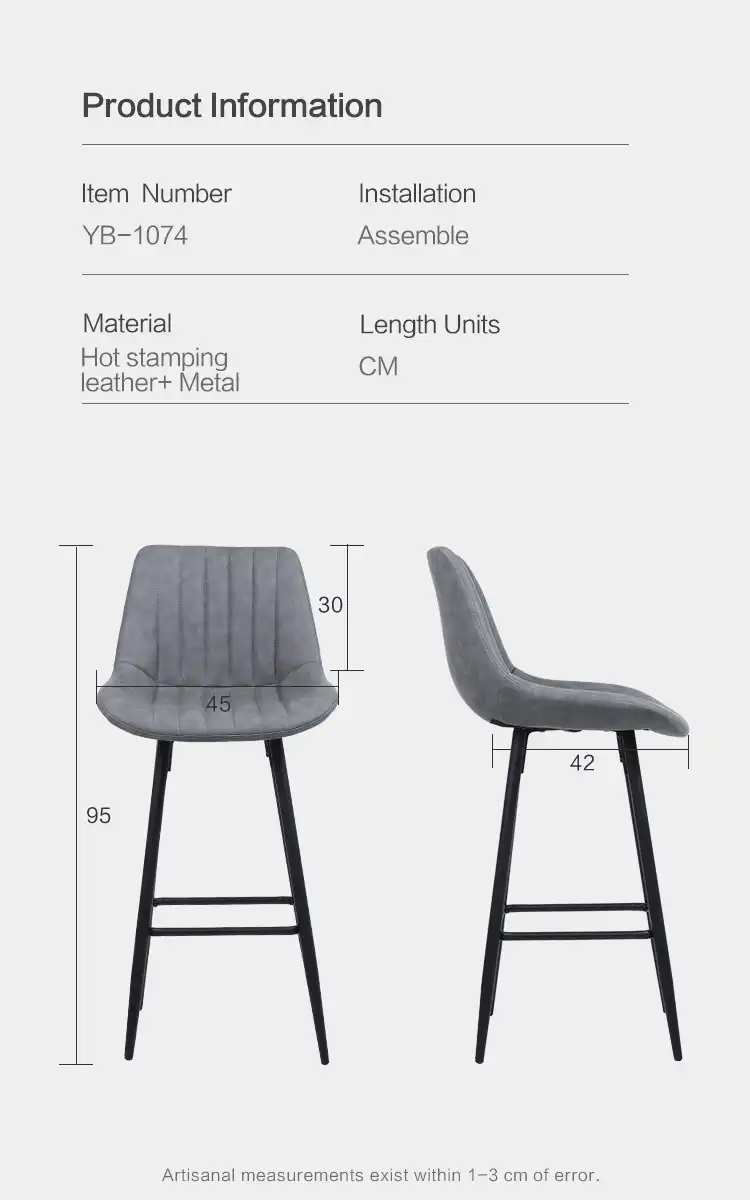
Quality bar chairs are designed to be as comfortable as possible, and they have footrests that are placed to ease leg pain when sitting for long periods of time. If there are height-adjustable systems, they usually have a range from 65 cm to 85 cm to fit different counter heights. Weight limits of up to 150 kg make sure that it can be used by a wide range of people. The assembly requirements are still simple, and most commercial-grade designs only need a few tools to put together quickly in a number of places.
Current Design Trends in Commercial Seating
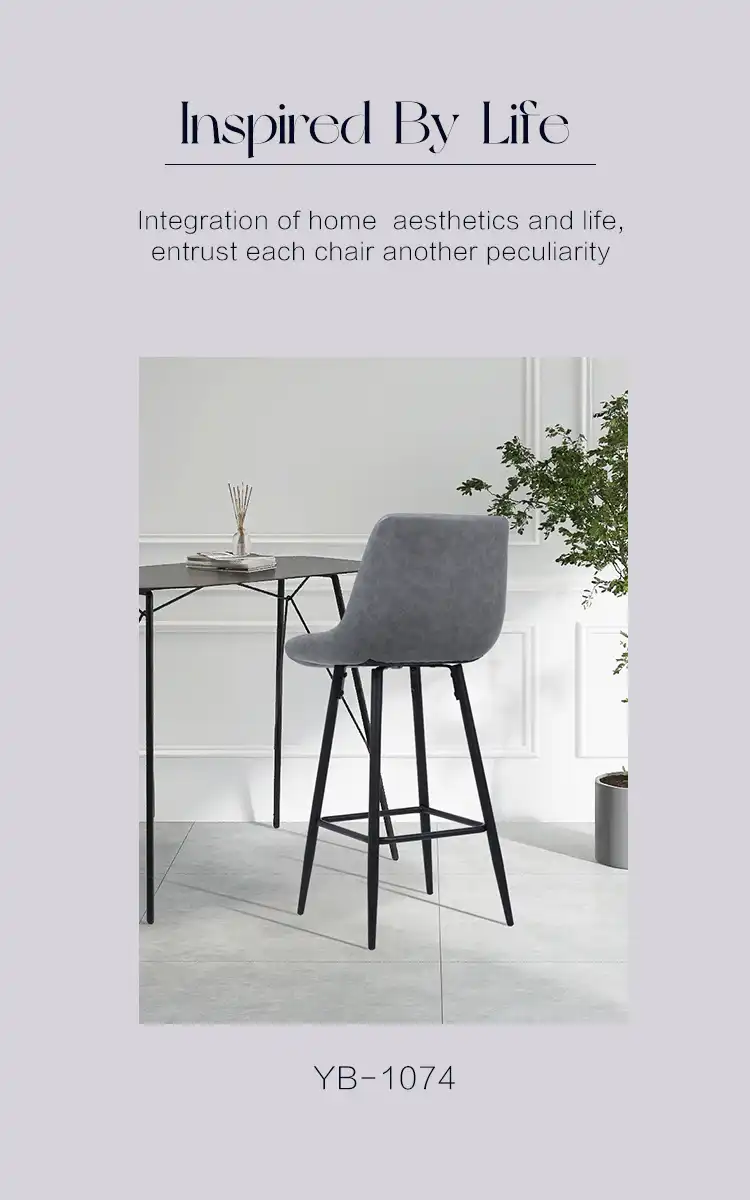
Modern business spaces like clean lines and simple designs, which lets grey velvet bar chairs be show pieces without taking over the design of the space. The grey color scheme acts as a neutral link between warm wood tones and cool metal finishes, making spaces that look good with a variety of design styles. Current trends stress slim profiles that maximize seating capacity without adding to the visual clutter. This is especially important in urban settings with limited room.
Modern hospitality design principles that stress freedom and social contact are in line with swivel features and low-profile backrests. With these features, customers can easily move between different talk areas without having to move their whole seats. The light-reactive pile direction of velvet gives it enough visual interest without the need for complicated patterns that can look old quickly or clash with changing seasonal decor.
How to Choose the Right Grey Velvet Bar Stool for Your Business Needs?
Industry-Specific Application Requirements
When it comes to performance, different types of businesses need different things from bar chairs. For long stays, hospitality places put comfort first, which means they need backrests that are designed to be comfortable and cushions that keep their shape over time. High-density foam with a density of 35 kg/m³ or more keeps seats from drooping, keeping them comfortable and looking professional. The grey velvet bar chair makes the furniture feel warm and welcoming, which makes people want to stay longer, which directly affects the amount of money that bars and restaurants make per customer.
Breakout rooms and joint workspaces in offices are expected to last and be easy to clean. Bar-height chairs makes it easier for people to meet informally and change the way their office is set up. The ability of grey tones to hide stains is especially useful in business settings where regular professional cleaning may not be possible. Event rental businesses need designs that can be stacked or are light so they can be easily moved from one place to another while still looking good.
Critical Selection Factors for Commercial Buyers
The way the backrest is set up directly affects how comfortable the user is and how much room is used. Low-back styles that are 15 to 20 centimeters below the seat surface support the lower back while keeping the view clear in open floor plans. Full-back choices that extend 35–40 cm provide better support for long periods of sitting, but they need more space. Backless saddle stools make it easier to store things and work well in places where people are constantly coming and going and where people are only sitting for short periods of time.
The evaluation of durability goes beyond the frame's building and includes the upholstery's specs. Martindale abrasion testing gives us a way to measure how well a cloth works. For example, business uses need ratings above 40,000 cycles, and heavy use in hospitality settings needs ratings above 100,000 cycles. The quality of the seam design decides how well upholstery holds up under stress. For the longest life, double-stitched seams using commercial-grade thread are recommended. According to the venue's license, fire retardancy standards like CA TB117-2013 or UK Crib 5 may have to be met in order to meet area laws.
Material and Color Comparison Analysis
There are clear trade-offs when you compare velvet furniture to leather or plastic options. Over time, leather gets a sheen, which some business owners see as character growth and others as wear and tear. Vinyl is better at keeping liquids out, but it doesn't breathe well or feel good to the touch. Velvet is in the middle. Modern synthetic versions of velvet are pretty good at keeping out moisture while still giving it the high-end look and comfort that makes customers happy in high-end settings.
Color choice affects both how easy it is to see upkeep and how well the brand fits together. When the seasons change, grey velvet can be used with a variety of color schemes without having to completely redecorate the room. In places with a lot of foot activity, charcoal greys hide wear better, while dove greys make small rooms feel more open. The neutral color scheme lets accent colors in pillows or other decor drive brand identity without committing to colored fabric that might make it harder to change the look in the future.
Customization Opportunities for Brand Differentiation
With OEM and ODM capabilities, procurement managers can create their own seating sets that are in line with company standards. Customization goes beyond just choosing a color; it also includes changing the size, replacing the material, and adding a brand. By adjusting the seat height by 3–5 cm, you can make it fit your table without having to make a custom bar. By choosing a fabric from a supplier's collection, Pantone references can be used to match the exact color specs of a brand.
Customizing packaging is useful for both safety and marketing. Shipping costs for container sales are cut by designing cartons that make the best use of space, and protective inner layouts keep items from getting damaged during travel. Private labeling turns plain goods into branded goods, which helps sellers serve design-conscious store customers by giving them more ways to sell their goods. Customization usually starts with container-load quantities as the minimum order quantity. This method works for known importers and project contractors who have set buying plans.
Procuring Grey Velvet Bar Chairs - Price, Suppliers, and Purchase Tips
Understanding Price Determinants in Bar Chair Procurement
Unit prices are affected by more than just the cost of materials. The price of a fabric is directly related to its weight. For example, 280g silk has a mid-range density that balances cost and durable needs. The price structures are affected by how complicated the frame construction is. For example, welded metal designs need special tools that single-piece molded plastics don't. Finishing methods, like powder coating, add extra costs but protect against rust, which makes the grey velvet bar chair last longer and need to be replaced less often.
The complexity of the design affects how efficiently it is made, which in turn affects the price. Fixed-height chairs with straight-line shapes don't need as many parts or steps to put together as chairs with swivel mechanisms, gas-lift height change, or compound-curve backrests. When customers ask for customization, it costs more to make changes to the tools or buy fabric outside of normal production runs. Volume agreements have a big effect on the price per unit, with orders for full containers getting better prices because of economies of scale in scheduling production and coordinating supplies.
Identifying Reliable Manufacturing Partners
When evaluating a supplier, you need to look at more than just the price they give. Size of a manufacturing facility tells you how much it can produce. Operations that are bigger than 6,000 square meters usually keep a variety of tools to meet different order needs. Industry longevity is a good indicator of accumulated knowledge. Companies that have been in business for 14 years or more have shown that they can adapt to changing market conditions and improve their production methods. Portfolios of certifications that include BSCI social compliance checks and ISO 9001:2015 quality management systems show that a company is committed to following set operational standards.
When buying things from other countries, export knowledge is especially important. Suppliers who work with more than 70 countries show that they know the different rules, guidelines for sending documents, and ways to communicate that are needed for cross-border deals to go smoothly. Going to foreign trade shows like the Cologne foreign Furniture Fair or the High Point Market shows that you want to work with clients from around the world and are investing in the growth of your market. Factory-direct buying cuts out the middleman's markups and puts you in touch with decision-makers who can quickly approve customizations and fix production problems.
Logistics and Order Fulfillment Considerations
Ordering by the container load cuts down on shipping costs per unit by using volume more efficiently. Standard 40-foot high-cube bins can hold about 294 units that are packaged in 72x30x63cm boxes with two pieces per box. This density makes it possible to mix-container orders that include different styles or goods to meet minimum order numbers and keep inventory fresh. Usually, it takes 30 to 45 days from the time the deposit is confirmed until the ship leaves, but the length of time it takes to get there depends on the port of arrival and the shipping route chosen.
Packaging engineering tries to find a balance between the need for protection and the need for space economy. The 0.136-cubic-meter amount of each carton with two chairs is the best use of room, so no container capacity is lost. The fact that the net weight is 11 kg and the gross weight is 13.5 kg means that each carton has 2.5 kg of protected materials. This is enough padding to keep the boxes from getting damaged in shipping without making the sizes too big. Inspection procedures before filling a container make sure that the product quality and agreement with specifications are met. This lowers the risk of a refused shipment, which can mess up planning for inventory.
Sustainability and the Credentials of Suppliers
As businesses try to meet the needs of customers and regulators, environmental concerns are becoming more and more important in their purchasing decisions. Concerns about deforestation are addressed by FSC certification, which shows that wood parts come from trees that are handled in a responsible way. Water-based adhesives and low-VOC finishing products are better for the climate and the air quality inside places where they are used. Buyers looking for environmental qualifications for corporate responsibility reporting are drawn to suppliers who have programs to cut down on waste and use less energy in their manufacturing processes.
Labor standards and social compliance are also part of a transparent supplier review. BSCI certification shows that a company follows ethical job standards, such as paying workers fairly, making sure they have safe working circumstances, and not using forced labor. These qualifications help buyers avoid the image damage that comes with supply chain problems and support ethical business practices. Having documents like material safety data sheets and compliance certificates on hand makes it easier for sellers to meet their own legal reporting requirements in countries with strict import rules.
Conclusion
A successful bar stool purchase strikes a mix between how the stool looks and how it works. This balance is achieved by grey velvet bar chairs, which have the right amount of upscale look to make customers happy while also meeting the needs of businesses. Knowing the details of the fabric, the quality of the frame construction, and the supplier's skills helps you make smart choices that protect the value of your investment. The total cost of ownership goes down because maintenance plans make products last longer, and choosing a style that goes with changing indoor trends makes sure that the design stays relevant. When B2B buyers know these things, they can choose seating options that meet the needs of the current job and help the business succeed in the long run.
FAQ
How durable are velvet bar chairs in high-traffic commercial environments?
By choosing the right materials, velvet bar chairs that are defined with the right fabric grades can stay in business. Synthetic velvet mixes that can resist 100,000 Martindale abrasion cycles can be used in hotels for many years. The key is to match the fabric's specs to the level of use—for example, 40,000-cycle ratings work well for moderately trafficked office breakout areas, but higher limits are needed for busy restaurant bars. Reupholstering is a good way to extend the life of furniture frames made of welded metal with powder-coated finishes because the frames last longer than the upholstery.
What cleaning methods work best for maintaining grey velvet upholstery?
Regular sweeping with soft brush attachments and quick spot cleaning of spills with pH-neutral cleaners made for synthetic fabrics are the best ways to keep velvet in good shape. Instead of pushing, blotting stops liquid from getting into cushioning layers. Professional steam cleaning once a year refreshes the look of the grey velvet bar chair by changing the direction of the pile and removing embedded dirt. By staying away from strong chemicals and using too much water, you can protect the cloth and make it less likely to stain.
Can grey velvet bar chairs be customized for bulk orders?
For container-load sales, well-known suppliers offer a wide range of customization options. Changes include changing the sizes, choosing fabrics from a supplier's portfolio, adding a brand, and private marking. OEM and ODM services let you make your own designs that are in line with brand standards. Customization is only possible for large orders—minimum amounts start at container loads. This method works best for importers, distributors, and project workers who buy in bulk on a regular basis, not for buyers who only need a few items once.
Partner with YIBO for Your Grey Velvet Bar Chair Procurement
YIBO stands as your dedicated grey velvet bar chair manufacturer combining 14 years of specialized seating expertise with comprehensive OEM and ODM capabilities. Our 6,000-square-meter facility in Anji produces commercial-grade bar chairs featuring 280g velvet upholstery and black painted iron construction, delivering the durability and aesthetic appeal your projects demand. We support container-load customization including dimensional modifications, material selection, and private labeling to align perfectly with your brand requirements. Our export experience spanning 70 countries ensures smooth logistics and compliance with international standards. Contact our team at yb@ajyibo.com to discuss your procurement needs, access exclusive bulk pricing tailored to your order volume, and experience the reliable partnership that transforms specification requirements into delivered solutions supporting your commercial success.
References
- Miller, J. and Thompson, R. (2021). Commercial Furniture Specification Guide: Material Selection for High-Traffic Environments. Hospitality Design Press.
- Chen, L. (2020). Textile Performance Standards in Contract Upholstery: Abrasion Testing and Durability Metrics. Journal of Interior Architecture, Vol. 45, Issue 3, pp. 78-94.
- Davidson, K. (2022). Sustainable Procurement Practices in the Global Furniture Supply Chain. International Trade and Manufacturing Quarterly.
- Roberts, A. and Singh, P. (2021). Ergonomic Design Principles for Commercial Seating Applications. Workspace Design Institute.
- European Furniture Manufacturers Federation (2020). Material Innovation in Contract Seating: Performance Fabrics and Frame Engineering. Industry Technical Report.
- Williams, M. (2023). Color Psychology and Material Selection in Hospitality Interior Design. Commercial Design Review, Vol. 38, No. 2, pp. 112-128.