

 (1)_1777442575043.jpg)
What are Popular Design Trends for Upscale Club Bar Seating?
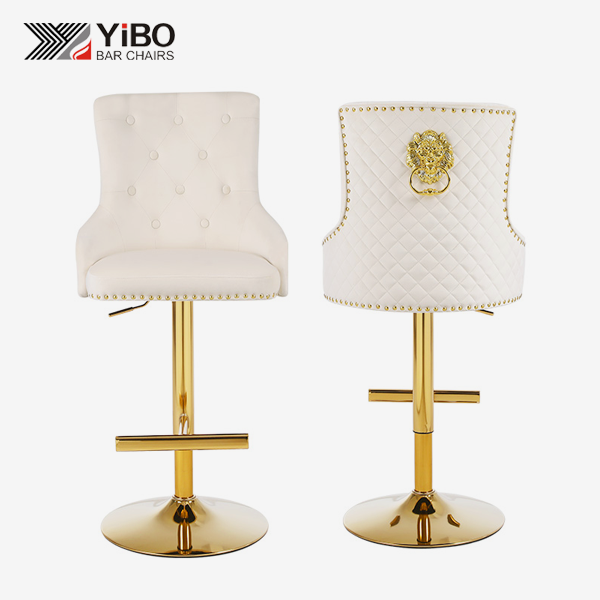
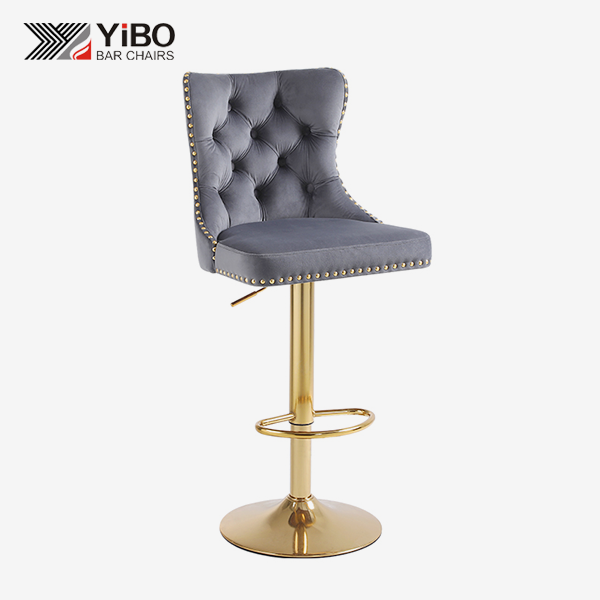
There are big changes happening in the world of high-end club bar seats. High-end places today need furniture that looks good and lasts a long time, like industrial furniture. Bar chairs for clubs now focus on luxurious materials like 220g fabric with comfortable padding, electroplated metal bases with built-in footrests, and styles that can be changed to match a brand's style. These design features make engaging experiences for guests while also meeting the strict operating needs of party places that are open six nights a week and get thousands of visitors every month.
Overview of Upscale Club Bar Seating Trends
The market for business seats has changed a lot in recent years, moving toward styles that are both eye-catching and durable. Club owners know that the sitting directly affects how many guests stay, as study from hotel design firms shows that stylish, soft furniture increases the average length of time a customer stays by 23%. This means more drinks sold and a better image for the place.
Material Innovation Meets Aesthetic Excellence
Modern club chairs puts a lot of emphasis on high-quality furniture fabrics made for business use. At 220g, high-density velvet is very resistant to wear and tear while still having the soft, luxurious feel that guests expect. According to Martindale testing guidelines, commercial-grade textiles can survive more than 50,000 rub cycles, while household fabrics wear out after just a few uses. The tight weave structure of the velvet stops liquid from getting through when spills happen, which makes upkeep easier for venue staff.
Instead of using single-grade padding, underlying cushioning systems use foam shapes with more than one layer. Standard foam cores give support at the base, and the top layers mold to the shape of each person's body. The two-density design stops cheap seats from falling too soon, so the comfort stays the same even after years of nightly use.
Structural Engineering for High-Traffic Venues
An industry standard for high-end club seats is electroplated metal frames. The electroplating process adds safe metal layers to steel bases. This makes surfaces that don't rust when cleaning chemicals or spilled drinks hit them. Chrome and brushed nickel finishes are popular right now because they reflect light like a mirror, making atmospheric lighting effects stronger in all areas of a place.
Integrated footrests meet an important practical need that is often ignored when designing bar chairs. Seats that are raised, usually 28 to 32 inches from the floor to the seat, need foot support to keep legs from getting swollen after long periods of sitting. Footrest rings that are customized and placed 8 to 10 inches below the seat level can fit people of different heights while moving weight away from pressure points on the legs.
Key Design Features Driving Popularity in Club Bar Chairs
Modern club seating is based on three main ideas: how it feels, how it supports the body, and how well it works. These things show whether furniture improves or ruins the overall experience of the place.
Ergonomic Profiles That Encourage Extended Stays
Backrest shaping on bar chairs for club is more than just adding curves for looks. The latest designs have lumbar support zones that keep the spine straight even when you sit for long periods of time. When seat pan widths are between 18 and 20 inches, the edges don't press on people's thighs, which is a usual problem with furniture that isn't the right size. Waterfall front sides further loosen up the legs, which helps blood flow during long club trips.
Swivel devices make chairs more useful by letting people move closer to someone to talk to without having to move the whole chair. Commercial-grade rotating plates can be rotated over 100,000 times, which is a lot more than what is required for homes. Memory return swivels move empty chairs back into place toward the bar tables automatically, keeping the area looking neat when no one is there.
Dimension Optimization for Space Efficiency
For accurate venue layout planning, furniture sizes must be known exactly. Standard bar chair tracks are 18 inches wide and 20 inches deep, which gives each person enough room to comfortably sit in one of four seats per linear bar meter. As is common in the business world, 30-inch seat height goes with 42-inch bar counters and 24-inch seat height goes with 36-inch counter heights. These relative relationships make sure that your arms are in the right place when you're eating or drinking.
Color Psychology and Brand Alignment
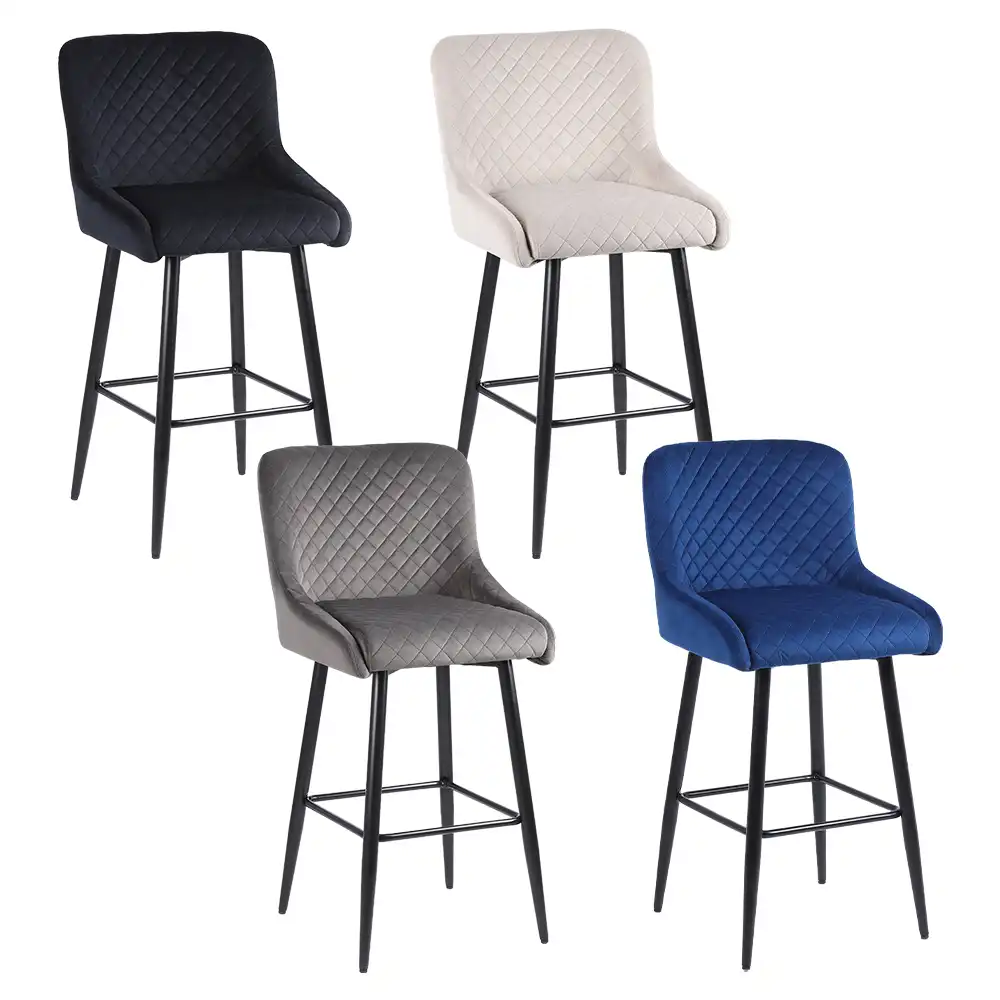
Choosing the color of upholstery isn't just a matter of taste. Deep jewel tones like emerald, sapphire, and ruby make rooms feel classy and like they offer high-end service. Neutral colors like charcoal, taupe, and champagne are classic and can be used in a variety of ways to match different home design styles. Customization options let venue managers choose exact Pantone matches, making sure that seating fits wall colors, lighting schemes, and visual treatments that are part of the venue's brand.
Comparison of Popular Bar Chair Types for Upscale Clubs
To choose the right seats, you need to know how the different layouts help meet business goals. Depending on the type of place and the type of guests, each style version has its own benefits.
Backrest Configurations: Full Support versus Minimalist Design
When you sit for long periods of time, full-height backrests that reach shoulder blade level are the most comfortable option. These styles work well in lounge-style club areas where people relax with a drink and talk. While the extra material and structural support raise the cost per unit, they also lower the number of guests who leave, which is good for places that value mood over quick seat change.
Low-back and backless stools are used in bars with dance floors where quick service and guest movement are important. The small shapes allow for closer seat placement, up to five units per linear meter, which increases sales per square foot. Because these choices require fewer materials, they are more cost-effective for projects that want to stick to a budget.
Fixed versus Swivel Base Mechanics
Bar chairs for club swivel chairs make it easier to talk to people around you and connect with workers who are walking by. The ability to rotate 360 degrees is especially useful in circle or island bars where customers need to be able to see in more than one way. Good rotating systems have sealed bearings that work quietly, so they don't make noises that can be heard in music settings.
Fixed-base chairs are the most stable type of chair. They don't tip over like spinning chairs can when drunk guests don't realize how fast they're turning. Cast-iron bases that are weighted lower the center of gravity, which makes them even safer. Fixed bases are better for places that serve alcohol in places with strict premises liability rules because they reduce legal risk.
Armrest Considerations for Comfort and Throughput
Armrests make things look more expensive by supporting you while you stand up and letting you rest comfortably while you use them. The extra structure makes it harder to make because the frame joints need to be strengthened to handle side stress loads. Armrests also make it less densely populated; three chairs with arms take up the same amount of space on a bar as four chairs without arms.
Armless designs let more people sit while lowering the cost per unit. It's easy to clean around and under furniture because the surfaces are slim. This is important for keeping food service areas clean. A lot of clubs with a lot of people use armless setups to make the most money during busy times.
How to Choose the Right Bar Chairs for Upscale Clubs?
When making a procurement choice, you have to look at more than just how something looks. Strategic buyers look at the total cost of ownership, which includes upkeep costs and when to replace the item.
Matching Furniture to Venue Identity
Design that is consistent across all platforms helps to place a brand. Ultra-modern clubs with electronic music and LED lighting look great with geometric shapes, metal finishes, and one-color seating. Speakeasies with a vintage feel need plush leather, wood details, and old brass hardware that makes you think of the glamour of the 1920s. Instead of looking like something from a catalog, the seats should feel like it fits in naturally with the architecture.
Evaluating Supplier Capabilities for Large-Scale Projects
For sales at the container level, you need manufacturing partners whose production ability and quality standards have been proven. Suppliers like Anji Yibo Furniture Co., Ltd. have factories that are bigger than 6,000 square meters and have specialized production lines that can fill orders for multiple containers within 45 days. Well-known manufacturers keep a stock of raw materials on hand so that there are no interruptions in the supply chain. This is especially important for projects with tight installation dates.
With ODM and OEM services, you can change the sizes, materials, and styles to fit the needs of your project. Based on technical plans and samples of the materials, in-house R&D teams can make changes to current designs or make completely new models. This adaptability is very important when builders ask for table heights that aren't standard or when venue owners want unique designs that other companies can't copy.
Balancing Upfront Investment with Lifecycle Value
Premium bar chairs for club costs more at first, but it gives you a better return on your investment because it lasts longer. Five to seven years of heavy use in a bar is enough for commercial-grade chairs, but only 18 months for residential-grade chairs. When substitute costs, shipping fees, and business interruptions caused by furniture swaps are taken into account, the difference in prices usually evens out within three years.
Warranty coverage gives you extra financial security. Reputable makers offer structural guarantees that cover the soundness of the frame and motor parts. This keeps fix costs from being too high when they're not expected. Make sure that the guarantee terms clearly cover business use. Many warranties for private furniture don't apply in business settings.
Maintenance and Longevity of Bar Chairs in Club Settings
Proactive care plans keep furniture looking good and working well, protecting capital assets over the long term.
Material-Specific Care Requirements
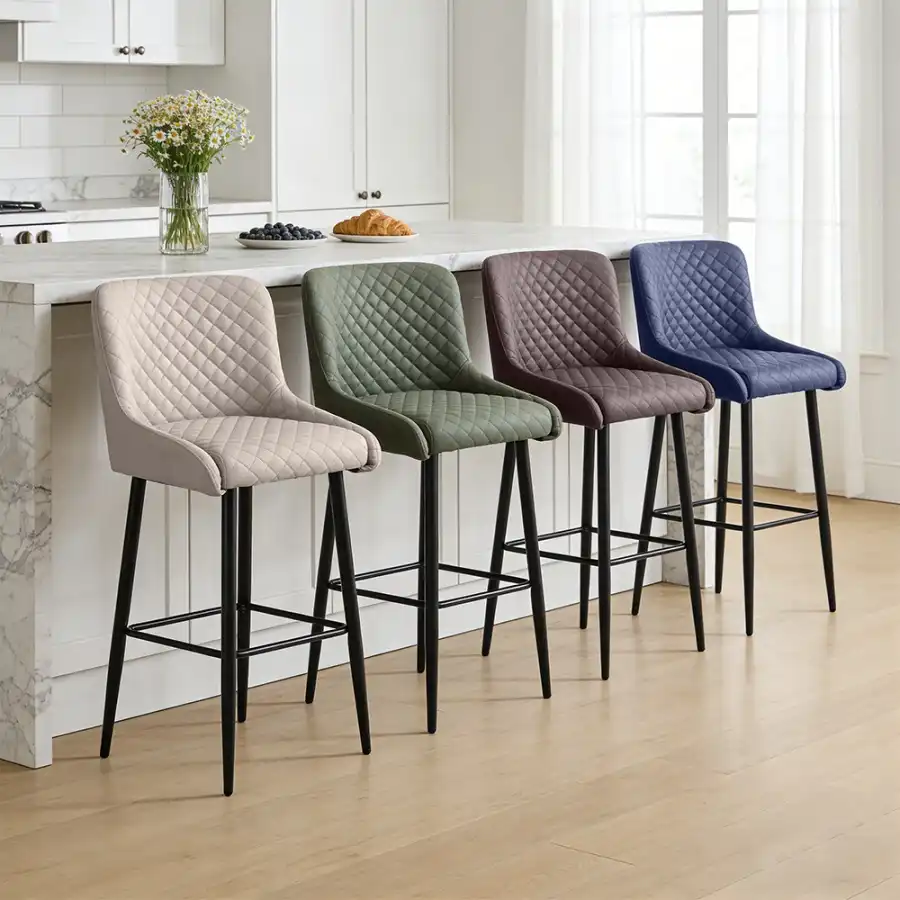
Once a week, use a vacuum with a soft brush tool to get rid of top dirt before it gets deep into the pile fibers. Using fabric guards once a month creates unseen walls that stop liquids from soaking in, buying valuable time for responding to spills. If there is a spot, blot it right away with a clean microfiber cloth. Rubbing the fabric will spread the stain deeper into the fibers.
Electroplated metal bases keep their shine with a simple wipe down with a wet cloth and pH-neutral cleaners. Do not use acidic or alkaline chemicals because they can damage the plating layers and let the metal underneath rust. Every three months, the car should be inspected to find any chips or scratches that need to be fixed with matched metallic paint pens. This will keep rust from forming.
Structural Inspection and Preventive Repairs
When the frame is checked every month, any weak bolts are found before they cause the joints to break. Tighten all bolts and screws to the manufacturer's specs using torque tools that have been measured. If you over-tighten, the welds will crack, and if you under-tighten, the parts will move, which will speed up wear. Every year, food-grade silicone spray should be used to lubricate swivel gears so they keep working smoothly and don't collect dust.
Even if the foam is of good quality, the cushion will still shrink over time. In places that get a lot of use, plan to replace both the cloth covers and the padding underneath them every four to five years. This kind of repair costs about a third of buying new furniture, but it makes the old furniture last three to four years longer.
Staff Training for Furniture Stewardship
Training employees lowers the risk of damage from careless treatment. Teach your staff to lift chairs by the frames instead of the backs so that the joints don't have to work too hard. Set up rules for cleaning that don't allow strong chemicals or rough scrubbing tools. Maintenance costs go down a lot when employees know how to properly care for furniture and how much it's worth.
Conclusion
This type of bar chairs for club has grown into a high-end product where artistic design meets precise engineering. When high-end materials like thick plush fabric, sensible design principles, and commercial-grade structure components come together, they make furniture that improves the guest experience while also meeting business needs. Purchasing managers shouldn't just look at how a supplier's catalog looks; they should also look at how well they can make things, make changes, and help customers after the sale. Investing in furniture strategically and following the right care procedures will give you measured returns by improving how people see your brand, making your guests happier, and extending the life of your products so that you don't have to replace them as often and incur the costs that come with that.
FAQ
What is the best seat height for everyone to be comfortable?
When paired with 42-inch bar counters, standard 30-inch seat heights are good for 90% of adult customers. This set-up lets your feet rest easily on the footrests while keeping your arms at the right angles for eating and drinking. Venues that cater to mostly bigger people may require 32-inch seats, but this makes it harder for shorter people and wheelchair users to get in and out.
For projects that take place in more than one place, how do I find flexible private seating?
Work with well-known companies that offer ODM services and output ability at the container level. Suppliers like Anji Yibo Furniture have dedicated R&D teams that work with customers to come up with custom specs. Within two weeks, material samples are sent out, and 45 days later, full production runs begin. Check your export experience by getting references from past foreign clients. This will help make sure that the planning and paperwork go smoothly.
What makes commercial-grade velvet different from home fabrics?
Commercial velvet can withstand more than 50,000 Martindale cycles of wear and tear, while home velvet can only handle 15,000 cycles. The heavier build (220g per square meter) keeps the pile from breaking too soon when it is used all the time. Chemical treatments that don't stain keep liquids from soaking in, which is very important in places that serve drinks and have spills every night.
Partner with YIBO for Premium Club Seating Solutions
Anji Yibo Furniture Co., Ltd. has been making business seats that meets the high standards of high-end dining places around the world for 14 years. Our factory is in Anji, China, which is known as the furniture making hub of the country. It uses both high-tech tools and skilled labor to make bar chairs for clubs that look good and last a long time. We offer full OEM and ODM design, so you can choose the exact materials, sizes, and styles that fit with your brand. Our quality control procedures make sure that every container meets international standards, and our research and development team works directly with sourcing managers to improve designs. As a dependable provider of bar chairs for clubs, we offer a wide range of services, such as packing that saves room, low bulk prices, and customer service that is available 24 hours a day, seven days a week. You can talk to our team about your project needs and ask for samples of our materials by emailing yb@ajyibo.com. Let us help you give your guests an unforgettable experience by providing sitting options that are built to last.
References
Brown, Michael. Commercial Furniture Specification for Hospitality Environments. Design Publishing Group, 2021.
Chen, Laura. "Ergonomic Considerations in Bar Seating Design." Journal of Interior Architecture, vol. 18, no. 3, 2022, pp. 112-128.
Henderson, Robert. Material Science in Contract Furniture Manufacturing. Industrial Press, 2020.
Martinez, Sofia. "Lifecycle Cost Analysis of Commercial Seating." Hospitality Design Quarterly, vol. 29, no. 2, 2023, pp. 45-59.
Thompson, James. The Economics of Restaurant and Bar Design. Culinary Institute Publications, 2021.
Wang, Steven. "Emerging Trends in Nightclub Interior Architecture." International Design Review, vol. 14, no. 4, 2023, pp. 78-94.