

 (1)_1777442575043.jpg)
What Features Should I Look for in Adjustable Counter Height Seating?
Understanding the most important features of counter height bar stools adjustable becomes crucial when selecting seats for business projects in dining, retail, or office settings. With their air gas lift systems, these flexible sitting options offer a range of 24 to 32 inches, which is between normal table heights and bar heights. Adjustable height seating gets rid of the natural mismatch that happens when fixed-height seating doesn't work for a wide range of users. This cuts down on back strain and circulation problems while lowering the need for more inventory. These stools make it easier for procurement managers who handle orders at the container level to serve more than one purpose without adding more SKUs, which would have a direct effect on business efficiency and cost structure.
Understanding Adjustable Counter Height Bar Stools: A Complete Overview
Construction Materials and Build Quality
Professional-grade movable bar stools are made from designed mixtures of materials that are strong and meet commercial-grade performance standards. Heavy-duty chrome-plated or powder-coated steel bases with widths between 380mm and 450mm are usually used for the structural support to make sure the structure is stable at its highest point. Upholstery materials range from high-density foam wrapped in commercial-grade fabrics to leather substitutes. Each has its own care requirements and lifespan.
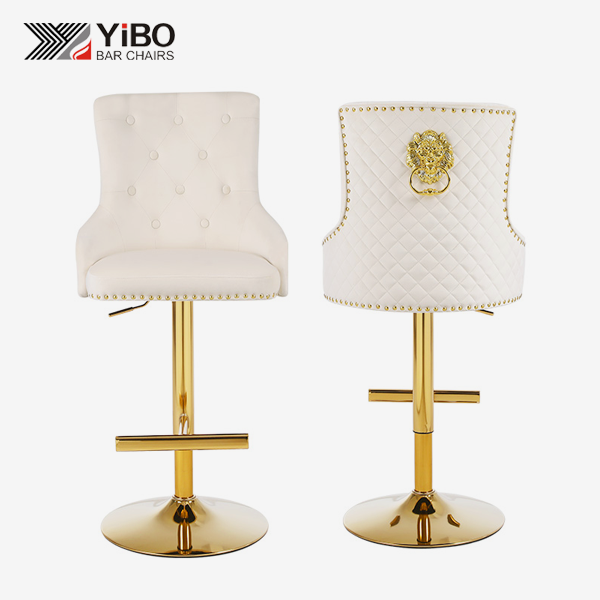
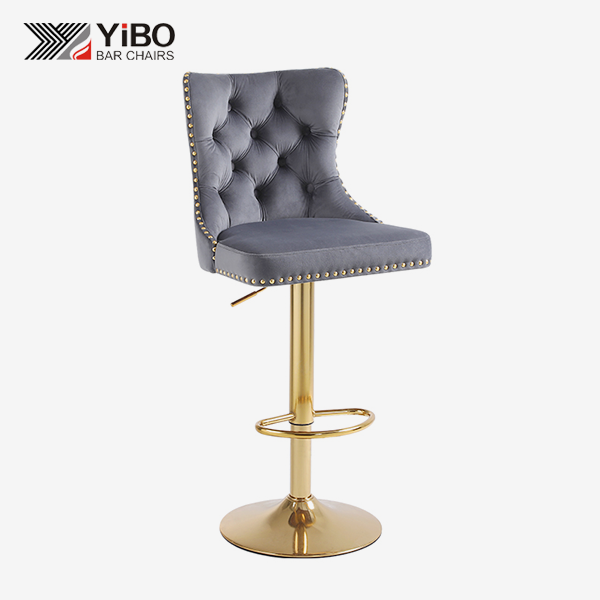
Armrests, frame systems, and air rod sections are some of the parts that come with gold-plated premium types. A 415# gold-plated frame that is 1.1mm thick gives the structure a lot of strength, and 330# secondary gold-plated air rods make it easy to change heights over and over again. Using gold-plated clamps with one-piece iron handles makes them look better and make them more reliable, which is important in business settings with a lot of foot traffic.
Ergonomic Design Principles
The optimal design of movable seats tackles certain health issues that come up at work. When you sit for long amounts of time, your shoulder shrugging and leg circulation problems can be avoided by keeping the seat-to-surface difference at 10 to 12 inches. Integrated footrests that move at the same time as the seat height changes keep knee angles the same throughout the entire range of motion. This supports natural posture no matter what height is chosen.
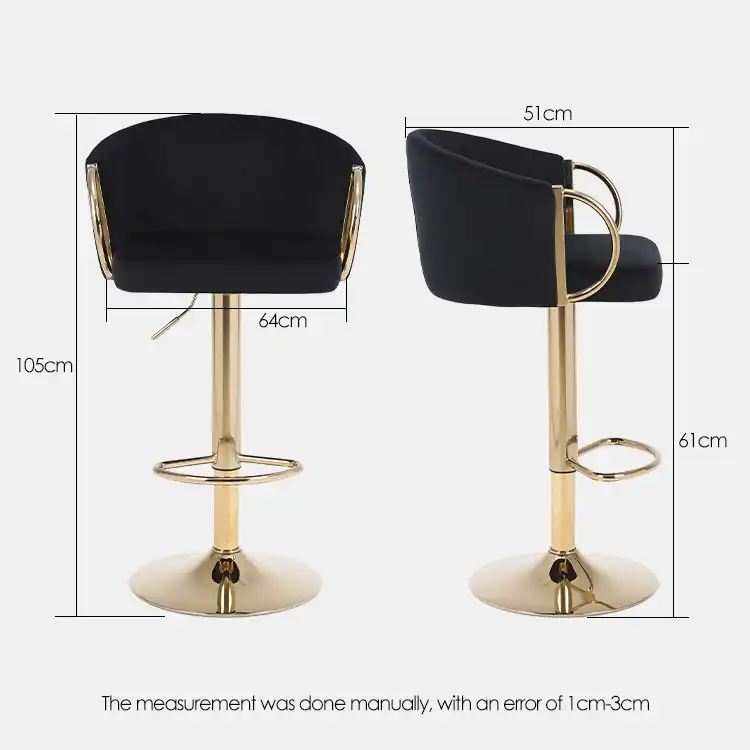
The 25" x 20" (64 x 51cm) seat measures make it comfortable for people of all body types while still looking good. The ability to turn 360 degrees makes it easier to move naturally in joint settings, which is better for your health than sitting in one place all day. These practical concerns directly affect how productive and happy users are, which is especially important for places that serve food and drink and workplace cafeterias that are open late.
Commercial Application Environments
Counter-height seats that can be adjusted is very useful in a wide range of business settings. It's good for restaurant and bar owners to be able to accommodate different counter and tabletop heights within the same space, especially in places with mixed seating arrangements. Adjustable furniture is used in corporate break rooms and office spaces to serve a wide range of employees without having to keep separate supplies for each zone.
These stools are used in retail settings in places like display areas and customer service booths where people of different heights talk to each other during business hours. Schools use them in cafeterias and joint learning places because they are flexible enough to work for people of all ages. This cross-application functionality makes changeable models especially appealing for B2B buyers who are in charge of handling different types of properties or who are planning on changing the layout of spaces in the future.
Key Features to Evaluate When Choosing Adjustable Counter Height Bar Stools
Height Adjustment Mechanisms and Range
When it comes to commercial-grade movable counter height bar stools adjustable, the pneumatic gas lift system is the gold standard. It is more durable than screw or lever methods. When made according to ANSI/BIFMA X5.1 standards, Class 3 and Class 4 gas lift cylinders can go through 100,000 compression cycles without the seal failing or the common "phantom drop" effect, where seats slowly sink under load.
Height ranges from 33" to 41" (85 cm to 105 cm) are wide enough to cover normal desk heights of 36 inches and bar heights of 42 inches or more. The specs for the purchase should make sure that the adjustment range matches the real installation surface heights, taking into account the type of flooring and the thickness of the base. The device for initiation, which is usually a button under the seat, should work easily and take little force, so that all users can get to it.
Ratings for weight capacities are an important part of specifications. Standard business models can hold 300 pounds (136 kg), while heavy-duty models with stronger hydraulic lifts and bigger bases can hold 350 to 400 pounds. Checking load rates against real usage patterns stops parts from breaking down too soon and accidents from happening. This is especially important for hotel applications that serve a variety of guests.
Comfort Components and Supportive Features
In business settings, the comfort of the seats has a direct effect on stay time and user happiness. The depth and make-up of a cushion affect both how comfortable it is right away and how long it lasts. Normal sponge padding has a density of 25 to 30 kg/m³. For business use, high-density foam with a density of more than 35 kg/m³ is better because it doesn't permanently change shape when compressed many times.
When choosing upholstery materials, you need to think carefully about how easy they are to clean and how they look. Normal velvet fabrics are soft to the touch and work well in places that care about guests' comfort, but they need to be cleaned by a professional every so often to keep their look. Synthetic leather options are better at resisting stains and are easier to clean, which makes them useful in food service settings with a lot of customers.
Backrests come in a variety of styles, from low-profile lumbar supports to full-height curved ones. Supportive backrests keep people from getting tired after long times of sitting. This is especially helpful in places where customers are encouraged to stay longer. Adding armrests, especially gold-plated ones, makes the chair more comfortable and adds to its high-end look, but they take up more space overall and may make it harder to get things under the bar.
Material Durability and Maintenance Requirements
Longevity and upkeep costs are directly affected by the makeup of the base material. Chrome-plated steel bases prevent rust, which is important in wet places or places with strict cleaning rules. Good chrome finishes pass Acid Salt Spray Tests (ASS) or Neutral Salt Spray Tests (NSS) after 24 or 48 hours, which stops rust from forming that weakens the finish and makes it look bad.
Powder-coated treatments give you more color choices and, when applied correctly, the same level of rust protection. Scratch resistance and long-term look retention depend on the coating thickness and hardening process. This is especially important in high-traffic areas where accidental touch happens a lot.
For contract-grade uses, upholstery wear resistance should be higher than 30,000 cycles, which can be found through Martindale testing. Colorfastness grades of Grade 4 or higher make sure that the look of the cloth stays the same even after being exposed to both natural and artificial lights for long periods of time. These technical details have a direct effect on when to repair things and how much it will cost to own everything.
Comparing Adjustable Counter Height Bar Stools to Fixed Height Alternatives
Flexibility Advantages in Multi-Use Spaces
Counter height bar stools adjustable seating gives you more operating freedom than options that are set in height. Venues that serve a wide range of people at different times of the year can accommodate children, adults of average height, and bigger people without having to keep separate space lists. This ability to change is especially useful in hotel settings, where guests' comfort has a direct effect on how satisfied they are and how likely they are to return.
Spaces that are used for more than one thing and have different layouts during different times of the day use flexible chairs to support a range of activities and furniture setups. When corporate cafeterias switch between serving meals and holding joint work meetings, the chairs should still be comfortable for all of them. Event spaces that need to accommodate different setup needs can store less furniture by using flexible seats that can be moved to fit different plans.
The benefit of combining stockpiles solves a real problem for buying managers. Keeping only one SKU for all heights makes buying easier, keeps new parts in stock, and makes it easier for building staff to learn how to do upkeep. This organizational efficiency means less work for the office and faster responses from the supply chain.
Design Aesthetics and Functional Variations
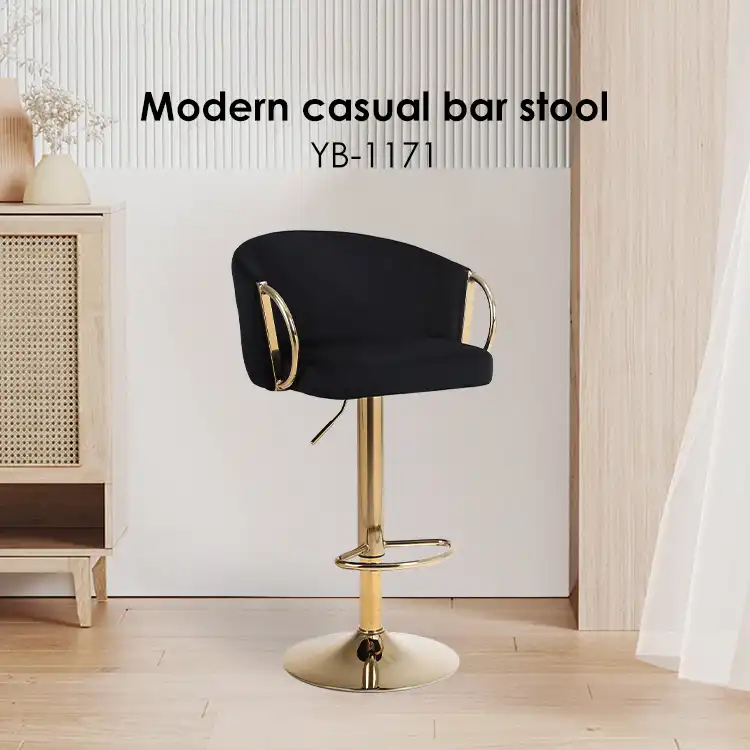
Modern design trends support simple shapes and straight lines that go well with modern home design. Using hidden adjustment mechanisms and simplified base shapes, adjustable stools combine useful physics without sacrificing good looks. Because gold-plated parts are available, the product can be placed in an expensive manner that makes it perfect for high-end hotels and senior offices.
The swivel feature is useful in social and creative settings where people are talking to each other and need to naturally change their body position. When compared to stationary seats, the ability to rotate 360 degrees lowers physical strain. However, some uses prefer fixed-position designs to keep exact space and alignment in formal dinner settings.
The range of styles includes industrial looks with open metal parts and classic looks with wood trimmings and cushioned parts. This range lets brands work together and interior designs look good in all of a company's properties. Procurement teams choose finishes and materials that strike a mix between how they look, how easy they are to maintain, and how much they cost.
Procurement Considerations for Adjustable Counter Height Bar Stools in B2B Contexts
Supplier Selection and Quality Assurance
Protecting buying investments means finding production partners with a history of exporting and a quality control system. Suppliers who keep their BIFMA certification, CE marking, and ISO 9001:2015 compliance show that they are dedicated to meeting international quality standards and managing processes in a structured way. With these certificates, you can be sure that the goods you buy have been through strict testing procedures that check for stability, durability, and safety.
A production capacity estimate makes sure that providers can meet the deadlines for shipping containers. Facilities that are bigger than 6,000 square meters and have modern production equipment usually keep the quality of their products and their deliveries reliable. Site visits or checks by a third party can confirm that the plant has the skills and quality control measures that are said to exist. This lowers the chance of not meeting specifications and causing production delays.
Customization options are an important decision factor for sellers who serve different types of customers. OEM and ODM services let you change the materials used, the sizes of the products, the colors, and the labels that come on them. These changes can be made to fit regional tastes and brand positioning strategies. Suppliers who keep specialized R&D teams and the ability to do samples show the freedom that is needed for long-term relationship growth.
Logistics and Supply Chain Management
Knowing the different factors that affect lead times for counter height bar stools adjustable helps buying teams plan when to restock and when to finish projects. Standard production runs usually take four to six weeks from the time the buy order is confirmed until the container is loaded. However, timelines may be longer if the specs are changed. Suppliers with changeable production plans can meet both pressing needs and changes in regular demand.
Optimizing the packaging has a direct effect on the cost of shipping and the state of the product when it arrives. Designs that take up less space and protect each item individually keep the quality of the goods while they are being shipped internationally and make the best use of container space. Standard packing setups of two pieces per box measuring 70 cm x 47 cm x 53 cm allow accurate freight estimates and planning of warehouse space.
Shipping choices include FOB terms, in which customers are responsible for all foreign logistics, and DDP terms, in which sellers handle the whole shipping process. When buying teams understand the effects of Incoterms, they can more accurately compare the total landing prices of different providers. Setting up clear ways to communicate and keep track of orders stops problems in the supply chain that can delay the end of a project.
Warranty Terms and After-Sales Support
A full guarantee guards you against production flaws and parts that fail before they should. Standard guarantee terms of one to three years show that the provider is confident in the quality of the product and give customers a way to get their problems fixed. Clear guarantee terms that list the parts that are protected, how to file a claim, and when the problem will be fixed reduce confusion and paperwork.
Support services after the sale are what set providers who want to build long-term relationships with customers apart. Having access to new parts, such as gas lift tanks, turning systems, and fabric parts, makes products last longer and costs less to repair. Professional buying groups value suppliers with operating maturity that shows they have fast customer service teams that can answer technical questions within 24 hours.
Quality documentation, such as building directions, upkeep guidelines, and technical specs, makes rollout and continued care go more smoothly. Support tools that are available in multiple languages make it easier for facility management teams to work with people from different backgrounds and cut down on mistakes that can hurt product performance or safety.
Maintenance and Long-Term Performance of Adjustable Counter Height Seating
Routine Care and Cleaning Protocols
Setting up regular care plans for counter height bar stools adjustable extends their life and keeps them looking good. Upholstery care depends on what kind of material it is made of. To get rid of deep-down dirt and recover structure, velvet materials need to be vacuumed regularly with furniture tools and professionally cleaned every so often. If you clean up messes right away, you can avoid stains that make places that people can see less appealing.
Leather and fake leather surfaces should be cleaned regularly with damp cloths and cleaning products made by the maker. By staying away from strong chemicals and rough materials, you can keep the finish from wearing away faster. Conditioning processes done every three months keep materials flexible and stop them from cracking in dry places.
Metal parts need to be checked for signs of rust, especially in places with a lot of humidity or that use harsh cleaning chemicals. Chrome-plated surfaces keep their shine by being wiped down regularly with microfiber cloths. Powder-coated finishes look better when they are cleaned gently, without rough contact that wears down protective coats.
Mechanical System Maintenance
Gas lift mechanisms need to be oiled from time to time to keep them running smoothly and to make them last longer. Putting lithium grease on swivel bearing plates once a year lowers noise and keeps them from locking, which is frustrating for users. As a typical mistake that leads to operational stiffness, inspection procedures should check that the plastic safety caps were properly removed during installation.
When screws are tightened during regular checks every three months, they don't come loose from the repeated stress cycles that happen in high-use areas. Safety issues can be avoided by paying close attention to the links between the seat and the post and the base and the column. Keeping records of repair tasks makes people responsible and shows which units need more attention or new parts.
By recognizing breakdown signs, you can take action before the whole system stops working. Seat sinking over time is a sign that the gas lift seal is wearing out, which means the cylinder needs to be replaced. Making strange noises while the turn is working means that the bearings are wearing out and need to be oiled or replaced. Taking care of these early danger signs keeps users from being unhappy and increases the service's general life.
Conclusion
When choosing the right movable counter height bar stools adjustable, you have to think about a lot of technical, practical, and business factors. Adjustable heights, comfort features, long-lasting materials, and upkeep needs all have a direct effect on how happy users are and how much it costs to own. Adjustable designs offer freedom benefits that are especially useful in business settings that are used for a variety of tasks by different types of people. Finding industrial partners with proven quality control systems, the ability to customize products, and a fast support infrastructure is key to successful buying. Routine repair plans keep things looking good and working well, which maximizes the return on investment over longer service cycles.
FAQ
Are adjustable stools suitable for all counter types?
Bar stools that can be adjusted can fit counter heights of about 36 inches and bar heights of about 42 inches, with a normal range of 33" to 41". Making sure that the product's setting range fits your table height correctly is important for ergonomics and user comfort.
What causes stools to sink gradually during use?
Gradual sinking means that an air seal inside the gas lift cylinder has failed. This is a problem that can't be fixed, so the cylinder needs to be replaced with a suitable Class 3 or Class 4 unit that meets ANSI/BIFMA standards for business use.
How do swivel mechanisms benefit commercial environments?
The 360-degree turn feature lets you naturally change your body position during talks and group activities, which is better for your health than sitting still. This feature makes the user more comfortable in social and interactive settings, but some formal eating apps would rather have the user stay in one place.
What weight capacity should commercial applications specify?
Most users can use standard business units that can hold up to 300 pounds. Heavy-duty models with 350 to 400-pound weight capacities are better for dining places that get a lot of foot traffic. These models have hydraulic lifts that are stronger and bigger bases to make them last longer.
Partner with YIBO for Premium Adjustable Counter Height Bar Stools
The business sitting market around the world benefits from Anji Yibo Furniture Co., Ltd.'s 14 years of experience making specialty furniture. Our factory in Anji, Zhejiang, is more than 6,000 square meters big and has high-tech methods for making sure that the quality of all of our container-level sales is the same. As a seasoned provider of counter height bar stools adjustable, we keep strict quality control measures in place, such as BIFMA certification, CE marking, and ISO 9001:2015 compliance, to make sure that our goods meet the highest performance standards available.
Our focused research and development team helps with OEM and ODM needs, letting you customize materials, change sizes, and make private label packaging that fits your market positioning. We ship many containers to 70 countries every month, thanks to packing designs that save room and flexible shipping options. Contact our procurement specialists at yb@ajyibo.com for detailed product specifications, customization capabilities, and competitive quotations tailored to your project requirements. Visit ajyibo.com to explore our complete catalog and discover why professional buyers trust YIBO for reliable, long-term supply partnerships.
References
Anderson, M. (2021). Commercial Furniture Specification: Standards and Best Practices. Interior Design Publishing.
Chen, L. & Roberts, K. (2022). Ergonomic Seating Solutions for Hospitality Environments. Journal of Commercial Design, 18(3), 45-62.
Martinez, R. (2020). B2B Procurement Strategies in the Furniture Industry. Supply Chain Management Review.
Thompson, J. (2023). Material Science in Modern Furniture Manufacturing. Applied Manufacturing Technologies Press.
Williams, S. (2022). Maintenance Protocols for Commercial Seating Assets. Facility Management Quarterly, 29(2), 112-128.
Zhang, W. & Johnson, P. (2021). Quality Control Systems in Export-Oriented Furniture Production. International Trade and Manufacturing Journal, 15(4), 203-221.