

 (1)_1777442575043.jpg)
Best Leather Upholstered Bar Stools for Kitchen Islands
Procurement experts focus on three important factors when looking for the best leather upholstered bar stools for kitchen islands: sturdiness under commercial-grade use, natural comfort for extended sitting, and design flexibility that suits modern interiors. Premium leather bar stools have designed bases and high-density foam padding, as well as high-quality fabric materials like full-grain leather and high-performance PU options. These features make sure that the appliances work well in high-traffic restaurant settings and look good in high-end home kitchens. When choosing the right seats, you need to look at the specs of the materials, the strength of the structure, and the supplier's abilities to get the best cost-performance match for large orders and long-term relationships.
Understanding Leather Upholstered Bar Stools for Kitchen Islands
Defining Core Features and Commercial Value
Identifying Key Features and Value for Money
A leather-upholstered bar stool is more than just a way to sit higher; it also solves the problem of how to keep business spaces clean while still being comfortable. Fabrics tend to soak up spills and smells, but leather surfaces are hydrophobic, which means they don't let liquids through. This makes them perfect for bar tables and kitchen areas where food is prepared and drinks are served. A structural frame, a padding layer, and a leather cover are usually put together using high-tensile stitching to make a single product that can take repeated stress from users getting on and off the chair.
Professional-grade models have bases made of Siamese plywood that are 1.0 to 1.2 cm thick. This makes the structure stable without adding too much weight. This technical method spreads the load forces evenly across the seat platform, which keeps the frame from warping or falling too soon. Even after thousands of chair cycles, high-resilience sponge filling keeps its shape. This is something that B2B buyers can confirm by looking at density rates that are usually higher than 35kg/m³ for business uses.
Material Types and Durability Considerations
The world of leather furniture is split into different groups, each with its own set of performance traits. Full-grain leather keeps the natural surface of the hide, which develops a unique color over time. It also lets air pass through it, so heat doesn't build up when it's being used for a long time. Light sanding is used to get rid of flaws in top-grain leather so that it can accept colored finishes that make it more stain-resistant, making it a good choice for dining settings.
Bonded leather is made by mixing bits of leather with polyurethane binding. It's a cheap choice that looks like real leather but won't last under the stress of business use. Faux leather alternatives, especially half-PU materials that are 0.8 mm thick, are very resistant to water and keep their color evenly. These synthetic choices pass strict Martindale wear tests that go over 50,000 rounds. This means they can be used in places with a lot of foot traffic, where the cost of care directly affects the cost of running the business.
The choice of material has a direct effect on how well it performs over its entire life. Teams in charge of buying things for food chains or hotel groups have to think about how often they need to repair things and how much they cost up front. In low-moisture areas, real leather usually lasts longer than synthetic options. On the other hand, modern PU formulations don't break down when exposed to humidity, which is a problem for traditional materials in seaside or tropical markets.
Ergonomic Design for Extended Comfort
Ergonomic principles are used in modern bar stool design to keep your back and muscles from getting tired after long times of sitting. Seats that are 18 inches wide and 20 inches deep can fit a range of body types while still having the small sizes needed for kitchen islands that don't take up too much room. With contoured seat shapes, your body weight is spread out over a larger surface area. This means that pressure spots that are uncomfortable during business meetings or relaxed meals are less likely to happen.
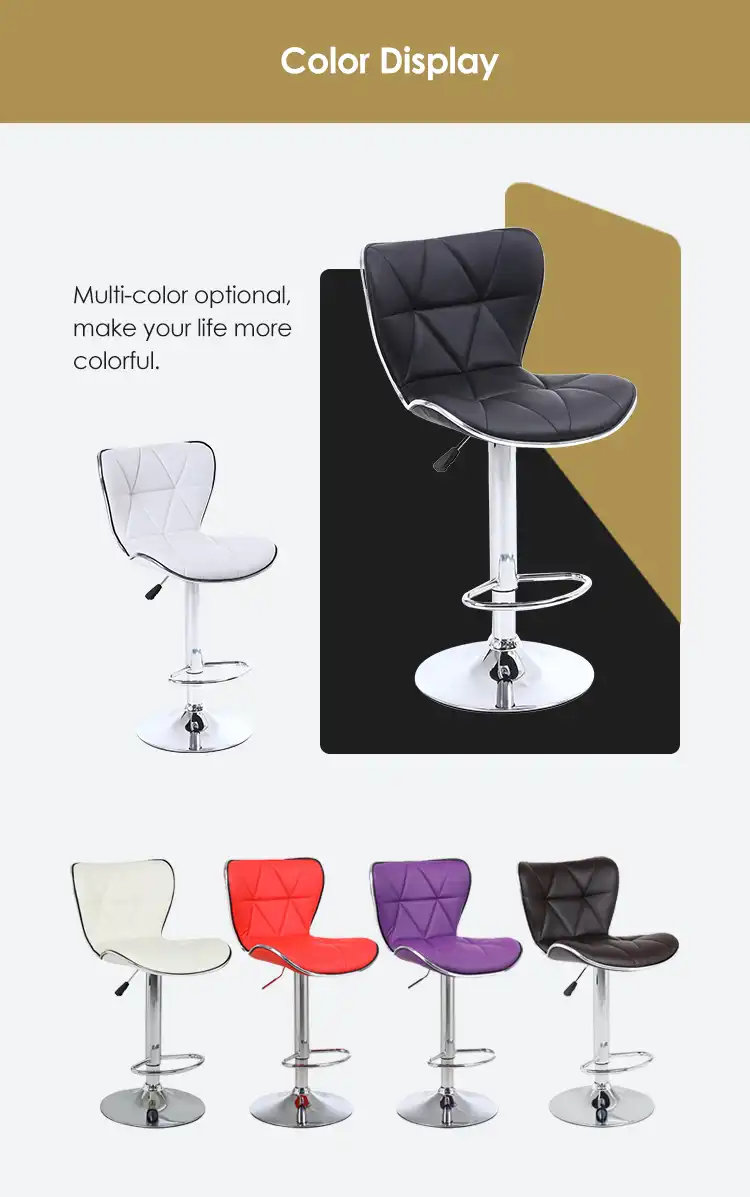
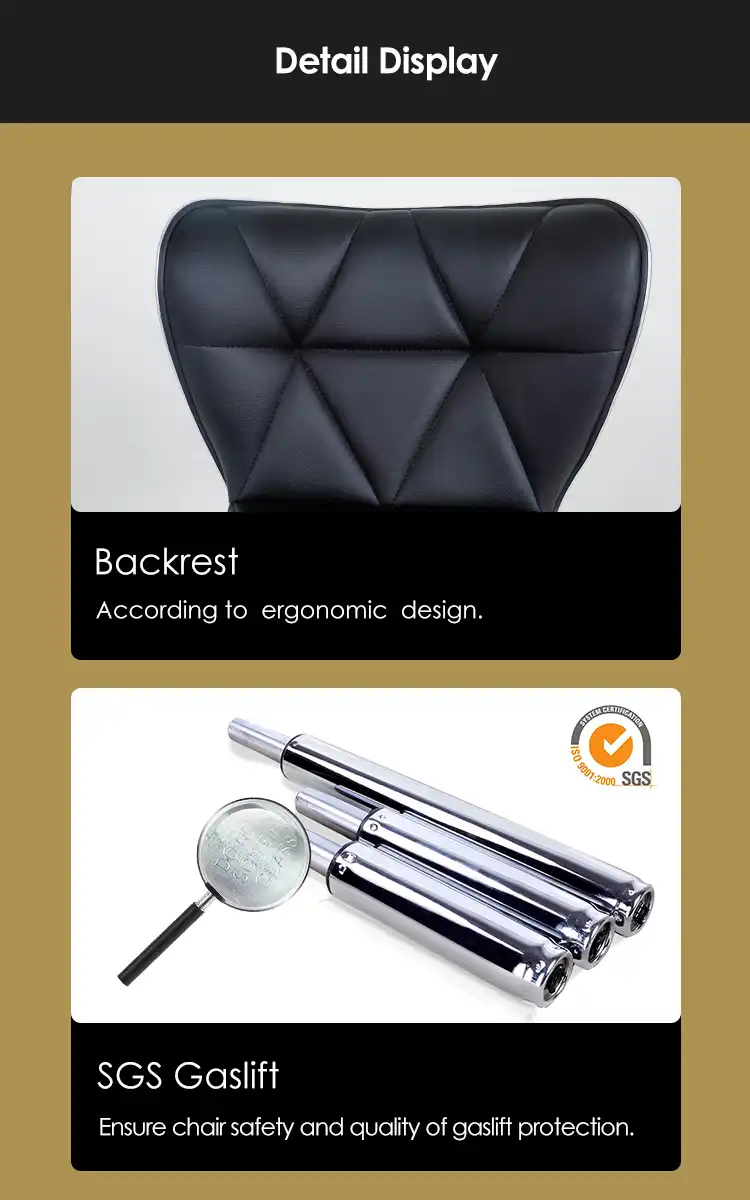
Height-adjustable devices are very important in areas that are used for more than one thing. Class 4 pneumatic gas lifts make it easy to change from the counter position to the bar position. This lets you accommodate different island heights without affecting steadiness. Fixed-height models make servicing easier and reduce the number of places where something could go wrong, which is good for businesses that value long-term dependability over freedom.
Adding a footrest to a leather upholstered bar stool helps support your lower limbs and keeps your blood flowing normally while you're sitting down. When footrests are placed correctly, they ease the pressure on the hip flexors and lower back muscles. This increases user happiness, which is measured by guest feedback systems used by hotel businesses. These seemingly small details add up to big benefits in the market when it comes to differentiating the customer experience.
How to Choose the Best Leather Upholstered Bar Stools for Your Kitchen Island?
Identifying Decision Scenarios and Procurement Needs
In different business situations, selection factors need to be adapted. Restaurant owners prefer contract-grade vinyl or semi-aniline leather with protection topcoats because they are easy to clean and won't stain with food. Buying managers at hotels have to find a mix between how nice something looks and how long it will last. For example, they might use real leather in high-end rooms but fake leather in busy lobby bars. Corporate office planners put a lot of emphasis on making sure that offices meet BIFMA standards and have practical features that support health programs at work.
Residential developers who are working on high-end building projects want to make the designs stand out by using custom color matching and unique fabric choices. These buyers like OEM capabilities that can turn standard models into one-of-a-kind pieces that fit with the story of interior design. Knowing these situation-specific needs helps providers put the right product lines and customization services in the right places.
Core Evaluation Metrics for Quality Assessment
Verification of materials is the basis of quality control methods. Under a microscope, you can see that real leather has uneven grain patterns and natural marks, while man-made leather has smooth surfaces that are made by pressing. FTIR spectroscopy gives a clear picture of a material's make-up, which is very helpful for international trade where the accuracy of the material has a direct effect on the declared value.
Static load verification at 1.5 times the rated capacity is used in structural integrity testing. For example, proof-loading a 300-pound rated stool to 450 pounds without permanently deforming it proves the engineering gaps needed for real-world safety. Heavy-duty metal parts soldered together make a frame that works better than manually connected ones, especially in swivel types where regular use stresses connection points with spinning forces.
A look at the stitch density shows how well the fabric was made. For commercial use, high-tensile nylon thread needs to be used at a rate of 6 to 8 stitches per inch. This keeps the seams from coming apart when users rotate while sitting down. Color fastness tests with the Crockmeter's wet and dry rubbing methods confirms that the dye is stable, so the product will look the same over its lifetime, even if it is cleaned many times.
Bulk Purchasing Advantages and Supplier Reliability
By taking advantage of economies of scale in manufacturing and better shipping operations, buying by container unlocks big cost savings per unit. A normal 40-foot container can hold a lot of stool if it is packed effectively. Two units per box with measurements of 59x46x48cm and volume estimates at 0.1359 cubic meters allow for accurate planning of capacity. The net weight of 14.8 kg and the gross weight of 16.3 kg make it easier to figure out how much freight will cost and plan the process for moving things around in a building.
When evaluating a supplier, it's not just their prices that are looked at; production ability is also checked. Facilities that are bigger than 6,000 square meters, have specialized equipment, and have experienced staff show that they can handle repeat orders without lowering the quality. ISO 9001:2015 approval proves that a quality management system has been put in place, and BIFMA and TB 117-2013 fire safety compliance papers meet the rules needed to enter the U.S. market.
Maintaining consistent lead times for leather upholstered bar stool has an effect on managing supplies and planning projects. Manufacturers who have built export transportation networks and clear communication methods keep supply chain problems to a minimum. When sales teams respond to questions within 24 hours and give thorough technical specs, decisions can be made more quickly. This is especially helpful when planning large-scale hotel or home building projects with strict due dates.
Comparing Popular Leather Bar Stool Variants for Kitchen Islands
Leather Versus Alternative Materials
The argument about which material is better—real leather or improved synthetics—is based on specific needs, not on which is better overall. Genuine leather has a unique air of status and develops personality as it is used. This makes it appealing to high-end hotel brands that want to communicate quality standing through material authenticity. The natural ability to breathe keeps wetness from building up during long periods of sitting, which makes climate-controlled spaces more comfortable.
It is important for healthcare-adjacent dining settings or family-friendly places to have high-performance PU alternatives counters with surfaces that are bleach-cleanable and more stain-resistant. Concerns about batch difference that come up with big orders of natural leather are taken care of by uniform coloring. This makes inventory management and replacement matches easier. For projects that need to stay within a budget, fake materials are better because they offer better value for money. If you choose premium-grade vinyl with true grain embossing, the visual effect will not be affected.
The pros and cons of wooden bar stools are clear. Solid wood frames have a classic look and last a very long time, but they need to be refinished every so often to keep their good looks. Models covered in leather blend the visual warmth of wood with the comfort of cushions, making hybrid designs that meet the needs of both form and function. Modern-looking metal-framed leather stools have lighter weights and styles that make them easier to clean and rearrange in busy business settings.
Swivel Functionality and Mobility Considerations
Swivel mechanisms make things easier for users by letting them rotate 360 degrees, which gets rid of the need to awkwardly place your body when getting on or off of high seats. This function is especially useful in dining settings where a lot of people come and go, so quickly moving from one seat to another is important. Because the mechanism is more complicated, it needs more care and attention. Good rotating joints have sealed bearing systems that don't let dirt in and don't wear out grease.
Fixed-base stools don't have any working parts that can get worn out, so they don't need as much upkeep over time and don't cost as much when they break down. The stability is appealing to business buyers who put safety first in places with a lot of foot traffic where swivel motion could hurt people. When you keep the design simple, it's easier to make and cheaper in bulk, which are both things that budget-conscious projects that need to buy a lot of things consider.
When businesses try to balance these goals, they often use a mix of tactics. For example, they might use spinning stools at the bar where customers can connect with the staff, while fixed models are used along kitchen areas to help with food preparation. This complex method makes the best use of capital while meeting useful needs in different use areas within combined places.
Backrest Configuration and Cushioning Options
Adding a backrest changes the way people sit and how room is used in a basic way. Full-back designs support the lower back, which makes people stay longer. They work well in kitchen areas where people are eating or bars where people want to stay longer and interact with the bartender. The vertical shape makes it easier to see and takes up more space, which are both important in urban settings that are limited on room and charge more for square feet.
Backless leather upholstered bar stool models make the best use of space and encourage posture change by using suspended seating that naturally limits the amount of time you can sit still. This layout works well for quick-service restaurants and bars with a lot of customers coming in and out without looking unfriendly. The slim shape makes it easy to hide stools totally under tables when they're not in use, which keeps the flow of traffic clear in areas that are used for more than one thing.
The thickness of the cushion has a direct effect on how comfortable it feels and how long it lasts. Standard polyurethane foam offers basic padding at low prices, while high-density foams don't allow compression set, which leaves lasting marks. Memory foam options may better distribute pressure, but they may also keep heat in, which could make you less comfortable in places with poor air flow. Specifications for purchases should match the cushioning's qualities to the lengths of time people are expected to sit and the conditions of the area where the furniture will be used.
Maintenance and Sustainability
Practical Cleaning and Upkeep Protocols
Regular care makes products last longer and keeps their good looks throughout their useful life. When cleaning leather, use pH-neutral solutions and soft cloths to be gentle. Don't use strong chemicals that remove protection finishes or change the color of the leather. When you dust once a week, you get rid of the rough bits that make normal use wear down surfaces faster. Conditioning processes that are done every three months restore the natural oils in real leather, keeping it soft and stopping it from cracking in dry places.
PU furniture is easier to clean because it doesn't stain easily and can be cleaned with light disinfectants. Commercial places with a lot of foot traffic use approved cleaning products to wipe down surfaces every day. This gets rid of germs without damaging the materials. The ease of cleaning is very important for health-conscious hotel businesses that have to deal with strict government checks and high cleanliness standards from customers.
Checking and fixing fasteners is a big part of structural upkeep. The 6x16mm screws that hold the seat parts together are checked on a regular basis to make sure they don't come loose from vibrations and repeated loading processes. In restaurant settings, food-grade grease should be used to lubricate swivel gears once a year to keep them running smoothly and avoid bearing failure before its time. Proactive repair programs cut down on major breakdowns and increase the time between replacements, which lowers the total cost of ownership over a number of years.
Environmental Considerations and Sustainable Sourcing
Concerns about sustainability play a bigger role in buying choices as corporate responsibility programs and customer tastes shift toward businesses that care about the environment. Different ways of dying leather have very different effects on the environment. For example, using plant-based chemicals for veggie tanning makes compostable products but takes longer to process. Chrome coloring makes products faster and more resistant to water, but it also creates heavy metal trash that needs to be thrown away properly.
People who care about the environment look for sources that have approvals from groups that keep an eye on things like healthy farming, fair work practices, and efforts to cut down on waste. Transparent supply chain paperwork confirms where materials come from and how they are made, which helps publicly traded hotel groups meet the ESG reporting requirements set by regulators and stakeholders. These factors are more than just marketing stories; they also reflect real practical responsibilities that affect how suppliers are chosen.
The most important thing in sustainability is durability. When products need to be replaced often, they add to the environmental damage by being made, shipped, and thrown away over and over again. If you choose commercial-grade materials and building methods that last ten years, you leave a much smaller environmental footprint over time than if you choose cheaper options that need to be replaced every three years. Life cycle assessment methods measure these differences and help make sure that purchasing decisions are in line with a company's environmental goals.
Sourcing and Procurement Strategies for B2B Buyers
Manufacturer Direct Versus Distributor Networks
Direct relationships with manufacturers give you the most customization options and get rid of the markups that come with delivery. This is especially helpful for sales at the container level, where the volume supports investing in building relationships with suppliers. Chinese companies that are based in specialized production areas like Anji have access to established supply lines, pools of trained workers, and providers of parts that all work together to keep production costs low while keeping quality standards.
This direct method for leather upholstered bar stool needs more intense management of the suppliers, such as coordinating contact across time zones and keeping an eye on quality inspection throughout the production cycle. Buyers who don't have their own sourcing experts may find it useful to work with distributors to combine multiple product lines, handle the details of importing, and offer local support after the sale. The ease of use comes at the cost of a smaller negotiating space and a smaller impact on product specs.
Hybrid strategies use both of these methods by working directly with manufacturers for standard, high-volume items and using dealers for unique items or quickly restocking small amounts. This balanced framework makes the most of both cost-effectiveness and practical freedom by tailoring buying methods to specific types of products and order features instead of using one set of rules for all orders.
Customization Capabilities and Brand Differentiation
Through material replacements, measurement changes, and custom finishes, OEM and ODM services turn standard goods into unique brand assets. Being able to match colors makes sure that they stay consistent with established brand themes, which is important for hotel groups that want to keep their visual identity across multiple sites. Custom stitching patterns and logo stamping make designs that are unique and can't be copied by rivals. This helps with premium placement strategies.
Before committing to production runs, sample development methods make sure that modification is possible. Manufacturers with a lot of experience have dedicated research and development teams and sample facilities that can make prototypes from technical drawings. This lets specifications be fine-tuned over and over again until they exactly match requirements. This method of joint development lowers the risks that come with custom manufacturing and encourages new ideas that make finished goods stand out in crowded markets.
Customizing the packaging makes the company more visible all along the supply chain. Private label package designs with custom writing help keep the brand's personality strong during shipping and make the opening experience better for customers. The five-layer strengthened corrugated cardboard construction that can hold up to 200 pounds of weight keeps goods safe during international shipping and lets marketing images turn boxes into brand connections.
Logistics and Warranty Considerations
To avoid damage and keep landing costs as low as possible, international shipping procedures need to be carefully coordinated. Combining different types of goods into one crate is one way to use space more efficiently and cut down on per-unit freight costs. When manufacturers give exact information about the size and weight of their packaging, it's easier to plan loads accurately, which avoids expensive underutilization or last-minute delays in reconfiguring.
Warranty programs spell out what kind of help is expected after the sale and divide the risk between the buyer and the seller. Comprehensive coverage that includes production flaws, structure fails, and material degradation can justify higher prices by showing that the product will last longer and cost less to replace in the long run. Having clear guarantee terms that spell out how to file a claim, how to check, and when the problem will be fixed stop disagreements that hurt business relationships and stop operations.
Infrastructure for after-sales help is what sets good providers apart from great partners. Technical help with assembly questions, the ability to get new parts for broken parts, and quick responses to quality concerns all show that the company cares about its customers' success beyond the initial transaction. These parts of the service build trust, which leads to long-term relationships and return purchases that save sellers money on buyer acquisition costs and keep their income lines stable.
Conclusion
To choose the best leather upholstered bar stools for kitchen islands, you have to weigh the cost, the quality of the materials, the practical design, and the supplier's skills against the needs of the project and your budget. Procurement pros who are good at their jobs look at different types of leather, structural engineering, and customization choices using organized systems that make sure that requirements match working needs. Sustainability concerns and the need for regular upkeep affect estimates of long-term value beyond the cost of the original buy. Direct relationships with manufacturers let buyers who are ready to invest in source ties make changes and save money. As the business and domestic markets change, being able to get reliable, design-forward seating options from experienced makers becomes more important for staying competitive in the hotel, retail, and residential growth sectors.
FAQ
How long do leather bar stools last in commercial environments?
In a business setting, how long do leather bar stools last?
When made with high-density foam that is more than 35 kg/m³ and real or luxury PU padding, commercial-grade leather bar stools usually last between 7 and 10 years in restaurant settings. Lifespan depends on how often it is used, how well it is maintained, and the elements of the surroundings. Regular cleaning and conditioning make things last longer, but direct sunshine or high humidity speed up the wear and tear process.
Can leather upholstered stools withstand humid climates?
When it's hot, standard leather and low-grade PU materials can peel because of hydrolysis. Specifying hydrolysis-resistant PU formulations that pass jungle testing or genuine leather treated with anti-fungal coatings prevents moisture-related deterioration. During the seller screening process, procurement teams that work with seaside or tropical markets should check the requirements for humidity protection.
What advantages do manufacturers offer compared to distributors?
Direct buying from manufacturers gives you more options for customization, clear prices without markups for marketing, and direct access to production teams. This method works well for buyers who want to buy in bulk, want OEM capabilities, and are ready to handle foreign shipping. Distributors offer easier access to a wider range of products, local supplies, and simpler buying of small amounts. However, they do this at the cost of fewer customizable options and higher prices per unit.
Partner with YIBO for Premium Leather Bar Stool Solutions
With 14 years of experience making specialized chairs, YIBO is ready to change the way your kitchen island projects look. With Siamese plywood construction, high-resilience foam, and luxury 0.8mm half-PU fabric designed for demanding catering and domestic uses, our leather upholstered bar stool sets mix commercial-grade sturdiness with stylish design. We support full OEM and ODM design and have ISO 9001:2015 and BIFMA certifications as a well-known leather upholstered bar stool maker working out of our 6000+ square meter Anji facility. Contact our experienced sales team at yb@ajyibo.com to discuss container-level pricing, sample development, and how our scalable production capacity can support your long-term supply requirements with consistent quality and reliable delivery timelines.
References
Johnson, M. & Peterson, R. (2021). Commercial Furniture Specification Guide for Hospitality Design. Interior Architecture Press.
Chen, L. (2022). "Material Performance Analysis of Upholstery Leather in High-Traffic Applications." Journal of Furniture Engineering, 18(3), 145-162.
Davidson, K. (2020). Ergonomic Design Principles for Bar and Counter Seating. Workplace Wellness Publications.
Thompson, S. & Garcia, J. (2023). "Sustainability Standards in International Furniture Supply Chains." Global Procurement Quarterly, 12(2), 78-94.
Wilson, H. (2021). The Procurement Professional's Handbook: Strategic Sourcing for Hospitality Industries. Business Management Press.
Zhang, W. (2022). "Quality Control Protocols for Imported Contract Furniture: A B2B Buyer's Framework." International Trade Review, 29(4), 201-218.