

 (1)_1777442575043.jpg)
What Materials are Commonly Used in Lion Head Modern Bar Stools?
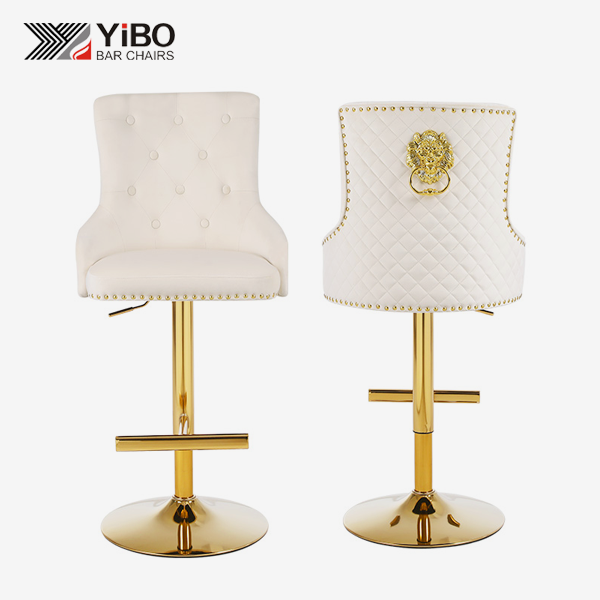
Lion Head modern bar stools are made of architectural metals, engineered wood composites, high-density foam padding, and high-quality cloth upholstery to make them look good and last for a long time in a business setting. The artistic lion head pattern on the seat, which is usually made of zinc alloy or resin compounds, is what makes it unique. For these sitting options, plywood bases that are between 1 and 2 cm thick are paired with 6.8 cm sponge filling that has a 22-density compression rating. The seats are then covered in velvet or fake leather that is made for high-traffic dining settings.
Introduction to Lion Head Modern Bar Stool Materials
There is something unique about the Lion Head modern bar stool because it combines Regency-era decoration with modern, useful sitting. This design category grew out of the need for furniture that makes a statement and is more than just useful; it's a conversation piece that supports high-end business spaces. The lion head, which has traditionally stood for power and honor, acts as a visual anchor, while the material makes up the product's real-world performance over thousands of sitting cycles.
Why Material Selection Defines Commercial Performance
The type of material you choose affects three important aspects of the purchase: the overall cost, how often it needs to be maintained, and how long it looks good. When it comes to function, a stool with powder-coated steel frames and plush upholstery works differently than one with leather seats and brushed brass bases. Knowing these differences helps purchasing managers match product requirements with real-world operations, like when they're looking for finishes that won't stain in business rooms or bars on the beach that are exposed to humidity.
The Engineering Behind Decorative Seating
These days, production combines structure engineering with the decorative arts. The lion head decoration is made using electroplating or resin casting methods, and the seat pan is made using Siamese plywood lamination methods. This multi-material method meets both the needs of aesthetics and physical stress distribution, making sure that the stool works well for daily business use while still looking nice.
Primary Materials Used in Lion Head Modern Bar Stools
A full description of the materials used in the Lion Head modern bar stool shows how the different parts affect the usefulness and look of the finished product. Specific selection factors are used for each part, which are based on industry testing standards and performance data gathered from years of use in the real world.
Metal Framework Components
Powder-coated steel or aluminum alloys are often used for the structure's frame. Steel versions can hold up to 300 pounds of weight, while aluminum versions are lighter and easier to ship, which is helpful for buying in bulk at the container level. Powder coating protects against rust and lets buyers choose from a wide range of styles, from matte black to brushed champagne gold. During the building process, 6x16mm screws hold the frame to the plywood seat pan, making a mechanical bond that won't come away when the chair moves.
Engineered Wood Substrates
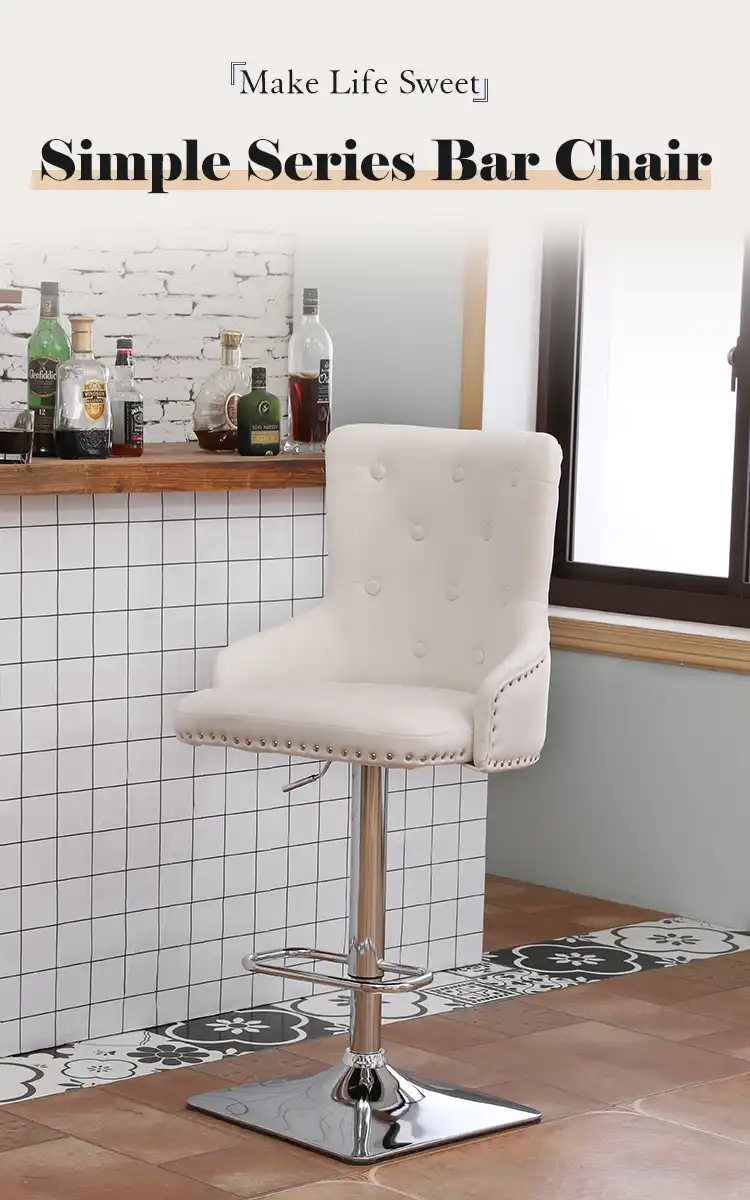
The base for sitting of the Lion Head modern bar stool is made of Siamese plywood that is between 1.0 and 1.2 cm thick. This engineering wood is made up of cross-laminated pieces that are glued together with heat and pressure. It is more stable in terms of its dimensions than solid wood. The material doesn't warp when the humidity changes, which is very important for hotel clients who work in seaside or climate-variable areas. The multidirectional grain structure of plywood also makes it strong all over, which keeps stress cracks from happening at screw penetration places.
Cushioning and Comfort Layers
A 6.8-cm sponge with a 22-density compression rating is used to fill the padding system. This standard talks about foam's robustness, or its ability to get back to its original shape after being squished. When used for a long time, higher density foam keeps its shape, so users don't feel the hard seat pan below (called "bottoming out"). The foam layer spreads your body weight across the seat, which lowers pressure points when you sit for long periods of time, like in a restaurant or bar.
Upholstery Fabric Selection
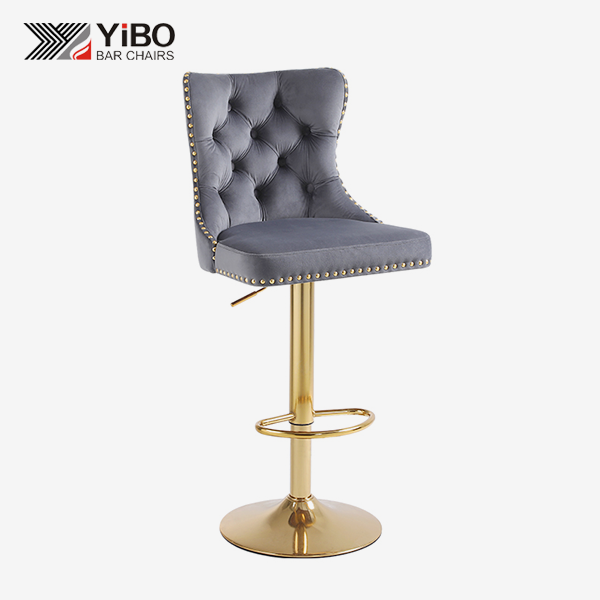
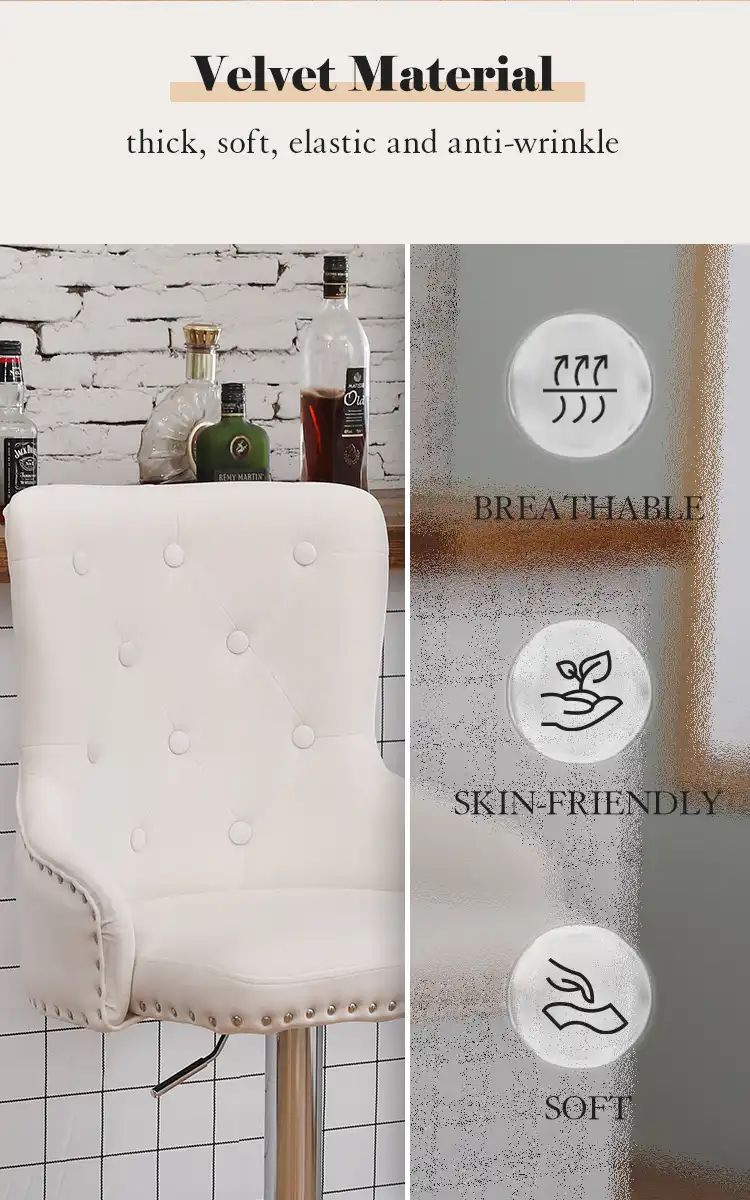
The most common type of furniture cloth is velvet, which is chosen for its soft feel and rich appearance. The pile building makes surfaces that reflect light, which adds to the royal look of lion head patterns. Velvet's thick fiber structure also makes it naturally stain-resistant when protective coats are applied. Other types of furniture include fake leather options that are easier to clean and maintain, which is important in high-traffic areas where cleaning efficiency affects costs.
Decorative Hardware Elements
The signature lion head decoration can be attached to the seat and used as a knocker or left there as a decoration. Die-casting is used to make metal versions, and injection molding is used to make plastic versions. Metal versions get surface treatments like chrome plating or an old bronze finish, while resin versions can have more detailed details while being lighter. Customization options let buyers choose different patterns or change the sizes to meet the needs of their business identity.
Ergonomic and Design Considerations Related to Material Selection
The way a material feels and works directly affects how the user feels and how well it works ergonomically for the Lion Head modern bar stool. How well a stool works in business settings where people need to sit for long periods of time depends on how the cushioning depth, upholstery texture, and frame shape interact with each other.
Comfort Engineering Through Material Layering
The 22-density foam standard gives a balanced compression profile—firm enough to keep your stance straight but flexible enough to fit a wide range of body types. This density number is especially important in places like hotel lobby bars where people may stay sitting for 45 to 60 minutes at a time. The velvet cushion adds an extra layer of comfort because it is made of fabric, which lets air flow and keeps heat from building up like non-porous synthetic covers do.
Adjustability Enabled by Frame Design
Integrated height-adjustment systems, which usually use hydraulic or gas cylinders, are supported by a metal framework. Because steel or aluminum is a strong material, these mechanical parts can work steadily through thousands of adjustment rounds. This feature makes it easier for procurement managers to find places with different counter heights, from normal 40-inch bars to raised 44-inch installations, such as with the Lion Head modern bar stool. This is because it lowers the number of SKUs that need to be managed.
Aesthetic Versatility Across Interior Themes
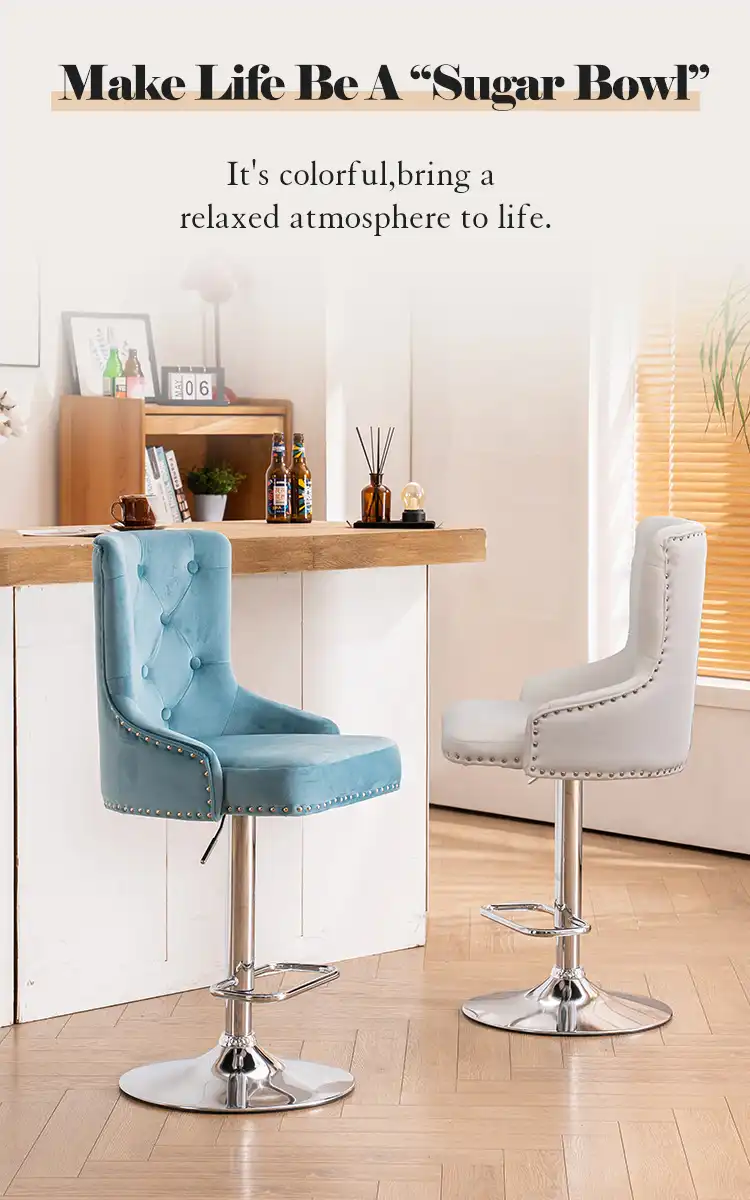
Different material finishes let the same basic form fit into a range of different room styles. Brushed gold finishes go well with Art Deco or Hollywood Regency styles, and matte black powder coating goes well with minimalist or industrial styles. The range of colors for velvet furniture, from emerald green to navy blue to blush pink, gives you even more ways to make it your own. This material versatility lets hotel groups keep the style of all of their properties consistent while still taking into account what the local market wants.
Maintenance Protocols and Material Durability
To take care of velvet furniture the right way, you need to dust it regularly to keep the pile in the right direction and clean spots with pH-neutral solutions. Metal frames need to have their powder coating checked on a regular basis. This is especially important for sites near the coast, where salt air speeds up rusting. Keeping the plywood base in a climate-controlled space before placement keeps it from absorbing water. Knowing these material-specific upkeep needs helps procurement teams figure out the real costs over the life of the product, which go beyond the original purchase price.
Comparative Analysis — Material Choices and Their Impact on Procurement Decisions
The total cost of ownership, operating effectiveness, and brand positioning for the Lion Head modern bar stool are all affected by the strategic choice of materials. This framework for comparison helps buyers figure out what the trade-offs are between different specs.
Frame Material Economics
When it comes to the cost of the raw materials, steel framing is usually 15 to 20 percent less expensive than aluminum framing. However, this benefit is lessened when shipping costs for container loads are taken into account. Because aluminum is lighter, it costs less to ship and is easier to handle during installation, both of which are important for multi-property rollouts. Because steel can hold more weight, it's better for public areas with a wide range of users. On the other hand, aluminum is better for design-forward areas that value visual simplicity.
Upholstery Performance Metrics
Velvet furniture looks more expensive than any other material, but it needs more care than fake leather options, like the Lion Head modern bar stool. In controlled settings, like private club rooms, velvet's high aesthetic value makes the extra care worth it. High-traffic sports bars or casual eating places may find that the wipeable surface and resistance to damage from water make their operations run more smoothly. Durability tests show that good fake leather can handle more than 50,000 rubbings, which is about the same as commercial-grade cloth performance.
Sustainability Credentials and Certification Standards
More and more, buyers who care about the environment ask for materials that have been certified by FSC for wood parts or GREENGUARD for low-emission foam and glue. These certificates cost more to record, but they help companies report on their sustainability and may help projects get LEED credits. The process of choosing materials should include suppliers being open about how they get their materials, especially for metal parts where the amount of recycled material affects how much of an impact they have on the world.
Volume Pricing and Customization Flexibility
Standard material setups make prices reliable for container-level orders, but calls for personalization, like different foam densities, better metal finishes, or custom upholstery, mean longer engineering review times and possibly higher tooling costs. Setting material requirements early in the procurement process helps buyers who deal with seasonal buying cycles. This lets makers improve production schedules and get better prices on component materials in bulk.
Practical Guidance for Procuring Lion Head Modern Bar Stools by Material
To do effective buying of the Lion Head modern bar stool, you need to make sure that the material specs match the working needs, budget, and time limits. This advice turns expert information about materials into buying plans that can be put into action.
Matching Materials to Use-Case Scenarios
In high-end hotel bars, looks are very important, so silk seating and decorative metal finishes are the main things that are used to choose furniture. Corporate cafeterias stress how easy it is to clean and how long-lasting the furniture is by offering fake leather finishes and simple frame designs. In pubs with standing room only, swivel-base types made of steel may be requested to make them more stable. OEM buyers should tell manufacturers about the details of the end-use setting. This will allow manufacturers to make material suggestions based on data from parallel deployments.
Supplier Qualification and Quality Assurance
People who buy things should ask for certificates of the materials they use, such as reports on foam density tests, metal coating thickness measurements, and cloth abrasion resistance data. When you visit a factory, you can see how they control the quality of their production, especially for important steps like laminating boards and making sure the welds are strong. Well-known brands keep sample rooms with different types of materials and finishes on show. These are better than digital images for checking the accuracy of colors and textures.
Bulk Order Logistics and Material Consistency
Orders at the container level for the Lion Head modern bar stool need to be coordinated with the production schedule and the supply of materials. Lead times depend on how complicated the material is. Standard powder-coated frames ship in four to five weeks, but special electroplated finishes may take up to seven to eight weeks. Buyers should find out about material batch consistency methods to make sure that all units in a multi-container sale have the same color and finish. Specifications for packaging—usually two units per box with protective foam wrap—affect how many container cubes are used and should be taken into account when figuring out freight costs.
Customization Pathways and MOQ Requirements
The lion head decoration is a great way to make it your own because you can change its size, style, or use other decorations instead. Custom requests for materials usually come with minimum order quantities. For example, custom foam specs may need pledges of 500 or more units, while standard material variations usually start at 100 units. Early on in the quote process, buyers should provide detailed information about the materials they want, such as Pantone color guides for fabric and finish samples for metal parts.
Conclusion
The choice of material for the Lion Head modern bar stool is a smart choice that affects how they look, how well they work, and how much they will be worth in the long run. Using engineered wooden bases, density-optimized foam padding, and high-quality cloth upholstery together makes sitting options that look good and last for a long time in a business setting. Professionals in procurement can benefit from knowing how frame materials affect weight and load capacity, how choices in fabric affect how to maintain furniture, and how decorative elements help place a brand. Sourcing well means looking at more than just the original price. You need to think about things like how much it costs to ship, how often it needs to be maintained, and how much it can be customized. By making sure that the material requirements match the operational needs and working with manufacturers who have a history of exporting, buyers can invest in seats that look good in business areas and work well for years to come.
FAQ
1. Which materials provide the longest service life in commercial environments?
Powder-coated finishing on steel frames make them last a very long time. In high-traffic areas, they can last longer than 7–10 years if they are properly kept. The 22-density foam and fake leather padding work together to make the most durable furniture for places that value cleanliness over cloth luxury. If you properly protect plywood surfaces from wetness, they won't break down structurally, so the seat will stay in good shape for thousands of uses.
2. How do I select upholstery materials for high-traffic bars and restaurants?
Look at three performance criteria: how well it resists wear and tear, how well it cleans, and how well it recovers stains. Faux leather can be cleaned with professional cleaners on a regular basis, and treated velvet fabrics don't stain easily enough for places that need to be watched. For commercial-grade longevity, ask for Martindale abrasion test results that are higher than 30,000 rounds. When deciding between luxurious fabrics and useful ones that need to be cleaned often, think about how often spills happen in your surroundings.
3. Are eco-friendly material options available without compromising quality?
FSC-certified plywood and water-based glue help protect the environment while steel frames with recycled metal content are better for the environment. Foam makers now make goods that are CertiPUR-US approved and don't contain any harmful chemicals. These eco-friendly building materials usually come with small extra costs, but they help get green building certifications and support business responsibility programs without lowering the quality of the structure or the way it looks.
Partner with YIBO for Premium Lion Head Modern Bar Stool Solutions
With 14 years of practice making specialized chairs, Anji Yibo Furniture Co., Ltd. has gotten better at making the Lion Head modern bar stool. Our 6,000-square-meter factory in Anji, Zhejiang, which is known as the "heartland" of furniture production in China, uses cutting-edge fabrication tools and skilled labor to make seating options that meet strict international standards. We know that B2B procurement needs more than just nice designs. It needs consistent output, clear communication, and reliable operations.
Our Lion Head modern bar stool maker offers full OEM and ODM customization, so you can choose the thickness of the hardwood, the density of the foam, the upholstery materials, and the finishes on the decorative elements that fit your market placement. We have strict quality control procedures in place, such as checking the licensing of materials and inspecting them in multiple steps to make sure that every container shipment meets your needs. Our experienced export team offers packaging options that take up less room and plans efficient transport times to keep your product carrying costs as low as possible.
Our technical team is ready to help you with material selection and production, whether you're looking for statement seats for small hotel projects, creating a signature look for restaurant chains, or making your own furniture lines. You can talk to our sourcing specialists about your project needs, ask for samples of materials, or set up a tour of our building by emailing yb@ajyibo.com. You can look at our whole collection of barstools at ajyibo.com and learn how our manufacturing partnership can help you stay ahead of the competition in the tough business furniture market.
References
1. Anderson, K. (2021). Commercial Furniture Material Science: Engineering Durability in Hospitality Seating. New York: Design Press International.
2. Chen, L. & Martinez, R. (2022). Sustainable Manufacturing Practices in Asian Furniture Production. Singapore: Industrial Ecology Publishers.
3. Hoffman, J. (2020). Ergonomic Seating Design: Material Selection for Commercial Applications. London: Workspace Innovation Institute.
4. Reynolds, S. (2023). The Procurement Professional's Guide to Contract Furniture Specification. Chicago: Hospitality Design Group.
5. Thompson, M. & Wu, H. (2021). Global Furniture Supply Chains: Quality Assurance and Material Traceability. Toronto: International Trade Academic Press.
6. Williams, E. (2022). Decorative Hardware in Contemporary Furniture: From Concept to Commercial Production. Milan: European Furniture Design Council.