

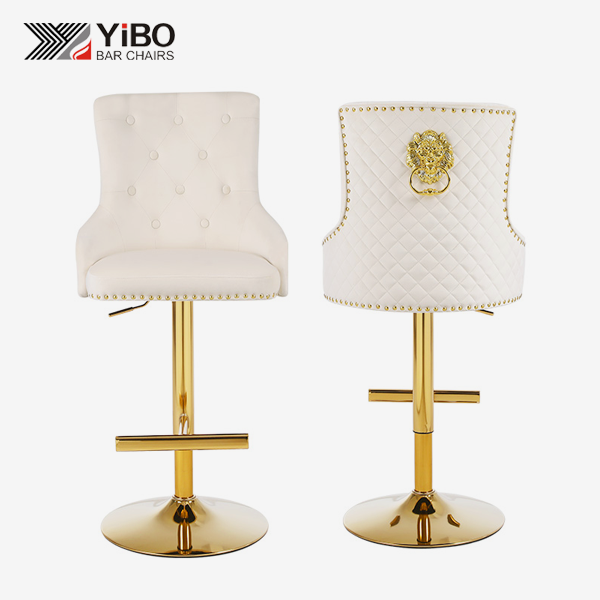
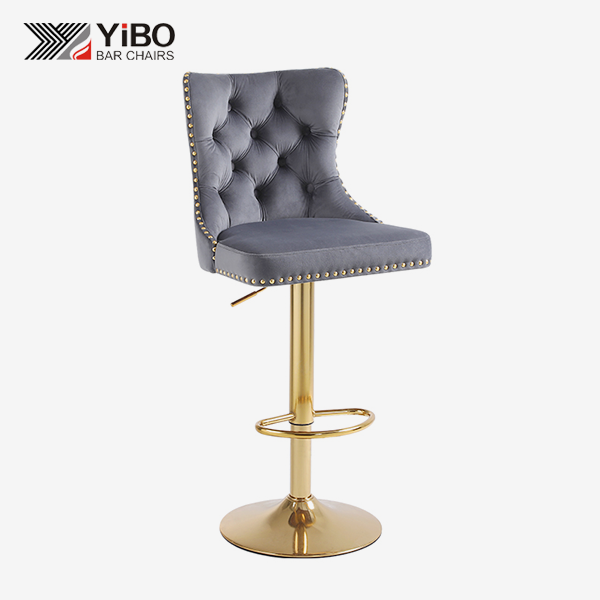
 (1)_1777442575043.jpg)
Why Metal Bar Stools Are the Modern Love?
Bar stools made of metal have become very popular in recent years because they offer what business buyers really want: long-lasting sturdiness and classic style. The shell shape metal bar stool stands out as the best option among all the variations. Its curved, practical shape naturally supports the user's lower back, making long periods of sitting very comfortable. The reinforced metal framework can handle places with a lot of foot traffic, like busy hotel bars and lively eating areas, without losing its elegant look. This mix meets the main needs of importers, wholesalers, and project contractors who want to buy seating options that are both cost-effective and reliable in terms of performance.
Understanding Shell Shape Metal Bar Stools: Design, Materials & Benefits
What Defines Shell Shape Design?
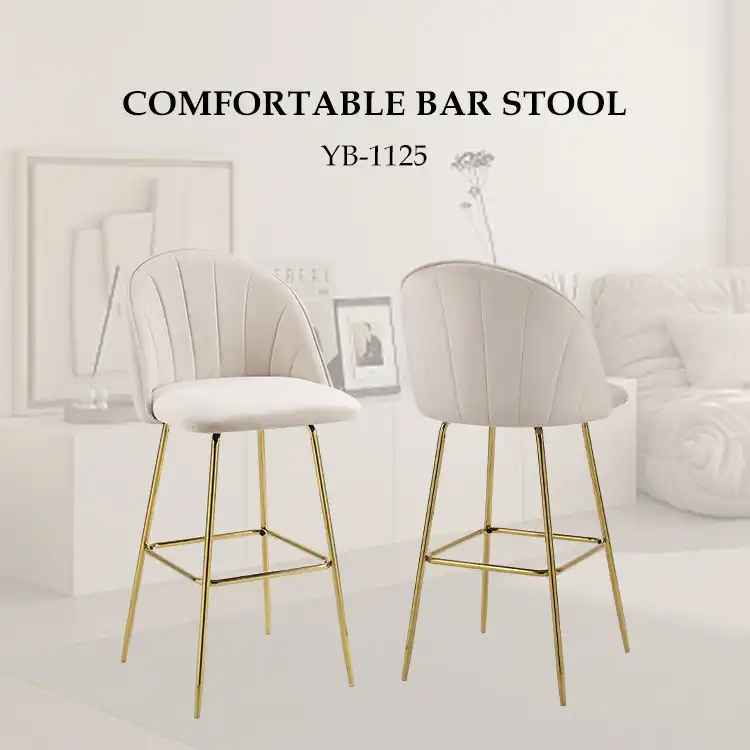
The shell shape form is a step forward in making seats more comfortable. Unlike most chairs with flat backs, this one has a curved shape that fits the natural shape of your body, gently wrapping around your lower back to support you laterally. Modernist style is used as a starting point for the design, which also uses modern engineering concepts. This backrest structure spreads pressure evenly across touch points, which keeps people from getting tired after long periods of use. This is very important for places that serve food and drink, since happy customers are more likely to come back.
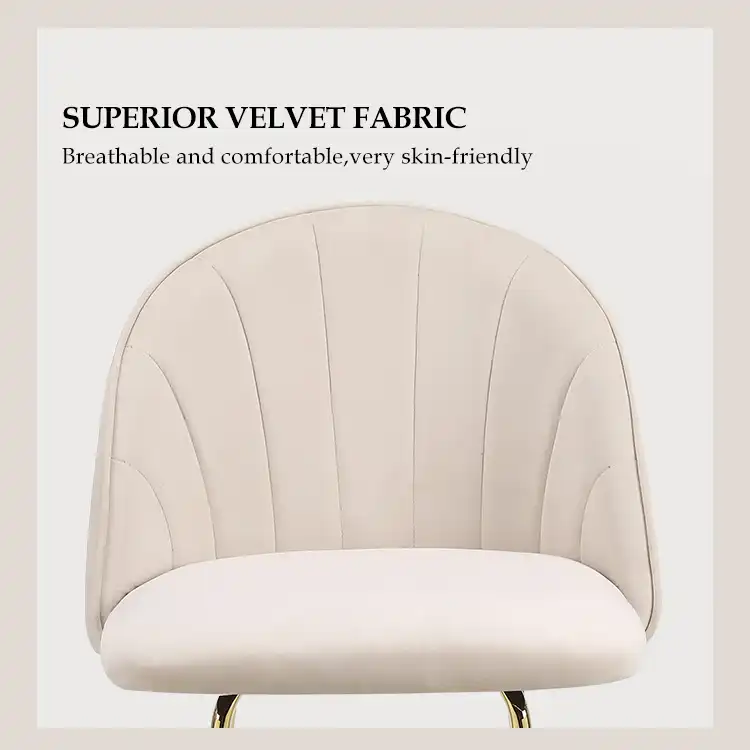
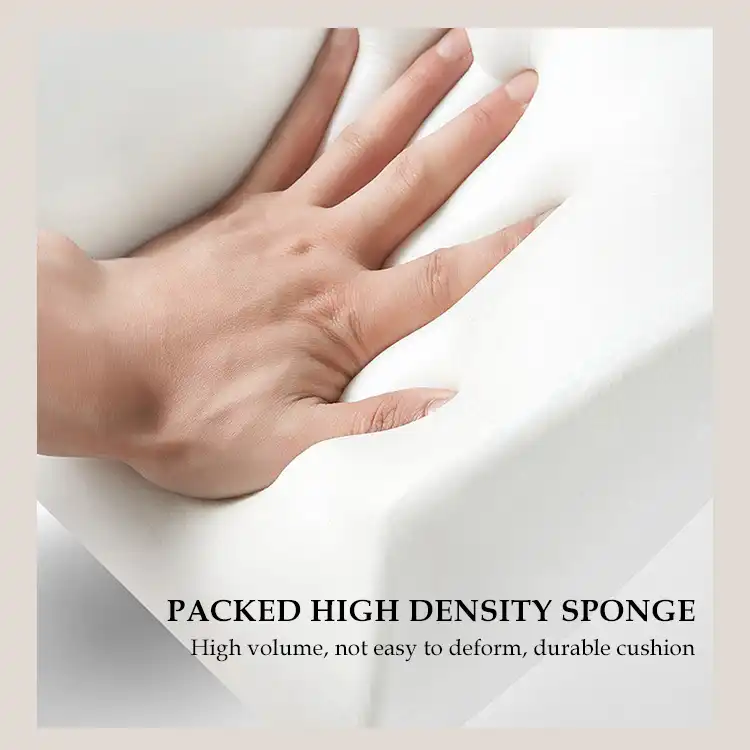
With its carefully regulated curvature, our YB-1074 model is a good example of this method. The 74 cm raised cross-foot base puts users at the best angle to the bar, which helps them keep their posture straight. The seat cushion is made of regular velvet fabric over supportive foam. It keeps its shape even after being used many times, so it can be used in business settings where hundreds of people need to sit every day.
Material Excellence: Metals That Perform
The choice of metal affects how long something will last in harsh business settings. Steel is the most popular choice because it has a high strength-to-weight ratio and is cheap when ordered in large quantities. Our shell stools have black painted iron feet that are powder-coated. This process forms molecular links with the base metal, making the finish much more scratch-resistant than regular spray finishes. This treatment stops rust in damp places like bars and restaurants on the coast.
Aluminum options are lighter and better for places where the furniture needs to be moved around a lot, but they cost more per unit. Stainless steel versions are better for outdoor uses where they will be exposed to weather, but most business buyers inside find that properly coated steel gives them the same performance at a lower cost. Our designs use a cross-foot configuration that spreads the load across four contact points instead of the more common center pedestals. This makes the structure more stable on uneven floors, which is a practical issue when remodeling older buildings.
Ergonomic Advantages for Commercial Spaces
Long-term seating comfort has a direct effect on how much money the place can make. People who stay seated easily in restaurants order more drinks, and people who use the break room at work come back more often when the chairs don't bother them. The spine contouring of the shell design does something that flat seats can't: it lowers the pressure that makes you feel numb and fidgety. Studies in office ergonomics show that properly contoured seating makes it 30% easier for people to sit down and move around than alternatives that don't support them.
These perks add up to measurable value in the procurement process. Hotels say they have to repair furniture less often when they invest in ergonomically sound options instead of cheap flat-seat alternatives. When you look at the original price difference over many years of service, it becomes almost irrelevant. More and more, distributors who work with businesses say that ergonomic features must be included. This means that shell designs are no longer a nice-to-have but a competitive necessity in bid specs.
Comparing Shell Shape Metal Bar Stools with Other Popular Options
Metal Versus Wooden Construction
Traditional wooden bar stools look nice, but metal bar stool are hard to keep clean in a business setting. Wood is more likely to show signs of wear and tear than metal because it soaks up spills and needs to be refinished every so often. Testing for durability shows that metal frames keep their structural integrity through loads that would weaken wooden joints. While wood's natural look fits some design themes, metal's finish options, from industrial matte black to polished chrome grace, make it more adaptable to a wider range of styles.
Maintenance issues play a big role in purchasing choices. To keep their look, metal surfaces only need to be cleaned with a damp cloth. Wood, on the other hand, needs special cleaners and regular polishing treatments. Maintenance labor costs for big installations of furniture add up quickly; distributors who work with restaurant chains with multiple locations like how easy metal is to use. Hollow steel tubing is lighter than solid wood construction, which means it costs less to ship. This is an important thing for foreign buyers to consider when figuring out landed costs.
Cushioned Comfort Versus Hard Shell Surfaces
The choice of seat surface relies on the needs of the operation. Hard plastic or molded shells work best in places with a lot of foot traffic, like fast-casual restaurants, where cleanliness is more important than comfort. In full-service restaurants and hotel lounges where people expect to be comfortable for longer stays, padded choices like our velvet-upholstered models make the experience better for guests. The normal sponge padding in our YB-1074 gives it enough support without being too soft, which would make it hard to move or cause problems with upkeep.
Hygiene issues play a big role in this choice. When it comes to cleaning, padded surfaces need more care, but modern fabrics that don't stain make upkeep a lot easier. When choosing seat types, procurement managers should look at how often seats are changed and how they are served. Bars with a lot of customers might want surfaces that are easy to clean, while boutique hotels put guest comfort first by offering upholstered choices. Both methods work well as long as they are matched correctly to the needs of the business and the brand's positioning.
Height Adjustability and Stability Considerations
Fixed-height models, like our 74 cm counter-height design, are more stable than gas-lift adjustable models. The cross-foot base design gets rid of the wobble that often happens with height-adjustable mechanisms, especially after a while of use when the adjustment parts become free. This reliability is good for commercial settings because it means that broken lift mechanisms don't need to be fixed, and setups that all have the same seating height look the same.
Adjustable models fill certain needs, like in corporate cafeterias or event areas that can be used for more than one thing and need to be flexible. But the mechanical complexity means there are more places where things could go wrong and the cost per unit is higher. Most of the time, buyers who buy in bulk choose fixed-height inventory because it makes managing stock easier and costs less per unit. When you order container quantities, the cost savings from simpler building models add up to a lot, giving you more money to spend on bigger orders or better upholstery materials.
Trusted Brands and Manufacturers: Selecting Your Supplier with Confidence
Evaluating Manufacturer Credentials
In competitive furniture markets, choosing the right supplier is key to success. Established makers show their trustworthiness by showing how big their facilities are, how much they can make, and how many times they've exported their goods. Anji Yibo Furniture has a 6,000-square-meter building with special tools for making metal furniture, putting together fabrics, and checking the quality of the work. Our 14-year history of making chairs gives us institutional knowledge that younger companies don't have, especially when it comes to the details of international shipping and meeting the needs of different markets.
Indicators of production capacity show whether metal bar stool suppliers can regularly meet steady order volumes. Every month, we send several containers to markets in over 70 countries, showing that we are good at transportation and consistent with our production. This throughput capacity makes sure that buyers don't run out of stock during busy times, which is especially important for project contractors who are trying to meet installation schedules. Site visits to manufacturing sites are one way to confirm the claimed abilities, but full product certifications are usually enough for the first evaluations of a partnership.
Quality Certifications and Compliance Standards
Professional buyers give suppliers that meet foreign quality standards more weight. For European markets, EN 16139 certification is useful, and for North American uses, ANSI/BIFMA X5.1 certification is. Both of these certifications spell out safety testing procedures and structural performance requirements. These standards cover things like material safety, load capacity, stability, and sturdiness through testing that happens over and over again. When manufacturers spend money on certification, they show that they are serious about quality beyond just saying they are. This gives procurement managers proof of specifications they can use in internal reports or when clients ask questions.
Material safety documentation is becoming more important as concerns about corporate social responsibility affect buying choices. As part of our dedication to quality control, we check all of our products at multiple stages, from the raw materials to the finished assembly. Protocols for sampling inspection find problems before they are shipped, which is what foreign buyers need. The manufacturer's trust in the product's durability is shown by the warranty coverage. Our warranty terms address concerns about structural integrity while also recognizing that upholstery parts naturally wear down in business settings.
Partnership Benefits and Support Services
Long-term relationships with suppliers are worth more than just the price of a deal. Our sales team promises to answer all questions within 24 hours because they know that buying things often needs to be done quickly. Technical support continues after the sale. Our R&D staff is ready to talk about the possibility of customization and provide CAD drawings for planning space. Professional manufacturers are different from commodity sellers whose only job is to take orders because they work together.
After-sales help answers the questions that will inevitably come up during the lifecycle of a product. Installation instructions, upkeep suggestions, and help with fixing problems keep customers happy and cut down on returns. Our participation in big trade shows like the Guangzhou Furniture Fair and the Canton Fair gives us the chance to meet new people and share market information in person. These interactions with the industry keep us up to date on how design tastes change and how changes in rules affect the international furniture trade.
Optimizing Your Purchase: How to Choose the Perfect Shell Shape Metal Bar Stool for Your Business?
Matching Products to Operational Environments
Different commercial settings demand specific performance characteristics of metal bar stool. High-volume bars prioritize easy-clean surfaces and rock-solid stability over plush comfort, making hard-shell or minimal-upholstery models appropriate. Full-service restaurants balance durability with comfort, requiring cushioned seats that withstand nightly use while supporting diners through multi-course meals. Corporate break rooms and office lounges emphasize ergonomic support for employees taking extended breaks, where shell-contoured backrests deliver measurable comfort benefits.
Outdoor applications introduce weather resistance requirements. While our standard velvet upholstery suits interior installations, outdoor venues require specialized fabrics and enhanced metal treatments. Coastal locations demand particular attention to corrosion resistance, often necessitating stainless steel construction or marine-grade coating systems. Climate considerations extend to temperature extremes—metals conduct heat, making cushioned seats preferable in sunny patio locations to prevent discomfort from hot surfaces.
Balancing Budget, Quality, and Order Volume
Procurement optimization requires evaluating multiple cost factors beyond unit pricing. Delivered cost includes shipping, customs duties, and inland transportation—components that vary significantly based on order volume and Incoterms selection. Larger orders distribute fixed costs across more units, reducing per-piece landed costs substantially. However, inventory carrying costs and cash flow constraints limit order sizes for many buyers, necessitating careful balance between volume discounts and working capital requirements.
Quality considerations influence total cost of ownership more than initial purchase price. Inexpensive stools requiring replacement after 18 months ultimately cost more than moderately priced options lasting four years. Warranty coverage and supplier reputation provide risk mitigation that numerical cost comparisons overlook. Experienced procurement professionals evaluate supplier stability, communication responsiveness, and problem-resolution track records alongside pricing, recognizing these factors determine partnership success over multi-year relationships.
Leveraging Customization for Market Differentiation
OEM and ODM capabilities transform generic furniture into brand-differentiating assets. Custom powder-coating colors allow retailers to offer exclusive finishes unavailable from competitors sourcing standard options. Private label programs enable distributors to build brand equity rather than merely reselling manufacturer brands. Dimensional adjustments accommodate specific installation requirements or regional preferences—European buyers often request millimeter-specification variations from standard imperial-sized products common in North American catalogs.
Our R&D team collaborates throughout the customization process, from initial concept discussions through prototype refinement and production specification finalization. This partnership approach ensures customized products meet functional requirements while remaining manufacturable at reasonable costs and timelines. Sampling investments pay dividends by catching design issues before full production commitment. Smart buyers leverage customization strategically, standardizing certain elements for inventory efficiency while varying customer-facing aspects like upholstery colors to create perceived variety without operational complexity.
Conclusion
Shell shape metal bar stools, particularly shell-shaped variants, deliver the performance reliability and aesthetic versatility that modern commercial spaces demand. Their ergonomic design enhances user comfort during prolonged seating, while durable metal construction withstands the rigorous demands of high-traffic hospitality and office environments. Procurement professionals benefit from understanding the nuanced differences between construction materials, seat styles, and height configurations to make informed purchasing decisions aligned with operational requirements. Strategic supplier selection based on manufacturing credentials, quality certifications, and partnership support capabilities ensures long-term procurement success beyond initial transaction completion.
FAQ
Are shell shape metal bar stools comfortable for extended sitting periods?
The contoured backrest design provides lumbar support that significantly reduces fatigue compared to flat-backed alternatives. The curvature wraps around the lower back, distributing pressure across a broader contact area. Combined with cushioned seating, these stools comfortably accommodate guests for extended dining or socializing sessions typical in full-service restaurants and hotel lounges.
What height should I choose for my commercial space?
Counter-height applications with 90-95cm work surfaces require 60-65cm seat heights, while bar-height installations at 100-110cm need 74-76cm seats. Maintain 25-30cm clearance between seat and underside of counter for comfortable leg positioning. Our YB-1074 model at 74cm suits standard bar-height configurations perfectly.
Can these stools be customized for my brand requirements?
Extensive customization options exist through OEM partnerships. Powder-coating colors, upholstery materials, dimensional adjustments, and branding elements can be specified to match your market positioning. Minimum order quantities for custom specifications typically begin at 300-500 units, accessible volumes for established importers and distributors building differentiated product lines.
How do I maintain metal bar stools in commercial environments?
Regular cleaning with mild soap solutions preserves powder-coated finishes without damaging protective layers. Immediately wipe spills to prevent chemical exposure from acidic beverages. Vacuum upholstered components weekly and spot-clean stains promptly with fabric-appropriate cleaners. Periodic inspection of connection points ensures long-term structural integrity, though quality construction minimizes maintenance requirements.
Ready to Source Premium Shell Shape Metal Bar Stool Suppliers?
YIBO stands ready to support your procurement objectives with proven manufacturing excellence spanning 14 years in shell shape metal bar stool commercial seating production. Our Anji facility combines advanced equipment with skilled craftsmanship, delivering consistent quality across container-level orders shipped monthly to 70 countries worldwide. Whether you need our YB-1074 cross-foot model with its sturdy black painted iron base and velvet upholstery, or custom OEM solutions tailored to your specifications, our responsive team provides expert guidance within 24 hours. Contact our experienced sales professionals at yb@ajyibo.com to discuss your requirements, request samples, or explore customization possibilities that transform generic furniture into market-differentiating assets for your business.
References
1. Thompson, M. (2021). Ergonomic Seating Design: Principles and Applications in Commercial Furniture. New York: Industrial Design Press.
2. Chen, L., & Rodriguez, A. (2020). Metal Fabrication Techniques for Contract Furniture Manufacturing. Journal of Furniture Production Technology, 45(3), 112-128.
3. Williams, R. (2022). Procurement Best Practices for Hospitality Furniture: A Buyer's Comprehensive Guide. London: Commercial Interior Publications.
4. Anderson, K. (2019). Material Science in Modern Furniture: Durability Testing and Performance Standards. Chicago: Furniture Research Institute.
5. Martinez, S., & O'Brien, P. (2023). Global Furniture Supply Chain Management: International Logistics and Quality Control. Singapore: Trade Publishing International.
6. Davidson, J. (2020). Contemporary Bar and Restaurant Design: Furniture Selection Strategies for Commercial Success. San Francisco: Hospitality Design Quarterly.