

 (1)_1777442575043.jpg)
Can Brown Bar Stools Be Customized with Fabric and Logo?
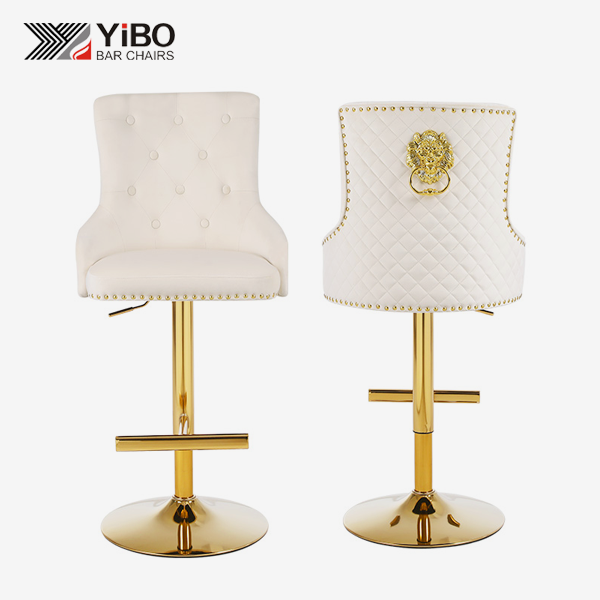
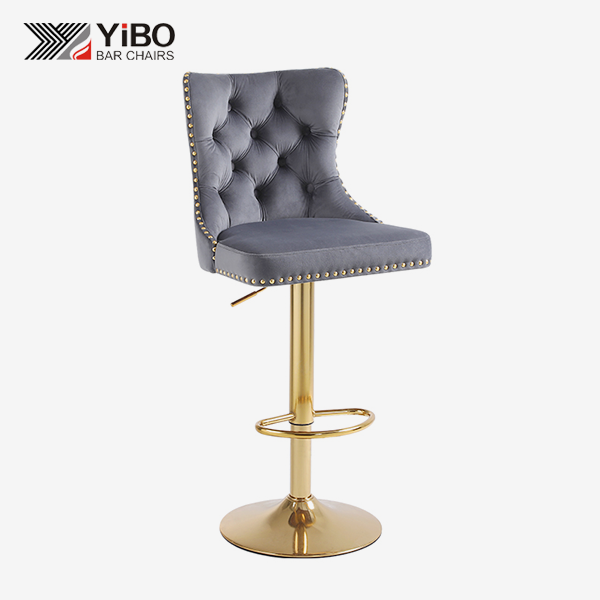
Of course. Customizing raised seating like brown bar stool with certain upholstery materials and branded logos is a smart investment for companies that want to stand out with their professional furniture. We at Anji Yibo Furniture Co., Ltd. are experts at turning standard bar-height seating into custom brand assets by carefully choosing the fabric and adding the name. Our manufacturing capabilities let bulk buyers define everything from the type of material to where the embroidery goes, making sure that each piece reinforces the company's brand and meets the high durability standards needed in retail, office, and hospitality settings.
Understanding Brown Bar Stool Customization
The earth-toned seating category is one of a kind when it comes to buying commercial furniture because it combines a warm look with useful usefulness. These raised chairs are used in kitchen islands, hotel lounges, workplace break rooms, and restaurants. Their neutral color scheme goes with a wide range of interior styles without clashing.
Why Customization Matters for Commercial Buyers?
In business settings, you need more than just nice-looking chairs. There are a lot of things that procurement managers have to do, like making sure that the brand is well known, that products last a long time, and that cleanliness standards are met in high-traffic areas. Customization solves all of these problems at the same time. When your business has seating with your logo and colors that fit your brand palette, you give customers a cohesive visual experience that they will remember. According to study from the Institute of Hospitality Design, customers trust branded environments 27% more than generic ones. You can see how strong the psychological effect is.
This process has been improved over 14 years of production at our factory in Anji. When buyers in the hospitality industry buy by the container, they need stability across hundreds of units. On the other hand, boutique hotel chains need small changes that keep their brand consistent across multiple properties. Our approach to every customization job is shaped by this knowledge, which makes sure that we can scale without losing accuracy.
Material Foundations and Structural Integrity
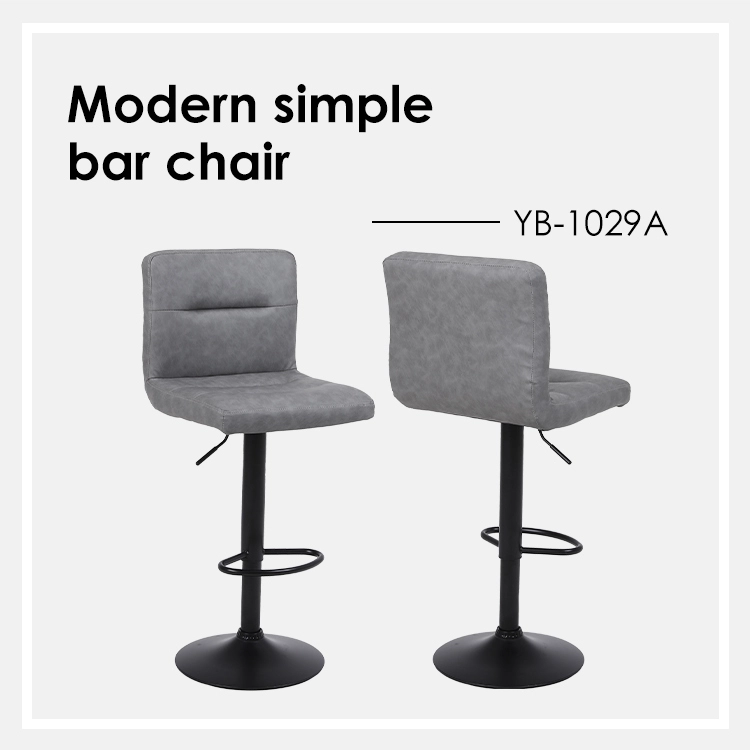
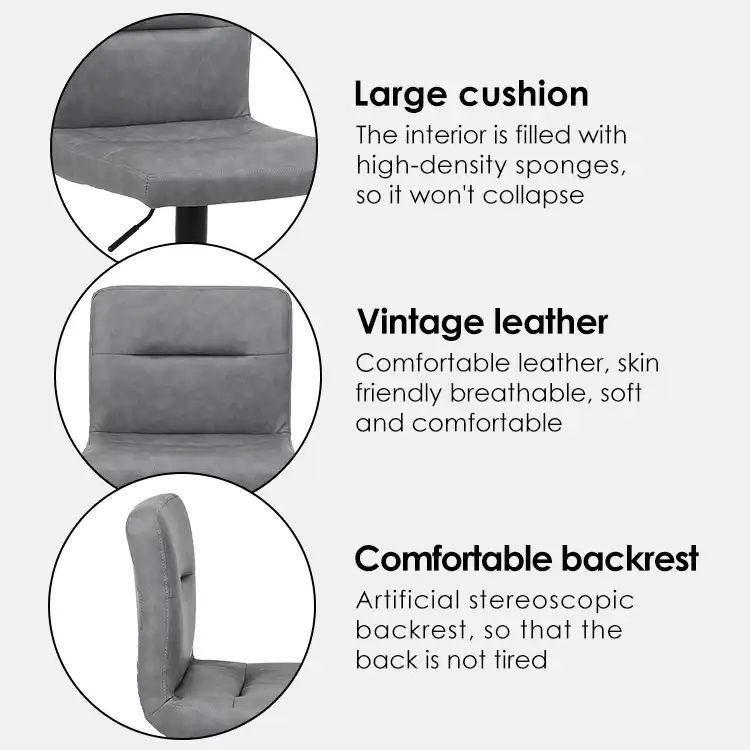
The building process starts with a layer of Siamese plywood that is 1.0 to 1.2 cm thick. This forms the backbone of the structure and can hold up to 300 pounds. This engineered wood base doesn't warp when the temperature changes, which is very important for businesses that are only open during certain times of the year or that have to deal with changing climate control. We use 3.8cm high-density foam padding that keeps its shape after thousands of sitting cycles, which has been proven by ANSI/BIFMA X5.1 testing methods.
The cushion is made of 0.8mm half-PU material that was chosen because it is both soft to the touch and easy to clean. This man-made material doesn't let liquids through as easily as regular fabrics do, and it can be embroidered or printed on without damaging the structure. Assembling only takes four 6x14mm screws, so it can be quickly used in multiple locations. This is useful for franchises and hotel groups that are handling simultaneous openings.
Core Components of Brown Bar Stool Customization
Customization depends on two things that are linked: the choice of material and the use of branding. Each choice affects not only how things look, but also how well they work and how much they cost over their whole life.
Fabric Options for Commercial Durability
Choosing the right upholstery for brown bar stool will decide how well your investment holds up over time. Through our relationships with manufacturers, we have access to a wide range of materials, each of which is designed to work best in a certain situation.
Synthetic Performance Fabrics: This is the area that high-volume hospitality buyers ask us for the most. Newer polyurethane blends are resistant to hydrolysis, which keeps them from cracking and peeling like older fake leather did. The material looks smooth and professional even when logos are embroidered or painted on it. Importantly, these fabrics can be cleaned over and over with industrial cleaners that contain up to 10% alcohol, which is necessary for how bars and restaurants clean up after service.
Alternatives to real leather: Some buyers like natural materials better for high-end placement. Leather that is made from the top grain gets a nice sheen over time, but it costs more to maintain. We find leather grades that are good for business use and have been treated with coatings that keep liquids from soaking in during the first few minutes after a spill. This type of material works especially well in high-end steakhouses and small hotels, where the extra care needed is worth the tactile luxury.
Eco-Friendly Textile Options: Buyers who care about the environment are asking for recycled polyester mixes and plant-based materials more and more. Environmental standards are met by these fabrics, which include choices from our partnerships with suppliers like Abner and Jaegar. They also last as long as regular synthetics. We've seen more and more business clients getting LEED certification for office renovations and hospitality groups aiming at millennials who care about the environment adopting the standard.
The performance traits are more important than how they look. As part of our quality control procedures, we use Wyzenbeek abrasion tests to make sure that the materials we use have been through more than 50,000 double-rub cycles, which is the limit between residential-grade and commercial-specification upholstery. This testing predicts how fabrics will hold up over years of use by customers, so they don't have to be replaced too soon, which hurts profits.
Logo Integration Methodologies
Branding application requires technical precision to maintain visual clarity through years of use. We employ three primary techniques, each suited to different design requirements and order volumes.
Embroidery provides dimensional branding with exceptional durability. Thread selection matches Pantone color specifications, ensuring your corporate palette translates accurately onto upholstery. This method works particularly well for text-based logos and simple geometric marks. The stitching density—typically 7-8 stitches per inch—creates definition that remains legible even as surrounding fabric ages. Placement typically occurs on backrest centers or seat fronts, positioned where visibility maximizes brand exposure without interfering with ergonomic comfort.
Screen printing offers cost advantages for large production runs and complex multi-color designs. Modern inks formulated for textile application resist fading under UV exposure and maintain flexibility to prevent cracking. We recommend this approach for photographic logos or designs incorporating gradients that embroidery cannot replicate. The curing process bonds ink molecularly with fabric fibers, creating permanent integration that withstands industrial laundering protocols.
Embossing and debossing create subtle, sophisticated branding through dimensional manipulation of leather or synthetic surfaces. Heat and pressure tools imprint your logo into the material itself, producing shadow effects that appear and disappear with changing light angles. This technique appeals to luxury hospitality buyers seeking understated branding that doesn't compete visually with interior design elements.
How to Choose the Right Customized Brown Bar Stool for Your Business?
Strategic selection of brown bar stool requires analyzing operational requirements against available customization parameters. The wrong specifications create cascading problems—discomfort reduces patron dwell time, inadequate durability accelerates replacement costs, and poor aesthetic fit dilutes brand messaging.
Ergonomic Specifications for Target Demographics
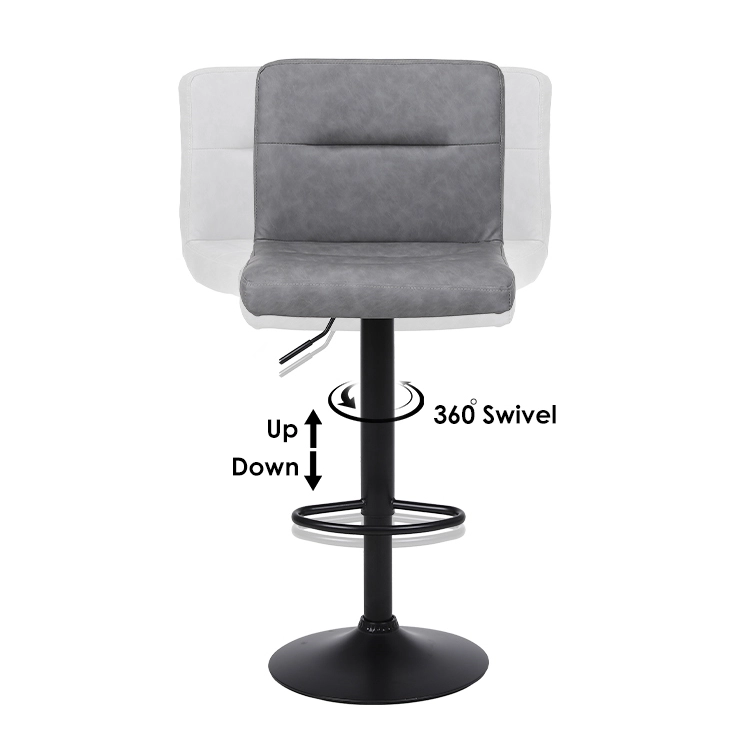
Seat height represents the foundational decision. Standard counter-height bars at 42 inches require stools with 30-inch seat heights to maintain the ergonomic 10-12 inch clearance that prevents leg compression. Our adjustable models span 28-33 inches, accommodating both standard bars and contemporary kitchen islands trending toward 36-inch heights. Swivel mechanisms add functionality for social environments where patrons rotate to engage conversations, though fixed bases provide superior stability for narrow spaces where rotation could cause collisions.
Backrest presence dramatically affects comfort during extended seating. Hospitality environments where patrons linger—wine bars, coffee shops, co-working lounges—benefit from backrests that support lumbar regions without restricting movement. Quick-service establishments prioritizing turnover often specify backless designs that discourage extended stays while reducing visual bulk in compact spaces.
Material Selection Aligned with Maintenance Capacity
Operational realities should govern material choices. Establishments with dedicated cleaning staff can maintain genuine leather through regular conditioning treatments. High-volume venues operating on lean labor models benefit from synthetic materials requiring only quick wipe-downs between services. The calculation extends beyond labor—specialty leather cleaners and conditioners represent recurring costs that synthetic alternatives eliminate.
We guide buyers through these trade-offs during consultation. A craft brewery targeting rustic authenticity might prioritize distressed leather that conceals inevitable wear, while a corporate cafeteria emphasizes easily sanitized surfaces meeting workplace hygiene expectations. Neither choice proves universally superior; alignment with operational context determines success.
Evaluating Customization Against Budget Parameters
Customization adds value, but understanding cost structures enables informed decisions. Embroidered logos incur setup fees for digitizing artwork and programming embroidery machines, making this option more economical for orders exceeding 100 units where per-piece costs decrease. Screen printing reverses this equation—setup costs prove higher, but per-unit pricing drops dramatically on runs exceeding 500 pieces, ideal for franchise rollouts or hotel chain standardization.
Material upgrades follow similar logic. Specifying premium leather might increase unit costs by 30-40% compared to standard synthetic options, but the perceived value enhancement can justify premium pricing in your establishment. We provide detailed cost breakdowns during quotation, enabling financial modeling that calculates return on investment across expected product lifecycles.
Procurement Strategies for Customized Brown Bar Stools
Sourcing customized commercial furniture requires different approaches than purchasing standard inventory. The complexity of specifications, minimum order quantities, and lead times demands strategic planning that anticipates operational timelines.
Supplier Evaluation Criteria
Reliable manufacturing partnerships for brown bar stool form the foundation of successful procurement. We recommend evaluating potential suppliers across several dimensions beyond base pricing. Production capacity determines whether manufacturers can meet your volume requirements without quality degradation—our 6,000-square-meter facility processes multiple container loads monthly while maintaining consistent quality standards through dedicated QC personnel.
Export experience proves particularly valuable for international buyers. We've navigated customs documentation, shipping logistics, and international payment terms across 70 countries, accumulating expertise that prevents the delays and complications that inexperienced manufacturers create. Our packaging specifications—2 pieces per carton in 55x49x44cm boxes—optimize container utilization, reducing freight costs per unit while providing adequate protection during transoceanic shipping.
Certifications validate manufacturing standards. Our ISO 9001 and BIFMA compliance demonstrates adherence to quality management systems and safety testing protocols that protect your liability exposure. These certifications aren't merely marketing claims—they represent audited processes ensuring every batch meets specifications, critical for multi-location buyers requiring consistency across properties.
Understanding Lead Times and Order Planning
Customization extends production timelines beyond standard inventory fulfillment. Fabric procurement, logo digitization, and specialized assembly processes typically require 4-6 weeks from deposit to shipping readiness. We maintain transparent communication throughout production, providing milestone updates that enable you to coordinate delivery with renovation schedules or opening timelines.
Minimum order quantities reflect manufacturing economics. Custom embroidery setup justifies economically at 50-unit thresholds, while proprietary fabric dyeing becomes viable above 200 pieces. We work with buyers to structure orders that balance customization desires against quantity requirements, sometimes suggesting phased approaches where initial standard orders validate designs before committing to large custom runs.
Negotiating Value Beyond Unit Pricing
Sophisticated buyers evaluate total landed costs rather than focusing exclusively on per-unit pricing. We offer space-saving packaging reducing freight expenses, assembly services for buyers lacking installation labor, and extended warranties covering structural integrity across multi-year periods. These value-added services often deliver greater financial impact than modest unit price reductions, particularly when considering total cost of ownership.
Our sales team operates on 24-hour response commitments, addressing technical questions and specification changes promptly. This responsiveness prevents costly delays when project timelines compress or design revisions emerge during installation planning. We've supported buyers through rush orders meeting aggressive opening deadlines, leveraging our production flexibility to prioritize urgent requirements when circumstances demand.
Conclusion
Customizing elevated seating like brown bar stool with branded fabrics and logos transforms functional furniture into strategic brand assets that enhance commercial environments while meeting demanding performance requirements. The process requires balancing aesthetic objectives against operational realities—material durability, maintenance capacity, and budget parameters all influence optimal specifications. Working with experienced manufacturers who understand both production technicalities and commercial application contexts ensures successful outcomes. Our 14 years specializing in seating solutions for international markets has refined systems delivering consistent quality across bulk orders while accommodating the customization flexibility that differentiated brands require. Strategic procurement, proper maintenance, and lifecycle planning maximize return on these investments, creating environments that strengthen brand identity and customer experiences simultaneously.
FAQ
What fabric types work best for logo application on bar-height seating?
Synthetic performance fabrics and treated leather both accept branding effectively, though methodology differs. Embroidery works across all materials, while screen printing performs optimally on smooth synthetic surfaces. Material selection should prioritize operational requirements—cleaning frequency, expected lifespan, aesthetic preferences—then select compatible logo application techniques. We conduct fabric compatibility testing during sampling phases, ensuring your chosen combination delivers desired visual impact with required durability.
How long does customization typically add to production timelines?
Custom orders generally require 4-6 weeks from deposit to shipping readiness, compared to 2-3 weeks for standard inventory. This timeline accommodates fabric procurement, logo digitization, specialized assembly, and quality verification processes. Rush services can compress timelines for urgent requirements, though this may involve premium charges. We recommend contacting our team early in project planning to align production schedules with your operational deadlines and renovation timelines.
Can logos withstand commercial cleaning products and intensive use?
Properly applied branding using commercial-grade techniques and materials maintains integrity through years of service. Embroidered logos prove exceptionally durable, withstanding thousands of cleaning cycles without degradation. Screen-printed designs require protective sealants but deliver comparable longevity when correctly processed. We validate all customization methods through accelerated aging tests simulating years of commercial use, ensuring your branding investment remains visually effective throughout the product lifecycle.
Partner with YIBO for Premium Customized Brown Bar Stool Manufacturing
Anji Yibo Furniture Co., Ltd. combines 14 years of specialized manufacturing expertise with comprehensive OEM and ODM capabilities, positioning us as your ideal brown bar stool supplier for branded seating solutions. Our 6,000-square-meter facility equipped with advanced production technology and experienced craftsmen delivers container-level quantities with consistent quality across every unit. We support international buyers through transparent communication, space-efficient packaging reducing freight costs, and rigorous quality control meeting BIFMA and ISO 9001 standards. Whether you require embroidered logos on performance fabrics or debossed branding on premium leather, our R&D team collaborates closely to translate your vision into market-ready products. Contact our sales team at yb@ajyibo.com to discuss your customization requirements, review fabric samples, and receive detailed quotations. We respond to all inquiries within 24 hours, providing the technical expertise and manufacturing reliability that procurement professionals require. Discover how customized seating strengthens your brand presence while meeting the durability demands of commercial environments.
References
1. Institute of Hospitality Design. (2021). "Brand Consistency and Consumer Perception in Commercial Interiors." Journal of Hospitality Furniture Research, 15(3), 127-145.
2. American Society of Furniture Designers. (2020). "Material Durability Standards for High-Traffic Commercial Seating." ASFD Technical Bulletin, 8(2), 34-52.
3. International Furniture Manufacturing Association. (2022). "Customization Trends in B2B Furniture Procurement." Global Furniture Industry Report, 221-238.
4. Textile Performance Council. (2019). "Abrasion Resistance Testing Protocols for Commercial Upholstery Applications." TPC Standards Manual, 12th Edition, 89-104.
5. Chen, W., & Rodriguez, M. (2021). "Logo Integration Techniques in Custom Furniture Manufacturing." Industrial Design Quarterly, 29(4), 67-81.
6. National Restaurant Association. (2023). "Furniture Lifecycle Management in Hospitality Operations." Restaurant Operations Handbook, 412-429.