

 (1)_1777442575043.jpg)
Benefits of Choosing PU Fabric Leisure Chairs Over Other Materials
When buying business furniture, choosing the upholstery materials is one of the most important decisions that needs to be made. PU fabric leisure chairs are a great deal because they combine the beauty of real leather with the ease of upkeep and low cost of fabric. This synthetic leather option is better at keeping out water, the quality is the same from batch to batch, and it lasts a long time in high-traffic areas. Unlike natural materials that need a lot of care, the surfaces of these chairs don't absorb water, making cleaning easier while still keeping a professional look. Because they can be used in hotel lobbies, corporate offices, and retail waiting areas, they are becoming more and more popular among foreign buyers who want reliable seating solutions that can be scaled up or down and still meet modern design standards.
Understanding PU Fabric Leisure Chairs and Their Core Benefits
What Defines PU Fabric in Modern Seating Solutions
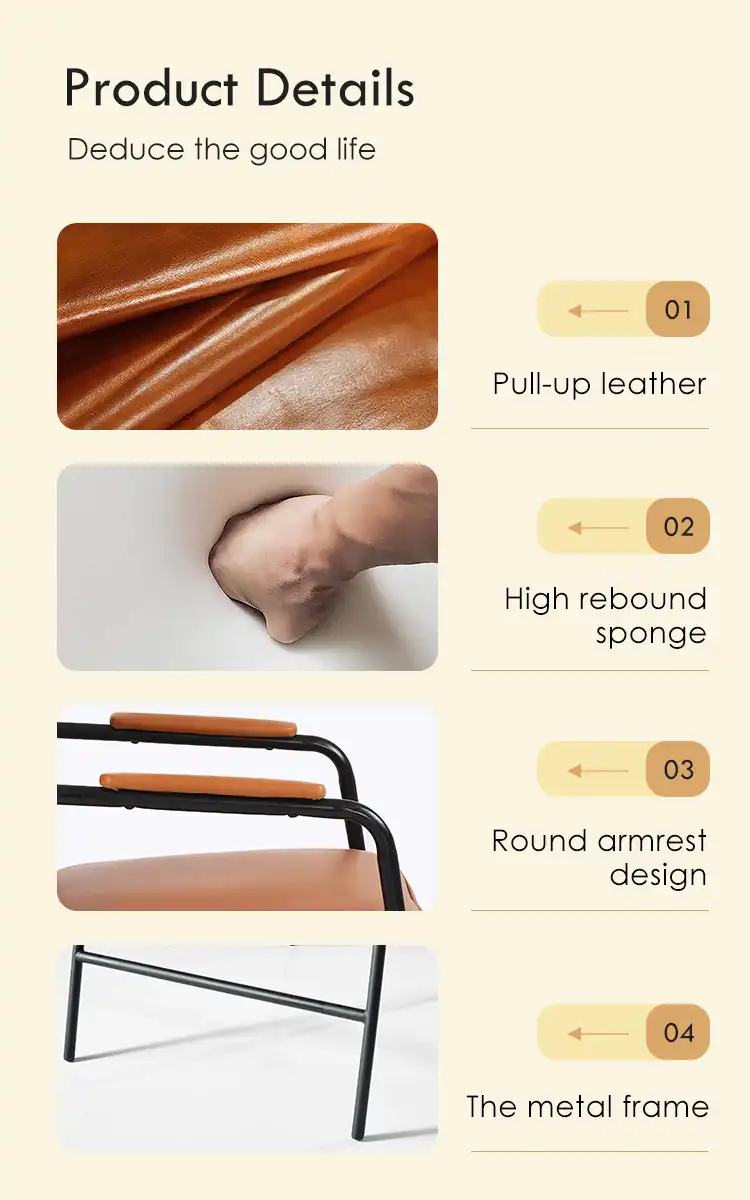
A new type of synthetic furniture material called polyurethane fabric is made by gluing PU resin to a microfiber or TC (Tetoron Cotton) backing substrate when it is wet. This way of building makes a microporous structure that is different from PVC alternatives. This lets the material automatically adapt to changes in body temperature. The usual coating thickness is between 0.8mm and 1.2mm, which is the best mix between being soft to the touch and being strong. Modern ways of making things focus on water-based PU formulas that get rid of DMF residues. These meet strict REACH compliance standards and California Prop 65 requirements that North American buyers are asking for more and more.
Durability Standards That Meet Commercial Demands
The performance credentials of the material directly meet the strict needs of contract furniture uses. Martindale Rub Tests show that high-quality PU fabric can survive 50,000 to 100,000 cycles, which is more than many woven fabrics can handle. Specifications for tensile strength require warp and weft tearing resistance to be higher than 30N. This keeps seams from failing, which happens a lot with cheaper furniture. Premium brands use Polycarbonate-based PU plastics instead of standard Polyester ones. This makes them much more resistant to hydrolysis, which is the main factor that affects how long something lasts in humid places. This chemical mix stops the peeling and flaking problems that happen with cheaper synthetic leathers, so it can be used in business settings for at least seven years with proper care.
Maintenance Efficiency for High-Traffic Environments
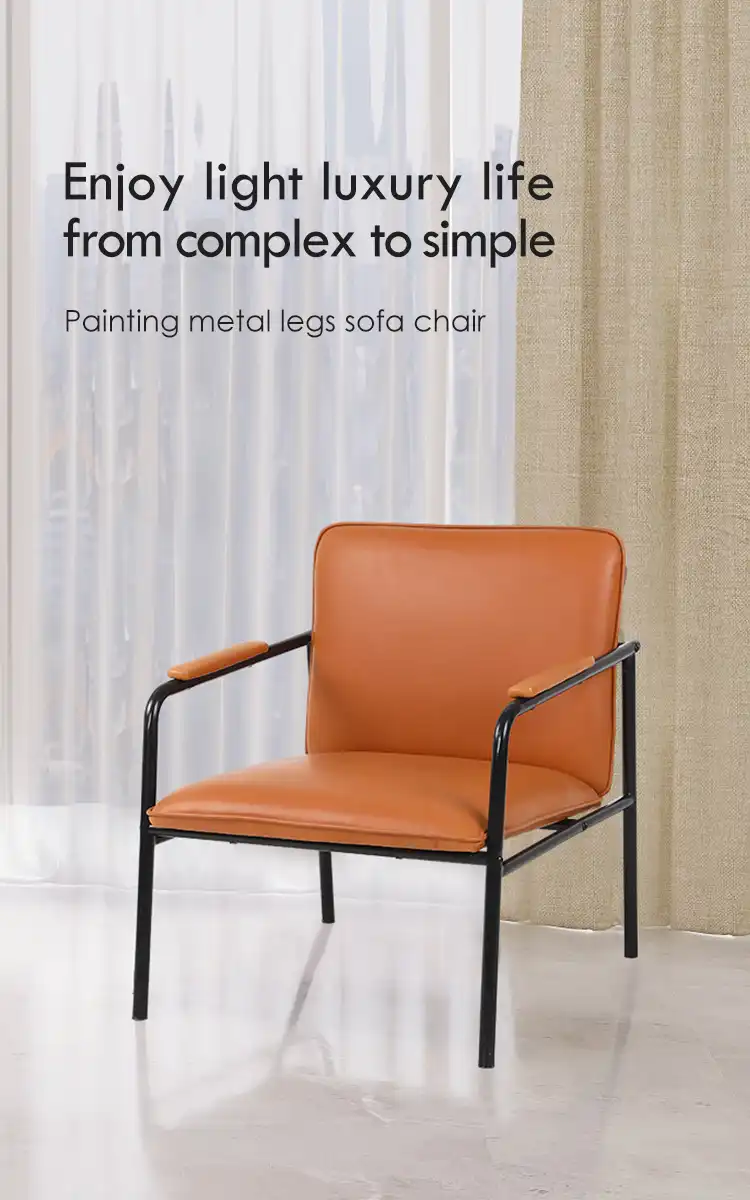
Operational effectiveness is what sets apart great contract furniture from average products. Quality PU upholstery has a surface that doesn't let liquids through. This means that spills can be cleaned up right away with damp cloths instead of needing special tools to get the liquid out. This slippery property is very useful in places like hotels and restaurants where quick cleaning after each guest directly affects the ability to make money. Because the material is resistant to common disinfectants, it can be cleaned in strict ways, which is important in places like schools and medical waiting rooms. Woven fabrics trap dust and allergens, but smooth PU surfaces don't let dust mites stick to them. This helps meet better air quality standards and lowers the cost of maintenance work over the lifecycle of a building.
Environmental Considerations in Modern Manufacturing
Sustainability traits are becoming more and more important to buyers who care about the environment when they buy things. Modern methods for making PU cloth use water-based chemistry, which greatly lowers the release of volatile organic compounds compared to older methods that used solvents. The material's durability naturally helps reduce waste by increasing the number of times it needs to be replaced compared to less durable options. Some companies now use bio-based polyols that come from green sources in their PU formulations. This cuts down on the need for petroleum without lowering performance standards. PU parts can be reused and recycled after they've been used up, which is better than composite materials that have to be thrown away in a dump. This is in line with the circular economy ideas that are becoming more popular in both European and American markets.
PU Fabric Leisure Chairs vs. Other Popular Materials: A Comparative Analysis
Cost Efficiency Across Material Categories
The choice of material for leisure sofa chair has a direct effect on both the original cost of buying the furniture and the total cost of owning it over its lifetime. Genuine top-grain leather looks and feels very expensive, but it's very expensive, which can make it hard to afford to buy in bulk. Because of the difference in price, leather is usually 60–70% more expensive than similar PU options. Also, leather has natural variations that make it harder to make sure that the quality is the same from container to container. Woven textiles have appealing prices at first, but they cost more to maintain because they need to be cleaned by professionals and need to be replaced more often in harsh settings. The best place for PU fabric to be is in the middle. It has a look that is similar to real leather while still being affordable enough to support a good project economy. When you consider lower maintenance costs and longer replacement intervals, this value offer becomes even stronger.
Comfort and Ergonomic Performance Factors
Comfort for users directly affects satisfaction metrics that decide whether or not a business will buy from the same company again. Mesh materials let more air pass through them in hot conditions, but they don't offer the cushioned support that's needed for long periods of sitting, which is common in lounge settings. Upholstery made of cotton and linen naturally breathes, but it also soaks up water and stains, which isn't good for health in business settings. Microporous structure of high-quality PU fabric allows it to breathe while keeping the soft, warm feel that people expect from high-end seats. Surface temperatures change based on the surrounding temperature, so they don't make you feel cold and damp like solid PVC does. This makes you feel more comfortable without having to worry about care like natural fabrics do. This balanced performance profile makes deployment flexible in a range of climates and use cases.
In comparison tests, PU cloth stands out because of these performance benefits:
Tests done in the lab show that PU fabric is more resistant to puncture and tear forces than woven fabrics. This is especially important in pet-friendly hotels or public areas with a lot of foot traffic where damage is more likely to happen by mistake.
Color Consistency: Real leather has natural grain variations and color differences between hides. Synthetic PU production, on the other hand, makes all production runs look the same, which makes quality control easier for large purchases and makes sure that furniture installations look good together.
Fade Resistance: UV light breaks down many upholstery materials over time, but newer PU formulas have stabilizers that keep colors true through Xenon arc testing that goes above and beyond ISO 105 B02 standards. This protects the value of an investment in sun-exposed areas.
These technical advantages lead to operational gains that people who work in procurement can see right away. Getting rid of natural material variation speeds up inspections and lowers the number of foreign shipments that are rejected. Color fastness traits keep brand presentation standards in places like stores and hotels where visual consistency helps people think something is of high quality. Because they are resistant to punctures and easy to maintain, they last longer than traditional materials would under the same conditions of use. This saves money because they don't need to be replaced as often, which can be measured.
Breathability and Temperature Regulation Properties
Climate adaptability affects how comfortable leisure sofa chair seats are in a wide range of places. Real leather naturally breathes, but it needs to be treated to keep it from drying out and cracking, which makes upkeep more difficult. Standard PVC is still functionally impermeable, which means that moisture can build up after long periods of touch. The microporous structure of good PU cloth finds a useful middle ground between letting moisture vapor pass through and stopping liquid from getting through. This trait is especially useful in mild areas where changes in seasonal temperatures would otherwise make people uncomfortable. Even when it's -20°C outside, the material stays flexible. This means that it won't get stiff like PVC seats does in the winter. This temperature stability lets it be used all year without losing performance during different seasons.
Tailoring PU Fabric Leisure Chair Procurement to Your Business Needs
Matching Material Specifications to Usage Environments
The best material specifications and construction details depend on the application situation. When it comes to corporate office lounges, style is more important than longevity, so softer PU grades with better tactile qualities can be specified. Hotel hallways and restaurant waiting areas need materials that meet CRIB 5 or TB117-2013 standards because they need to be resistant to wear and fire. Surface treatments that are antimicrobial and alcohol-resistant are needed in healthcare buildings so that they can withstand strict cleaning procedures. UV-stabilized formulations and powder-coated frames that can handle the weather are good for outdoor hospitality uses. When you know what these natural needs are, you can choose materials that work best and don't cost too much.
We at Anji Yibo Furniture have been making chairs in Anji for 14 years, which is known as the chair production capital of China. This gives us a lot of experience matching product specs to application needs. Our research and development team works directly with sourcing staff to look at different use cases and suggest the best material grades, frame constructions, and finishing treatments. This consultative method stops over-specification, which drives up costs needlessly, and makes sure that products actually meet the performance standards needed in the places they are meant to be used.
Advantages of Strategic Bulk Procurement
Ordering by container opens up a lot of perks beyond lower unit prices. With volume commitments, production schedules can be optimized, which cuts down on wait times and makes manufacturing more efficient. Dedicated production runs support strict quality control methods by batching materials in the same way every time. This gets rid of the variation risks that come with manufacturing to different orders. When you buy in bulk, you can make a lot of changes, like matching colors, changing sizes, and putting your name on the packaging, which helps you stand out in the market. By buying in bulk, you can get economies of scale that make you more competitive in target markets and make sure that you always have enough inventory to keep sales going at a steady rate.
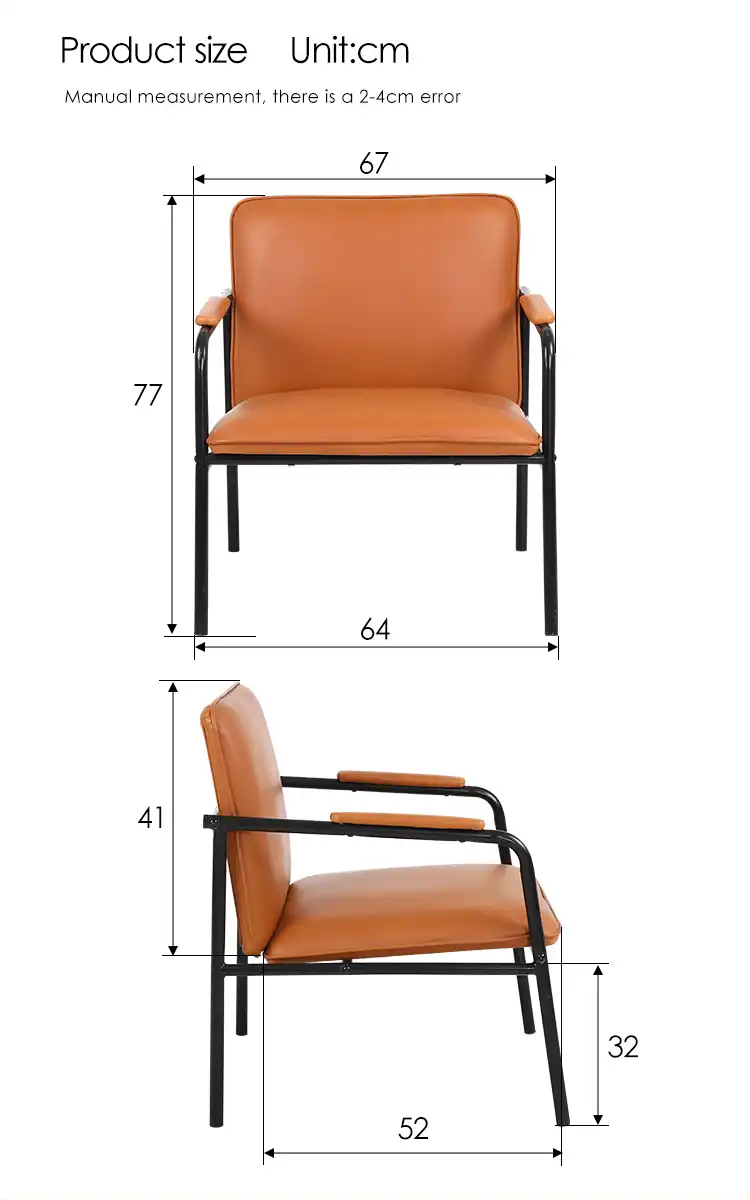
Our five-layer reinforced corrugated packaging method protects international shipments very well and makes the best use of container space. Each chair fits into a 67x26x61cm carton that can hold up to 200 pounds and was designed to handle the needs of world logistics. The design makes the best use of room so that as many units as possible can fit into a container. This lowers the cost of freight per unit, which is very important given how the ocean shipping industry works right now. Our long-term partnerships with big freight forwarders make sure that customs clearance goes smoothly and that deliveries happen on time, usually 40 to 45 days after the order is confirmed.
Evaluating Supplier Capabilities and Certifications
The choice of supplier for leisure sofa chair affects the success of a partnership in the long run, after the initial transaction is complete. Verification of manufacturing capacity makes sure that producers can increase output to meet demand without lowering quality or delaying deliveries. Vertical integration, which means that we control quality and lead times better than suppliers who rely on outside subcontractors, is what our 6,000-square-meter facility with specialized iron frame production capabilities does. With ISO 9001:2015 certification, you can be sure that the quality management methods you use are systematic and that the output will be the same every time you place an order. BIFMA testing proves that the structure is safe enough to meet North American commercial furniture standards. This takes away any worries about liability and helps with specification approval in regulated settings.
Export experience has a big effect on how smoothly transactions go and how well problems can be solved. We've been to the Canton Fair and the Guangzhou Furniture Fair for many years, which shows that we know how to do business internationally and handle relationships with customers. Time zone differences make it harder for businesses to work together across oceans, but being able to respond to messages within 24 hours helps. Warranty clauses that cover problems caused by production flaws show that you trust the quality of the product and give buyers a way to protect their investments. Our dedication to long-term partnerships over short-term deals aligns incentives toward long-term quality and service success.
Why PU Fabric Leisure Chairs Are the Smart Choice for Global B2B Clients?
Versatile Adaptation Across Business Environments
Because the material has a balanced performance profile, it can be used in a huge range of business settings. Boutique hotel lobbies have a refined look that supports their high-end standing and also have practical maintenance benefits that are important for running efficiently. Corporate office breakrooms can have modern designs that make the workplace better without having to worry about budgets that limit the amount of furniture that can be used. When restaurants get new seating for their waiting areas, they make sure it's lasting and looks good so that customers will want to come back. Infection control standards are met in healthcare center waiting rooms with surfaces that are easy to clean and don't hurt patients' comfort. This cross-application flexibility makes purchasing easier for people who are in charge of more than one type of property or building. It also allows for standard specifications that get price breaks for buying in bulk.
Performance Data from Real-World Implementations
Quantifiable results show that the material has real-world benefits that go beyond its academic benefits. A medium-sized hotel company that switched from fabric lounge chairs to PU ones saw a 40% drop in the cost of maintaining the upholstery over three years of testing, and the average furniture lasted 30% longer. By simplifying the buying process and making SKU management easier, a corporate campus that standardized seating choices around PU options saved 25% on costs. These documented results show that operational efficiencies are becoming more and more important to procurement professionals, along with beginning acquisition prices. Being able to show a measurable return on investment (ROI) through lower total ownership costs makes internal approval processes stronger and helps financial partners understand why decisions about specifications were made.
Innovation Trajectory and Future Material Developments
Material science is always making progress that makes PU cloth more competitive. Bio-based polyol integration lowers the impact on the environment while maintaining performance standards. This meets the needs of sustainability requirements that are becoming more popular in corporate purchasing policies. As a result of recent public health worries about hygiene, improved antimicrobial treatments offer long-lasting protection against the spread of pathogens. Better color-matching technologies allow for more accurate custom color development, which helps furniture projects carry the brand's identity. These changes over time make sure that PU fabric stays in line with the needs of new markets and doesn't become an outdated piece of technology. When procurement professionals choose PU options today, they invest in material platforms that will continue to improve rather than static options that will be replaced by better ones.
Conclusion
Material selection profoundly influences both immediate project success and long-term operational satisfaction in commercial furniture procurement. PU fabric leisure chairs deliver an optimal combination of aesthetic quality, functional durability, and economic efficiency that addresses the complex requirements of international B2B buyers. The material's superior maintenance characteristics, consistent quality across production volumes, and versatile application range make it particularly well-suited for importers, wholesalers, and project contractors serving demanding hospitality, retail, and corporate markets. When sourced from experienced manufacturers offering comprehensive customization capabilities and reliable export logistics, PU upholstered seating provides a strategic competitive advantage through reduced total ownership costs and enhanced end-user satisfaction.
FAQs
How does PU fabric compare environmentally to genuine leather?
Modern water-based PU manufacturing significantly reduces chemical emissions compared to leather tanning processes, which involve chromium and other heavy metals. PU production generates lower water pollution and avoids the methane emissions associated with livestock agriculture. While petroleum-derived, PU's extended lifespan and recyclability increasingly offset its synthetic origins, particularly as bio-based formulations enter mainstream production.
Can bulk orders accommodate custom color matching for brand consistency?
Comprehensive customization represents a core capability for established manufacturers. Custom color development typically requires sample approval before production commitment, with minimum order quantities varying based on color complexity. Our experienced R&D team supports precise color matching to brand standards, ensuring visual consistency across furniture programs. Lead times for custom specifications generally extend 10-14 days beyond standard production schedules.
What maintenance practices most effectively extend PU chair lifespan?
Regular cleaning with mild soap and water prevents soil accumulation that accelerates surface wear. Immediate spill response prevents staining, while avoiding harsh solvents protects topcoat integrity. Humidity control in storage areas prevents hydrolysis degradation. Strategic positioning away from direct sunlight minimizes UV exposure that causes fading. These straightforward practices enable PU seating to achieve seven-year service lives in commercial applications.
Partner with YIBO for Premium PU Fabric Leisure Chair Solutions
Anji Yibo Furniture stands ready to support your seating procurement objectives with industry-leading manufacturing capabilities honed over 14 years of specialized production experience. As a trusted PU fabric leisure chair manufacturer, we combine advanced material specifications with rigorous quality control systems certified to ISO 9001:2015 and BIFMA standards. Our comprehensive OEM and ODM capabilities transform your design concepts into market-ready products through collaborative development processes supported by experienced R&D professionals. The integration of our proprietary iron frame production with expert upholstery craftsmanship ensures consistent quality across container-level orders while maintaining competitive pricing structures that support your market positioning. We invite procurement professionals seeking reliable Chinese manufacturing partnerships to explore our diverse product portfolio and discuss customization opportunities. Contact our experienced sales team at yb@ajyibo.com to request detailed specifications, arrange sample evaluation, or discuss your specific project requirements—we respond to all inquiries within 24 hours and look forward to supporting your long-term procurement success.
References
1. Chen, L. & Wang, M. (2021). "Comparative Analysis of Synthetic and Natural Upholstery Materials in Commercial Furniture Applications." Journal of Furniture Engineering and Design, 15(3), 112-128.
2. International Furniture Standards Association. (2022). "Material Performance Specifications for Contract Seating: Technical Guidelines for Commercial Procurement." IFSA Technical Bulletin 2022-07.
3. Morrison, R., et al. (2020). "Lifecycle Cost Analysis of Commercial Seating Upholstery Options in Hospitality Environments." Facilities Management Quarterly, 28(2), 45-61.
4. Polymer Science Institute. (2023). "Advances in Polyurethane Coating Technology for Textile Applications: Performance and Sustainability Improvements." PSI Research Monograph Series, Volume 42.
5. Zhang, Y. & Thompson, K. (2022). "Environmental Impact Assessment of Synthetic Leather Manufacturing: Water-Based vs. Solvent-Based Production Systems." Green Manufacturing Review, 9(4), 203-219.
6. Williams, D. (2021). "Material Selection Strategies for B2B Furniture Procurement: Balancing Cost, Performance, and Sustainability Objectives." Commercial Interior Design Journal, 33(1), 78-94.