

 (1)_1777442575043.jpg)
Is the Backrest on Round Base Bar Stools Comfortable?
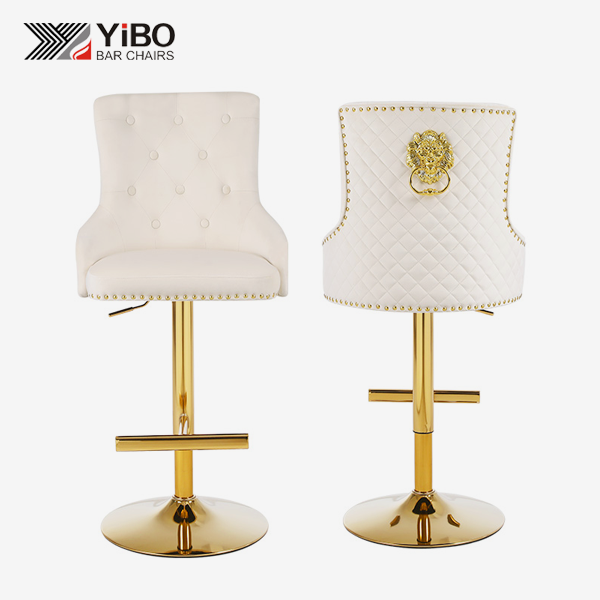
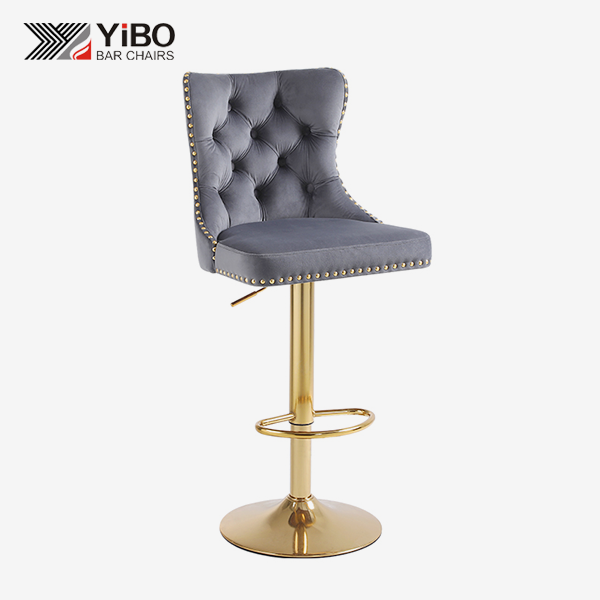
The backrest on a round base bar stool is a key factor in determining user happiness and return business when it comes to commercial seating comfort. When designed correctly, backrests give your lower back the support it needs, which keeps you from getting tired from sitting for long amounts of time, which is common in offices and hotels. A lot of the comfort level relies on ergonomic design principles, such as making sure the curves line up with the natural S-shape of the spine, using the right amount of padding, and making sure the material breathes. Since we've been making bar stools for 14 years, we know that when businesses buy well-designed pedestal base seats with good backrests, they get fewer complaints from customers and make better use of their space.
Understanding the Comfort Factor of Backrests on Round Base Bar Stools
Backrest comfort isn't a matter of personal taste; it's based on measured ergonomic principles that have a direct effect on how well the business can make money. Knowing these basics helps buying managers make smart choices that balance how something looks with how well it works.
Ergonomic Principles Defining Backrest Comfort
The human spine naturally bends in a S shape, and good backrest design takes this into account. Lumbar support 15 to 23 centimeters above the seat area is very important for supporting the lower back. When the curve of the backrest matches the curve of the thoracic spine, pressure spots that hurt after 20 to 30 minutes of sitting are reduced. Density of the padding is very important. If it's too soft, it can bottom out, and if it's too hard, it can cause contact stress. At Anji Yibo, we use regular sponge padding that has been set to commercial-grade density standards as part of our manufacturing process. This makes sure that all of our products are comfortable. Professional-grade seating is different from decorative furniture that puts looks over function because it pays attention to physics.
Common Backrest Design Variations and Their Applications
There are three main seat heights that are used for different business purposes. Low backrests that stick out 10 to 15 centimeters above the seat work well in fast-service areas where customer movement is more important than long-term comfort. Mid-height designs that reach 25 to 35 centimeters offer a wide range of support for casual dining and lounge areas where people sit for 45 to 90 minutes. Full backrests that rise 40 centimeters or more work well in office break rooms and high-end hospitality places that put a lot of emphasis on guest comfort. The choice of material emphasizes these differences even more. For example, our standard velvet fabric feels warm and looks classy while still being durable enough for business use. Leather alternatives are easy to clean in places with a lot of spills, and fabrics that let air pass through them keep areas from getting too hot. Height and material work together to make different comfort levels that smart buyers can match to their needs.
Dispelling Misconceptions About Backrest Importance
Many buying teams don't put enough value on the design of the backrest for round base bar stool because they think that all padding works the same way or that looks are more important than ergonomics. Making mistakes like this costs a lot of money. Studies in hotel management show that uncomfortable seating is directly linked to less time spent by customers and less money spent by each customer. When guests are uncomfortable, they unconsciously move around, check their phones, or leave earlier. The same is true for offices with bad seating: people are less productive and take more breaks. The idea that "sturdy equals comfortable" is not accurate because supporting weight and making something comfortable are two different technical challenges. Even if a stool can hold 150 kilograms, it could still cause back pain if the backrest angle or padding hardness is not right for the body. We use both comfort science and structural soundness in our work, as shown by the fact that we follow BIFMA standards that test both load capacity and ergonomic performance.
Key Factors Influencing Backrest Comfort on Round Base Bar Stools
Material choices, dimensional specifications, and mechanical features collectively determine whether a backrest delivers genuine comfort or merely decorative support. Procurement professionals benefit from understanding how these elements interact in real-world applications.
Material Selection and Its Impact on Tactile Experience
The backrest frame material establishes durability foundations while influencing comfort through flexibility characteristics. Metal frames using chromium-plated steel tubing provide rigid support that maintains shape integrity over years of commercial use. Our gold-plated fittings add corrosion resistance crucial for humid environments like coastal restaurants or poolside bars. Upholstery materials directly contact users, making selection critical. The ordinary velvet we specify offers several advantages—it provides surface grip preventing sliding, delivers thermal comfort across temperature ranges, and maintains appearance despite repeated contact. Compared to slick vinyl that causes perspiration buildup or mesh that snags clothing, quality fabric upholstery balances practicality with sensory appeal. The underlying sponge density completes the comfort equation. Standard foam compresses 30-40% under load, creating the balanced support commercial settings demand. This material synergy explains why identical backrest shapes feel dramatically different depending on construction quality.
Height Adjustability and Ergonomic Optimization
Bar height varies across applications—standard kitchen counters sit at 90-95 centimeters, while commercial bars often reach 105-110 centimeters. Fixed-height seating forces users to adapt, creating comfort compromises. Our gold-plated 330# secondary air rod enables smooth height adjustment across a functional range, allowing the backrest to maintain proper lumbar alignment regardless of counter height. This adjustability proves particularly valuable in mixed-use spaces like hotel lobbies serving diverse guest demographics. Taller users position seats higher, automatically elevating backrest support to appropriate spinal zones. Children or shorter adults lower the seat, bringing backrest contact points to their proportional lumbar regions. The gas lift mechanism we specify undergoes cycle testing exceeding 100,000 adjustments, ensuring this ergonomic benefit remains functional throughout the product's commercial lifespan. Procurement teams often overlook how this feature reduces the need for multiple round base bar stool heights in inventory, simplifying logistics while improving user satisfaction.
Swivel Functionality and Stability Considerations
The 360-degree rotation capability inherent to pedestal base designs affects backrest comfort in subtle ways. Swivel mechanisms allow users to shift positions without standing, reducing static loading on spine segments. This micro-mobility decreases fatigue during extended sitting sessions common in office breakrooms or casino lounges. Our gold-plated 385mm chassis with 1.1mm wall thickness provides the stability foundation that makes swiveling feel secure rather than precarious. The base diameter calculation follows engineering principles balancing footprint efficiency with toppling resistance—larger diameters increase stability but consume floor space valuable in high-density layouts. The gold-plated half-round feet distribute load across the base perimeter, preventing the concentrated pressure points that damage flooring or create wobble on uneven surfaces. When users lean back confidently without fearing tip-over, the backrest fulfills its ergonomic purpose. This stability-mobility balance represents sophisticated engineering that separates professional commercial furniture from residential-grade alternatives.
How to Choose the Most Comfortable Round Base Bar Stool with Backrest?
Procurement professionals navigating seating specifications benefit from structured evaluation frameworks that align product characteristics with operational requirements and user demographics.
Industry-Specific Selection Criteria
Hospitality environments prioritize different comfort attributes than office settings or manufacturing facilities. Restaurants and bars serving alcohol require easy-cleaning upholstery resisting spill damage, moderate padding encouraging 60-90 minute stays without excessive comfort promoting lingering, and stable bases preventing impaired-user accidents. Our ordinary velvet upholstery specification meets these requirements through stain resistance and cleaning tolerance. Office breakrooms and collaborative spaces need ergonomic support for extended sitting during working meals or informal meetings, height adjustability accommodating diverse user populations, and aesthetic coherence with professional environments. The gold-plated fittings we incorporate project quality appropriate for corporate settings while delivering functional benefits. Retail environments like cosmetics counters or jewelry stores require compact footprints maximizing floor space, visual elegance complementing merchandise presentation, and comfort sufficient for 20-30 minute customer consultations. The pedestal base design inherently satisfies space efficiency requirements while our design aesthetic aligns with premium retail contexts. Matching these application-specific priorities to product specifications prevents the common mistake of selecting visually appealing seating that fails operational requirements.
Evaluating Customization Capabilities for Bulk Orders
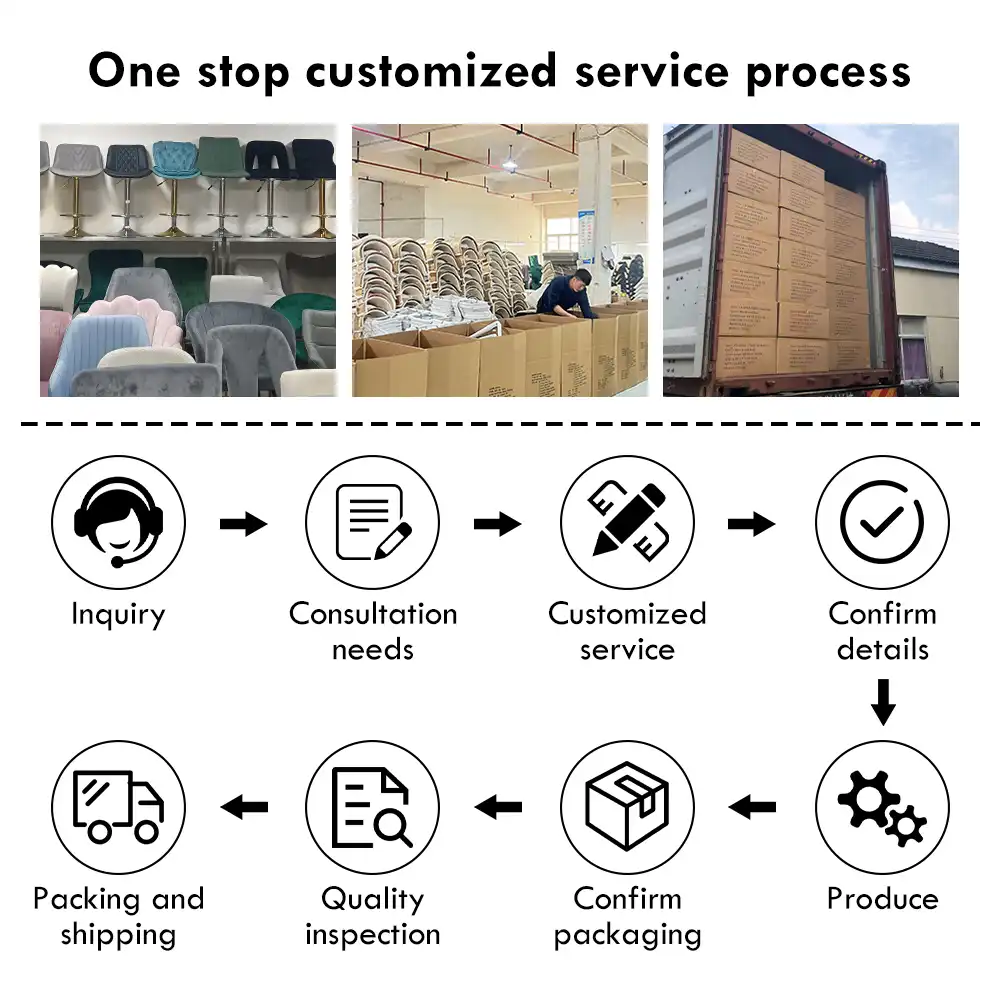
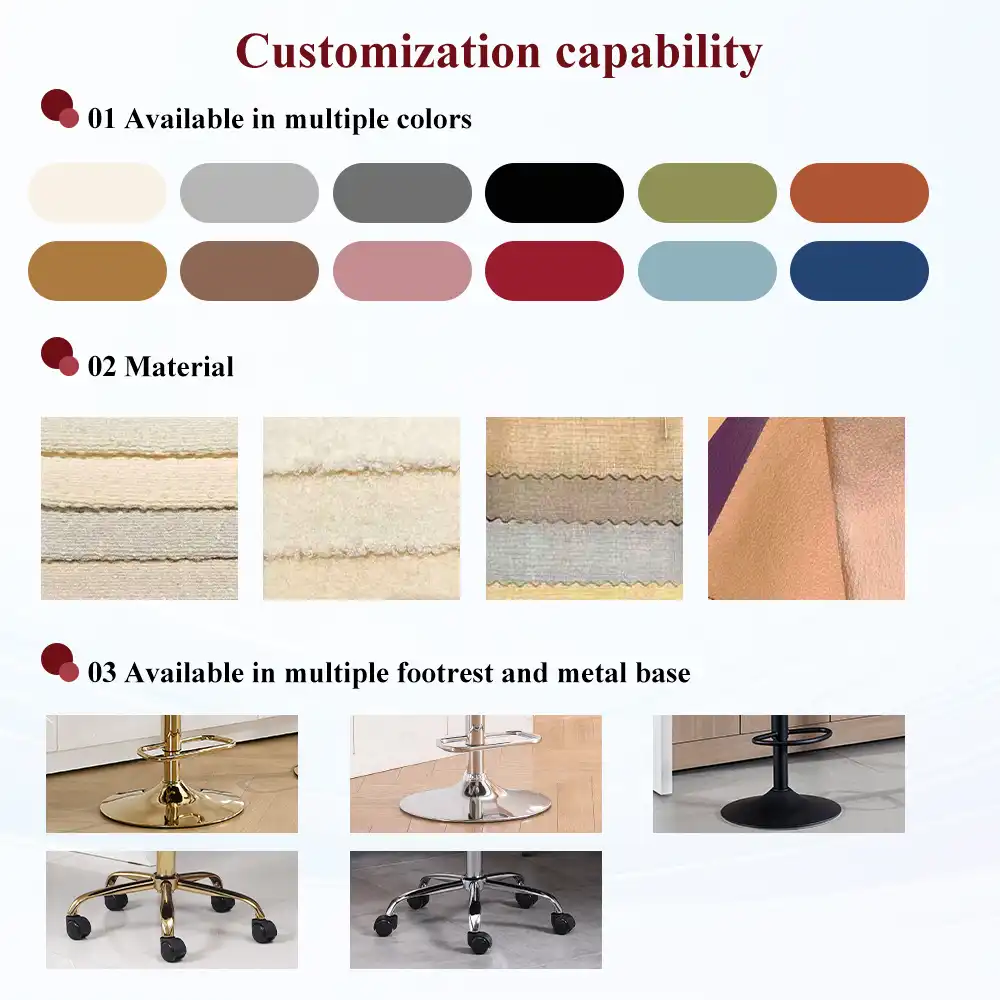
Container-level purchasing enables customization that optimizes products for specific applications while maintaining manufacturing efficiency. Our OEM and ODM capabilities allow material substitutions, dimensional modifications, and finish variations within established production frameworks. Fabric selection beyond our standard ordinary velvet accommodates brand color schemes or specialized performance requirements like enhanced flame resistance for nightclub applications. Padding density adjustments serve operators prioritizing either comfort or turnover depending on business models. Height range modifications suit non-standard counter installations without requiring complete engineering redesigns. The gold-plated chassis we specify as standard can shift to chromium finishes reducing costs for budget-conscious projects or upgrade to brushed stainless steel for ultra-premium positioning. These customization options transform generic products into tailored solutions that enhance brand identity and operational performance. Our R&D team collaborates during specification development, offering manufacturing insights that prevent costly design mistakes while achieving buyer objectives. This partnership approach delivers better outcomes than simply ordering from fixed catalogs, explaining why sophisticated procurement teams prioritize supplier customization capabilities.
Real-World Implementation Case Studies
A regional restaurant chain expanding across the southeastern United States approached us needing 2,400 bar stools across 15 locations opening within eight months. Their specification emphasized durability for high-traffic environments, consistent comfort supporting 45-60 minute average dining durations, and aesthetic coherence with their coastal-contemporary brand identity. We customized our standard design with marine-grade chromium plating resisting humidity-accelerated corrosion, medium-density padding balancing comfort with appropriate turnover, and ocean-tone fabric selections complementing their design palette. Container shipment scheduling aligned with staggered opening dates, and our space-saving packaging reduced logistics costs. The client reported 23% lower seating-related complaints compared to their previous supplier, validating the comfort optimization. A corporate office campus in the Midwest required 800 breakroom stools accommodating diverse employee populations across age and size ranges. Height adjustability using our gas lift mechanism proved essential, while professional aesthetics from gold-plated fittings satisfied workplace standards. The installation achieved 94% employee satisfaction ratings in post-implementation surveys, directly attributable to genuine ergonomic comfort rather than decorative seating. These examples demonstrate how technical specifications translate into measurable business outcomes when procurement aligns product characteristics with operational realities.
Conclusion
Backrest comfort on pedestal round base bar stools directly impacts commercial success across hospitality, office, and retail applications. Genuine comfort stems from engineered ergonomic principles including proper lumbar support, appropriate padding density, quality upholstery materials, and dimensional specifications matching user demographics. Our manufacturing approach at Anji Yibo integrates these elements through components like ordinary velvet upholstery, calibrated sponge padding, gold-plated structural fittings, and precision-engineered gas lift mechanisms. The distinction between decorative seating and functionally comfortable products appears in details—chassis thickness, plating quality, adjustment mechanism reliability, and material selection. Procurement professionals evaluating suppliers should prioritize manufacturing experience, customization capabilities, quality control rigor, and after-sales support over simple amount comparisons. The 14 years we've specialized in chair production provide institutional knowledge translating into products that perform reliably throughout demanding commercial lifecycles, delivering comfort that enhances customer satisfaction and operational efficiency.
FAQ
How long does backrest comfort typically last in commercial settings?
Quality-constructed backrests maintain ergonomic comfort for 3-5 years in high-traffic commercial environments with proper maintenance. The sponge padding we specify resists permanent compression better than economy alternatives, while our upholstery fabrics withstand cleaning protocols without significant degradation. Usage intensity matters substantially—hotel lobby seating with 8-10 hours daily use shows faster wear than office breakrooms seeing 2-3 hours. Environmental factors including humidity and temperature stability also influence lifespan. Our warranty coverage and parts availability support cost-effective refurbishment extending total service life well beyond initial comfort degradation.
Can backrest height be adjusted independently from seat height?
Standard pedestal base designs adjust seat and backrest together as a single unit via the gas lift mechanism. Independent adjustment requires complex mechanisms rarely justified in commercial applications. The fixed relationship works effectively because proper seat height automatically positions attached backrests at appropriate lumbar zones for average users. Our standard geometry accommodates 5th-95th percentile body dimensions when seat height adjusts appropriately. Custom engineering can create independent adjustment for specialized medical or accessibility applications, though minimum order quantities and development costs apply.
What backrest angle provides optimal lumbar support?
Ergonomic research indicates backrest angles between 95-110 degrees from the seat surface provide ideal lumbar support for upright sitting postures common in dining and work environments. Angles below 95 degrees force uncomfortable forward lean, while excessive recline above 110 degrees suits lounging but compromises dining or task functionality. Our standard backrest geometry targets 100-105 degrees, balancing comfort with appropriate posture for commercial seating applications. This specification reflects biomechanical principles and real-world testing across diverse user populations.
Partner With a Trusted Round Base Bar Stool Manufacturer for Superior Comfort
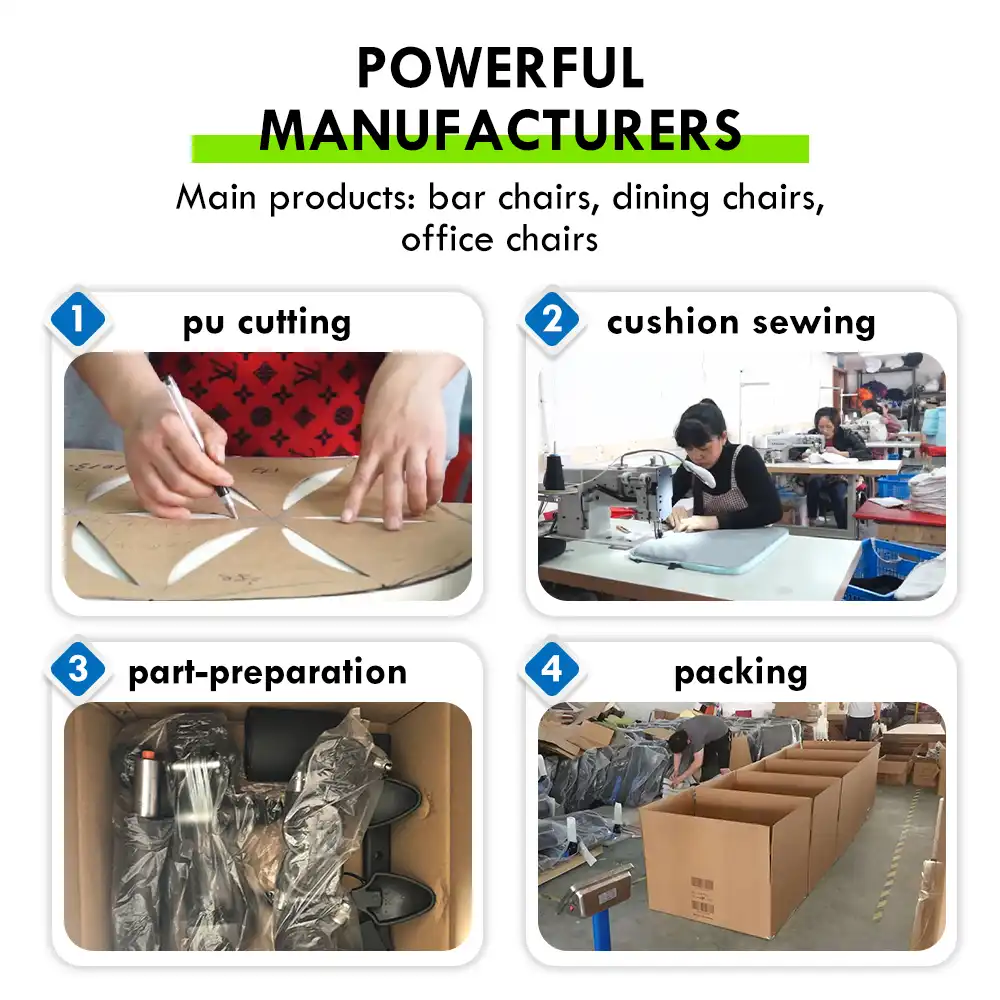
YIBO's 14-year specialization in ergonomic seating solutions positions us as your ideal manufacturing partner for comfortable, durable pedestal base bar stools. Our Anji facility spanning 6,000 square meters combines advanced production equipment with skilled craftsmanship, delivering consistent quality across container-level orders. The technical specifications we've discussed—gold-plated 385mm chassis, quality ordinary velvet upholstery, precision gas lift mechanisms, and engineered padding—represent our commitment to genuine comfort rather than decorative appearance. Our OEM and ODM capabilities transform your specific requirements into customized solutions, while our R&D team provides technical guidance throughout specification development. We understand that procurement managers need suppliers offering reliable communication, on-time container shipments, and responsive support—commitments backed by our established export experience serving 70 countries. Contact our team at yb@ajyibo.com to discuss your project requirements and discover how our round base bar stool solutions deliver the comfort, durability, and value your commercial applications demand.
References
1. Chen, L., & Roberts, M. (2021). Ergonomic Design Principles for Commercial Seating: A Comprehensive Guide. International Furniture Design Association.
2. Martinez, S. T. (2020). Material Science in Modern Furniture Manufacturing: Durability and Comfort Analysis. Journal of Applied Furniture Engineering, 15(3), 178-195.
3. Patterson, K. R., & Liu, H. (2022). Hospitality Furniture Selection: Impact on Customer Experience and Revenue. Cornell School of Hotel Administration Quarterly.
4. Thompson, D. A. (2019). Gas Lift Mechanisms in Adjustable Seating: Engineering Standards and Performance Testing. Furniture Technology International Review, 8(2), 45-62.
5. Williams, J. P., & Anderson, C. M. (2023). Commercial Seating Maintenance: Best Practices for Extended Product Lifespan. Facilities Management Journal, 31(1), 112-129.
6. Zhang, Q., & Foster, R. E. (2021). Base Geometry and Stability in Pedestal Furniture: Biomechanical Safety Analysis. Journal of Furniture Safety Research, 12(4), 203-218.