

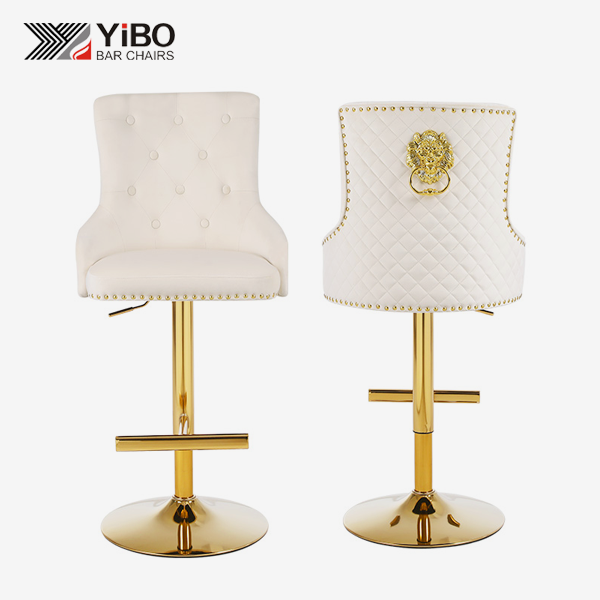
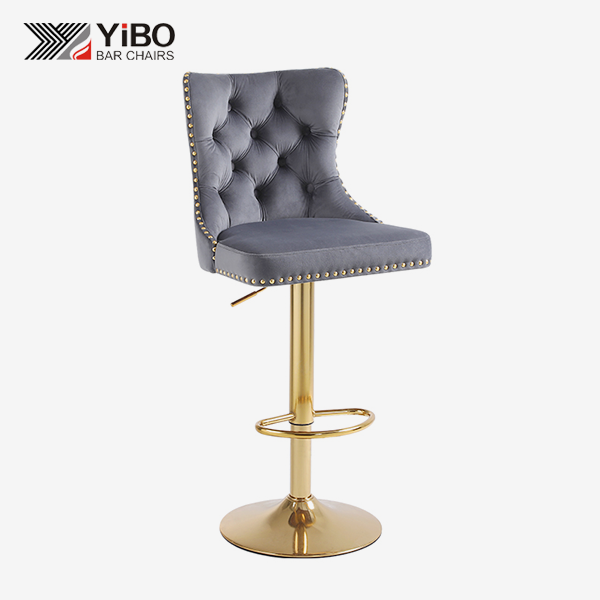
 (1)_1777442575043.jpg)
Is PU Fabric Resistant to Cracking and Peeling Over Time?
When thinking about upholstery for business chairs, the question of how long it will last comes up automatically. Because they don't suffer from common wear and tear problems, PU fabric leisure chairs have become popular in hotels, offices, and stores. When made with polycarbonate-based resins and the right backing substrates, high-quality polyurethane upholstery is much less likely to crack and peel than bonded leather or standard vinyl options. Premium PU's microporous structure lets air flow while keeping the surface's integrity. It can usually handle 50,000 to 100,000 Martindale rub cycles before it starts to show signs of wear. But how long something lasts varies a lot on how it was made, how it's maintained, and the environment it's in. This is why procurement professionals have to be very careful when choosing furniture for long-term use.
Understanding PU Fabric and Its Durability Characteristics
What Makes PU Fabric Different from Other Synthetic Materials
Polyurethane fabric is a big step forward in the science behind synthetic upholstery. PU is made through a wet coagulation process that creates a microporous structure. PVC is made through a dry calendaring process. By using this method of production, the material feels warmer to the touch and adjusts to body temperature, so it doesn't stick to you like regular vinyl does. For a lot less money, the surface looks and feels like real leather, with the same grain designs and soft hand. This makes it a good choice for buying a lot of furniture.
A PU coating layer—which can be anywhere from 0.8mm to 1.2mm thick—is usually bonded to a backing fabric, like microfiber or a Tetoron Cotton mix. This backing gives the fabric its necessary tensile strength and tear resistance. High-quality goods have warp and weft tearing strengths of more than 30N. In this way, furniture is made that is both aesthetically pleasing and long-lasting.
Common Causes of Cracking and Peeling in Upholstered Seating
Several technical and environmental factors can cause synthetic upholstery to lose its quality over time. The biggest threat to the longevity of PU fabric is hydrolysis, which happens when water gets into the polymer chains and breaks them down chemically. This makes the material lose its flexibility and finally crack or peel. Standard polyester-based PU is especially weak in damp places, so sourcing managers should ask for polycarbonate-based PU or formulations that are highly resistant to hydrolysis.
UV light speeds up the breakdown of surfaces, especially in places with lots of natural light. The ultraviolet rays damage the structure of the polymer, which makes it darken and break over time. Surface breakdown is also caused by mechanical wear from constant friction and pressure points. This is especially true in business settings with a lot of foot traffic where chairs are used all day.
The quality of manufacturing changes a lot between suppliers. The PU skin and backing substrate of inferior goods often don't stick together well, which causes the bubbling and peeling that you see in low-grade synthetic leather. This lack of adhesion is usually caused by bonding agents that aren't strong enough or production methods that are too fast and don't give the materials enough time to cure.
How PU Fabric Compares to Genuine and Bonded Leather
Knowing how to compare materials helps people who work in buying make smart choices. Genuine leather is the most durable material you can find, and it gets a nice sheen over time. However, it is very expensive, and the texture and color of different hides are naturally different. Full-grain leather can last for decades if you take good care of it, but it costs a lot more and needs more upkeep than fake leathers.
Bonded leather is not as good as other types of leather. Bonded leather is made from leather scraps that are ground into a pulp and mixed with polyurethane fillers. After two to three years of regular use, it usually starts to peel. The material can't handle the normal mechanical stress that good PU cloth has to deal with.
In terms of strategy, PU cloth for leisure sofa chair is in the middle. It costs 30 to 40 percent less than real leather and has the same look and feel across production runs. Quality PU doesn't crack as easily as bonded leather and doesn't need as much care as real hide. But it doesn't usually last as long as top-grain leather, which can last for decades. Because of its balanced performance profile, PU is a smart choice for commercial settings where price, appearance, and durability all need to work together.
Key Factors Influencing the Longevity of PU Fabric Leisure Chairs
Material Quality and Manufacturing Standards
The molecular level is where the longevity of upholstered furniture starts. Instead of polyether or polyester resins, premium PU cloth uses resins that are based on polycarbonate. This chemical difference is very important—polycarbonate PU can last for seven to ten years in normal conditions, but standard versions may start to break down in two to three years in damp places.
Manufacturing standards have a direct effect on how long a product lasts. Reputable makers put their products through strict testing procedures, such as the ISO 1419 Method C tropical test, which exposes materials to controlled heat and humidity for several weeks to make them work like they have been used for three to five years. Products that pass this jungle test really are resistant to damage from the environment. Adhesion testing according to ISO 2411 standards checks how strong the bond is between the PU skin and the backing substrate. This keeps the goods from bubbling, which happens with lower-quality ones.
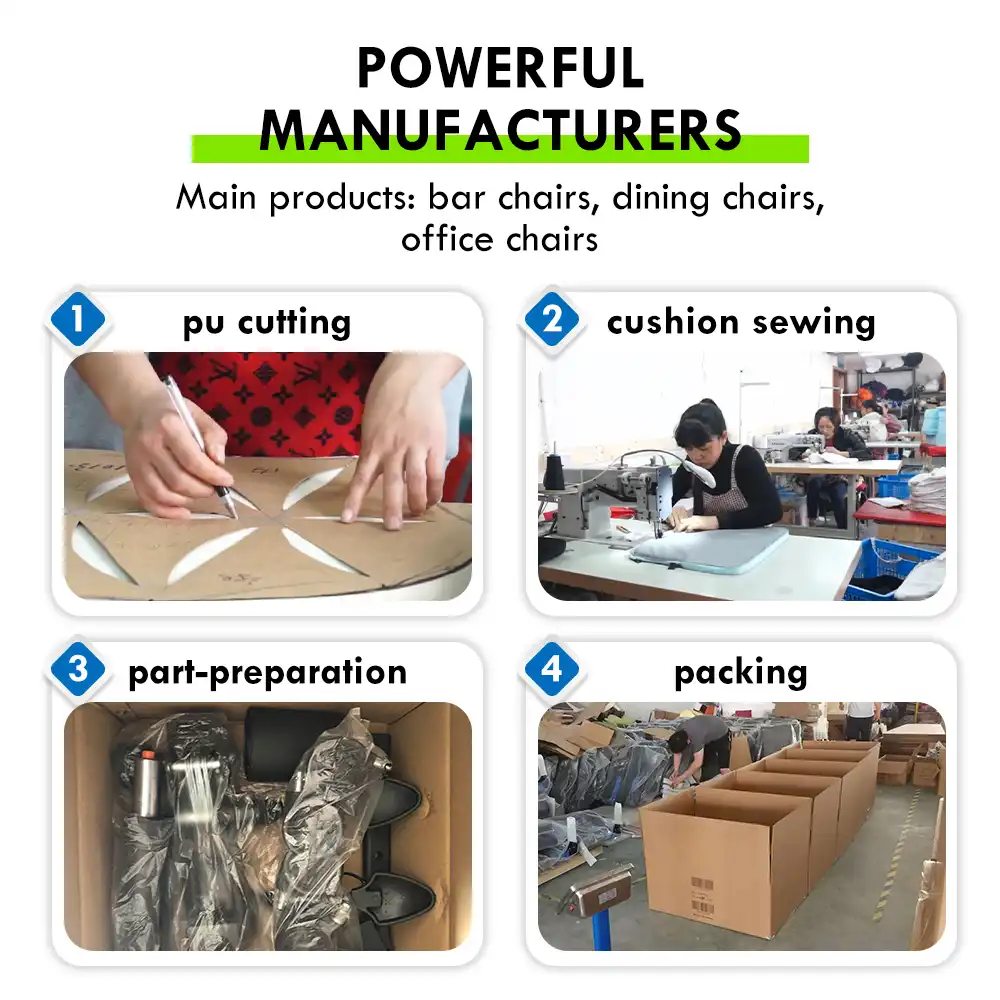
These high standards are built into the way Anji Yibo Furniture is made as a matter of course. Our 6,000-square-meter factory has high-tech tools and skilled workers who know that the right curing time and careful temperature control during production are key to making sure that the products last. This careful attention to manufacturing detail makes sure that our PU fabric leisure chairs keep looking good and staying strong even after years of heavy use in businesses.
Maintenance Practices That Extend Material Life
Following the right care instructions has a big effect on how long furniture lasts. PU fabric should never be treated with wax, oil, or standard leather conditioners. This is different from real leather, which needs to be conditioned every so often. These items can't get through the synthetic surface; instead, they leave behind sticky film that makes things look bad. Simple methods that keep things in good shape without damaging them are used for regular maintenance.
Cleaning once a week with a wet microfiber cloth gets rid of surface dust and stops particles from building up, which can lead to rough wear. For a deep clean once a month, use a mild soap solution (about one teaspoon of dish soap per quart of water) and a soft cloth to clean in gentle circle motions. If you clean up drips right away, they won't stain because PU's hydrophobic surface lets liquids bead instead of absorbing them right away.
Setting up official maintenance schedules is helpful in business settings. Staff training on the right way to clean stops people from doing good things that are bad for the environment, like using strong chemicals or rough scrubbing pads. Protective measures, like rotating seating places on a regular basis in high-traffic areas, spread out wear patterns evenly across furniture inventory and extend the time between replacements.
Environmental Conditions and Usage Patterns
Controlling temperature and humidity is an important part of keeping furniture in good shape. PU fabric works best in climate-controlled indoor spaces where the temperature stays between 60°F and 75°F and the relative humidity stays below 60%. When humidity is too high, hydrolysis happens faster, and when humidity is too low, the material can become weak and crack easily.
Space planning for leisure sofa chair needs to take direct sunlight into account. Photodegradation can be avoided by moving chairs away from windows or putting up window curtains that block UV rays. If you have to put a window somewhere, choosing PU fabric with UV-resistant topcoats during the buying process adds an extra layer of protection.
Different applications have very different levels of usage strength. A hotel lobby chair that serves twenty people every day is under different kinds of stress than an office break room chair that is only used sometimes. When procurement managers know these usage trends, they can match the specs of materials to how they will be used in real life. For high-traffic areas, you should choose PU with higher abrasion resistance ratings and reinforced stress points. For moderate-use areas, normal specifications should work without affecting the expected service life.
Best Practices for Procuring Durable PU Fabric Leisure Chairs
Evaluating Suppliers and Quality Certifications
Successful procurement begins with thorough supplier assessment. Manufacturing expertise varies significantly across producers, and selecting the right partner directly impacts product performance and total cost of ownership. Established manufacturers with dedicated production facilities demonstrate commitment to quality control that episodic importers cannot match.
Certifications provide objective evidence of manufacturing standards and product safety. ISO 9001:2015 certification indicates systematic quality management throughout production processes. BIFMA certification verifies that furniture meets rigorous structural and safety testing protocols developed specifically for commercial applications. These standards include backrest durability testing, leg strength verification, and stability assessments that predict real-world performance.
Material testing documentation offers insight into durability expectations. Request Martindale abrasion test results, which should show ratings of 50,000 cycles minimum for moderate commercial use, and 100,000 cycles or higher for high-traffic applications. Hydrolysis resistance testing under ISO 1419 standards provides critical information about performance in humid environments. Color fastness testing demonstrates resistance to fading and dye transfer that can damage clothing or adjacent surfaces.
Anji Yibo Furniture maintains transparent quality documentation across our product lines. Our 14 years of chair manufacturing experience has taught us that procurement professionals need concrete evidence, not marketing claims. We provide complete testing results and welcome facility inspections from serious buyers who want to verify production capabilities and quality control measures before committing to container-level orders.
Customization Options That Enhance Value
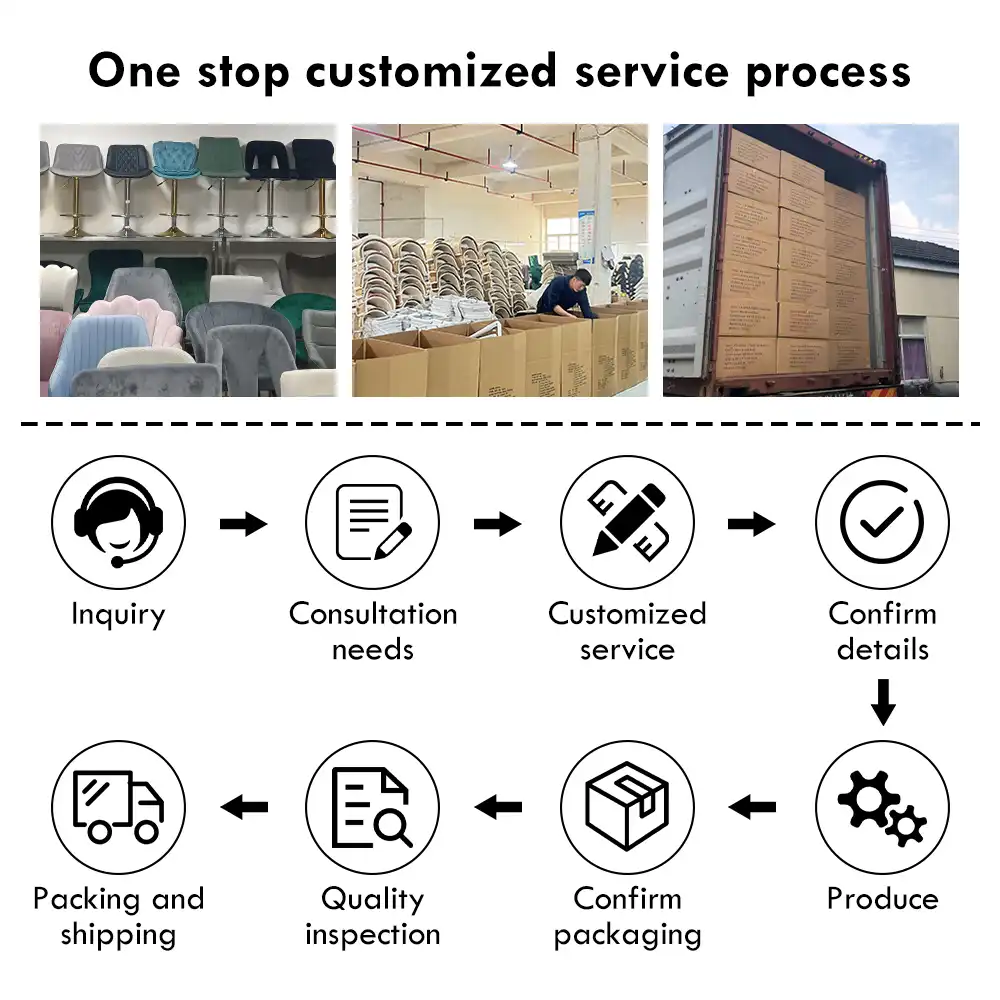
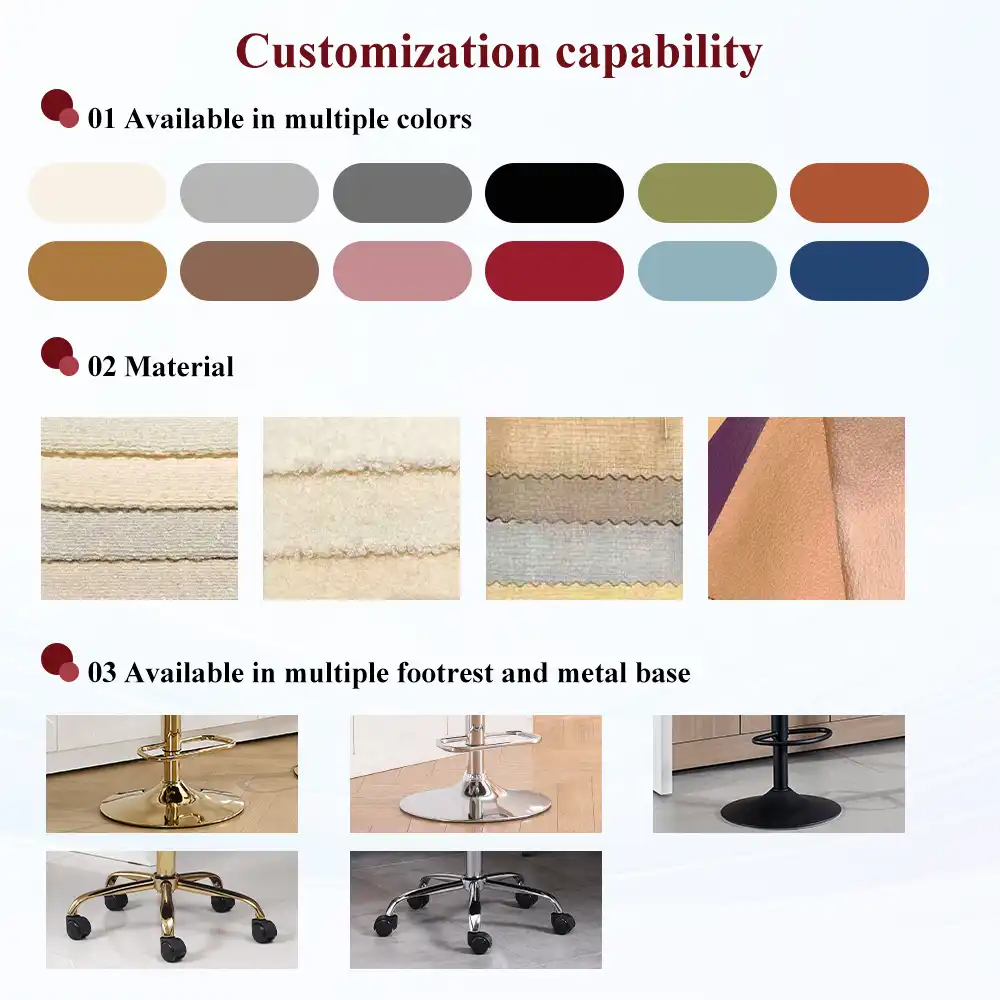
Getting commercial furniture today is more complicated than just picking out basic items from catalogs. With ODM and OEM, buyers can change specifications to fit the needs of the market and the positioning of their business. Material selection is the most common type of tailoring. Picking out specific PU grades, backing substrates, and topcoat treatments makes the product work best for its intended use.
Customizing the colors of furniture makes sure that it fits in with both indoor design schemes and company branding standards. Custom dying methods allow quality manufacturers to meet specific color standards, so you don't have to choose from a small selection of standard colors. This feature is especially useful for hotel chains and businesses that need to make sure their branding is the same across multiple sites.
Changes to the dimensions are made to suit different user groups and limited space. Adjusting the height, depth, and width of seats makes sure that they are comfortable for the people who will be using them, and changing the general footprint of the seats makes the most of the space available in floor plans. You can choose from different metal finishes for the frame material, which lets it match existing furniture and building features.
Improvements to the structure make the product last longer in tough situations. Strengthened stress spots, higher density cushions, and a wider frame gauge allow for heavier use. These changes cost money, but they give a good return on investment by lengthening the time between replacements and lowering long-term furniture budgets.
At Anji Yibo, our R&D team specializes in turning customer needs into specs that can be made. We can make samples based on drawings, and we can also change current designs to add certain features. This way of working together makes sure that the end products exactly meet the needs of operations, instead of making buyers settle for less-than-ideal solutions.
Logistics Considerations for International Procurement
Ordering furniture at the container level is a complicated process that affects both the total cost and the delivery time. When it comes to shipping costs, space-saving packaging designs cut down on the number of containers needed for big orders, which greatly lowers freight costs. The PU fabric leisure chairs we sell come in optimized crates that are 67 cm x 26 cm x 61 cm. Each one is packed in its own five-layer reinforced corrugated boxes that can hold up to 200 pounds.
To keep project plans in sync with production lead times, careful planning is needed. Standard production runs usually take 40 to 45 days from the time an order is confirmed until it is shipped, but this time frame can change depending on how complicated the order is and how much customization is needed. Setting realistic goals during the planning phase of buying avoids costly delays and rushed shipments that hurt quality control.
Quality inspection methods keep buyers from getting expensive surprises when the goods arrive. Using third-party inspection services before sending goods out ensures that they meet quality standards and specs. This investment is especially useful when working with a new provider whose production skills haven't been tested through previous orders. Detailed inspection reports keep track of any problems and give you the power to fix them before the goods leave the plant.
Terms of payment and guarantee conditions need to be written down clearly. Standard business terms protect both parties and make deals go smoothly. A comprehensive warranty shows that the maker believes in the quality of the product and gives customers a way to get their money back if it breaks down too soon. We back up what we make with strong guarantee terms because our quality control processes keep defects to a minimum and make sure that the product always works as it should.
Conclusion
When made to the right standards and kept in the right way, PU cloth is very resistant to cracking and peeling. How long the material lasts relies on the quality of the polymer, the strength of the backing substrate, the way it was made, and the conditions in the environment. When procurement professionals know about these things, they can safely choose upholstered seating that will last for years and still look good. The important thing is to work with makers that have strict quality control, provide detailed test reports, and allow customization to fit the needs of each application. When all of these factors come together, PU fabric chairs are a great deal because they balance durability, looks good, is easy to clean, and is cheap, which are the most important factors in business furniture deployment.
FAQ
How long do PU fabric leisure chairs typically last in commercial settings?
Quality polycarbonate-based PU chairs generally serve commercial environments for five to seven years with proper maintenance. Standard polyester-PU formulations may show degradation within two to three years, particularly in humid conditions. Longevity depends significantly on material grade, usage intensity, and maintenance protocols. High-traffic applications require higher-grade PU with enhanced abrasion resistance to achieve optimal service life.
Can PU fabric withstand cleaning with disinfectants?
Premium PU fabric tolerates mild disinfectants and alcohol-based cleaners without surface damage, making it suitable for healthcare and hospitality applications. Harsh solvents like acetone or bleach will strip protective topcoats and damage the material. Always test cleaning products on inconspicuous areas before applying to visible surfaces, and follow manufacturer cleaning guidelines to preserve material integrity.
What distinguishes high-quality PU from inferior products?
Superior PU fabric feels warmer and softer, similar to natural leather, and wrinkles naturally when pressed. It demonstrates high Martindale abrasion ratings above 50,000 cycles and passes hydrolysis testing under ISO 1419 standards. Inferior products feel plasticky and cold, show poor adhesion between skin and backing layers, and lack comprehensive testing documentation. Request material specifications and testing results during procurement to verify quality claims.
Partner with YIBO for Reliable PU Fabric Leisure Chair Manufacturing
Anji Yibo Furniture brings 14 years of specialized chair manufacturing expertise to every project. Our polycarbonate-based PU fabric chairs feature spray-painted matte black iron frames and ship in reinforced five-layer corrugated packaging designed for international logistics. We maintain ISO 9001:2015 and BIFMA certifications that verify our commitment to quality standards. Our 6,000-square-meter facility houses dedicated R&D and sampling teams supporting full ODM and OEM customization. Whether you need container-level orders for hospitality projects or customized specifications for retail environments, our experienced team delivers consistent quality with reliable lead times. Contact us at yb@ajyibo.com to discuss your requirements with a PU fabric leisure chair supplier that understands B2B procurement priorities.
References
1. Chen, W., & Zhang, L. (2021). Performance Analysis of Polyurethane Synthetic Leather in Commercial Furniture Applications. Journal of Applied Polymer Science, 138(24), 50455-50467.
2. Furniture Industry Research Association. (2020). Comparative Durability Study of Upholstery Materials in High-Traffic Commercial Environments. FIRA Technical Report Series, Volume 47.
3. Morrison, R. T., & Boyd, R. N. (2019). Polymer Chemistry and Physics of Modern Synthetic Upholstery Materials. Industrial & Engineering Chemistry Research, 58(15), 5892-5904.
4. Thompson, K. (2022). Hydrolysis Resistance in Polyurethane Fabrics: Chemical Composition and Environmental Factors. Textile Research Journal, 92(11-12), 2156-2169.
5. Wang, H., Liu, Y., & Zhou, X. (2020). Quality Control Standards for Synthetic Leather Manufacturing: Testing Protocols and Performance Benchmarks. Materials Testing Journal, 62(8), 789-802.
6. Williams, J. D. (2021). Sustainable Material Selection in Commercial Furniture Procurement: Cost-Benefit Analysis of Natural and Synthetic Upholstery Options. Facilities Management Quarterly, 39(3), 215-231.