

 (1)_1777442575043.jpg)
Wooden Bar Chairs: Kitchen and Contract Seating
When choosing seats for a business, you need to think about how long it will last, how it looks, and how much it will be worth in the long run. A wooden bar chair is the best combination of these qualities because it is naturally warm and strong enough to withstand the tough conditions found in restaurants, stores, and offices. Whether it's for a small hotel lobby or a busy restaurant, wooden bar chairs offer better thermal comfort and sound absorption than metal or plastic options. Traditional joinery methods and the natural strength of solid wood make these raised seats strong enough to survive the repeated stress of contract use while still looking good after years of use.
Understanding Wooden Bar Chairs: Styles, Materials, and Ergonomics
Why Timber Construction Matters in Commercial Settings?
Due to its unique mix of durability and performance qualities, timber is still the best material for bar-height seats in business settings. Unlike metals that feel cold to the touch, wood adapts to the temperature around it, keeping you comfortable even if the temperature control changes. The natural shock-absorbing qualities of the material lower structural stress during daily use, which protects joints and makes the product last longer. From a purchasing point of view, this means less frequent replacements and a lower total cost of ownership.
Common Wood Species and Their Performance Profiles
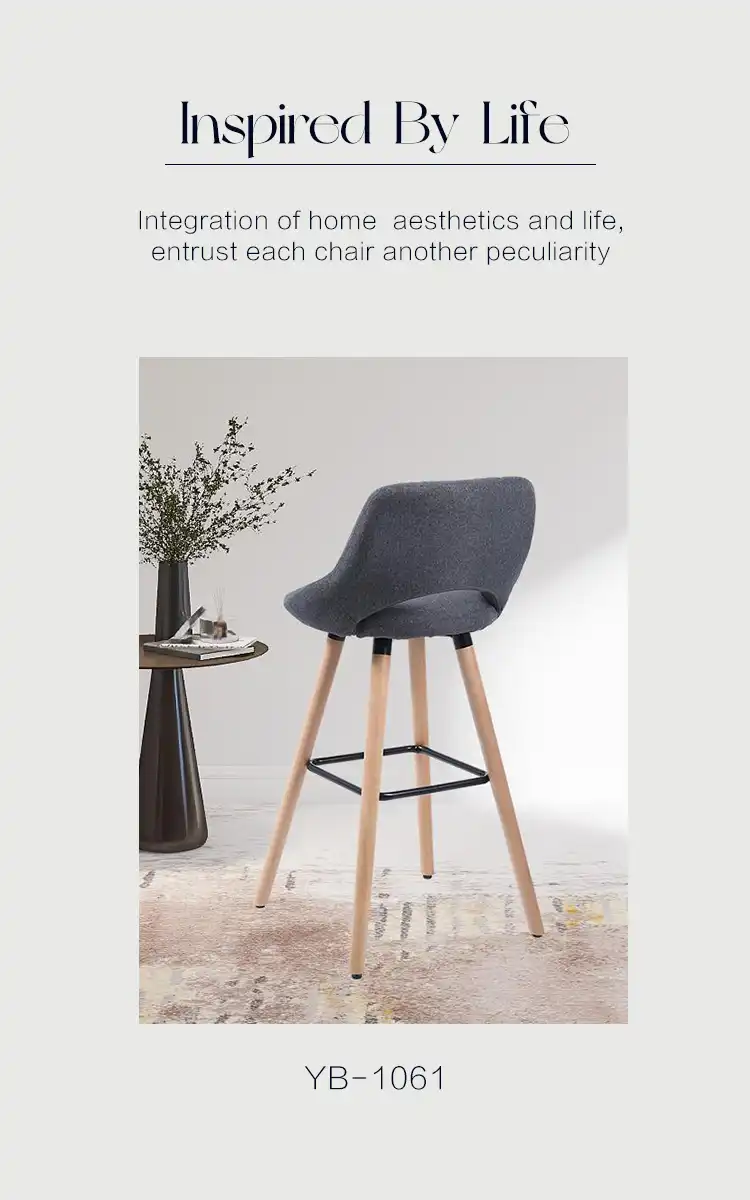
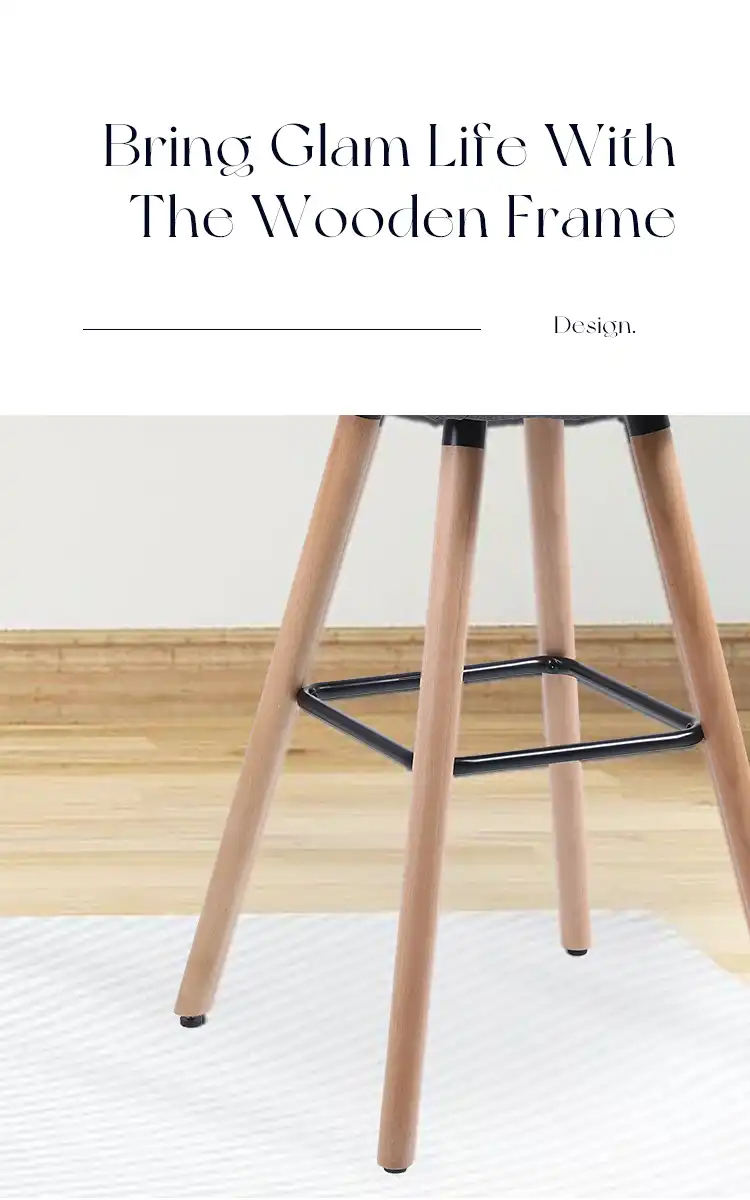
When it comes to contract seats, beech wood stands out as the norm. Because of its tight grain structure, it can hold a lot of weight and still be worked easily during production. The legs of our YB-1061 model are made of original color beech, which shows off the wood's natural honey tones without any stains. Oak has a higher density, which is good for places that need to hold the most weight, but it makes the shipping weight a little higher. Walnut's rich coloring and high-end look make it perfect for high-end businesses, while rubberwood's low cost makes it a good choice for projects on a budget without sacrificing structural integrity.
The amount of wetness in wood has a direct effect on how stable its dimensions are. Kiln-drying lumber to 8–12% moisture content before production by good makers keeps it from warping or breaking joints after delivery. To make sure that all bulk sales are the same, this technical specification should be included in the purchase paperwork.
Ergonomic Design Elements That Enhance Usability
Proper physics in bar-height seating affect more than just comfort; they also affect how long customers stay and how often they come back. The YB-1061's measurements—L46 x W48 x H94 cm—show that it was carefully calibrated to fit normal counter heights of 40 to 42 inches. The fine linen fabric on top of the high-density sponge padding spreads the pressure so that you don't feel uncomfortable while sitting for long amounts of time, which is common in coffee shops and co-working spaces.
In raised seats, where the footrest is placed is very important. Stretchers that are 10 to 12 inches off the ground help your legs feel less tired by letting you put your feet in a natural position. Our designs use stronger hinge joints so they can stand up to steady foot traffic without coming loose, which is a common problem with cheaper imports.
Comparing Wooden Bar Chairs with Other Materials and Designs
Performance Analysis Against Metal Alternatives
Some market groups are dominated by metal frames because they are thought to last longer, but contract environments are better suited to wood building. Wood naturally blocks out noise, so the noise that chairs make when they move across hard floors is less noticeable. This is especially important in eating rooms that are sensitive to noise levels. Metal needs a powder coating or plating that can chip or rust, especially near wet coastlines or places that use strong cleaning chemicals. You can fix small problems with solid wood finishes or redo them all, which means they can be used for longer than covered metals.
The amount of maintenance needed for each wooden bar chair material is very different. When temperatures change, condensation forms on metal frames, which causes rust to form at the join points. When handled with polyurethane or nitrocellulose lacquers that meet 2H pencil hardness guidelines, properly finished hardwood doesn't let water in. These technical requirements make sure that surfaces can handle food acids and booze spills that happen a lot in bars.
Cushioned Versus Non-Cushioned Seating Trade-Offs
Whether you choose cushioned or wooden bar chairs depends on what's most important for the job. Our padded models with fine linen over sponge padding work great in places like fine dining, hotel bars, and executive office kitchens where customer comfort is key to making money. The fabric protects against small hits and keeps you warm, which makes you want to sit for longer. Non-cushioned versions work well in quick-service restaurants with a lot of customers where cleanliness is more important than comfort.
Upkeep for upholstery is an ongoing cost of doing business. Commercial-grade fabrics that have been treated to prevent stains make cleaning more frequent, but eventually the furniture will need to be reupholstered. When making purchases, this lifecycle cost should be taken into account when weighing the costs of the original purchase against the costs of ownership over time.
Quality Benchmarks in Procurement Specifications
To tell the difference between high-end building and cheaper options, you need to know certain quality marks. Mortise-and-tenon bonding that is strengthened with corner blocks is a sign of professional-level craftsmanship, as opposed to simple butt joints that only use screws. Our 14 years of experience making things has helped us improve these methods so that our goods meet BIFMA X5.1 static load standards and can hold 300–500 pounds without damaging the structure.
Certifications are an objective way to back up claims of quality. Getting ISO 9001:2015 approval shows that you handle quality in a planned way throughout the whole production process. FSC approval proves that forestry practices are sustainable, which is becoming more and more important as companies set up responsible buying policies. Standardized testing methods used across North American markets make sure that BIFMA compliance ensures safety and reliability.
How to Choose the Right Wooden Bar Chair for Your Business Needs?
Evaluating Requirements by Contract Environment
There are different performance requirements in different business situations that should guide the decision process. Places that serve food and drinks, like bars and cocktail rooms, need seats that can be used over and over again 20,000 times a year. In these high-traffic areas, stretchers that are built stronger and materials that can handle being cleaned often with industrial cleaners are helpful. These features are built into our beech wood models, but they still look good enough to be used in public areas.
In places like coffee shops and boutique stores, visual marketing is just as important as utility. Seating at bar height gives a variety of sight lines that make the room more interesting while also making the best use of floor space. The original color beech finish goes well with modern trends in store design that value natural materials and eco-friendly methods.
Bar-height collaboration places are becoming more common in business offices to encourage employees to talk to each other informally. For these uses, a simple, professional look is needed, along with help for people of different heights. It is especially important to have adjustable leveling glides in office towers with big open floor plans where the floors may have small bumps.
Framework of Procurement Evaluation Metrics
Systematic evaluation stops design mistakes that cost a lot when buying in bulk. Metrics for durability should include how joints are built, the exact amount of wetness in the wood, and the hardness grades of the finish. Seat padding density, backrest angle, and leg placement in relation to seat height are all comfort factors. When thinking about style, you have to find a mix between current fashion trends and classic design principles that keep things from looking out of date too soon.
Cost analysis for wooden bar chair must extend beyond unit purchase cost to accommodate shipping volume efficiency, guarantee coverage, and seller service capabilities. When compared to competitors who use poor boxing, our space-optimized packaging—two pieces per case at 67 by 35 by 44 cm—lowers the cost of containers. This seemingly small detail has a big effect on the total cost of landed foreign goods.
As more sites try to get LEED certification or similar sustainability standards, environmental effect is becoming a bigger factor in their purchasing choices. FSC-certified wood, low-VOC finishes, and recyclable packing parts all help you get green building points and meet your company's social responsibility goals.
Customization Capabilities and Bulk Order Advantages
OEM and ODM services help products stand out in places with lots of competition. Our research and development team works with customers to change measurements, finishes, or fabric requirements so that they fit with the brand's image or the tastes of the local market. This ability to customize is especially useful for restaurant or hotel chains that want to use the same design style in all of their sites.
Volume price systems encourage smart planning for purchases. Orders at the container level get you better terms and make sure there is enough stock to meet project deadlines. Our 6,000-square-meter facility can ship many containers every month, which means we can handle both big single missions and ongoing replenishment programs for owners with multiple sites.
Maintenance and Care Tips for Wooden Bar Chairs to Extend Lifespan
Cleaning Protocols That Preserve Finish Integrity
In business settings, daily repair tasks have a direct effect on how long things last. Using wet microfiber cloths and mild soap solutions to remove everyday dirt from surfaces doesn't damage lacquer finishes. Right away drying stops water from getting into joints or grain surfaces. Harsh chemical cleaners with ammonia or bleach remove protective coats, which means the surface needs to be refinished, which costs a lot of money.
Alcohol spills happen all the time in bars and need to be cleaned up right away. While our polyurethane finishes can handle short-term contact with alcohol, lacquer finishes become soft after long-term contact. Setting up standard working methods for cleaning up spills right away will protect this investment for as long as it is used.
Preventive Maintenance Strategies
Inspections that happen every three months find problems before they get too bad to fix. Checking to see if the stretchers are tight enough and gluing any parts that are coming loose during use keeps things from breaking down completely. By keeping an eye on the humidity levels in storage areas, you can keep the wood at a stable level of wetness, which stops the yearly movement that puts stress on joinery.
Metal kick plates are attached to the front stretchers to protect them from wear caused by foot contact, which is a high-stress area in bar-height seats. This cheap improvement makes stretchers last a lot longer in high-volume settings. These kinds of features are used in our manufacturing based on performance data gathered in the field from a variety of operating settings.
Repair Versus Replacement Decision Points
Touch-up methods for wooden bar chair with matched stain markers or furniture pens work well for small damage to the finish. If the cuts are deep enough to go through the lacquer layers, they may need to be refinished by a professional to keep water out. Because high-quality construction is modular, it is cheaper to change parts like old seats or broken legs than to replace the whole unit.
For these service options to work, they need to build relationships with makers that offer long-term parts availability. Our 14-year history in the industry means that we can consistently offer parts for older models, which protects our clients' investments from becoming obsolete too soon.
Trusted Suppliers and Brands for High-Quality Wooden Bar Chairs
Identifying Certified Manufacturing Partners
Procurement pros lower the risk in the supply chain by checking out makers based on clear criteria. The size of a production plant shows how many containers it can hold and how quickly it can fill orders. Our 6,000-square-meter facility has production lines just for bar seats, so we can focus on making that kind of furniture instead of making a lot of different kinds of furniture.
For foreign buyers, export knowledge is very important. Our team has worked in over 70 countries for 14 years, so they know a lot about the paperwork that is needed, how to ship things, and how to follow the rules in a wide range of places. With this level of organizational maturity, there will be fewer shocks when orders are filled and there is a lower chance that customs delays will happen.
Green Certifications and Sustainability Practices
As more companies require responsible buying, environmental qualities become a bigger factor in choosing suppliers. FSC approval makes sure that the wood comes from forests that are handled in a way that doesn't cut down trees. This paperwork helps with LEED points and meeting the standards for company sustainability reports.
Making things leaves more of an effect on the world than just the raw materials they use. Low-VOC adhesives and treatments that are water-based cut down on emissions during production and off-gassing in occupied areas. Using reusable materials instead of expanded foam in packaging is in line with efforts to cut down on waste.
Warranties and Service Infrastructure
Full warranty coverage shows that the maker trusts the product's durability and keeps purchase funds safe. Our insurance covers flaws in the structure and finishes that don't hold up under normal business use, giving you options if quality problems arise. Just as important, quick customer service (answering questions within 24 hours) makes sure that planning questions about specifications get expert advice.
Long-term business potential depends on how reliable the provider is when orders are placed again and again. Quality control that is always the same, stable wait times, and clear communication are the building blocks for long-term cooperation. We can build relationships with people in person at the Canton Fair and the Guangzhou Furniture Fair, which makes these business links stronger.
Conclusion
Strategic wooden bar chair seating buying weighs the needs of the job at hand against success over time and the total cost of ownership. Bar-height seating made of wood achieves this balance by using eco-friendly materials, having a classic look that works in a variety of business settings, and being structurally strong. Knowing about technical details like surface hardness grades, moisture content, and joinery methods helps buyers tell the difference between good products and ones that look the same on the outside. Investing in the right seats will pay off in the long run with longer service life, lower upkeep costs, and better customer experiences that are what make a business successful. When procurement pros work with well-known manufacturers that offer customization options, strong warranties, and reliable shipping, they can confidently meet both current needs and the needs of future growth.
FAQ
What are standard dimensions for commercial bar seating?
Most commercial bar-height chairs have seat heights of 28 to 32 inches so that they can fit counters that are 40 to 42 inches high. Our YB-1061 type has a total height of 94 cm and a seat depth and width that are designed to make it comfortable for people of all sizes. Putting the footrest 25 to 30 cm above the floor gives your legs the support they need.
Can suppliers customize ergonomic features for specific needs?
Our OEM/ODM services can handle changes to the size, different fabric options, and different finish choices. The research and development team works together to make prototypes that meet specific operating needs while still being structurally sound. The minimum order quantity for unique specs changes based on how complicated the change is.
How do timber chairs compare to metal in durability?
When mortise-and-tenon joinery and the right finish protection are used, properly built wooden bar chairs can survive more than 20,000 sitting cycles in industrial settings. While metal frames have some benefits, wood is better at blocking out noise, keeping you warm, and being refinished, which means it can be used for longer than protected metals that are more likely to get finish damage.
Partner with YIBO for Your Wooden Bar Chair Supply Needs
Anji Yibo Furniture Co., Ltd. has been making specialized furniture for 14 years and can help you with your sitting needs. We are a well-known company that makes wooden bar chairs, and our ISO 9001:2015, FSC, and BIFMA certificates show that we can produce up to containers worth of chairs every day. Our factory in Anji, China, which is known as the "furniture manufacturing hub," uses both traditional artistry and modern production methods to serve customers in over 70 countries. Our R&D team can help you with both OEM and ODM orders, whether you need standard models like our YB-1061, which has beech legs and fine linen fabric, or specs that are unique to your brand. You can email our experienced sales team at yb@ajyibo.com to get full quotes, technical specs, and container prices that show how committed we are to offering the best value. We answer all questions within 24 hours, and clients who are thinking about long-term production partnerships are welcome to visit our plant.
References
Anderson, M. (2021). Commercial Furniture Specification: Material Selection and Performance Standards. Contract Design Publishing.
Chen, L. & Roberts, P. (2020). Sustainable Timber Sourcing in Global Furniture Supply Chains. International Journal of Operations Management, 18(3), 245-267.
Hospitality Design Institute. (2022). Seating Durability Standards for High-Traffic Environments. HDI Technical Report Series.
Martinez, R. (2023). Ergonomics in Elevated Seating: Biomechanical Considerations for Bar-Height Furniture. Journal of Applied Ergonomics, 29(4), 112-128.
National Restaurant Association. (2021). Furniture Procurement Guide for Food Service Operations. NRA Educational Foundation.
Thompson, J. (2022). Wood Species Selection for Contract Furniture Applications. Furniture Manufacturing Quarterly, 47(2), 34-51.