

 (1)_1777442575043.jpg)
High-Back Dining Chairs: Traditional to Modern
Pick high back dining chairs for a fancier look. Most of the time, their backrests are 40 to 50 inches high and go well above the shoulder line. These one-of-a-kind things are pretty and useful. They look great and should help your neck and lower back. You can find them in fancy restaurants, public places, and places where people eat for work. It used to be that the bases were made of carved wood with fancy lion heads and brass nails. Now there are more modern, simple styles with stainless steel bases. This is because the company now wants something different. In the last 14 years, this has changed at our plant in Anji. People from all over the world have come to us for durable, adaptable seating that meets the standards set by BIFMA for business use. The styles we've been able to use are a good mix of building beauty and user comfort.
Understanding High-Back Dining Chairs: Features, Styles, and Benefits
Defining Characteristics and Structural Design
What makes these chairs different from other chairs is that they are built in a way that gets complicated quickly. The back rake angle should stay between 100 and 105 degrees, and the user's weight should be spread out the same way. Structures are stable when they are made from beech or rubberwood that has been kiln-dried so that the moisture level stays between 8 and 12%. Corner blocks and mortise-and-tenon joints make the wood stronger when it is joined together. On the back legs, there are clear splay curves. Not only do these look good, but they also help keep things stable because they make the space bigger, which is needed to meet the strict ANSI/BIFMA X5.1 specifications for stability.
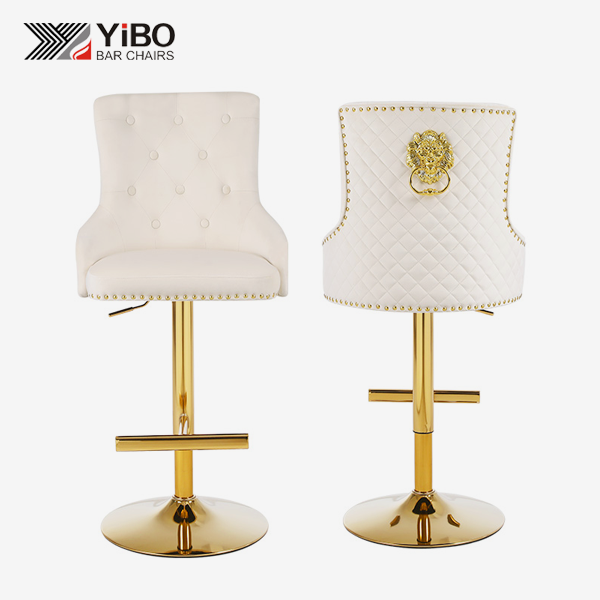
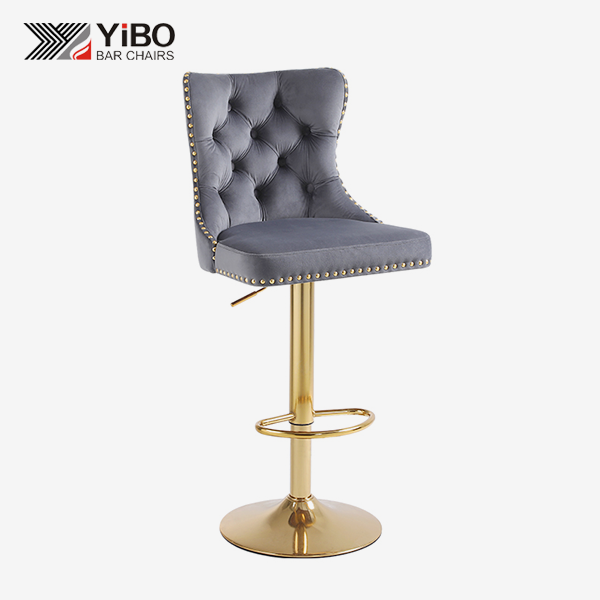
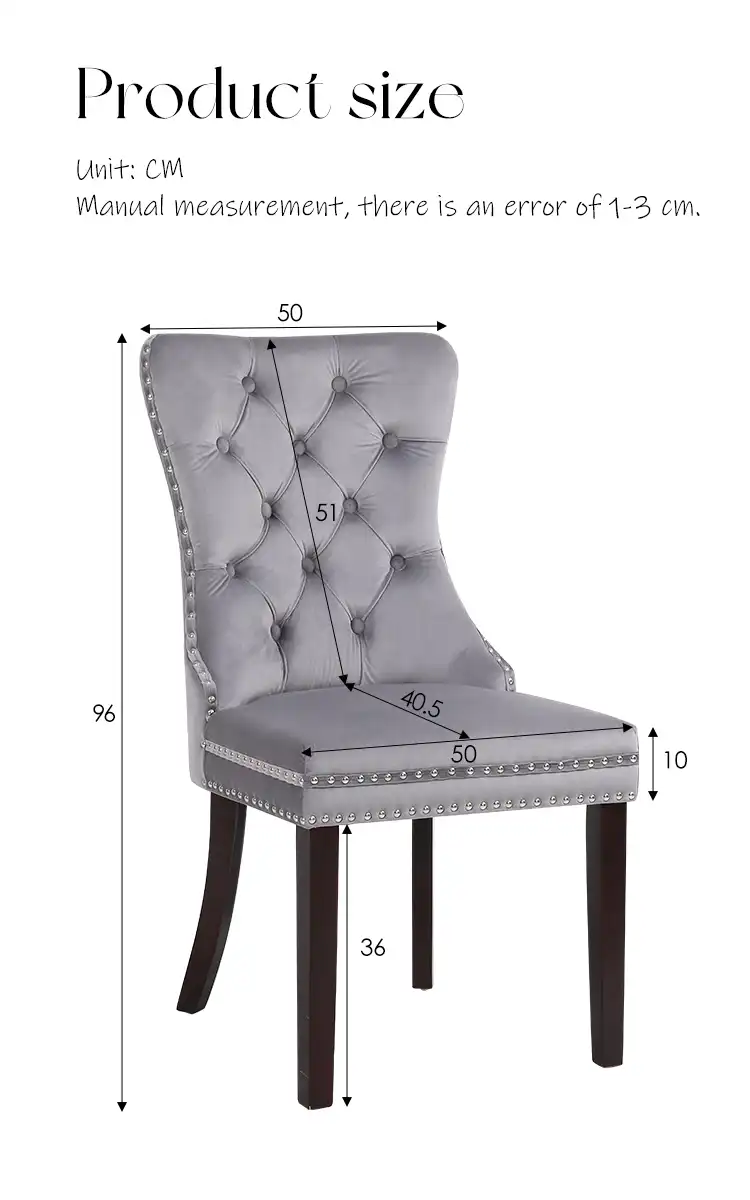
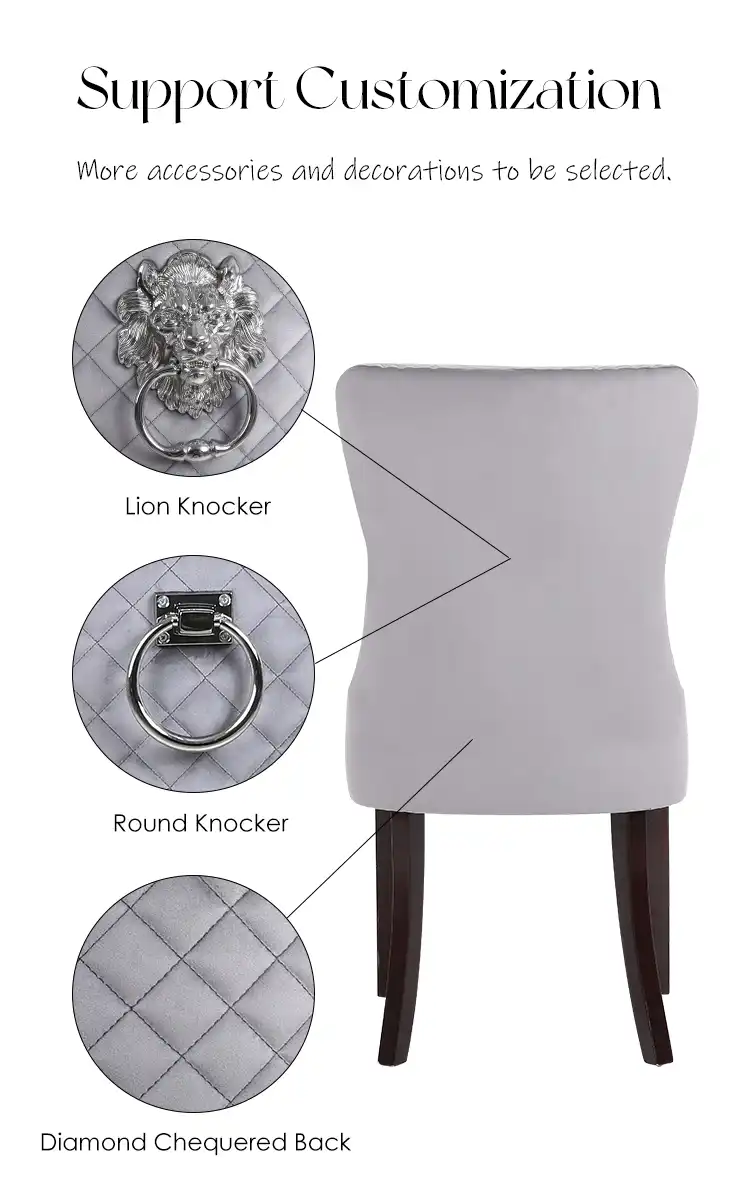
Our YB-1115 example does a great job of showing this. Its dimensions are 19" high, 24" wide, and 37" deep, and it comes with either a solid wood frame with black wooden feet or a modern stainless steel frame. The upholstery is made of regular velvet cloth over standard density sponge, which makes it comfortable enough for business settings while keeping upkeep to a minimum. The signature lion-head embossing on the backrest, which is accented with brass nails, combines traditional craftsmanship with modern expectations for durability.
Traditional Versus Modern Style Evolution
To make a room look more traditional, you would use carved wood frames with cabriole legs, tufted velvet upholstery in jewel tones, and decorative brass studding. This created a formal atmosphere that was perfect for estate dining rooms and high-end hotel banquet halls. These chairs sent a message of permanence and prestige, which is why they were popular with people who were decorating historic homes or businesses that wanted to feel like they were from another time.
The modern versions have straight lines and basic materials. They have metal frames with brushed finishes, one-color upholstery, and geometric shapes that go with minimalist interior trends. The functional benefits stay the same, like better sightlines and full spinal support, but the style shifts toward understated elegance. This means that procurement managers can choose chairs that reinforce brand identity whether they're looking for customers who like classic refinement or modern sophistication.
This is especially helpful for business projects that need to use design to tell a consistent story. For example, a boutique hotel chain might use traditional high back dining chairs in the lobby to make it feel warm and welcoming, while modern versions would be used in rooftop restaurants to show how modern the city is. We've seen this kind of strategic deployment firsthand, where style choice is used on purpose to tell a story through space.
Ergonomic Advantages in Commercial Settings
Extended backrests are good for your health and comfort, which is important in business settings. Full spinal contact from the lower back to the head keeps you from getting tired after long periods of sitting, which is common during multi-course meals or business meetings that happen during meals. Upholstered high backs also absorb sound reverberation in hard-surfaced dining halls, making them quieter places to talk—a small but appreciated detail in high-end venues.
Visual scale balancing is something else to think about. Dining rooms with cathedral ceilings higher than 10 feet often have the "void effect," where regular chairs look too small, making it hard to relate to the space. Taller seating restores human-scale proportions, making rooms feel properly furnished instead of huge. This is why they are so common in hotel ballrooms, executive dining rooms, and formal restaurants, where the grandeur of the architecture needs to be grounded by appropriately scaled furniture.
Engineers use high-resilience foam with a density of more than 35 kg/m³ to keep big upholstered surfaces from sagging due to gravity. These chairs will still be supportive even after years of commercial use. Inside, jute webbing or sinuous spring systems spread weight evenly, stopping localized compression that causes uncomfortable pressure points. These are the technical details that end users can't see, but they determine whether chairs stay comfortable over time or need to be replaced too soon.
How to Choose the Right High-Back Dining Chair for Your Business Needs
Matching Design to Operational Requirements
Hospitality buyers who outfit hotel restaurants care a lot about how the food looks and how it can be shared on social media, because they know that how visible something is on social media affects booking decisions. Contract furniture suppliers who work with businesses care a lot about how long the furniture will last and how easy it is to clean and maintain. Being stain-resistant and able to clean are more important than having decorative details. Restaurant chains need consistency across multiple locations, which means they need reliable reproduction quality and supply continuity.
For example, velvet upholstery has a soft feel and deep color depth, which makes it perfect for high-end restaurants where customers expect to be pampered. However, it needs to be professionally cleaned to keep the pile direction and keep it from getting permanently crushed in high-traffic areas. Leather alternatives, on the other hand, are easier to clean and only need to be wiped down, which makes them good for casual restaurants with a lot of customers.
When choosing between metal and wood frames, there are some things that you should keep in mind. Solid wood gives off a sense of warmth and traditional craftsmanship, which makes it a good choice for farm-to-table restaurants or historic hotels. Powder-coated or electroplated metal frames, on the other hand, have a more modern look and last longer than wooden frames because service staff can't scratch or dent them as easily. We can meet both of your needs because our production lines can deliver either specification at container-level quantities.
High-Back Versus Low-Back Comparison
Standard low-back chairs with a total height of 30 to 34 inches work well in places that value visual openness and space efficiency, like fast food restaurants and bistros where quick service is more important than long-term comfort. The lower profile makes it easier to tuck under tables, which makes the most of floor space.
Executive boardrooms that are also dining rooms can use office chair-level ergonomics that don't change the way the room looks. This means that meetings can last for four hours while people eat. High-end steakhouses use raised backrests to make semi-private dining areas in open floor plans feel more intimate without using walls. Wedding and banquet venues use rows of high back dining chairs that are all the same height to create a "sea of elegance" that looks great in pictures.
Concerns about weight capacity are also different. When people lean backward, the longer backrests make the lever arms longer, which puts more stress on the rear leg joints. To meet contract-grade standards, joints need to be stronger so they can handle repeated leverage forces, but joints made for home use don't need to be stronger. As part of our quality control process, we stress back parts according to EN 12520 standards until they break. This lets us fix weak spots before production goes mass-scale.
Strategic Bulk Purchasing Considerations
If the buyer meets the requirements, ordering by the container can save them a lot of money. Our standard packaging fits 236 pieces in a 20-foot container or 570 pieces in a 40-foot high cube, with each unit packed two to a 78 x 59 x 51 cm carton. This helps distributors save money on freight costs, especially when shipping multiple styles of chairs at once. Managing lead times is especially important during times of high demand, like when hotels are remodeling before the summer or when planning holiday banquets. Buyers should place their orders 90 to 120 days ahead of time to allow for production cycles and international shipping.
Customers can change more than just the finish color. Through OEM partnerships, they can choose from different types of foam density, fabric from our approved supplier network, such as collections from Abner, Jaegar, Galotti, and Case, and changes to the size of the furniture to suit their needs. For example, buyers in North America may ask for lower seat heights to make the furniture more ergonomic, while buyers in Europe may ask for fire-resistant foam to meet stricter EU rules. Our research and development team of 10 or more people takes these requests and turns them into production-ready samples within 15-day windows.
We don't give price ranges; instead, we offer discounts based on the number of orders and the length of the partnership. Buyers who place orders regularly over multiple quarters show that they can be counted on in the supply chain, and we reward them with better pricing and priority scheduling for production. The open communication style we've developed by going to the Guangzhou Furniture Fair and Canton Fair events even extends to our relationships with buyers. Account managers give realistic delivery dates instead of overly optimistic ones that cause problems later on.
Top High-Back Dining Chair Solutions: Market Trends and Supplier Insights
Current Market Dynamics and Buyer Preferences
Customized solutions that help brands stand out will become more important in 2024. Buying furniture from a generic catalog will give way to OEM partnerships, where furniture becomes an extension of the overall brand identity. For example, restaurant groups will work with manufacturers to create signature seating that can be seen in all of their locations. This creates visual consistency that helps people remember the brand. This trend favors suppliers that let you change the design over those that are limited by strict catalog rules.
More and more buyers care about sustainability issues. They want wood that is FSC-certified to make sure that the methods used to manage forests are in line with environmental standards. Solvent-based adhesives are being replaced with water-based ones, which lowers VOC emissions during production and throughout the lifecycle of a product. Recyclable packaging materials and better container loading show environmental responsibility, which is valued by corporate buyers who are under pressure from stakeholders to make the supply chain more sustainable.
There are different levels of suppliers. Mass-market manufacturers try to keep costs low by using automation and simple designs. They cater to buyers who care more about budget than customization. Mid-tier producers, like our Anji facility, keep skilled workers who can handle changes in specifications while achieving economies of scale through focused product categories. Premium artisan workshops charge more for customization and rare materials. They aim at ultra-luxurious hospitality projects where budgets can afford craftsmanship premiums.
Evaluating Manufacturing Partners
People don't just look at the unit price when they buy something. For example, a supplier's production capacity shows how quickly and efficiently they can meet orders for multiple containers. For example, our 6,000-square-meter facility has dedicated production lines that ship multiple containers every month, giving us volume assurance that smaller businesses can't match. Geographic concentration in Anji is good for the ecosystem because it provides specialized component suppliers, skilled labor, and logistics infrastructure built for furniture exports.
For instance, ISO 9001:2015 quality management systems show that processes are organized and that people are always looking for ways to make them better. BIFMA certification shows that products meet North American commercial furniture performance standards, which is important for buyers who want to sell to people in the U.S. but are afraid of liability. Fire safety compliance, such as meeting CA TB 117-2013 requirements for flammability, stops market access barriers that show up after the fact when goods that don't follow the rules are turned down at customs.
Lots of misunderstandings happen in international trade. Being able to speak more than one language and knowing how Western businesses work also helps people make quick decisions. Our presence at the Guangzhou Furniture Fair, the Canton Fair, and the soon-to-be-held Cologne International Furniture Fair and Las Vegas Market shows that we are in the market and easy to reach, which online-only suppliers can't do.
Price-Value Considerations Across Budget Tiers
While looking at the prices, we can see that different groups are made to suit different types of buyers. The entry-level options are good for buyers on a budget who are starting a new business or furnishing secondary spaces where the furniture is more for function than for fun. The mid-range options choose durable materials over expensive and hard to find ones to get a good balance between quality construction and reasonable prices.
High-end hotels pay more for these high back dining chairs because the furniture makes the guests' stay better, so the prices are higher. In these situations, the quality of the chairs directly affects how much money the hotels make. For example, a five-star hotel that charges a lot of money can't have cheap chairs in its dining rooms because it would be inconsistent with its brand positioning and what guests expect from it.
We have been in business for 14 years, so we are financially stable and well-liked by the market. This lowers supply chain risk for buyers who are wary of vendors who haven't been around for a long time. Our competitive pricing comes from manufacturing efficiency and Anji's cluster advantages, not quality compromises. This way, we can meet international standards while still being affordable for mid-sized buyers who can't afford premium-tier prices.
Procurement Guide: How to Buy High-Back Dining Chairs Efficiently and Cost-Effectively
Sourcing Channel Evaluation
By going directly to manufacturers, buyers can cut out the middlemen and get customization options that aren't available through distributors. Buyers can talk to production teams directly, which cuts down on translation errors and changes that can't be made. On the other hand, buyers are responsible for more logistics, like setting up freight forwarding, customs clearance, and final-mile delivery, which is something that domestic distributors do without a problem. Larger buyers with established import operations may find direct sourcing more cost-effective, while smaller operations may prefer distributor relationships, even if they mean higher unit costs.
When you really want to judge a supplier, you need to get to know them better. Video factory tours show production areas and quality control processes, which builds trust in a way that photos of products alone can't. You can order samples before committing to a container to make sure that the materials and construction quality match what was shown. Our sample room has our best-selling products that are sent to 70 countries, which shows that the products are popular and that the company can make them.
People can compare many suppliers at once at trade shows. They can put competing products next to each other and look at things like how well they are built and how they look. They can also talk to the suppliers in person to see if they can communicate well and fit in with their culture, which are intangible factors that affect the success of a long-term partnership. The networking environment makes it easier for buyers and manufacturers to meet each other, which gives them more options for finding suppliers and benchmarking their competitors.
Negotiation Strategies and Order Optimization
Buyers should be clear from the start of the negotiations if they know they will need more than one container each year. They should focus on the value of the partnership instead of the value of a single transaction. Framework agreements that set baseline prices with discounts based on volume help buyers plan their budgets and encourage bulk ordering, which is good for everyone because it lowers administrative costs and makes it easier to schedule production.
To avoid expensive misunderstandings, it's important to be clear about the details of any customization requests. Technical drawings with measurements, material callouts, and finish standards clear up the confusion that leads to production mistakes. Approved physical samples before mass production serve as quality standards, giving objective standards for acceptance inspection. Our professional R&D team and sampling team turn buyer visions into details that can be manufactured, bridging the gap between design intent and production reality through collaborative iteration.
Letters of credit protect buyers by releasing funds through a bank as long as all the paperwork is complete and properly signed. They are more expensive and come with more fees, though. Deposit-and-balance structures are cheaper, but everyone needs to trust each other more. Usually, 30% of the total cost is due before shipping, and the other 70% is due after production. As trust grows, better terms are agreed upon.
Managing Logistics and Quality Assurance
Inspectors make sure that the right packaging is used to keep the goods safe during transit. They check the strength of the cartons, the amount of padding, and the stacking to make sure that it can handle the vibration and handling of ocean freight. Our packaging specifications use double-wall cartons with honeycomb reinforcement to protect fragile backrest components. These cartons pass ISTA 3A drop tests that mimic the worst-case handling scenarios. The two-piece-per-carton configuration balances protection with packing efficiency, making the best use of space in containers while avoiding damage that can lead to expensive claims and delivery delays.
Many issues are found during quality checks before the goods are shipped, and they need to be fixed before they leave the factory. Buyers should be clear about what they want to be checked (every unit vs. statistical sampling, acceptable defect rates, and specific quality parameters that match their operational standards). Two of our internal quality control measures are rear leg joint stress testing and tipping stability analysis.
If you're shipping goods internationally, you should always get transit insurance. It's not expensive compared to the value of the container, and buyers should never skip it. Knowing Incoterms makes it clear who is responsible for what when purchasing high back dining chairs. FOB (Free on Board) terms transfer risk once the goods cross the ship's rail at the origin port, while CIF (Cost, Insurance, and Freight) terms transfer risk to the destination port. Choosing the right terms based on your risk tolerance and logistics skills will avoid disputes that happen when it's not clear who is at fault when problems arise.
Conclusion
People who buy things can find partners who understand both traditional design language and modern business needs. Good procurement relationships are based on open communication, shared quality standards, and a promise to work together for a long time instead of just doing business. This analysis helps procurement professionals figure out how to evaluate options, state needs, and manage supplier relationships that give consistent results across multiple order cycles, which supports operational success in competitive hospitality and commercial markets.
FAQ
Why choose high-back designs over standard alternatives for commercial spaces?
The healthiest chairs have backs that go all the way up to your head. This makes it easier to sit for long periods of time, which is common in business and fine dining restaurants. Also, dining halls are quieter when the surfaces are upholstered and not hard. Rooms with high ceilings need chairs with high backs for balance because regular chairs look too small there.
What maintenance intervals preserve chair function and appearance?
Every three months, furniture needs to be professionally cleaned to meet health codes in hospitality settings. Structures should be checked every three months to make sure joints are tight, and any hardware that comes loose should be tightened before it damages the joints. A deep cleaning with sanitization once a year extends the life of fabrics and meets health code requirements in food service settings.
Are eco-friendly options available for bulk purchasing?
As an example, FSC-certified wood frames show that forests are being managed responsibly, water-based adhesives lower VOC emissions, and recyclable packaging materials are all long-lasting choices. These help corporate buyers who are being pushed by stakeholders to be more eco-friendly in their supply chains without lowering the need for commercial durability or structural performance in hospitality settings.
Partner with YIBO for Your High-Back Dining Chair Needs
We have been a well-known high back dining chairs supplier in Anji's furniture manufacturing cluster for 14 years, and we're ready to meet your commercial seating needs thanks to our 14 years of experience working with customers from around the world. We offer OEM and ODM partnerships that can accommodate changes in specifications like materials, dimensions, and finishes. Our production capacity delivers container-level quantities with predictable lead times, and our ISO 9001:2015 and BIFMA certifications confirm quality management standards. Email our sales team at yb@ajyibo.com to ask for product catalogs, set up factory tours, or talk about custom specifications—we'll get back to you within 24 hours.
References
American Society of Interior Designers. Ergonomic Considerations in Commercial Seating Design. ASID Publishing, 2023.
Furniture Industry Research Association. Material Performance Standards for Contract Seating Applications. FIRA International, 2022.
Hospitality Design Magazine. Annual Buyer Survey: Procurement Trends in Hotel and Restaurant Furniture. HD Publishing, 2024.
International Furniture Manufacturing Association. Quality Control Protocols for Export Production. IFMA Technical Standards, 2023.
National Restaurant Association. Durability and Maintenance Best Practices for Commercial Dining Furniture. NRA Educational Foundation, 2023.
Sustainable Furnishings Council. Environmental Certification Guide for Wood Furniture Procurement. SFC Industry Report, 2024.