

 (1)_1777442575043.jpg)
Accent Chairs: Definition, Types, Styles, and Why You Need One
Picture this scenario: You've just finished arranging your living room furniture, but something feels incomplete. The space lacks personality, and that empty corner seems to be crying out for attention. Your guests have nowhere comfortable to sit when they visit, and your room feels more like a showroom than a welcoming home. If this sounds familiar, you're experiencing one of the most common interior design challenges that an accent chair can instantly solve. This comprehensive guide will walk you through everything you need to know about accent chairs, from their fundamental definition to selecting the perfect style that transforms your space from ordinary to extraordinary.
What is an Accent Chair? Understanding the Basics?
An accent chair is far more than just another piece of furniture in your home. These decorative seating solutions serve a dual purpose that makes them indispensable in modern interior design. Primarily, an accent chair functions as a visual focal point that creates distinction and character within any room, while simultaneously providing practical extra seating for family members and guests. Unlike primary furniture pieces that typically match your sofa or existing decor, the accent chair is intentionally designed to stand out through contrasting colors, unique patterns, distinctive shapes, or luxurious materials that capture attention and spark conversation. The beauty of incorporating an accent chair into your space lies in its versatility and transformative power. Whether you're working with a spacious living room that needs an additional layer of visual interest, a cozy bedroom corner that could become a perfect reading nook, a home office requiring comfortable yet stylish seating, or even an entryway that needs a welcoming first impression, the accent chair adapts seamlessly to various environments. These chairs come in countless styles ranging from traditional wingback designs to contemporary velvet accent chair options, each offering its own aesthetic contribution to your interior landscape.
-
The Role of Accent Chairs in Interior Design
When interior designers talk about creating cohesive yet dynamic spaces, the accent chair often becomes their secret weapon for achieving that delicate balance. These pieces serve multiple strategic functions within a room's overall design scheme. First and foremost, they introduce contrasting elements that prevent spaces from feeling monotonous or overly coordinated. A vibrant velvet accent chair in emerald green, for instance, can breathe life into a neutral-toned room, while a sleek leather accent chair can add sophistication to a casual, fabric-heavy space. Beyond aesthetics, accent chairs address practical spatial challenges that many homeowners face. They fill awkward empty corners that otherwise remain unused, create intimate conversation areas when paired strategically with other seating, and offer flexibility that traditional furniture arrangements often lack. The accent chair can be easily moved and repositioned as your needs change, whether you're hosting a dinner party and need additional seating around the dining table or you're rearranging your living room layout for a fresh seasonal look. This adaptability, combined with their visual impact, makes accent chairs an investment that continues to serve your evolving design needs over time.
Types of Accent Chairs: Finding Your Perfect Match
-
Classic Armchairs and Club Chairs
The classic armchair represents one of the most beloved and versatile categories within the accent chair family. These upholstered seating options feature the signature defining characteristic of supportive armrests on both sides, creating an enclosed, comforting embrace that invites you to settle in for extended periods. Within this broad category, you'll discover numerous subcategories, each with its own distinctive personality and design heritage. The club chair, for example, offers deep cushioning with a boxy, straight-lined profile that exudes casual sophistication, making it an excellent choice for spaces where comfort takes priority alongside style. Traditional armchairs often showcase intricate details like button tufting, rolled arms, and decorative nailhead trim that reference classical furniture design periods. These elements make them particularly well-suited for homes with traditional or transitional aesthetics. However, modern interpretations of the armchair have emerged, featuring clean lines, minimalist silhouettes, and contemporary fabrics that appeal to those with more modern sensibilities. When considering an armchair as your accent chair choice, think about how much space you can dedicate to the piece, as these tend to be more substantial than armless alternatives. A velvet accent chair in the armchair style can serve as a luxurious statement piece that anchors an entire room's design scheme.
-
Wingback Chairs: Timeless Elegance
The wingback chair stands as one of the most recognizable and historically significant accent chair styles, with origins tracing back to 17th-century England where the distinctive "wings" flanking the seat were originally designed to shield occupants from drafts in poorly heated homes. Today, these architectural elements serve primarily aesthetic purposes, creating a dramatic silhouette that commands attention in any setting. The high, solid back combined with the protective side wings gives wingback chairs an imposing presence that naturally suits traditional living rooms, home libraries, and formal sitting areas where a touch of grandeur is desired. Modern interpretations of the wingback accent chair have evolved to suit contemporary tastes while maintaining the essential design elements that make this style so distinctive. You can find wingback chairs upholstered in everything from classic leather to trendy velvet accent chair fabrics in bold, unexpected colors that bridge traditional form with modern flair. The substantial size and visual weight of wingback chairs mean they work best in spaces with adequate room to appreciate their full profile. Positioning a wingback chair in a corner with good lighting creates an ideal reading spot, while placing two wingback chairs opposite a sofa establishes a formal, symmetrical conversation area that feels both welcoming and sophisticated.
-
Slipper Chairs and Armless Designs
For those working with limited square footage or seeking a more streamlined aesthetic, the slipper chair and other armless accent chair designs offer the perfect solution. These chairs feature a characteristically low profile with seats positioned closer to the ground than traditional chairs, and the absence of arms creates a slender silhouette that slips easily into tight spaces without overwhelming the room visually. The compact nature of armless accent chairs makes them incredibly versatile, serving equally well as extra seating in living rooms, dressing chairs in bedrooms, or even as alternative desk chairs in home offices where a lighter, more mobile seating option is preferred. Despite their smaller scale, armless accent chairs make significant style statements through their upholstery choices and design details. A velvet accent chair in the slipper style, for instance, brings luxurious texture and rich color to a space while maintaining a footprint that preserves precious floor space. Parsons chairs represent another popular armless category, characterized by clean lines and simple details that work beautifully in both traditional and contemporary settings. The versatility of armless designs extends to their functional applications as well. You can easily pull them up to dining tables when hosting larger gatherings, tuck them under console tables when not in use, or arrange multiple pieces to create flexible seating configurations that adapt to your changing needs.
-
Specialty Styles: Barrel, Bergère, and Beyond
Beyond the fundamental categories, the world of accent chairs includes numerous specialty styles that offer unique aesthetic and functional qualities worth considering. Barrel chairs, with their distinctive rounded backs that wrap partially around the sitter, provide a cozy, enclosed feeling while presenting a sculptural form that serves as functional art within your space. These chairs work particularly well in modern and mid-century inspired interiors, though their smooth, continuous curves can soften more angular, contemporary rooms as well. The barrel accent chair often becomes a favorite spot in homes due to its comfortable, embracing design that makes occupants feel nestled and secure. The bergère chair represents another specialty style with rich historical roots in French aristocratic design. Characterized by an exposed wooden frame surrounding upholstered panels, the bergère brings an air of refined elegance to any setting. The loose seat cushion keeps these chairs from feeling overly formal, while the visible wood frame adds architectural interest and craftsmanship that upholstered-only chairs cannot match. Other specialty accent chair styles worth exploring include swivel chairs that offer mobility and flexibility, chaise lounges that provide reclining comfort for ultimate relaxation, and egg chairs with their iconic enclosed shell shape that creates a private retreat within open spaces. Each of these specialty options brings specific benefits and aesthetic contributions that might perfectly align with your functional needs and design vision.
Accent Chair Styles: Matching Your Home's Aesthetic
-
Traditional and Classic Styles
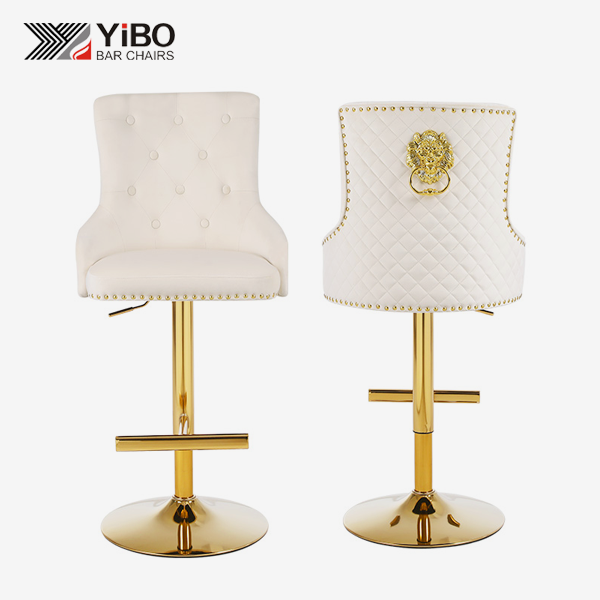
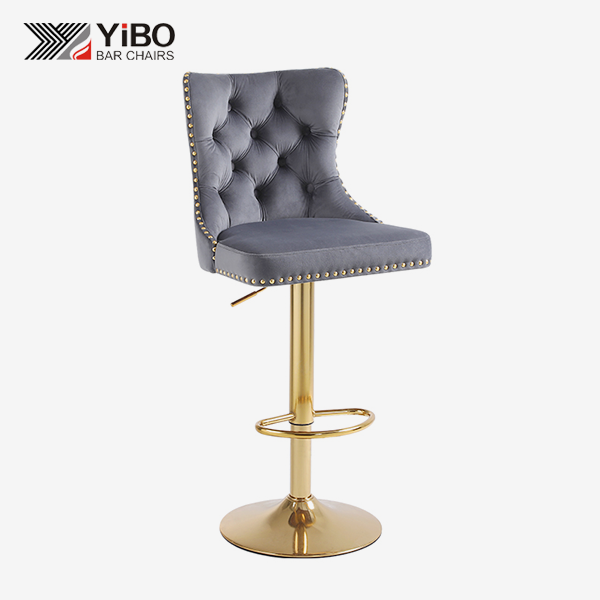
Traditional accent chair styles draw inspiration from historical furniture periods, incorporating design elements that have stood the test of time and continue to convey elegance, craftsmanship, and refined taste. These chairs typically feature rich wood finishes, ornate carved details, classic upholstery patterns like damask or toile, and sophisticated color palettes dominated by burgundies, forest greens, navy blues, and warm neutrals. Button tufting, rolled arms, nailhead trim, and turned legs represent common characteristics that signal traditional design sensibilities. A velvet accent chair in a jewel tone with tufted upholstery and dark wood legs exemplifies how traditional style translates into contemporary living spaces. When incorporating traditional accent chairs into your home, consider how these pieces will interact with your existing furniture and architectural elements. Traditional styles work best in homes with classic architectural details like crown molding, wainscoting, or built-in bookshelves, where the formality of the chair complements the room's existing character. However, traditional accent chairs can also serve as intentional counterpoints in more contemporary spaces, where they introduce warmth, history, and visual weight that prevents modern interiors from feeling cold or impersonal. The key to successfully integrating traditional accent chairs lies in maintaining some connection to other elements in the room, whether through color harmony, material consistency, or proportional balance that creates cohesion despite stylistic contrasts.
-
Modern and Contemporary Designs
Modern and contemporary accent chair styles embrace minimalism, clean lines, and innovative materials that reflect current design trends and forward-thinking aesthetics. These chairs often feature sleek metal frames, exposed legs in natural wood or painted finishes, geometric shapes, and upholstery in solid colors or subtle patterns that don't compete for attention. The emphasis falls on form and function working in harmony, with every design element serving a purpose rather than existing purely for decoration. Contemporary velvet accent chair options might showcase the luxurious fabric in unexpected ways, perhaps with channel tufting for subtle texture or combined with brass-finished metal legs that add warmth to the modern aesthetic. The appeal of modern accent chairs extends beyond their visual simplicity to include practical benefits that align with contemporary lifestyles. These pieces tend to be lighter in weight, making them easier to move and rearrange as needs change. Their streamlined profiles fit comfortably in smaller spaces without overwhelming limited square footage, and their neutral color palettes allow for easy coordination with existing decor while providing flexibility for future style evolution. When selecting a modern accent chair, consider how its clean lines and minimalist approach will balance with other elements in your space. Too many minimal pieces can feel stark and uninviting, so strategically incorporating textures like velvet, bouclé, or leather helps add warmth and tactile interest that prevents contemporary spaces from feeling cold or austere.
-
Transitional and Eclectic Approaches
Transitional style represents the sweet spot between traditional and contemporary design, incorporating elements from both aesthetics to create balanced, timeless interiors that feel both comfortable and current. Transitional accent chairs typically feature simplified versions of classic silhouettes, pairing traditional forms like wingback or rolled-arm designs with modern fabrics, updated color palettes, and streamlined details that remove excessive ornamentation while maintaining elegant proportions. This approach allows you to enjoy the comfort and proven appeal of traditional furniture forms while keeping your space feeling fresh and relevant to contemporary sensibilities. Eclectic style, on the other hand, throws the rulebook out entirely, embracing an intentional mix of different styles, periods, colors, and textures to create personalized, expressive interiors that reflect individual taste rather than adherence to any single design doctrine. An eclectic approach to accent chairs might involve pairing a vintage velvet accent chair in bold peacock blue with a sleek modern sofa, or combining a rustic wooden armchair with glamorous metallic accessories. The key to successful eclectic design lies in creating some thread of continuity that ties disparate elements together, whether through a consistent color palette, repeated materials, or complementary proportions. Eclectic spaces feel collected and curated rather than haphazard, demonstrating thoughtful selection and placement that creates visual interest without descending into chaos.
Why You Need an Accent Chair in Your Home?
-
Solving Common Design Challenges
Every home presents unique design challenges that can leave even the most carefully decorated spaces feeling incomplete or imbalanced. Empty corners that disrupt the flow of a room, insufficient seating that makes entertaining awkward, monotonous color schemes that lack visual excitement, or undefined spaces that fail to communicate their intended purpose—these common issues plague countless homes, often without occupants fully recognizing the root cause of their dissatisfaction. The introduction of a carefully selected accent chair provides an elegant solution to multiple design problems simultaneously, making it one of the most efficient and impactful purchases you can make for your home. Consider the transformative effect of placing a velvet accent chair in an awkward corner that previously collected nothing but cobwebs and neglect. Suddenly, that dead space becomes an intentional design moment, perhaps paired with a floor lamp and small side table to create an intimate reading nook that adds both function and beauty to the room. The accent chair draws the eye to previously overlooked areas, helping to distribute visual weight more evenly throughout the space and creating a sense of completeness that was previously lacking. Additionally, accent chairs address the practical issue of seating shortages that become apparent when hosting guests. Rather than having visitors perch uncomfortably on dining chairs dragged into the living room or squeeze awkwardly onto an already-full sofa, a strategically placed accent chair provides elegant, comfortable seating that feels intentional rather than improvised.
-
Creating Visual Interest and Personality
Perhaps the most compelling reason to incorporate an accent chair into your interior design scheme involves the unparalleled opportunity these pieces provide for self-expression and personality injection within your space. While larger furniture pieces like sofas and dining tables often trend toward neutral, safe choices that promise longevity and broad appeal, the accent chair invites risk-taking and creativity that reveals your unique aesthetic sensibilities. This is your chance to embrace that gorgeous velvet accent chair in dusty rose you've been admiring, to experiment with bold patterns you wouldn't commit to on a larger scale, or to incorporate luxurious materials like velvet, leather, or bouclé that elevate the entire room's perceived quality and sophistication. The visual impact of a well-chosen accent chair extends far beyond the physical space it occupies. A striking piece in a contrasting color creates a focal point that anchors the room and provides a reference point around which other design decisions can revolve. You might pull accent pillows from the accent chair's upholstery color, select artwork that echoes its style, or choose accessories that complement its material. This ripple effect of influence means that a single accent chair can inspire and inform an entire room's cohesive design narrative. For spaces that feel safe but uninspiring, introducing an unexpected accent chair can be the catalyst that transforms the room from pleasant but forgettable to memorable and distinctive—the kind of space that guests comment on and that brings genuine joy and satisfaction to those who inhabit it daily.
-
Enhancing Comfort and Functionality
While aesthetic considerations often dominate discussions about accent chairs, their practical contributions to daily comfort and functional living deserve equal attention and appreciation. A thoughtfully placed accent chair provides a dedicated spot for activities that enhance quality of life—reading without neck strain, enjoying morning coffee while gazing out the window, putting on shoes before heading out the door, or simply having a moment of solitude away from the main seating area. These seemingly small functional improvements accumulate into significant enhancements to how you experience and utilize your living spaces, making your home work better for your actual lifestyle rather than existing purely for visual appeal. The functional benefits of accent chairs extend to their flexibility and adaptability across different scenarios and needs. Unlike built-in seating or heavy sectional sofas that commit you to a specific furniture arrangement, accent chairs can be repositioned easily to accommodate changing needs. Move your velvet accent chair closer to the fireplace during winter months, rotate it toward the television for movie nights, angle it to capture better natural light for daytime reading, or shift it to facilitate better conversation flow when entertaining. This mobility, combined with the chair's visual and functional contributions, makes accent chairs remarkably versatile investments that continue providing value long after the initial purchase, adapting to your evolving lifestyle, changing aesthetic preferences, and shifting spatial requirements.
Selecting the Perfect Accent Chair for Your Space
-
Measuring and Scale Considerations
Before falling in love with any particular accent chair, understanding the critical importance of proper measurements and appropriate scale prevents the disappointment of purchasing a piece that doesn't fit your space or throws off your room's visual balance. Begin by carefully measuring the area where you envision placing your accent chair, accounting not just for the chair's footprint but also for adequate clearance space around it. You'll need approximately 30 to 36 inches of walking space around furniture to ensure comfortable navigation through the room, and you should verify that doors, windows, and other architectural features won't interfere with the chair's placement or prevent it from opening fully if it reclines or swivels. Beyond basic dimensions, consider scale relationships between your prospective accent chair and surrounding furniture pieces. An oversized chair can overwhelm a small room or make other furniture look diminutive and out of proportion, while an undersized chair might get lost beside a substantial sofa or fail to provide adequate comfort for adult users. As a general guideline, the seat height of your accent chair should align roughly with that of your sofa and other seating to create visual harmony and facilitate easy conversation between seated occupants. Similarly, the overall height and width of the chair should feel balanced with nearby pieces rather than conspicuously larger or smaller. When shopping online for items like a velvet accent chair, carefully review all dimension specifications and compare them against your measured space, and don't hesitate to create paper templates or use painter's tape to outline the chair's footprint in your actual space to visualize the fit before committing to a purchase.
-
Material and Upholstery Selection
The material and upholstery fabric you select for your accent chair significantly impacts both its aesthetic contribution and practical performance within your home. Velvet stands as one of the most popular choices for accent chair upholstery, prized for its luxurious appearance, rich color depth, and soft texture that invites touch and conveys quality. A velvet accent chair brings instant elegance to any space, with the fabric's light-reflective qualities creating subtle color variations and visual interest that flat-weave fabrics cannot match. However, velvet requires appropriate care and may not suit households with young children or pets who might damage the delicate pile with rough treatment or sticky hands. Leather represents another premium upholstery option that offers distinct advantages for accent chairs, including exceptional durability, easy maintenance with simple wiping, and aging characteristics that develop attractive patina over time rather than looking worn or tired. Leather accent chairs work particularly well in studies, home offices, and more masculine spaces where the material's inherent sophistication and professional appearance align with the room's intended atmosphere. For those seeking budget-friendly options with easy care requirements, synthetic fabrics like polyester blends or performance fabrics offer practical alternatives that resist staining, stand up to heavy use, and come in virtually unlimited colors and patterns. Natural fabrics like linen and cotton provide texture and breathability but may wrinkle and stain more easily than synthetic alternatives. When making your upholstery selection, honestly assess your lifestyle, usage patterns, maintenance commitment, and budget to choose a material that you'll genuinely enjoy living with rather than one that creates ongoing frustration or requires more care than you're willing to provide.
-
Color and Pattern Decisions
Color selection represents one of the most impactful and personal decisions in the accent chair shopping process, as this choice will significantly influence the piece's role within your room's overall design scheme. Neutral-colored accent chairs in shades like gray, beige, cream, or charcoal offer versatility and longevity, working well in spaces where other elements provide color and pattern while the chair serves a more supporting role in the design narrative. These safe choices ensure your accent chair will coordinate with future decor changes and won't feel dated as color trends evolve, making them wise selections for conservative decorators or those uncertain about committing to bolder options. Conversely, choosing a velvet accent chair in a saturated jewel tone like emerald green, sapphire blue, or ruby red creates an immediate focal point that commands attention and establishes a clear design direction for the entire space. Bold color choices work best when you have a specific vision for how the shade will integrate with existing or planned elements, perhaps echoing colors in artwork, pulling accent tones from patterned rugs, or introducing a complementary hue that balances your room's existing palette. Pattern adds another dimension to consider, with options ranging from subtle textures like herringbone or basket weave that provide visual interest without overwhelming, to bold geometrics, florals, or abstract prints that make unmistakable statements. When incorporating patterned accent chairs, consider the scale of the pattern relative to the chair's size and the room's proportions—larger patterns suit bigger spaces and larger chairs, while smaller, more delicate patterns work better in compact settings. Also evaluate how the pattern's style aligns with your overall aesthetic: traditional patterns suit classic interiors, geometric designs complement modern spaces, and eclectic prints work in more personalized, collected environments.
Conclusion
Accent chairs represent one of the most versatile and impactful additions you can make to transform your living spaces from merely functional to truly exceptional. Understanding their definition, exploring the diverse types available, considering various styles from traditional to contemporary, and recognizing why these pieces matter in complete interior design empowers you to make confident selections that enhance both the beauty and functionality of your home.
Cooperate with Anji Yibo Furniture Co., Ltd.
Transform your space with premium seating from Anji Yibo Furniture Co., Ltd., a leading China accent chair manufacturer with 14 years of specialized expertise in ergonomic furniture production. As a trusted China accent chair factory and China accent chair supplier, we offer exceptional velvet accent chairs for sale at competitive prices, perfect for businesses seeking China accent chair wholesale partnerships. Our high quality accent chair collections feature luxurious velvet upholstery, contemporary metal frame designs, and superior craftsmanship that meets rigorous international standards. Located in Anji, Zhejiang—the renowned hometown of chairs—our 6000+ square meter facility equipped with advanced production equipment enables us to manufacture and export containers of premium furniture monthly to over 70 countries worldwide. We support OEM/ODM customization through our professional R&D team, provide comprehensive 24-hour service, and offer industry-leading delivery times with space-saving packaging that reduces shipping costs. Whether you need customized accent chair solutions or bulk wholesale orders, our experienced sales team stands ready to answer your inquiries. Contact us at yb@ajyibo.com to discuss your furniture requirements and discover why discerning buyers worldwide trust Anji Yibo Furniture Co., Ltd. for their accent chair needs. Click to save this information and reference it whenever you're ready to elevate your space with quality seating solutions!
References
1. Harris, M. "The Evolution of Accent Chairs in Modern Interior Design." Journal of Furniture Studies, 2023.
2. Thompson, R. and Williams, K. "Ergonomic Principles in Contemporary Seating: A Comprehensive Analysis." International Design Quarterly, 2024.
3. Chen, L. "Material Selection and Upholstery Techniques for Luxury Furniture Manufacturing." Furniture Production & Technology Review, 2023.
4. Anderson, P. "Space Planning and Furniture Scale: Best Practices for Residential Interiors." Interior Design Professional Standards, 2024.