

 (1)_1777442575043.jpg)
Do accent chairs have to match a sofa?
You stand in your living room, staring at your beautiful new sofa, paralyzed by a common dilemma: should your accent chair perfectly match, or can you dare to be different? This question haunts homeowners and interior designers alike, often leading to safe but uninspiring furniture choices. The answer might surprise you—no, accent chairs do not have to match your sofa exactly, and in fact, they shouldn't. Understanding how to pair these furniture pieces correctly can transform your space from ordinary to extraordinary, creating visual interest while maintaining harmony. This comprehensive guide will walk you through proven strategies for selecting the perfect accent chair that complements your sofa without replicating it, helping you achieve a professionally designed look that reflects your personal style.
Understanding the Purpose of Accent Chairs
Accent chairs serve as more than just additional seating—they function as design anchors that introduce personality, color, and texture into your living space. Unlike matching furniture sets that create a uniform appearance, an accent chair is specifically designed to stand out and draw the eye while maintaining cohesive dialogue with surrounding elements. The primary purpose of incorporating an accent chair into your room is to break monotony and add visual depth. When positioned strategically next to or across from your sofa, these chairs create conversation areas that invite gathering and interaction. Furthermore, accent chairs offer practical benefits beyond aesthetics—they provide flexible seating options for guests, help define different zones within open-concept spaces, and can even disguise awkward corners or empty areas that might otherwise go unused. The key is understanding that matching is not synonymous with coordinating. Your accent chair should complement your sofa through shared design elements such as similar leg styles, proportional scale, or harmonious color palettes, rather than being an identical twin. This approach allows you to introduce luxurious materials like velvet accent chairs alongside leather sofas, creating textural contrast that elevates the entire room's sophistication level.
Design Principles for Pairing Accent Chairs with Sofas
-
Creating Visual Harmony Through Complementary Elements
Successful furniture pairing relies on identifying and incorporating complementary elements rather than seeking exact matches. When selecting an accent chair for your sofa, focus on establishing connections through shared characteristics while introducing deliberate contrasts. Consider the architectural details of both pieces—if your sofa features clean, modern lines with tapered legs, an accent chair with similar geometric proportions will create cohesion even when upholstered in a contrasting fabric or color. Material harmony plays an equally important role in achieving visual balance. A plush velvet accent chair positioned next to a smooth leather sofa creates dynamic textural interest that engages multiple senses. The luxurious velvet upholstery adds softness and warmth, contrasting beautifully with the sleek coolness of leather while both materials exude quality and sophistication. This principle extends to wood finishes and metal frames as well—warm cognac leather pairs exceptionally with accent chairs featuring walnut or mahogany frames, while contemporary gray sofas complement chairs with chrome or brushed nickel accents. Scale consistency represents another crucial consideration when pairing furniture pieces. Your accent chair should maintain proportional balance with your sofa—neither overwhelming nor appearing diminutive in comparison. Standard accent chairs typically measure between twenty-eight and thirty-two inches in width, pairing effectively with sofas ranging from eighty-four to ninety-six inches. The seat height should fall within a similar range, typically seventeen to nineteen inches from the floor, ensuring comfortable conversation flow between seated individuals. When these dimensional relationships are respected, even dramatically different styles can coexist harmoniously within the same space.
-
Color Coordination Strategies That Work
Color selection represents one of the most impactful decisions when choosing an accent chair to complement your sofa. Rather than defaulting to safe neutral-on-neutral combinations, embrace color as a tool for creating visual interest and emotional resonance within your space. The most successful color strategies fall into three main categories: complementary contrast, analogous harmony, and monochromatic layering. Complementary contrast involves pairing colors opposite each other on the color wheel, such as positioning a rich emerald green accent chair alongside a blush pink sofa, or combining navy blue seating with warm mustard tones. This approach creates vibrant energy and prevents spaces from feeling flat or uninspired. However, balance remains essential—when working with bold complementary colors, consider grounding the palette with neutral accessories or allowing one color to dominate while the other provides accent notes. Analogous harmony utilizes colors adjacent on the color wheel, creating sophisticated transitions that feel naturally cohesive. A sage green sofa paired with a teal or blue-gray accent chair exemplifies this approach, offering subtle variation without jarring contrast. Monochromatic layering explores different shades and tones within a single color family, relying on texture and material variation to prevent monotony. A charcoal gray sofa accompanied by a lighter dove gray velvet accent chair demonstrates how tonal progression creates depth while maintaining unified aesthetic. When implementing any color strategy, consider the room's existing palette—wall colors, flooring, artwork, and textiles all influence how your furniture selections will ultimately appear. The accent chair should serve as a bridge, connecting various design elements throughout the space rather than existing in isolation from its surroundings.
Material and Texture Combinations
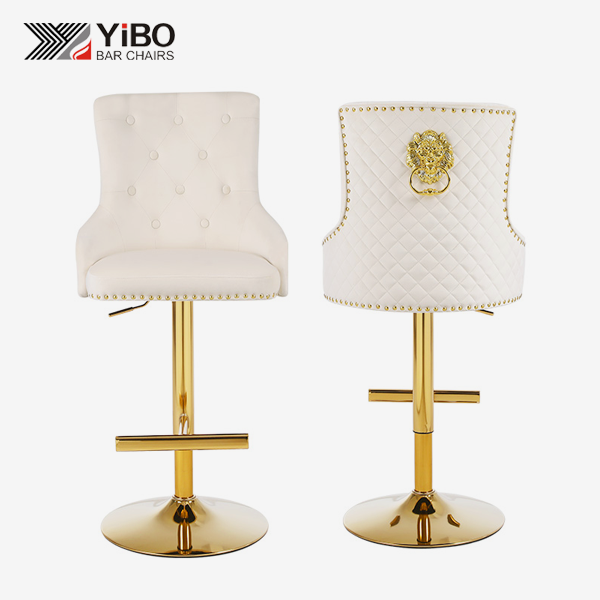
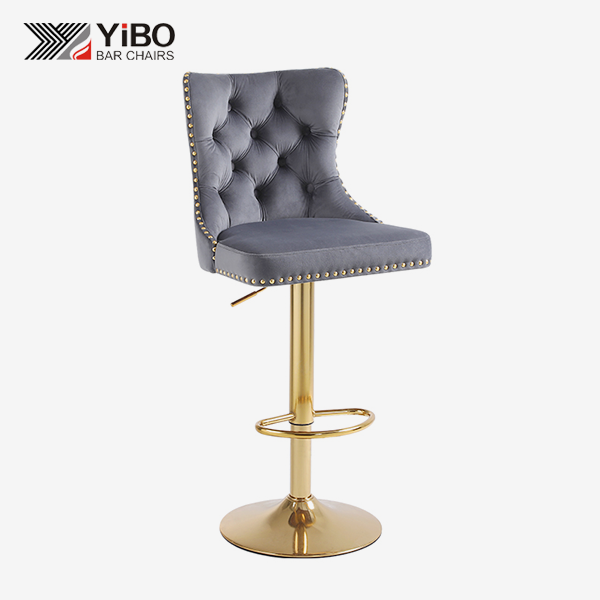
The interplay between different materials and textures elevates furniture pairings from merely coordinated to genuinely sophisticated. Material selection impacts not only visual appearance but also tactile experience and perceived quality. Contemporary velvet accent chairs have surged in popularity precisely because velvet's inherent depth and light-reflecting properties create luxury that photographs beautifully while remaining practical for everyday use. When paired with contrasting materials, velvet demonstrates remarkable versatility. Consider positioning a navy velvet accent chair with an iron metal frame alongside a tan leather sofa—the smooth, supple leather contrasts dramatically with velvet's plush pile, while both materials radiate quality and durability. This combination works particularly well in spaces striving for contemporary design with traditional comfort. Similarly, linen or cotton-blend sofas pair beautifully with velvet accent chairs, as the casual, breathable nature of woven fabrics complements velvet's formal elegance without competing for attention. The frame material deserves equal consideration in your pairing decisions. Metal frames, particularly those in brushed gold, matte black, or polished chrome finishes, introduce architectural interest and visual lightness. A velvet accent chair supported by slender metal legs appears to float, creating breathing room in furniture arrangements while maintaining sturdy construction. Wooden frames, whether in natural tones or painted finishes, contribute warmth and organic appeal. The key lies in ensuring frame styles align with your overall design direction—mid-century modern spaces benefit from tapered wooden legs with subtle curves, while industrial-inspired rooms embrace exposed metal construction with minimal ornamentation. When selecting materials, also consider practical factors such as maintenance requirements, durability under regular use, and how different fabrics age over time. Premium velvet upholstery with proper care maintains its luxurious appearance for years, while performance fabrics offer stain resistance crucial for high-traffic households.
Style Matching and Era Consistency
-
Blending Different Design Periods Successfully
Achieving successful style integration requires understanding core design principles while remaining open to creative interpretation. Contrary to common belief, furniture pieces do not need to originate from identical design periods to work harmoniously together. The secret lies in identifying shared aesthetic DNA—formal qualities, proportional relationships, or decorative motifs that create subtle connections between seemingly disparate pieces. For instance, a traditional Chesterfield sofa with its distinctive button tufting and rolled arms can pair surprisingly well with a mid-century modern accent chair featuring clean lines and tapered legs, provided both pieces share similar scale and material quality. The sofa's leather upholstery might echo in the accent chair's leather piping or trim, creating a visual thread that unifies the arrangement. Contemporary design particularly embraces this eclectic approach, viewing furniture pairing as an opportunity for personal expression rather than rigid adherence to matching sets. When your primary sofa embodies a specific design era, your accent chair can either reinforce that aesthetic or introduce intentional contrast that prevents the space from feeling costume-like or theme-heavy. A sleek, minimalist sofa with low profile and geometric form benefits from an accent chair that maintains similar proportional restraint, whether expressed through mid-century simplicity or contemporary sculptural design. Conversely, ornate traditional sofas find balance with accent chairs that acknowledge classical design principles through details like turned legs, curved arms, or subtle embellishment, even when rendered in updated materials or colors. The most successful combinations demonstrate what designers call "common ground"—shared elements that create cohesion while deliberate differences generate interest and prevent predictability.
-
Incorporating Contemporary Design Elements
Contemporary design philosophy emphasizes functionality, clean aesthetics, and thoughtful material selection, making it particularly well-suited for accent chair and sofa pairings that feel fresh yet timeless. When working within contemporary frameworks, prioritize furniture with strong silhouettes, quality construction, and versatile appeal that transcends fleeting trends. Metal frame accent chairs exemplify contemporary sensibility through their structural honesty and visual lightness. The iron metal frame construction commonly found in modern velvet accent chairs provides necessary support while maintaining unobtrusive presence, allowing the chair's form and upholstery to take center stage. This approach aligns with contemporary design's preference for exposing rather than concealing structural elements. When paired with upholstered sofas featuring similar exposed-leg construction, these chairs create rhythmic consistency that unifies the seating arrangement. Color application in contemporary settings tends toward either restrained neutral palettes punctuated by single bold accent choices, or confident use of saturated colors grounded by neutral backgrounds. A charcoal gray sofa might anchor a room while an emerald green velvet accent chair introduces unexpected vitality, with the room's remaining elements maintaining neutral territory to prevent visual chaos. Contemporary design also embraces technological advances in furniture manufacturing, including performance fabrics that resist staining and fading while maintaining luxurious appearance. This practical consideration matters significantly when selecting accent chairs for real-world use rather than showroom display. The integration of ergonomic principles represents another hallmark of contemporary furniture design. Modern accent chairs frequently incorporate thoughtful details like lumbar support, appropriate seat depth, and arm height calculated for comfort during extended use. When evaluating potential accent chair selections, consider how these functional attributes complement or enhance your existing sofa's comfort level, ensuring your furniture arrangement serves practical needs while achieving aesthetic goals.

Practical Considerations for Your Space
-
Scale, Proportion, and Room Layout
Understanding spatial relationships represents a fundamental skill in successful furniture arrangement. Before selecting an accent chair to complement your sofa, carefully assess your room's dimensions, traffic patterns, and functional requirements. The physical relationship between your sofa and accent chair directly impacts both visual appeal and practical usability. Begin by measuring your available space, noting not just floor area but also ceiling height, which influences appropriate furniture scale. Standard accent chairs occupy approximately three feet of width including clearance space, while depth ranges from twenty-eight to thirty-four inches. Position these measurements within your room's footprint to ensure adequate circulation—design guidelines recommend maintaining at least eighteen inches between furniture pieces for comfortable passage, with thirty to forty-eight inches proving ideal for primary traffic routes. When arranging furniture, consider sight lines and focal points. Accent chairs positioned to face your sofa across a coffee table create intimate conversation zones perfect for entertaining, while chairs angled at forty-five degrees to the sofa's end maintain connection while accommodating television viewing or fireplace enjoyment. The distance between facing seats should allow for easy conversation without requiring raised voices, typically ranging from eight to ten feet maximum. If your room includes architectural features like windows, fireplaces, or built-in shelving, use these elements to anchor your accent chair placement. A luxurious velvet accent chair positioned beside a window with adequate natural light showcases the fabric's depth and luster while creating an inviting reading nook. Similarly, flanking a fireplace with matching or complementary accent chairs establishes symmetrical balance that feels inherently satisfying. Consider how your furniture arrangement supports your lifestyle needs—households with young children might prioritize durable materials and stain-resistant fabrics, while empty-nesters might emphasize aesthetic refinement and entertaining functionality. The most successful spaces balance visual beauty with practical reality, ensuring your carefully selected accent chair remains a cherished element rather than a source of maintenance frustration.
-
Functional Requirements and Comfort
Beyond aesthetic considerations, your accent chair must deliver genuine comfort and serve practical purposes within your daily life. While visual appeal initially attracts attention, long-term satisfaction depends on how well the furniture supports actual use patterns. When evaluating potential accent chairs, test them personally whenever possible, assessing seat depth, cushion firmness, back support, and arm height. Seat depth particularly impacts comfort—shallow seats measuring less than twenty inches work well for formal sitting and conversation but prove uncomfortable for extended relaxation, while deeper seats exceeding twenty-four inches encourage lounging but may not suit shorter individuals whose feet dangle uncomfortably. Consider who will use the chair most frequently and how they prefer to sit. Similarly, cushion construction affects both comfort and longevity. High-density foam core cushions wrapped in softer foam or fiber maintain their shape and support over years of use, while lower-quality foam compresses and develops permanent indentations relatively quickly. Premium velvet accent chairs from reputable manufacturers typically employ superior cushion construction that justifies higher initial investment through extended service life and maintained comfort. Back support varies significantly across accent chair styles—upright backs suit formal settings and promote good posture during conversation, while reclined backs encourage relaxation and informal lounging. Ensure your accent chair's back style complements your sofa's formality level and the room's primary function. A library or home office benefits from chairs promoting upright sitting, while family rooms and entertainment spaces accommodate more casual designs. Arm presence and design also deserve consideration—armless accent chairs occupy less visual and physical space, making them excellent choices for smaller rooms, while armed versions provide additional support and comfort during extended sitting. When arms are present, their height relative to adjacent tables or the sofa's arm height affects visual flow and functional convenience. Strategic furniture pairing considers these practical dimensions alongside aesthetic harmony, ensuring your space works as beautifully as it looks.

Why Choose Velvet Accent Chairs from Professional Manufacturers?
Quality manufacturing distinguishes truly exceptional accent chairs from merely adequate options. When investing in furniture pieces that will anchor your living space for years, partnering with experienced manufacturers ensures superior construction, material quality, and design expertise. Professional furniture manufacturers specializing in accent chairs bring fourteen-plus years of focused experience in chair research, development, and production. This concentrated expertise translates into products designed with ergonomic comfort as a foundational principle rather than an afterthought. Every curve, angle, and cushion receives careful consideration to maximize comfort during actual use. Manufacturing facilities spanning six thousand square meters and equipped with advanced production equipment enable consistent quality control and efficient production. These manufacturers employ skilled personnel who understand nuanced techniques for properly constructing upholstered furniture—knowledge acquired only through extensive hands-on experience. The distinction between amateur and professional construction becomes evident in details like precision frame joinery, even fabric tension across surfaces, secure attachment points that prevent loosening over time, and finishing touches that demonstrate pride in craftsmanship. Professional manufacturers also maintain comprehensive understanding of international quality standards, designing and producing furniture that meets or exceeds regulatory requirements for safety, durability, and performance. This commitment to standards protects consumers while ensuring products withstand the demands of daily use across diverse markets and climates. Contemporary design principles inform professional manufacturers' development processes, with dedicated research and development teams studying market trends, consumer preferences, and emerging technologies. These teams develop popular products tailored for specific markets, understanding that European and American consumers often prefer different aesthetic approaches than Asian markets, for instance. This market-responsive design philosophy ensures accent chairs resonate with target audiences while maintaining timeless appeal that transcends temporary trends. When you select velvet accent chairs from established manufacturers, you benefit from refined designs tested through multiple production cycles and real-world application, rather than untested concepts rushed to market.
Conclusion
Accent chairs do not need to match your sofa exactly—instead, they should complement through shared design elements while introducing visual interest through deliberate contrast in color, texture, or style. Successful pairing balances harmony with personality, creating living spaces that feel professionally designed yet authentically personal.
Cooperate with Anji Yibo Furniture Co., Ltd.
Partner with Anji Yibo Furniture Co., Ltd., a leading China accent chair manufacturer with fourteen years of specialized experience in ergonomic seating solutions. Located in Anji, Zhejiang—renowned as China's chair manufacturing capital—our six-thousand-square-meter facility produces premium bar stools, dining chairs, and accent chairs exported to seventy countries worldwide. As a trusted China accent chair supplier and China accent chair factory, we offer competitive accent chair prices through efficient production and direct China accent chair wholesale opportunities. Our high quality accent chairs feature luxurious velvet upholstery, durable iron metal frames, and contemporary designs that elevate any interior. We support OEM and ODM customization with our professional ten-plus-person R&D team, ensuring your specific requirements receive expert attention. Every accent chair for sale includes comprehensive warranty protection and ships with space-saving packaging that reduces logistics costs. Our experienced sales team provides responses within twenty-four hours, supporting your business growth with reliable service and exceptional products. Visit us at upcoming international exhibitions in Germany and the USA, or contact us directly at yb@ajyibo.com to discuss your accent chair needs and receive detailed quotations for bulk orders.
References
1. Henderson, E. "Power Couples: Sofas & Accent Chairs + A Few Rules." Style by Emily Henderson, Interior Design Publication.
2. Tavano, M. & Roberts, L. "Accent Chair Selection and Interior Harmony." Contemporary Interior Design Quarterly, Professional Design Association.
3. Bilhuber, J. "Color Theory in Living Room Furniture Arrangement." Architectural Digest, Design Professional Series.
4. Morrison, S. "Material Contrast and Textural Harmony in Modern Interiors." Journal of Interior Design Excellence, Academic Design Review.