

 (1)_1777442575043.jpg)
Bar Stool Buying Guide: Style, Comfort, and Durability
Imagine walking into your favorite restaurant and immediately feeling uncomfortable because the bar stool is too high, wobbles, or leaves your back aching after just ten minutes. This common frustration costs businesses repeat customers and homeowners their dream kitchen setup. Choosing the right bar stool isn't just about aesthetics—it's about creating a seating experience that keeps people comfortable, engaged, and coming back for more. This comprehensive guide reveals exactly how to select bar stools that perfectly balance style, comfort, and durability, ensuring your investment pays off for years to come.
Understanding Bar Stool Heights and Measurements
Selecting the correct height for your bar stool is the foundation of comfort and functionality. Many buyers make the critical mistake of choosing stools based purely on appearance, only to discover their seating arrangement feels awkward and uncomfortable in daily use. The relationship between your counter height and bar stool seat height directly impacts posture, leg positioning, and overall dining experience. Counter-height bar stools typically measure 24 to 26 inches from floor to seat, perfectly suited for standard kitchen counters that stand approximately 36 inches high. Bar-height stools range from 28 to 32 inches, designed for taller bar counters measuring around 40 to 42 inches. The ideal spacing between the seat and counter surface should measure 10 to 12 inches, allowing comfortable legroom without feeling cramped or overstretched.
-
Measuring Your Space Correctly
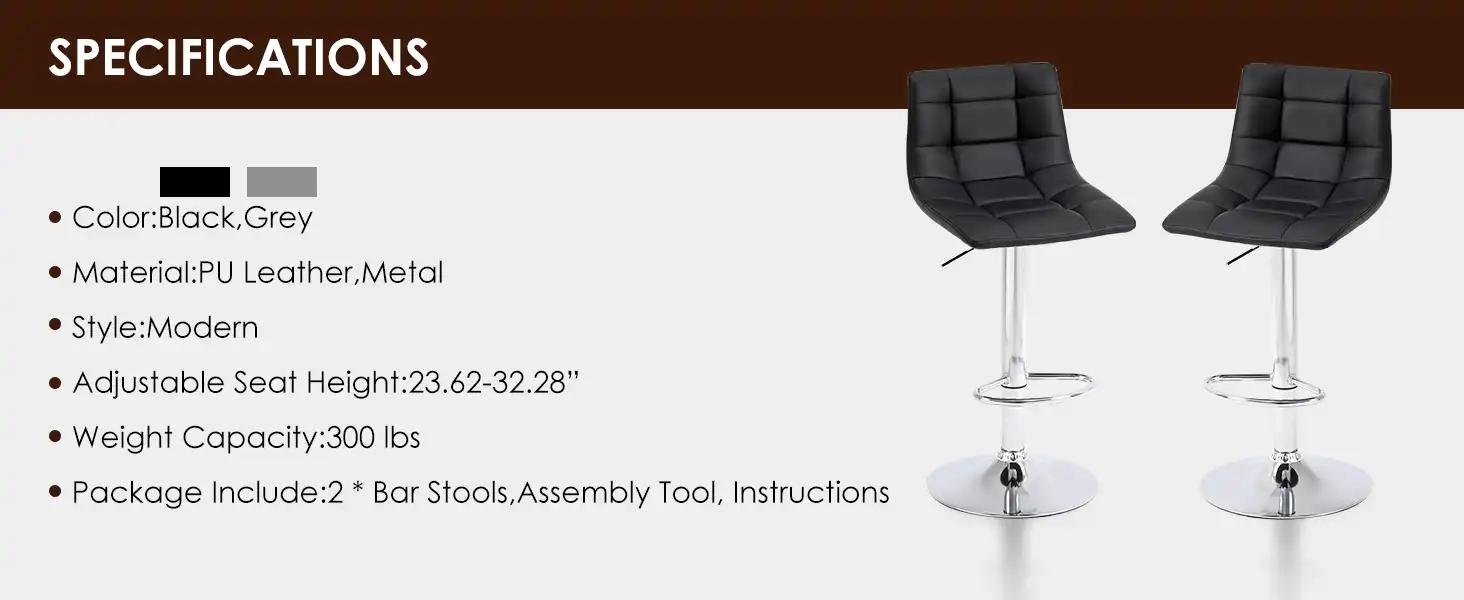
Before purchasing any bar stool, accurate measurements prevent costly mistakes and ensure optimal comfort. Start by measuring from your floor to the underside of your counter or bar top, accounting for any flooring variations or uneven surfaces that might affect height consistency. Consider the black back vintage adjustable bar stool option from manufacturers like Anji Yibo Furniture, which offers adjustable heights ranging from 85cm to 105cm, providing flexibility for different counter heights and user preferences. This adjustability proves particularly valuable in multi-purpose spaces or households with varying height requirements. When determining how many bar stools fit your space, calculate the linear distance along your counter and allocate 26 to 30 inches of space per stool, measured from center to center. This spacing ensures guests can sit comfortably without bumping elbows or feeling crowded during meals or conversations. For example, a kitchen island measuring 180 centimeters can comfortably accommodate three standard bar stools with proper spacing, while narrower counters may require fewer stools to maintain comfort and visual balance.
Material Selection for Durability and Style
The materials used in bar stool construction dramatically affect both longevity and aesthetic appeal, making this decision crucial for long-term satisfaction. Different materials offer distinct advantages depending on your specific needs, usage frequency, and design preferences. Understanding these material characteristics helps you make informed decisions that align with your practical requirements and style vision.
-
Metal Frame Construction
Metal frame bar stools deliver exceptional durability and strength, capable of supporting substantial weight while maintaining structural integrity through years of daily use. The sleek, minimalist profile of metal frames complements modern, industrial, and contemporary interior designs, adding visual interest without overwhelming the space. Bar stool manufacturers typically construct frames from steel or aluminum, with steel offering superior strength for commercial applications and aluminum providing lighter weight for residential settings. The black back vintage adjustable bar stool features robust metal frame construction, capable of supporting up to 150 kilograms while maintaining stability and safety standards. Quality metal frames undergo powder-coating or chrome finishing processes that protect against rust, corrosion, and daily wear. These protective finishes ensure the bar stool maintains its appearance even in high-traffic commercial environments like restaurants, cafes, and bars. For those seeking authentic vintage aesthetics, black powder-coated finishes provide the perfect foundation for retro-inspired designs that never go out of style. Metal frames also facilitate easy cleaning and maintenance, requiring only periodic wiping with damp cloths to remove dust and spills, making them ideal for busy households and commercial establishments.
-
Upholstery and Padding Options
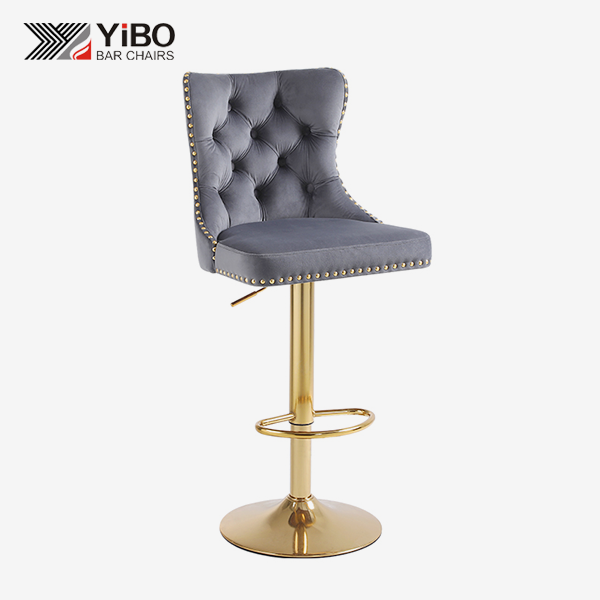
The seat cushioning and upholstery materials directly influence comfort levels during extended sitting periods, making these elements critical for user satisfaction. High-density foam padding provides the optimal balance between comfort and durability, maintaining its shape and support even after years of regular use. Manufacturers like Anji Yibo Furniture utilize 4CM sponge padding with 30 density specifications, ensuring comfortable seating without excessive softness that leads to premature wear. This density level supports proper posture while providing enough cushioning for extended sitting sessions during meals or social gatherings. Upholstery material selection involves balancing aesthetics, durability, and maintenance requirements. Half-PU leather with 0.8mm thickness offers excellent durability while providing the luxurious appearance of genuine leather at more accessible price points. This material resists spills, stains, and daily wear better than fabric alternatives, making it particularly suitable for commercial bar stools in restaurants and bars. The smooth surface facilitates easy cleaning with simple wiping, maintaining pristine appearance without requiring specialized cleaning products or professional maintenance services. For those prioritizing sustainability and natural aesthetics, premium fabrics like those used in Anji Yibo Furniture products—including Abner, Jaegar, Galotti, and Case fabrics—provide sophisticated texture and color options. These materials undergo rigorous testing to ensure colorfastness, abrasion resistance, and long-term performance, meeting the demanding standards of commercial applications while offering residential customers exceptional quality and style.
Ergonomic Features for Enhanced Comfort
Comfort extends far beyond initial impressions, requiring thoughtful consideration of ergonomic features that support proper posture and reduce fatigue during extended use. The most comfortable bar stools incorporate multiple design elements that work together to create supportive, relaxing seating experiences. Understanding these ergonomic principles helps buyers distinguish between superficially attractive stools and genuinely comfortable seating solutions.
-
Backrest Design and Support
Bar stools with properly designed backrests provide crucial lumbar support that prevents back strain during prolonged sitting, making them essential for dining areas and social spaces where guests linger. The black back vintage adjustable bar stool features a thoughtfully curved backrest that follows natural spine contours, distributing weight evenly and reducing pressure points. This design element proves particularly important in commercial settings where customers may spend extended periods enjoying meals, drinks, or conversations. Backrest height and angle significantly affect comfort levels, with optimal designs providing support without restricting movement or creating pressure points. Mid-back designs offer sufficient support for most users while maintaining the visual lightness that prevents spaces from feeling cramped or cluttered. The vintage-inspired design aesthetic combines this functional support with timeless style, ensuring your bar stools enhance both comfort and visual appeal throughout their service life.
-
Footrest Positioning and Stability
Well-positioned footrests dramatically improve seating comfort by allowing proper leg positioning and reducing strain on lower extremities during extended sitting sessions. Bar stools without footrests force legs to dangle, creating circulation issues and discomfort that becomes increasingly pronounced over time. Quality bar stool designs incorporate footrests at optimal heights, typically 7 to 10 inches below the seat, allowing users to rest their feet naturally while maintaining proper posture. The 360-degree swivel base featured in adjustable bar stools like those from Anji Yibo Furniture adds functional convenience, allowing users to enter and exit seats easily without awkward maneuvering. This feature proves particularly valuable in busy environments where smooth traffic flow matters, such as restaurant bars and kitchen islands serving as casual dining spaces. The swivel mechanism undergoes rigorous testing to ensure smooth operation and long-term reliability, maintaining functionality through thousands of rotation cycles.
Style Considerations and Design Integration
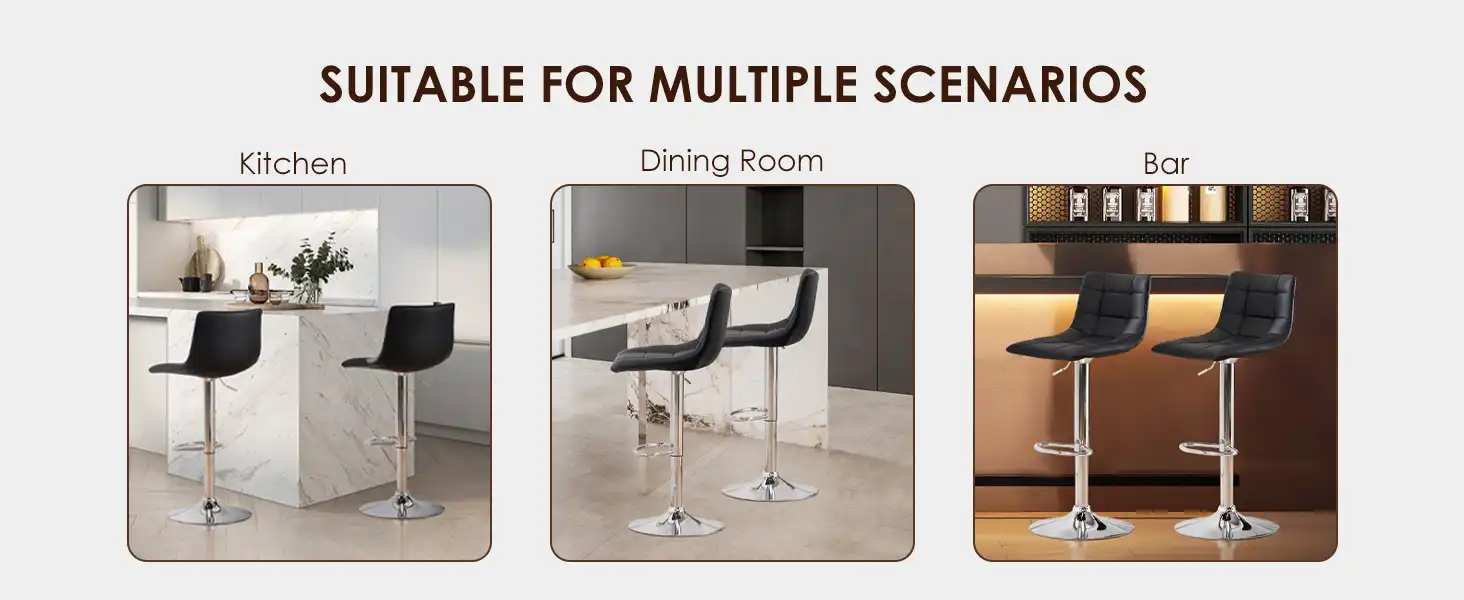
Selecting bar stools that harmonize with your existing décor creates cohesive, professionally designed spaces that reflect your aesthetic vision. The visual impact of bar stools extends beyond their functional purpose, serving as design elements that can either enhance or detract from your overall interior scheme. Understanding how different styles complement various design approaches helps you make choices that elevate your space's appearance while maintaining practical functionality.
-
Vintage and Retro Aesthetics
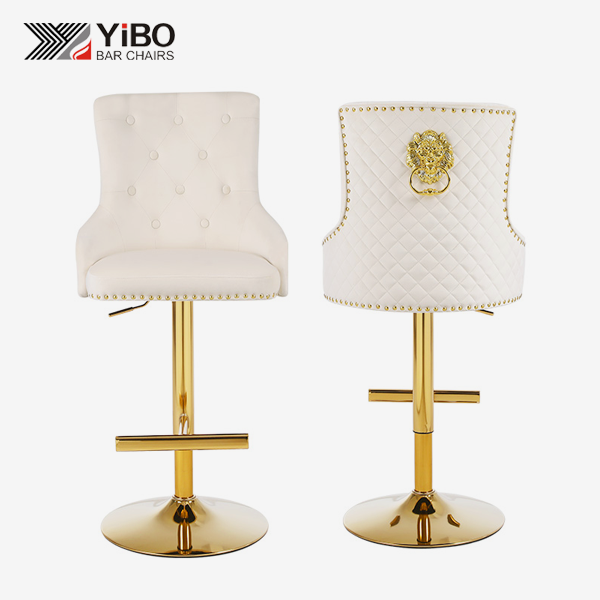
Vintage-inspired bar stools capture the timeless appeal of classic design while incorporating modern construction methods and materials that ensure lasting durability. The black back vintage adjustable bar stool exemplifies this perfect marriage of historical aesthetics and contemporary engineering, featuring design elements reminiscent of mid-century industrial furniture while meeting current safety and quality standards. This style works exceptionally well in spaces embracing industrial, farmhouse, or eclectic design schemes, adding character and visual interest without overwhelming other design elements. The versatility of vintage black finishes allows seamless integration with various color palettes and material combinations. Whether your space features exposed brick walls, reclaimed wood counters, or sleek modern cabinetry, black vintage bar stools provide grounding elements that tie diverse design elements together cohesively. The neutral color foundation allows you to experiment with accent colors through accessories, artwork, and textiles without worrying about clashing with your seating.
-
Customization and Personalization Options
Professional bar stool manufacturers offering OEM and ODM services provide opportunities to create perfectly customized seating solutions tailored to your specific requirements. Anji Yibo Furniture's dedicated R&D team, comprising over 10 professionals, specializes in developing custom designs based on client specifications, market research, and trending styles. This capability proves invaluable for commercial clients seeking to reinforce brand identity through custom furniture or homeowners with unique design visions requiring specialized solutions. Customization options extend beyond simple color selections to include modified dimensions, alternative upholstery materials, personalized stitching details, and branded embossing for commercial applications. This flexibility ensures your bar stools perfectly match your aesthetic vision while meeting practical requirements like specific height ranges or weight capacities. The sampling team produces prototypes based on detailed drawings and specifications, allowing clients to evaluate and refine designs before committing to full production runs.
Quality Construction and Durability Standards
Understanding the construction details that distinguish high-quality bar stools from inferior alternatives helps buyers make informed decisions that deliver long-term value. Professional manufacturers employ specific techniques, materials, and quality control processes that ensure consistent performance and longevity. Examining these construction elements reveals the true quality behind attractive exteriors and marketing claims.
-
Structural Components and Assembly
Quality bar stool construction begins with carefully selected core materials that provide the foundation for long-term durability. Siamese plywood with thickness ranging from 1.0 to 1.2 centimeters forms the structural base of seat assemblies, providing rigid support that prevents sagging and maintains shape integrity through years of use. This specification represents industry-leading standards that exceed minimum requirements, demonstrating manufacturer commitment to quality over cost-cutting shortcuts. The fastener specifications used in assembly directly affect structural stability and long-term reliability. Professional manufacturers like Anji Yibo Furniture utilize 6x14mm screws—four pieces per stool—creating secure connections that withstand daily stress and movement without loosening over time. Pre-assembled construction offers significant advantages over flat-pack designs requiring customer assembly, including superior structural integrity, reduced likelihood of assembly errors, and immediate usability upon delivery. Welded and compressed structures undergo less wear and tear compared to bolt-together designs, maintaining stability and safety throughout their service life.
-
International Quality Standards and Certifications
Manufacturers adhering to international quality standards demonstrate commitment to consistent excellence that buyers can trust. Anji Yibo Furniture's ISO 9001 and BIFMA certifications confirm compliance with rigorous quality management systems and furniture safety standards recognized globally. These certifications require regular audits, documented quality control processes, and ongoing commitment to continuous improvement, ensuring every bar stool meets stringent performance criteria. The warranty coverage provided with quality bar stools reflects manufacturer confidence in their construction methods and materials. A standard one-year manufacturer warranty protects against defects in materials and workmanship, providing peace of mind and financial protection for your investment. This warranty coverage, combined with responsive customer service teams answering inquiries within 24 hours, demonstrates the professional approach that distinguishes reputable manufacturers from budget-oriented competitors cutting corners on quality and support.
Practical Considerations for Purchase Decisions
Beyond aesthetic preferences and comfort features, several practical factors significantly influence the long-term satisfaction you'll experience with your bar stool investment. These considerations include maintenance requirements, space-saving features, and commercial versus residential applications, each affecting daily use and overall value. Addressing these practical aspects during the selection process prevents common disappointments and ensures your chosen bar stools perfectly align with your lifestyle or business needs.
-
Maintenance and Cleaning Requirements
The ease of maintaining clean, attractive bar stools directly impacts their long-term appearance and hygiene standards, particularly in commercial settings serving food and beverages. Bar stools encounter frequent spills, stains, and general soiling that require regular cleaning to maintain sanitary conditions and professional appearances. Materials like half-PU leather and high-quality metals offer superior resistance to staining while facilitating effortless cleaning with damp cloths and mild cleaning solutions. Commercial bar stools in high-traffic restaurant environments demand particularly durable finishes and materials that withstand intensive daily cleaning regimens without degrading or losing their appearance. The powder-coated finishes and sealed upholstery materials used in professional-grade bar stools resist chemical cleaners and repeated wiping, maintaining their original appearance through thousands of cleaning cycles. For residential applications, similarly easy-maintenance materials reduce the burden of regular upkeep, allowing homeowners to enjoy their spaces without constant worry about preserving furniture condition.
-
Packaging and Shipping Considerations
Professional packaging protects your bar stool investment during transit, ensuring products arrive in pristine condition ready for immediate use. Quality manufacturers utilize multi-layer reinforced corrugated cardboard boxes rated for 200 pounds, providing crush resistance and impact protection throughout shipping and handling processes. Anji Yibo Furniture's packaging specifications include two pieces per carton with dimensions of 52x45x43 centimeters, optimizing shipping efficiency while ensuring adequate protection for each stool. The compact packaging volume of 0.1 cubic meters per carton reflects space-efficient design that reduces shipping costs without compromising protection. Net weight of 12.2 kilograms and gross weight of 14.2 kilograms per carton demonstrate the substantial construction quality while remaining manageable for standard shipping methods. For commercial buyers ordering multiple containers monthly, these efficient packaging specifications translate into significant cost savings while ensuring consistent product protection across large orders.
Conclusion
Selecting the perfect bar stool requires balancing style preferences, comfort features, durability standards, and practical considerations that align with your specific needs. By understanding height requirements, material properties, ergonomic features, and construction quality, you can confidently choose bar stools that enhance your space while providing years of comfortable, reliable service.
Cooperate with Anji Yibo Furniture Co., Ltd.
Partner with a China Bar Stool manufacturer that delivers exceptional quality at competitive prices. Anji Yibo Furniture Co., Ltd., located in Anji—the renowned hometown of chairs—brings 14 years of specialized expertise in bar stool production, combining ergonomic design principles with international quality standards. Our 6,000+ square meter facility houses advanced manufacturing equipment and skilled craftsmen who produce diverse bar stool styles exported to 70 countries worldwide.
As a trusted China Bar Stool supplier and China Bar Stool factory, we offer comprehensive OEM and ODM services supported by our professional R&D team of 10+ specialists. Whether you need High Quality Bar Stools for commercial projects or custom designs for residential applications, our full-process service ensures your vision becomes reality. We maintain our own iron frame factory and warehouse facilities, guaranteeing quality control and reliable delivery times that set industry standards.
Our China Bar Stool wholesale pricing delivers fantastic value without compromising the enduring quality and beauty that defines our products. Every Bar Stool for sale includes warranty coverage and responsive customer support answering questions within 24 hours. Competitive Bar Stool price points combined with space-saving packaging demonstrate our responsibility to customers seeking the best value in the market.
Visit us at upcoming international exhibitions in Germany and the USA, or contact us directly at yb@ajyibo.com to discuss your bar stool requirements. Experience the difference that professional manufacturing, comprehensive customization options, and dedicated customer service make in creating the perfect seating solutions for your space. Save this guide for future reference as you explore our extensive product range and discover why businesses worldwide trust Anji Yibo Furniture for their bar stool needs.
References
1. Thompson, R. & Harrison, M. (2023). Ergonomic Furniture Design: Principles and Applications. International Furniture Design Association.
2. Chen, L. (2024). Materials Science in Modern Furniture Manufacturing. Journal of Applied Furniture Engineering, Vol. 18, Issue 3.
3. Williams, D. (2023). Commercial Seating Solutions: A Comprehensive Guide for Hospitality Professionals. Hospitality Design Press.
4. Anderson, K. & Roberts, J. (2024). Sustainable Manufacturing Practices in the Furniture Industry. Global Furniture Standards Council.