

 (1)_1777442575043.jpg)
How to Select the Perfect Bar Stool for Your Space?
Picture this scenario: you've just invested in a stunning kitchen island or designed a sophisticated home bar area, but your guests seem uncomfortable after just minutes of sitting. The culprit? Poorly chosen bar stools that don't match your counter height, lack proper support, or simply don't fit the space. Selecting the perfect bar stool goes far beyond aesthetics—it's about creating a functional, comfortable seating solution that transforms your space into an inviting gathering spot. This comprehensive guide will walk you through every critical consideration, from precise measurements to material selection, ensuring you make an informed decision that balances style, comfort, and durability while avoiding costly mistakes that could compromise your entire design vision.
Understanding Bar Stool Height Requirements
The foundation of selecting the right bar stool begins with understanding height measurements, as this single factor determines whether your seating will be comfortable or frustrating. When measuring for bar stools, you need to account for the distance between your counter surface and the stool seat to ensure adequate legroom and proper ergonomic positioning. The industry standard recommends maintaining nine to twelve inches of clearance between the seat of your bar stool and the underside of your counter or table surface. This measurement isn't arbitrary—it provides sufficient space for most adults to sit comfortably without their knees hitting the counter while maintaining proper posture. Bar stools typically come in three standard seat height categories that correspond to different counter heights. Counter-height bar stools measure twenty-four to twenty-seven inches from floor to seat and work best with countertops that stand thirty-four to thirty-nine inches tall, making them ideal for standard kitchen islands and breakfast bars. Bar-height stools range from twenty-eight to thirty-two inches in seat height and pair perfectly with surfaces measuring forty to forty-three inches high, commonly found in home bars and pub tables. Extra-tall bar stools, measuring thirty-three to thirty-six inches, accommodate counters exceeding forty-four inches in height, typically seen in commercial bar settings or custom-designed elevated surfaces. The black back vintage adjustable bar stool offers exceptional versatility in this regard, featuring a height range adjustable from eighty-five centimeters to one hundred five centimeters, allowing you to achieve the perfect fit regardless of your counter specifications. This adjustability proves particularly valuable in spaces with non-standard counter heights or when you plan to move stools between different areas of your home or establishment. When taking measurements, always measure from your floor to the top of your counter surface, then subtract ten to twelve inches to determine your ideal seat height, ensuring you account for any unusual flooring thickness or counter overhang that might affect the final dimensions.
-
Measuring Your Space Accurately
Before purchasing any bar stool, conduct thorough measurements of your available space to avoid disappointment and ensure proper fit. Start by measuring your counter height from floor to the top surface using a standard tape measure, taking multiple measurements at different points to account for any unevenness in your flooring or counter installation. Next, measure the counter overhang—the distance your counter extends beyond the cabinets or support structure underneath. An adequate overhang should measure at least ten to twelve inches to provide sufficient knee room when seated, allowing comfortable leg positioning without constant contact with the base structure. Consider the width and depth dimensions of your intended bar stools, as these measurements directly impact how many stools can comfortably fit in your space. Industry experts recommend allowing twenty-six to thirty inches of space measured from the center of one stool to the center of the adjacent stool, ensuring guests have adequate elbow room and can easily enter and exit their seats without disturbing others. For wider bar stools measuring nineteen to twenty-two inches across, increase this spacing to eight to ten inches between seats to maintain comfort and accessibility. If you're considering bar stools with arms, verify that the armrests will slide comfortably under your counter with at least two inches of clearance space between the bottom of your countertop and the top of the armrests. The black back vintage adjustable bar stool features a metal frame construction with carefully engineered dimensions that maximize comfort while minimizing spatial requirements, making it suitable for both spacious commercial installations and more compact residential applications. When planning your layout, use painter's tape to mark the footprint of each stool on your floor, creating a visual representation that helps you assess whether your spacing calculations translate effectively into real-world functionality. This simple technique often reveals spacing issues or traffic flow problems that might not be apparent from measurements alone, potentially saving you from purchasing stools that technically fit but create an awkward or cramped seating arrangement.
Choosing the Right Bar Stool Style and Features
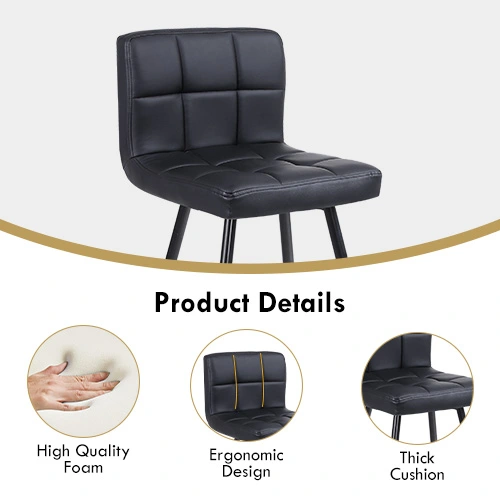
The style and features of your bar stool significantly influence both the aesthetic appeal and practical functionality of your space, requiring careful consideration of multiple design elements. When evaluating bar stool options, you'll encounter several fundamental style categories that each serve different functional needs and design preferences. Backless bar stools present a minimalist silhouette that tucks neatly beneath counters, creating a clean, uncluttered appearance ideal for smaller spaces or contemporary design schemes that prioritize simplicity and visual lightness. However, these stools sacrifice comfort during extended sitting periods, making them better suited for quick meals or casual perching rather than prolonged dining or conversation. Bar stools with low backs provide a middle ground, offering some lumbar support and visual interest without the bulk of full-back designs, while full-back bar stools deliver maximum comfort and support, making them perfect for spaces where people will spend extended periods seated, such as dining counters or home bars designed for entertaining. The black back vintage adjustable bar stool features a thoughtfully designed backrest that provides essential support while maintaining the elegant vintage aesthetic that complements various interior design styles from industrial chic to retro-inspired spaces. Arms add another dimension of comfort and support, particularly beneficial for elderly users or families with small children who appreciate the added stability, though you must ensure armed stools fit properly under your counter overhang without obstruction.
-
Swivel and Adjustable Mechanisms
Functional features like swivel bases and height adjustment mechanisms dramatically enhance the versatility and user-friendliness of bar stools in various settings. Swivel bar stools incorporate a rotating mechanism that allows the seat to turn three hundred sixty degrees, enabling users to easily change their orientation without standing or awkwardly repositioning the entire stool. This feature proves particularly valuable in active spaces where people frequently need to access different areas or engage in conversations with multiple people positioned around them, such as in kitchens where someone might be cooking while others socialize at the counter, or in entertainment spaces with televisions or game tables that draw attention in different directions. The swivel functionality of a bar stool also simplifies the process of sitting down and standing up, especially in tighter spaces where pulling a stool in and out might prove cumbersome or disruptive to neighboring seated guests. Adjustable-height mechanisms, either through pneumatic lifts or threaded adjustment systems, provide ultimate flexibility by allowing users to customize the seat height to their specific comfort preferences or accommodate different counter heights within the same space. The black back vintage adjustable bar stool employs a reliable adjustment mechanism that maintains stability across its full height range while allowing for quick and easy modifications, ensuring every user can find their optimal seating position regardless of their height or the specific counter they're using. When considering these features, balance the added functionality against potential trade-offs such as increased maintenance requirements, higher price points, and slightly larger footprints that might limit how many stools fit in your available space. For commercial applications like restaurants or bars where multiple users of varying heights will use the same stools throughout the day, adjustable and swivel features typically justify their additional cost through enhanced customer comfort and satisfaction. In residential settings, these features prove most valuable in multi-purpose spaces or homes with family members of significantly different heights who all need to use the same seating comfortably.
Material Selection and Construction Quality
The materials used in bar stool construction directly impact durability, maintenance requirements, aesthetic appeal, and overall comfort, making material selection one of your most important decisions. Metal frame bar stools, typically constructed from steel or aluminum, offer exceptional durability and structural integrity, capable of supporting significant weight loads while maintaining stability even with frequent use in high-traffic commercial environments. Metal construction provides a sleek, contemporary aesthetic that works particularly well in modern, industrial, or minimalist design schemes, and these stools generally require minimal maintenance beyond occasional cleaning with appropriate products to prevent rust or corrosion. Wood bar stools bring warmth, character, and natural beauty to spaces, available in various species from affordable pine to premium hardwoods like oak, walnut, or maple, each offering distinct grain patterns and color tones. Wooden stools can be finished with stains, paints, or natural oils to complement existing cabinetry and furniture while providing a timeless appearance that transcends temporary design trends. However, solid wood construction tends to be heavier and more expensive than other materials, and it requires more careful maintenance to prevent damage from moisture, scratches, or temperature fluctuations that might cause warping or cracking over time. The black back vintage adjustable bar stool features a robust metal frame construction combined with high-quality upholstery, creating an ideal balance between structural durability and seating comfort. The frame utilizes Siamese plywood thickness of one to one point two centimeters in its construction elements, providing excellent strength without excessive weight. The upholstery incorporates four-centimeter sponge cushioning with thirty-density foam that maintains its shape and supportive qualities even after years of regular use, covered with zero point eight millimeter thickness half-PU material that resists wear, stains, and minor spills while offering a luxurious appearance and pleasant tactile experience.
-
Upholstery Options and Comfort Considerations
Upholstered seating surfaces dramatically enhance comfort levels, particularly important for bar stools intended for dining or extended socializing where guests might remain seated for hours at a time. Various upholstery materials offer different advantages: genuine leather provides a luxurious appearance and develops an attractive patina over time while remaining relatively easy to clean, though it represents a significant investment and may feel cold initially or become uncomfortably warm in certain conditions. Faux leather or vinyl upholstery offers similar aesthetic appeal and easier maintenance at a more accessible price point, though lower-quality versions may crack or peel with extensive use or exposure to direct sunlight. Fabric upholstery opens up endless possibilities for color, pattern, and texture, allowing you to introduce visual interest and coordinate with existing decor elements throughout your space. However, fabric requires more vigilant maintenance as it absorbs spills more readily and attracts dust and allergens more than smooth leather or vinyl surfaces. When evaluating upholstered bar stools, examine the density and thickness of the foam cushioning—denser, thicker foam provides better support and maintains its shape longer than thinner, softer alternatives that might compress uncomfortably after relatively brief use periods. The sponge cushioning in the black back vintage adjustable bar stool measures four centimeters thick with a thirty-density rating, providing substantial comfort that supports users of various sizes without bottoming out or creating pressure points during extended sitting. This cushioning specification, combined with the ergonomic backrest design, ensures that whether you're enjoying a quick breakfast at your kitchen counter or hosting an evening gathering around your home bar, your guests experience consistent comfort throughout their time seated. The combination of quality materials and thoughtful construction techniques results in a bar stool that maintains its structural integrity and comfortable seating characteristics even under the demanding conditions of commercial use, making it equally suitable for restaurants, cafes, and bars that serve numerous customers daily.
Style Compatibility and Design Integration
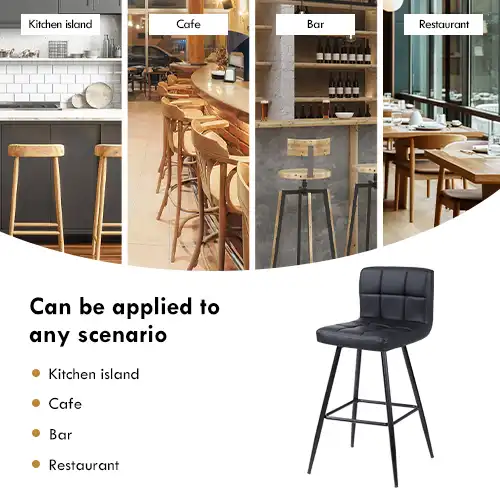
Successfully integrating bar stools into your existing space requires thoughtful consideration of how their design elements interact with your current decor, architectural features, and overall aesthetic vision. The black back vintage adjustable bar stool's classic design language features clean lines, understated elegance, and timeless proportions that allow it to complement a remarkably diverse range of interior design styles without appearing out of place or forced. In vintage-inspired interiors, the distinctive black backrest and retro silhouette create authentic period character that reinforces your design narrative, while in industrial-chic spaces, the metal frame construction and utilitarian aesthetic perfectly capture the raw, honest materiality that defines this popular style. Contemporary and modern spaces benefit from the bar stool's streamlined profile and absence of unnecessary decorative elements, allowing it to function as a sophisticated accent that adds functional seating without competing visually with other focal points in the room. Traditional and transitional interiors appreciate the stool's classic proportions and neutral color palette, which provide visual balance without clashing with more ornate furniture pieces or elaborate architectural details. The customizable color options available through Anji Yibo Furniture Co., Ltd. further expand design possibilities, allowing you to specify finishes and upholstery colors that precisely match your existing palette or introduce intentional contrast that creates visual interest and depth.
-
Color Coordination Strategies
Color selection for bar stools represents a critical decision point that affects the overall cohesion and visual impact of your space, requiring strategic thinking about whether you want your seating to blend seamlessly into the background or stand out as statement pieces. Matching your bar stool color to existing cabinetry creates a cohesive, unified appearance that makes the space feel intentionally designed and well-coordinated, though this approach works best with neutral colors as exact matches in bold hues can appear overly matchy and lack visual sophistication. Alternatively, selecting bar stools in a complementary color that picks up accent tones from other elements in the room—such as artwork, textiles, or decorative accessories—creates connection without appearing too coordinated. Black bar stools, like the black back vintage adjustable bar stool, offer exceptional versatility as black functions as a true neutral that coordinates effortlessly with virtually any color palette while adding visual weight and definition to your seating area. Black seating works particularly well in spaces with light-colored counters or cabinetry, creating elegant contrast that defines the boundary between functional zones while maintaining a sophisticated, cohesive appearance. In rooms with darker color schemes, black bar stools blend harmoniously while allowing other design elements to take center stage, or they can be paired with lighter cushions or accents to prevent the space from feeling too heavy or monochromatic. Consider the finish quality and consistency of your chosen bar stool color, ensuring the coating or upholstery treatment maintains its appearance through regular cleaning and normal wear. The high-quality upholstery materials used in the black back vintage adjustable bar stool resist fading, staining, and discoloration, ensuring your seating maintains its intended appearance for years rather than requiring premature replacement due to aesthetic degradation that undermines your carefully planned design scheme.
Practical Considerations for Purchase and Maintenance
Beyond design and comfort factors, several practical considerations significantly impact your long-term satisfaction with your bar stool investment, starting with understanding the assembly, installation, and maintenance requirements. Many bar stools require some assembly upon delivery, with complexity ranging from simply attaching legs to more involved construction requiring tools, time, and moderate mechanical aptitude. The black back vintage adjustable bar stool features straightforward assembly requiring basic tools and hardware including six-by-fourteen-millimeter screws, with clear instructions that enable most users to complete setup within minutes rather than hours, minimizing the frustration and delay between delivery and actual use. Weight capacity represents another crucial practical specification, particularly important for commercial applications or homes where users of various sizes will occupy the seating. Quality bar stools should support at least one hundred fifty kilograms comfortably without structural compromise, wobbling, or safety concerns. The robust construction of the black back vintage adjustable bar stool confidently accommodates users across a wide range of body types while maintaining stability and structural integrity, backed by quality manufacturing processes and rigorous testing protocols that ensure consistent performance across every unit produced.
-
Maintenance and Longevity
Understanding the maintenance requirements of your chosen bar stools helps you make realistic decisions about whether a particular style fits your lifestyle, household composition, and available time for upkeep. Metal frames generally require minimal maintenance beyond periodic cleaning with appropriate products and occasional inspection of mechanical components like swivel mechanisms or adjustment systems to ensure they continue operating smoothly. Upholstered surfaces demand more attention, with requirements varying based on material composition—leather benefits from periodic conditioning to prevent drying and cracking, while fabric upholstery may require professional cleaning or spot treatment to address spills and stains effectively. The half-PU upholstery material used on the black back vintage adjustable bar stool strikes an ideal balance between luxurious appearance and practical maintenance, allowing you to simply wipe away most spills and everyday dirt with a damp cloth and mild cleaning solution. This low-maintenance characteristic proves particularly valuable in busy households with children or pets, as well as commercial environments where rapid turnover between customers means cleaning must be quick and efficient without compromising hygiene or appearance standards. Warranty coverage provides additional peace of mind regarding your investment, with Anji Yibo Furniture Co., Ltd. offering a one-year manufacturer warranty that protects against defects in materials or workmanship, demonstrating confidence in their manufacturing quality and commitment to customer satisfaction. Consider the availability of replacement parts or repair services when making your selection, as even well-constructed bar stools may eventually require maintenance or component replacement after years of daily use. Establishing a relationship with a manufacturer that stands behind their products and provides responsive customer service ensures you can address any issues that arise quickly and effectively, extending the functional lifespan of your seating investment considerably beyond what you might achieve with lower-quality alternatives that offer no post-purchase support or replacement part availability.
Conclusion
Selecting the perfect bar stool requires balancing precise measurements, thoughtful feature selection, quality material choices, design compatibility, and practical considerations to create seating that enhances both functionality and aesthetics. By understanding height requirements, evaluating comfort features, considering construction quality, and ensuring style integration, you position yourself to make an informed decision that serves your space beautifully for years, transforming ordinary counters into inviting gathering spots where memories are made.
Cooperate with Anji Yibo Furniture Co., Ltd.
Partner with Anji Yibo Furniture Co., Ltd., your trusted China Bar Stool manufacturer and China Bar Stool supplier, specializing in High Quality Bar Stools with competitive Bar Stool prices. Located in Anji, Zhejiang—the hometown of chairs—our six-thousand-plus square meter facility produces exceptional bar chairs, dining chairs, leisure chairs, gaming chairs, and office chairs with fourteen years of specialized experience. Our professional R&D team of ten-plus personnel develops products exported to seventy countries, specializing in European and American retro and light luxury styles. We support OEM and ODM customization, offering China Bar Stool wholesale opportunities with space-saving packaging and comprehensive twenty-four-hour service. Our Bar Stools for sale feature ergonomic comfort, enduring quality, and international standard manufacturing backed by ISO nine thousand one and BIFMA certifications. With our own iron frame factory, warehouse facilities, and experienced sales team answering all questions within twenty-four hours, we provide complete solutions from design to delivery. Contact us at yb@ajyibo.com to discuss your bar stool requirements, request samples, or place bulk orders. Visit us at upcoming furniture exhibitions in Germany and the USA, or at the Guangzhou Furniture Fair and Canton Fair. Bookmark this guide and reach out whenever you need expert guidance on selecting the perfect bar stool for your residential or commercial space.
References
1. Becker, Franklin. "Workspace: Creating Environments in Organizations." Praeger Publishers, 1981.
2. Diffrient, Niels, Alvin R. Tilley, and Joan C. Bardagjy. "Humanscale Manual: A Manual Presenting Anthropometric Data for Use in Design." MIT Press, 1974.
3. Panero, Julius and Martin Zelnik. "Human Dimension and Interior Space: A Source Book of Design Reference Standards." Watson-Guptill Publications, 1979.
4. Pheasant, Stephen and Christine M. Haslegrave. "Bodyspace: Anthropometry, Ergonomics and the Design of Work." CRC Press, 2006.