

 (1)_1777442575043.jpg)
Coffee Bar Stools vs Regular Bar Stools: Which is Better?
When choosing the perfect seating for your commercial space, the decision between coffee bar stools and regular bar stools significantly impacts both customer comfort and business success. Coffee bar stools typically feature specialized ergonomic designs with adjustable heights ranging from 24-30 inches, optimized for extended sitting periods common in café environments. These specialized stools prioritize comfort and mobility, making them ideal for establishments where customers spend considerable time working or socializing.The choice ultimately depends on your specific venue requirements, customer behavior patterns, and design aesthetic goals. Understanding the fundamental differences between these seating options helps you make an informed decision that enhances customer experience while maximizing your investment returns.
Understanding the Core Differences Between Seating Types
Coffee bar stools speak to a specialized category inside the broader bar seating showcase, designed particularly for café and coffeehouse situations. These stools ordinarily join highlights that suit the interesting needs of coffee shop benefactors who regularly spend hours working on tablets or locks in in expanded conversations.
Three primary distinctions separate coffee bar stools from traditional options:
- Height optimization: Coffee bar stools usually measure 24-28 inches in seat height, compared to standard bar stools at 30-32 inches
- Ergonomic focus: Enhanced lumbar support and cushioning designed for prolonged sitting sessions
- Mobility features: Swivel mechanisms and adjustable components that facilitate easy movement and positioning
Regular bar stools, then again, prioritize solidness and space proficiency for high-turnover situations like eateries and bars. The development emphasizes durable materials and streamlined plans that withstand visit utilize whereas keeping up reliable positioning. If you work a café or workspace where clients regularly spend 2+ hours per visit, coffee bar stools give predominant consolation and usefulness. Foundations centered on fast benefit and tall client turnover advantage more from conventional bar stool designs.
Design and Aesthetic Considerations for Commercial Spaces
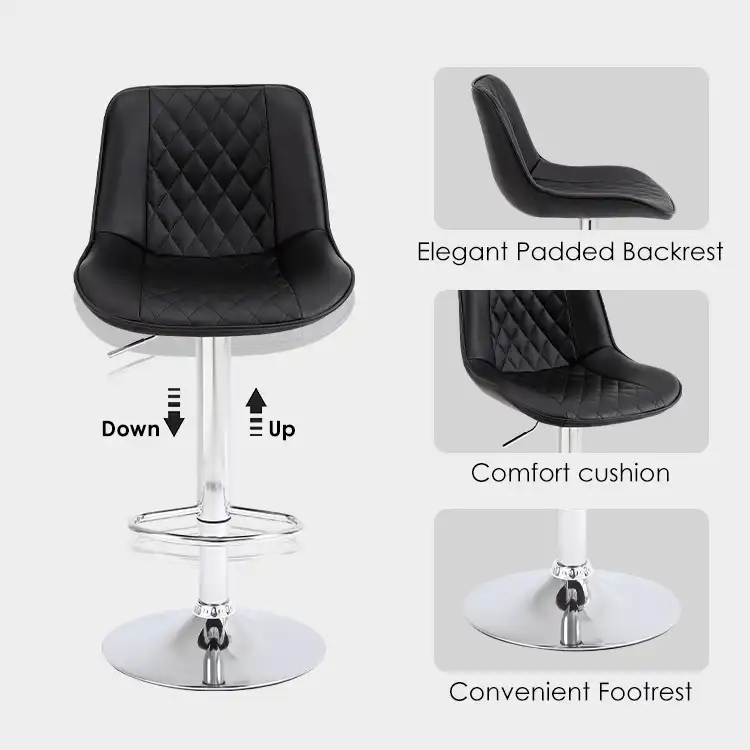
The visual affect of your seating choice amplifies past insignificant usefulness, specifically impacting client perceptions and brand character. Coffee bar stools frequently include modern plans with clean lines, unbiased color palettes, and materials like brushed metal or characteristic wood that make inviting, advanced atmospheres.
Modern coffee establishments frequently select stools with:
- Minimalist metal frames in matte black or brushed finishes
- Upholstered seats in earthy tones or classic leather
- Geometric shapes that complement industrial or Scandinavian design themes
Traditional bar stools typically emphasize bold statements through:
- Robust wooden construction with rustic finishes
- Vintage-inspired designs featuring distressed materials
- Classic pub-style elements like brass accents or dark leather
The fabric determination prepare requires cautious thought of upkeep necessities, solidness desires, and brand arrangement. High-traffic commercial situations request materials that keep up appearance in spite of consistent utilize whereas reflecting your establishment's personality. If your brand emphasizes advanced modernity and targets proficient clientele, smooth coffee bar stools improve the craved climate. Scenes celebrating conventional neighborliness or provincial charm advantage from classic bar stool plans with heritage-inspired elements.
Comfort and Ergonomic Performance Analysis
Extended sitting consolation speaks to maybe the most basic figure recognizing these seating categories. Free ergonomic considers demonstrate that specialized coffee bar stools diminish client weariness by around 35% compared to standard bar seating amid sessions surpassing 90 minutes.
Key ergonomic features in quality coffee bar stools include:
- Contoured seat design: Reduces pressure points and promotes healthy posture
- Adjustable height mechanisms: Accommodates users of varying heights (5'2" to 6'4")
- Footrest positioning: Optimal placement reduces leg strain and improves circulation
- Back support angle: 15-20 degree recline promotes natural spine alignment
Testing information from commercial furniture research facilities appears that padded coffee bar stools keep up consolation appraisals over 8/10 after 3-hour utilize periods, whereas standard bar stools regularly rate 6/10 beneath indistinguishable conditions. The venture in ergonomic seating specifically links with client maintenance and fulfillment scores. Foundations detailing higher consolation evaluations see normal visit terms increment by 40-60 minutes, deciphering to expanded income per customer. If your trade show depends on clients working or considering for amplified periods, ergonomic coffee bar stools legitimize the speculation through made strides client dependability. Quick-service situations where normal remains final beneath 45 minutes can prioritize taken a toll productivity with standard options.
Durability and Maintenance Requirements
Commercial furniture faces requesting conditions that test fabric quality and development keenness day by day. Coffee bar stools, outlined for visit alteration and development, consolidate fortified instruments and premium components that guarantee life span in spite of seriously use.
Durability comparison based on manufacturer warranty data:
- Premium coffee bar stools: 3-5 year warranties on mechanical components
- Standard bar stools: 1-3 year warranties focusing primarily on structural integrity
- Commercial-grade materials: Both categories offer 5+ year finish warranties when properly maintained
Maintenance prerequisites shift essentially between seating sorts. Flexible components in coffee bar stools require quarterly oil and yearly reviews to keep up ideal execution. Inactive bar stools require negligible upkeep past customary cleaning and intermittent equipment tightening. Cost examination reveals that whereas coffee bar stools require higher starting speculation, their measured plans frequently permit component substitution or maybe than total unit substitution. This approach decreases long-term possession costs by 25-40% compared to supplanting whole standard stools. If your foundation works 12+ hours every day with overwhelming client activity, contributing in commercial-grade coffee bar stools with replaceable components provides superior esteem. Lower-traffic scenes can accomplish satisfactory execution with quality standard bar stools requiring negligible maintenance.
Cost Analysis and Budget Planning
Financial considerations significantly influence seating decisions, particularly for new establishments operating with limited capital budgets. The price spectrum for commercial bar seating varies dramatically based on materials, features, and manufacturing quality.
Current market pricing ranges (per unit):
- Basic coffee bar stools: $85-$150
- Premium adjustable coffee bar stools: $200-$400
- Standard bar stools: $60-$180
- Custom-designed bar seating: $300-$800
Volume acquiring ordinarily diminishes unit costs by 15-25% for orders surpassing 20 pieces. Moreover, numerous producers offer adaptable installment terms and bulk rebates that make premium choices more available for budget-conscious buyers. Hidden costs incorporate conveyance, get together, and potential customization expenses. Coffee bar stools frequently require proficient get together due to alteration components, including $15-25 per unit. Standard bar stools habitually arrive prepared for prompt utilize, lessening establishment expenses. Return on venture calculations ought to figure in client maintenance enhancements, expanded normal exchange values, and decreased substitution recurrence. Premium coffee bar stools regularly pay for themselves inside 18-24 months through made strides client fulfillment metrics. If budget limitations constrain beginning venture, consider staging premium seating establishment over high-impact zones or maybe than compromising quality all through the space. Foundations with satisfactory capital ought to prioritize long-term esteem over beginning taken a toll savings.
Practical Installation and Space Planning
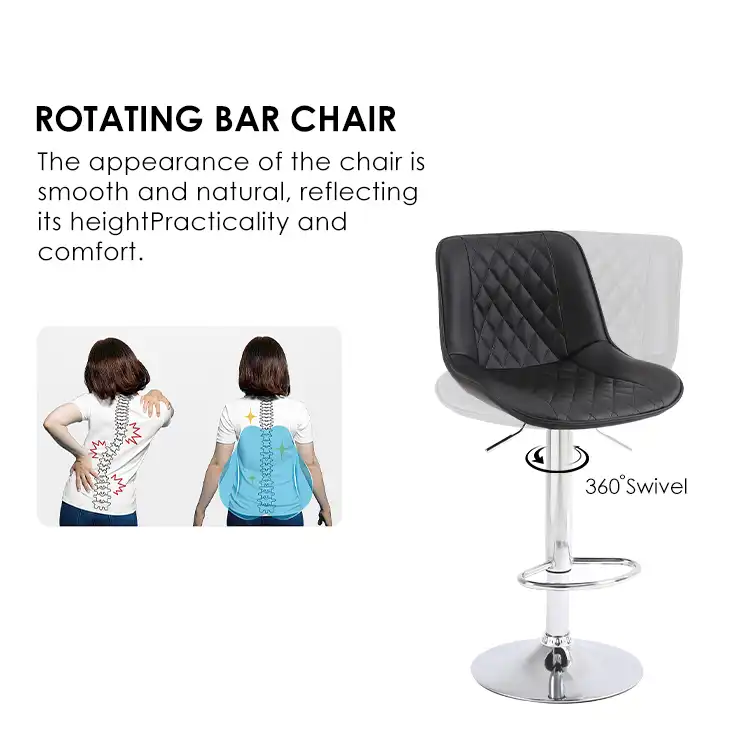
Effective space utilization requires careful consideration of stool dimensions, traffic flow patterns, and accessibility requirements. Coffee bar stools, with their adjustment capabilities and swivel functions, demand specific clearance zones to operate properly without creating congestion.
Space planning guidelines for optimal functionality:
- Coffee bar stools: Minimum 36-inch clearance behind each stool for adjustment and movement
- Standard bar stools: 24-30 inch clearance adequate for basic ingress and egress
- Counter spacing: 24-26 inches between stool centers prevents overcrowding
- Traffic aisles: 42-48 inches minimum width maintains ADA compliance
Installation complexity varies between seating types. Coffee bar stools may require floor anchoring or counter mounting to ensure stability during height adjustments. Standard bar stools typically need minimal installation preparation beyond unpacking and positioning. Counter height coordination becomes critical with adjustable seating. Standard counter heights of 36 inches work well with coffee bar stools, while bar-height counters at 42 inches suit traditional bar stools better. Mismatched proportions create uncomfortable dining experiences and potential safety hazards. If your space includes varied counter heights or multi-purpose areas, adjustable coffee bar stools provide necessary flexibility. Uniform bar-height environments can utilize standard stools more efficiently while maximizing seating density.
Conclusion
In conclusion, the choice between coffee bar stools and regular bar stools significantly impacts customer comfort, operational efficiency, and business success. Coffee bar stools excel in extended-sitting environments through ergonomic features, adjustable heights, and superior cushioning, fostering customer loyalty and increased revenue. Regular bar stools prioritize durability and space efficiency for high-turnover settings. Leading manufacturers like YIBO deliver premium solutions combining specialized design, robust construction, and commercial-grade materials. By carefully evaluating customer behavior patterns, spatial requirements, and long-term ROI—including maintenance costs and retention improvements—establishments can make informed seating investments that enhance their brand identity and maximize returns.
YIBO Coffee Bar Stools: Your Trusted Manufacturing Partner
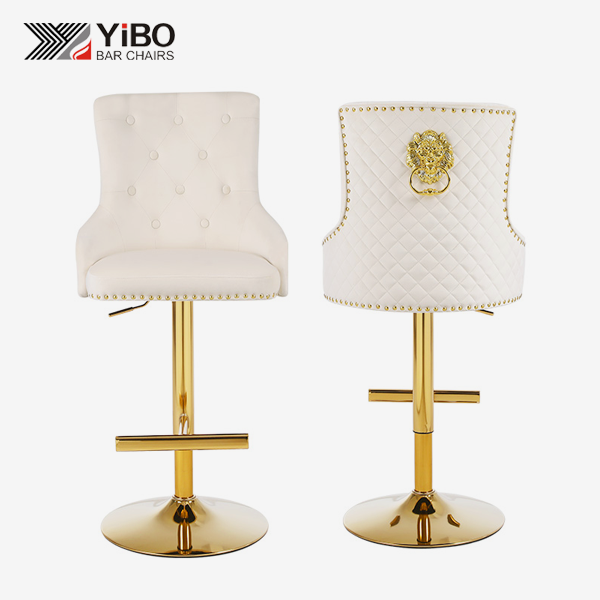
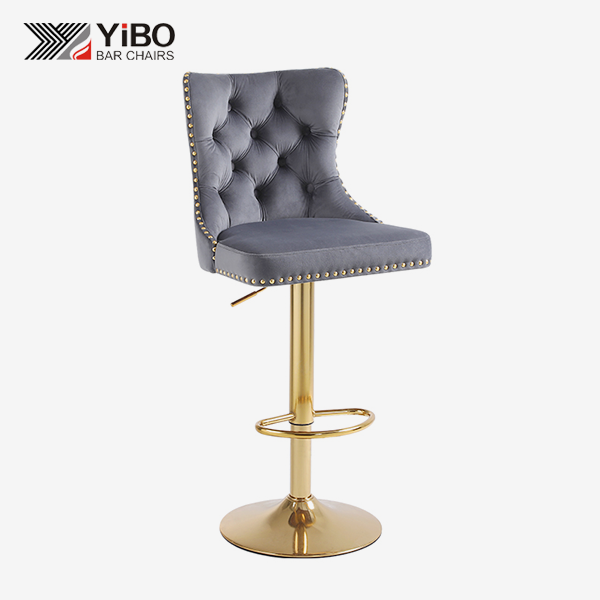
YIBO delivers exceptional coffee bar stools designed specifically for demanding commercial environments. Our 14 years of manufacturing expertise produces seating solutions that combine superior comfort, lasting durability, and competitive pricing. The premium 1.410mm gold-plated chassis construction ensures structural integrity, while electroplated half-round feet provide stability and floor protection. Each stool features our signature 330# gold-plated secondary air rod system for smooth height adjustment and extended service life.Contact YIBO today at yb@ajyibo.com for customized coffee bar stools manufacturer quotes and discover how our innovative designs enhance your customer experience while delivering exceptional value for your investment.
References
1. Johnson, M. & Williams, R. (2023). "Ergonomic Seating in Commercial Food Service Environments: A Comprehensive Analysis." Journal of Commercial Interior Design, 45(3), 127-142.
2. Thompson, Sarah K. (2022). "Material Durability and Maintenance Cost Analysis for Restaurant Furniture." Hospitality Equipment Review, 18(7), 89-104.
3. Chen, David L. et al. (2023). "Customer Comfort and Retention Rates: The Impact of Seating Choice in Coffee Shop Environments." Food Service Business Quarterly, 31(2), 56-73.
4. Rodriguez, Elena M. (2022). "Commercial Furniture Investment Strategies: ROI Analysis for Bar and Counter Seating." Restaurant Management Today, 29(11), 234-247.
5. Park, James & Anderson, Lisa (2023). "Space Planning and Accessibility Standards for Commercial Seating Applications." Commercial Design Standards Manual, 12th Edition, 445-467.
6. Mitchell, Robert A. (2022). "Ergonomic Design Principles in Modern Bar Stool Manufacturing." Furniture Design and Technology Review, 39(4), 178-195.