

 (1)_1777442575043.jpg)
How Tall Are Counter-Height Stools? Complete Size Guide
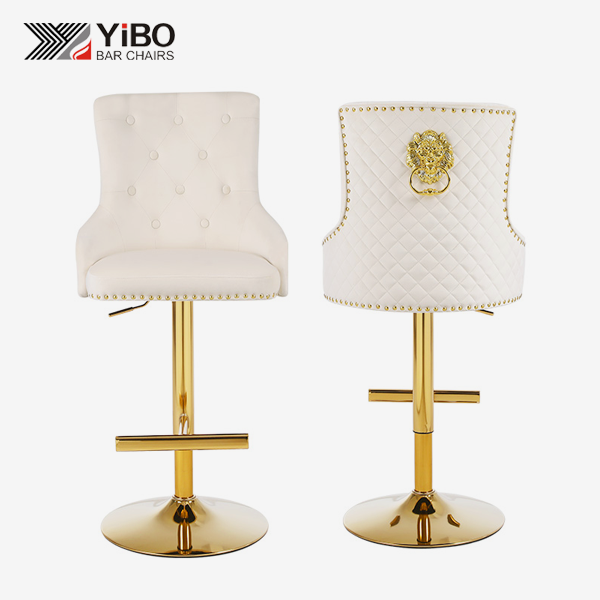
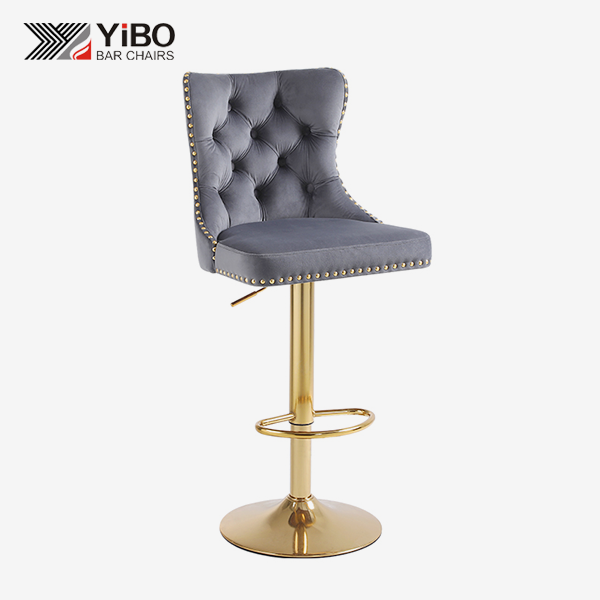
The seat height of most counter-height stools is 24 to 27 inches, which is ideal for 34 to 36-inch countertops. This size's 9- to 11-inch clearance promotes balance and leg circulation while sitting for lengthy periods. These sizes are vital when choosing business project chairs to ensure comfort and space efficiency. A counter top height adjustable stool helps procurement personnel utilize a same product in hotels, retailers, and offices with diverse counter setups.
Understanding Counter-Height Stools: Dimensions and Standards
Standard Seat Height Parameters
Counter-height seating is ergonomically designed for surfaces taller than dinner tables but lower than bar tops. The business's seat height is 24–27 inches, suitable for the 5th–95th percentiles. Unsqueezed, this value represents the height difference between the floor and the seat cushion.
From our experience at Anji Yibo Furniture, corporate purchasers want more solutions that can be changed to match different counter heights. Our counter top height adjustable stool satisfies ANSI/BIFMA X5.1 durability criteria with a pneumatic lift mechanism that can make 100,000 adjustments. The seat may be set anywhere from 24 to 32 inches to accommodate regular countertops and intermediate height surfaces because the height adjustment range is 33 to 41 inches.
Differentiating Counter, Bar, and Drafting Heights
Procurement managers sometimes misunderstand seat kinds. Bar-height stools feature 28–33-inch seats and 40–46-inch bar tops. Drafting stools are taller, generally 34 inches, for standing workstations. Middle counter chairs function well at kitchen tables, checkout counters, and bar counters.
In bulk purchase, the distinction matters. Standard 36-inch bar stools lift the knees too high and leave the feet unsupported. Counter stools in bars force people slouch forward, which can strain the shoulders and neck over time.
Critical Dimensions Beyond Seat Height
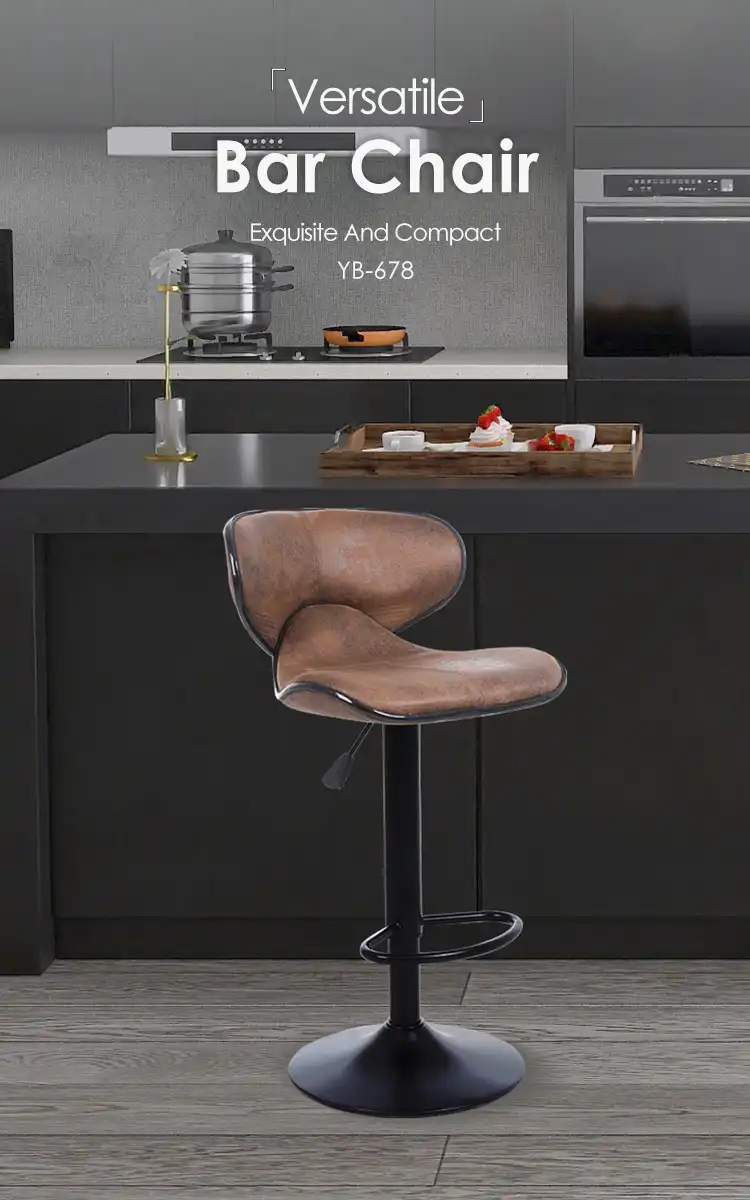
Seat depth and breadth effect comfort and room utilization. 16- to 20-inch square seat platforms are typical of commercial counter stools. Our 19.6-inch YIBO model YB-678-1 seat is suitable for all body shapes without sacrificing floor room density. Seat depth greatly affects thigh support. Chairs less than 15 inches deep might induce pressure points, and chairs more than 18 inches deep can prevent shorter persons from getting appropriate back contact.
Weight capacity is another unchangeable aspect for company. Our fabrication technique uses reinforced plywood bases 1.0 to 1.2 cm thick and welded steel frames that can handle 300 pounds. This capacity handles public liabilities and is greater than typical residential rates. Five-layer corrugated wrapping protects these structural sections during container shipment, preserving product integrity throughout transoceanic logistical chains.
Types and Features of Counter-Height Stools Relevant to Procurement
Material Composition and Performance Characteristics
Because of their durability and little maintenance, metal frames are the most frequent business counter seats. Food service stainless steel bases have been tested with salt spray for 48 hours to ensure they don't rust in coastal or chemical-prone locations. Because they can be color-matched to a brand, powder-coated carbon steel finishes are inexpensive and look beautiful.
Wood construction warms dining rooms, but you must pick species carefully. Hardwoods like beech and oak strengthen buildings but weigh containers, making them less efficient. Wood and plastic are mixed to make composites. They are water-resistant and 30% lighter than hardwood.
Ergonomic Features That Drive User Satisfaction
The ability to adjust seat height makes it adaptable infrastructure. After pushing a handle, pneumatic gas lifts may be changed without equipment, allowing rooms to be reconfigured without buying new furniture. This mobility is useful when company renters need to adjust counter height during renovations or when multipurpose spaces change use during the day.
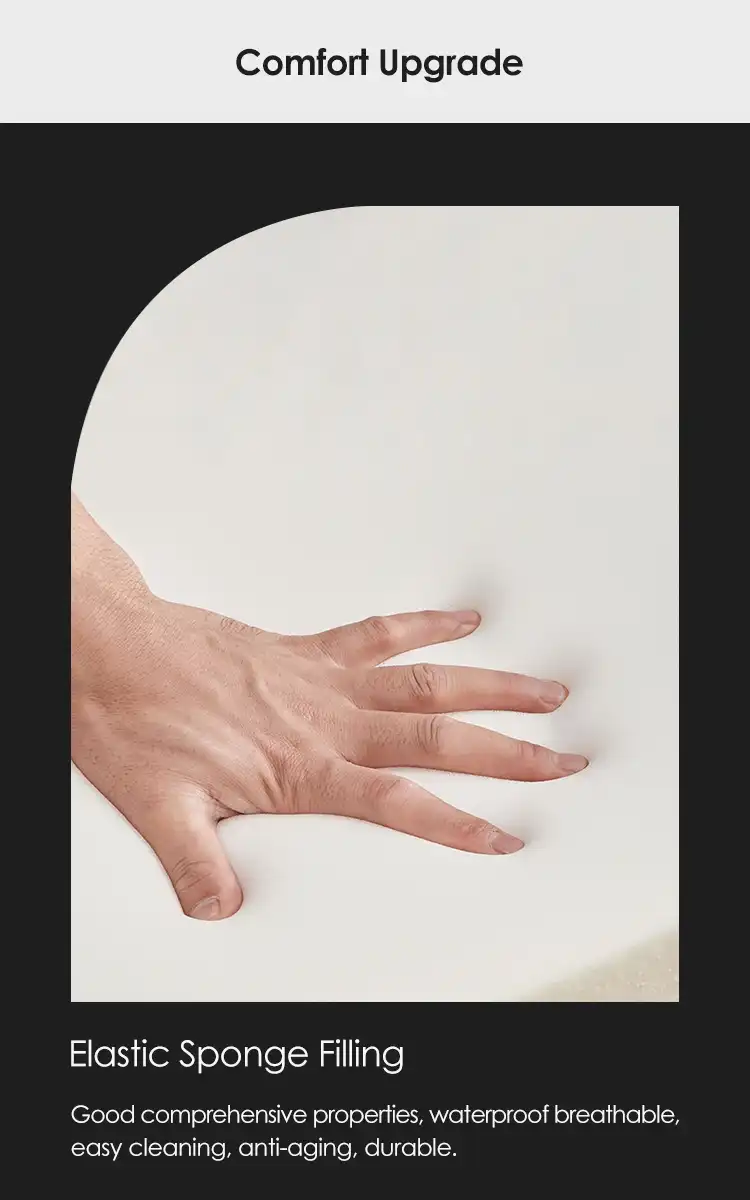
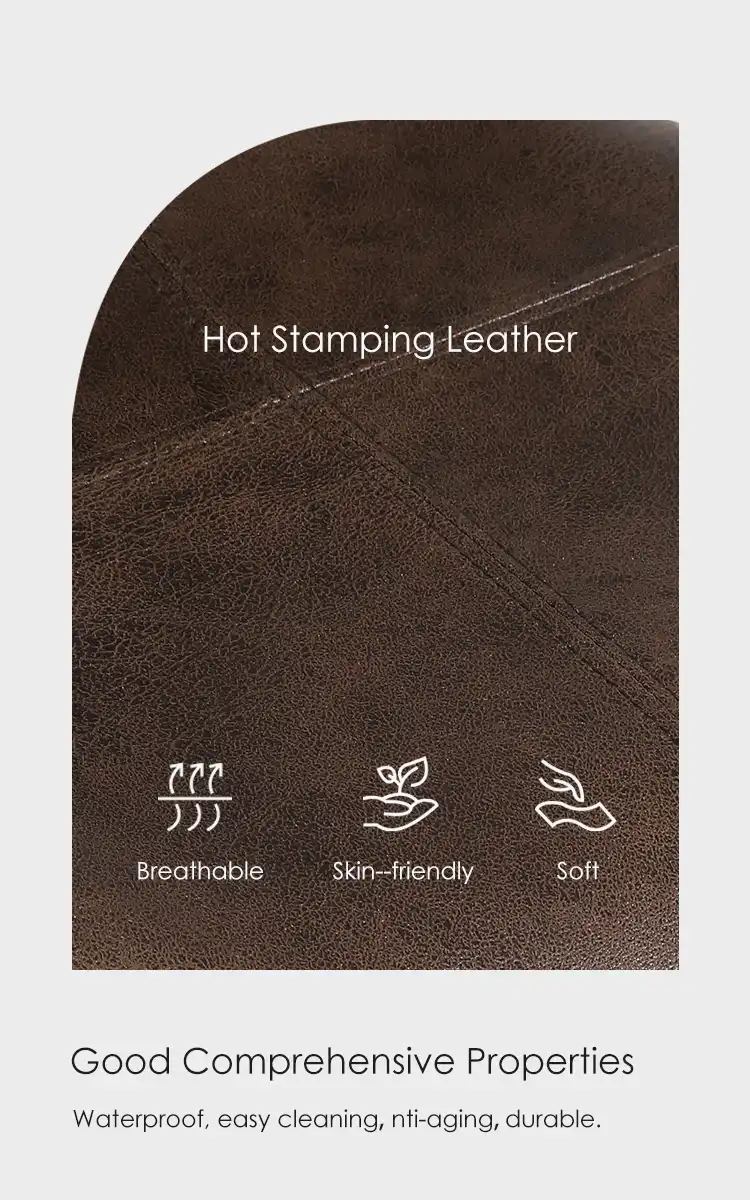
Our counter top height adjustable stool features a 0.8 mm half-PU covering over 3.8 cm high-density foam, creating a pleasant, spill-proof surface that can be used for two hours without being discolored. This standard was created because hospitality clients complained that entirely synthetic surfaces, while easy to maintain, were unpleasant for lengthy stays. When using double-needle stitching on the front and back edges, the thread doesn't break as quickly as with single-stitch construction in high-change areas.
How you put your footrest affects relaxation and circulation. Fixed footrests should be 7–10 inches below the seat while your feet are flat. This bends knees naturally. We employ circular footrest rings to accommodate varied leg angles and prevent pressure points from single-bar footrests. These rings' non-slip material prevents your feet from slipping, which might distract you from work.
In joints, swiveling makes movement simpler. Users may interact with workstations adjacent to them and reach goods without standing up with full 360-degree rotation. This improves lab and kitchen processing. Cheaper parts squeal and stick after a few usage, whereas superior swivel assemblies' bearing system functions smoothly and silently for 50,000 rotation cycles.
When designing a backrest, consider its use. Backless stools let you stand straight and encourage core-building sitting postures. Their tiny size makes them ideal for tight spaces where backed units would impede mobility. Cleaning teams enjoy how its simplistic design speeds up floor maintenance in hotels with rigorous sanitary regulations.
Low-back designs support the lower back when sitting for lengthy periods without being overly tall, which can be difficult in open places. The increased support prevents fatigue during lengthy sitting periods, such as when eating or working. We can add backups to basic designs during production. Wholesalers might provide multiple product levels from the same parts.
Stationary seats provide superior support for lengthy periods of time, like eating. Making it without rotating gears is easy and prevents bearing surface squeaking. Swivel configurations operate best in fast-changing environments with frequent job changes. The improved mobility justifies the modest extra expense and maintenance.
How to Choose the Right Counter-Height Stool for Your Business?
Application-Specific Selection Criteria
In commercial restaurants, materials must withstand heat, grease, and harsh cleaning agents. Sealed cushion seams and stainless steel frames prevent liquids from breaking down foam and causing odors. Since counter levels remain constant, adjustable height systems are less essential. This allows you pick the finest mechanically maintenance-free fixed-height versions.
Retailers value reliability as much as brand fit. Custom fabric and finish chairs can support visual marketing themes. When display counters are client chairs, weight capacity is crucial. Collapsed stools damage brand image and expose firms to lawsuits. Our ODM services allow buying teams to request Pantone color matching and brand embroidery. Using integrated design components makes stores stand out.
Office are adopting agile-friendly counter-height meeting spaces. Hot-desking conditions with shift-sharing benefit from adjustable stools. Use swivel bases to rapidly transition between concentrated work and team conversations. Casters aid with movement, but they need locking devices to hold them still while functioning.
Evaluating Suppliers and Certification Requirements
Suppliers should be evaluated for manufacturing capacity, quality, and export documentation. At our 6,000-square-meter Anji factory, specialized assembly lines can transport containerized goods in 40–45 days. This size ensures that projects that require hundreds of units may be supplied without delays caused by distributors buying from underperforming producers.
Certification documentation expedites customs and pleases liability insurance. A building is safe with BIFMA clearance because it uses standard testing procedures approved in all North American markets. When you acquire ISO 9001:2015 certification, you may prove you utilize systematic quality management instead of batch inspections. This reduces faults that need costly refunds and warranty claims. Wholesalers may service consumers on both sides of the Atlantic with the same product since CE marking matches European market criteria.
OEM and ODM expertise determine customization. In 15 business days, our R&D team translates customer ideas and specification sheets into production-ready prototypes. This aids private label and exclusive design. When hotels need chairs that fit the room's theme or retailers start selling seasonal things and need to line up the furniture, this reaction is crucial.
Budget Optimization Through Strategic Purchasing
Buy in bulk to save money on each unit by buying supplies effectively and using containers efficiently. Two units fit in a 57 x 45.5 x 48 cm box, therefore 580 stools fit in a 40-foot high-cube container. This density decreases ocean freight expenses per unit by 18% compared to single-unit packaging competition.
The overall cost of ownership goes beyond automotive pricing. Warranty coverage pushes maintenance costs to providers during initial service. Our one-year warranty covers mechanical and structural issues. Instead of returning the items, which might be problematic, claims are addressed by emailing images and accompanying documents. This streamlined procedure reduces downtime when replacing parts.
Flexible payment arrangements help growing distributors manage finances. Our standard arrangements are 30% deposits and the balance payable upon container loading. After getting to know us, known couples can earn longer periods. Distributors can acquire goods without depleting their operating capital using this financing. This lets them save money for marketing that boosts client demand.
Comparison of Counter-Height Stools with Alternative Seating Options
Height Category Trade-offs
Barstools perform effectively on taller surfaces but not on regular tables due to their height. The extra 4 to 6 inches of seat height cuts off blood flow to the legs and hurts after 30 minutes. Their height advantage is needed for correct alignment in true bar usage with 42-inch surface heights.
Drafting chairs are taller to match standing desks and technological platforms with better viewing angles for precision work. Materials with longer gas lift cylinders and taller bases cost 25–35% more than counter-height counterparts. They're not a good value for standard counter heights.
Counter-height chairs offer the finest flexibility and cost-effectiveness for most corporate needs. The counter top height adjustable stool is ideal for multipurpose spaces where one piece of furniture must function on multiple surfaces without impacting comfort.
Adjustable Versus Fixed-Height Economics
Fixed-height stools eliminate gas lift maintenance and failure points. Their simplified design reduces production costs, which bulk consumers pay for. This strategy works best when table heights are uniform and consumers don't alter significantly, such when chain restaurants utilize the same furniture everywhere.
Adjustable mechanisms cost more initially, but they allow you to adjust how the space is utilized, extending furniture life. Adjustable seating may be modified without replacing it, protecting capital investments during rental renovations or operational adjustments. When furniture is projected to endure more than five years or a space is multipurpose, the break-even calculation favors flexibility.
According to our output statistics, gas lift methods are the best technique to make long-term company modifications. Screw-post adjustments need equipment and many attempts to position the post, which stresses users and inhibits optimization. With frequent seat changes, the spring-loaded pins wear down fast, causing the seat to wobble and fail.
Backrest and Swivel Configuration Decisions
Backless stools are attractive, affordable to produce, and encourage core-building sitting postures. Their tiny size makes them ideal for tight spaces where backed units would impede mobility. Cleaning teams enjoy how its simplistic design speeds up floor maintenance in hotels with rigorous sanitary regulations.
Low-back designs support the lower back when sitting for lengthy periods without being overly tall, which can be difficult in open places. The increased support prevents fatigue during lengthy sitting periods, such as when eating or working. We can add backups to basic designs during production. Wholesalers might provide multiple product levels from the same parts.
Stationary seats provide superior support for lengthy periods of time, like eating. Making it without rotating gears is easy and prevents bearing surface squeaking. Swivel configurations operate best in fast-changing environments with frequent job changes. The improved mobility justifies the modest extra expense and maintenance.
Maintenance, Longevity, and Procurement Logistics for Counter-Height Stools
Material-Specific Care Protocols
Maintenance for metal frames is limited to tightening their mechanical screws. Our system uses 6 x 14mm screws at stress locations, and thread-locking compound is utilized during manufacture to protect the screws from loosening when shook. Regular building maintenance inspects and tightens the frame once a year, preventing it from opening and causing noise and wear.
Care for upholstery depends on its material. Clean PU surfaces with a moist cloth and neutral pH cleaners. This is preferable than powerful acids, which break down plasticizers and produce fractures early. Regular vacuuming eliminates dust and debris from fabric furniture before degrading the fibers. Avoid staining by cleaning up spills immediately. We select materials with Grade 4 or greater colorfastness. Thus, frequent cleaning won't fade furniture and make it appear old.
As long as they operate, gas lift devices' sealed internal sections don't need oiling, but their sliding surfaces need. We propose cylinders with Class 4 seals to prevent nitrogen leaks, which renders adjustable chairs worthless as the seat sinks. This quality level costs more to create but lasts longer, hurting the total ownership economics.
Procurement Logistics and Supplier Coordination
Production must be scheduled ahead of time to accommodate project schedules due to high wait times. Our 40–45-day production window provides for customized upholstery and finish needs while maintaining quality control. Fast output options cost more but may degrade quality, causing issues later. Smart purchasers synchronize their furniture orders with building milestones to ensure the chairs arrive when the installation teams assemble the countertops.
Transpacific ocean freight takes 30 days longer, depending on the ports of arrival and customs clearance speed. Our transportation company partnerships allow us to follow containers, helping distributors arrange the last mile of delivery around client installation timetables. When consolidation is possible, smaller customers can share container area and achieve full-container costs without keeping much inventory.
Warranty and after-sales service varies between professional and transactional merchants. We address technical queries 24/7 to prevent tiny issues from escalating and delaying projects. Replacement parts are crucial for big installations. Our parts collection permits field repairs of mechanical assemblies without replacing the machine, keeping commercial areas functioning smoothly.
Packaging engineering maximizes container cubes and protects commodities during international transport. Five-layer corrugated boxes can withstand port transfers and rural delivery without shattering the contents. Inside foam barrier prevents frames from contacting, which scratches finishes. This maintains the presentation quality that wholesalers use to display items in shops.
Conclusion
Selecting appropriate counter-height seating requires balancing ergonomic requirements, material durability, and purchase convenience to maximize its lifetime value. Standard counter top height adjustable stools with seat heights between 24 and 27 inches work well in most businesses, while adjustable mechanisms make them handy in multipurpose spaces. Required materials should meet operating needs. For long-lasting food service goods, employ stainless steel and sealed upholstery, bespoke treatments for store brand consistency, and certified capacities for risk management.
A supplier's non-product talents are just as vital for a successful transaction. Size of manufacturer, quality certifications, capacity to customize, and logistics all affect how well furniture needs are converted into on-time and on-budget installations. We've found in 14 years of international business that suppliers that focus on relationships give long-term operational assistance.
FAQs
What seat height works best for 36-inch counters?
Seats 24–26 inches high allow 10–12 inches between them and 36-inch counters. For lengthy sitting, this area enables your legs rest comfortably and your feet rest naturally on the footrests. Slowing circulation is prevented. A counter top height adjustable stool meets this criterion and allows for unusual installations.
How do adjustable stools accommodate different user heights?
Pneumatic lift systems may raise chairs 8 inches vertically. Taller individuals elevate the chairs for correct knee angles, while shorter people lower them to access the footrests. This feature helps persons from 5'2" to 6'4" satisfy their practical demands without buying new furniture.
Should commercial buyers prioritize stools with backrests?
Application determines seat need. Backless designs enable users switch duties quickly at busy settings like quick-service stations. In businesses or informal restaurants, long-term viewing requires low-back support to protect you from tiring during 90-minute periods without blocking your vision.
Partner with YIBO for Your Counter-Height Seating Needs
The only counter top height adjustable stool maker you need is YIBO. For 14 years, Anji has produced OEM and ODM goods. Our 6,000-square-meter warehouse ships containerized items every 40 to 45 days using BIFMA-certified, business-durable supplies, keeping your project on track. Every item undergoes gas lift cycle and structural load tests before shipping. We preserve your brand's reputation and limit guarantee claims.
Contact us at yb@ajyibo.com to discuss bulk costs, how we can meet your market's demands, and how our simplified shipping relationships make international purchases easier. We simplify furniture shopping with technical details, material samples, and shipment coordination.
References
1. Anderson, M. (2021). Ergonomic Seating Standards for Commercial Environments. International Furniture Design Journal.
2. Chen, L., & Martinez, R. (2022). Material Selection in Contract Furniture Manufacturing. Journal of Applied Industrial Design, 18(3), 145-162.
3. Eriksson, P. (2020). BIFMA Testing Protocols and Commercial Seating Durability. Furniture Engineering Quarterly, 12(2), 78-91.
4. Harrison, K. (2023). Procurement Strategies for Hospitality Furniture Buyers. Commercial Interiors Magazine, 29(1), 34-48.
5. Thompson, J., & Wu, S. (2022). Gas Lift Technology in Adjustable Seating Applications. Mechanical Components Review, 15(4), 201-215.
6. Williams, D. (2021). Counter-Height versus Bar-Height Seating: An Ergonomic Analysis. Workplace Design Institute Technical Report, No. 47.