

 (1)_1777442575043.jpg)
How to Choose the Perfect Leather Bar Stool?
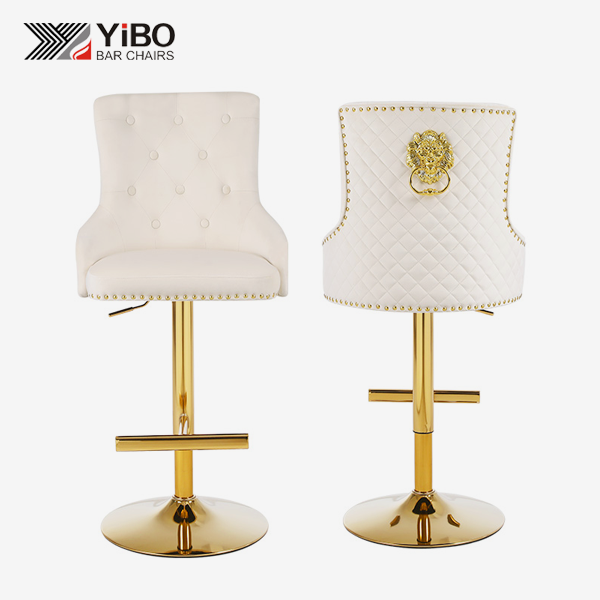
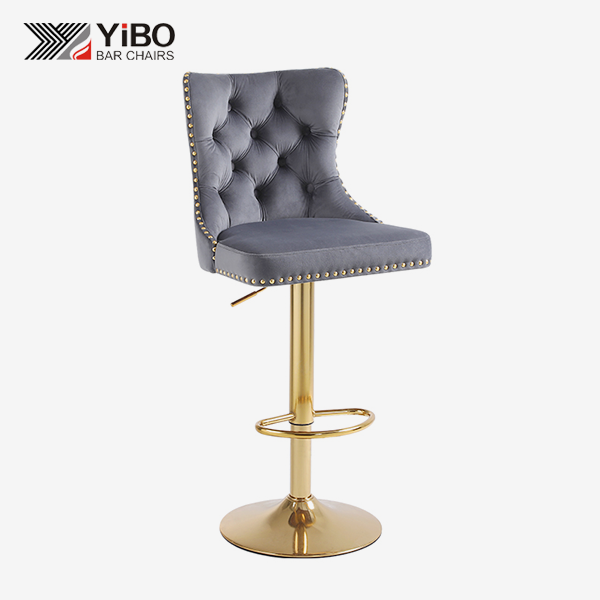
You should consider more than simply their appearance when selecting leather kitchen bar stools for business tasks. Consider materials, construction quality, supplier expertise, and total cost of ownership. You need durable, attractive furniture for restaurants, retail, and offices as a buyer. This article contrasts high-quality corporate bar stools with consumer items. This will secure your investment and satisfy consumers in various scenarios.
Understanding Leather Bar Stools: Materials and Benefits
Genuine Leather Types and Performance Characteristics
How different actual leathers operate. The cushion material affects its lifespan and maintenance in high-traffic regions. Full-grain leather is excellent since it retains the hide's roughness and produces a distinctive hue. Its tensile strength of over 2000 N and rip resistance of over 30 N make it ideal for high-end dining rooms where furniture is a brand statement. Top-grain leather is softly sanded to remove faults without weakening it. It looks more regular at a price point acceptable for mid-market applications.
To mask surface imperfections, corrected-grain leather is processed and stamped. It doesn't breathe as well as higher-end options, but its consistent appearance and stain resistance make it ideal for high-volume restaurants with rapid table changes and easy cleaning.
Synthetic Alternatives for Budget-Conscious Projects
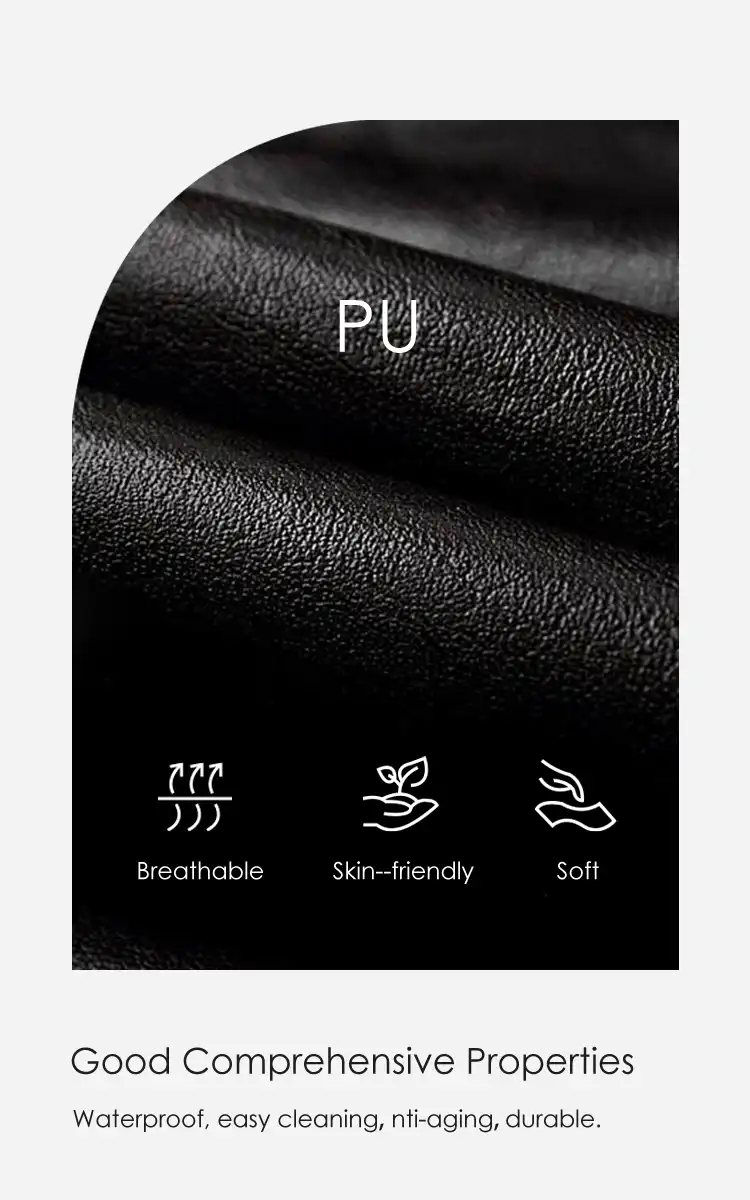
Synthetic solutions for budget-conscious projects. Polyurethane-covered fabrics appear like real leather but cost less to create. Modern PU leather formulae may be employed in small industrial settings due to their Martindale abrasion resistance scores of over 50,000 rubs. We utilize 0.8 mm thick half-PU furniture with pigmented finishes that don't break down in UV radiation and stay colored in direct sunshine, which is vital for settings with lots of windows.
Bonded leather is most basic. It is comprised of polyurethane-glued leather pieces. It's cheap to acquire, but it peels off after two to three years, which is bad for long-term enterprises. Tensile strength, wear test, and material marketing accounts should be requested by procurement managers to support performance claims.
Maintenance Protocols for Extended Service Life
How to Maintain for Durability. Commercial leather seats need special maintenance to maintain their appearance and structure. Wipe polished leather surfaces with dry microfiber towels immediately to prevent spills from absorbing and discoloration. Weekly pH-neutral soap cleaning removes oils and grime without removing protective layers. A specific leather conditioner every three to six months replenishes the natural oils lost when cleaning and exposing leather to the outdoors. This prevents surface damage. These maintenance techniques extend product life, reducing replacements and total cost of ownership across numerous units.
Key Decision Criteria for Selecting Leather Kitchen Bar Stools
Structural Engineering and Load Capacity
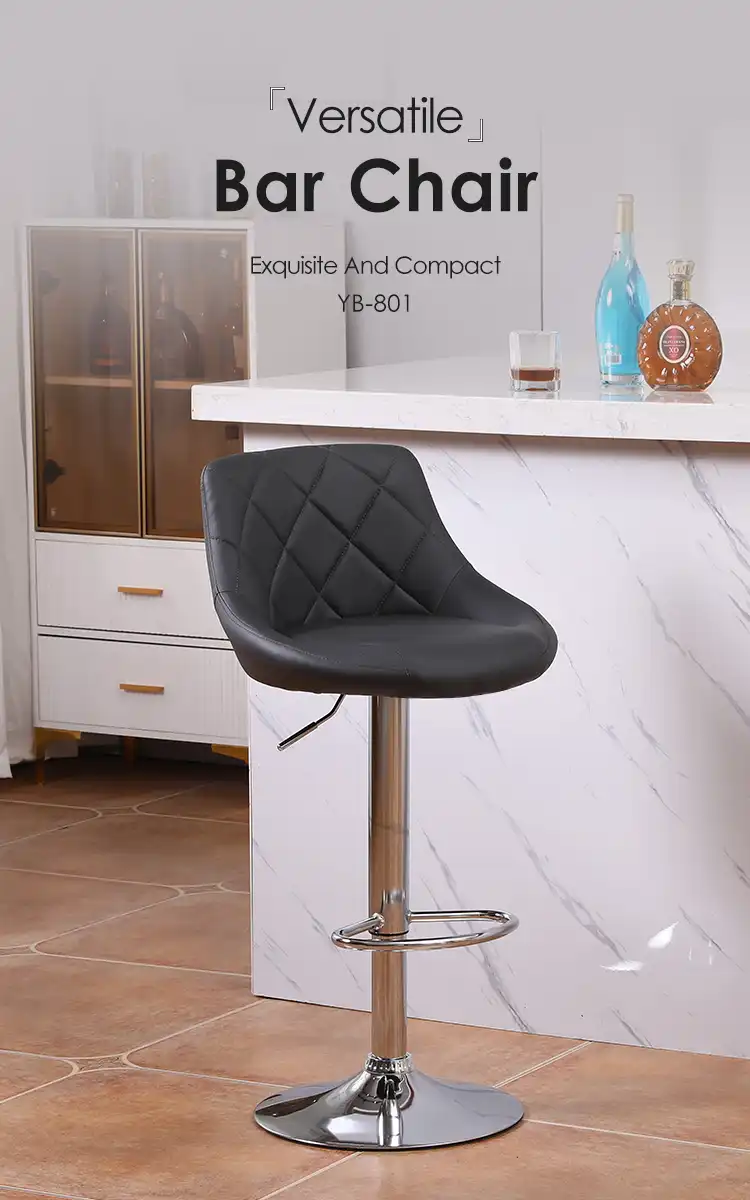
Things to Consider When Buying leather kitchen bar stools. Commercial leather bar stoolss must withstand more use than residential ones. Kiln-drying wood with 6–8% moisture doesn't warp frames in humid kitchens, and powder-coated steel frames withstand acidic food spill rust better. We employ built-in iron frame tubes with 0.8 mm walls. These tubes can support 300 pounds and remain stable after numerous stress cycles.
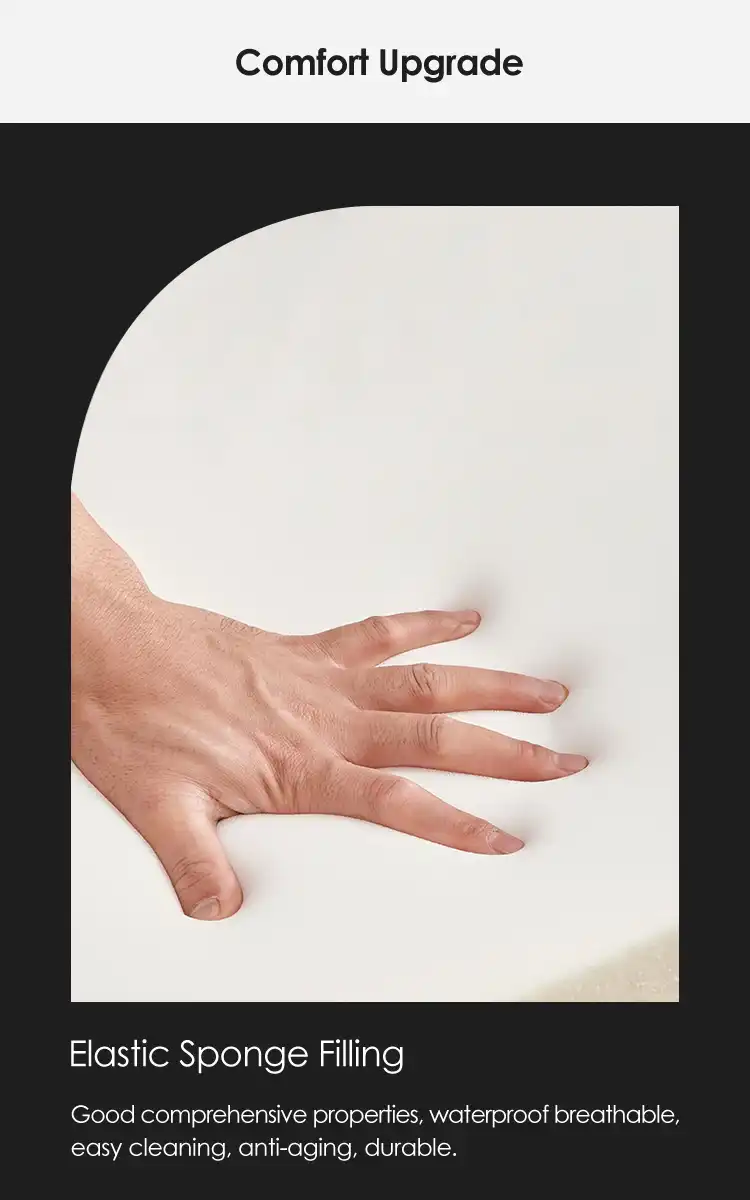
Cushioning affects happiness when individuals sit for lengthy periods. High-resilience polyurethane foam prevents "bottoming out," so it supports you after thousands of usage at 2.5 pounds per cubic foot. Our products contain 22-density, 1.8-cm primary cotton cushioning wrapped around a 1.2-cm multi-layer board core to distribute weight and prevent compression deformation. This engineering technique ensures that all social spaces are comfortable, even for extended sits.
Ergonomic Considerations and Functional Features
Ergonomics and functionality thoughts. How well the seat height matches the work surface affects user comfort. Industry regulations need 10–12 inches between the seat and table. This provides considerable headroom for all body shapes. Fixed-height systems are more dependable since they don't have hydraulic cylinder failure points, although adjustable-height systems are excellent for multipurpose settings.
Social talks are simpler with the swivel function, which lets individuals talk without moving. Our 360-degree rotation mechanism uses ball bearings that have been tested over 50,000 times to ensure product longevity. Swivel chairs are excellent for bars and casual restaurants since they're easier to maneuver. However, fine dining places use fixed seating since it seems more serious.
Customization Requirements for Brand Alignment
Brand Alignment Customization Needs. More business-to-business purchases require bespoke items for the brand and local market. Our OEM and ODM services offer material customization. If you pick leather or velvet, we may match your furniture to your home style. Choosing embossing, stitching, and finish patterns lets distributors make private-label items stand out in competitive marketplaces.
The proportions are adjusted to accommodate restricted space and regional ergonomic preferences. You may adjust the footrests, backrest curvature, and seat size to suit your project. This versatility helps hotel firms utilize the same design ideas in numerous buildings with varying specifications.
Comparative Analysis: Leather Bar Stools vs Other Materials
Performance Metrics Across Material Categories
Comparison of leather kitchen bar stools and other materials. Performance Measures for Different Materials. Leather upholstery lasts longer than cotton in corporate environments. Hydrophobic coated leather prevents wine, coffee, and food spills from staining weave textiles permanently. This feature minimizes cleaning labor costs and increases replacement time, lowering the total cost of ownership despite higher material costs. Leather's inherent ability to breathe and regulate temperature improves user comfort over plastic materials that trap heat and dampness.
Wooden bar stools are durable and attractive, but they're not as comfy as leather seats since they're not cushioned. Upholstered seats aid long-term restaurant and bar patrons by spreading pressure. In high-traffic areas, wooden surfaces need more refinishing to maintain their appearance. Good leather develops character through natural patination rather than deterioration.
PU Leather Versus Genuine Leather Trade-offs
PU vs. genuine leather trade-offs. Choosing synthetic or real leather relies on your budget, expected lifespan, and brand positioning. PU leather seems uniform, cleans easily, and is cheaper than other materials. High-volume initiatives with low quality benefit from these features. Genuine leather costs more at high-end retailers because it feels nicer, holds its form better, and is linked with high-end goods.
PU leather leather bar stools by the container cost 15-20% less than comparable real leather ones. Genuine leather lasts 40-60% longer under the same conditions. When considering these options for large-scale deployments, procurement managers should consider both the per-unit pricing and lifecycle expenses.
Navigating the Market: Where and How to Purchase Leather Bar Stools for B2B?
Supplier Selection and Quality Verification
Business-to-business leather kitchen bar stools sales: where to buy. Choose a provider and evaluate quality. Working with exporters reduces supply chain risks and quality issues. Facility audits or third-party inspections can determine production capacity. Reliable companies have huge industrial footprints and dedicated quality control systems. Over 6,000 square meters of production space at our Anji, Zhejiang Province business includes an iron frame factory. We have scheduling and part quality control that trading businesses can't match.
Certification portfolios objectively verify factory standards. ISO 9001:2015 accreditation indicates systematic quality management, while BIFMA compliance shows North American business furniture safety and dependability requirements. FSC accreditation ensures sustainable wood-sourcing, meeting growing procurement norms for business responsibility. Instead than trusting a provider's website, request updated certifications and test reports.
Bulk Purchasing Strategies and Contract Terms
Contract conditions and bulk-buying strategies. Container ordering increases unit prices and transportation efficiency for established import procedures. We correctly fill containers to maximize freight using our standard packaging plan of two parts per carton (55x45x48cm, 0.118 cubic meters). Negotiating payment conditions such a 30% deposit with the remaining 70% payable upon bill of lading receipt balances the buyer's requirement for safety and the supplier's need for cash flow, fostering long-term partnership.
Full warranty against manufacturing defects and early failure. Business-use one-year warranties cover structural soundness and material defects. Longer warranties are available for large purchases. Make sure the contract covers warranty claims, when replacement parts will be available, and response time to avoid disputes later in the product's life.
Customization Timelines and Minimum Order Quantities
Customization Time and Lowest Order Quantities. OEM/ODM manufacture takes longer than stock products. Custom fabric colors take two to three weeks longer to produce, and structural changes may take four to six weeks for sample development and approval before mass production. Our talented R&D team produces samples from technical designs. This helps private-label programs meet exact requirements.
A minimum order number of 100 to 500 units is typical for personalized items, depending on complexity. The cost of tools and manufacturing efficiency determine this limit for viable customized runs. Distributors should collaborate with manufacturers to ensure that product parameters match performance and production efficiency requirements when designing product lines for specific markets.
Finalizing Your Choice: Making an Informed and Strategic Purchase
Aligning Product Specifications with Project Requirements
Making an informed purchase: the last decision. Making sure product specs match project needs. Purchase success begins with a comprehensive needs analysis. To specify durability restrictions, describe how hard you expect the object to be used. Nightclubs and hotel breakfast bars dress differently. Consider how environmental factors like oxygen levels, temperature, and cleaning agents impact material choice. Write down the brand's color schemes, design styles, and other visual needs-affecting elements.
Weighted grading grids should emphasize pricing, quality, on-time delivery, and flexibility. This structured strategy makes critically comparing sources easy and prevents users from starting with the cheapest price. Budget estimates should include lifetime expenditures like repairs, replacements, and warranty support, not just the purchase price.
Procurement Checklist for Confident Decision-Making
A procurement checklist to aid decision-making. Regularly check these crucial variables when placing orders:
• The type of leather, thickness, and abrasion resistance test ensure the product is durable.
• The materials, wall thickness, and maximum load ratings of a frame building indicate its strength.
• Cushion foam density and tension set values indicate long-term relaxation.
Swivels, height adjustments, and footrest placement should fit realistic requirements from the requirements analysis. Manufacturing defects are protected by warranty conditions that specify the warranty period, items covered, and claim process. Good payment terms balance risk exposure with reasonable prices, and delivery schedules that match project timeframes prevent costly installation delays.
Partner confidence in suppliers comes from production permits, export experience, and client contact information. Clear communication sets order updates, technical support, and after-sales goals throughout the business collaboration.
Conclusion
In conclusion. To pick the best leather kitchen bar stools for business usage, examine the materials, construction quality, supplier expertise, and total cost of ownership. Real leather and high-quality PU replacements offer distinct benefits depending on pricing and brand positioning. Details in structural engineering, like frame materials, cushioning systems, and useful processes, have a direct effect on how comfortable the product is for users and how long it lasts. Partnering with experienced exporters, comprehensive customized services, and defined quality standards eliminates supply chain risks and enhances value delivery. You can offer your furniture stock a competitive edge in harsh business environments by making sensible purchases and balancing initial investment with long-term performance.
FAQs
What leather type withstands heavy commercial use best?
Leather kitchen bar stools Guide for Business Buyers. Which leather is ideal for heavy commercial use? Best-lasting top-grain and full-grain leather with semi-aniline or colorful finishes in restaurants with high foot traffic. These materials are strong like leather but have protective coatings to prevent staining and wear. For long-term everyday usage, the tensile strength and tear resistance should be over 2000 N and 30 N, respectively.
How do maintenance requirements affect operational costs?
How do repair costs affect operation prices? Regular repairs extend product life and maintain its appearance. Cleaning weekly with pH-neutral chemicals and conditioning every three months slows degradation. Systematic care programs extend service life by 40–50% over reactive maintenance. This decreases annual replacement costs and boosts ROI across all furniture portfolios.
Can dimensional customization accommodate unique spatial requirements?
Can physical adjustment satisfy space needs? Experienced manufacturers may make considerable size modifications to accommodate building limits and consumer preferences. You may modify the seat's height, width, depth, other chair characteristics without affecting the construction. Depending on complexity, custom requirements need technical drawings and a minimum order quantity of 100 to 500 pieces. Prototype assessment ensures specs satisfy demands before large-scale manufacturing.
Partner with YIBO for Premium Leather Kitchen Bar Stools Supply
Get high-quality leather kitchen bar stools from YIBO. Anji Yibo Furniture Co., Ltd. has been creating specialist furniture for 14 years and needs reliable leather bar stool suppliers for competitive global markets. Our facility is located Anji, China's furniture capital. Its in-house iron frame manufacturing and sophisticated upholstery ensure excellence throughout the process. Hotel, retail mall, and corporate expansion shipping deadlines may be met by our consistent manufacturing capability and container-sized orders.
Our extensive OEM and ODM services enable wholesalers customize materials, sizes, and launch private-label programs to manufacture market-specific items. ISO 9001:2015 and BIFMA certifications provide thorough quality control for business furniture that meets international requirements. To advance projects during procurement cycles, experienced sales teams provide technical support and answer queries within 24 hours. Please contact yb@ajyibo.com to discuss how our leather kitchen bar stools will help you extend your product range and provide your consumers the stability they expect.
References
1. Smith, J. & Anderson, K. (2022). Commercial Furniture Procurement: Quality Standards and Supplier Selection Criteria. International Hospitality Press.
2. Thompson, R. (2021). "Material Performance in High-Traffic Seating Applications." Journal of Commercial Interior Design, Vol. 18, Issue 3, pp. 45-62.
3. Chen, L. (2023). Sustainable Manufacturing Practices in the Furniture Industry: A Comparative Analysis. Global Supply Chain Institute.
4. Martinez, S. (2022). "Total Cost of Ownership Analysis for Restaurant Seating Investments." Foodservice Equipment & Supplies Magazine, April 2022 Edition.
5. Williams, D. & Foster, M. (2021). Ergonomic Design Principles for Commercial Seating Solutions. Workplace Comfort Research Foundation.
6. Peterson, H. (2023). "Leather Upholstery Durability Testing: Methodology and Benchmarks for Contract Applications." Furniture Testing Standards Quarterly, Vol. 12, No. 2, pp. 78-95.