

 (1)_1777442575043.jpg)
Bar Stool Materials - Which are best for each situation?
Consider durability, appearance, and project usefulness when choosing a bar stool material. For hotel, shop, and office buyers, material choice affects lifetime costs and customer satisfaction. Leather kitchen bar stools are a good choice. They are robust and classic enough for modern and traditional settings. Procurement managers may make budget-friendly and container-level performance decisions when they understand how materials behave.
Understanding Common Bar Stool Materials and Their Applications
Material choice affects bar stool performance in business and household environments. Buying pros must weigh the trade-offs of each material.
Leather Upholstery Options
Leather is rare because it looks costly and lasts. Real leather can withstand heavy use in hotels and fine dining venues. A beautiful shine develops with time. Top-grain leather can withstand rips and holes in hectic commercial situations due to its tensile strength of over 2000 N. Semi-aniline finishes with Blue Wool Scale scores above 5 withstand UV radiation, preventing fabric dyeing near windows while allowing airflow. The coating of pigmented leather makes it difficult to damage. This is useful in kitchens with frequent food and drink spills.
Fabric and Synthetic Alternatives
Fabric furniture is soft and comfy and available in many colors, making it easier to trademark privately held objects. High-performance textiles with Martindale abrasion ratings of over 50,000 rubs can be utilized in moderate corporate environments, although they require more expert cleaning than leather. Polyurethane blends mimic leather at a lesser cost. They resist hydrolysis, preventing long-term peeling. These solutions are ideal for budget-conscious projects when the upfront cost of cash is higher than the long-term cost of ownership.
Frame Material Considerations
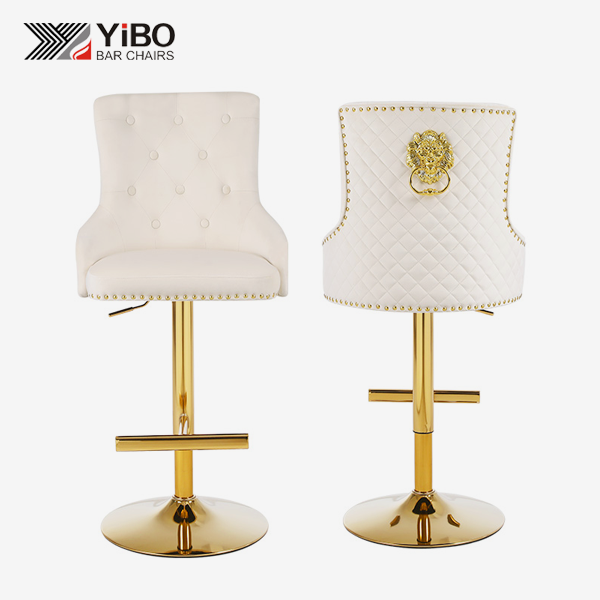
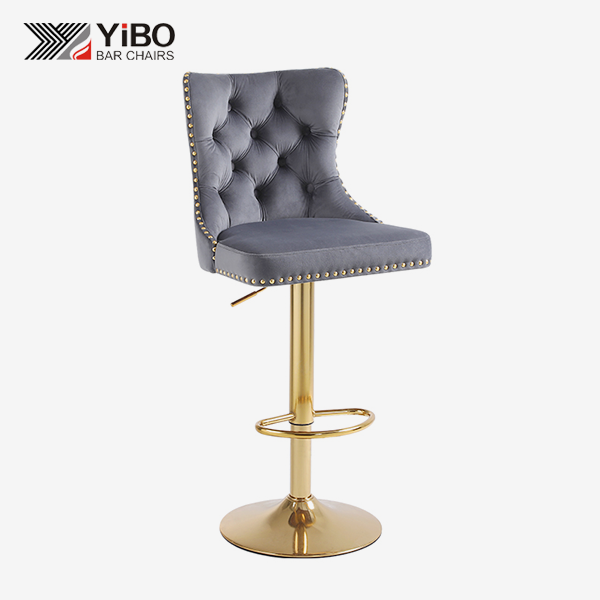
Frame design influences structure strength and weight capacity. So joints don't loosen or distort, kiln-dried timber frames resist temperature fluctuations. Powder-coated steel frames can support 500 pounds and withstand corrosion. YB-801b features a built-in iron frame with 0.8 mm tube walls. Engineers balance low weight and industrial strength with this design.
Leather Kitchen Bar Stools - Benefits, Types, and Maintenance
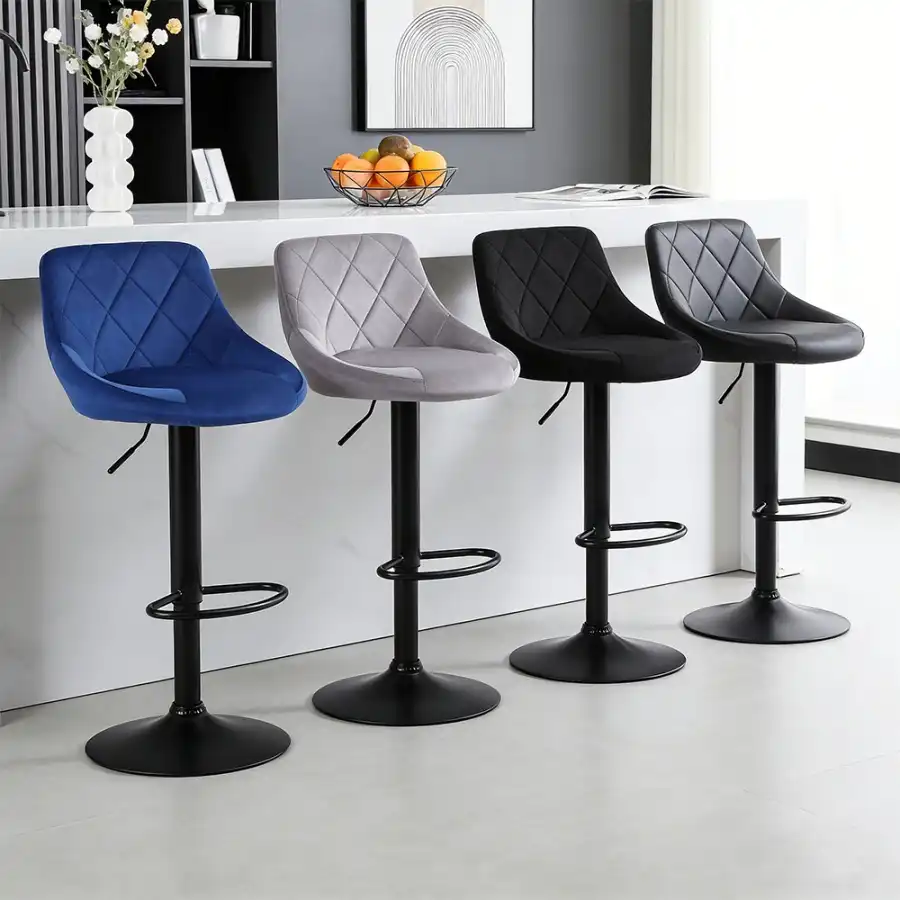
Leather bar stools transform from plain chairs into high-end items that strengthen your brand's public image. Purchase managers seeking long-term value benefit from the material's attributes.
Distinctive Performance Advantages
Leather is slick and repels spills better than cotton. This prevents cloth from absorbing liquids, which breeds bacteria and odors. In clean kitchens, this attribute is crucial. The material's thermal comfort adapts to summer and winter temperatures. This makes lengthy sitting more pleasant. Our products contain 1.8 cm of main cotton cushioning and 22-density foam wrapped in 0.8 mm half-PU leather. This produces an ergonomic seating surface that retains its crown form after thousands of sitting cycles.
Leather Grade Specifications
various leather methods suit various budgets and performance objectives. Full-grain leather is durable and pricey, making it a fantastic choice for high-end hospitality projects. The natural beauty of semi-aniline leather is matched with protected hues. It feels like leather and fulfills ISO 105-B02 colorfastness criteria. Pigmented leather receives greater surface treatment to maintain its color and stain resistance. This makes it ideal for high-volume restaurant businesses that wish to reduce maintenance. Bonded leather is inexpensive, but it's created from recovered scraps and breaks down in two to three years, making it unsuitable for business usage.
Practical Maintenance Protocols
Leather lasts longer and looks better with proper maintenance. Spills must be cleaned up immediately with dry microfiber towels for daily maintenance to prevent liquid from entering seams. Avoid aggressive degreasers that remove natural oils and break wet textiles by washing weekly with pH-neutral soap. In climate-controlled business spaces, conditioning leather every three months using particular techniques restores moisture and flexibility. These basic criteria reduce total cost of ownership, which is crucial when managing furniture assets in numerous locations.
Bar Stool Material Comparisons for Different Situations
Project demands vary for tiny home kitchens, casual dining establishments, and busy bars. The appropriate items in the right settings boost performance and customer satisfaction.
Hospitality and Restaurant Applications
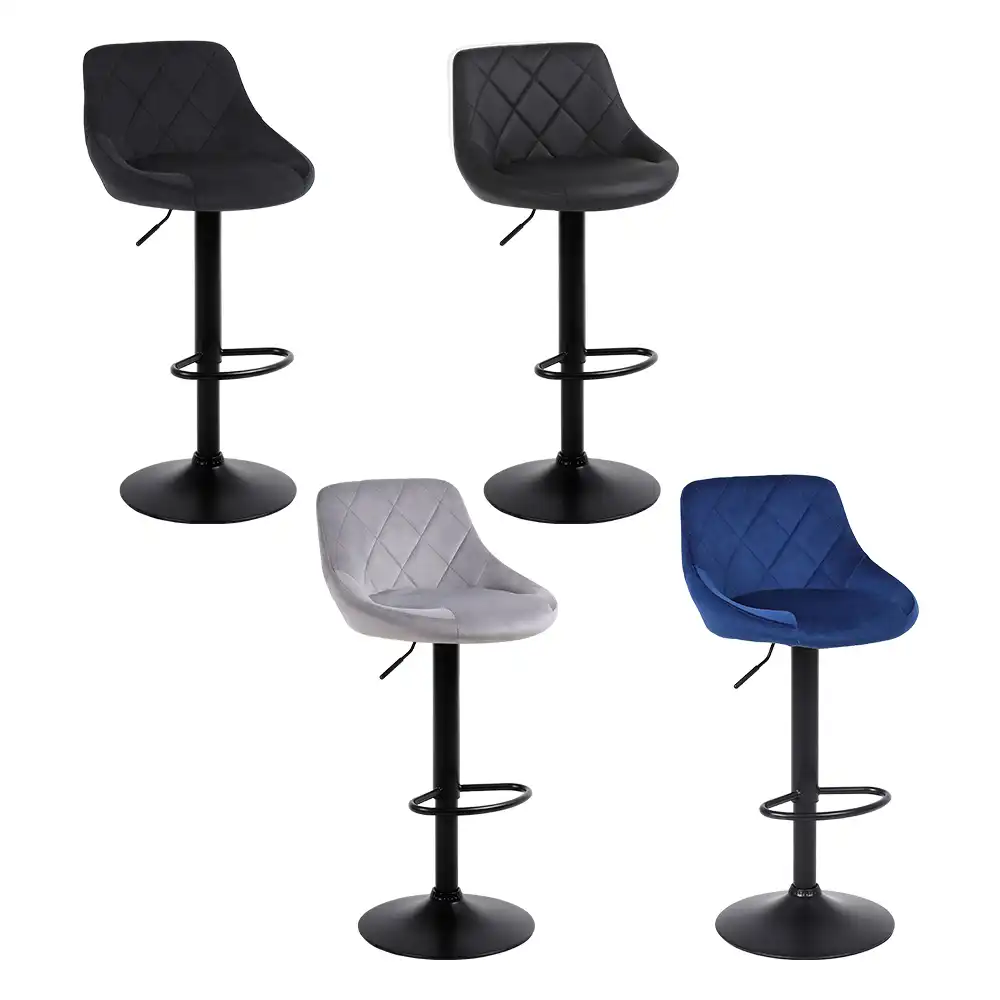
Commercial locations value durability and maintenance. Leather can withstand 200 chairs every day, whereas textile substitutes wear out rapidly. Powder-coated metal frames don't corrode following heavy industrial disinfectant cleaning. The 360-degree swivel function of models like our YB-801b makes it easy for guests to move and distributes weight uniformly across frame joints. Weight capacity ratings that satisfy BIFMA requirements protect patrons of all sizes. Two-unit 55x45x48cm packaging saves space and reduces shipping container costs, making large hotel chain rollout orders cheaper.
Residential Kitchen Islands
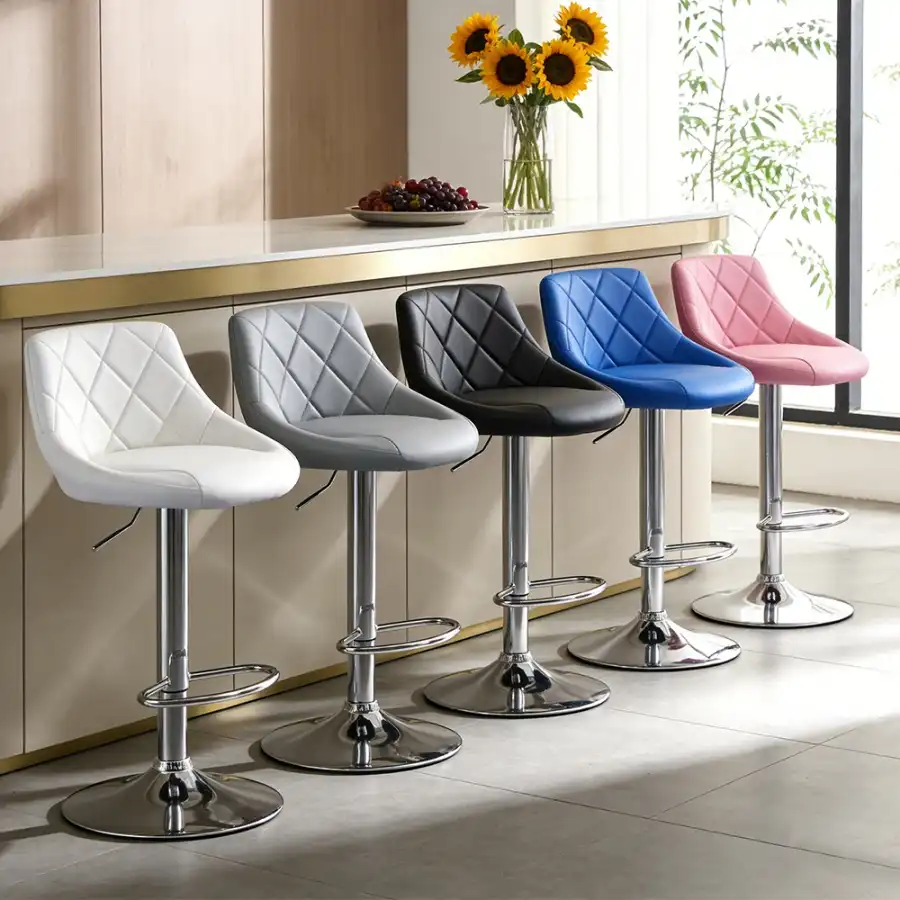
Homeowners want their houses to appear attractive and be comfortable for entertaining and dining. Counter heights may be modified from 33 to 41 inches for different island layouts. Neutral leather finishes like cream, brown, and black match any cabinet or tabletop. Customizable leather and plush enable designers match room colors. The 1.2 cm thick multi-layer boards stabilize the floor without being excessively hefty for household flooring loads.
Office Break Rooms and Collaborative Spaces
Businesses require seats that can be utilized for lengthy breaks and casual conversations. High-resilience foam densities exceeding 2.5 pounds per cubic foot and ergonomic designs make long-term sitting pleasant. Business-appropriate leather looks professional. Easy to clean, which is perfect for situations where maintenance personnel don't have much time to thorough clean. Frame materials with brushed metal finishes match current office design trends and make other office furniture seem good. These uses demonstrate why buyers must carefully evaluate how materials will be utilized before finalizing. We can assist you find the appropriate materials for your project from our 14 years of expertise developing chair solutions for 70 international markets.
Procurement Considerations for Bar Stool Materials in B2B Purchases
Strategic procurement goes beyond pricing. Lifecycle value and supplier reliability are also considered. When buying several leather kitchen bar stoolss, consider many factors.
Supplier Qualification Criteria
Manufacturing competence affects order completion reliability. Iron frame production and storage at our 6000-square-meter plant in Anji, Zhejiang, can manage container-level production rates while preserving quality. ISO 9001:2015 accreditation indicates planned quality management, and BIFMA compliance ensures goods fulfill North American safety requirements, which is crucial for US market entry. FSC-approved wood parts fulfill company buying policies' growing sustainability demands. These credentials should be validated during seller evaluation to reduce shipment rejection and project delays.
Customization and OEM/ODM Services
Product differentiation improves market position for importers and sellers. Our talented research and development staff makes examples from technical drawings so purchasers may create designs that suit their region. Even the material is optional. You may pick the leather or plush color and feel. Private label packaging reinforces brand identification and may be resized to fit different venues. These abilities make buying common commodities a strategic instrument to differentiate your product line from competitors who buy catalog items.
Logistics and After-Sales Support
Delivery reliability affects supply management and customer commitments. Transportation agreements enable us deliver maritime freight to US ports on schedule. Custom palletization and strengthened carton packaging safeguard shipments. Two-piece carton packaging maximizes container utilization, lowering bulk sales unit costs. After delivery, technical support is available 24/7 and a warranty indicates confidence in the product's endurance. This all-around service technique builds long-term connections with suppliers instead of one-time purchases, which benefits buyers.
Quality Assurance and Testing Standards
Strict inspection procedures provide consistent results between production runs. Visual upholstery study shows that dye batches have Delta E values below 1.0, indicating little color change across units. Stitching proof on strong leather confirms six to eight stitches per inch, and tension testing ensures seam integrity under stress. Static load testing up to 1000 pounds and dynamic swivel cycle testing up to 100,000 times guarantee structural longevity. According to ASTM D5053, crockmeter testing showed dyes do not spread on garments. This is crucial in humid kitchens. These technological validation techniques provide procurement managers performance data to support their purchases.
Emerging Trends and Future Outlook in Bar Stool Materials
Material innovation adapts goods such as leather bar stools to market requirements and regulatory regulations. These patterns assist procurement professionals ensure their purchase strategies will function in the future.
Sustainability and Eco-Friendly Materials
Environmental concerns are becoming significant in all business domains when buying items. Environmentally conscious hotel chains use leather dyeing technologies that employ chromium-free techniques and produce less harmful waste. Recycled metal in frame buildings reduces carbon emissions while maintaining strength. Low-VOC foams and water-based adhesives enhance busy area air quality. Purchase managers may satisfy their organizations' environmental goals without compromising product quality or durability with these improvements.
Ergonomic and Smart Integration
Comfort is why advanced chair technologies are employed. After prolonged usage, curved seat forms distribute weight evenly, reducing pressure points. In hot kitchens, leather treatments that allow airflow reduce moisture. Modular designs that allow part replacement will let furniture survive longer, shifting it from throwaway to investment. Ergonomic modifications reduce occupational pain, which promotes current workplace health initiatives.
Conclusion
In conclusion, when picking bar stool materials, you must combine short-term budget considerations with long-term performance criteria for a variety of corporate functions. Leather upholstery lasts, is easy to maintain, and looks excellent in many ways. These features make it ideal for luxury home, commercial, and hospitality applications. Frame building quality, customization, and provider reliability impact total value realization. Working with producers that provide sophisticated materials and flexible customisation helps procurement personnel meet changing market requirements and remain ahead of the competition as ergonomics and sustainability become more critical.
FAQ
What clearance distance is optimal between seat and counter?
10–12 inches is suggested between the seat cushion and table. This spacing between chairs allows your legs to move and promotes proper balance while eating and talking, preventing fatigue from prolonged sitting.
How can I distinguish between bonded and top-grain leather?
Top-grain leather lasts longer since it's manufactured from the top hide layer. Scraps glued together with polyurethane adhesive make bonded leather. It generally fails within 2–3 years. Check the label for "100% Top Grain" or "Full Grain" to ensure quality for long-term commercial usage.
Are hydraulic or fixed-height stools better for commercial kitchens?
Fixed-height frames prevent hydraulic cylinder deterioration due to their stability and fewer mechanical weak areas. Adjustable variants are better in shared business locations with diverse clientele. This is especially true for multipurpose spaces or those accommodating varied heights.
Partner with YIBO for Your Leather Kitchen Bar Stool Manufacturing Needs
Anji Yibo Furniture Co., Ltd. has made chairs for 14 years and can assist you sit. Our leather kitchen bar stools are stylish and functional. They have 1.2 cm multi-layer boards, 22-density cushioning, and a 0.8 mm iron frame for commercial use. We can help with OEM and ODM projects and customize materials, sizes, and styles for leather kitchen bar stools as an experienced maker. The ISO 9001:2015 and BIFMA certifications ensure we fulfill worldwide quality requirements. At 6000 square meters, our facility can make a container at a time with reasonable wait times. Send your project details to yb@ajyibo.com and receive quotations within 24 hours from our skilled sales staff.
References
1. American Society of Interior Designers. (2021). Commercial Furniture Specification Guide: Material Selection and Performance Standards. ASID Publications.
2. Furniture Industry Research Association. (2022). Leather Upholstery in Hospitality Applications: Durability Testing and Lifecycle Analysis. FIRA International Technical Report.
3. Chen, L., & Morrison, R. (2020). Ergonomic Seating Design: Principles and Applications for Commercial Environments. Journal of Furniture Engineering & Technology, 45(3), 112-128.
4. Business and Institutional Furniture Manufacturers Association. (2023). ANSI/BIFMA X5.1-2023: Desk and Table Products - Tests and Performance Requirements. BIFMA Standards.
5. Thompson, K. (2022). Sustainable Materials in Contract Furniture: Environmental Impact Assessment of Leather Processing Technologies. International Journal of Design & Manufacturing, 18(2), 67-83.
6. Global Furniture Trade Association. (2023). B2B Procurement Best Practices: Quality Assurance and Supplier Evaluation in Asian Furniture Manufacturing. GFTA Industry White Paper.