

 (1)_1777442575043.jpg)
What Bar Height is Best for Comfort?
The ideal bar height affects user comfort and company performance when picking chairs. To maintain natural alignment, countertops should be 36–42 inches broad and seating 24–32 inches high. A counter top height adjustable stool provides a comfortable 10 to 12-inch differential between the seat and work surface for varied users and office configurations. This function enables you adjust the chair height, preventing shoulder strain, back discomfort, and poor blood flow in hospitals, businesses, and hotels.
Understanding Bar Height and Its Impact on Comfort
Not only is bar height a design necessity, it also affects worker health and productivity. Standard industrial kitchen table heights are 36 inches, and elevated bar tops are 42 inches. People usually repair seating that doesn't suit these proportions by hunching their shoulders, letting their legs dangle down, or sitting oddly on the seat edge. Working in these positions for extended periods might cause musculoskeletal issues and fatigue.
The Ergonomic Connection Between Height and Posture
Knees should be bent 90 degrees, feet level on the floor or chair, and thighs straight out from the torso when sitting. When buying chairs for restaurants, labs, or shared offices, purchasing managers must consider the users' body types. The large height gap between adults' 5th and 95th percentiles is an ergonomic issue that set chairs can't address. Adjustable gadgets allow people to sit in their preferred posture, eliminating this constraint.
Common Workspace Challenges and Height Mismatch
Staff frequently rotate between food-preparation tables and high bars between serving periods. Businesses must maintain additional products or place workers in difficult circumstances without flexible seating. Workers have the same issues while switching between workbenches and higher assembly tables. These scenarios indicate that flexibility isn't simply a nice-to-have; it's important to the task and reduces unneeded gear while making workers more comfortable.
Key Dimensions to Consider When Selecting a Height Adjustable Stool
Technical parameters must be considered by procurement professionals to ensure long-term value and user satisfaction. When considering if a stool may be utilized for several purposes in your building, the adjustment range is most significant.
Seat Height Range and Adjustment Mechanisms
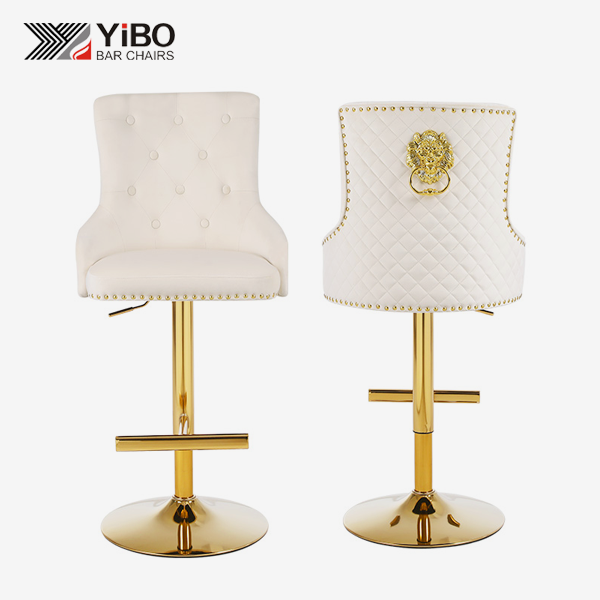
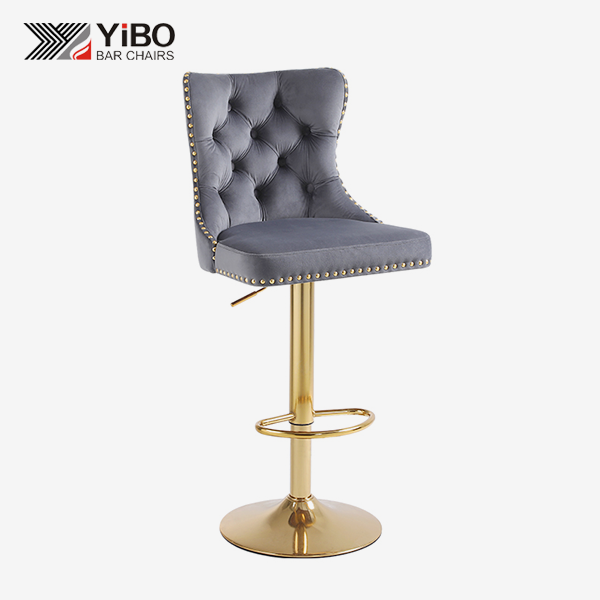
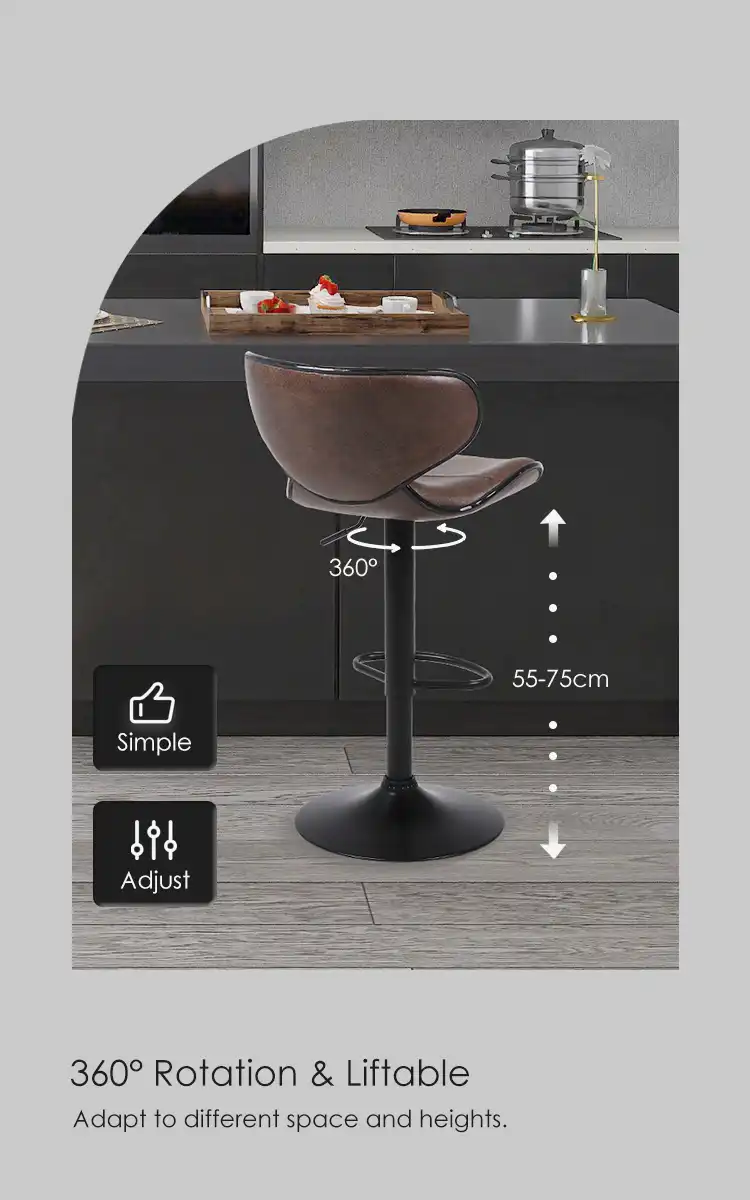
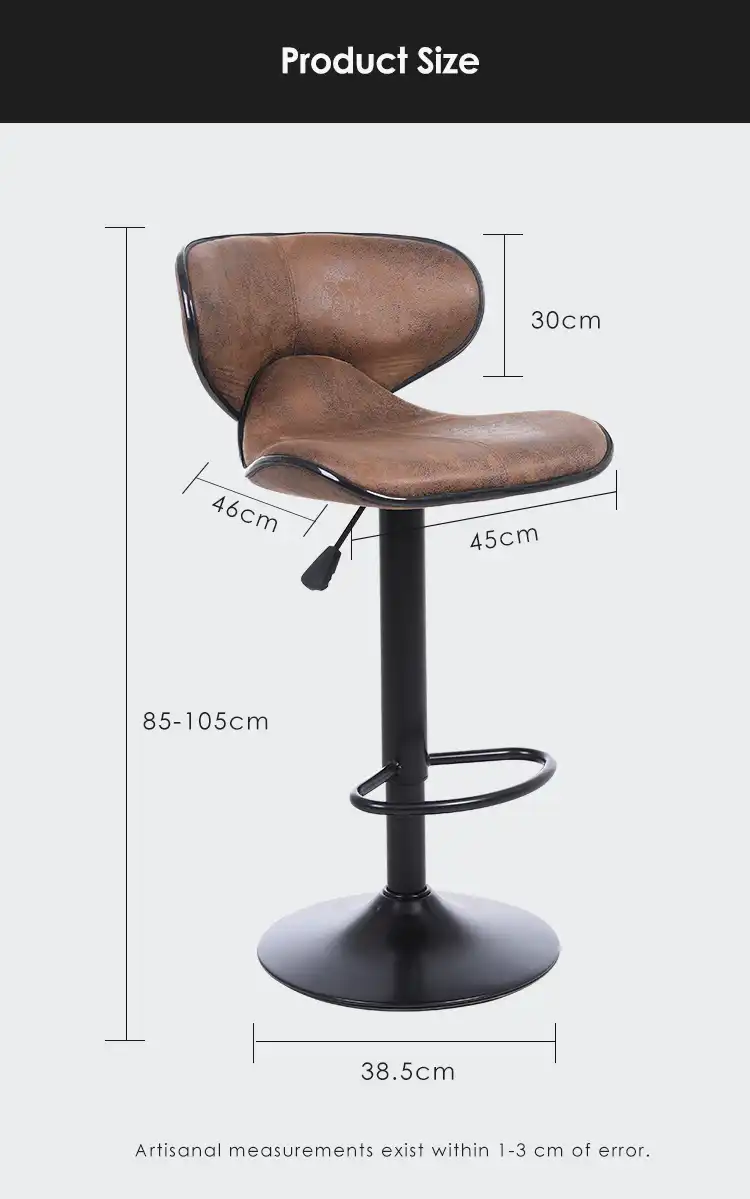
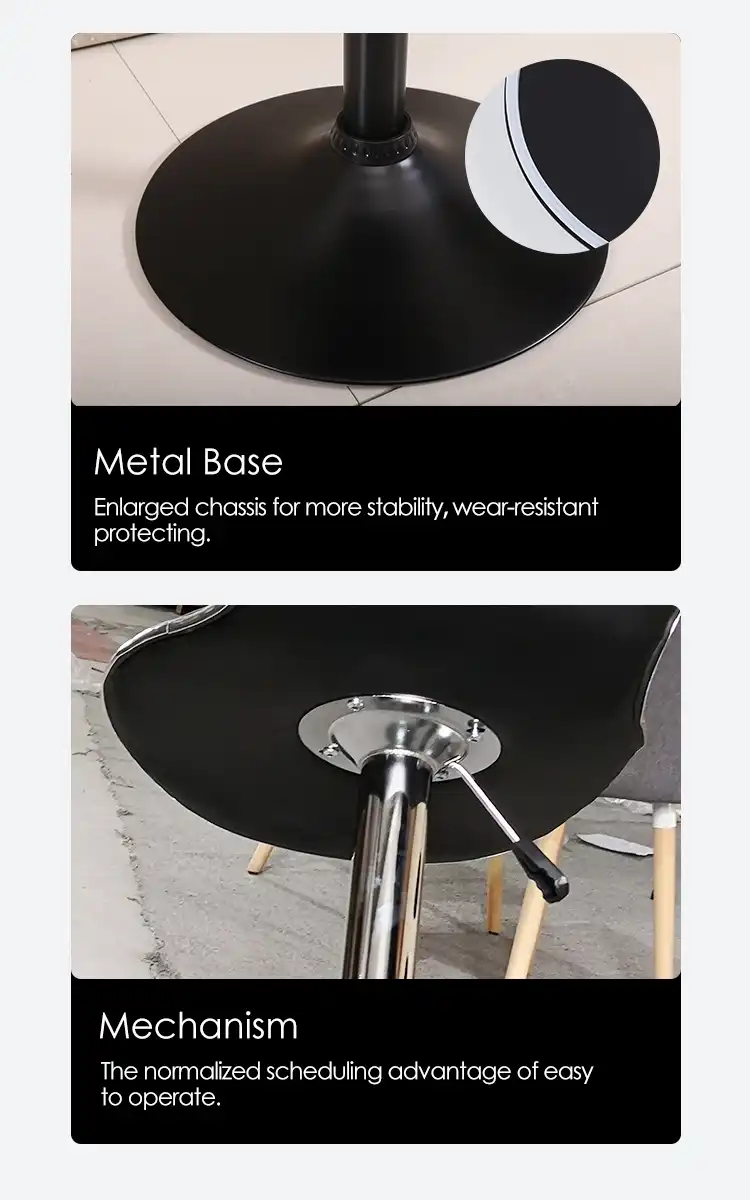
Good moveable stools use pneumatic gas lift tanks for seamless height adjustment. Professional machines feature Class 4 cylinders that have been tested for 100,000 vertical cycles and fulfill ANSI/BIFMA X5.1 durability criteria. Our 33–41-inch counter top height adjustable stool by Anji Yibo Furniture fits both counter and bar heights with one SKU. This series maintains the 10–12-inch seat-to-surface gap regardless of desk height. The gas lift system responds immediately to weight changes, so users don't have to crank it by hand or move around while work.
Weight Capacity and Material Quality
Daily-use commercial chairs must be safe for all body types. Heavy-duty applications benefit from 300-pound capacities, although contract-grade standards need 250 pounds. Our chairs are made from 1.0 to 1.2 cm solid oak and cushioned with 3.8 cm of non-bending high-density foam. Test the base material, generally stainless steel or powder-coated steel, with salt spray for 24–48 hours to ensure rust resistance. These specifications ensure that materials last in harsh environments like commercial kitchens, where warmth and dampness can harm cheaper materials.
Ergonomic Elements: Backrests, Footrests, and Cushioning
Supportive features go beyond height adjustment. Integrated footrests that adjust with seat height ensure optimal knee angles throughout changes. When you sit for lengthy periods, curved chairs distribute pressure evenly across your thighs, keeping blood flow going. Our goods are made with 0.8mm half-PU upholstery with double-needle stitching for durability and use in high-traffic businesses. The 360-degree turning capability allows backless turning. This prevents lab and food service workers from repeated strain injuries.
Comparing Height Adjustable Stools with Other Seating Options
Business buyers commonly compare moveable chairs versus fixed-height choices. Knowing these trade-offs shows when flexibility pays off.
Adjustability Versus Fixed Height: Cost-Benefit Analysis
Fixed stools are simple and inexpensive. Because they're not adjustable, they have hidden expenses, such needing to buy additional things to match different desk heights, making workers less comfortable and productive, and perhaps getting sued for ergonomics. Adjustable kinds that may be utilized differently eliminate these concerns. A single moveable stool can replace many fixed-height units, simplifying inventory management and saving storage space. Over three to five years, operating flexibility and easy purchase frequently offset the tiny adjustment mechanism cost.
Backrest Considerations for Different User Needs
Backless designs provide easy movement and modest storage. They work well for short-term standing and sitting occupations. Low-back or full-back support at long-sitting workstations can benefit your lower back. The Anji Yibo R&D team makes versions that fulfill both demands. Procurement managers may tailor seating needs to task demands instead of promoting generic solutions.
Performance Standards for 2024 Commercial Applications
Modern contract furniture standards emphasize economy and sustainability. Look for ISO 9001:2015-certified organizations and BIFMA or CE-approved products. These certificates prove that third-party testing of building materials, processes, and products ensures safety, durability, and quality. Material traceability, notably for foam density, cushion abrasion resistance, and metal component corrosion protection, proves long-term value to buying teams.
How to Choose the Best Height Adjustable Stool for Your Business Needs?
Systematic evaluation prevents costly blunders when purchased seating doesn't meet corporate demands. This systematic approach simplifies supplier selection and specification.
Screening Criteria: Ergonomics, Cost Efficiency, and Supplier Reliability
Start by mapping real area heights and user categories for counter top height adjustable stool. Measure counter, bar, and workstation heights to determine change range. Check with staff on anthropometric diversity and comfort issues. This information restricts vendors with standard requirements. Consider a company's production, customization, and exporting experience. Specialized research and development teams and sample capabilities allow suppliers to make prototype adjustments to match an operation's demands. In its 6000-square-meter factory, Anji Yibo has made barstools, counter top height adjustable stool, and dining chairs for 14 years and can handle container-sized orders. Their OEM and ODM services ensure their products meet local market demands.
Matching Specifications to Operational Sectors
Different industries prioritize different things. Restaurant and bar operators require stain-resistant furnishings and easy-to-clean surfaces after spills and frequent maintenance. Germ-killing agents and sturdy bases are needed in hospitals. Wide assortment of designs and silent swivel gadgets improve office appearance. Workshop applications require chemical-resistant, weight-bearing coatings. Clearly identifying sector-specific demands lets suppliers recommend models or request special improvements.
Bulk Purchasing and Customization Advantages
When you buy by the container, economies of scale imply reduced unit prices, better freight rates, and more flexible production schedule. Customization options like material, color, size, and branding convert simple furniture into brand-aligned assets. We can customize our production method for materials, sizes, and packaging. Two units are protected by five layers of reinforced corrugated cardboard in a box. This protects them throughout shipment and maximizes container space. Knowing insurance conditions, replacement part availability, and support systems after delivery can help you protect your investment and manage your business during maintenance.
Practical Tips for Maintaining and Maximizing Comfort of Your Adjustable Stool
A well-maintained device will last longer and retain its ergonomic benefits, making the investment worthwhile.
Routine Care for Common Materials and Mechanisms
Check gas lift cylinders regularly to ensure optimal operation. Resistance or sinking indicates a worn seal that needs replacement before failing. Clean furniture weekly using manufacturer-recommended materials. Harsh chemicals degrade coatings and accelerate material disintegration. Check the base pieces for stability issues or loose screws and tighten the hardware. Our manufacturing critical connection points are secured with 6x14mm screws. These fasteners should be maintained to avoid wobbling and safety issues. Use dry oils that won't collect dust or make greasing swivel gears simpler every year.
Troubleshooting Common Adjustment Issues
The gas tank is failing if the stool steadily sinks. Even though changing a cylinder involves technical knowledge, immediately diagnosing the problem prevents injuries when seats come off without notice. Changing the height is usually difficult because something blocks the triggering lever or mechanism. Regularly cleaning around the setting buttons prevents this. Uneven wear patterns on furniture may indicate improper weight distribution or insufficient foam density. Rotating chair inventory regularly evens out wear and enhances service life.
Workspace Modifications Enhancing Overall Comfort
The largest advantage comes from well prepared ergonomic arrangements with adjustable chairs. Leg room under counters should be 24 inches deep so individuals may work near to surfaces without touching their knees. Sitting and standing areas should have anti-fatigue mats. Workplace illumination reduces eye strain, worsening postural fatigue. These supplementary improvements boost the ergonomic benefits of excellent moveable seating, creating environments that promote worker health and long-term efficiency.
Conclusion
A good decision in bar height seating influences staff happiness, operations efficiency, and long-term expenses. Counter top height adjustable stools suit company ergonomic demands and simplify inventory management by offering flexible use. Purchasing managers should prioritize adjustability range, weight capacity, material sturdiness, and manufacturer trust while assessing suppliers. Products that satisfy international standards like BIFMA certification and are customized by professional suppliers have longer product life and reduced ergonomic concerns. Proper seating maintenance will ensure that your seating investment boosts worker productivity for years.
FAQs
What seat height range works best for standard counter heights?
Standard kitchen tables are 36 inches high, thus seat heights should be 24–26 inches to maintain the healthy 10–12 inch difference. Our adjustable kinds may be extended to 32 inches for elevated bars, making them suitable for many corporate locations.
Can adjustable stools reduce employee back pain?
In comfy seats, musculoskeletal issues are rare. Adjustable seating lets people of all body types find their ideal position without changing their stance. This customisation addresses lower back discomfort, a key source of stress and wasted work time.
How do I verify weight capacity before bulk purchase?
Verify load testing methodology and certifications. Good items include detailed specs, including steady load and dynamic test ratings. Controlled testing show our units can hold 300 pounds. Strengthened structure exceeds corporate heavy-duty standards.
Partner with YIBO for Premium Counter Top Height Adjustable Stool Solutions
Contract-grade adjustable seating by YIBO works well in hospitals, airports, and businesses. We understand the challenges international importers and project builders encounter when buying, having made counter top height adjustable stools for 14 years. Our Anji plant creates BIFMA and CE-compliant customized seats. It produces enough to fill a container and controls quality. Our dedicated R&D resources help OEM and ODM customers pick the proper materials, adjust sizes, and receive branded packaging that matches their market positioning. Discuss your demands, acquire product details, or request an evaluation sample by emailing our export team at yb@ajyibo.com. Our friendly salesmen answer swiftly and give advise within 24 hours, ensuring a seamless chair purchase from first inquiry to delivery.
References
1. American National Standards Institute. "ANSI/BIFMA X5.1 Office Seating Performance Testing Standards." Business and Institutional Furniture Manufacturers Association, 2017.
2. Chaffin, Don B., Gunnar Andersson, and Bernard J. Martin. "Occupational Biomechanics." Fourth Edition. Wiley-Interscience, 2006.
3. Gouvali, Maria K., and Kagelis Boudolos. "Match Between School Furniture Dimensions and Children's Anthropometry." Applied Ergonomics, vol. 37, no. 6, 2006, pp. 765-773.
4. Hedge, Alan. "Ergonomic Workplace Design for Health, Wellness, and Productivity." CRC Press, 2016.
5. Pheasant, Stephen, and Christine M. Haslegrave. "Bodyspace: Anthropometry, Ergonomics and the Design of Work." Third Edition. Taylor & Francis, 2006.
6. Robertson, Michelle M., et al. "The Effects of an Office Ergonomics Training and Chair Intervention on Worker Knowledge, Behavior and Musculoskeletal Risk." Applied Ergonomics, vol. 44, no. 1, 2013, pp. 73-85.