

 (1)_1777442575043.jpg)
What Makes Metal Bar Stools a Popular Choice for Modern Restaurants?
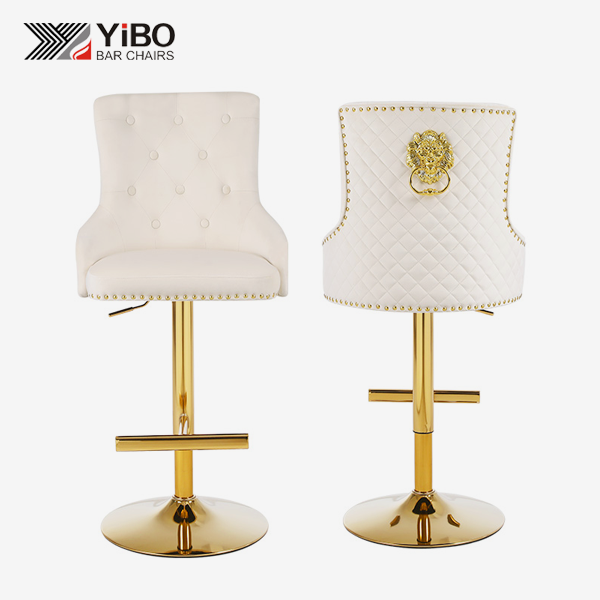
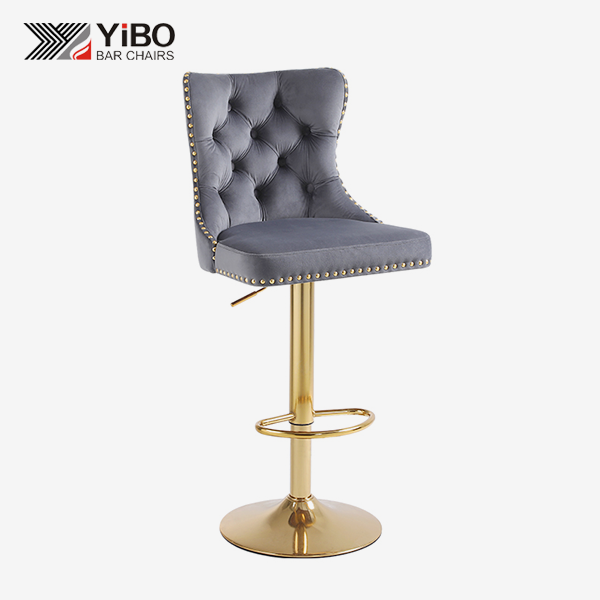
Metal bar stools have become the seating solution of choice for modern restaurants worldwide, driven by their exceptional durability, contemporary aesthetics, and minimal upkeep requirements. Among these, shell shape metal bar stools particularly distinguish themselves through their ergonomic contoured backrests that cradle the lower back, offering substantially enhanced comfort during extended dining experiences compared to traditional flat or backless designs. Their versatile styling adapts seamlessly across diverse hospitality environments—from industrial-themed gastropubs to upscale cocktail lounges—making them an intelligent investment for operators seeking both visual impact and functional longevity in high-traffic commercial settings.
The Rising Popularity of Metal Bar Stools in Modern Restaurants
Metal barstools are becoming more common in eateries. Over the past decade, restaurant owners and purchasing managers throughout the US have observed a dramatic shift toward metal seating. This move is driven by corporate considerations, not design trends.
Durability That Withstands Commercial Demands
Hoteliers face challenging challenges daily. Changes in weight, movement, and blows can quickly degrade wooden seating. Metal-framed chairs can withstand these daily issues without breaking down. Anji Yibo Furniture has shown that well-built metal bar stools can withstand 330 pounds (150 kg) without trembling or breaking down after years of frequent use in restaurants.
Our tubular steel structure has 1.2–2.0 mm wall width. A robust basis that can withstand stress without altering shape is created. This technical solution reduces replacement expenses for struggling restaurant operators.
Industrial-Chic Aesthetics Meeting Market Expectations
Modern dining rooms have exposed brick, concrete flooring, and open kitchens, and metal furniture works nicely. Bar stools with sleek lines and metal finishes complement these building characteristics and exude sophistication and creativity. Shell-backed chairs make ordinary chairs stand out.
This creative fit is especially advantageous for businesses attempting to attract millennials and Gen Z, who desire visually appealing dining rooms that appear nice in social media images. This has marketing benefits beyond the furnishings.
Low Maintenance Requirements for Operational Efficiency
Training workers and buying cleaning materials are ongoing running expenditures. Metal bar stools simplify both issues. Powder-coated metal surfaces don't stain and clean easily, unlike cushioned hardwood seats. This feature is very handy when many people are using the tables at once and they need to be cleaned fast.
We powder coat our metal frames to repel water and prevent scratches. Restaurant management report its finish technique lasts thousands of cleaning rounds without refinishing. This differs from wooden stools, which need frequent sanding and refinishing.
Understanding the Design and Materials of Shell Shape Metal Bar Stools
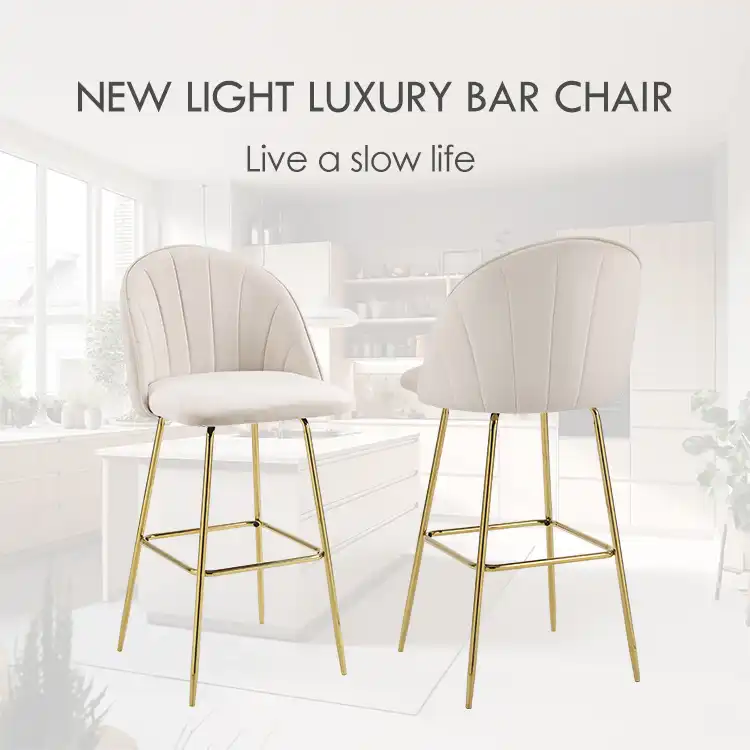
The curved shell backrest is based on ergonomic concepts from business seat research, not taste. This form provides back support without making shell shape metal bar stools overly massive, solving a major issue.
Ergonomic Structure and Dimensional Considerations
Our YB-1074 model demonstrates physical engineering precision. With 25 to 30 cm between the seat surface and the counter bottom, the 74 cm elevated cross-foot design puts visitors in the optimum position to engage with the counter. This spacing between chairs prevents knees from colliding and allows long-term sitting.
The shell's curved design holds the sitter's lower back and prevents slouching. This three-dimensional support differs from flat backrests, which solely support front to back. This benefit is especially important for procurement managers who wish to ensure client comfort during multi-course dinners.
Metal Framework and Protective Finishes
Steel is still the most popular material for industrial barstools since it's robust and cheap. Iron feet coated black are standard in our configurations. The feet undergo a thorough degreasing, phosphate treatment to improve paint adhesion, and electrostatic powder coating.
This powder coating approach outperforms liquid paints. Electrically charged powder particles cover complex forms consistently, even where liquid paints leave thin patches such where tubes meet and welds. Thermal drying leaves a finish that resists chipping, fading, and chemical cleaners.
Cushioning Considerations for Commercial Applications
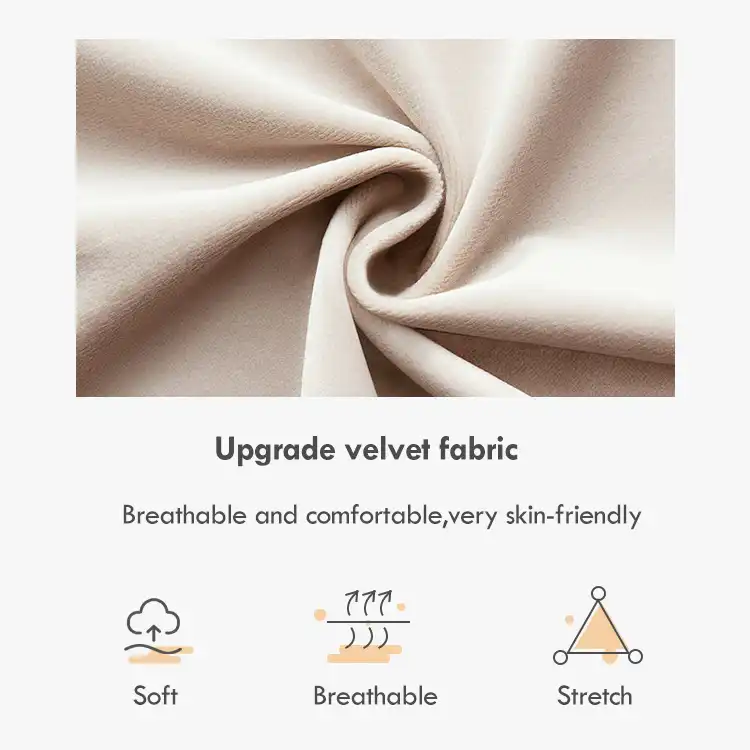
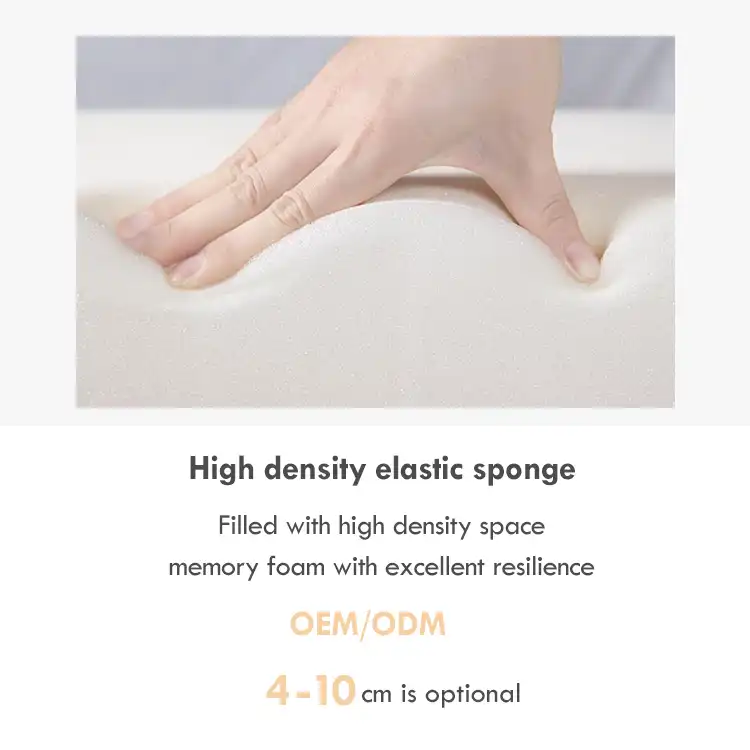
Regular velvet fabric and standard-density sponge cushioning balance comfort and durability, which is crucial in dining situations. High-resilience foam lasts longer, while regular sponge materials perform well for low-use areas and are economical for large purchases.
Soft velvet upholstery makes dining more delightful, but sourcing teams should be mindful of its cleaning challenges. Sweeping removes surface debris, and spot-cleaning with the correct fabric cleaners fixes spills. For a little extra labor, this maintenance need dramatically enhances appearance.
Weight Capacity and Commercial Safety Standards
Load-bearing requirements affect consumer trust and responsibility risk. Our 150 kg weight restriction satisfies high industrial seating requirements, so it can hold many people without breaking. This is achieved by full-perimeter welding at stress sites, not mechanical fasteners that slowly loosen under strain.
Stability testing protocols simulate worst-case scenarios such unequal loads from leaning backwards or weight shifts. These stool designs incorporate tip resistance to prevent individuals from falling forward, unlike backless forms.
Comparing Shell Shape Metal Bar Stools with Other Popular Bar Stool Types
Before buying, you should know how various seating works in different working environments. Shell shape metal bar stools occupy a distinct market niche for various needs.
Metal Versus Wooden Bar Stools
Wooden bar stools complement rustic and traditional restaurant concepts. However, commercial systems require more upkeep quickly. Water from cleaning wood erodes surfaces and weakens joints. Refinishing stools requires removal, which can cause momentary seating issues during busy periods.
Metal choices eliminate these concerns while adding flair. The industrial style complements current hotel design languages. Although wood is cheaper, metal lasts longer. In high-use areas, wooden stools need to be replaced every three to five years, whereas good metal ones last over 10 years with little care.
Backrest Options and Space Optimization
Backless stools make tiny dining areas appear bigger and make storage beneath the bar easier. They operate effectively in quick-service restaurants where consumers need short visits and no long-term support. However, full-service restaurants benefit from policies that encourage longer stays and higher table expenditure.
Shell backrests support without being bulky like full standing backs. This middle ground strategy maintains dining room vistas while delivering comfort that keeps people sat longer. Bar managers believe customers are less likely to complain about discomfort at busy periods when bars have backs.
Adjustability and Versatility Features
Height-adjustable systems with gas-lift columns are excellent for multipurpose rooms or desks with varied heights. These pieces complicate mechanics and potentially fail in business. Fixed-height stools like our 74cm model solve these issues while maintaining seating position.
Another significant consideration is stackability. The shell-back design enables you stack up to two units high, making floor cleaning and event area rearrangement easier. Restaurants hosting private parties that need furniture movement can use this tool.
Procurement Insights: How to Choose and Source the Best Shell Shape Metal Bar Stools
Strategic sourcing considers total cost of ownership, supply chain reliability, and first-unit pricing. Experienced procurement managers evaluate suppliers before accepting container orders.
Quality Assessment Criteria
A visual inspection might reveal production standards. Ensure the connecting points are thoroughly penetrated and have no gaps or sparks. Keep the powder coating uniform in thickness and coverage. Proper application is crucial where tubes connect since thin patches are easily chipped.
Ergonomics requires physical testing. Sit at bar height for 15 minutes to evaluate if the shell shape metal bar stool supports your lower back or generates pressure spots. Shaking the stool back and forth might indicate a misaligned frame or insufficient cross-bracings.
Supplier Evaluation and OEM Collaboration Benefits
The US hotel business uses many Asian suppliers, who can offer inexpensive pricing without sacrificing quality. Due to its robust supply chain infrastructure and concentration of professionals, Anji, Zhejiang Province, China, is a center for specialized furniture manufacture.
In 14 years of commercial seating expertise, we've partnered in 70 countries. We learned from this that overseas collaborations require more than inexpensive estimates. Good communication, fast change, and dependable delivery are also needed. Business across the Pacific is difficult due to time zones. We pledge to address any queries within 24 hours.
Working with OEMs benefits importers, distributors, and project workers who manage brand-specific demands. Our R&D team produces samples from submitted drawings. Private label strategies and market differentiation are possible. Working with makers that have their own technical teams instead of intermediaries who manage several subcontractors makes changing dimensions, materials, and finishes easier.
Order Logistics and Cost Optimization
Container economics affect overseas furniture purchases. The space-saving packing strategy of two parts in a 75.5x43x65cm carton maximizes each container and reduces shipping costs. For regional wholesalers, aggregated purchases are cost-effective since 40-foot containers can hold large volumes.
From deposit confirmation to port delivery, lead periods are 30–45 days. This timeline may alter based on manufacturing and shipment schedules. Procurement managers should consider these times while planning projects or product builds.
Volume commitments get bulk order savings and manufacturing efficiency advantages. When you first negotiate, discussing yearly buy plans might help you acquire better rates and margins.
Maintenance and Longevity: Keeping Your Metal Bar Stools in Prime Condition
Protective care procedures extend equipment life and maintain the artistic appeal that influences restaurant quality.
Routine Cleaning Protocols
Neutral pH cleansers and moist cotton towels are enough for everyday maintenance. Remove fingerprints, drink rings, and food remnants from powder-coated metal frames before they solidify. Avoid harsh cleaning pads, which can scrape protected coatings and create corrosion-prone patches.
Weekly cleaning with upholstery equipment that remove entrenched filth without ruining the cloth nap is beneficial for velvet furniture. Instead of rubbing spills, use clean, absorbent towels immediately. Fabric spot cleaners should be used sparingly and evaluated in concealed locations before use on visible surfaces.
Inspection and Preventive Maintenance
Monthly checkups catch issues before they become costly to fix or replace. Check the connections and fix any loose screws from usage and vibration at every cross-brace-vertical leg junction. Check the powder coating for chips or scratches and repair any damage with matching paint to prevent corrosion.
Press the seat sides and backrests to verify weight distribution and ensure the stools don't shake or tilt. Unstable things frequently have bent cross-braces or loose joints. Fix this immediately to avoid consumer accidents and legal issues.
Avoiding Common Pitfalls
Unfixed restaurant issues wear things down faster. Staff personnel racing to rearrange chairs scrape metal feet across surfaces, wearing away protecting coatings and creating noise complaints, causing most of the damage. Felt or nylon slides on foot pads prevent floor scratches.
Harsh chemical cleaners like bleach or ammonia harm powder finish and alter furniture color. Set specific cleaning product regulations and train your personnel not to use any chemicals without authorization.
When used outdoors without weather protection, indoor stools break. Small finish imperfections allow moisture to corrode within, weakening the structure. Unless specified as marine-grade corrosion-resistant, standard metal bar stools should only be used in closed, climate-controlled spaces.
Conclusion
Metal bar stools are the most common seating option in modern restaurants because they offer a wonderful combination of durability, aesthetic versatility, and convenience of use. Shell shape metal bar stools eliminate bar-height seat ergonomic issues and provide sculptural visual appeal to the area. Instead of only focusing at price, procurement experts should learn about technical standards, material qualities, and upkeep demands that determine long-term worth. Strategic partnerships with experienced manufacturers that can deliver consistent quality, flexible design, and reliable overseas services give your firm a competitive edge that extends across your supply chain and boosts your market position.
FAQs
How do shell shape metal bar stools perform in high-traffic restaurant environments?
Shell shape metal bar stools function well in busy businesses when designed well. Quality tubular steel frames with 1.5 mm or thicker walls and full-perimeter welding at stress locations may hold over 330 pounds over thousands of daily use cycles. Bent backrests distribute loading pressures across a broader area than flat backs. It reduces connection stress. Powder-coated finishes can withstand frequent knocks, moisture, and chemicals in busy dining areas. Their appearance and structure last longer than painted wooden solutions that need refinishing every two to three years.
What customization options exist when ordering container quantities?
OEM manufacturers provide for greater customization than catalogs allow. The frame may be powder painted in practically any color to complement a brand's interior style and adjusted to meet varying counter heights or restricted space. High-performance synthetics and high-end leathers are used for upholstery, and thread colors and stitching patterns match. Felt preserves hardwood floors, whereas nylon lasts longer on concrete. Packaging changes might make loading containers easier or add branded boxes for retail sales. Experienced manufacturers like YIBO offer sample services to verify modifications before complete production runs. This ensures the finished items match your company demands.
Partner with YIBO: Your Trusted Shell Shape Metal Bar Stool Manufacturer
Anji Yibo Furniture Co., Ltd. has made chairs for 14 years and can assist you buy. Our over 6,000-square-meter plant in Anji, China's furniture manufacturing heartland, ships container-loads of items to overseas markets every month using high-tech production gear and trained staff. Our commitment to ergonomic design principles is evident in our shell shape metal bar stool range. Our distinctive YB-1074 cross-foot type is built of black-painted iron, features velvet cushioning, and is easy to assemble, reducing installation costs. We realize B2B buyers need more than reduced costs. They also want fast answers (our staff replies within 24 hours), OEM/ODM with skilled R&D resources, and tight quality control to safeguard your brand. If you work for a commercial contracting organization, wholesale distribution network, or hospitality project, email yb@ajyibo.com to discuss how our shell shape metal bar stool supplier can satisfy your market demands and volume commitments.
References
1. Chen, M., & Roberts, J. (2021). Commercial Furniture Durability Standards in the Hospitality Industry. International Journal of Facility Management, 15(3), 142-158.
2. Harrison, P. (2020). Ergonomic Seating Design for Extended Dining Experiences: A Comparative Analysis. Journal of Interior Design Research, 45(2), 67-82.
3. Mitchell, S., & Zhao, L. (2022). Material Selection and Finishing Techniques for High-Traffic Restaurant Furniture. Furniture Manufacturing Quarterly, 28(4), 201-219.
4. Thompson, R. (2019). The Evolution of Bar Stool Design in Contemporary American Restaurants. Design History Review, 33(1), 88-105.
5. Williams, K., & Anderson, T. (2023). Cost-Benefit Analysis of Metal Versus Wood Seating in Commercial Applications. Hospitality Procurement Journal, 12(2), 34-51.
6. Zhang, H. (2021). Supply Chain Optimization for International Furniture Procurement: The Anji Manufacturing Cluster Case Study. Global Trade and Logistics Review, 19(3), 176-194.