

 (1)_1777442575043.jpg)
Leather Vs. Fabric Counter Stools: Which Is Better?
Choosing between leather and fabric bar stools for business is difficult. Leather kitchen bar stools are durable, water-resistant, and easy to clean, making them ideal for high-traffic areas like restaurants, hotels, and hospitality sites. Fabrics can save you money at initially and come in many textures, but they require a lot of care, raising the total cost of ownership. When B2B procurement managers calculate the total cost of ownership over a five-year deployment cycle, leather is the most cost-effective option for 24-hour duty chairs. The decision will rely on operations volume, brand positioning, and budget distribution across purchase timeframes.
Understanding Leather and Fabric Counter Stools: Key Characteristics
Know the technical qualities and typical applications of leather and fabric to pick the best upholstery materials for business bar stools. This data affects procurement outcomes like repair plans and customer satisfaction.
Leather Material Classifications and Industrial Suitability
Leather performance varies greatly. Full-grain leather features the hide's natural surface and has over 2000N of tensile strength. It's ideal for luxury hotel bars and executive dining rooms and ages well. Breathable top-grain leather offers a minor surface correction. This suits workplace cafeterias with low foot traffic. Reconstituted hide fragments make bonded leather. It breaks down after 24–36 months of commercial usage, thus only budget-conscious shops may employ it. Faux leather is waterproof and colorfast due to polyurethane-coated substrates, making it ideal for fast food and casual dining establishments where accidents occur during rush hours.
Fabric Material Options and Operational Contexts
Fabric upholstered furniture comprises cotton, polyester, and microfiber. The ASTM D4157 wear resistance of cotton-polyester mixes is 15,000 to 25,000 double rubs. This is plenty for light-traffic workplace break areas. Performance polyester textiles with stain-resistant coatings may survive over 40,000 double rubs, making them excellent in hotel conference rooms. Some microfibers are soft, but oil-based chemicals can discolor them. Grease particles on surfaces during eight-hour shifts in commercial kitchens are a major issue.
Comparative Material Performance Matrix
Knowing how these materials perform across operational parameters helps buying teams chose items that fulfill company needs. Performance disparities are much more noticeable in enterprise deployments.
| Attribute | Leather Options | Fabric Alternatives |
|---|---|---|
| Abrasion Resistance | 50,000–100,000 Martindale cycles | 15,000-40,000 cycles |
| Moisture Repellency | No water retention after cleaning; liquid beads on top | Absorbs water into fibers |
| Maintenance Frequency | Weekly pH-neutral cleaning | Cleaning daily; thorough extraction every two weeks |
| Color Retention | UV-resistant colors (Blue Wool Scale 5+) | About sunny areas, the color fades about 12–18 months |
| Thermal Comfort | Airflow; temperature-adjustable | Man-made materials retain body heat |
Leather outlasts fabric in durability and care, resulting in reduced operational costs across multi-year procurement cycles.
Performance and Maintenance: Durability and Cleaning Considerations
How often business chairs are serviced determines their cost. The original price influences the purchase, but the overall cost of cleaning work, product replacement, and downtime determines the ROI.
Leather Longevity and Commercial Lifecycle Economics
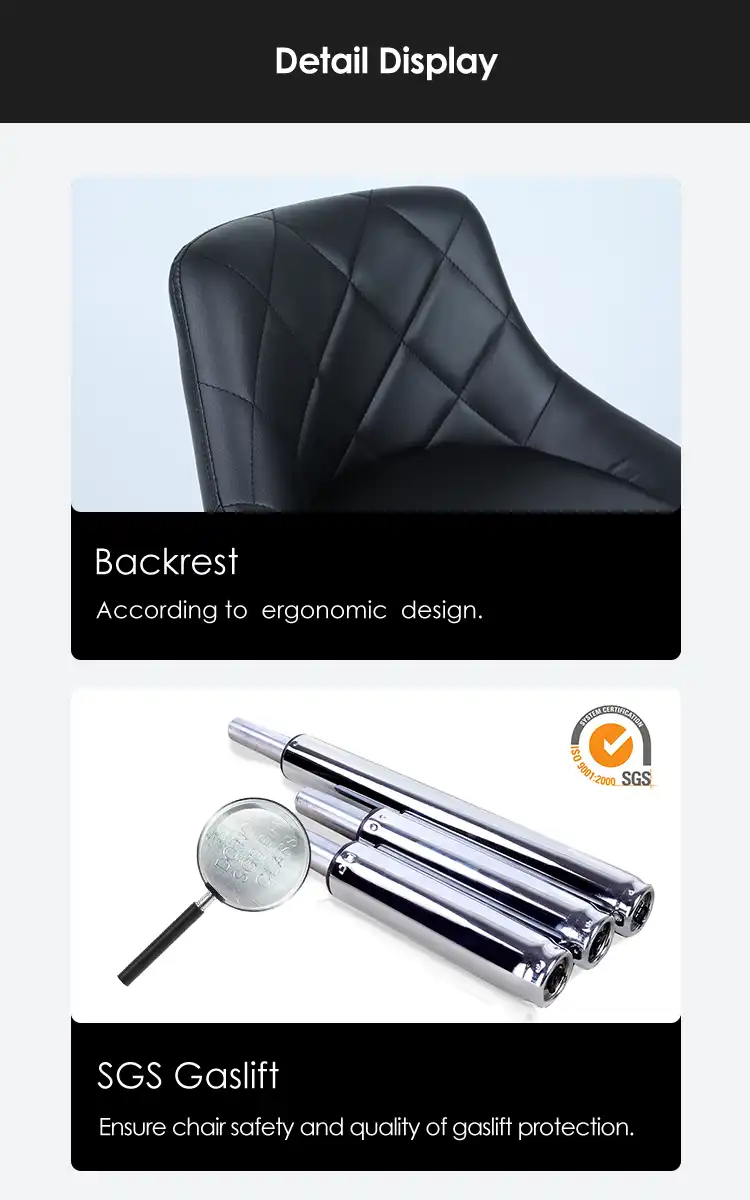
Good leather furniture resists business wear. Top-grain leather with semi-aniline finishes is laminated over high-density foam bottoms to withstand 7–10 years of 24-hour hospitality use. Using 0.8mm half-PU leather over 1.8cm primary cotton padding (22-density), Anji Yibo's leather kitchen bar stools are durable enough to withstand thousands of patron encounters. Cheap items often shatter due to drooping, but the built-in iron frame's 0.8 mm tube wall width supports it.
Cleaning guidelines remain straightforward. Daily cleaning involves wiping surfaces with pH-neutral-soaked microfiber wipes. This cleans food and drink spills without damaging topcoats. Leather stays supple with three-month conditioning treatments that replenish the natural oils professional cleaners remove. Compared to fabric choices, this streamlined maintenance plan requires less labor. This reduces operational costs for several units.
Fabric Vulnerability and Elevated Maintenance Demands
Fabric bar stools complicate business. Since fibers are permeable, they absorb liquids quickly. This allows wine, coffee, and sauce stains to penetrate the backing layers, where surface washing fails. In more populated areas, monthly professional vacuum cleaning disables spinning tables, causing complications during busy periods.
Another issue is color fading. Under UV light from large kitchen windows or skylights, fabric colors fade after 18 months. This causes inconsistent hue, which hurts the interior. To match dining room color schemes, buying teams must phase out whole seating sections, raising replacement costs. The cumulative maintenance difference becomes obvious when you calculate running expenses over five years. Leather seats require 15 hours of annual maintenance per 100 installed, whereas fabric seats require over 60 hours for vacuuming, spot treatment, and thorough cleaning. Maintenance charges are four times greater.
Comfort, Design, and Functionality: Meeting Diverse Business Needs
How effectively seating solutions perform ergonomically and appear in diverse environments affects brand image and customer experience. Each material offers advantages depending on the venue's concept and demands.
Ergonomic Characteristics and Extended-Use Comfort
A counter stool's comfort depends on several physical variables. Leather hide regulates temperature due to its micropores. This prevents perspiration and heat from imitation textiles that don't breathe while you sit for lengthy durations. In business cafeterias, where people sit on stools for more than 90 minutes to eat or work, this temperature control is extremely important.
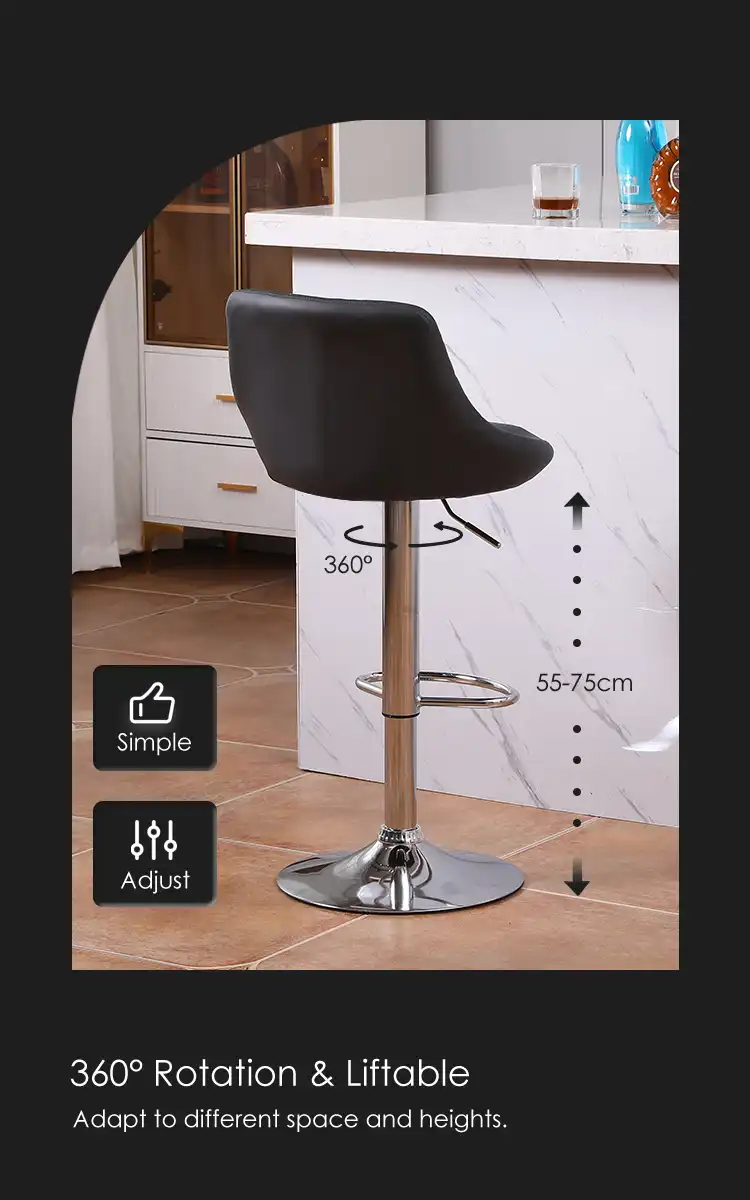
Our manufacturing approach incorporates 360-degree swivel mechanisms within the frame. This improves usability for persons with varying mobility profiles by allowing users to spin freely while seated. The multi-layer board foundation (1.2 cm thick) uniformly distributes weight, eliminating pressure points that might be unpleasant over time.
Design Flexibility and Brand Alignment
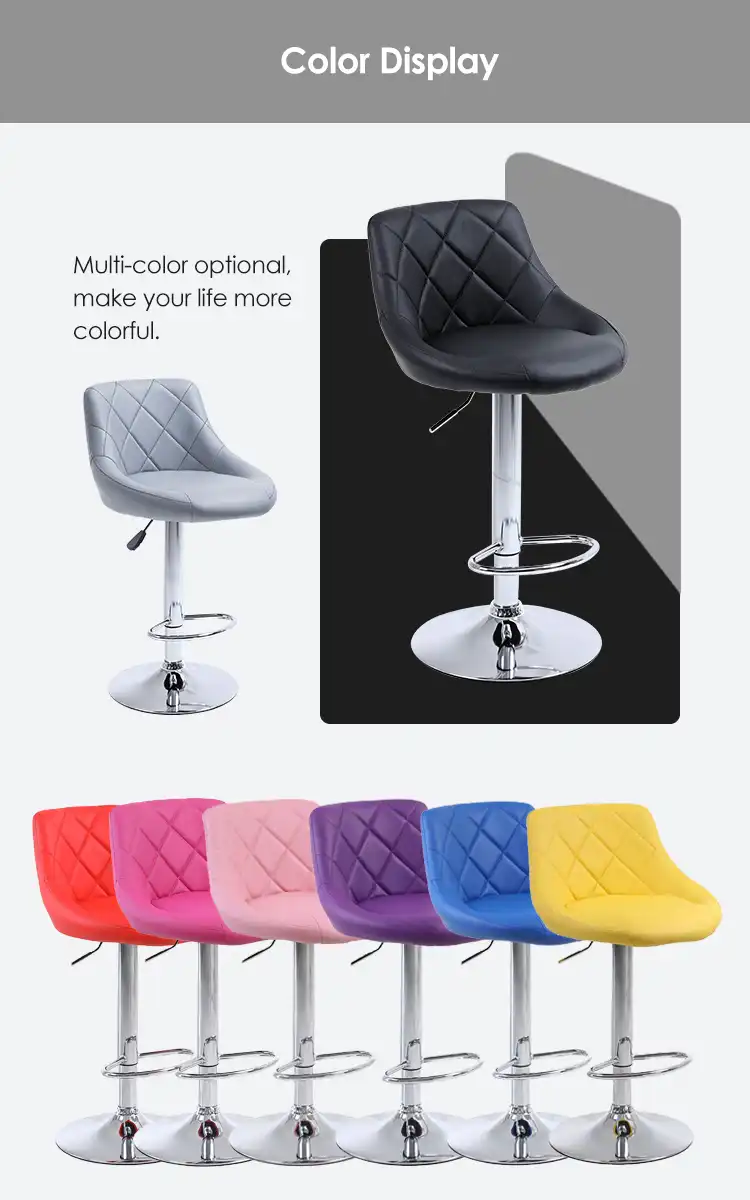
The flexibility to modify seat designs allows procurement teams to fit design vision and business brand guidelines. Leather comes in many styles, from worn-in, rustic designs for gastropubs to slick, contemporary high-gloss for minimalist hotel lobbies. There are several color options, and OEM relationships allow custom coloring.
Anji Yibo's infrastructure enables for bespoke leather, velvet, color, and size parameters. We collaborate with customers to create market-specific products with our 10 or more specialized R&D staff. They may modify the seat width to match North American ergonomic requirements or the chair arrangement to suit European cafés. Fabrics contain many patterns and textures, making it difficult to maintain a uniform look between production batches. Dye lot variances can cause color mismatches, disrupting hospitality brands' unified look.
Cost, Procurement, and Market Availability: Tailored for B2B Sourcing
Procurement strategy comprises unit pricing, acquisition cost, supplier dependability, and long-term collaboration. Knowing the full financial situation enables you source based on facts.
Initial Investment Versus Lifecycle Value Analysis
Due to the high quality leather and complexity of creating them, leather bar stools are initially more expensive. Smart purchasers examine buying budgets and calculate servicing costs per year instead of simply the purchase price. A leather stool that costs more but lasts 8–10 years is preferable than a fabric stool that needs to be replaced every 3–4 years due to staining or irreparable damage. Buy by the container to benefit from economies of scale and improved unit economics. Tiered pricing and good payment terms might benefit buyers who buy 500 units or more and meet the project's cash flow demands.
Supplier Evaluation and Partnership Criteria
Operating capabilities and service infrastructure are key to finding manufacturers that can sustain multi-year purchase agreements. Combined iron frame fabrication facilities, like our metalworking operations, can manage quality across the manufacturing chain. This eliminates third-party component provider variation. Our almost 6,000-square-meter industrial site can manage many production runs at once, so we can ship containers on time even during peak demand. Certification portfolios demonstrate your commitment to foreign standards. ISO 9001:2015 quality management, BIFMA structural testing, and FSC sustainable buying credentials demonstrate manufacturing strictness.
Logistics and Import Considerations
Buying furniture abroad requires navigating complex supplier chains. Bulk optimization in package engineering affects landing costs. Our space-saving packaging—two pieces per box in 55x45x48cm units—maximizing each container reduces freight costs. Stronger boxes and individual wrapping prevent breakage, saving money on return shipment and new purchases. Experienced manufacturers communicate with freight forwarders to ensure capacity during shipping bottlenecks and provide buyers realistic arrival dates to organize installation around building milestones.
How to Choose Between Leather and Fabric Counter Stools: A Decision-Support Guide
Structured assessment methods that match product attributes with operational data and company goals aid purchase decisions. This strategy ensures that the picking process meets short-term and long-term strategic goals.
Defining Procurement Requirements Through Operational Analysis
Effective sourcing requires measuring consumption and surroundings. Restaurants that serve over 200 people daily exhibit wear patterns orders of magnitude greater than residential-grade items. Places with food odors, temperature variations, and frequent cleaning require materials that can bear these challenges. Budget models should consider lifespan economics, not simply purchase costs. Calculating the total cost of ownership over the estimated service life shows how material decisions affect finances. Maintenance, cleaning, and replacement cycles are included.
Critical Decision Factors and Weighting Methodology
Procurement teams should assess applicant importance to the business when hiring. Durability and maintenance are given 35–40% of the selection weight since they affect operational expenses. Sitting affects how people feel about a location and the brand, therefore aesthetic alignment with brand image should be weighted 25–30%. Comfort and utility should account for 20–25% of your selection, especially in long-term accommodations. The final 10–15% should depend on supplier reliability and service, because weak connections devalue even the greatest items.
Strategic Sourcing and Vendor Partnership Development
To select manufacturing partners who can adapt to changing company demands, look at their working depth and desire to collaborate. Suppliers who provide ODM might provide diverse items. This provides purchasers a local market advantage through personalized sizes, colors, or functionality. Geographic knowledge matters; Anji boasts several furniture makers with access to specialized labor pools and component ecosystems. This advantage means constant quality and scalable production. A long-term cooperation should influence seller selection, where value increases with each purchase cycle when manufacturers solve difficulties.
Conclusion
The choice between leather leather bar stools and fabric bar stools affects their performance and profitability. Leather upholstery lasts longer, is more durable, and requires less maintenance. Even though the initial expenditure is expensive, these benefits decrease ownership costs. These performance attributes enable B2B buyers who manage hotels, restaurants, or business facilities keep expenses low and brand consistency. Leather is still the most durable, but fabric solutions may be cheaper or look nicer. Strategic buying from experienced makers with ODM expertise, export knowledge, and a complete support structure ensures long-term purchase decisions.
FAQs
What distinguishes quality leather upholstery in commercial bar stools?
Premium leather kitchen bar stools are crafted from full-grain or top-grain skins with over 2000N tensile strength and 50,000+ Martindale wear cycles. Semi-aniline topcoats maintain grain without hiding it, combining durability and beauty. The structure should employ high-resilience foam with a density of 22 or above to maintain comfort. 1.8 cm primary cotton padding and strengthened iron frames (0.8 mm tube wall) prevent our products from failing like lighter-gauge rivals and extend their business life.
How do maintenance costs compare between leather and fabric stools over five years?
Clean leather weekly with pH-neutral cleaners and condition every three months. This requires 15 hours per 100-seat installation per year. Fabric alternatives must be vacuumed daily, spot-treated every two weeks, and deep-cleaned monthly, requiring over 60 hours of effort each year. Leather saves 40 to 55 percent on maintenance and replacement costs over five years when you factor in cleaning supplies and labor at standard commercial rates and the fact that fabric needs to be replaced every three to four years while leather lasts eight to ten.
Can leather counter stools accommodate branding customization for private label programs?
Experienced OEM/ODM manufacturers can handle many materials, sizes, colors, and functionalities. Our research and development team works with buyers to create bespoke leather grades, colors that match business palettes, seat sizes that meet regional ergonomic demands, and branded packaging for private label distribution. Customization includes turning mechanics, footrest placement, and weight capacity. Complex requirements affect production minimums and development times. Experienced suppliers adapt their manufacturing methods to accommodate particular demands without influencing delivery schedules.
Partner With YIBO for Your Commercial Seating Solutions
If you require a counter stool, Anji Yibo Furniture Co., Ltd. has made specialist furniture for 14 years. Our leather kitchen bar stools offer B2B buyers durability and customisation with 0.8 mm half-PU upholstery, stronger iron frames, and 360-degree swivel. As a well-known firm that has served 70 global countries for years, we can manage container-level orders with fair wholesale costs, OEM/ODM development, and reliable transportation partnerships to ensure North American targets receive their goods on time. Our ISO 9001:2015 and BIFMA certifications demonstrate our quality procedures, and our 24-hour response guarantee and comprehensive insurance coverage provide you piece of mind. Contact our experienced sales staff at yb@ajyibo.com to discuss your project objectives.
References
1. Anderson, M. (2021). Commercial Furniture Procurement: Lifecycle Costing and Material Selection Strategies. Hospitality Design Institute Press.
2. Chen, L. & Roberts, K. (2022). "Comparative Analysis of Upholstery Materials in High-Traffic Commercial Environments." Journal of Interior Design Research, 48(3), 112-129.
3. International Furniture Manufacturing Association. (2023). Material Performance Standards for Contract Seating: Technical Guidelines for B2B Procurement. IFMA Publications.
4. Morrison, J. (2020). Ergonomic Seating Design for Commercial Applications: Engineering Principles and Market Applications. Industrial Design Quarterly.
5. Peterson, R. & Zhang, W. (2023). "Total Cost of Ownership Models in Commercial Furniture Acquisition." Supply Chain Management Review, 27(2), 45-61.
6. Williams, S. (2022). Global Furniture Supply Chains: Sourcing Strategies and Manufacturing Partner Selection. International Trade Publications.