

 (1)_1777442575043.jpg)
How to Choose the Best Barstool for Your Restaurant?
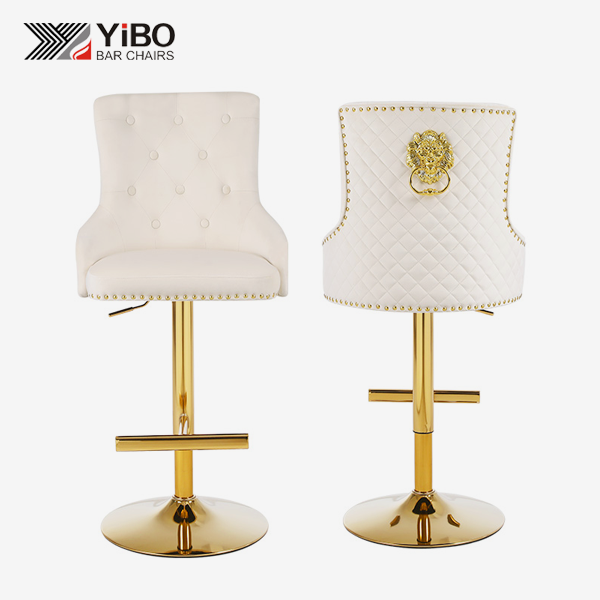
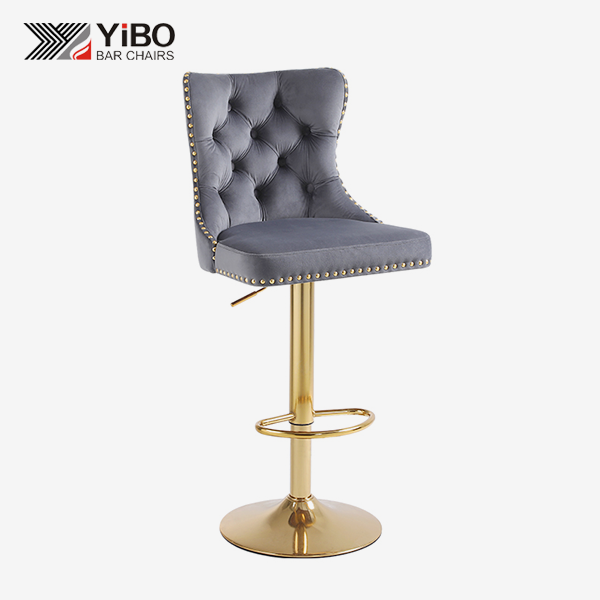
When choosing the right restaurant stools bar chair, you need to think about how long it will last, how it looks, and how it will work in a business dining setting. Commercial barstools, unlike residential seats, have to withstand heavy traffic, spills, and stains, and keep looking good after years of constant use. Professionals in procurement should put the strength of the structure, the durability of the materials, and the dependability of the provider at the top of their list when figuring out how much a container-level order will cost. Knowing that counter stools are 24 to 26 inches high and bar height is 29 to 32 inches high will help your guests' bodies stay in the right position on the raised surfaces in your venue. This guide talks about important selection criteria that will help importers, sellers, and project workers make smart choices that will protect your investment and make guests more comfortable.
Understanding the Essential Criteria for Choosing Restaurant Barstools
To make the right choice, you should first look at what your place needs to run and what your guests expect. During the decision process, many technical and aesthetic factors must be taken into account, as they have a direct effect on both customer happiness and long-term cost management.
Seating Area Requirements and Height Standards
Bars and counter-height dining rooms are very different, and they both need different sizes of seats. The distance from the floor to the seat surface of bar-height seating is usually between 29 and 32 inches. It is made for tables that are 40 to 42 inches high. Counter-height models are 24 to 26 inches tall and go with 36-inch surfaces that are popular in casual eating rooms. Correct height matching keeps guests from being uncomfortable and slouching, which can shorten their stay and make them less likely to come back. Before you buy your bar or counter surface, make sure you carefully measure it to make sure it fits in with your floor plan.
Material Durability and Performance Characteristics
When there is a lot of foot traffic in a business setting, the choice of material has a direct effect on the costs of upkeep and replacing. Powder-coated metal frames don't rust when drinks are spilled on them or when cleaning products are used too harshly, which makes them perfect for parties and sports bars. When mortise-and-tenon joint is used correctly, solid wood constructions, especially those made of rubberwood and beech, can hold more than 300 pounds and look great for a long time. Upholstered chairs made of commercial-grade vinyl or linen fabrics are comfortable, but they need to be treated to keep them from getting stained and have their stitches strengthened so they can handle being rubbed against many times. Our factory makes restaurant stools, bar chairs with jet black rubberwood feet that combine traditional craftsmanship with modern resilience standards. These feet are very durable and work well in places that value natural materials.
Ergonomic Features That Enhance Guest Comfort
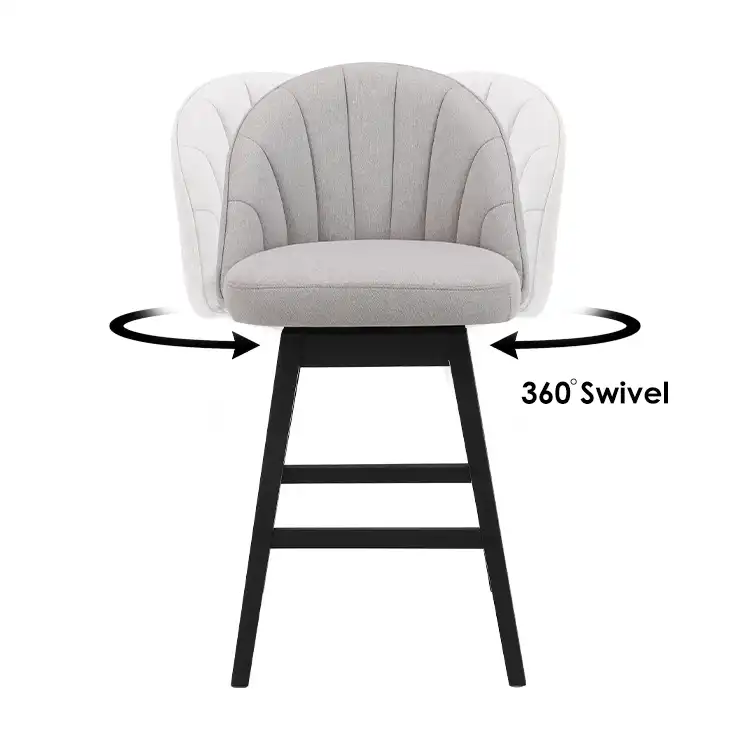
Ergonomics is not a leisure cost; it's an investment that brings in money because it makes guests happier, which leads to longer stays and more money per table. When placed 7 to 9 inches below the seat surface, footrests help keep your legs from getting tired after long times of sitting. The weight is spread out evenly on contoured seats with slight concave shapes, so there are no pressure spots that hurt after 20 minutes. Backrests that are angled between 95 and 105 degrees support the natural curve of the spine without allowing too much lounging, which slows down table change. Swivel devices that can turn 360 degrees make it easy for guests to enter and leave without pulling seats across the floor. This protects both the floor's finish and the sound quality.
During the design step, material choices should be based on how easy they are to maintain. Surfaces that don't absorb water, like sealed wood or industrial vinyl, make it easy to clean quickly between seats, which is very important for places that serve food. Cushions that can be taken off and replaced with secret buttons make it easy to do so without having to throw away whole units. Dark colors and patterned fabrics hide small stains better than basic light colors, making it look like the clothes are in better shape in tough settings.
Comparing the Top Types of Restaurant Barstools
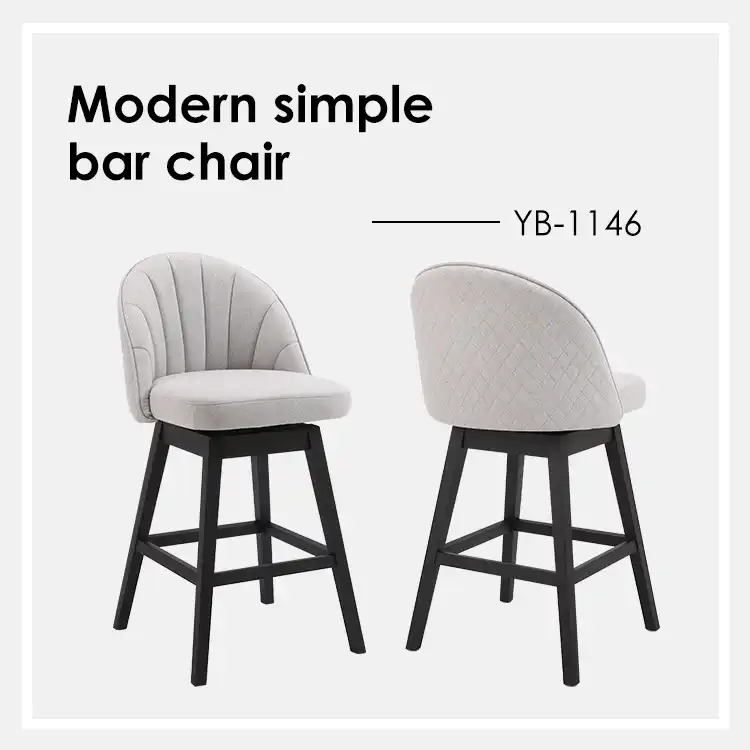
Knowing how the different types of barstools work helps procurement teams make sure that purchases are in line with business needs and the look of the place. Depending on traffic trends and business positioning, each design method has its own benefits.
Fixed versus Swivel Base Configurations
Fixed-base types are the most stable and easiest to maintain. They are perfect for high-volume areas where durability is more important than ease. Their static design gets rid of the technical weak spots that come with moving parts, which lowers the cost of repairs over time. Swivel stools make it easier for guests to get around, which is especially helpful for older customers or people who have trouble moving around. In high-end commercial models, the spinning square bracket system has self-centering return devices that keep things looking neat when seats are empty. Heavy-duty ball-bearing swivel assemblies that can handle 50,000 spin cycles are used in our production process. This means that the products will work smoothly for years, even in busy nightclubs.
Backrest Options and Their Impact on Venue Flow
Backless designs for restaurant stools, bar chairs, and stools let more light in and let people move around naturally, which makes them ideal for fast-casual ideas that value quick table change. Not having backrests also makes the footprint per seat smaller, which lets more seats be arranged in places with limited room. Low-back models for restaurant stools, bar chairs, and stools with 8- to 12-inch support panels are good for brewpubs and casual eating places where people spend 45 to 90 minutes a day. They are comfortable and make good use of space. Full-back restaurant stools, bar chairs, and stools with lumbar support turn bar sitting into a destination dining area, supporting longer stays in high-end hotel lounges and wine bars where higher check averages allow for longer occupancy times.
Material Comparisons for Commercial Longevity
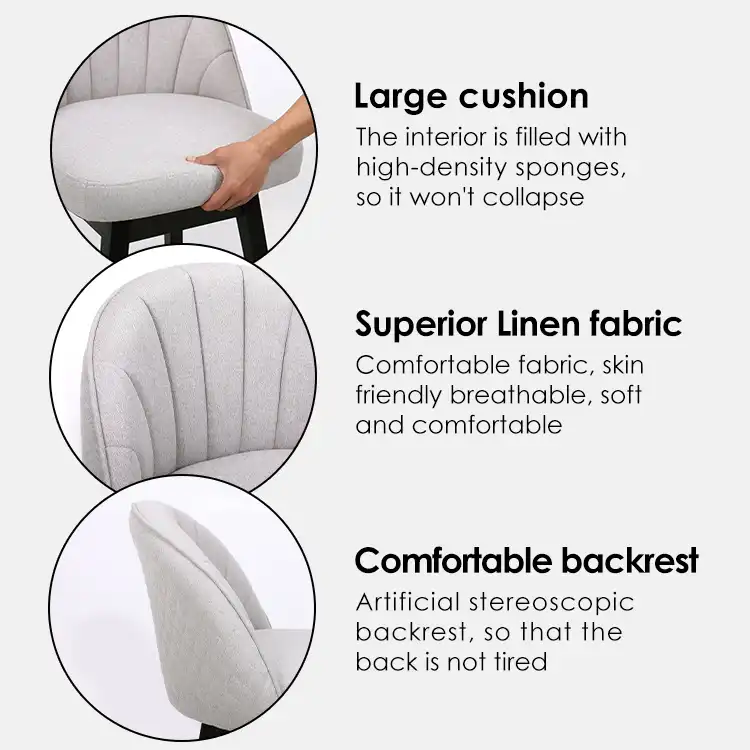
All-metal designs are the most durable in extreme-use situations. They can withstand hits and repeated weight cycling without breaking down. Powder-coated steel frames keep their good looks even after being exposed to water and cleaning chemicals every day. Wooden frames are warm and classy, especially if they are finished with commercial-grade varnish that doesn't let alcohol or heat mark through. Rubberwood comes from latex-producing trees that have reached the end of their useful life. It is an environmentally friendly option to oak that has the same density but costs less. Upholstered seats made of linen or textured fabrics makes high-end places more comfortable to be in, but it needs more frequent cleaning and upkeep.
The way things are put together is very important for both foreign shipping and fitting on-site. When compared to fully built units, knock-down designs with wooden feet packed in boxes cut shipping volumes by about 40%, which lowers the cost of containers for large orders. Standardized hardware kits with Phillips-head screws and clear visual instructions make it easy for venue staff to put together quickly without the need for special tools. This saves money on installation labor costs during tight repair schedules.
Strategic Procurement: Finding the Right Supplier and Negotiating Deals
A good procurement process includes more than just the product specs. It also includes the skills of the seller, the dependability of the logistics, and the infrastructure for support after the sale. Building ties with manufacturers who know what business hospitality needs saves your investment and makes it easier to place reorders.
Evaluating Manufacturer Credentials and Production Capacity
Reliable providers show that they can produce large quantities and have experience exporting, which makes sure that the quality of all big orders is the same. With specific assembly lines and manufacturing sites that are bigger than 6,000 square meters, they should be able to handle container-level purchases without affecting shipping times. You can be sure that your goods will meet the building codes in the countries you want to sell them to by getting certifications that show they meet foreign standards. These standards may include fire retardancy ratings and structural load tests. Our factory in Anji has been making business seats for 14 years and ships containers to 70 countries every month while following strict quality control rules at every stage of production.
OEM and ODM Customization for Brand Differentiation
With private label capabilities, generic restaurant stools, bar chairs, and other seating can be turned into unique assets that help the place stand out in the market and strengthen its identity. When you work with an OEM, you can choose your own materials, color schemes, and logos to be embossed in a way that fits perfectly with interior design ideas. Through ODM teamwork, supplier design teams create unique models based on your market research and analysis of the competition. This makes goods that are unique and can't be found by rivals. For customization to work, providers need to have their own research and development departments and sample facilities. These departments need to have teams that can turn idea sketches into production-ready prototypes in three to four weeks. Our skilled research and development (R&D) team supports full-process customization, from the first sketch to sample production, to make sure that your vision is correctly translated into finished products.
Warranty Coverage and After-Sales Support Structure
Full guarantee plans show that the company that made the product is confident in its durability and protect your investment from failing too soon. Commercial-grade seating should come with structural guarantees that cover the frame's stability for at least three years. Mechanical parts like swivel systems should also be covered separately. When organizing foreign packages or dealing with quality issues, it's important to have responsive customer service infrastructure, such as answering questions 24 hours a day and providing technical help in English. Make sure you know when new parts are available and how long it takes to get them while you're evaluating suppliers. Not being able to get individual parts means you have to replace the whole unit for small fixes.
Shipping transportation skills are what set good providers apart from great partners. Expert shippers know how to package goods so that containers are used as much as possible, which lowers the cost of freight per unit for large orders. Our normal packaging layout includes two pieces per carton that are 62 x 54 x 52.5 cm. This gets a volume efficiency of 0.175 cubic meters per pair, which lets you load containers in a way that uses the least amount of room and cuts down on shipping costs. Reliable sellers also work with well-known freight forwarders who handle customs paperwork and make sure your goods get to your warehouse or job site on time.
Maintenance Tips and Longevity Strategies for Restaurant Barstools
To protect your investment in seating, you need to follow maintenance guidelines that are special to the material. These guidelines will keep the seats looking good even after they've been used for a long time in a business setting.
Routine Cleaning Protocols by Material Type
Cleaning metal frames once a week with pH-neutral soaps that won't damage powder-coat finishes or speed up rust is necessary. Do not use rough scrubbing pads because they leave tiny scratches that allow water to get through protection layers. Wooden parts should be polished once a month with furniture shine that contains UV inhibitors to keep them from fading in sitting areas next to windows. If you spill something on commercial-grade linen furniture, you need to blot it up right away with an absorbent cloth so the stain doesn't set. Then, you need to clean the spot with upholstery-specific solutions that won't damage the fabric treatments.
Daily inspections find problems as they start to appear on restaurant stools, bar chairs, and other seating before they get too bad to fix for a lot of money. Every week, make sure that all of the hardware is tight. This is especially important for swivel systems and leg-to-frame joints, where vibrations can open screws over time. The screw bag with Phillips-head bolts that comes with our models makes it easy to fix them again during regular maintenance checks. Check the footrests and floor glides for damage that could happen to the floor or shaking that guests might think is a sign of low quality.
Preventive Care That Extends Service Life
Taking protective steps greatly increases the number of replacement processes and keeps things looking like new. Changing the floor glides every 18 to 24 months keeps metal from rubbing against the floor, which can damage hardwood or tile surfaces and make noise complaints. Rotating sitting places every three months spreads out wear patterns evenly across your inventory. This keeps some units from breaking down too quickly in areas with a lot of foot traffic. Using fabric protectant sprays on upholstered seats every six months makes unseen shields that keep liquids and oils from sticking, which greatly reduces the number of lasting stains.
The environmental factors in your place can also affect how long your furniture lasts. Keep the relative humidity between 40% and 60% to keep wood parts from coming apart because of cycles of expansion and contraction. Place seats away from direct HVAC vents that cause temperature changes in one area that are hard on materials. Window covers that block UV rays protect finishes in places that get a lot of sun, where long-term exposure to the radiation breaks down coatings and fabrics.
Conclusion
The best restaurant stools bar chair selection requires a thorough analysis of business needs, guest groups, and supplier capabilities. Professionals in procurement have to balance short-term budget limits with long-term costs, knowing that high-quality building gives a better return by lasting longer and requiring less replacements. The type of material you choose should depend on how people will be using the space and how you want it to look. For example, metal frames are good for places that need to last, wood frames are nice and warm, and cushioned frames are very comfortable. Partnering with suppliers is just as important as working with customers. What sets key partners apart from adequate vendors are their production experience, ability to customize products, and reliable logistics. Importers, dealers, and project builders can choose seating solutions that make guests happier and protect the long-term value of their investments in competitive hospitality markets by using the selection criteria and upkeep tips in this guide.
FAQ
1. What is the difference between bar stools and counter stools?
Bar stools have seat heights between 29 and 32 inches and are made to fit bar tops that are 40 to 42 inches high. From the floor to the seat, counter stools are 24 to 26 inches high. They go with 36-inch counters that are popular in kitchen islands and casual eating areas. Choosing the right height group ensures optimal alignment, which keeps guests from being uncomfortable because their legs aren't in the right place. By matching the height of your stool to the size of your table, you can create a comfortable eating position that makes you want to stay longer.
2. Which materials work best for high-traffic commercial environments?
Metal frames with powder-coated finishes and commercial-grade cloth seats make these chairs last as long as possible in places like parties and sports bars where they are used a lot. For high-end settings that value natural materials, solid rubberwood designs with reinforced joints and polyurethane finishes are very durable. The choice depends on how you want it to look and how easy it is to keep up. Metal doesn't need much care, but wood needs to be conditioned regularly to keep its look.
3. Can I customize barstools to match my restaurant's brand identity?
Professional makers offer a wide range of OEM and ODM customization options, such as unique color specs, brand embossing, changes to the size and shape of the product, and material choices. Working with providers who also have their own research and development departments lets you come up with designs that your rivals can't copy. Customization usually needs a minimum order quantity to cover the cost of the tools. This method works well for procurement managers who need to place container-level orders or furnish multiple sites with labeled furniture that looks the same.
Partner with YIBO: Your Trusted Restaurant Stools Bar Chair Manufacturer
YIBO offers a wide range of business seating options that are designed to work well in busy restaurant settings. Our factory in Anji has 6,000 square meters of production space and 14 years of specialized experience, so you can be sure that you'll always be able to get what you need at the container level. We know the problems that international furniture importers and project contractors face. That's why our professional team is available 24 hours a day, 7 days a week to answer your questions in English. We also offer full OEM/ODM customization through our dedicated R&D department, and space-efficient packaging for bulk orders that lowers shipping costs. Our production capabilities and quality control systems deliver consistent results across repeated orders, whether you need long-lasting metal-frame models for high-traffic settings or handmade wooden restaurant stools bar chair that reflect your brand story. Email our export team at yb@ajyibo.com to talk about your special needs, get samples of our products, or set up a meeting with our plant. We're dedicated to forming long-term relationships with you that help your business grow through dependable production, affordable prices, and quick service as a reputable restaurant stools bar chair provider serving 70 countries.
References
1. National Restaurant Association, "Restaurant Industry Operations Report 2024: Furniture and Fixtures Procurement Trends"
2. Hospitality Design Magazine, "Commercial Seating Specifications for High-Volume Venues: A Technical Guide"
3. International Furniture Manufacturers Association, "Material Durability Standards for Commercial Seating Applications"
4. Cornell University School of Hotel Administration, "Ergonomic Factors Affecting Guest Satisfaction in Bar Seating Environments"
5. Global Hospitality Procurement Council, "Strategic Sourcing Best Practices for International Furniture Buyers"
6. Journal of Commercial Interior Design, "Case Studies in Restaurant Furniture Selection and Lifecycle Cost Analysis"