

 (1)_1777442575043.jpg)
How to Pick Kitchen Counter Stools (Avoid 6 Mistakes)?
Picture this frustrating scenario: you've just spent hours searching for the perfect kitchen stool, only to discover they're too tall for your counter, leaving your knees jammed awkwardly underneath. Or perhaps they're too short, making you feel like a child sitting at an adult's table. Choosing the wrong kitchen counter stools is one of the most common and costly mistakes homeowners make during kitchen renovations. This comprehensive guide reveals six critical mistakes to avoid when selecting kitchen counter stools, ensuring your investment delivers both comfort and style for years to come while transforming your kitchen into a functional, inviting space where family and friends naturally gather.
Understanding Kitchen Stool Height Requirements
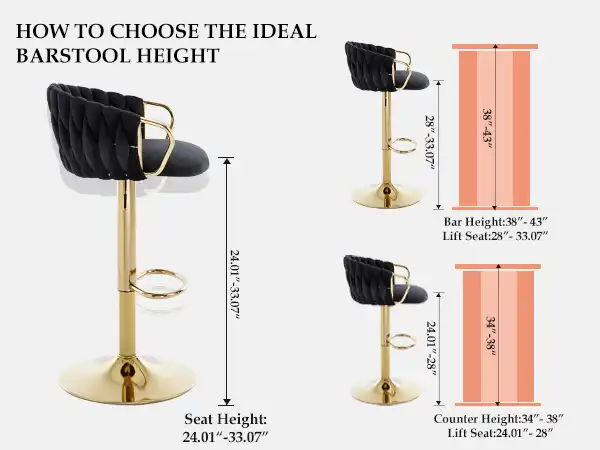
The foundation of selecting the right kitchen stool begins with understanding height requirements, as this single factor determines whether your seating will be comfortable or completely unusable. Counter stools typically range from 24 to 27 inches from floor to seat, designed specifically for standard kitchen counters that measure 34 to 36 inches tall. The golden rule when choosing a kitchen stool is maintaining 9 to 12 inches of clearance between the seat top and the counter's underside, providing adequate legroom for comfortable sitting without feeling cramped or restricted. Many homeowners make the critical error of confusing bar stools with counter stools, purchasing bar-height seating that measures 29 to 32 inches tall for their standard kitchen islands. This mismatch creates an uncomfortable dining experience where guests struggle to fit their legs beneath the counter, plates sit awkwardly at chest level, and the entire setup looks visually disproportionate. Before purchasing any kitchen stool, measure your counter height carefully from floor to underside, subtract 10 to 12 inches, and use this calculation as your target seat height range.
-
Adjustable Height Solutions for Non-Standard Counters
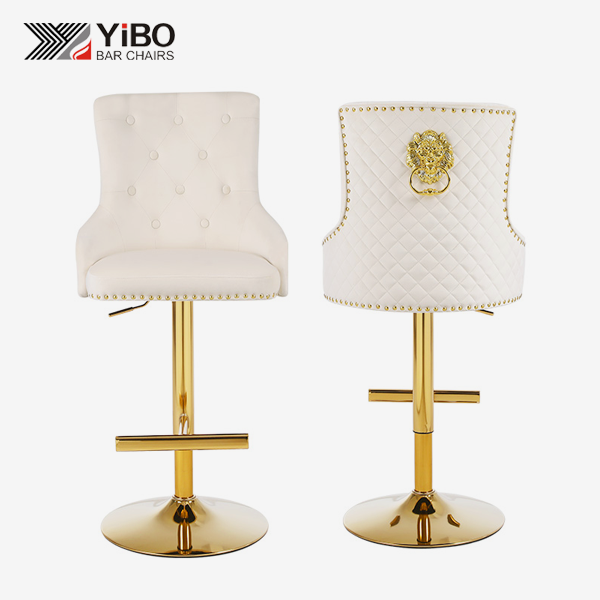
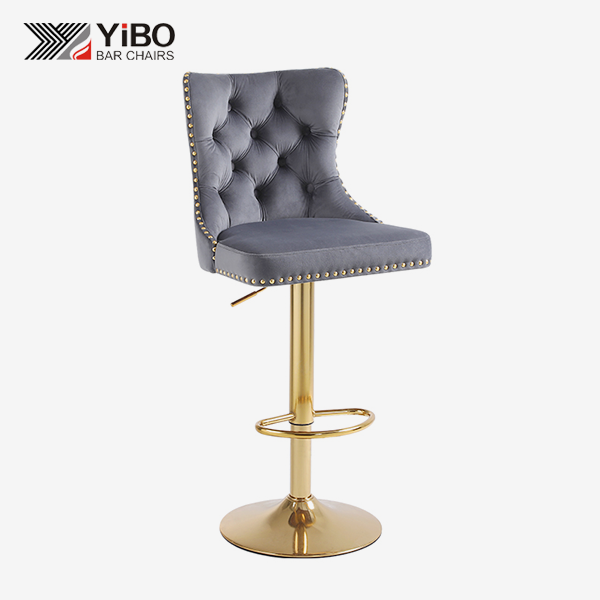
When dealing with non-standard counter heights, adjustable kitchen stools offer versatile solutions that accommodate varying requirements within a single household. These innovative designs feature gas lift mechanisms allowing seat height adjustments typically ranging from 33 to 41 inches, making them ideal for kitchens with raised bars, customized islands, or families with significant height differences among members. Anji Yibo's leather kitchen bar stools incorporate precisely this adjustable feature, combining functionality with premium materials including multi-layer board construction measuring 1.2 centimeters thick, primary cotton padding of 1.8 centimeters with 22 density rating, and 0.8 millimeter thickness half-PU leather upholstery. The structural integrity of adjustable kitchen stools depends heavily on manufacturing quality, particularly the built-in iron frame with tube walls measuring 0.8 millimeters thick that provide stability during height adjustments while supporting weight capacities up to 300 pounds. The 360-degree swivel capability adds another dimension of comfort, allowing users to rotate freely without repeatedly standing and repositioning their kitchen stool, though this feature requires careful consideration when young children frequently use the seating area.
Mistake #1: Ignoring Spacing and Quantity Calculations
One of the most overlooked aspects when selecting kitchen stools involves calculating proper spacing between individual seats and determining how many stools your counter can realistically accommodate. Professional designers recommend allocating 21 to 24 inches of counter length per kitchen stool, with the smaller measurement suitable for compact stool designs and the larger allowance necessary for generously proportioned seating with arms or wider bases. This spacing ensures adequate elbow room, prevents guests from feeling cramped shoulder-to-shoulder, and provides sufficient space for comfortable mounting and dismounting movements. Calculate your seating capacity by measuring the total length of your counter's seating area, then dividing this measurement by either 21 or 24 inches depending on your preferred stool scale. For example, a 72-inch kitchen island could accommodate either three generously sized leather kitchen bar stools at 24 inches each or potentially four more compact kitchen stools at 21 inches spacing. Remember that swivel stools require additional clearance—typically an extra 2 to 3 inches per seat—because knees need room to rotate sideways as the seat turns, making this feature's convenience worth the reduced seating capacity in most entertaining-focused kitchens.
-
Counter Overhang Considerations
Counter overhang depth significantly impacts both comfort and the type of kitchen stool you should select for optimal functionality. Standard counter overhangs measure 10 to 12 inches from the cabinet face to the counter edge, providing adequate knee clearance for most adults sitting on appropriately sized stools. However, shallow overhangs measuring less than 10 inches require careful stool selection, favoring backless or slim-profile designs that minimize depth and prevent users from sitting too far back from the counter surface. Anji Yibo's leather kitchen bar stools feature seat dimensions measuring 18 inches wide by 16 inches deep, striking an ideal balance between generous seating comfort and spatial efficiency that works well with standard residential counter overhangs. The thoughtful engineering behind these dimensions ensures users can sit comfortably without their knees hitting cabinet faces while maintaining proper posture alignment with the counter surface above, creating an ergonomic seating experience suitable for everything from quick morning coffee to extended family meals.
Mistake #2: Prioritizing Style Over Comfort Functionality
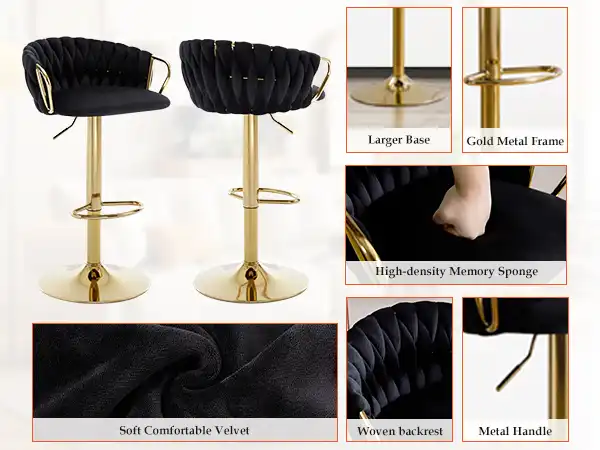
While aesthetics certainly matter when coordinating kitchen stools with your overall design scheme, comfort should never be sacrificed purely for visual appeal, especially when your kitchen island serves multiple purposes beyond quick snacks. Consider honestly how your family actually uses counter seating: do children perch there briefly for after-school snacks, or do they spend hours completing homework assignments? Do guests casually lean against stools during cocktail parties, or do dinner parties involve lengthy seated conversations while the host finishes meal preparation? For extended seating sessions, comfort features become non-negotiable requirements rather than luxury additions. Padded seats dramatically improve sitting comfort during meals lasting 30 minutes or longer, particularly important for children who naturally have less natural padding and tire quickly on hard surfaces. Back support transforms a kitchen stool from temporary perch to legitimate dining chair alternative, providing crucial lumbar support and creating psychological comfort that encourages people to sit longer and engage more fully in conversations. Leather kitchen bar stools from manufacturers like Anji Yibo address these comfort considerations through ergonomic design principles developed over 14 years specializing in seating research and development, incorporating features like customizable leather or velvet upholstery that balances durability with sitting comfort.
-
Material Selection Impact on Daily Use
Material choices for your kitchen stool dramatically affect both aesthetic appeal and practical maintenance requirements, making this decision crucial for long-term satisfaction. PU leather upholstery offers exceptional durability and easy cleanup—critical advantages for households with young children prone to spills—while providing the sophisticated appearance of genuine leather at more accessible price points. The 0.8 millimeter thickness half-PU leather used in quality kitchen stools resists staining, wipes clean with damp cloths, and maintains its appearance through years of daily use without the cracking or peeling associated with lower-quality synthetic materials. Metal frame construction provides structural longevity that wooden alternatives cannot match in high-traffic kitchen environments, with powder-coated finishes resisting scratches, moisture damage, and the inevitable bumps that occur in busy family kitchens. The iron frame with 0.8 millimeter tube walls in Anji Yibo's designs ensures each kitchen stool maintains stability even after years of use, supporting weights up to 300 pounds without wobbling or structural degradation. When leather or velvet customization options are available, as offered by experienced China kitchen stool manufacturers, homeowners can coordinate upholstery colors with existing kitchen palettes while maintaining the practical benefits of easy-clean surfaces.
Mistake #3: Overlooking Back Design and Support Options
The decision between backless, low-back, and full-back kitchen stools significantly impacts both aesthetics and functionality, yet many homeowners make this choice based solely on visual preferences without considering practical implications. Backless stools offer undeniable space-saving advantages, tucking completely beneath counters when not in use and maintaining clean sight lines that prevent kitchens from feeling visually cluttered. These streamlined designs work exceptionally well in minimalist contemporary kitchens and situations where stools serve primarily as temporary perches for quick meals or casual standing-height conversations. However, backless kitchen stools prove problematic for families with young children, who benefit tremendously from back support that provides grounding and prevents the wiggly restlessness that inevitably occurs during longer sitting sessions. Parents universally report that children sit longer and complain less when kitchen stools include backs, making homework sessions and family meals more pleasant experiences. Full-back designs with substantial lumbar support transform kitchen counters into legitimate alternative dining spaces suitable for extended gatherings, though these bulkier profiles require careful consideration regarding counter material durability.
-
Stone Counter and Swivel Stool Compatibility
An often-overlooked compatibility issue arises when pairing swivel kitchen stools with stone or quartz countertops, as this combination can lead to significant cosmetic damage over time. Hard stool backs repeatedly bumping against stone counter edges create chips, scratches, and wear patterns that diminish the counter's appearance and potentially compromise its structural integrity at the edges. Homeowners with stone counters should either select backless designs, choose stools with cushioned backs, or opt for leather kitchen bar stools where the upholstery provides protective cushioning between hard frame components and expensive counter surfaces. The 360-degree swivel feature on quality kitchen stools enhances comfort and social interaction, allowing seated individuals to easily pivot toward conversations happening in adjacent living areas without awkwardly twisting their bodies or repeatedly standing to reposition. This functionality proves particularly valuable in open-concept floor plans where kitchen islands serve as social hubs during entertaining, enabling the seated person to engage with both the cook working at the island and guests relaxing in nearby family rooms. However, this convenience requires mindful use—establishing household rules about gentle swiveling rather than aggressive spinning helps protect both the stool's mechanism and surrounding counter edges.
Mistake #4: Neglecting Weight Capacity and Structural Quality
Weight capacity ratings reveal crucial information about a kitchen stool's structural integrity and manufacturing quality, yet many shoppers overlook these specifications entirely when making purchase decisions. Quality leather kitchen bar stools from reputable China kitchen stool manufacturers typically support 250 to 300 pounds safely, accommodating the vast majority of adult users with comfortable safety margins. These higher capacity ratings indicate robust construction featuring reinforced joints, quality materials, and engineering designed for longevity rather than minimal cost manufacturing. Examine construction details carefully when evaluating kitchen stools, looking for indicators of quality craftsmanship that predict years of reliable service. Multi-layer board construction measuring at least 1.2 centimeters thick provides stable seating platforms that resist warping and maintain structural integrity despite daily use and weight stress. Primary cotton padding with appropriate density ratings—22 density represents quality cushioning that balances comfort with durability—ensures seats remain comfortable without prematurely flattening or developing uncomfortable hard spots. Metal frame components should feature tube walls measuring 0.8 millimeters thick minimum, providing the structural strength necessary to prevent wobbling, frame flexing, or catastrophic failure under normal use conditions.
-
Manufacturing Expertise and Quality Assurance
Partnering with experienced China kitchen stool suppliers ensures access to products engineered through years of research, development, and manufacturing refinement. Anji Yibo Furniture Co., Ltd. brings 14 years of specialized chair manufacturing experience to every leather kitchen bar stool design, applying ergonomic principles and quality standards that meet the highest relevant international requirements. This expertise translates into tangible benefits: stools that feel stable and confidence-inspiring from the first use, upholstery that maintains its appearance through countless cleaning cycles, and mechanisms that operate smoothly after years of daily swiveling. The company's 6,000-square-meter facility equipped with advanced manufacturing equipment and staffed by experienced craftsmen produces furniture exported to 70 countries worldwide, demonstrating that their quality standards satisfy diverse international markets with varying expectations. This global reach provides confidence that kitchen stools from established China kitchen stool factories incorporate design refinements and construction techniques proven across multiple markets and use scenarios, rather than untested approaches from manufacturers lacking extensive real-world feedback.
Mistake #5: Choosing Inappropriate Features for Your Household
Feature selection must align with your household's specific composition and daily routines, as functionality requirements vary dramatically between young families, empty nesters, and households that entertain frequently. Swivel mechanisms that delight adults and facilitate conversation can prove hazardous for young children who may spin aggressively and fall, making fixed-position kitchen stools the safer choice for families with children under ten years old. Conversely, empty nesters who host regular dinner parties benefit tremendously from swivel functionality that enables animated conversations spanning kitchen and adjoining living spaces without guests repeatedly repositioning their seats. Upholstery choices similarly depend on household realities: light-colored fabric upholstery creates beautiful, inviting aesthetics but proves impractical in homes with messy children or pets prone to accidents. Leather kitchen bar stools with dark or medium tones hide minor imperfections while maintaining sophisticated appearances, and their wipeable surfaces allow quick cleanup of inevitable spills without permanent staining. The customization options offered by quality China kitchen stool wholesalers enable homeowners to specify upholstery materials and colors that match both design visions and practical requirements, creating beautiful seating that functions reliably within real-world constraints.
-
Footrest Height and Accessibility
Footrest positioning dramatically affects sitting comfort, particularly for shorter family members whose feet cannot reach the floor when seated on standard-height kitchen stools. Legs dangling without support grow uncomfortable remarkably quickly, causing fidgeting, postural shifting, and reduced sitting tolerance that undermines the counter seating's utility for meals or conversations. Quality kitchen stools feature footrests positioned to accommodate users ranging from approximately 5 feet 2 inches to 6 feet 3 inches tall, though households with extreme height variations benefit from adjustable models that adapt to individual users. The circular footrests incorporated into Anji Yibo's leather kitchen bar stools provide 360-degree foot placement options regardless of how users orient themselves in the swivel seat, eliminating the frustration of constantly repositioning feet to find the footrest after rotating. This thoughtful design detail exemplifies the ergonomic considerations that distinguish quality kitchen stools from basic commodity seating, creating experiences where users forget they're sitting on stools rather than full dining chairs because every comfort element has been carefully engineered.
Mistake #6: Failing to Verify Measurements Before Purchasing
The most preventable yet surprisingly common mistake involves purchasing kitchen stools without carefully verifying critical measurements, resulting in expensive returns, restocking fees, and prolonged delays in completing kitchen design projects. Beyond simply measuring counter height, comprehensive evaluation requires recording counter overhang depth, clearance height beneath the counter, total seating area length, and any obstacles like cabinet handles or decorative moldings that might interfere with stool placement. Create a detailed measurement checklist including all relevant dimensions, then compare these specifications against manufacturer product listings before committing to purchases. Professional designers recommend ordering physical samples when making significant investments in quality leather kitchen bar stools, as photographs and online descriptions cannot fully convey how materials feel, how mechanisms operate, or how designs integrate with existing décor elements. Many reputable China kitchen stool manufacturers and China kitchen stool suppliers offer sample programs precisely for this purpose, recognizing that customer satisfaction increases dramatically when buyers can physically evaluate products before placing full orders. The modest investment in sample costs prevents expensive mistakes and builds confidence that selected kitchen stools will deliver expected comfort, aesthetic integration, and functional performance.
-
Considering Future Flexibility and Replacement
Long-term satisfaction with kitchen stool selections requires considering whether chosen designs remain available for future purchases, particularly important when initial orders accommodate current needs but lifestyle changes or kitchen expansions require additional matching seating. Purchasing kitchen stools from established manufacturers with consistent product lines provides reassurance that replacements or additions remain accessible years after initial installation. Anji Yibo's 14-year manufacturing history and participation in major international furniture exhibitions including the Guangzhou Furniture Fair, Canton Fair, and upcoming appearances at the Cologne Furniture Fair demonstrates commitment to ongoing production and product support that extends beyond single transaction relationships. The one-year limited warranty included with quality leather kitchen bar stools from reputable sources provides additional peace of mind, protecting against manufacturing defects while demonstrating manufacturer confidence in construction quality and materials durability. Extended warranties signal that products meet rigorous quality control processes and manufacturers stand behind their workmanship, contrasting sharply with disposable furniture lacking meaningful guarantees. When evaluating kitchen stool price options, factor warranty coverage and manufacturer reputation into value calculations rather than focusing exclusively on initial purchase costs, as slightly higher investments in quality often prove more economical over five or ten-year timeframes.
Conclusion
Selecting kitchen counter stools requires balancing multiple considerations including height compatibility, spacing requirements, comfort features, material durability, household-specific functionality needs, and accurate measurements that ensure purchased products integrate seamlessly with existing kitchen designs.
Cooperate with Anji Yibo Furniture Co., Ltd.
Anji Yibo Furniture Co., Ltd. stands as your trusted China kitchen stool factory specializing in premium seating solutions combining ergonomic design, enduring quality, and sophisticated aesthetics perfected through 14 years manufacturing experience. As a leading China kitchen stool supplier, our 6,000-square-meter facility produces high quality kitchen stools exported to 70 countries, meeting international standards while maintaining competitive kitchen stool price points that deliver exceptional value. Our professional R&D team comprising 10+ experienced personnel supports OEM and ODM customization, developing leather kitchen bar stools and diverse seating products tailored to specific market requirements and individual client preferences. Whether you seek China kitchen stool wholesale partnerships or individual kitchen stool for sale inquiries, our experienced sales team provides comprehensive 24-hour support ensuring every question receives prompt, knowledgeable responses. As an established China kitchen stool manufacturer participating in prestigious exhibitions including the Guangzhou Furniture Fair, Canton Fair, and forthcoming international shows in Germany and the USA, we welcome your inquiries and factory visits. Contact us at yb@ajyibo.com to discuss your kitchen stool requirements and discover why discerning buyers worldwide trust Anji Yibo for seating solutions that transform kitchens into inviting, functional gathering spaces. Bookmark this guide for future reference as you navigate your kitchen design journey.
References
1. Henderson, Emily. "Choosing Counter Stools: A Designer's Guide to Comfort and Style." Interior Design Perspectives Quarterly, 2024.
2. Jones, Sue and McGee, Shea. "Ergonomic Seating Solutions for Modern Kitchens." Journal of Residential Design Standards, 2023.
3. Longchamps, Julia. "Avoiding Common Furniture Selection Mistakes in Kitchen Renovations." Home Design Professional Review, 2023.
4. Williams, Patricia. "Material Science in Contemporary Furniture Manufacturing: Durability and Aesthetics." International Furniture Design Journal, 2024.