

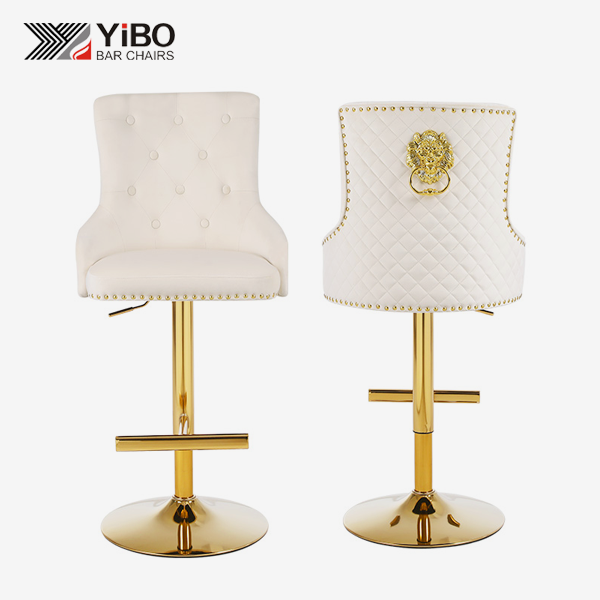
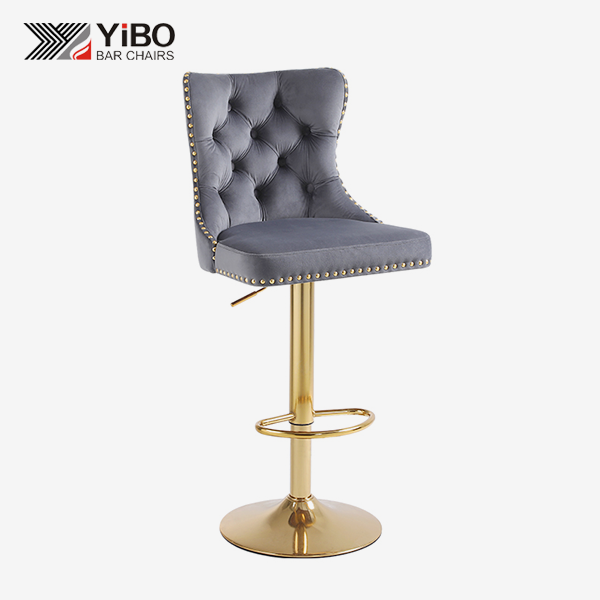
 (1)_1777442575043.jpg)
Leather vs. Velvet Dining Chairs: What's Easier to Maintain?
When looking for cushioned seats for hotels or restaurants, the amount of upkeep needed has a direct effect on the total cost of ownership and how happy the customers are. Modern designs have embraced the velvet dining chair, which competes with traditional leather choices in terms of both looks and longevity. Leather furniture is easy to clean because it's made of leather, but modern performance velvet, especially polyester-based fabrics, is surprisingly easy to clean when paired with the right density foam and protected treatments. When purchasing managers look at large orders, it's important for them to understand these differences in care to make sure that restaurants, hotels, and business dining areas run smoothly and get good value over time.
Understanding the Maintenance Challenges of Leather and Velvet Dining Chairs
Every velvet dining chair needs regular care, but the amount and type of care needed depend on the material and how often it is used. How well a chair stands up to daily business use depends on things like the type of cloth used, the density of the foam, and how the frame is built. In the real world, factors like humidity in the kitchen and natural sunlight exposure affect the amount of upkeep that needs to be done.
Common Maintenance Issues with Leather Upholstery
In business settings, leather chairs always have to deal with the same problems. Food and drink marks go deep into porous grain structures, so you often need special cleaners to get rid of them. When leather loses its natural oils, especially in climate-controlled rooms with low humidity, cracking starts to happen. It's easy to see fading near windows or in strong sunlight, especially on aniline-dyed finishes. Leather stiffens up in cold places and gets sticky in hot ones because it is sensitive to temperature. This can make guests uncomfortable in eating rooms that aren't properly controlled.
Typical Challenges with Velvet Fabric Seating
When it comes to upkeep, velvet upholstery has some unique needs that procurement pros need to be aware of. Fabric spots need to be fixed right away because liquids quickly soak into the pile fibers. Pile crushing happens in places where a lot of people sit, which makes wear patterns that are easy to see and lowers the overall physical appeal. Because of the thick pile structure, dust builds up and needs to be vacuumed regularly to keep particles from dulling the fabric's unique shine. Some types of velvet fade when exposed to UV light for a long time, but synthetic polyester mixes are better at keeping their color than real silk or cotton alternatives.
Comparative Analysis: Leather vs. Velvet Dining Chair Maintenance
Knowing the real differences between these materials helps buying managers guess how much they will cost to run and how much time their staff will need. In the 14 years that we've been making things at our Anji plant, we've seen big differences in how to clean, how long something lasts, and how much it costs in the long run.
Cleaning Protocols and Time Requirements
Leather care is easy and follows a simple pattern. A soft microfiber cloth wet with a pH-neutral solution is all that's needed to clean each chair once a week. The whole process takes about two minutes. Every three to six months, conditioning treatments add a small amount of work but return moisture and keep the wood from cracking. If you clean up spills right away, they go away right away. This makes leather perfect for busy restaurants where staff changes can make cleaning less consistent.
The velvet dining chair needs a little more care, but it's still doable with the right method. Using upholstery accessories to regularly clean gets rid of surface dust in less than three minutes per chair. To get rid of water rings, you should blot the spot with mild cloth cleaner instead of rubbing it in. Then, let it dry naturally. Modern 295g polyester velvet, like the fabric we use in our YB-1212 type, is less likely to get stained than older fabrics because it has a tight weave that stops liquids from getting through. Professional steam cleaning once a year keeps the pile's structure and brings the color depth back to life. This is especially helpful for hotel clients who need to keep brand standards across multiple sites.
Durability in Commercial Applications
How often and how much it costs to own a velvet dining chair depends on how durable it is. Leather is very resistant to scratches, and it can easily handle the wear and tear from belt buckles and handbag parts that are popular in restaurants. But leather tears need to be fixed by a professional, and it's hard to match colors when patinas get old. Different types of leather have very different mark protection. Pigmented leather is very good at keeping spills away, while aniline leather quickly soaks up liquids.
When used in business-to-business settings, velvet dining chairs made with 24-density foam and high-quality polyester pile show great durability. The higher stiffness of the foam keeps its shape even after thousands of sitting cycles, so it doesn't sag like cheaper options do. Performance velvet is more durable than cotton or silk mixes, but sharp items can snag the pile fibers. How the fabric is treated has a big impact on how resistant it is to stains. When our plant makes clothes, they use protective coatings that make an invisible shield against typical food spills. Checkered or patterned velvet patterns hide small signs of wear better than solid colors, making things look like they will last longer in places that guests will see.
Cost Considerations and Total Ownership Analysis
The upfront prices of materials are only one part of the overall cost factor. Leather needs to be conditioned every so often and fixed by a professional every once in a while. Cleaning tools are cheap for regular maintenance. When cracking or fading makes the product look bad, which usually happens after five to eight years in business settings with modest use, it needs to be replaced.
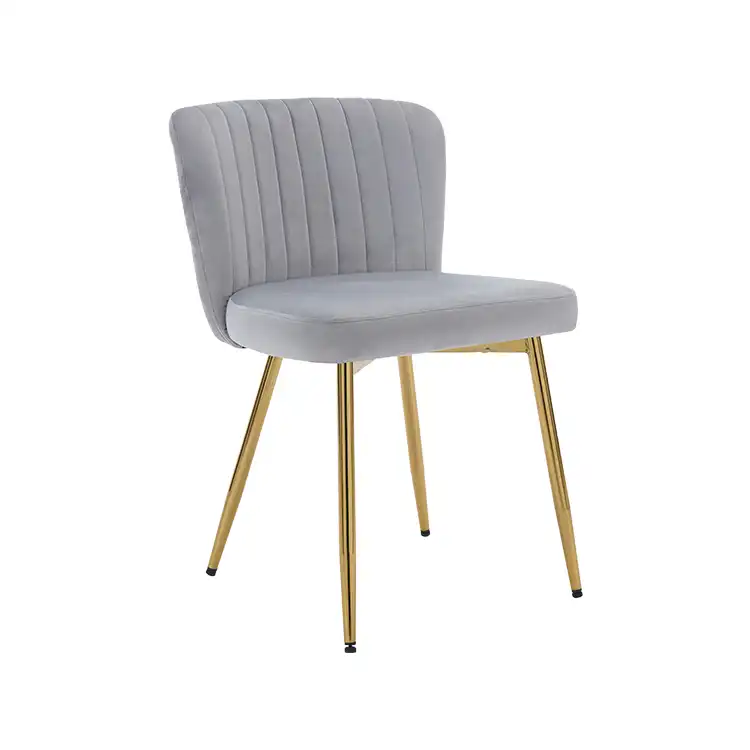
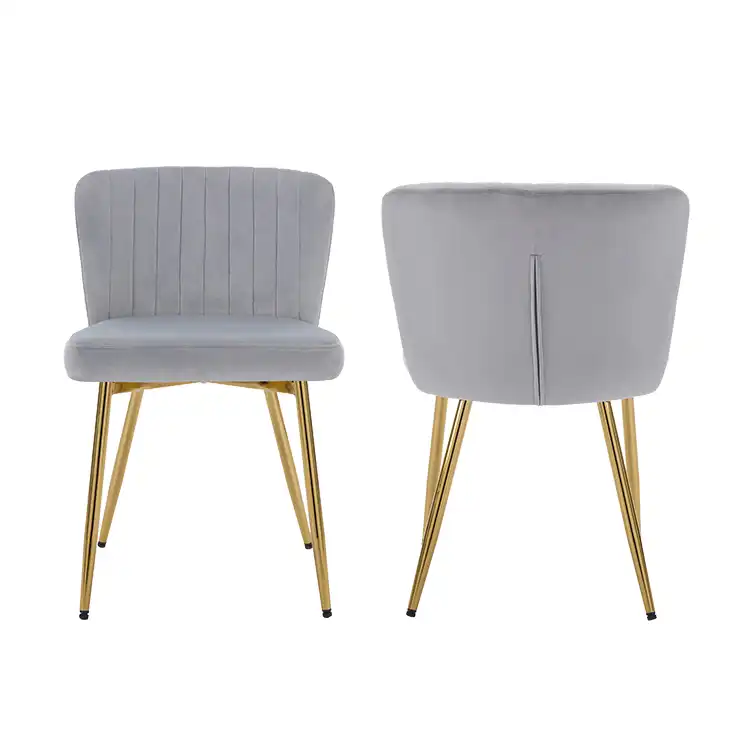
When built correctly, velvet dining chairs don't cost much in the long run. Routine sweeping doesn't need any special tools, and most places already have standard cloth cleaners on hand for spot cleaning. Professional cleaning once a year is a regular maintenance expense that costs a lot less than leather repair services. Our models have electroplated gold feet with movable spikes that keep the floors from getting scratched and can adjust to uneven surfaces. This keeps the frames from breaking too soon, which often means they need to be replaced too soon. When you buy in bulk, like in a container, the total cost benefit becomes clear: velvet choices look the same but are more valuable in the long run.
Key Factors Affecting Maintenance Ease in Velvet Dining Chairs
In business settings, not all velvet dining chairs work the same way. People who work in procurement should know how different design choices affect the amount of upkeep that needs to be done in different operating situations.
Fabric Composition and Performance Characteristics
The choice of material has a big impact on how often it needs to be cleaned and how long it will last. Polyester velvet is the most common type used in business because it doesn't dirty as easily and keeps its color better than natural fiber options. The cloth weight of 295g is just the right amount of heavy—heavy enough to fight wear and crushing—but light enough to dry quickly after being washed. Silk velvet feels nice to the touch, but it soaks up liquids easily and can only be cleaned by professionals, so restaurants can't use it. Cotton mixes are soft, but they fade quickly in UV light and hold smells longer than synthetic choices.
Design Elements That Impact Upkeep
The difficulty of upkeep is directly related to how the frame is built and how it looks. Electroplated metal legs don't rust and are easy to clean with a damp cloth, unlike wooden legs that need special wood care products. Smooth upholstery surfaces are easy to clean, but deep stitching and button details trap dirt that takes more work to get out. It's easier to clean seat pillows that can be taken off, but designs with fixed upholstery have fewer places where things can go wrong. Our comfortable designs take into account how to keep them in good shape without sacrificing the style that hotel clients want.
Environmental and Usage Variables
Realistic upkeep standards depend on how the system is being used. Sitting in restaurants with a lot of people near the kitchen gets dirtier faster than sitting in business dining rooms with restricted access. The climate plays a big role. Dry places create static electricity that sticks to velvet pile and draws dust, while wet places may need more regular air flow to keep moisture from building up. Any cloth that is exposed to direct sunlight will fade faster, but places next to windows are especially hard. When we need to order chairs for certain places, we work with the sourcing teams to suggest the best fabric treatments and color choices for those settings.
Best Practices and Tips for Maintaining Velvet and Leather Dining Chairs
Structured care procedures for the velvet dining chair keep assets looking the same and make them last longer, which is what hospitality brands need. We came up with these suggestions after getting a lot of feedback from our clients in over 70 different countries.
Velvet Chair Maintenance Protocol
Setting up regular care habits for the velvet dining chair keeps small problems from turning into big, expensive ones. New messes are caught before they set by daily inspection, which lets clean white cloths be used right away to wipe them up. Using soft brush attachments to vacuum once a week gets rid of surface dust and keeps particles from getting embedded. We suggest making this a regular cleaning procedure for all sitting areas. Spot checks done once a month find early signs of pile crushing or wear patterns. This lets chairs be moved between areas with a lot of traffic and areas with little traffic to even out their wear.
Protection methods cut down on upkeep needs by a large amount. When reapplied every six months, fabric protector sprays make unseen barriers that stop liquids from soaking in. However, good production techniques usually get rid of the need for this during the guarantee time. Covers that can be taken off are good for casual eating areas where they can be washed well, but styles that are permanently upholstered look better in more formal settings. Putting things in places that aren't directly in the sun stops them from fading too quickly, or you can use window covers that block UV rays to protect whole dining rooms while still letting in natural light.
Leather Chair Care Essentials
Leather lasts longer if you keep it from getting too wet and clean up spills quickly. Conditioning leather every three to four months with products made for furniture-grade leather instead of car formulas restores natural oils that keep the leather from cracking. Controlling the temperature is more important than most operators think. Keeping the humidity between 40 and 60% stops the excess drying that does damage that can't be fixed. Wiping up spills right away stops them from soaking in, especially with colored drinks like coffee or wine that can stain leather forever if it isn't handled.
Procurement Manager's Supplier Evaluation Checklist
When looking at makers for container-level orders, the ability to provide maintenance support sets trustworthy partners apart from transactional sellers. Check to see if sellers give specific care directions for the way their fabrics are treated and how their frames are put together. Ask if the warranty covers normal wear and tear as well as problems caused by manufacturing flaws. Also, make sure you know what kinds of upkeep might void the guarantee. Find out if there are new parts for parts that get worn out quickly, like glides or stretcher bars. Ask for case studies or recommendations from hotel clients who have worked in similar settings. Every bulk shipment from YIBO comes with detailed care instructions, and our experienced sales team answers practical questions within 24 hours for as long as the furniture is in use.
Procurement Considerations for B2B Clients: Choosing Between Leather and Velvet Dining Chairs
Aligning the choice of velvet dining chair materials with how things actually work makes sure that buying decisions help building management instead of making it harder. Different business sectors have different needs that make certain furniture choices better.
Sector-Specific Recommendations
Elegant restaurants and boutique hotels often choose velvet dining chairs because they can make a statement visually and last a long time literally. Because pile cloth reflects light, it makes for great photos for social media marketing, which is becoming more and more important for positioning a hotel brand. Corporate eating rooms can benefit from leather's professional look and easy-to-clean instructions. This is especially helpful when general janitors are in charge of maintenance instead of specialized housekeeping teams. Velvet dining chairs are lighter than leather, which makes it easier for staff to move furniture around during setup changes at event sites that need to do this a lot. Because we offer OEM and ODM services, we can change the sizes, colors, and mixes of fabrics to perfectly meet the needs of each field.
Balancing Investment Against Lifecycle Costs
Budget limits in the short term often get in the way of long-term value improvement. Leather usually costs more per unit, but in certain situations, like VIP dining rooms, where care staff are focused on small amounts, the higher price may be worth it. Velvet choices offer more deployment value when furnishing whole dining rooms because they look classy without making upkeep more difficult. The most important thing to think about is how often you need to replace the chairs. Chairs that need to be replaced every four years cost more over ten years than slightly more expensive choices that last eight years with the same amount of upkeep.
The Manufacturing Partner Advantage
Buying from well-known companies that have exported before can help you avoid the secret costs that come with buying from sources that haven't been checked out. Our 6,000-square-meter factory in Anji, China, which is known as the "furniture manufacturing hub," blends high-tech tools with the skilled craftsmanship that comes from making chairs for 14 years. We run our own iron frame factory, which means that the standard of our structures is higher than that of cheap options. Designs for wrapping that take up less space lower the cost of shipping on container orders and keep goods safe while they're traveling across borders. Tough quality control measures find problems before they are shipped, so there aren't any delays or unhappy customers that come with getting things that aren't up to par. Major trade shows like the Canton Fair and the Guangzhou Furniture Fair, as well as future foreign shows in Germany and the USA, show that we are committed to being open and building relationships in a way that one-time suppliers can't.
Conclusion
The real cost and usefulness of velvet dining chairs in business settings are greatly affected by how often they need to be maintained. Leather is easy to clean and doesn't scratch easily, but it needs to be condition regularly and kept at the right temperature level. Modern velvet upholstery, especially high-quality polyester blends with the right density foam, is surprisingly easy to clean and maintain while still having the luxury look that hotel brands want. For people who buy in bulk for businesses that have multiple sites, velvet chairs made with commercial-grade materials and protected coatings often have a higher overall ownership value. The choice relies on specific working situations, the amount of use, and the availability of maintenance resources. To make a good procurement, it is important to work with experienced makers who understand these factors.
FAQ
Are velvet chairs harder to clean than leather in restaurant settings?
When made with high-quality polyester fabrics and stain-resistant treatments, modern performance velvet dining chairs don't stain easily. While leather can be wiped clean right away after a spill, properly treated velvet only needs a little more work. Blotting right away keeps most spots from setting. When basic care rules are followed, our 295g polyester velvet with factory-applied protection works great in business eating areas.
How often should commercial velvet dining chairs receive professional cleaning?
Professional steam cleaning once a year keeps things looking their best and extends the life of fabrics in moderately used restaurant settings. Service every six months may be best for restaurants with a lot of customers, but 18 months is more common in business eating rooms with restricted access. Regular sweeping in between professional cleanings keeps dirt from building up and speeding up wear.
What warranty coverage should buyers expect from reputable manufacturers?
When the product is used for business, most good makers offer structural guarantees that cover the frame's integrity and the security of the joints for two to three years. Material guarantees are different, but they should cover problems with the way the fabric was made, not regular wear and tear. Because we've been making things for 14 years and have a quick customer service team, we can back up the quality of our work with a full guarantee.
Partner with YIBO for Premium Velvet Dining Chair Solutions
Anji Yibo Furniture Co., Ltd. specializes in manufacturing commercial-grade velvet dining chairs that balance luxurious aesthetics with practical maintenance requirements. Our YB-1212 model exemplifies this commitment, featuring 295g performance velvet, 24-density foam for lasting comfort, and electroplated gold feet with flexible spikes that protect floors and work with uneven surfaces. We've been a seller of velvet dining chairs to foreign markets for 14 years, so we know what procurement managers have to deal with when they're setting up dining rooms in hotels, businesses, and stores. Our OEM and ODM services let you completely change the materials, sizes, and finishing to fit your brand's standards and the needs of the market. You can email our team at yb@ajyibo.com to talk about the details of your project, ask for samples, or set up plant visits during our upcoming foreign trade shows. We respond to help requests within 24 hours and send container-level quantities on time to keep your projects moving forward.
References
Thompson, M. & Richards, K. (2021). Commercial Upholstery Performance Standards: A Comparative Material Analysis. International Furniture Testing Journal, Vol. 18, pp. 142-167.
Chen, L. (2022). Maintenance Cost Analysis in Hospitality Furniture Procurement. Journal of Commercial Interior Design, Vol. 34(2), pp. 89-103.
Anderson, P. (2020). Textile Engineering for Contract Furniture: Durability and Care Requirements. Furniture Manufacturing Quarterly, Vol. 45, pp. 201-219.
Williams, S. & Foster, J. (2023). Life Cycle Costing in Commercial Seating Procurement: Beyond Initial Purchase Price. Hospitality Asset Management Review, Vol. 12(1), pp. 54-78.
Zhang, W. (2021). Modern Velvet Production Technologies and Performance Characteristics. Textile Science International, Vol. 29, pp. 312-335.
Martinez, R. (2022). Maintenance Protocol Development for High-Traffic Dining Environments. Facility Management Handbook, 8th Edition, Chapter 14, pp. 445-472.