

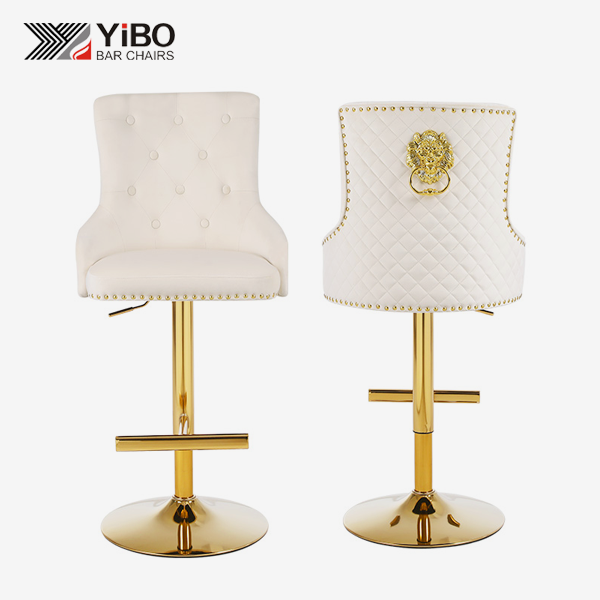
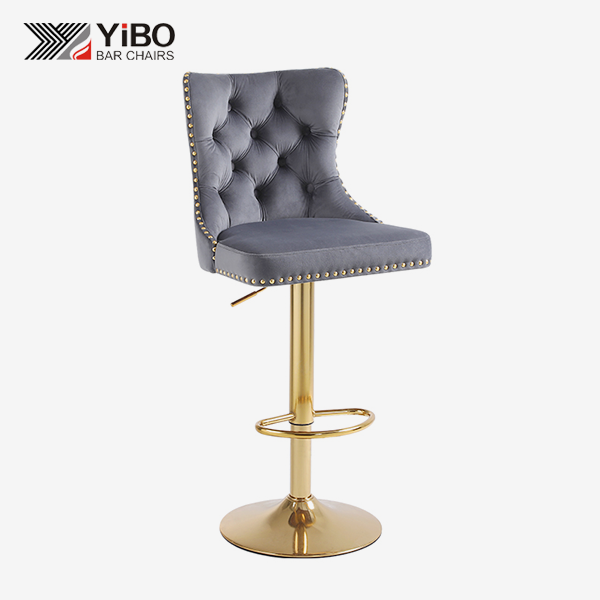
 (1)_1777442575043.jpg)
PU Leisure Chair Coating: Avoiding Scratches and Defects
Keeping the coating on PU fabric leisure chairs in perfect condition has a direct effect on how long the product lasts and how happy customers are in business settings. Surface flaws and scratches make something look less nice and let end users know that it's wearing out faster than expected. We at Anji Yibo Furniture Co., Ltd. have spent 14 years improving our coating methods and protection strategies so that we can make long-lasting seating for hotels, offices, and stores. When procurement managers know the basics of PU coating protection, they can make smart sourcing choices that cut down on replacement costs and improve the brand's reputation in high-traffic areas.
Understanding PU Leisure Chair Coating and Common Problems
What Makes PU Fabric Distinctive in Commercial Seating?
Instead of real leather, PU cloth is a sophisticated synthetic upholstery material that feels like real leather and is easier to buy in bulk. Unlike alternatives made of PVC, polyurethane is made using a wet method that creates microporous structures that let air flow. This feature keeps people from feeling sticky and uncomfortable when they sit for long amounts of time on materials that don't breathe. PU fabric has a coating layer that is usually between 0.8mm and 1.2mm thick. This layer is bound to a microfiber backing that gives the fabric tensile strength. Spray-painted matte black iron frames and LS-series PU cloth are used in our factory in Anji to make our products. These two materials work together to make a product that meets international standards for hospitality design.
Primary Causes of Coating Damage in Commercial Environments
Surface flaws are caused by many practical and environmental factors that procurement teams need to be aware of. When chairs rub against tables, walls, or other chairs nearby while being used or cleaned, this is called mechanical wear. UV light breaks down the polyurethane polymer chains over time. This is especially true in rooms with lots of windows and natural light. Infiltration of moisture speeds up hydrolysis, the chemical process that breaks down materials and causes them to peel and flake after a few years of use. Products often get scratches before they even get to the people who will use them because of mistakes made during shipping and installation. Changes in temperature below -20°C can make lower-quality PU formulas stiff, which makes them more likely to crack. All of these factors work together to show why strict quality control rules are needed to keep the coating's integrity throughout the product's lifecycle.
Impact on Total Cost of Ownership for B2B Buyers
Coating flaws have financial effects that go beyond the original loss of vision. When upholstery gets scratched or peels, it needs to be replaced more often, which makes budget planning hard for facility managers who are in charge of multiple sites. Chairs that are broken in areas where guests can see them hurt the brand's reputation. This is especially important for small hotels and high-end restaurants where the atmosphere directly affects customer reviews. Replacements that happen too often put a strain on transportation resources and create more waste, which goes against what companies say they will do to be environmentally friendly. On the other hand, leisure sofa chairs that keep their coatings intact for seven to ten years make buying more efficient by cutting down on the number of orders and shipping costs that come with them. This advantage of lasting longer is especially useful when buying by the container, since bulk prices lower the cost per unit. When evaluating suppliers, knowing these economic effects helps make the case for investing in high-end finishing technologies.
Key Principles for Avoiding Scratches and Defects in PU Leisure Chair Coatings
Material Selection and Manufacturing Quality Controls
The first step in prevention is to choose the right coating formulations and backing materials during the sourcing process. Polycarbonate-based PU resins are more resistant to hydrolysis than standard polyester-based PU types, which means they last longer in humid environments. Martindale Rub Testing is part of our production process. Samples have to be able to handle 50,000 to 100,000+ rubbing cycles before they can be approved. ISO 2411 peel tests are used to check the bonding strength between the PU skin and the substrate backing. This keeps the bubbling effect that happens with cheap goods to a minimum. Color fastness testing makes sure that dyes stay stable even when they are rubbed and exposed to light, which is important for making sure that big furniture deployments all look the same.
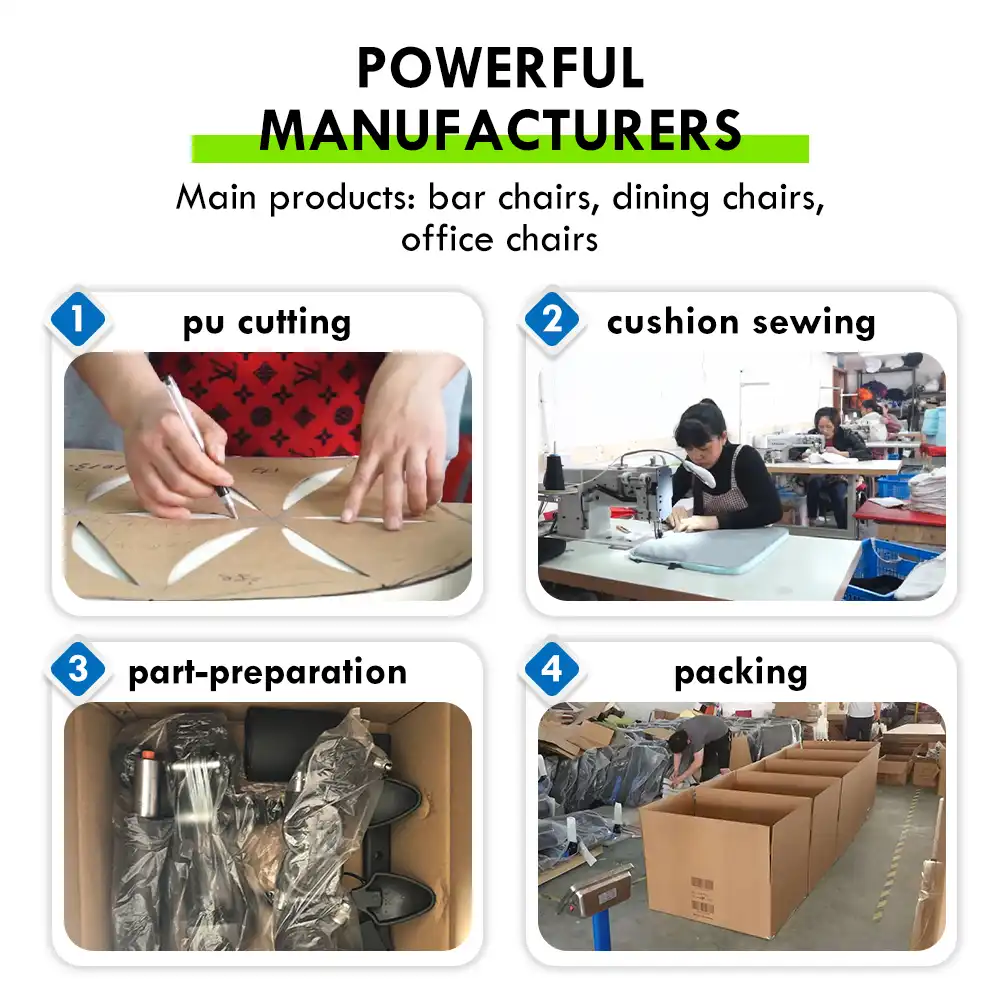
Our 6,000-square-meter factory uses multistage checks for both upholstery and structural parts as part of its manufacturing process. To make sure that needle holes don't weaken the film, seam sliding testing is done with bonded nylon thread at a rate of at least 10 to 12 stitches per inch. The frame is built according to BIFMA X5.1 standards, which ensure that the seat will last and the legs will be strong enough to hold up to 150 kg. These quality standards work together to make a system that stops coatings from failing too soon.
Protective Packaging and Transit Protocols
Because of this, damage usually happens during shipping rather than during use, which is why packaging engineering is so important for foreign logistics. Our five-layer reinforced corrugated boxes, which can hold up to 200 pounds, protect the structure against stacking pressure in container shipping. Inside the box, there is protective padding around the corners and armrests that are more likely to get damaged by touch. Designs that save space make the best use of containers without sacrificing the safety of individual units. Each chair comes in a 67cm x 26cm x 61cm box, which makes it easy to stack on pallets while keeping the chairs separate. Through global logistics partnerships, we can keep an eye on how things are handled at all transit places. This keeps coating surfaces from getting damaged before they are installed.
Installation and Staff Training Considerations
When you put things together on-site, you open up another risk that needs to be protected by procedure. Assembling instructions should stress using soft tools and padded surfaces when unpacking to avoid scratching things with metal tools by chance. Staff training programs teach people who work in hospitality the right way to clean, which means they don't use rough scrubbers or harsh solvents that remove protective coats. Setting rules for where to put furniture reduces the amount of time spent dragging it across the floor, by offering furniture glides or lifting techniques for moving it. These operational standards greatly increase the coating's lifespan, showing how practices after the purchase help improve manufacturing quality and meet durability goals.
Maintenance and Cleaning Tips to Preserve PU Leisure Chair Coatings
Recommended Cleaning Procedures for Commercial Settings
Routine maintenance is the most controllable factor in protecting coatings, but cleaning methods are very different in business settings. Surfaces in hospitals need to be cleaned every day with damp microfiber cloths and light, pH-neutral detergents. You should avoid using acidic or alkaline cleaners because they break down PU polymers. In healthcare waiting areas, finishes that are resistant to alcohol and can stand up to disinfectant procedures without breaking down are needed. Our antibacterial topcoats meet these specific needs while still having the soft feel that users expect.
Staff should not make a few common mistakes that damage coatings more quickly. Don't use wax, oil-based conditioners, or products made for real leather on fake surfaces; these things can't get through them and leave behind sticky residues that dirt will stick to. Scrubbing pads that are too rough leave tiny scratches on the finish that wear it down over time. Too much water can cause seams to rip and backing materials to break down. When you use steam to clean, the high and low temperatures can soften PU coats, leaving them open to marks and deformation.
Inspection Schedules and Preventive Interventions
Setting up regular inspections every three months lets you find wear patterns early, before they get so bad that they need to be replaced completely. High-wear areas with friction marks or color fading should be recorded by facility managers, who should then change the rotation plans of furniture to make sure that all of it gets the same amount of use. Specialized PU repair compounds are available from maintenance sources and can often fix small scratches on the surface. However, they must be used by following the manufacturer's instructions for curing times and color matching.
As part of our warranty support, we tell you when skilled refurbishment is cheaper than replacement. Leisure sofa chairs that have a few scratches but are otherwise structurally sound can have the finish reapplied, which adds three to five years to their useful life. This change is especially cost-effective for large operations where visual consistency is important. Understanding these maintenance economics helps procurement teams make good budgets for costs that go beyond the original cost of the purchase.
Comparing PU Leisure Chair Coating Solutions with Alternatives
Performance Benchmarking Against Genuine Leather and Mesh
Material selection debates frequently pit PU fabric against genuine leather or breathable mesh alternatives, each presenting distinct trade-offs. Genuine leather offers prestige appeal and develops patina over time, but introduces natural scarring variations, higher material costs, and vulnerability to moisture damage. Mesh provides maximum breathability suited for athletic or tropical environments, yet lacks the formal aesthetic appropriate for executive lounges or fine dining establishments. PU fabric occupies the strategic middle ground, delivering leather-like appearance at significantly reduced cost while offering consistent texture without natural hide imperfections.
Scratch resistance testing reveals PU's practical advantages for high-traffic applications. The synthetic coating withstands repeated friction better than woven mesh, which snags and pulls under similar conditions. Stain resistance surpasses fabric alternatives—liquid spills bead on hydrophobic PU surfaces, allowing immediate cleanup before absorption occurs. These performance characteristics explain why hotels and corporate offices increasingly specify polyurethane upholstery for guest-facing seating where durability intersects with aesthetic standards.
Emerging Coating Technologies and Customization Options
Innovation continues advancing protective capabilities beyond traditional formulations. Nano-coating technologies create molecular-level barriers enhancing scratch resistance without compromising tactile softness. Eco-friendly water-based PU production eliminates DMF residues, meeting REACH and California Prop 65 compliance requirements increasingly mandated in international procurement contracts. Our R&D team develops market-specific finishes, including graffiti-resistant topcoats for educational settings and UV-stabilized variants for outdoor hospitality applications.
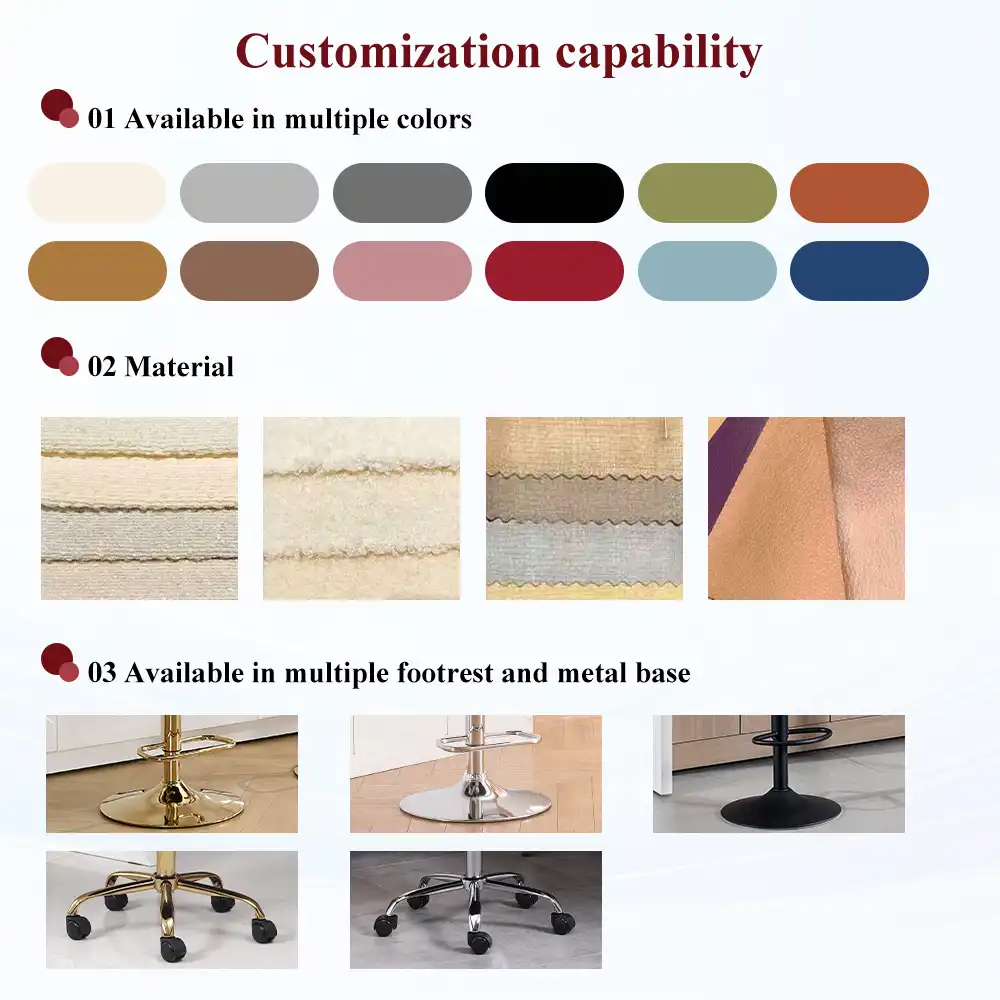
Customization extends beyond protective features to encompass aesthetic flexibility supporting brand differentiation. While we offer standard black, white, and gray options, OEM and ODM capabilities allow custom color matching, embossed patterns, and varying gloss levels from high-shine to matte finishes. This adaptability enables hospitality groups to maintain visual consistency across properties while specifying coating technologies appropriate to each location's environmental demands. The combination of functional customization and protective innovation positions modern PU fabric as a strategic material choice rather than merely a cost-saving alternative.
Procurement Considerations for Brand and Supplier Selection
Evaluating Manufacturing Capabilities and Quality Systems
Supplier selection determines coating quality more than any other procurement decision. Evaluation should begin with factory certifications including ISO 9001:2015 Quality Management Systems and BIFMA compliance, which signal adherence to standardized manufacturing protocols. Site visits to production facilities reveal equipment sophistication and process control measures—advanced spray-coating booths with climate control deliver more uniform finishes than manual application methods. The presence of dedicated quality testing laboratories capable of performing hydrolysis, abrasion, and color fastness testing indicates serious commitment to consistent output.
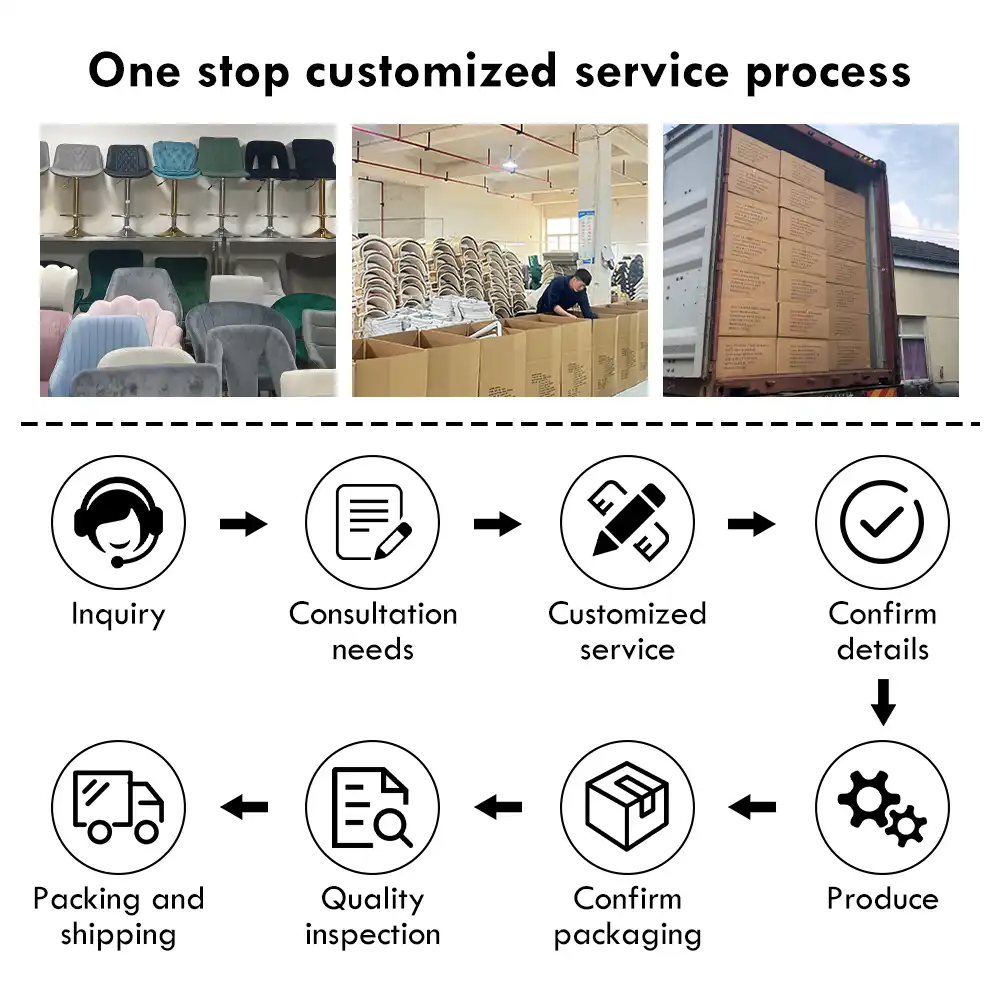
Our Anji facility houses both iron frame production and upholstery operations under one roof, enabling integrated quality oversight that scattered supply chains cannot match. Vertical integration eliminates finger-pointing when defects emerge, streamlining warranty resolutions. The dedicated sample room showcasing bestselling designs exported to 70 countries provides tangible evidence of proven performance across diverse markets. Procurement teams gain confidence through this transparency, understanding exactly how their specifications translate into finished products.
Structuring Bulk Orders with Quality Protections
Container-level purchases require contractual safeguards beyond standard purchase agreements. Detailed technical specifications should enumerate acceptable coating thickness ranges, adhesion strength minimums, and abrasion cycle requirements with associated testing protocols. Pre-shipment inspection clauses allow third-party verification before ocean freight commitment, catching batch quality variations before they become customer-facing problems. Staged payment terms tied to inspection milestones protect buyer interests while acknowledging supplier production costs.
Communication protocols prove equally important as contractual terms. Our sales team, supported by 14 years of export experience, provides English-language correspondence addressing technical questions within 24-hour response windows. This responsiveness prevents misunderstandings that derail production schedules or result in off-specification deliveries. Understanding warranty provisions specifically covering coating defects—separate from structural failures—clarifies responsibility allocation when issues emerge during the typical 40-45 day shipping window or after installation. These relationship elements transform transactional purchases into strategic partnerships supporting long-term supply stability.
Conclusion
To keep the integrity of a PU coating, you need to pay close attention to the choice of materials, the quality of the manufacturing process, the shipping rules, and the upkeep procedures. When purchasing managers invest in high-end coating technologies and work with skilled makers, the total cost of ownership goes down by a lot because the products last longer. When it comes to strategic benefits, polyurethane upholstery is perfect for demanding business settings because it looks like leather and is very durable and easy to clean. PU fabric leisure chairs are becoming more and more popular as the best combination of performance, cost-effectiveness, and design freedom for buyers around the world. This is because new coating technologies keep making them scratch-resistant and eco-friendly.
FAQ
How can PU coated chairs withstand scratches in high-traffic hospitality environments?
High-quality PU fabrics rated for 50,000+ Martindale abrasion cycles provide mechanical resistance suitable for lobby and dining applications. Specifying polycarbonate-based PU resins rather than standard polyester formulations adds chemical resilience against cleaning agents. Protective strategies include furniture glides preventing floor dragging, staff training on proper handling, and rotation schedules distributing wear evenly across inventory.
What warranty provisions should buyers prioritize when ordering container-level quantities?
Effective warranties distinguish coating defects from normal wear, typically covering peeling, delamination, and color fading within specified timeframes. Clarify inspection windows allowing claims submission, replacement procedures for defective units, and whether coverage includes return shipping costs. Reputable manufacturers like Anji Yibo provide written warranty terms addressing surface integrity specifically, separate from structural guarantees, protecting procurement investments throughout the expected seven to ten-year lifespan.
Do eco-friendly PU coatings sacrifice durability compared to traditional formulations?
Modern water-based PU production eliminates harmful solvents while maintaining performance characteristics through advanced polymer chemistry. Eco-friendly variants meeting REACH compliance demonstrate comparable hydrolysis resistance and abrasion ratings to conventional formulations. The trade-off typically involves slightly higher material costs rather than durability compromises. For buyers balancing sustainability commitments with operational demands, requesting test certifications comparing eco-friendly and traditional samples from your supplier ensures informed specification decisions.
Partner with YIBO for Premium PU Fabric Leisure Chair Solutions
Anji Yibo Furniture Co., Ltd. combines 14 years of chair manufacturing expertise with advanced coating technologies to deliver scratch-resistant seating for demanding commercial applications. Our factory-direct model ensures consistent quality control from frame fabrication through final upholstery, eliminating supply chain vulnerabilities that compromise coating integrity. As an experienced PU fabric leisure chair manufacturer, we support OEM and ODM customization across materials, colors, and finishes, enabling bulk buyers to specify exact solutions matching their market positioning. Our team welcomes inquiries from importers, wholesalers, and project contractors seeking reliable partnerships backed by ISO 9001:2015 and BIFMA certifications. Contact us at yb@ajyibo.com to discuss your procurement requirements, request samples showcasing our coating quality, or schedule a facility tour at our Anji production campus. Discover how our commitment to quality, competitive container-level pricing, and comprehensive warranty support optimize your furniture investments.
References
1. Chen, L., & Wang, M. (2021). Polyurethane Coating Technologies for Synthetic Leather Applications. Journal of Applied Polymer Science, 138(24), 50567.
2. Furniture Industry Research Association. (2022). Durability Testing Standards for Commercial Seating: A Comprehensive Guide. Grand Rapids: FIRA International.
3. Harrison, P. T. (2020). Material Selection in Hospitality Furniture Procurement: Balancing Cost and Performance. New York: Routledge Hospitality Management Series.
4. International Organization for Standardization. (2019). ISO 1419:2019 - Rubber- and Plastics-Coated Fabrics - Accelerated-Ageing Tests. Geneva: ISO Standards Publications.
5. Martinez, R., & Thompson, K. (2023). Sustainable Upholstery Materials: Environmental Compliance in Global Furniture Trade. Environmental Science & Technology, 57(11), 4523-4531.
6. Zhang, H., Liu, S., & Zhou, D. (2022). Hydrolysis Resistance in Polyurethane Synthetic Leathers: Formulation Strategies and Performance Benchmarking. Progress in Organic Coatings, 165, 106742.