

 (1)_1777442575043.jpg)
Restaurant Bar Stools Buyer's Guide
It's not enough to just think about how the business seats look; you also need to make sure that they optimize operations and improve the guest experience. People who buy things for busy places have to spend a lot of money on restaurant stools bar chair. Importers, dealers, and project workers from other countries can use this book to find cheap solutions that last, come in a range of styles, and can be made to fit their needs. To be successful in a competitive market over the long term, you need to know about material specs, functional standards, and sources you can trust. This is true for both small bistros in towns and large hotel projects all over the US.
Understanding Restaurant Bar Stools and Bar Chairs
Defining Core Differences in Commercial Seating
Most of the time, people in the business world use the words "bar stool" and "bar chair" to mean the same thing. The seats of most bar stools are raised 28 to 32 inches so they can fit tables that are 40 to 46 inches high. People put a lot of value on being small and moving quickly in crowded places. Many bar chairs have arms or backrests that support you and help you stay in one place while you eat for longer amounts of time. When buying teams know these differences, they can choose the right type of seating for practical needs. For example, they can make sure that casual dining areas have enough seats or that high-end hotel bars feel like cozy rooms.
Common Types and Their Operational Impact
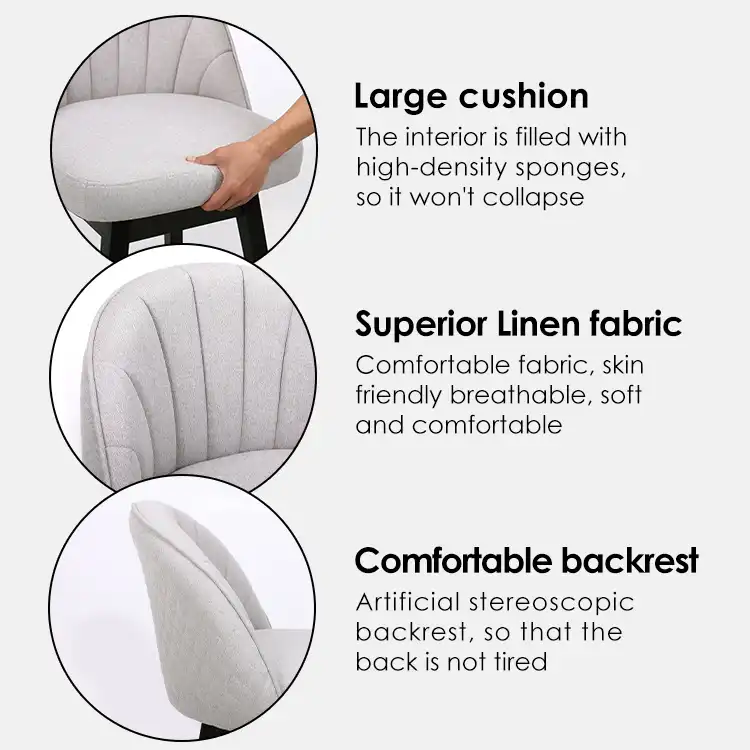
Business seats come in different styles, and each one changes how people act and how the business runs, including restaurant stools bar chairs, and other options. Fixed-base types are stable and cheap, so they work well in places where strength is more important than versatility. Swivel devices, especially square frames that can turn a full circle, make it easier for people to use and set up different ways to sit. But their mounting systems need to be better so they can handle the stress of moving constantly. Designs without backs help move tables faster in fast food places. In drink bars and high-end restaurants, designs with high backs and pillows make people want to stay longer. In food service settings, the choice between linen furniture with seats and surfaces that aren't padded changes how often they need to be cleaned and maintained.
Material Selection and Performance Characteristics
How long it will last, how much care it needs, and how well it fits with the brand's image depend on what the material is made of. Frames made of solid wood, like jet black rubber wood, are naturally warm and strong, but they need finishes that keep them safe from changes in temperature and water. Many times, metal frames can hold more than 300 pounds. They also don't bend when used over and over, which makes them great for places with a lot of people. Linen furniture looks nice and feels good to the touch, but it needs to be cleaned more thoroughly than some other types. New materials that are good for the environment, like cork and recycled plastics, meet the needs for sustainability while still performing at a business level. People who care about the earth will be interested in buying them because of this.
How to Choose the Ideal Restaurant Bar Stool for Your Business
Space Planning and Ergonomic Alignment
The first step to good buying is accurate location study. It's important to get the counter heights right, and the seat heights should leave a 10- to 12-inch gap between the bottom of the seat and the counter. For a relaxing meal, this area makes sure your legs are straight and lets you sit in a natural way. You should make sure that each lane is at least 36 inches wide so that there aren't any traffic jams during rush hours. It's very important where the footrest is placed. Footrests that are 7 to 9 inches from the floor will help your lower back feel better after sitting for a long time. In cities with limited room, those in charge should look for designs with thin frames and seats that are about 15 inches wide. But expensive bars should have big 18-inch seats that make the atmosphere feel high-class just by being there.
Commercial-Grade Standards and Durability Metrics
When used in a business, seating needs to be able to take a lot more abuse than when used at home. If the frames are put together with bolts that can come loose, make sure they are fully soldered or have stronger mortise-and-tenon joints. Standards set by the Business and Institutional Furniture Manufacturers Association (BIFMA) should be met by weight capacity approvals. These show that the frame was tried with real business loads. If upholstery is going to be cleaned every day and handled by guests, it has to pass the Wyzenbeek wear test with at least 100,000 double rubs. Standard Phillips screwdrivers should work with screw bags. The finishing on hardware parts should not rust and stay strong even after cleaning chemicals and drinks are spilled on them.
Maintenance Efficiency and Operational Cost
Seats cost more than just the money you pay for them. It also shows how much it will cost to keep up over time. Look at how much cleaning needs to be done and how much your team can do. One example is that clothes should be steam cleaned by a professional every three to six months. On the other hand, commercial disinfectants can be used every day to clean protected wood surfaces. Check to see if you can get new parts for your restaurant stools bar chairs, and other seats. It should be easy to find things like rotating gears and cushion inserts so that repairs can be done on-site instead of having to buy a whole new machine. Look for ones that have wooden feet and come in safe boxes. This will make them easier to put together again after shipping, which will save you money on installation work. Stackable designs give you more storage choices while you're remodeling or when your yearly needs change, but they aren't always as strong as fixed-base designs.
Supplier Reliability and Warranty Considerations
You can lower the risks of buying things from other countries by getting to know the people who make them over a long period of time. It is best to buy from companies that offer structural warranties that last at least two years and cover frame stability and motor parts. Check to see how much the plant can produce. Businesses that cover more than 6,000 square meters and have their own R&D departments can usually handle big orders. It's very important to have experience exporting. Sellers who know how to deal with customs paperwork and set shipping standards for containers can avoid delays that cost a lot of money. When there are problems with quality or making sure that deliveries happen on time at different locations, timely communication tools like promises of a 24-hour response to questions help keep projects on track.
Top Restaurant Bar Stools in 2026: Comparison and Trends
Performance Leaders Across Venue Categories
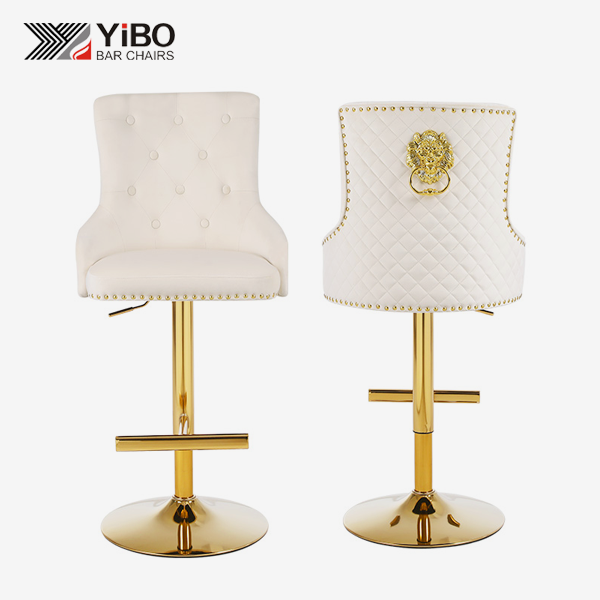
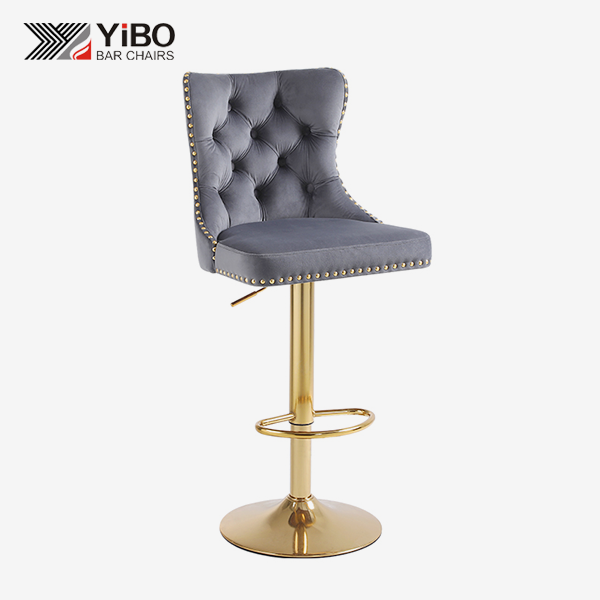
A new study of the market shows that there are various levels of success that are suitable for various business needs. Nightclubs and sports bars that get a lot of people are using all-metal frames with powder-coated finishes that don't scratch or let liquids through more and more. Most of the time, dark commercial-grade vinyl floors are used to cover the floors and hide wear lines. Fast-casual places like polyethylene types because they are light and easy to move around on the floor. They can meet the strict price goals for chain growth projects, which is why this is the case. In high-end hotel bars, statement pieces are picked out with hand-applied wood colors, brass-finished footrests, and high-quality linen padding over high-density foam. These features help them stand out in the luxury market.
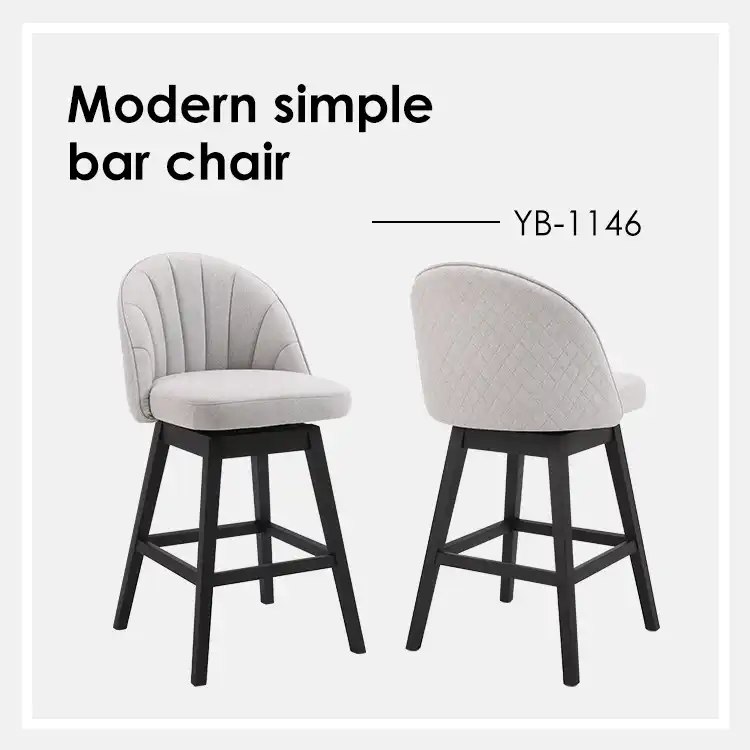
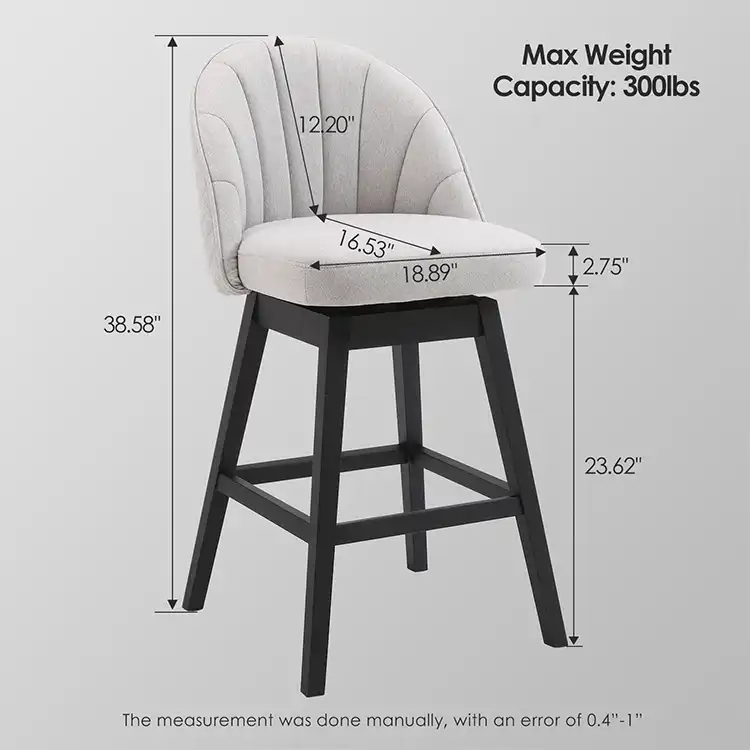
The YB-1146 model's specs are well-balanced, which means it works well in a lot of different settings. Its height of 38 inches makes it work with most bar counters, and the 16-inch square seat is comfortable without taking up too much room. The 360-degree turn base with built-in chair makes it easier for people to use, and the range of colors makes it possible for brands to match a wide range of interior styles. These standards are good for mid-range restaurants because they meet their needs while still letting designers make the places they want.
Design Evolution and Style Preferences
The newest sitting styles for restaurant stools bar chairs, and other seating show that simple industrial style and neotraditional craftsmanship are becoming more and more different. In urban casual dining markets, designs in the Scandinavian style that show off the wood grain and use clean metal joints are very popular. Millennials who like stories that are real and last a long time will like these styles. But craft breweries and gastropubs that want a retro feel still like to mix old and new, using tools from the Edison era and finishes that are worn down. Material openness affects what people buy. To meet standards for corporate social responsibility reports, more and more buyers want certificates that show where wood comes from and what metal alloys are made of.
A lot of different textures and earth tones are now used in color schemes because they go well with biophilic design ideas. The jet black rubber wood feet make the table look more stable and hide scratches better than lighter finishes. Green, olive, and charcoal-colored linen furniture looks classy without being too clean-cut like white furniture or too heavy like traditional leather furniture.
Sustainability Integration and Ergonomic Innovation
End users want clear knowledge about how furniture affects the environment over its lifetime, which changes the way businesses buy things. Cork floors for sitting are now a good choice. They have natural cushioning cells and leave carbon-negative tracks when they are picked in a responsible way. When companies work on LEED-certified hotel projects, they have an advantage if they use water-based finishes and wood from FSC-certified sources. Shaped seat shapes made possible by biomechanics study are one example of an ergonomic improvement. These take pressure off of pressure points when you sit for a long time without having to use thick padding that is harder to clean.
Procurement Strategies for Restaurant Bar Stools: Where and How to Buy
Channel Analysis for Commercial Buyers
There are clear trade-offs between unit economy, ease of use, and amount of custom when you buy something from a business. Direct maker ties, like OEM and ODM programs, let you make the most changes. These programs let you change the size, shape, or material of items and add your own name, which makes brand shows stand out. The minimum order size for this way is usually a full container load, but it has the best prices and makes sure that production capacity is used during busy building seasons. When you need something quickly or want to try out a new design before buying a lot, regional wholesalers are a good choice because they offer smaller lots and faster shipping times. Online trade platforms make it easier to find more sellers, but they need to make sure that they follow quality standards and can send goods so that buyers don't get bad goods or have trouble with logistics.
Volume Strategies and Customization Leverage
When you order by the barrel, you save a lot of money because the costs are lower per unit. When crates are full, they are easier to get through customs and carry out, and they also pose fewer risks during travel across borders. If buyers are in charge of putting a product on the market in more than one place, they should combine their orders to get the best production schedule. They should also make sure that the materials are always from the same batch so that the color and finish are the same everywhere for items like restaurant stools bar chairs, and other furniture. You can make changes, like asking for certain grades of linen, special stain formulas, or labeled wrapping, when you order more than 500 units. Make sure you know ahead of time what you need to pack. For instance, asking for two pieces per 62 x 54 x 52.5 cm carton makes the best use of room and keeps things safe while they're being shipped across the ocean.
Manufacturer Evaluation Framework
When looking at potential partners, use a variety of factors that can help you figure out how reliable they will be in the long run. How much something can hold and how much money it will cost are both shown by its size. To avoid single-point breakdowns, buildings that are at least 6,000 square meters usually have backup equipment and more than one supply line. Look through the catalogs of different makers to see if they have items that fit together, like lounge chairs and table chairs. Large brochures from furniture companies show that they can make a lot of different styles, which can make it easy for people of all types to buy furniture. Go to trade shows like the Canton Fair or the High Point Market to see if a company does business with other countries. This shows that the business cares about the market and lets sellers know how rules are changing around the world. Customers in your target market should be able to back up what you say about delivery and customer service after the sale.
Negotiation Tactics and Contract Protections
There needs to be a good mix between controlling costs, making sure quality is safe, and lowering risks. Set clear quality standards with pre-production samples that will be used as contractual guidelines for full production runs. Set standards for acceptance, such as the range of size differences that are acceptable, the level of regularity in the finish, and the way the machine works. Set up payment terms that work with your goals for output. Usually, a 30% payment is due at the start of the project, 60% when the work is done, and 10% after the delivery review. This looks out for the interests of both sides. Make it clear what the promise covers, like which parts can be changed and who pays for the shipping to send back broken items. You should offer third-party checking services at the plant before the goods are sent out, especially for big orders that are being placed for the first time.
Conclusion
When buying business bar seating strategically, it's important to think about a lot of things, like how well it fits your body (whether for restaurant stools, bar chairs, or other seating), how durable the material is, how much the seller can offer, and how much the product will cost over its entire life. Buyers who do well balance their short-term financial needs with the long-term needs of the business. They know that a high-quality building means fewer repairs and less work for the maintenance staff. In the competitive hotel market, OEM and ODM relationships that let names be customized help them stand out while keeping costs low. As environmental standards rise and design styles shift, it's important to stay in touch with makers who are flexible and willing to help with research and development. This way, you can keep getting the right products for the market (including restaurant stools and bar chairs) and stay ahead of the competition.
FAQ
1. What seat height should I choose for my counter or bar?
If your bar table is 40 to 42 inches high, you should use stools with seat heights of 28 to 30 inches so that your legs have 10 to 12 inches of room to move. Seats on 36-inch counter-height platforms are 24 to 26 inches high. If you really want to know how big the end of a counter is, you should measure it yourself instead of relying on the design specs.
2. How does cushioning affect guest comfort and turnover?
For longer meals, soft linen furniture is more comfy than hard surfaces, which increases standard dwell times by 15 to 20 percent. A lot of quick-service places like options that don't have seats because they make people want to leave more quickly. Get the right amount of ease and work needs. Places that serve fast food should have hard surfaces that are easy to clean, while cocktail bars should have lots of padding.
3. Do commercial bar stools meet safety regulations?
Manufacturers with a good reputation make sure their products meet BIFMA standards for things like being stable, having the right structure, and lasting a long time in work settings. See if the equipment has weight limits and ask for test results that prove it meets safety standards. This is very important for places that serve alcohol because they are more likely to be sued.
Partner with YIBO for Your Commercial Seating Solutions
YIBO is your go-to supplier for restaurant stools bar chair due to our 14 years of specialized manufacturing experience. Our Anji workshop uses both high-tech tools and trained workers to make designs that are good for your body. They use high-quality materials like linen padding and jet black rubber wood feet. You can change the materials, styles, and add your company's name to the packages to make them fit the needs of your market. This is called full OEM and ODM personalization. Our quick and easy shipping methods for containers and availability 24 hours a day make sure that the buying process goes quickly. Drop us an email at yb@ajyibo.com to talk about your big order and find out how our commercial-grade chairs can make your space look and work better.
References
1. Business and Institutional Furniture Manufacturers Association. (2022). BIFMA Standards for Commercial Seating: Safety and Performance Testing Protocols. Grand Rapids: BIFMA International.
2. Chen, M., & Rodriguez, P. (2023). Material Science in Hospitality Furniture: Durability Analysis of Wood and Metal Frameworks. Journal of Commercial Interior Design, 18(3), 145-162.
3. Hospitality Design Consortium. (2024). 2024 Commercial Furniture Trends Report: Sustainability and Ergonomics in Restaurant Seating. New York: HDC Publications.
4. National Restaurant Association. (2023). Procurement Best Practices for Multi-Unit Restaurant Operations. Washington DC: NRA Educational Foundation.
5. Thompson, L. (2023). Supply Chain Management in Global Furniture Trade: Strategies for B2B Buyers. International Business Review, 29(4), 78-95.
6. Wilson, K., & Zhang, H. (2024). Ergonomic Seating Design: Impact on Customer Experience in Food Service Environments. Cornell Hospitality Quarterly, 42(2), 201-219.