

 (1)_1777442575043.jpg)
Restaurant Dining Chairs with Wood, Metal, or Upholstery Options
Picture this: your restaurant is fully booked, guests are arriving, but within an hour, you notice uncomfortable patrons shifting in their seats, cutting meals short, and leaving early. The problem? Poorly chosen restaurant dining chairs that fail to balance comfort, durability, and style. Selecting the right seating isn't just about filling space—it's about creating an experience that keeps customers returning. Whether you need the timeless warmth of wood, the industrial strength of metal, or the luxurious comfort of upholstered options, understanding your choices is critical to your restaurant's success and your guests' satisfaction.
Understanding Restaurant Dining Chair Material Options
Choosing the right material for restaurant dining chairs directly impacts your establishment's ambiance, maintenance requirements, and long-term investment value. Each material option brings distinct advantages that cater to different restaurant concepts, from casual diners to upscale fine dining venues. The decision between wood, metal, or upholstered restaurant dining chairs should align with your brand identity, target clientele, and operational demands. Wood restaurant dining chairs create an inviting atmosphere that radiates warmth and sophistication. Natural wood finishes complement traditional, rustic, and contemporary design schemes while offering exceptional durability when properly maintained. High-quality wood chairs withstand years of daily service in busy dining environments, developing a beautiful patina that adds character to your space. Various wood species and stain options allow restaurateurs to customize their seating to match existing decor elements, from light oak tones perfect for coastal themes to rich walnut finishes ideal for upscale steakhouses. Metal restaurant dining chairs deliver unmatched strength and longevity, making them particularly popular in high-traffic establishments. These chairs feature welded joints that create virtually indestructible frames capable of supporting heavy weight loads while maintaining structural integrity through thousands of seating cycles. Metal frames resist common restaurant hazards like moisture, stains, and scratches that can compromise wooden alternatives. Modern powder-coating technologies provide metal chairs with corrosion-resistant finishes available in countless colors, allowing restaurants to achieve specific aesthetic goals while ensuring chairs remain pristine despite intensive use. The versatility of metal construction enables manufacturers to create diverse design styles, from minimalist industrial looks perfect for urban bistros to ornate vintage designs suited for classic cafes.
Benefits of Upholstered Restaurant Dining Chairs
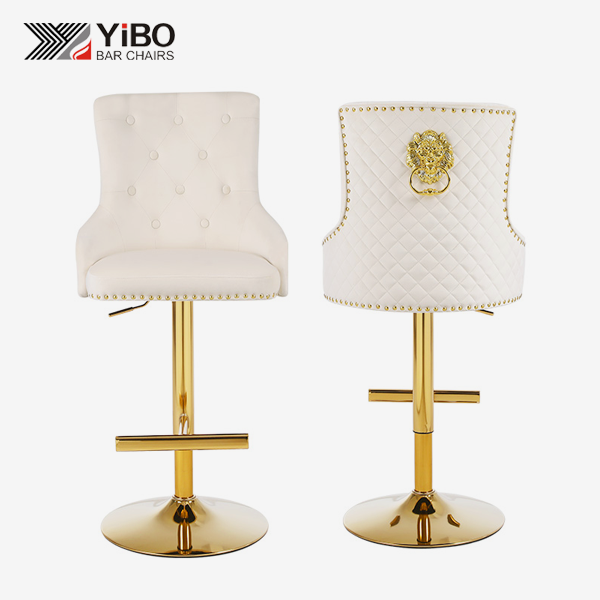
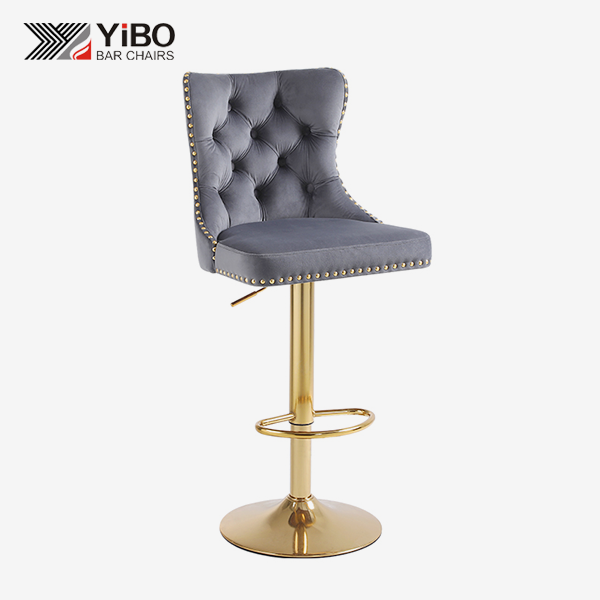
Upholstered restaurant dining chairs represent the pinnacle of dining comfort, transforming ordinary meals into memorable experiences that encourage extended visits and repeat patronage. Premium upholstery elevates perceived value, signaling to guests that your establishment prioritizes their comfort and satisfaction. This investment in guest experience translates directly to increased average ticket values and enhanced customer loyalty. The comfort advantages of upholstered seating cannot be overstated. Thick cushioned seat pads and supportive backrests cradle diners through multi-course meals, business lunches, and leisurely celebrations without causing discomfort or fatigue. High-density foam maintains its supportive properties through years of continuous use, ensuring consistent comfort regardless of how many guests have previously occupied the seat. Upholstered restaurant dining chairs particularly benefit establishments targeting demographics that appreciate extended dining experiences, including fine dining restaurants, hotel dining rooms, and event venues hosting weddings and corporate functions. Material selection for upholstery significantly impacts both aesthetics and maintenance requirements. Luxury velvet fabric creates an opulent atmosphere with its rich texture and deep color saturation, making it ideal for upscale venues seeking to project sophistication. Diamond-stitched patterns add visual interest while reinforcing fabric durability at stress points. Commercial-grade vinyl offers practical benefits for casual dining establishments, providing stain resistance and easy cleaning while maintaining attractive appearances. Leather upholstery combines timeless elegance with exceptional longevity, developing a distinguished character as it ages. When selecting upholstery for restaurant dining chairs, consider factors including expected cleaning frequency, color coordination with existing decor, and the tactile experience you want guests to associate with your brand.
Combining Materials for Optimal Performance
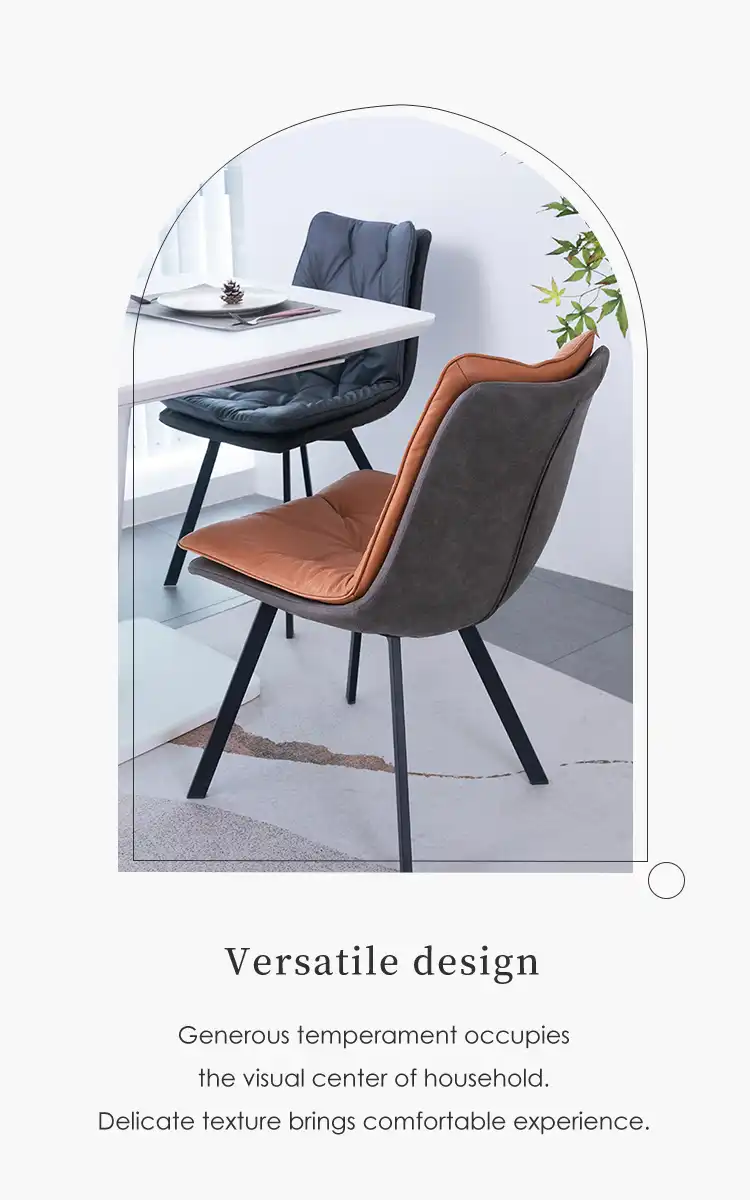
Wood and metal combination restaurant dining chairs offer the best of both worlds, merging aesthetic warmth with structural durability. These hybrid designs strategically utilize each material's strengths to create seating solutions that excel in both form and function. Metal frames provide the foundational strength and stability necessary for commercial environments, while wood elements introduce organic warmth that softens industrial aesthetics and creates inviting dining spaces. The construction approach for wood-metal combinations varies based on design priorities. Some chairs feature metal frames with wood seats, capitalizing on metal's superior structural properties while delivering the comfortable seating surface and visual appeal of natural wood. Alternative designs incorporate wood backrests mounted to metal frames, creating eye-catching silhouettes that become focal points in restaurant interiors. These combinations allow restaurants to achieve specific design aesthetics, from industrial-chic spaces featuring distressed wood with brushed steel to refined settings pairing polished wood with powder-coated frames in complementary tones. Maintenance advantages emerge from thoughtful material pairing in restaurant dining chairs. Metal components handle the structural stresses and potential damage risks that occur at joints and stress points, while wood surfaces provide comfortable contact areas less prone to temperature extremes than all-metal alternatives. This strategic material distribution extends overall chair lifespan while reducing maintenance interventions. Upholstered seat cushions can be added to wood-metal frames, creating tri-material designs that maximize comfort without sacrificing structural integrity. Such versatility allows restaurants to adapt their seating as concepts evolve, simply updating upholstery fabrics to refresh spaces without replacing entire chair inventories.
Selecting Restaurant Dining Chairs for Different Venue Types
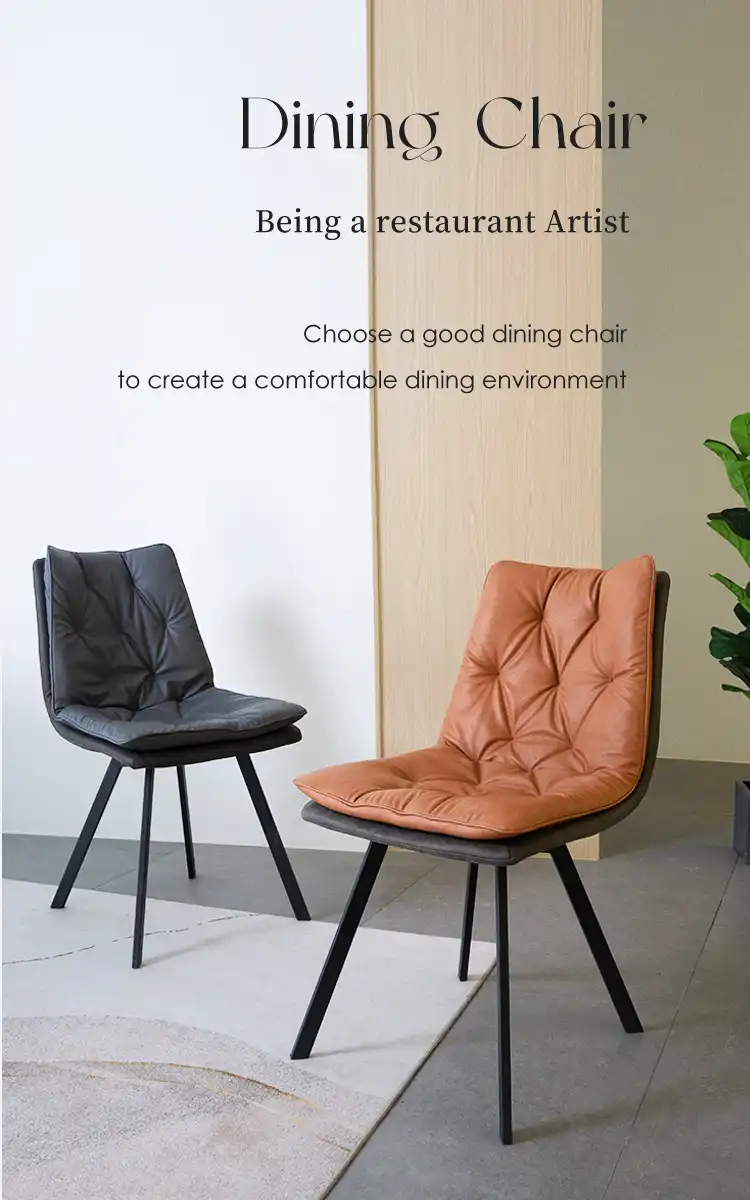
Different restaurant concepts require distinct seating solutions that align with operational demands and customer expectations. Fast-casual establishments benefit from restaurant dining chairs emphasizing durability and easy maintenance, typically featuring metal frames with either solid seats or minimal upholstery. These venues experience high customer turnover and require furniture that withstands intensive daily use while facilitating quick table turnovers. Stackable options prove particularly valuable, enabling efficient storage during cleaning operations and flexible space configurations for private events. Fine dining restaurants demand restaurant dining chairs that project sophistication and prioritize guest comfort throughout extended dining experiences. Fully upholstered designs with generous cushioning suit these applications, offering the refined appearance and superior comfort discerning clientele expect. Chair arms add an extra dimension of luxury while providing practical support for elderly guests and those with mobility considerations. Material selections lean toward premium options including leather, high-grade fabrics, and richly finished woods that complement elegant table settings and refined interior design schemes. Cafe and bistro environments often embrace eclectic design approaches that blend various chair styles to create visually interesting, relaxed atmospheres. These venues successfully mix wood, metal, and upholstered restaurant dining chairs, using material and color variations to define distinct seating zones or simply add visual texture. Industrial-style metal chairs with wood accents align perfectly with contemporary cafe aesthetics, while vintage-inspired upholstered pieces create cozy corner nooks. This flexibility allows cafe owners to express creativity while meeting practical requirements for diverse seating arrangements accommodating solo laptop users, couples on dates, and small groups gathering for conversation.
Key Features of High-Quality Restaurant Dining Chairs
Professional-grade restaurant dining chairs incorporate specific design features and construction methods that distinguish them from residential furniture. Understanding these quality indicators helps restaurateurs make informed purchasing decisions that protect long-term investments. Frame construction methods significantly impact chair longevity, with welded metal joints outperforming bolted assemblies that may loosen over time. High-quality wood chairs utilize time-tested joinery techniques including mortise-and-tenon connections reinforced with wood glue and dowels, creating robust structures that maintain integrity through decades of service. Weight capacity represents a critical specification often overlooked during restaurant dining chair selection. Commercial chairs should support at least 150 kilograms to accommodate diverse guest sizes safely and confidently. This capacity requires robust construction throughout the entire chair structure, from frame materials and dimensions to joint reinforcement and seat construction. Chairs meeting or exceeding this threshold demonstrate manufacturer commitment to commercial applications rather than residential use where lower weight capacities suffice. Ergonomic considerations separate exceptional restaurant dining chairs from merely adequate options. Seat height, depth, and angle affect guest comfort during meals, with optimal dimensions varying based on corresponding table heights. Properly designed backrests provide lumbar support without restricting movement, particularly important for chairs used in restaurants where guests may spend extended periods. Floor protection features including glides or protective pads prevent floor damage while reducing noise during chair movement, maintaining pleasant dining atmospheres. These thoughtful design elements demonstrate manufacturer understanding of commercial dining environments and commitment to creating furniture that enhances rather than compromises restaurant operations.
Customization and Branding Opportunities
Restaurant dining chairs offer extensive customization possibilities that enable establishments to create distinctive branded environments. Frame finish options span the spectrum from natural wood stains highlighting organic grain patterns to bold powder-coated colors making confident design statements. Restaurants can select finishes matching existing decor elements or introducing contrasting accents that draw visual interest and define spatial zones within open dining areas. Upholstery customization provides even greater creative flexibility for restaurant dining chairs. Fabric and color selections allow restaurateurs to incorporate brand colors directly into seating, reinforcing visual identity throughout guest experiences. Pattern options range from subtle textures adding tactile interest to bold prints becoming conversation pieces. Restaurants can commission custom embroidery or printed designs incorporating logos or brand elements, transforming chairs into marketing assets that strengthen brand recognition. Such customization particularly benefits hotels and restaurant groups seeking consistent branded experiences across multiple locations, where standardized custom seating reinforces brand identity regardless of property location. Dimensional modifications accommodate specific spatial requirements and design visions. Custom seat heights ensure proper proportions with existing tables, while adjusted seat depths and widths optimize space utilization in compact dining rooms. Restaurants with unique architectural features can commission restaurant dining chairs with modified dimensions ensuring cohesive installations that respect building characteristics. This customization capability extends to functional modifications including stackability additions, integrated tablet arms for multifunctional spaces, and specialized finishes for outdoor applications. Working with manufacturers offering comprehensive customization services, such as Anji Yibo Furniture Co., Ltd. with their professional R&D team supporting sample production based on drawings, enables restaurateurs to realize specific design visions rather than accepting compromised solutions.
Maintenance and Longevity Considerations
Proper maintenance protocols significantly extend restaurant dining chair lifespans while preserving appearances that positively influence guest perceptions. Different materials require distinct care approaches that should inform initial purchasing decisions based on available maintenance resources. Wood restaurant dining chairs benefit from regular dusting and periodic applications of appropriate wood care products that nourish finishes and prevent drying or cracking. Spills should be addressed immediately to prevent staining or water damage, with annual professional refinishing considered for high-traffic establishments seeking to maintain pristine appearances. Metal restaurant dining chairs demand minimal maintenance, contributing to their popularity in busy commercial environments. Regular wiping with damp cloths removes dust and debris, while periodic inspections identify loose bolts or worn glides requiring attention. Powder-coated finishes resist chipping and scratching, but damaged areas should be addressed promptly to prevent corrosion. Outdoor metal chairs require more frequent inspection and maintenance, with protective covers recommended when not in use to shield against environmental exposure accelerating wear. Upholstered restaurant dining chairs present the most intensive maintenance requirements but deliver unmatched comfort justifying the additional care. Regular vacuuming removes debris that can abrade fabric fibers, while immediate spot cleaning addresses spills before they set. Professional upholstery cleaning should occur annually or semi-annually depending on traffic levels, refreshing appearances and extending fabric life. Establishing relationships with reliable upholstery professionals ensures quick turnaround for recovering worn chairs, minimizing out-of-service periods. Some restaurateurs maintain inventory of extra chairs enabling rotation that distributes wear evenly across seating stock while always presenting guests with pristine furniture.
Sustainable and Ethical Sourcing
Environmental consciousness increasingly influences purchasing decisions across industries, with restaurants seeking suppliers demonstrating commitment to sustainable practices. Restaurant dining chairs manufactured using responsibly sourced materials appeal to environmentally aware restaurateurs and align with growing consumer preferences for businesses minimizing environmental impacts. FSC certification indicates wood products originate from sustainably managed forests where harvesting practices protect ecosystems and support local communities. Manufacturing processes also affect environmental footprints associated with restaurant dining chairs. Factories employing energy-efficient equipment, waste reduction programs, and responsible chemical handling minimize production impacts. Local sourcing of materials reduces transportation emissions while supporting regional economies. Manufacturers transparent about their environmental practices enable restaurateurs to make informed decisions aligned with their sustainability values and communicate these commitments to environmentally conscious customers. Longevity represents perhaps the most significant sustainability consideration for restaurant dining chairs. Furniture built to last decades rather than years reduces replacement frequency, minimizing cumulative environmental impacts from manufacturing, transportation, and disposal. Chairs designed for repair and refurbishment rather than replacement further extend useful lifespans while reducing waste. Selecting high-quality restaurant dining chairs from reputable manufacturers committed to durability and sustainability, such as Anji Yibo Furniture Co., Ltd. with 14 years of specialization in chair manufacturing, represents an investment in both business success and environmental responsibility.
Pricing and Budget Considerations
Restaurant dining chair investments vary dramatically based on materials, construction quality, customization levels, and order quantities. Understanding pricing structures enables restaurateurs to allocate budgets effectively while avoiding compromise on critical quality factors. Basic metal restaurant dining chairs with minimal upholstery represent entry-level pricing, offering functional seating for budget-conscious establishments. Mid-range options incorporate better materials, more sophisticated designs, and modest customization possibilities suitable for most casual and family dining applications. Premium restaurant dining chairs command higher prices reflecting superior materials, construction quality, and extensive customization options. These investments suit fine dining establishments, hotels, and venues where seating directly impacts brand positioning and guest experience expectations. While initial costs exceed basic alternatives, superior durability and timeless design aesthetics deliver better long-term value through extended replacement cycles and maintained guest satisfaction. Quantity considerations significantly affect per-unit pricing, with volume discounts making quality seating more accessible for larger establishments. Restaurants opening new locations or undertaking comprehensive renovations should negotiate based on total order volumes, potentially achieving premium quality at mid-range pricing through economies of scale. Working directly with manufacturers rather than intermediaries often yields cost savings while enabling more direct communication regarding specifications and customization. Manufacturers offering competitive pricing for bulk orders, like Anji Yibo Furniture Co., Ltd., enable restaurateurs to furnish spaces with professional-grade seating without exceeding budget constraints.
Safety Standards and Compliance
Restaurant dining chairs must meet rigorous safety standards protecting both guests and businesses from liability risks. Commercial furniture undergoes testing verifying structural integrity, weight capacity, stability, and flame resistance appropriate for public spaces. BIFMA certification indicates chairs meet North American commercial furniture standards, providing restaurateurs confidence in product safety and performance. These standards address critical safety factors including tip resistance preventing injury accidents, structural strength ensuring chairs don't collapse under normal use, and material specifications preventing excessive wear compromising safety. Flame resistance requirements vary by jurisdiction but commonly mandate upholstered furniture in public spaces incorporate flame-retardant materials or treatments. Compliance protects occupants during fire emergencies while satisfying building code requirements and insurance policy conditions. Restaurants should verify their seating meets applicable local regulations, requesting documentation from suppliers confirming compliance. Warranty coverage reflects manufacturer confidence in product quality while protecting restaurateur investments. Comprehensive warranties covering frame integrity, upholstery wear, and finish durability provide recourse when premature failures occur. Understanding warranty terms including coverage periods, exclusions, and claim procedures enables effective resolution of quality issues. Manufacturers standing behind their products with substantive warranties, such as Anji Yibo Furniture Co., Ltd. offering product warranties, demonstrate commitment to customer satisfaction and confidence in their manufacturing standards.
Conclusion
Selecting restaurant dining chairs requires balancing aesthetics, comfort, durability, and budget considerations to create dining spaces that attract customers and support operational efficiency while delivering exceptional guest experiences.
Cooperate with Anji Yibo Furniture Co., Ltd.
As a leading China restaurant dining chairs manufacturer and China restaurant dining chairs supplier, Anji Yibo Furniture Co., Ltd. brings 14 years of specialized experience crafting exceptional seating solutions for global hospitality markets. Located in Anji, the renowned hometown of chairs in Zhejiang Province, our 6000+ square meter facility combines advanced manufacturing equipment with skilled craftsmanship to produce High Quality restaurant dining chairs meeting the highest international standards. We offer competitive China restaurant dining chairs wholesale pricing and restaurant dining chairs for sale at attractive restaurant dining chairs price points without compromising quality. Our professional R&D team supports OEM and ODM partnerships, providing full-process services from concept to delivery. Whether you need wood, metal, or upholstered restaurant dining chairs, we customize designs matching your brand aesthetic with diverse fabric options including Abner, Jaegar, Galotti, and Case. Exported to 70 countries and featured at Canton Fair and Guangzhou Furniture Fair, our China restaurant dining chairs factory delivers reliable products with comprehensive warranties and 24-hour customer service. Contact us at yb@ajyibo.com to discuss your restaurant dining chair requirements. Save this resource and reach out whenever you need trusted seating solutions for your establishment.
References
1. Smith, J. & Anderson, K. "Commercial Furniture Durability Standards and Testing Methods" Journal of Hospitality Design, Vol. 42, No. 3
2. Williams, R. "Ergonomic Considerations in Restaurant Seating Design" International Journal of Foodservice Management, Vol. 18
3. Chen, L. "Sustainable Manufacturing Practices in the Furniture Industry" Environmental Design Quarterly, Vol. 29, No. 2
4. Martinez, D. & Thompson, P. "Material Selection for High-Traffic Commercial Environments" Architectural Materials Review, Vol. 15
5. Johnson, M. "The Impact of Seating Comfort on Restaurant Guest Satisfaction and Duration of Stay" Cornell Hospitality Research Journal, Vol. 33, No. 4