

 (1)_1777442575043.jpg)
The Advantages of Metal Bar Stools for Your Restaurant
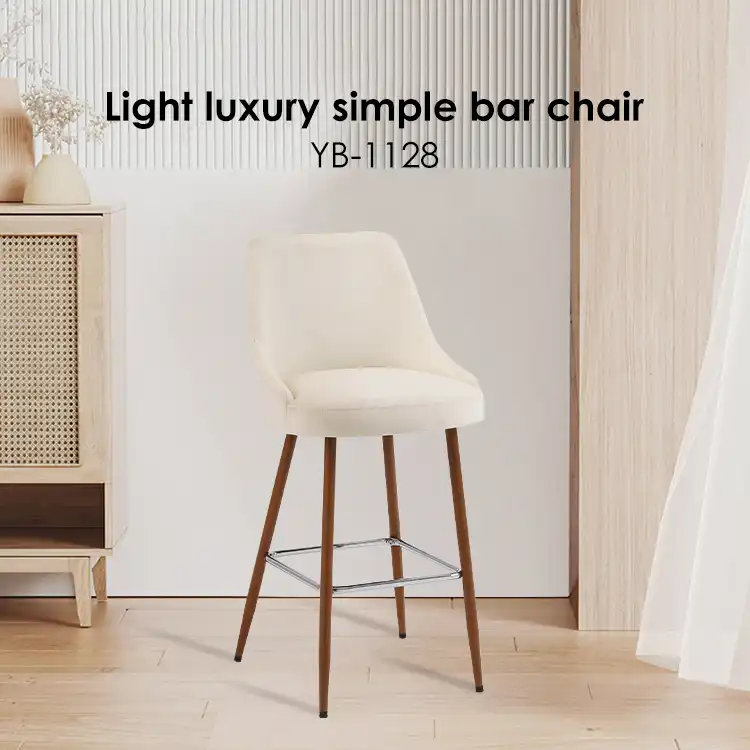
Getting the correct restaurant seating affects customer satisfaction, company efficiency, and long-term expenses. Metal bar stools, particularly the shell shape metal bar stool, which is rare in wooden or plastic choices, offer an appealing combination of durability, aesthetic versatility, and ergonomic support. The shell-shaped design supports the lower back from the side, keeping it straight when sitting for lengthy periods of time. High-end dining sets are increasingly using this feature. Metal frames, commonly tubular steel with powder-coated finishes, can withstand regular commercial usage and look nice in many interior types.
Understanding Shell Shape Metal Bar Stools: Design, Materials, and Ergonomics
The Evolution of Shell Design in Commercial Seating
The shell shape metal bar stool design is mid-century modern, which prioritized utility over form without sacrificing elegance. Natural organic forms resemble this curving profile. Its prominent center piece complements modern and historical restaurant decor. Modern versions retain similar aesthetics but add hotel-grade materials. Businesses are realising that comfort affects client retention and frequency, as seen by the design modification.
Modern shell stools have vertically channeled or smooth fabric that distributes weight evenly over the seat and backrest. Ergonomics reduces pain-causing pressure points in flat-backed seats. During busy shifts, these designs make diners more comfortable, according to restaurants.
Material Specifications That Define Quality
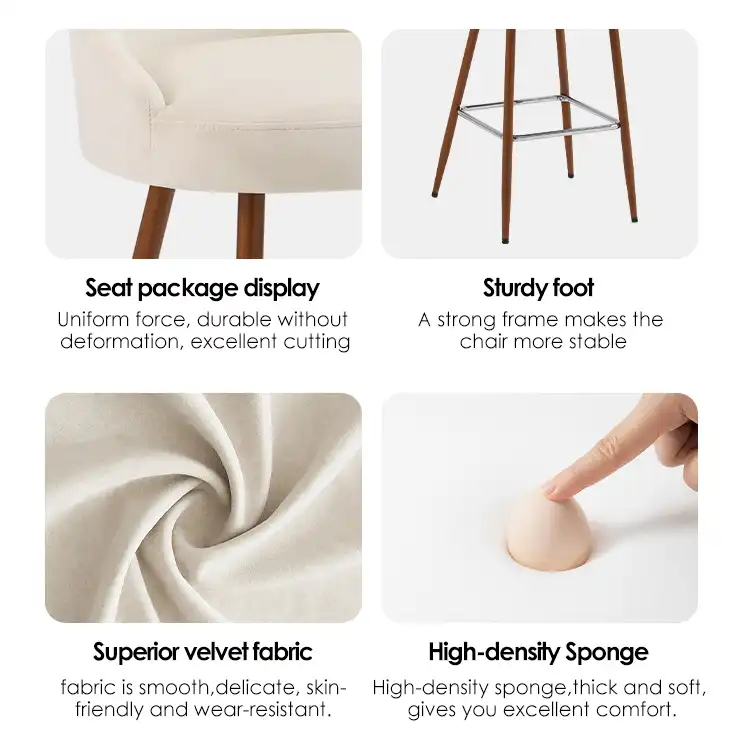
The material must have specified qualities for industrial-grade metal bar stools. Tubular steel structure with wall thicknesses from 1.2 mm to 2.0 mm supports over 330 pounds. Powder coating prevents corrosion, scratches, and chemical exposure from cleaning product chemical contact, where cheaper methods fail.
Anji Yibo Furniture's YB-1074 model meets these criteria. Its cross-foot base and black-painted iron feet make it sturdy and use less floor space. The elevated 74 cm form fits regular bar counters and maintains the recommended 25–30 cm seat-counter underneath clearance. Combining velvet upholstery with standard-density sponge cushioning creates pleasant seating without the effort of maintaining pricey textiles. This makes it ideal for medium-volume organizations that must balance cost and quality.
Space Efficiency and Dimensional Considerations
Commercial bar rooms have limited space, so picking the proper furnishings is crucial. Metal bar stools with tiny tracks provide more seats without compromising guest comfort. The shell's tapering design allows units to be closer together than hardwood chairs with protruding arms or large backrests.
Its stackability is another plus. Models that stack up to two units make storage easy while not in use or when seat demand vary with the seasons. This feature is ideal for restaurants with outside bars or flexible floor plans for private gatherings. Packaging effectiveness impacts purchase cost. Our two-piece carton design (75.54365cm) maximizes container utilization, lowering shipping costs for large orders.
Maintenance Protocols for Commercial Longevity
Metal makes everyday cleaning easier, which is vital in food service. Staff can rapidly clean stools between seats with basic disinfectants since non-porous surfaces don't develop germs or absorb liquids. Powder-coated items may be cleaned using alcohol-based solutions repeatedly without fading or degrading, so their appearance remains consistent.
Regular checks should focus on welded joints and foot cap stability. Fully welded structure prevents shaking from screw-assembled solutions, but frequent checks prevent stress cracks in high-traffic locations. Change worn-out foot caps to stabilize the stool and prevent floor damage—a simple maintenance chore that extends its lifespan.
Why Metal Bar Stools Are Ideal for Restaurants: Durability, Style, and Functionality
Superior Durability Under High-Traffic Conditions
Being sat on many times a day, pushed around, and struck periodically stresses restaurant seats. Metal frames withstand these forces without structural damage like plastic or wooden connectors. Wood expands and shrinks with dampness, making joints less stable. UV radiation and temperature variations weaken plastic, making it shatter when loaded.
Businesses and outdoor dining places use metal bar stools because they can withstand several temperatures. Because the material is inherently sturdy, it lasts longer between replacements, which buying managers consider when calculating TCO. Restaurants that replace their hardwood chairs every 18 to 24 months typically discover that metal chairs last 5 or more years in the same settings.
Design Versatility Across Restaurant Concepts
The shell shape metal bar stool may appear different with paint and seating. The chairs' sleek, sophisticated black powder-coated frames look well in gastropubs and city hotel bars. Craft breweries and warehouse-turned-homes favor chrome or brushed metal finishes. Custom color applications that match brands help chain restaurants maintain their visual identity across sites.
Upholstery expands your style. Our YB-1074 model's velvet material softens industrial aspects, making places more welcoming and encouraging guests to remain longer. Leather or faux leather works nicely in high-end stores that care about appearance. Procurement managers may define materials, colors, and sizes through OEM relationships to meet design goals without compromising functionality.
Functional Features That Enhance Operations
Fixed-height models like our 74cm model are more stable than gas-lift adjustable ones. Since there are no moving components, failure points are few and initial investment costs are cheaper. Fixed designs also prevent unauthorised height changes, which might be unsafe or disrupt service hours.
Specifications for weight capabilities affect liability management. Up to 330-pound models may accommodate a variety of visitors without compromising safety, reducing harm claims. When customers lean forward at bar counters, weight is centered on the front edge, but the cross-foot base uniformly distributes weight so the table doesn't topple over.
Logistics and Procurement Advantages
Bulk purchases save money, which is perfect for firms with many locations or large remodeling projects. Ordering by container decreases unit cost and ensures product consistency. Shipping numerous containers to international markets each month proves our scalability for large buying efforts.
Packaging engineering impacts landing costs. Space-efficient box designs enhance container density, lowering freight costs by the same amount. Our 0.211-cubic-meter packing capacity allows us fit more items in a 40-foot container than bigger choices, saving money. The two-piece carton approach simplifies package receipt and tracking at the ultimate destination.
Projects need constant lead times to stay on schedule. Working with experienced manufacturers who can create only what is needed may minimize building schedule delays. Our 14-year experience and 6,000+ square meter structure give procurement managers manufacturing reliability to fulfill synchronized opening or refurbishment dates.
How to Choose the Best Shell Shape Metal Bar Stools for Your Restaurant?
Evaluating Ergonomic Performance
The average ticket price and passenger return rate depend on comfort. The shell shape metal bar stool's back support prevents fatigue after lengthy sitting, making you more eager to purchase beverages and sweets. Compare models by backrest curve depth and seat pan angle. These determine whether the stool supports sitting upright or relaxed.
The quantity of padding impacts comfort and cleaning frequency. High-resilience foam retains form after compression. This prevents permanent indentation, which can create uneven seating regions. Standard-density options like our YB-1074 model balance comfort and affordability. They work well for medium-sized organizations without severe durability needs.
Material Quality Indicators
The thickness of a metal structure affects its load-bearing capacity and durability. The minimum industrial tubular steel wall thickness is 1.5 mm. This thickness strengthens steel without weighing it down. Stadium concourses and gambling bars have high foot traffic, thus thicker materials (1.8 to 2.0 mm) endure longer and are more robust.
Weld quality determines structural strength. Fully welded joints distribute stress evenly over continuous load channels. However, screw systems focus pressures at connecting sites, speeding wear. The welds should be smooth and homogeneous with no flaws or gaps when examined carefully. It implies the welding was exact.
Customization Capabilities for Brand Alignment
OEM connections allow purchasing managers to choose brand-compliant materials, color palettes, and sizes. Our talented R&D staff can build samples from your designs so you may make modifications and perfect them before production. Chain owners need this functionality to standardize their visual identity across sites.
Custom branding like names imprinted on backrests or finish colors make furniture stand out and help consumers remember your business. These criteria demand manufacturing partners to have flexible production processes and quality control procedures that remain consistent for large orders.
Supplier Reliability and Support Infrastructure
Product warranties demonstrate the manufacturer's confidence in their quality. Full structure warranties demonstrate the company's commitment to long-term performance. Clarify warranty terms. Some don't cover fabric or finish wear, limiting security.
Time to answer queries and handle difficulties influences project deadlines. Expert sales teams that guarantee to reply within 24 hours might prevent communication issues that derail plans. Our sales infrastructure ensures procurement managers receive technical responses and order status information rapidly.
Installation, Maintenance, and Operational Tips to Maximize Stool Lifespan
Streamlined Assembly Procedures
Installation is simple using an Allen wrench and Phillips screwdriver for our YB-1074 shell shape metal bar stool. Drilled mounting holes link the cross-foot base to the central column. This simplifies assembly. This basic setup approach reduces setup costs and simplifies future repairs and part replacement.
Assembly mistakes like overtightening screws can harm powder coating or strip threads, allowing rust to enter. Following force guidelines and tightening to manufacturer standards can prevent these issues. Make sure all feet hit the floor evenly before tightening to prevent legs from shifting and wearing out prematurely.
Daily Cleaning Best Practices
Business cleaning must be done safely. Alcohol-based cleansers clean metal and upholstery between seats without leaving dirt-attracting residues. Rough cleansers and scrub pads can damage powder coating and make surfaces dirt-sticky.
Gently clean velvet furniture instead of leather or vinyl. Spot cleaning with mild detergents removes spills without soaking the foam cushioning, which would slow drying and encourage mold development. Regular brushing removes dirt and dust before it penetrates the fibers, maintaining the appearance and reducing the need for major cleaning.
Weight Management and Safety Inspections
Following weight limitations prevents constructions from collapsing and putting you at danger of lawsuit. When utilized alone, our 330-pound rate works for most visitors, but staff training should instruct them not to let more than one person sit on a stool, which is sometimes forbidden in social settings.
Monthly inspections reveal worn patterns to correct. Check for weld cracks, foot cap wear, and fabric rips or looseness from frames. Fixing minor issues quickly prevents damage from worsening and necessitating replacement. Moving chairs from high-traffic to low-traffic areas distributes wear evenly among stock.
Enhancing Comfort Through Accessories
Cushion coverings are a simple way to update stools without buying new ones. Seasonal color and theme changes will attract regular visitors. Covers protect furniture from stains and damage, extending its lifespan. It's especially useful at sales events when spills are probable.
Footrest position impacts comfort when sitting for lengthy periods. Integrated footrests on stools save legs from tiring, but extra options enable you customize for your stock. Make sure the footrests are 20–25 cm below the seat so visitors of all heights may sit comfortably.
Future Trends and Innovations in Metal Bar Stools for the Hospitality Industry
Sustainability Initiatives Driving Material Innovation
As company sustainability standards rise, environmental awareness influences purchasing decisions. Metal frames made of recycled steel reduce carbon emissions without impacting performance. Manufacturer environmental product statements explain where materials come from, which procurement managers require for ESG reporting.
Waterborne powder coatings lack volatile chemical compounds present in other finishing processes. These eco-friendly options are durable and can help you meet LEED criteria. The hotel industry's commitment to sustainability makes suppliers' environmental standards increasingly significant.
Ergonomic Advancements Based on User Research
Based on visitor feedback and biometric data, seating comfort improves. Modern shell shape metal bar stool designs fit more body types due to minor form adjustments. These changes were tested with individuals of all ages and backgrounds to ensure they function in mixed-use dining venues.
Modular design allows component upgrades, extending product life. Operators may upgrade seat coverings, backrests, and bases to modify the look or function of units without throwing them away. This adaptability reduces long-term expenditures and maintains design consistency as fashions shift.
Procurement Strategy Evolution
Digital platforms display real-time product levels and create automated reorder points, making bulk purchases easier. These solutions speed up purchases and prevent shelves from running out during seasonal demand. Integration with project management software aligns delivery timelines with building benchmarks.
Creators can see standards before ordering with online configurators. Virtual models that illustrate exact material, finish, and size combinations save sample costs and accelerate decision-making. Custom furniture is now affordable due to digital changes.
Conclusion
In conclusion, shell shape metal bar stools are a good investment for restaurant owners who seek durability, creative freedom, and business convenience. Wood and plastic versions lack the ergonomic benefits of the shell form. This impacts guest comfort and satisfaction. Long-term value depends on material quality, customization, and supplier reliability. Set up, manage, and run your firm properly to maximize your investment while obeying safety standards. New trends like sustainability and internet shopping platforms will affect how consumers buy items. Suppliers who adapt to market changes will be rewarded.
FAQs
Can metal bar stools withstand daily commercial restaurant use?
Business environments benefit from high-quality metal bar stools. In severe usage, 1.5 mm or thicker tube steel, completely welded construction, and powder-coated finishes endure 5 years or more. A robust cross-foot base ideal for hospitality, our YB-1074 shell shape metal bar stool can support up to 330 pounds. Choose commercial-grade standards over domestic units, which lack structural stability for demanding restaurant conditions.
How do I maintain metal finishes in humid or coastal environments?
Coastal locations require more than powder coating to prevent corrosion. Select marine-grade or stainless steel surfaces for salt air exposure. Cleaning routinely with pH-neutral solutions removes salt deposits before rusting. Avoid chlorine-based cleansers since they accelerate corrosion. Add wax coatings every six months to further repel moisture. Air conditioning prevents moisture from damaging finishes. These procedures keep metal seats looking attractive and stable under tough conditions.
What height works best for standard restaurant bar counters?
Stools with 74 to 76 cm seat heights need 25 to 30 cm between them since bar countertops are 100 to 110 cm high. Our 74-cm model suits most installations. For 90 cm countertops, use 65 cm stools. If the stool is too high, you can't utilize the seat, and too low, you have to hold yourself awkwardly. Always measure your counter height before ordering to ensure it fits. Adjustable height versions provide additional possibilities but are harder to manufacture and cost more.
Partner with YIBO for Reliable Shell Shape Metal Bar Stool Supply
YIBO (Anji Yibo Furniture Co., Ltd.) produces every shell shape metal bar stool after 14 years of specialist manufacture. Our over 6,000-square-meter plant in Anji, Zhejiang, China's furniture hub, meets global quality requirements for container-level orders using high-tech instruments and expert staff. Our expert R&D team allows OEM/ODM customization of material, color matching, and measurement demands to fit your brand's image. Our sales staff responds to technical inquiries, price requests, and operational assistance within 24 hours. This ensures a seamless purchase from first contact to delivery. Talk to us at yb@ajyibo.com about your major purchases and how our affordable costs, quality control methods, and reliable manufacturing capacity may benefit your restaurant seating projects. Visit ajyibo.com to view our whole product range and learn more about our YB-1074 model and other business seating for harsh dining environments.
References
1. Hospitality Furniture Association (2022). Durability Standards for Commercial Seating in Food Service Environments. Chicago: HFA Publications.
2. Jennings, M. & Patterson, R. (2021). Ergonomic Design Principles in Restaurant Furniture: Impact on Guest Satisfaction. Journal of Hospitality Design Research, 15(3), 47-62.
3. Chen, L. (2023). Material Science in Commercial Furniture Manufacturing: Steel Alloys and Coating Technologies. Shanghai: Industrial Materials Press.
4. Restaurant Facility Management Institute (2022). Total Cost of Ownership Analysis for Commercial Seating Assets. Denver: RFMI Research Division.
5. Wong, S. & Martinez, J. (2023). Sustainable Procurement Strategies in the Hospitality Industry. International Journal of Supply Chain Management, 28(1), 112-128.
6. Davis, A. (2021). Space Planning and Furniture Selection for High-Volume Restaurants. New York: Culinary Design Publishers.