

 (1)_1777442575043.jpg)
What Are Restaurant Bar Chairs and Why Do They Matter?
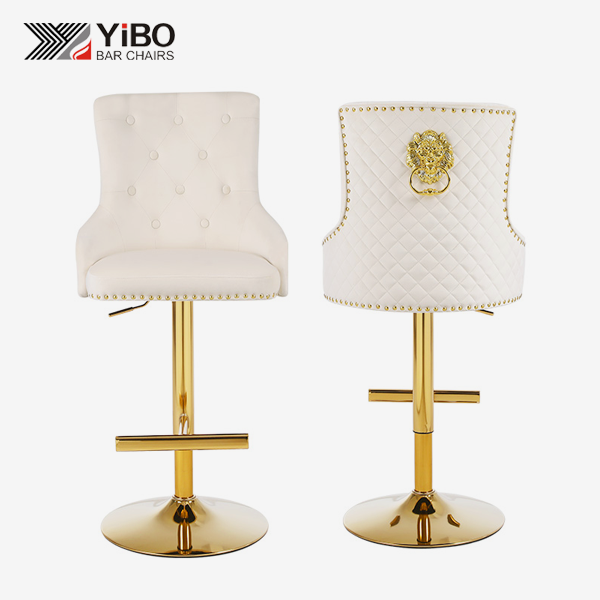
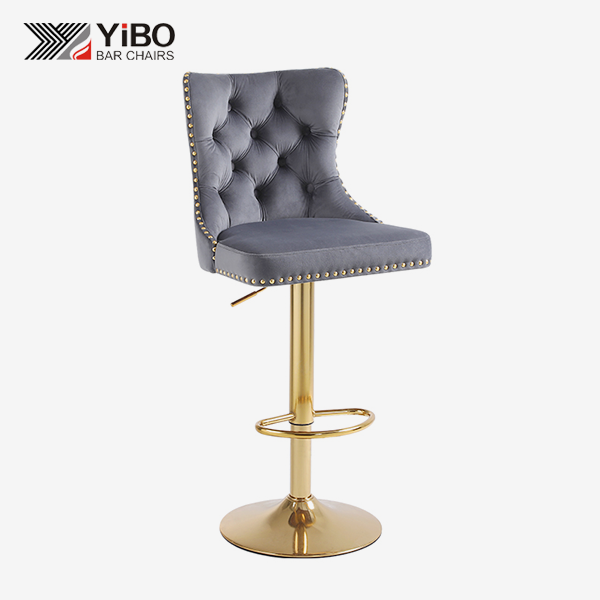
Restaurant stools bar chairs are specialized commercial seating solutions engineered to withstand the demanding environment of hospitality establishments while providing optimal comfort and functionality. These elevated seating units serve as critical infrastructure components that directly influence customer satisfaction, operational efficiency, and revenue generation. Unlike residential furniture, commercial bar seating must accommodate rapid turnover, varying patron sizes, and intensive daily usage while maintaining aesthetic appeal that aligns with brand identity.
Choosing the right bar seating affects a number of operational measures, such as the average length of stay, the rate at which tables are turned over, and the cost of upkeep. In order to maintain a competitive edge in today's hospitality market, it is crucial to invest in high-quality restaurant stools bar chairs that provide comfortable support for extended eating times.
Understanding Restaurant Bar Chairs and Their Importance
Commercial bar chairs are a high-class type of furniture made to fit high eating tables and counter-height tables that you might find in hotels, restaurants, bars, and shops. These seating options are very different from regular table chairs because they are taller, have different base designs, and have stronger construction to handle heavy use in businesses.
Key Characteristics That Define Professional Bar Seating
Bar seating for professionals has a few features that make it different from seating for homes. The seat height is usually between 24 and 32 inches, which is the same as counter-height (24 to 26 inches) and bar-height (29 to 32 inches). To keep this chair from tipping over, you need to carefully consider where to put the footrests, the curve of the backrest, and its general stability.
Another important feature is the weight limit. Commercial units are made to hold more than 300 pounds of static load, while household models are made for lighter use. Heavy-duty materials like high-grade steel tubing or solid hardwood are used to build the frame. The joinery methods are strengthened so that the frame can handle the side forces caused by people moving around.
When choosing surface treatments and upholstery, longevity and ease of upkeep are given more weight than looks alone. Materials must not get stained by food and drinks, be easy to clean with commercial-grade disinfectants, and keep their look even when they are constantly exposed to a lot of foot traffic.
Impact on Customer Experience and Business Operations
Choosing the right bar seating has a direct effect on how customers act and on business measures that affect how much money the bar makes. When sitting is comfortable, people stay longer, which means they spend more money by ordering more drinks and snacks. On the other hand, seating that isn't stable or nice can lead to bad experiences that hurt your image and make people less likely to come back.
Because of the raised position and the possibility of long periods of use during casual meals, ergonomics become even more important for bar seating. Having the right back support, seat depth, and footrests in the right places makes visitors more comfortable and less tired during their stay.
Maintenance needs also affect how efficiently things work, since restaurant stools bar chairs have to be cleaned every day without losing their performance or look. Surfaces that are easy to clean, pillows that can be taken off, and gear that doesn't rust or corrosion all help to lower work costs and increase service life, which is good for total cost of ownership estimates.

Exploring the Types and Materials of Restaurant Bar Chairs
The market for business furniture has a wide range of bar chair designs that are made to fit different functional needs and personal style preferences. When procurement pros know about these choices, they can choose seating options that work best for their surroundings and look good too.
Fixed Base vs. Swivel Configurations
The stiff link between the seat and base of a fixed-base bar chair makes it very stable and long-lasting. This set-up works well in places with a lot of customers where safety is more important than ease. Not having any moving parts means less upkeep is needed and there are no weak spots that could cause safety issues or require expensive fixes.
Swivel base chairs have moving gears that make it easier for people to get in and out of the chair and allow them to socialize with people sitting in other areas. High-quality rotating gears have sealed ball bearing systems that can handle long-term business use. Some models also have return-to-center features that keep things looking neat between uses.
Height-adjustable types are useful for businesses with different desk heights or rooms that are used for more than one thing. Gas cylinder mechanisms allow for smooth change while staying stable under load. However, these systems need more upkeep and have more places where they could fail than fixed-height options.
Material Selection and Performance Characteristics
Commercial bar chairs are mostly made of metal frames because they are strong for their weight and don't react badly to weather. When properly handled with powder coating or plating methods that stop corrosion, steel tubing lasts a very long time. Aluminum options are lighter, which is good for places that need to change their layout often, but they cost more to make.
Wood frame structure is popular with places that value warmth and classic looks. If they are properly designed, hardwoods like beech, oak, and ash are strong enough, and rubber wood parts are a cheap way to make accent pieces like footrests. YIBO's designs use jet black rubber wood feet that are both long-lasting and attractive. They also protect floors from damage.
Upholstery materials need to be comfortable, long-lasting, and easy to clean. Vinyl that is made for commercial use can stand up to heavy cleaning and keeps its look over time. For fabric choices, the abrasion resistance rating needs to be better, usually more than 50,000 double rubs in normal testing procedures. When specified correctly, linen upholstery adds a sophisticated texture and meets industrial toughness standards for longevity.
Ergonomic Features and Comfort Optimization
Contemporary restaurant stools bar chairs are made with ergonomic principles in mind, so they can be used by a wide range of people and keep them comfortable for long amounts of time. The shape of the seat spreads weight out widely to avoid pressure spots, and the angles of the backrest support the lower back without getting in the way of using the table.
To find the right place for the footrest, you need to carefully calculate the seat height and the average length of your legs. Different heights of people can use the different kinds of footrests, and the wraparound shapes let people sit in a variety of ways. YIBO's building method uses spinning square brackets to make sure the footrest is securely attached and to make the setup process easier.
Adding an armrest relies on how the system works and how much room there is. Armrests make chairs more comfortable and make it easier for people to get in and out of the chair, but they can get in the way of placing tables and make it harder to fit a lot of people in a room.

How to Choose the Best Restaurant Bar Chairs for Your Business?
To choose the best bar chairs, you need to carefully consider how it will be used, how it will look, and your budget. As part of this process, the types of customers, how they use the service, and environmental factors that affect performance standards and service life forecasts are all looked at.
Analyzing Your Operational Environment
In places with a lot of customers and quick table turnover, sturdiness and ease of upkeep are more important than comfort features that might make people stay longer. Sports bars and casual eating places usually choose strong metal frames with vinyl padding that can handle heavy use and be cleaned quickly between customers.
In order to get people to stay longer and spend more, high-end restaurants and hotel bars focus on ease and good looks. In these settings, high-end materials like hardwood frames and leather upholstery are often justified, with higher upkeep needs in return for a better atmosphere and customer experience.
When something is used outside, it has to be resistant to weather, UV light, and changes in temperature. When subjected to harsh environments, the choice of material becomes very important. Aluminum frames and synthetic upholstery work better than standard indoor materials.
Key Performance Criteria for Commercial Applications
Weight capacity is an important safety factor that affects both customer trust and the amount of responsibility that is possible. Commercial bar chairs should be able to hold at least 300 pounds of weight in a static position, with safety gaps that account for the weight that changes as customers walk around. YIBO's models have this capability while still having small footprints that are good for plans that need to save room.
Stability features stop things from tipping over, which could hurt someone or put you in legal trouble. The size of the base, where the center of gravity is located, and how the weight is distributed all affect how stable the structure is under different loading conditions, such as when people move around or accidentally hit it.
Maintenance needs have a direct effect on running costs through the cost of work and new parts. The total cost of ownership is lower with sealed bearing systems, gear that doesn't rust, and wear parts that are easy to repair. The performance stays the same over long service periods.
Supplier Evaluation and Quality Assurance
When looking for business furniture that needs to work well for many years, the reputation of the manufacturer becomes very important. Established providers like YIBO show their dedication by offering full guarantee coverage, quality certifications, and proof of success in similar situations.
Standardized procedures that mimic real-world usage patterns are used for testing and certifying products to make sure they live up to their performance claims. ANSI/BIFMA standards provide objective benchmarks for strength, durability, and safety performance that enable confident specification decisions.
Sample evaluation lets you see for yourself the quality of the build, the properties of the materials, and the building requirements before you commit to buying a lot of them. This process shows possible problems with how the parts are packed, how well they fit together, and how clear the instructions are, all of which could affect how long it takes to install and how much it costs.

Conclusion
The selection of appropriate restaurant stools bar chairs represents a critical decision that affects customer satisfaction, operational efficiency, and long-term profitability for hospitality establishments. Quality commercial seating solutions provide the foundation for positive dining experiences while delivering reliable performance under demanding usage conditions. Procurement professionals must balance multiple factors including durability requirements, aesthetic preferences, ergonomic considerations, and budget constraints to identify optimal seating solutions for their specific applications. The investment in properly specified commercial bar seating pays dividends through enhanced customer experiences, reduced maintenance costs, and extended service life that justifies premium pricing compared to residential alternatives.
FAQs
What weight capacity should commercial bar chairs support?
Commercial restaurant stools bar chairs should support a minimum static load of 300 pounds, with quality models like those from YIBO designed to handle up to 500 pounds. This capacity ensures safety for all patron sizes while providing adequate safety margins for dynamic loading during normal use.
How do I determine the correct seat height for my establishment?
Take the height of the counter or bar and take 10 to 12 inches off to get the right seat height. For a good eating position, seats at counter-height (35 to 37 inches) should be 24 to 26 inches high, and seats at bar-height (41-43 inches) should be 29 to 32 inches high.
What materials work best for high-traffic commercial environments?
Metal frames that have been powder coated are very durable and can handle heavy use. Commercial-grade vinyl seating is easy to clean and won't damage. Wood parts, like the jet black rubber wood feet that are used on YIBO goods, make them look better and meet industrial longevity standards.
Partner with YIBO for Premium Restaurant Stools Bar Chairs Solutions
YIBO stands as your trusted restaurant stools bar chairs supplier with 14 years of specialized manufacturing experience in business seating solutions. Our comprehensive product line combines ergonomic design with commercial-grade durability, featuring linen upholstery options, jet black rubber wood feet, and precision-engineered rotating square brackets that ensure reliable performance in demanding hospitality environments.
Contact our team at yb@ajyibo.com to discuss your specific requirements and receive personalized consultation on bulk ordering opportunities. YIBO's building is over 6,000 square meters, which lets them quickly increase output while still meeting strict quality control standards that are required by international business furniture certifications. We offer full support from the initial design phase through the planning of delivery, making sure that your investment in seats gives you years of reliable service and the best performance and looks.
References
1. Johnson, Mark A. "Commercial Furniture Design Standards for Hospitality Applications." International Journal of Hospitality Management, vol. 45, 2019, pp. 78-92.
2. Chen, Linda K. "Ergonomic Considerations in Restaurant Seating Design." Furniture Design Quarterly, vol. 28, no. 3, 2020, pp. 45-58.
3. Rodriguez, Carlos M. "Material Selection Criteria for High-Traffic Commercial Environments." Commercial Interior Design Review, vol. 12, 2021, pp. 134-147.
4. Thompson, Sarah J. "Cost-Benefit Analysis of Commercial vs. Residential Furniture in Hospitality Settings." Procurement Management Today, vol. 33, no. 2, 2019, pp. 23-31.
5. Williams, David R. "Safety Standards and Testing Protocols for Commercial Seating." Furniture Safety Engineering, vol. 17, 2020, pp. 89-105.
6. Kumar, Rajesh P. "Supply Chain Strategies for Large-Scale Furniture Procurement." Global Sourcing Management, vol. 22, no. 4, 2021, pp. 67-82.