

 (1)_1777442575043.jpg)
What is the difference between a kitchen stool and a bar stool?
Picture this: you've just renovated your kitchen with a beautiful island, but now your family is complaining about uncomfortable seating during breakfast. You purchased what you thought were the right stools, only to find everyone's knees hitting the underside of the counter or their feet dangling awkwardly. This common frustration happens when homeowners confuse kitchen stools with bar stools. Understanding the crucial differences between these two seating options will save you from costly mistakes and ensure your family enjoys comfortable, functional seating for years to come. Whether you're furnishing a residential kitchen island or outfitting a commercial space, selecting the appropriate kitchen stool height and style makes all the difference in creating an inviting, ergonomic environment.
Understanding Kitchen Stool Height and Functionality
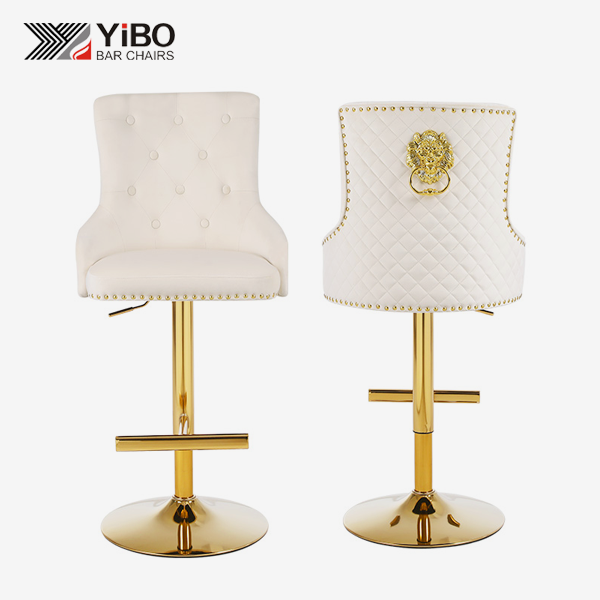
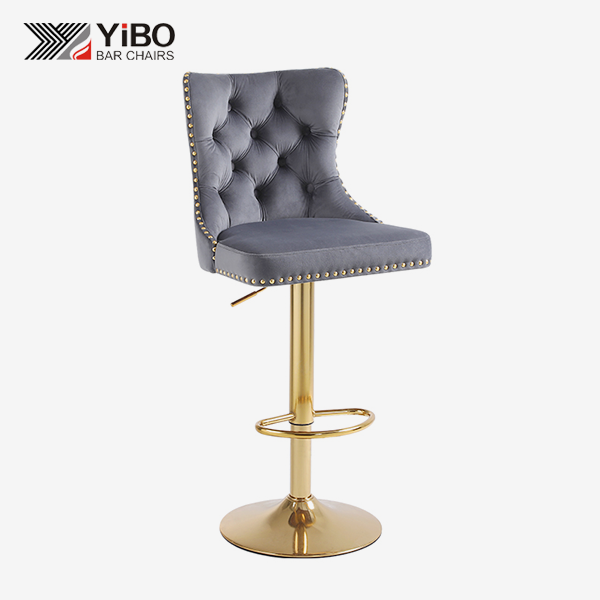
The primary distinction between kitchen stools and bar stools lies in their height specifications, which directly correspond to the surfaces they're designed to complement. Kitchen stools, often referred to as counter stools, are specifically engineered for standard kitchen countertops and islands that typically measure between thirty-five and thirty-nine inches from the floor. These kitchen stools feature seat heights ranging from twenty-four to twenty-seven inches, providing the optimal ten to twelve inches of clearance between the seat cushion and the countertop underside. This spacing is essential for comfortable leg positioning and prevents the knee-bumping discomfort that plagues improperly matched seating arrangements. Kitchen stools serve multiple purposes in modern homes beyond simple dining. They create casual gathering spaces where family members can enjoy quick meals, children can complete homework under supervision, or guests can chat with the host during meal preparation. The versatile design of leather kitchen bar stools from manufacturers like Anji Yibo Furniture incorporates features such as three-hundred-sixty-degree swivel capabilities, allowing users to easily transition between conversations and activities without awkward repositioning. The multi-layer board construction with one-point-two-centimeter thickness and primary cotton padding of one-point-eight centimeters at twenty-two density ensures these kitchen stools provide lasting comfort during extended seating periods. For residential applications, kitchen stools offer practical advantages in space management. Their lower profile allows them to slide neatly beneath counter overhangs when not in use, maintaining clear floor space and creating a streamlined appearance in compact kitchens. Modern leather kitchen bar stools combine this functionality with sophisticated aesthetics, featuring premium PU leather upholstery over zero-point-eight-millimeter thickness half-PU materials that resist staining and simplify maintenance. The built-in iron frame with zero-point-eight-millimeter tube wall thickness provides structural integrity while maintaining a sleek silhouette that complements contemporary kitchen designs.
-
Material Considerations for Kitchen Stools
When selecting kitchen stools, material composition significantly impacts both durability and user experience. High-quality leather kitchen bar stools utilize carefully selected fabrics and construction techniques to withstand daily use in busy households and commercial environments. Premium manufacturers incorporate multiple protective layers, beginning with robust multi-layer board foundations that resist warping and maintain stability under varying weight loads. The addition of high-density cotton padding creates a comfortable seating surface that conforms to the user's body without excessive compression over time. The upholstery selection for kitchen stools requires careful consideration of cleaning requirements and aesthetic preferences. Leather and faux leather options, particularly those used in leather kitchen bar stools, offer superior stain resistance compared to fabric alternatives, making them ideal for dining applications where spills are inevitable. The zero-point-eight-millimeter thickness half-PU material provides a supple feel while maintaining the structural integrity necessary for commercial-grade durability. Customization options for leather and velvet finishes allow homeowners to coordinate their kitchen stools with existing decor schemes, whether pursuing modern minimalism, rustic farmhouse charm, or elegant traditional styling.

Bar Stool Specifications and Appropriate Applications
Bar stools represent the taller counterpart to kitchen stools, designed specifically for elevated bar-height surfaces that measure between forty and forty-three inches from floor to top. These stools feature seat heights ranging from twenty-nine to thirty-five inches, maintaining the crucial spacing that prevents uncomfortable leg positioning. The increased elevation creates a distinct visual statement in entertainment spaces, home bars, and commercial establishments, providing users with an elevated vantage point that facilitates social interaction and creates a more formal dining atmosphere compared to standard counter-height seating. The structural requirements for bar stools differ from their shorter kitchen stool relatives due to the increased height and corresponding stability challenges. Quality bar stools incorporate wider bases, reinforced leg assemblies, and often feature footrests positioned at ergonomically calculated heights to support users' legs and reduce fatigue during extended seating periods. The built-in iron frame construction found in professional-grade leather kitchen bar stools from Anji Yibo Furniture provides the necessary structural support, with zero-point-eight-millimeter tube wall thickness ensuring these pieces withstand the rigors of commercial use without wobbling or compromising user safety. Bar stools typically incorporate backrests more frequently than kitchen stools, recognizing that the elevated seating position benefits from additional lumbar support. This design consideration becomes particularly important in entertainment spaces where guests may occupy bar stools for extended periods during social gatherings. The three-hundred-sixty-degree swivel functionality common in modern bar stools enhances their social utility, allowing users to easily engage with people positioned around them without the awkward twisting that fixed-position seating requires. Adjustable-height bar stools offer versatile solutions for spaces with non-standard counter heights or for households wanting maximum flexibility in furniture arrangement.
-
Selecting Between Kitchen Stools and Bar Stools
The decision between kitchen stools and bar stools extends beyond simple height measurements to encompass functional considerations, space limitations, and user demographics. Families with young children often prefer kitchen stools for their lower height, which allows youngsters to climb on and off independently while reducing fall risks. The compact footprint of kitchen stools proves advantageous in smaller spaces where every square inch matters, as these pieces tuck completely beneath counters when not occupied. Conversely, bar stools excel in open-concept layouts where the elevated seating creates visual separation between kitchen work zones and entertainment areas without the visual weight of full walls or partitions. Commercial establishments must consider traffic patterns and customer demographics when choosing between kitchen stools and bar stools. Quick-service restaurants and casual dining establishments often prefer kitchen stools for counter seating, as the lower height accommodates diverse customer body types and abilities more universally. Bars, pubs, and upscale restaurants traditionally opt for bar stools to create the elevated, sophisticated atmosphere patrons expect in these venues. The durability of leather kitchen bar stools makes them suitable for either application, with professional-grade construction techniques and materials that withstand heavy daily use while maintaining their attractive appearance.
Ergonomic Design Principles in Modern Kitchen Stools
Contemporary kitchen stool design prioritizes ergonomic principles that promote proper posture and reduce physical strain during seated periods. The ideal spacing between seat and counter—ten to twelve inches—allows users to position their legs comfortably with thighs parallel to the floor and feet either flat on footrests or dangling naturally without circulation restriction. Ergonomically designed leather kitchen bar stools from established manufacturers incorporate contoured seats that support the natural curvature of the human body, distributing weight evenly across the sitting surface to prevent pressure points that cause discomfort during extended use. Footrest positioning represents another critical ergonomic consideration often overlooked in kitchen stool selection. Properly placed footrests should allow users to rest their feet flat or at a slight downward angle, reducing leg muscle tension and improving circulation. The distance between seat and footrest varies based on stool height, with kitchen stools requiring footrests positioned approximately fifteen to eighteen inches below the seat surface. High-quality kitchen stools feature footrests integrated into the frame design rather than added as afterthoughts, ensuring structural stability and appropriate positioning that accommodates various user heights comfortably. The swivel mechanism incorporated into many modern kitchen stools serves ergonomic purposes beyond mere convenience. Three-hundred-sixty-degree rotation capability reduces the twisting motion users must perform when turning to engage in conversations or reach for items, minimizing strain on the spine and lower back. This feature proves particularly valuable in kitchen environments where individuals frequently transition between food preparation, dining, and social interaction. The precision-engineered swivel mechanisms in premium leather kitchen bar stools operate smoothly and quietly, maintaining their functionality through thousands of rotation cycles without loosening or developing unwanted play that would compromise user safety.
-
Spacing and Arrangement Considerations
Proper spacing between kitchen stools significantly impacts user comfort and the overall functionality of counter seating areas. Industry standards recommend maintaining twenty-eight to thirty inches of space measured from the center of one stool to the center of the next, providing adequate elbow room for comfortable dining and preventing the crowded feeling that develops when stools are positioned too closely together. This spacing guideline applies to standard kitchen stools with seat widths of sixteen to eighteen inches. Wider designs or stools equipped with armrests require increased spacing of eight to ten inches beyond the standard recommendation to prevent contact between adjacent stools during swivel operation and to accommodate the additional width armrests contribute. The counter overhang depth influences how kitchen stools align with the seating surface and affects leg positioning comfort. Standard countertop overhangs measure twelve to fifteen inches, providing sufficient depth for users to sit comfortably without their knees pressing against cabinet faces or support structures. Waterfall-edge counters and those with minimal overhangs may require special consideration when selecting kitchen stools, as reduced overhang depths limit the space available for leg positioning. In these scenarios, backless kitchen stools often prove more suitable than designs with backrests, as they allow users to sit at slight angles that maximize available leg space.

Quality Manufacturing Standards for Kitchen Stools
Professional furniture manufacturers like Anji Yibo Furniture Co., Ltd. adhere to rigorous quality standards throughout the kitchen stool production process, ensuring each piece meets international specifications for safety, durability, and performance. The manufacturing process begins with careful material selection, incorporating only materials that have proven track records in furniture applications. Multi-layer board components undergo testing to verify thickness consistency, moisture content, and structural integrity before integration into kitchen stool frames. This attention to detail at the component level translates into finished products that maintain their appearance and functionality through years of regular use. Quality control procedures encompass every production stage, from initial frame assembly through final upholstery application. Frame construction for leather kitchen bar stools requires precision welding and joint reinforcement techniques that create seamless connections capable of supporting three-hundred-pound weight capacities without stress concentration at junction points. The zero-point-eight-millimeter tube wall thickness specified for iron frame components provides optimal balance between weight management and structural strength, resulting in kitchen stools that remain manageable for repositioning while delivering commercial-grade stability. Padding application follows exact density specifications—twenty-two-density primary cotton at one-point-eight-centimeter thickness—ensuring consistent comfort across production runs. The upholstery phase represents the final opportunity to verify quality standards before kitchen stools proceed to packaging and shipping. Skilled craftspeople carefully stretch and attach zero-point-eight-millimeter thickness half-PU materials over padded seats, eliminating wrinkles and ensuring smooth, professional finishes that resist premature wear. Edge finishing techniques seal upholstery materials and prevent delamination along high-stress seams where inferior construction methods often fail. Custom color matching capabilities allow manufacturers to produce leather kitchen bar stools in diverse finishes—black, brown, white, cream, and specialized custom options—that integrate seamlessly into any design scheme while maintaining consistent material quality across color variations.
-
Warranty Protection and Customer Support
Reputable kitchen stool manufacturers stand behind their products with comprehensive warranty programs that protect customers' investments and demonstrate confidence in construction quality. Standard warranties typically cover structural defects, frame integrity, and mechanical component failures for one-year periods from purchase dates, with some manufacturers offering extended coverage options for commercial applications where usage intensity exceeds residential norms. These warranty programs provide customers peace of mind, knowing that their leather kitchen bar stools will perform as expected or receive prompt remedial attention if manufacturing defects emerge during the coverage period. Customer support services extend beyond warranty fulfillment to encompass pre-purchase consultation, customization guidance, and ongoing maintenance recommendations. Experienced sales teams with years of industry knowledge help customers navigate the selection process, ensuring chosen kitchen stools align with specific height requirements, aesthetic preferences, and functional needs. The ability to respond to inquiries within twenty-four hours demonstrates manufacturer commitment to customer satisfaction and helps resolve concerns before they escalate into significant issues. This responsive approach to customer service distinguishes professional furniture suppliers from transactional retailers focused solely on initial sales rather than long-term customer relationships.
Conclusion
Selecting between kitchen stools and bar stools ultimately depends on your counter height, available space, and intended use. Kitchen stools complement standard thirty-five to thirty-nine-inch counters, while bar stools suit forty to forty-three-inch surfaces. Understanding these distinctions ensures comfortable, functional seating that enhances your space rather than creating frustration through improper height matching.
Cooperate with Anji Yibo Furniture Co., Ltd.
Partner with Anji Yibo Furniture Co., Ltd., your trusted China kitchen stool manufacturer with fourteen years of specialized experience producing high-quality kitchen stools and leather kitchen bar stools. Located in Anji, Zhejiang—China's furniture manufacturing heartland—our six-thousand-square-meter facility combines advanced equipment with skilled craftsmanship to deliver ergonomically designed seating solutions exported to seventy countries worldwide. As a leading China kitchen stool supplier and China kitchen stool factory, we offer competitive China kitchen stool wholesale pricing without compromising on quality. Our professional R&D team supports OEM/ODM customization, creating kitchen stools for sale that perfectly match your specifications. Experience our high-quality kitchen stools backed by warranty protection and comprehensive twenty-four-hour customer service. Every kitchen stool price reflects our commitment to excellent quality and space-saving packaging that demonstrates responsibility to our customers. Contact our experienced sales team at yb@ajyibo.com to discuss your project requirements and discover why discerning buyers choose Anji Yibo as their preferred China kitchen stool wholesale partner for lasting business relationships.
References
1. Cooper, J. "Kitchen Seating Selection: Professional Guidelines for Counter and Bar Stool Specifications." Interior Design Standards Quarterly.
2. Thompson, M. & Richardson, S. "Ergonomic Furniture Design: Height Requirements and User Comfort in Residential Seating." Journal of Furniture Manufacturing.
3. Anderson, R. "Commercial Furniture Standards: Durability Testing and Quality Specifications for Hospitality Seating." International Furniture Association Technical Review.
4. Williams, K. "Space Planning for Kitchen Islands: Optimal Dimensions and Seating Arrangements." Residential Design Professional's Handbook.