

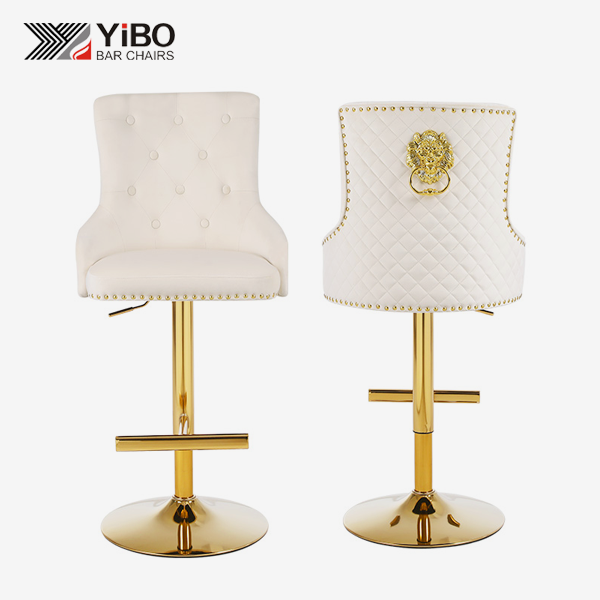
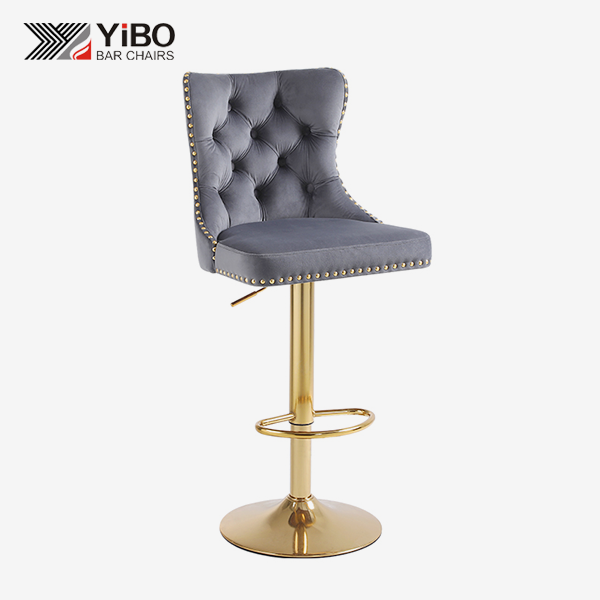
 (1)_1777442575043.jpg)
What is the Ideal Height for Coffee Bar Stool?
Getting coffee bar stools with the right seat height is an important part of making business areas comfortable and useful. Most of the time, 24 to 30 inches from floor to seat is the best height, making sure it fits your table or bar area. Choosing the right height has a direct effect on how happy customers are, how productive employees are, and how well space is used in cafes, coworking spaces, and dining places. Understanding the connection between stool height and table height is important for good balance, long-term business performance, and keeping customers in a wide range of professional settings.
Understanding the Importance of Coffee Bar Stool Height
Choosing the right height for seats affects more than just how it looks; it also has a direct effect on how well the business does. We've seen that wrong height requirements shorten the time that customers stay in bars, slow down work in business kitchens, and make people more upset in hospitality settings.
Ergonomic Impact on Commercial Performance
Postural strain is caused by choosing the wrong height, especially in the lower back and knee joints when you sit for long periods of time. People who work together and spend 60 to 90 minutes at coffee spots are forced into bad postures when there isn't enough space between the seat and the bar. This discomfort directly leads to less room being used and bad comments from customers. On the other hand, properly positioned seating supports natural spine alignment, letting users keep the small forward lean that comes with drinking and using a laptop without getting tired muscles.
Business Consequences of Height Misspecification
Buying choices about seat height have an effect on the whole process. Clients in the hospitality industry say that seating that isn't the right size lowers table shift rates by 15 to 20 percent because guests are uncomfortable and leave early. When used in a business setting, break room furniture that doesn't support good balance makes employees less satisfied with shared areas. These results show that specification accuracy is important for more than just the original purchase—it affects operating efficiency and how customers see the brand in places where it is used.
Postural Requirements in Coffee Bar Environments
In contrast to traditional bars, where people sit back and talk, coffee shops require people to sit facing forward. People lean slightly toward tables while reading, working on their devices, or drinking. This position needs different knee space and arm placement than when you're eating or drinking at a bar. By choosing the right height, you can meet these specific functional needs and make spaces where customers feel at ease, which will keep them there longer and increase the value of the space.
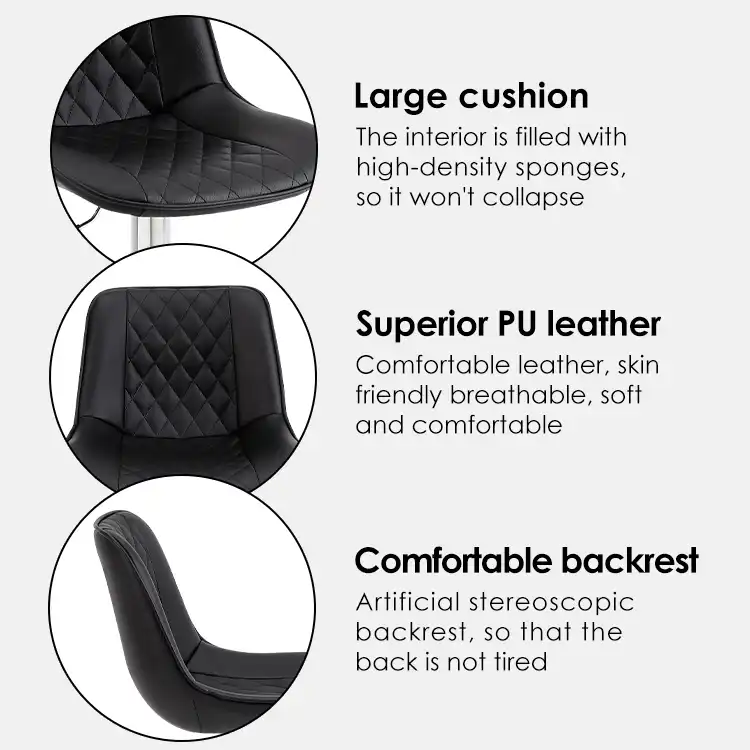
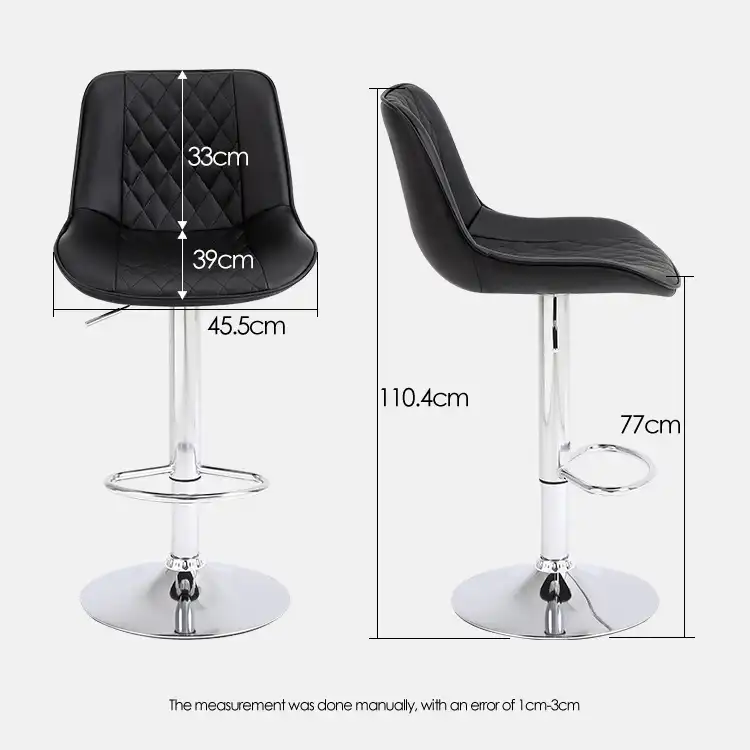
Coffee Bar Stool Height Guide: Key Dimensions and Standards
Industry standards are good ways to make sure that specifications are correct, but the unique needs of the product should always be taken into account. Knowing these standards helps procurement workers talk to manufacturers more easily and make sure that products will work with a variety of furniture.
Standard Height Categories and Counter Relationships
Seats that are 24 to 26 inches from the floor to the seat are counter-height and go with tables that are 34 to 36 inches high. This set-up works well for coffee shops, cooking islands, and the lower work spaces that are popular in casual eating areas. Bar-height choices, which are 28 to 30 inches high, match raised counters that are 40 to 42 inches high, which are common in standing-height work areas and window seats. Keeping 10 to 12 inches of space between the seat surface and the bottom of the counter is very important. This size lets you place your knees comfortably while still giving your elbows enough support for holding drinks and using devices.
Measurement Best Practices for Procurement Accuracy
A correct field measurement for coffee bar stools stops design mistakes that cost a lot of money. There are likely to be uneven floors or surfaces in older buildings, so you should measure the counter height more than once. Write down the distances measured from the finished floor to the bottom of the counter, taking into account any artistic ends or aprons that make it harder to get to the counter. When buying things for more than one place, make sure that everyone on your purchase team follows the same measuring rules. Taking pictures of measurement places with rulers obvious is a good way to keep track of things when talking to sellers about specific needs.
Height-Adjustable Solutions for Flexible Procurement
Adjustable height pneumatic systems give you more options for how to do your job, which is especially helpful in places with a lot of different uses. These units usually move from 5 to 7 inches, so they can fit people of different heights and different counter heights in the same spot. If you're buying things, flexible models make your inventory simpler by reducing the number of SKUs you need to keep track of. They also let you change things as your places change. The money spent on adjustment mechanisms—which make gas tanks and swivel plates last longer—pays off in the long run in terms of user happiness and furniture life. Quality adjustment systems can survive tests for more than 50,000 cycles, which means they will keep working at a commercial level for a long time.
Comparing Coffee Bar Stool Types Based on Height and Design
Material choice, structural design, and height standards all affect how well something works, how it can be customized, and how much upkeep it needs in business settings.
Material Considerations: Wood Versus Metal Frameworks
When properly designed, wooden frames made from kiln-dried hardwoods offer warmth and a classic look while also adding strength to the structure. These materials work great in places where eye pleasure and sound absorption are important. Powder-coated steel tubes and other metal frames have better strength-to-weight ratios and are easier to maintain. The metal construction lets you change the height by welding and supports thinner shapes that make the space under the counter as big as possible. Both materials are durable enough for business use if they are made to exact specs. However, metal frames are usually cheaper when buying in bulk because they are easier to make.
Backrest Configurations and Space Efficiency
Backless designs help quick-service restaurants get more customers while reducing visual clutter and the size of their area. These layouts work well in places like espresso bars and standing counters where quick trips are good for business. Low-back choices, which are usually 6 to 10 inches above the seat height, support your lower back without getting in the way of your view. This strikes a balance between comfort and space efficiency. This is a good middle ground for business pantries and relaxed meeting rooms where people usually use them for 30 to 60 minutes at a time. Full-back designs that go 16 to 20 inches above the seat provide the most support for your back. They're good for co-working spaces and other places where seats are used as fixed workspaces instead of temporary perches.
Swivel Mechanisms Versus Fixed Orientations
The ability to swivel makes things easier for users, but it also makes upkeep more difficult. Memory-return turning plates automatically move seats to face forward when they are not in use. This keeps the visual presentation neat without any help from staff, which is useful in restaurant settings where customers are present. Fixed positions get rid of the need for moving parts, which lowers the cost of each unit at first and over time. This ease of use is good for large sites where cost-effectiveness and low maintenance are important. Swivel mechanisms need to be oiled and tightened from time to time, which adds some small but regular upkeep jobs to normal operations.
Meeting Diverse Business Needs: Choosing the Right Coffee Bar Stool Height
Strategic specification lines up the features of furniture with practical needs, usage habits, and the processes of buying it in a variety of business settings.
Indoor and Outdoor Application Differences
Indoors, where the weather is managed, there are more material and finish choices for coffee bar stools because of the lower risk of weathering. Applications that are outside or partially outside need treatments that are resistant to the weather. For metal frames, this means a powder coating that is at least 60 microns thick, and marine-grade finishes or naturally weather-resistant woods like teak are needed. Height requirements for outdoor areas often call for slightly lower shapes to make them less resistant to wind and less likely to fall over. To stay stable, outdoor furniture usually needs bigger base footprints and heavier construction. These factors affect the amount of shipping and the cost of large orders.
Bulk Purchasing Logistics and Height Standardization
Standardizing seat heights across all of your purchases makes your inventory simpler and cuts down on shipping costs. When specs are the same everywhere, it's easier to load containers quickly, keep spare parts in stock, and install things more easily. When making container-level orders, height affects how efficiently containers can be stacked. Designs with lower profiles and no backs maximize units per container more than designs with tall backs. When you work with makers who know how to handle export operations, you can be sure that they will use the best packaging methods to lower the cost of shipping each unit. When you talk about customizing the packaging during the specification phase, providers can come up with ways to save room that are right for your order amounts.
Sustainable Ergonomic Options for Modern Procurement
More and more, eco-friendly seating choices meet both efficiency and environment standards. FSC-certified hardwoods, recycled metal content, and water-based paints all meet green building standards and are long-lasting enough for industrial use. Solution-dyed fabrics used in upholstery don't need to be dyed, which wastes a lot of water. They also fight stains and keep their color better for longer, which is real sustainability that lowers the frequency of replacement and total cost of ownership. These requirements support LEED certification goals and business sustainability reporting. They also appeal to end users who care about the environment, giving brands an edge in the competitive office and hotel markets.
Maintenance Tips and Long-Term Performance for Coffee Bar Stools
Regular maintenance protects both the accuracy of the height and the structural stability of your furniture, keeping it safe for as long as it lasts.
Preserving Adjustable Mechanisms and Structural Stability
Pneumatic height-adjustment cylinders need to be checked on a regular basis to find early signs of seal wear or pressure loss. Lubricating the swivel plates and control knobs every three months keeps them from binding and makes sure the machine runs smoothly. Tightening the connection points between seats, frames, and bases fixes the normal loosening that happens after a while of use. Loose connections make the furniture less stable and wear out faster. Setting up repair plans based on how often something is used instead of on a calendar works better in business settings with a lot of foot traffic because it better fits the frequency of inspections to real wear patterns.
Material-Specific Cleaning Protocols
Every week, wipe down metal frames with pH-neutral cleaners to get rid of acidic coffee leftovers that cause rust over time. Do not use rough cleaning tools on powder coating because they can scratch the base metal and allow it to rust. Wooden parts need humidity control in HVAC systems so that the joints don't come apart. Keeping the relative humidity between 35 and 55 percent saves the security of the wood. Finished wood surfaces can be kept in good shape by treating them every so often with the right products that restore oils without making the surfaces slippery. Upholstered furniture needs to be vacuumed regularly to get rid of dust and dirt that wears down the fibers. Spills should also be cleaned up right away by blotting them instead of rubbing them in, which spreads the stain.
Warranty Expectations and After-Sales Support
Most commercial-grade seating comes with a three- to five-year warranty that covers structural problems. The warranty lasts less time for things like fabric and adjustment systems that get worn out more quickly. Knowing the guarantee terms before buying, especially when it comes to shipping costs for broken units and the availability of new parts, can save you a lot of money in the long run. Set up clear ways for customers to talk to their providers about warranty claims and technical help questions. Suppliers with specific export support teams can respond more quickly across time zones, which cuts down on downtime when problems happen. Keeping track of serial numbers and purchase times makes it easier to process insurance claims quickly when they're needed.
Conclusion
To choose the best coffee bar stools seat height for a coffee shop, you have to balance ergonomics with business needs and the practicalities of buying the furniture. The standard for 10 to 12 inches of space between the underside of the seat and the counter leads specifications across a wide range of uses. However, material choice, design features, and usage trends affect final choices. Even though they cost more at first, height-adjustable systems offer freedom that is worth considering. Choosing the right materials, following the right upkeep steps, and working with the right suppliers can help protect your furniture purchases and make sure they last for a long time. Strategic height specification has a direct effect on how comfortable customers are, how well space is used, and how efficiently operations run. This seemingly simple measurement is a key procurement choice that has long-lasting business effects in hotel, office, and commercial settings.
FAQ
What Seat Height Works with 36-Inch Counters?
Counters that are 36 inches high from the floor to the top need seats that are 24 to 26 inches high. This pair gives you the 10 to 12 inches of space you need to comfortably place your knees and keep your arms at natural angles while you drink and use your device.
Are Adjustable Models Cost-Effective for Large Office Orders?
Adjustable systems cost more up front, but they're worth it because they're flexible and can be used for longer. Adjustable models make SKUs simpler and can adapt to changing room layouts in mixed-use business settings with different desk heights or user groups. The investment is worth it when the furniture's durability and ability to be used in different ways make up for the differences in price.
How Do We Verify Ergonomic Compliance for Cafe Installations?
Check that the specs call for 10 to 12 inches of space between the bottom of the seat and the table. Ask for proof that the structure passed the BIFMA tests for safety and weight capacity. Check the foam density (at least 2.5 pounds per cubic foot) and upholstery sturdiness rates (more than 50,000 double rubs) to make sure that the seats stay comfortable and look good even after being used in a business setting.
Partner with YIBO for Premium Coffee Bar Stool Solutions
With 14 years of specialized manufacturing experience from Anji, China's furniture production center, YIBO makes coffee bar stools that are built to last in tough business settings. Our building is more than 6,000 square meters, and it has dedicated production lines that can handle orders for whole containers as well as repeat purchases from foreign project contractors and wholesalers. As a company that makes coffee bar stools and can do both OEM and ODM, we can change the seat height, materials, finishes, and fabric to fit your exact needs and the tastes of your target market. Our R&D team turns your plans into models that are ready for production, and our experienced sales staff answers technical questions within 24 hours, no matter what time zone they are in. We have strict quality control that follows BIFMA guidelines. This includes trying the structure load, making sure the furniture is stable, and checking how long the upholstery will last. Every product comes with a guarantee and clear instructions for getting help after the sale. Shipping costs are lower when you use space-efficient packaging, and we can make sure that your goods get to North American and European markets on time thanks to our experience with export operations. Email our team at yb@ajyibo.com to talk about the needs of your project, get samples, or look into bulk price options that will help your business grow.
References
Kroemer, K. H. E., & Grandjean, E. (2020). Fitting the Task to the Human: A Textbook of Occupational Ergonomics. CRC Press.
Panero, J., & Zelnik, M. (2014). Human Dimension and Interior Space: A Source Book of Design Reference Standards. Watson-Guptill Publications.
BIFMA International. (2019). ANSI/BIFMA X5.1-2017: General-Purpose Office Chairs – Tests. Business and Institutional Furniture Manufacturers Association.
Cranz, G. (2021). The Chair: Rethinking Culture, Body, and Design. W. W. Norton & Company.
Pheasant, S., & Haslegrave, C. M. (2018). Bodyspace: Anthropometry, Ergonomics and the Design of Work. CRC Press.
Winchip, S. M. (2018). Sustainable Design for Interior Environments. Fairchild Books.