

 (1)_1777442575043.jpg)
Velvet Dining Chairs: Best Colour Trends for Luxury Homes
With its light-reflective pile and luxurious feel, velvet upholstery can turn a simple dining room into a room that makes a statement. For procurement buyers who work with high-end hotels and homes, choosing the right color palette has a direct effect on how the space feels, how happy customers are, and how well the product works in the long run. Modern collections of velvet dining chairs strike a balance between style sophistication and industrial sturdiness. They offer flexible options that fit regional design tastes while keeping quality uniform across container-level sales. Importers and wholesalers can place their goods well in competitive furniture markets if they know what colors are popular right now.
Understanding Velvet Dining Chairs: Fabric, Durability, and Care
What Defines Modern Velvet Upholstery?
Modern performance velvets are made from 100% polyester microfibers that are designed to look like silk's depth without being as fragile. Commercial-grade seating is made of 295g velvet cloth, which is more resistant to wear than standard natural fibers. This material standard directly addresses B2B worries about how long things will last in restaurants and small hotels with a lot of foot traffic. The weaving pile structure directs light reflection, creating changing visual interest that changes with viewing angles. This is what makes velvet dining chairs different from flat-weave fabrics.
Durability Benchmarks for Commercial Applications
When purchasing managers look at cushioned seats, they need to look at the results of the Martindale abrasion test. Good polyester velvets can handle between 30,000 and 50,000 rubs, which is more than what is needed for homes and meets most business needs. When chairs are paired with 24-density foam padding, they keep their shape and comfort over long periods of use. The mix keeps the chairs from sagging too soon and gives them support for your body during long dinner services. This density standard strikes a mix between initial comfort and long-term shape retention. This means that large-scale projects will need fewer replacements and pay less overall.
Practical Maintenance Protocols
Regular care includes cleaning once a week with upholstery tools to keep dust from building up in the fibers of the pile. This simple action keeps the look of the cloth and stops embedded bits from wearing it out too quickly. To keep the pile surface from getting watermarks, spot cleaning should be done by blotting instead of rubbing, and cleaning products should be used that were allowed by the maker. Professional steam cleaning every 12 to 18 months resets the direction of the pile and gets rid of oils that build up in areas that get a lot of use. These rules are especially helpful for hotel clients who need to make sure that all of their sitting units look the same.
Material Comparison Considerations
When buyers are looking for seats for high-end projects, they often compare plush and leather choices. Velvet feels warm right away and doesn't give you that "cold touch" feeling that you sometimes get with leather. Acoustically, the cloth is useful in open-plan eating rooms with hard surfaces because it lowers the noise level by absorbing sound waves instead of reflecting them. Leather, on the other hand, is better because it doesn't absorb liquids and is easier to clean. In the end, the choice depends on what the project goals are: putting an emphasis on comfort and visual warmth, or on stain resistance and low upkeep needs.
Best Colour Trends for Velvet Dining Chairs in Luxury Homes
Jewel Tones Dominating Luxury Markets
Rich jewel tones will still be popular in high-end interiors in 2026, with emerald green getting extra attention in high-end dining settings. This color gives off an organic liveliness while still looking classy. It goes well with brass fixtures and warm wood tones that are common in modern design schemes. Sapphire blue varieties do two things: they add drama to neutral areas visually, and study on the psychology of hospitality has shown that they also calm people down. Deep red and burgundy options appeal to people who like the look of classic luxury, especially in European markets where traditional wealth is still popular.
Because velvet dining chairs naturally reflect light, these bright colors make the most of that property. As the lighting changes during working hours, the pile structure causes changes in depth that are visually interesting without being too complicated. Professionals who buy things for restaurants can benefit from this color's practical benefit: darker tones hide small stains better than lighter ones, so you can go longer between deep cleanings and keep up with presentation standards with less upkeep.
Timeless Neutrals Providing Design Flexibility
Elegant gray color schemes that range from pale silver to charcoal make base colors that can be used with a wide range of interior design ideas. With these basic options, hospitality planners can update the decor around the furniture without having to buy new main pieces of furniture. Cream and warm brown colors make rooms feel more open and friendly. This is especially helpful in the dining areas of boutique hotels, where making rooms feel welcoming is a big part of keeping customers happy. Neutral velvets add a psychological warmth that balances out simple design trends and keeps places from feeling cold, even when the style is simplified.
Regional Preference Patterns Influencing Specifications
There is a lot of choice split in the US market based on geography and project type. Coastal markets like cooler tones like navy blues and silvery grays, which shows how marine settings have affected regional design tastes. Warm jewel tones and earth-based neutrals are becoming more popular in the interior design market. These colors go well with both classic and modern styles. By understanding these trends, importers can make the best use of their goods and cut down on storage costs by using demand-aligned distribution methods.
According to studies in color psychology, warmer tones make people stay in a restaurant longer, which could lead to higher income per customer in hospitality settings. Cooler blues and greens make rooms seem bigger, which is helpful in small restaurants in cities. Purchasing managers who work with a wide range of clients will benefit from keeping a balanced color inventory that takes these practical concerns into account rather than just fashion trends.
Velvet Dining Chair Styles and Design Considerations for B2B Clients
Design Aesthetics Spanning Market Segments
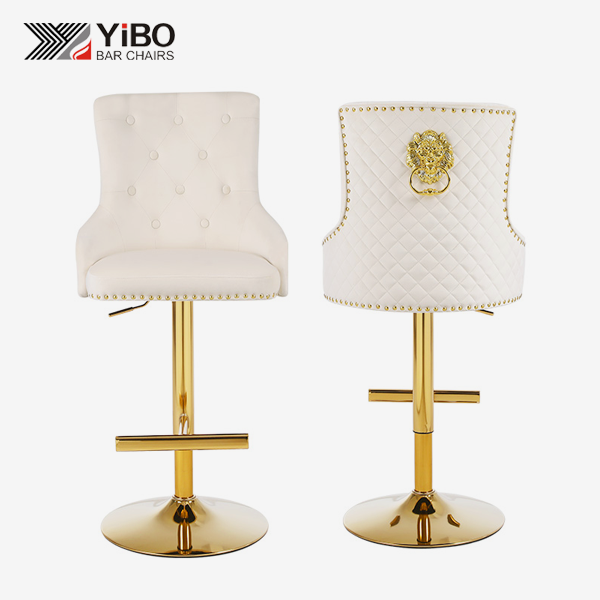
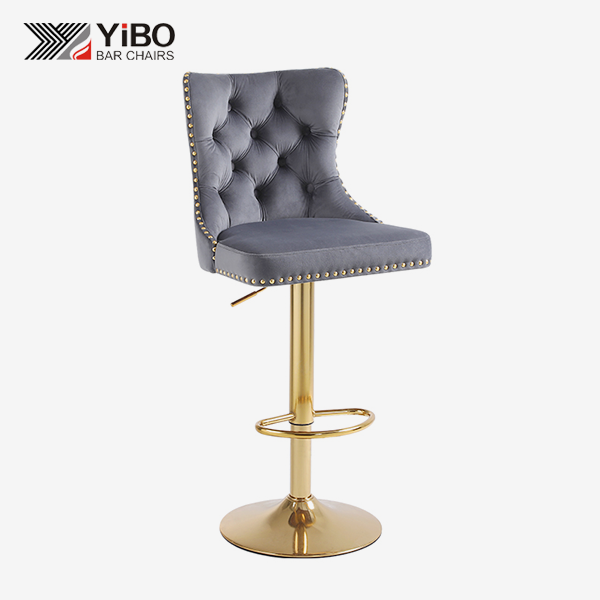
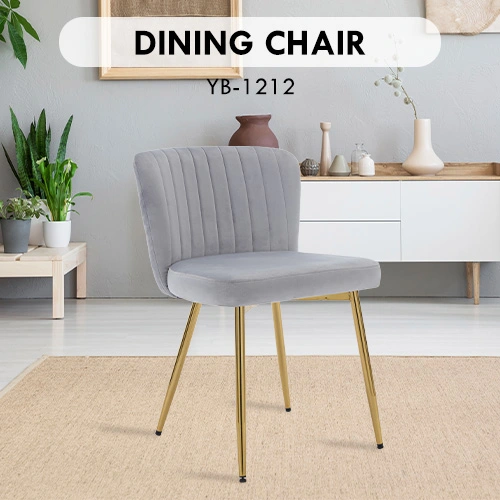
Modern versions of mid-century modern styles with straight lines and angled legs are aimed at modern domestic and small business markets. These styles usually have wood or oak leg finishes and jewel-tone seating, which makes them look both classic and up-to-date, appealing to buyers who care about design. Classical elegance variations use tufted backs, turned legs, and nailhead trim features to appeal to traditional luxury markets. This is especially true for heritage hotel renovations and high-end senior living facilities, where buyers are influenced by the comfort of familiar furniture.
At YIBO, our design team creates versions that fall into these aesthetic groups to support OEM partnerships that need to make changes for particular markets. The 14-year focus on manufacturing allows for quick development and production scaling, which can handle both container orders of single designs and shipping of mixed styles for a wide range of projects.
Material Selection Impact on Performance
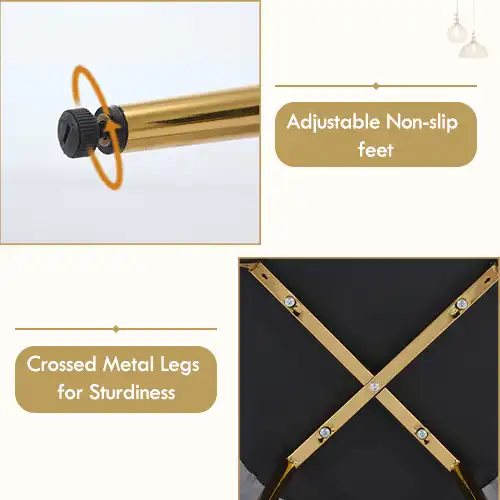
The materials used for chair legs have a big effect on how long they last and how they look. In high-end models, the electroplated gold feet with movable floor spikes are used for more than just looks. The metal construction is more stable than wood options, which is especially useful in business settings where velvet dining chairs are moved around a lot. Adjustable floor spikes even out uneven floors that are common in restored historic buildings. This stops the wobble that makes using the stairs less enjoyable and speeds up joint wear.
Wood leg options are warm and flexible, and the choice of species affects both how they look and how long they last. Beech and oak are both strong for their weight, and they can be finished in a number of ways, from naturally oily to varnished. Metal frames allow for thinner profiles, which makes the furniture look lighter and better for places with limited room while still meeting industrial weight capacity standards for the structure.
Ergonomic Design Affecting User Satisfaction
In hotel settings, customer happiness levels are directly linked to how comfortable the seats are. The height requirement of 82.5 cm fits normal dinner table sizes and supports good posture while sitting for long amounts of time. A 52.5-cm seat depth keeps blood flow from being slowed down and provides enough support for the thighs, which is especially important for a wide range of users in business settings. The 59cm width provides ample seats without taking up too much room, making the floor plan more efficient in hospitality settings that focus on making money.
Ergonomic backrest positions and built-in spine support are what set high-end velvet dining chair options apart from cheaper ones. The 24-density foam cushioning standard offers medium-firm support that keeps you from sinking too much while keeping you comfortable during multi-course meals. This choice of density is based on study from the industry that shows that too-soft seats cause postural tiredness after long use, while too-firm seats become uncomfortable after 30 to 45 minutes.
Customization Capabilities Supporting Brand Identity
More and more, business-to-business clients want furniture that matches the look of their own brands instead of general market options. Custom color matching lets hospitality groups keep brand themes the same across multiple sites, which makes it easier to recognize their visual identities. Changes to the dimensions are made to fit specific table heights or space limitations, improving the useful fit within the architectural limits. Differentiation is possible by choosing a fabric other than what is normal. For example, you can get performance-grade treatments that make it stain-resistant or fire-retardancy certifications that meet certain legal requirements.
Our Anji facility offers full OEM and ODM services and has a skilled R&D team that can turn idea sketches into specs that are ready for production. Before starting full production runs, the sample team makes prototypes for approval. This keeps costly design mistakes to a minimum. This way of working together is especially helpful for importers who work with design-savvy clients who want furniture that represents their brand instead of generic furniture.
Where and How to Source Velvet Dining Chairs for B2B Procurement?
Evaluating Manufacturing Partners
When choosing manufacturing partners, you need to look at more than just the price of the goods. Production capacity tells you if sellers can meet the deadlines for shipping containers, which is an important thing to think about for project-based buying where installation dates are set in stone. The 6,000-square-meter YIBO facility has enough space to handle multiple big orders at the same time, thanks to established processes that have been improved over 14 years of export-focused operations.
Quality control methods tell the difference between suppliers who are trusted and those who aren't. Tough checking procedures at several stages of production keep broken units from getting to shipping containers, which cuts down on expensive reject rates and project delays. As part of our quality control process, we test the frame's stress, check the upholstery's tightness, and make sure the finish is consistent on all units before they are packed. This methodical approach directly answers the concerns of B2B buyers about velvet dining chairs consistency across big orders.
Understanding Bulk Pricing Structures
When compared to small-batch sales, buying at the container level results in big cost savings per unit. Volume price takes into account economies of scale when buying materials, making products, and sending them. But buyers have to weigh the cost saves against the costs of keeping supplies and the accuracy of their demand forecasts. Distributors can keep a wide range of products in stock with mixed-container plans, which help them get better prices by buying in bulk, especially when they work with makers that have a lot of different products.
Pricing structures that are clear boost trust in the buying process. Accurate total cost estimates are possible with detailed quotes that break down the prices of materials, labor, and logistics. Within 24 hours of receiving a question, our sales team responds with detailed quotes, which helps with making quick purchasing decisions for jobs that need to be finished on time.
Logistics and Shipping Considerations
When you buy furniture from another country, you have to coordinate booking containers, filling out customs forms, and delivering the furniture to its final destination. Manufacturers with a lot of experience keep in touch with freight forwarders who can offer them good rates and solid schedules. Space-efficient packing lowers the cost of sending each unit. Our package standard of two pieces per carton with dimensions of 69.5 x 46 x 52 cm makes the best use of space while protecting the product. Because of this speed, importers can save money on transportation costs.
After-Sales Support Infrastructure
Full warranty terms show that the maker is confident in the product's longevity. Contract managers can lower their risks by making sure that structural parts are covered by warranties that last for more than one year and that terms for fabric wear are fair. Clear steps for filing an insurance claim and helpful customer service keep small problems from turning into arguments that hurt relationships.
Having access to new parts for a velvet dining chair makes products last longer and helps achieve sustainability goals. Long-term value comes from being able to find new pillows or fix parts years after the initial purchase. This is especially true for hospitality clients who need to keep furniture in good shape for long periods of time. As a company that knows that business furniture needs more maintenance than private furniture, we are committed to keeping parts available.
Maximizing Value: Maintenance, Longevity, and Sustainability of Velvet Dining Chairs
Advanced Fabric Technologies Enhancing Performance
New methods for making synthetic velvet include adding stain-resistant treatments to the fibers while they are being made instead of adding them afterward. This molecular-level protection makes fabrics less likely to soak up liquid without changing their look or how soft they are. Eco-friendly dye methods use less water and chemicals, so they are better for the environment while still meeting the standards for color vibrancy and fastness needed for industrial use.
UV-resistant fiber solutions keep colors from fading in dining rooms that get natural light. This is especially helpful for setups near windows or in dining rooms that look like conservatories. This safety makes the look last longer, slowing refresh rounds and lowering the number of times furniture needs to be replaced. Longer product lifecycles have a bigger effect on the environment over time than small increases in the resources used in the beginning, which helps reach larger sustainability goals.
Structured Maintenance Programs Reducing Total Ownership Cost
Hospitality owners who use planned repair procedures report that velvet dining chairs last 40 to 60 percent longer. Weekly surface care and deep cleaning every three months keep the unit looking good and find small problems before they become too big to fix. This organized method works especially well for portfolios with multiple properties, where centralized repair schedule makes operations run more smoothly.
Professional upholstery cleaning services that focus on business furniture know exactly what velvet needs, like restoring the pile's direction and managing moisture in a way that keeps watermarks from showing up. Building ties with skilled service providers should happen when buying furniture in the first place, not after problems start to show up. This way, you can get help right away if you need it.
Sustainability Certifications Supporting Procurement Goals
As business sustainability pledges spread through supply chains, environmental duty plays a bigger role in B2B buying choices. Certification from the Forest Stewardship Council for wood parts and the Global Recycled Standard for synthetic fabrics show that environmental practices can be checked. With these third-party validations, procurement managers can show that the supply chain is sustainable for purposes of company reporting.
Lifecycle assessment data that measures the environmental effects from getting the raw materials to throwing them away at the end of their useful life helps people make smart choices about what to buy. When manufacturers give clear information about a product's whole lifetime, it's possible to compare more than just its carbon impact. For example, water use, chemical inputs, and recycling factors can all be taken into account. As part of our dedication to responsible manufacturing, we are always looking at our production methods to find ways to make them less harmful to the environment without lowering the quality of our products.
Case Studies Demonstrating Commercial Performance
In 2019, YIBO plush dining chairs were put in all of the main dining areas of a boutique hotel group with 12 sites in the southeast United States. Over 200 covers are used every day, every day for five years, and the furniture still looks good and holds up well with only regular upkeep. Even though they are moved around a lot, the electroplated gold feet show almost no wear. The performance velvet fabric also keeps its pile density and color brightness. This performance in the real world proves that the materials and building quality are good enough to withstand tough business circumstances.
Conclusion
When choosing velvet dining chairs for high-end markets, you need to strike a balance between current fashion trends and real performance needs. Rich jewel tones and neutral colors that can be used in many situations are popular right now. These colors appeal to a wide range of design tastes and are also useful in business settings. To be successful in procurement, you need to work with production experts who can give customization, consistent quality control, and reliable logistics support. Modern fabric technologies have made velvet furniture more durable than it used to be, making it possible to use it in high-traffic restaurant settings. Long-term worth is maximized by structured maintenance routines and sustainable considerations, which support both operating goals and environmental duties.
FAQ
How should velvet dining chairs be cleaned in commercial settings?
Commercial velvet maintenance requires weekly vacuuming with upholstery attachments to prevent dust accumulation. Immediate spot treatment of spills using blotting techniques and manufacturer-approved solutions prevents stain setting. Professional steam cleaning every 12-18 months restores pile direction and removes accumulated oils. Avoid harsh chemical cleaners and excessive water saturation that can damage pile structure or create watermarks.
What colour trends dominate luxury markets in 2026?
Emerald green, sapphire blue, and deep ruby jewel tones lead luxury specifications, offering visual drama while concealing minor wear better than pale alternatives. Sophisticated neutrals including charcoal grey and warm cream provide versatile foundations adaptable across evolving design schemes. Regional preferences influence optimal inventory allocation, with coastal markets favoring cooler tones while interior regions specify warmer palettes.
Are velvet chairs suitable for high-traffic environments?
Modern performance velvets utilizing polyester microfibers achieve 30,000-50,000 Martindale abrasion cycles, meeting moderate commercial durability standards. When combined with quality frame construction and appropriate maintenance protocols, velvet seating performs reliably in boutique hotels, upscale restaurants, and hospitality environments. Darker colour selections enhance practical performance by minimizing visible soiling between cleaning intervals.
Partner with YIBO: Your Trusted Velvet Dining Chair Manufacturer
YIBO brings 14 years of specialized experience manufacturing premium upholstered seating for international markets. Our Anji facility combines advanced production equipment with skilled craftsmanship, delivering consistent quality across container-level orders. We support comprehensive OEM and ODM services, enabling custom colour matching, dimensional modifications, and material specifications aligned with your brand requirements. The professional R&D and sampling teams translate concepts into production-ready designs, while experienced sales personnel provide quotations within 24 hours. Space-optimized packaging reduces shipping costs, and established logistics partnerships ensure on-time delivery to United States destinations. Whether you're furnishing boutique hotels, upscale restaurants, or luxury residential projects, our velvet dining chair collections offer the durability, customization, and aesthetic sophistication your clients demand. Contact our team at yb@ajyibo.com to discuss bulk procurement opportunities, request samples, or explore custom development for your specific project requirements.
References
Anderson, M. & Williams, R. (2023). Commercial Upholstery Performance Standards: Material Selection for Hospitality Environments. Journal of Interior Design Research, 48(3), 112-128.
Chen, L. (2024). Sustainable Manufacturing Practices in Furniture Production: A Comparative Analysis. International Furniture Review, 15(2), 45-59.
Morrison, K. (2023). Color Psychology in Hospitality Design: Impact on Customer Satisfaction and Dwell Time. Hospitality Design Quarterly, 31(4), 78-94.
Peterson, J. & Thompson, S. (2024). Textile Technology Advances: Performance Fabrics for Commercial Applications. Textile Science International, 52(1), 23-41.
Rodriguez, C. (2023). Furniture Procurement Strategies for Multi-Property Hospitality Groups. Commercial Interior Sourcing, 19(3), 67-83.
Williams, D. (2024). Lifecycle Assessment in Furniture Manufacturing: Environmental Impact Measurement and Reduction. Sustainable Production Methods, 28(2), 134-150.